landmark
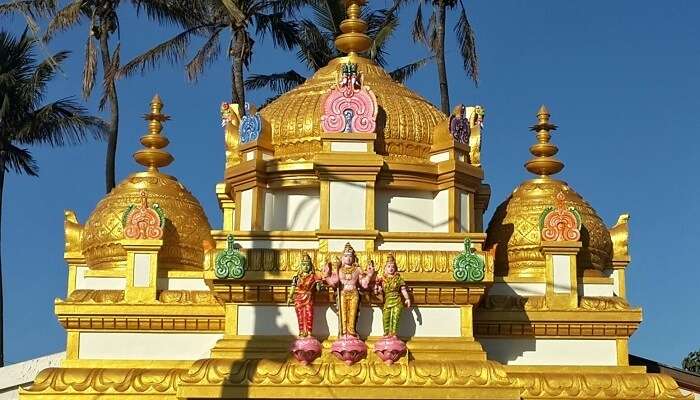
Hindu Shiva Temple
Reflects the region's 19th-century Indian heritage. Dress modestly and remove shoes before entry.
Parleyに聞く南アフリカ
Industrial grit and battlefield history at the Drakensberg foot.
introduction
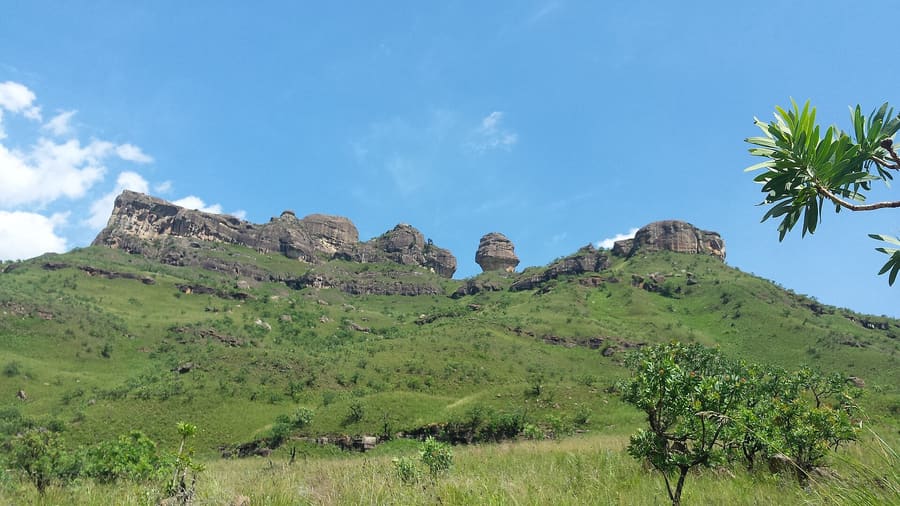
Newcastle sits in northern KwaZulu-Natal along the N11 highway, midway between Johannesburg and Durban. Steel mills and coal mines built the modern economy, but 19th-century military history defines its landmarks. You move through the city primarily by car, passing low-rise suburban grids against the Drakensberg backdrop. Expect high midsummer temperatures, quiet evenings, and straightforward regional hospitality.
Arrival vector
Most travellers drive in via the N11 from the N3 corridor. Direct commercial flights are rare, so rent a car at Johannesburg or Durban.
Historic fort
Fort Amiel overlooks the city. British forces built it in 1876 during the Anglo-Zulu conflict, and it now operates as a municipal museum.
Driving requirement
Public transit inside town relies on informal minibus routes. Renting a private vehicle is essential for visiting nature reserves nearby.
Newcastle
Esther Westerveld · CC BY 2.0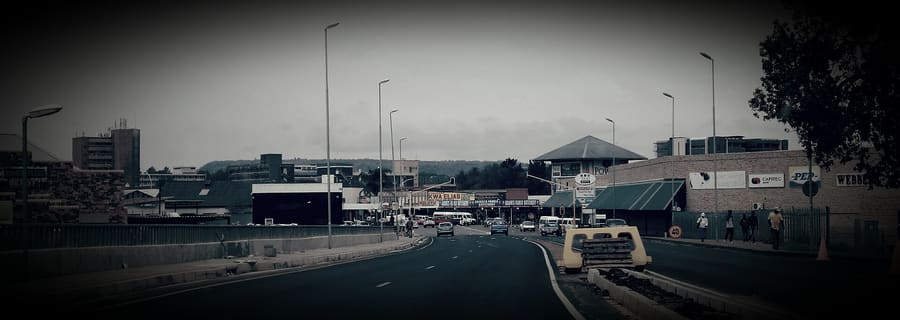
Newcastle Central — Commercial grid with banks, retail stores, and informal street stalls along Scott Street.
Viresh Mahabeer · CC BY-SA 4.0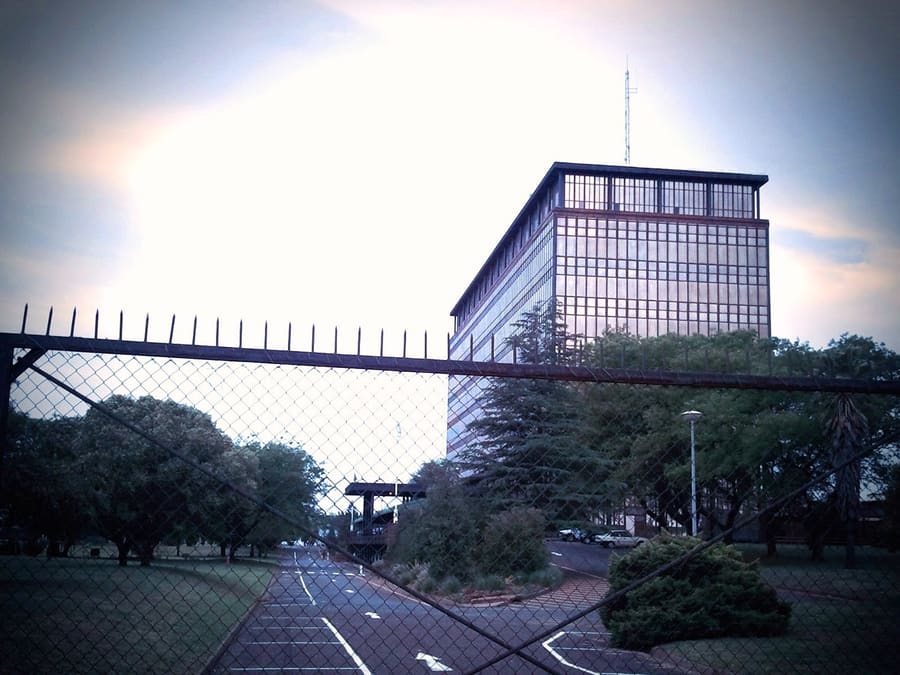
Pioneer Park — Suburban patch bordered by parklands and the meandering Ncandu River.
Viresh Mahabeer · CC BY-SA 4.0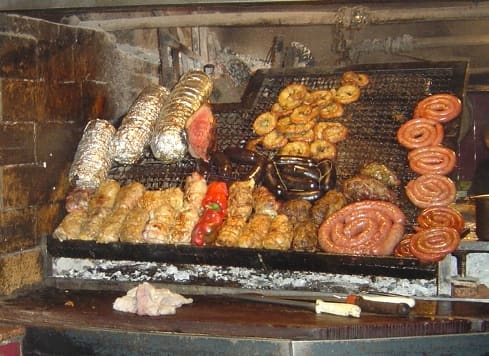
Traditional grilled meats remain a core element of local dining.
Gonzalo Velasco · CC BY 3.0highlights
landmark
Reflects the region's 19th-century Indian heritage. Dress modestly and remove shoes before entry.
Parleyに聞く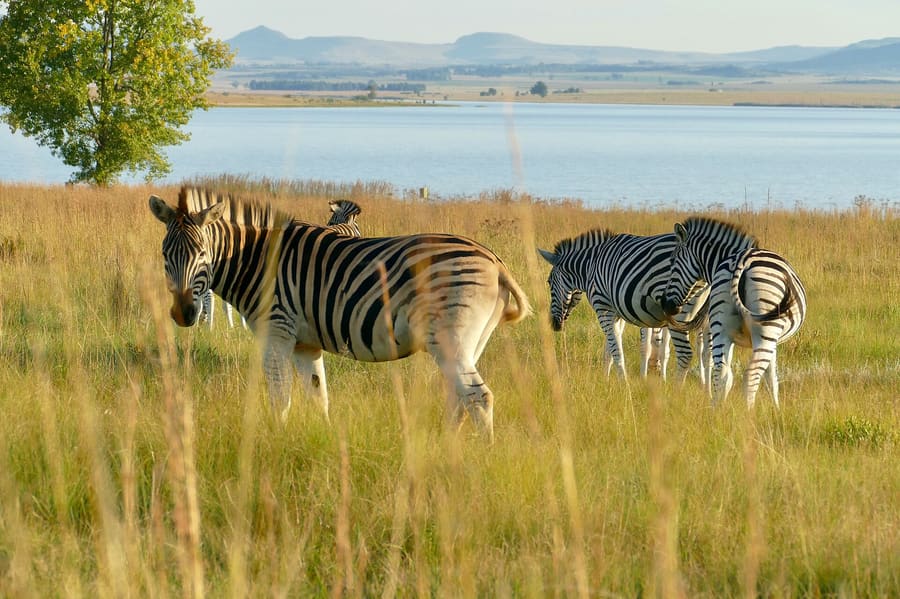
landmark
A 1,000-hectare dam south of town. Bring binoculars for waterbird watching along the shoreline.
Parleyに聞く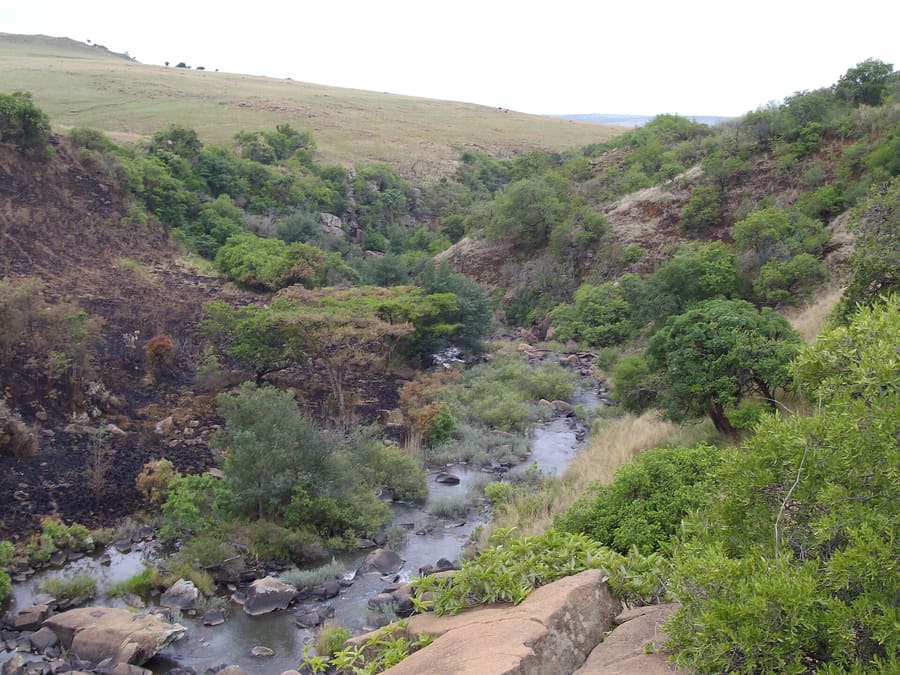
landmark
Sandstone gorges and river trails west of the city. High-clearance vehicles handle the access track best.
Parleyに聞くattractions
areas
Commercial grid with banks, retail stores, and informal street stalls along Scott Street.
近くTown Hall and regional bus points.
Parleyに聞くSuburban patch bordered by parklands and the meandering Ncandu River.
近くNcandu River greenbelt.
Parleyに聞くQuiet, leafy residential area filled with guesthouses and family properties.
近くAmajuba Mall shopping complex.
Parleyに聞くElevated neighbourhood north of the centre with views across the town valley.
近くFort Amiel Museum.
Parleyに聞くfood
Dining in Newcastle reflects three distinct culinary streams: Afrikaner meat traditions, KwaZulu-Natal Indian dishes, and Zulu staples. You find wood-fired steakhouses near major residential suburbs serving thick cuts of local beef. Takeaway spots along Scott Street dish out Durban-style mutton bunny chow served in hollowed loaves. Weekend gatherings centre on outdoor braais at local parks or guesthouse grounds.
Traditional grilled meats remain a core element of local dining.
Gonzalo Velasco · CC BY 3.0Order mutton bunny chow at downtown takeaways; eat with your hands starting from the top crust.
Kitchens outside the main casino hotel close early. Order food before 20:30 on weekdays.
Sit-down restaurants accept major cards, but small curry takeaways prefer debit or cash.
history
Founded in 1864 by the British as a strategic staging point, Newcastle played a focal role in 19th-century regional conflicts. Fort Amiel served as a vital base during the Anglo-Zulu War of 1879 and the First Boer War. In the 20th century, rich coal deposits and industrial development transformed the military outpost into a manufacturing centre for steel and textiles.
Town founded
British authorities establish Newcastle as the fourth township in the Colony of Natal.
Fort Amiel built
British military engineers construct the fort on high ground above the Ncandu River.
First Boer War peace
Signings and military movements surround Newcastle following the Battle of Majuba Hill nearby.
Industrial expansion
Major steel production plants open, bringing rapid population growth to northern Natal.
where to stay
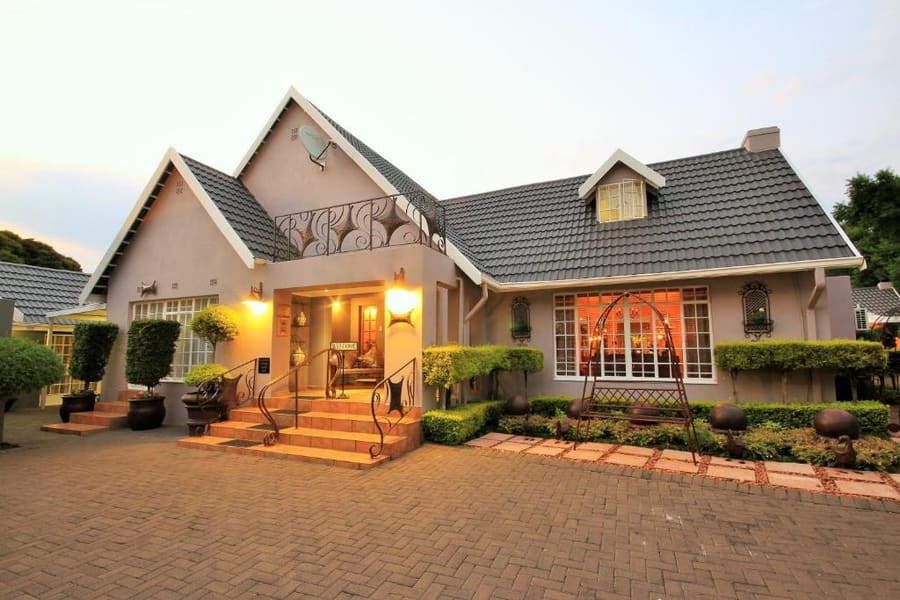
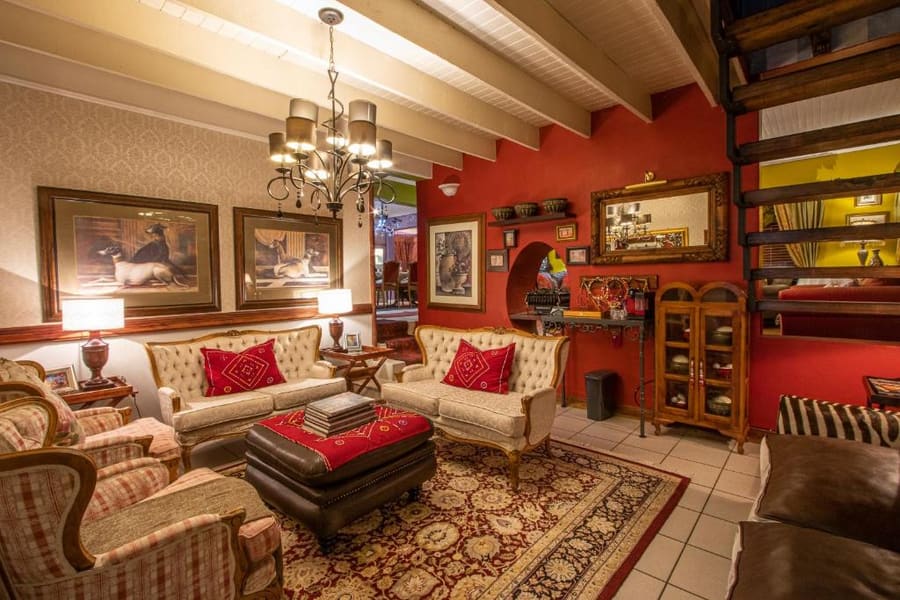
Choose your base according to security and dining preferences. Hutten Heights offers high-end guesthouses with secure gated parking. Central Newcastle keeps you near commercial services, while staying along the N11 gives quick access to industrial parks and highway routes.
transport
Driving is the standard way to navigate Newcastle. Public bus networks are virtually non-existent for tourists, and long-distance travel relies heavily on personal vehicles or long-distance coaches operating along the N11 artery.
O.R. Tambo International Airport (JNB)から
Pre-booked door-to-door drive via the N3 and N11 highways.
Intercity coaches run from Johannesburg or Durban to Newcastle CBD.
Collect a rental vehicle at JNB or Durban airport before driving to Newcastle.
Avoid driving regional roads after dark due to unlit livestock and road wear.
Service stations accept major credit cards; attendants fill your tank for small tips.
Shared taxis run set routes downtown; carry exact cash in South African Rand if using them.
cost
Newcastle offers significantly lower prices for food and accommodation compared to major hubs like Cape Town or Durban. Mid-range dining and comfortable guest manor rooms represent excellent value for international visitors.
Includes private bathroom, parking, and breakfast.
Pricing at local suburban steakhouses.
Generous single portion from central shopfronts.
Per adult entry fee at Chelmsford Nature Reserve.
seasonality
DEC – FEB
Hot summers with frequent afternoon thunderstorms. Pack light clothes and rain protection.
MAR – MAY
Warm dry days and cooler nights. Ideal conditions for outdoor hiking and sightseeing.
JUN – AUG
Cold dry winters with crisp sunny days. Nighttime temperatures can drop near freezing.
SEP – NOV
Spring brings rising temperatures and blossoming trees across suburban gardens.
practicalities
Check national power schedules (loadshedding updates) so your devices stay charged.
English, isiZulu, and Afrikaans are widely spoken throughout business and retail sectors.
Visa and Mastercard work at major businesses, but keep Rand cash for informal vendors.
High altitude and clear skies mean strong UV levels; wear sunscreen year-round.
Nature reserve gates close strictly at dusk; plan your exit time carefully.