landmark
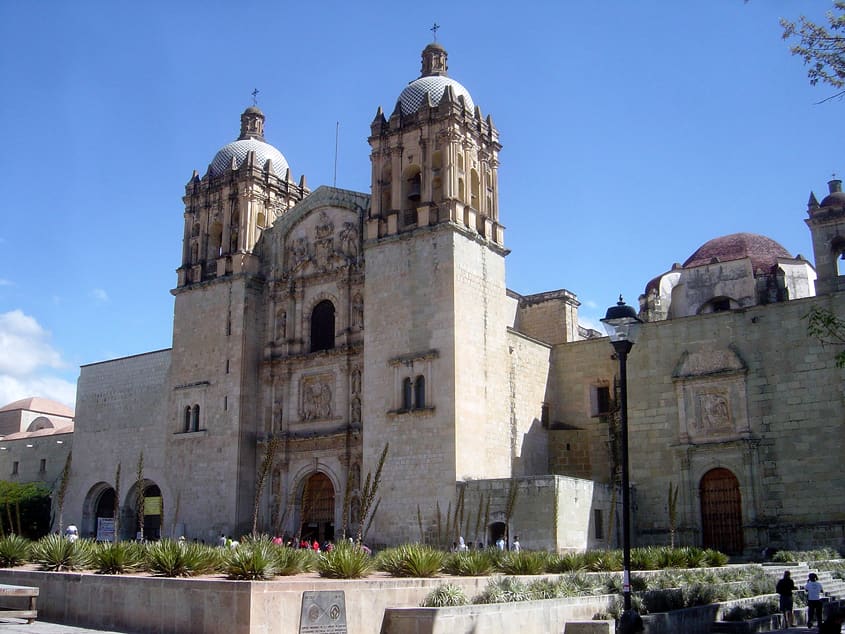
Templo de Santo Domingo de Guzmán
A 16th-century baroque complex built from local green quarry stone. Visit before 10:00 to avoid tour group delays.
Parleyに聞くメキシコ
High-altitude Zapotec culinary capital shaped by limestone.
introduction
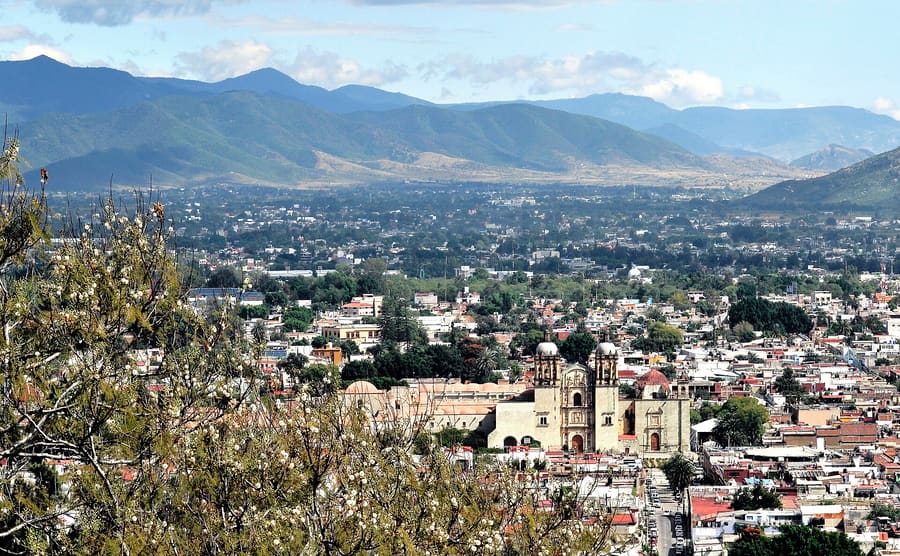
Oaxaca City sits in a high valley surrounded by the Sierra Madre del Sur at 1,500 metres altitude. You navigate its grid almost entirely on foot along flat, stone-paved streets. The valley acts as a regional hub where Indigenous Zapotec and Mixtec foodways dominate daily life. Expect hot sun during mid-day and sudden cool breezes once twilight hits.
Airport transport option
Buy a ticket for the official shared van (colectivo) inside the terminal before exiting. It costs 115 MXN per seat to any hotel in Centro.
UNESCO designation
UNESCO inscribed Oaxaca's historic centre and Monte Albán together in 1987. The city grid retains its original 1529 Spanish layout.
Botanical garden entry
The Jardín Etnobotánico permits entry only on guided tours. Arriving 15 minutes before the daily 11:00 English tour secures your spot.
Oaxaca City
LBM1948 · CC BY-SA 4.0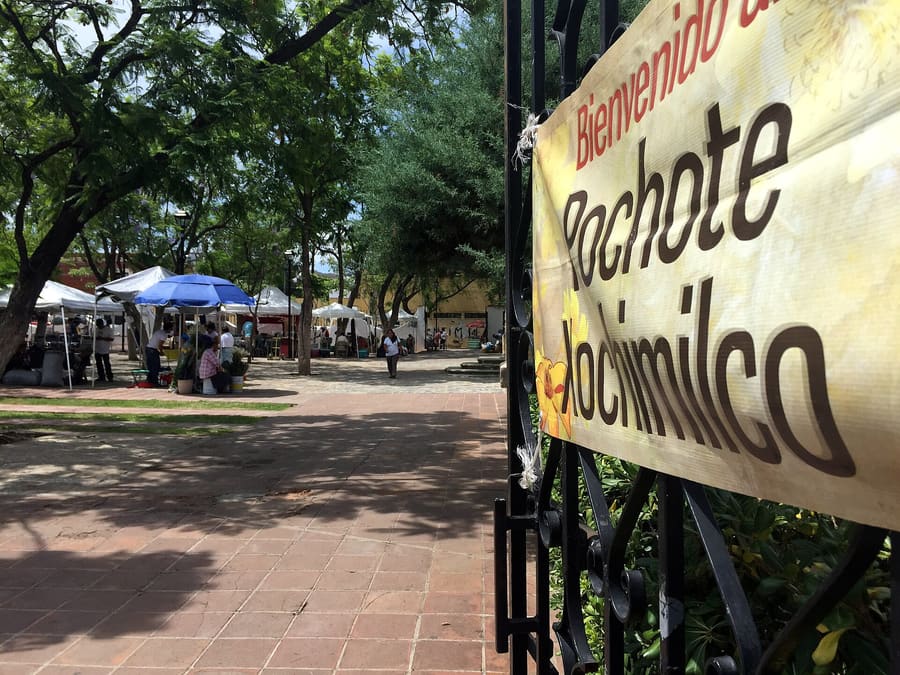
Xochimilco — Oldest neighborhood in the city, defined by stone aqueducts and textile workshops.
https://www.flickr.com/photos/bexwalton/ · CC BY 2.0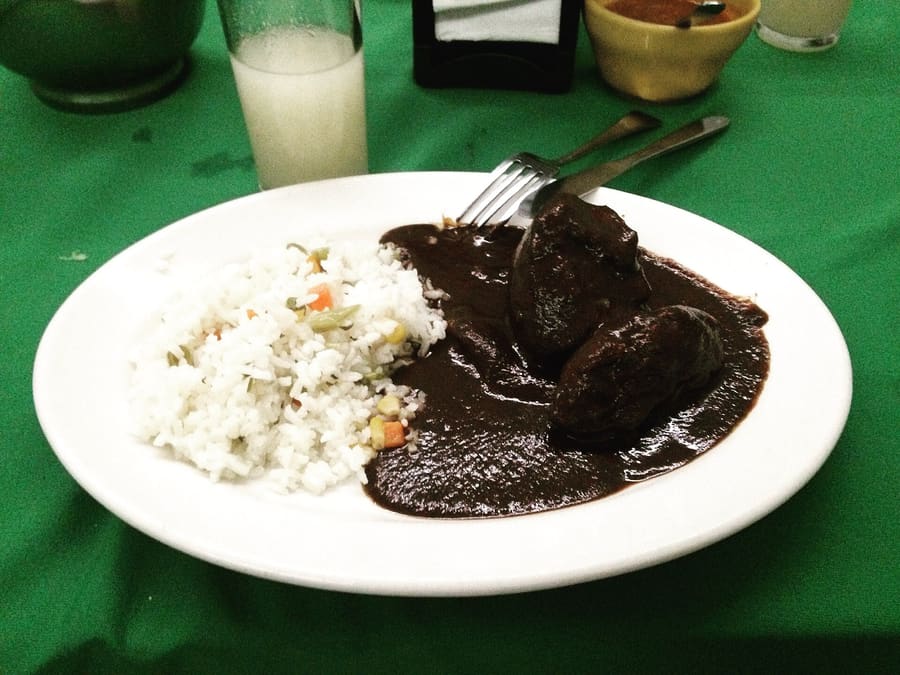
Mole negro served over chicken at a traditional fonda.
ProtoplasmaKid · CC BY-SA 4.0highlights
landmark
A 16th-century baroque complex built from local green quarry stone. Visit before 10:00 to avoid tour group delays.
Parleyに聞く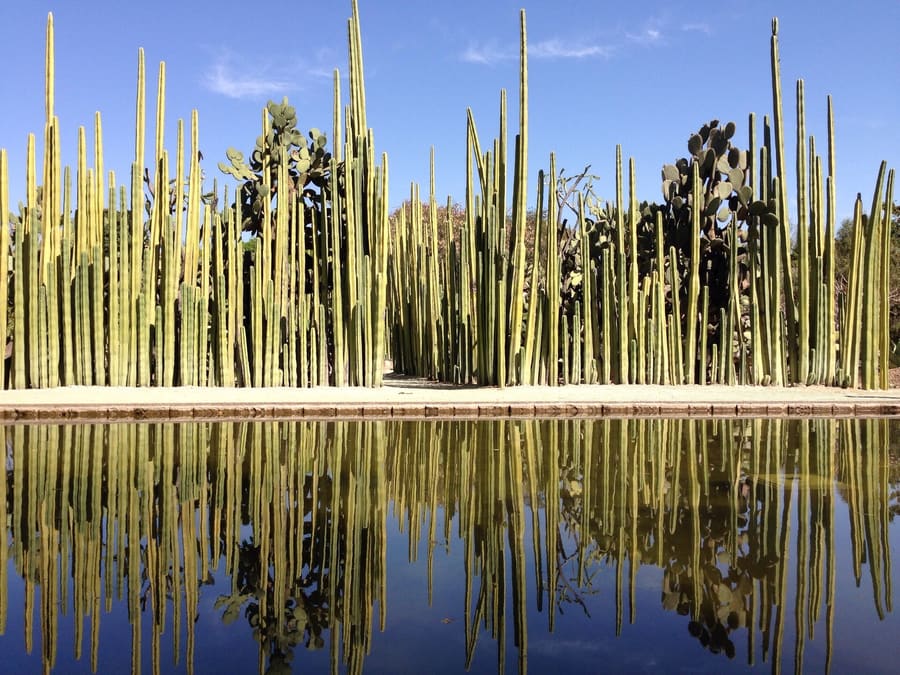
landmark
Living museum of native Oaxacan flora inside a former monastery orchard. You must enter via an official guided tour.
Parleyに聞く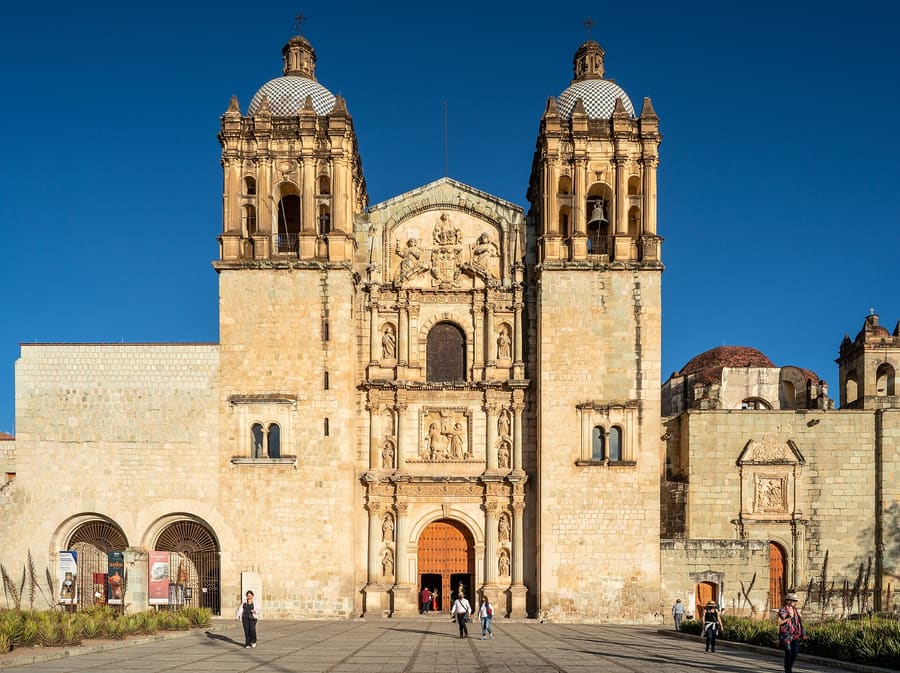
landmark
Displays gold artifacts from Monte Albán Tomb 7 inside Santo Domingo cloister. Closed Mondays; tickets are cash only.
Parleyに聞くattractions
areas
Oldest neighborhood in the city, defined by stone aqueducts and textile workshops.
近くArquitos de Xochimilco
Parleyに聞くColonial grid with high foot traffic, market stalls, and immediate museum access.
近くSanto Domingo and Zócalo
Parleyに聞くUpscale residential hillside enclave offering cooler temperatures and mountain views.
近くBenito Juárez National Park
Parleyに聞くfood
Oaxacan cuisine relies on ancestral techniques rather than contemporary fusion. Complex moles derive their deep taste from burnt chile seeds, dried fruit, and chocolate simmered for hours. Street stalls specialize in tlayudas, large toasted tortillas topped with unrefined pork lard (asiento), refried black beans, quesillo cheese, and grilled meats. Mezcal production uses traditional copper or clay pot stills, giving spirit flights distinct earthy profiles.
Mole negro served over chicken at a traditional fonda.
ProtoplasmaKid · CC BY-SA 4.0Traditional mezcaleries serve pours with orange slices and sal de gusano (agave worm salt). Sip slowly rather than shooting.
Main midday meals occur between 14:00 and 16:00. Top dining rooms like Criollo require online reservations weeks in advance.
history
Oaxaca Valley was settled by the Zapotec civilization over 2,500 years ago, establishing Monte Albán as their central power hub. Mixtec influence expanded into the valley prior to Spanish arrival in 1521. The Spanish laid out a colonial city built from local green volcanic stone, which withstood major earthquakes across centuries. Today, 16 Indigenous ethnolinguistic groups maintain distinct traditions that define modern city life.
Monte Albán Founded
Zapotec leaders level a mountain ridge to build an administrative center that eventually houses 25,000 people.
Spanish Layout
A royal charter establishes Antequera, drawing the rectangular street grid that defines today's Centro Histórico.
Juárez Presidency
Oaxaca native Benito Juárez becomes President of Mexico, reforming national constitutional laws.
UNESCO Designation
UNESCO places the historic city center and Monte Albán ruins on the World Heritage register simultaneously.
where to stay
Choose by your tolerance for noise and walking distance. Centro puts you steps from street stalls and museums but brings street noise at dawn. Jalatlaco offers quiet nights and restored homes for a longer stay. San Felipe suits travellers who prefer cooler mountain air over immediate city access.
transport
The city center is compact and walkable. You rarely need motorized transit within Centro Histórico. For trips outside downtown, local urban buses and shared colectivos offer inexpensive connections.
Oaxaca International Airport (OAX)から
Colectivo seats purchased inside terminal hall before exit doors.
Private airport taxis charge fixed rates by destination zone.
Oaxaca city taxis do not use meters. Agree on the total fare with the driver before getting inside.
Calle Macedonio Alcalá is closed to cars. Walking is consistently faster than driving across Centro during midday hours.
Tuk-tuk style mototaxis handle short routes outside Centro. Fares run 10 to 20 MXN within neighborhood boundaries.
cost
Oaxaca City caters to various budgets, but cash remains indispensable. While upscale restaurants and boutique hotels accept credit cards, street food stalls, markets, and municipal taxis operate exclusively in Mexican Pesos.
A large toasted tortilla loaded with beans, quesillo, and grilled meat serves one adult.
Prices vary based on wild agave varieties like Tepeztate or Tobalá.
Shared taxis leave from near Central de Abastos market.
Covers main dishes and non-alcoholic drinks at sit-down neighborhood venues.
seasonality
NOV – FEB
Clear blue skies and comfortable daytime temperatures (22–25°C). Nights drop to 8°C. Book far ahead for Day of the Dead.
MAR – MAY
Hottest months with daytime highs reaching 32°C. Purple jacaranda trees bloom across city plazas. Air is dry before rains.
JUN – AUG
Rainy season brings afternoon downpours. The Guelaguetza festival takes place in July, filling hotels to capacity.
SEP – OCT
Rains taper off by October. Green countryside surrounds the valley. Low season offers better hotel rates.
practicalities
The city sits at 1,550 metres altitude. Solar exposure is intense even on cloudy days; wear sun protection daily.
Tlacolula market runs every Sunday 30 km east. It is the oldest continuously operating market in Mesoamerica.
Use bank-affiliated ATMs inside bank branches along Calle Independencia rather than standalone sidewalk kiosks.
Tap water is not potable. Reputable restaurants use purified ice, but drink filtered or bottled water everywhere.
Colonial stone sidewalks feature high curbs and loose paving tiles. Wear supportive footwear for walking.