landmark
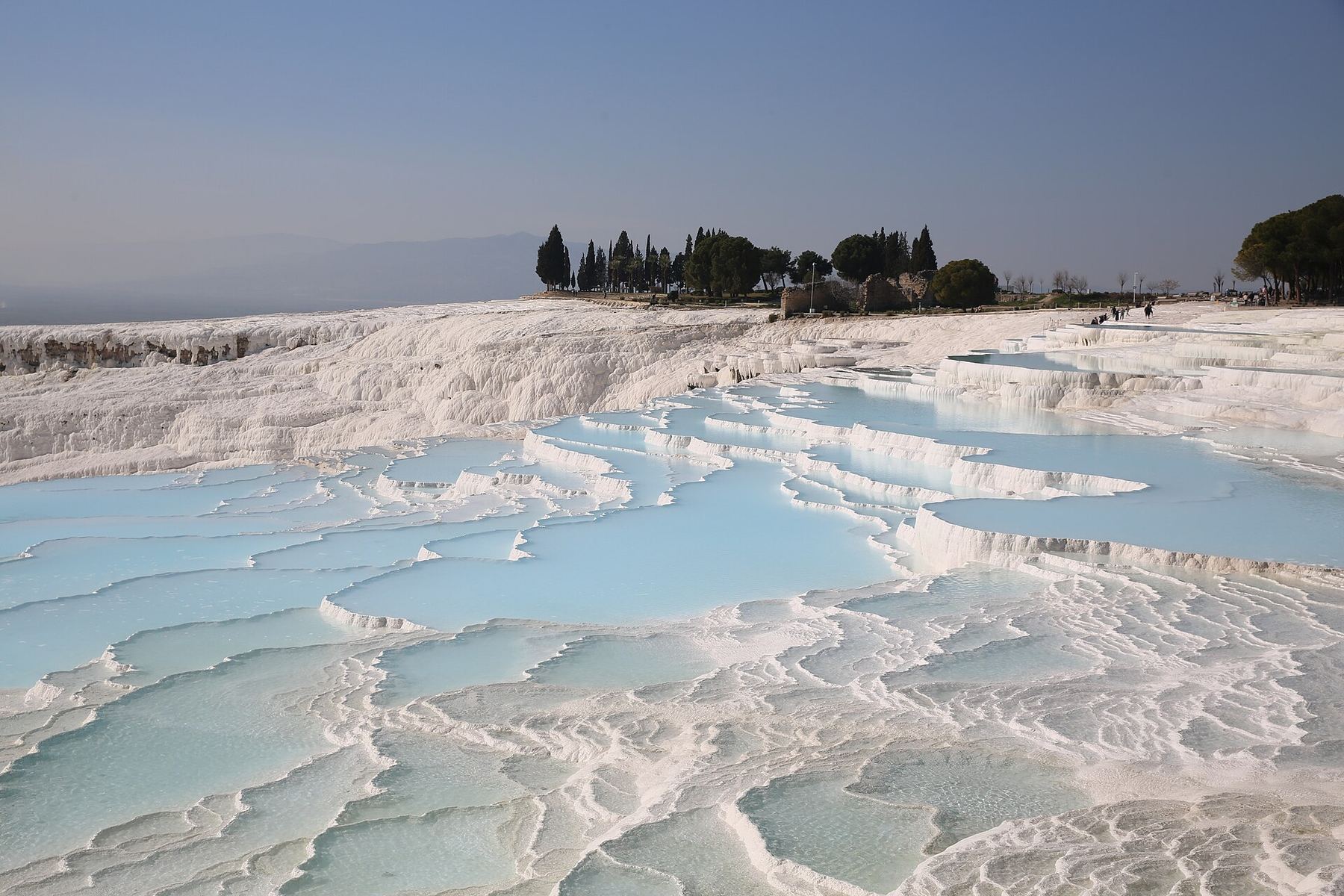
Travertine Terraces
Calcium pools fed by thermal water. Walk barefoot on designated paths to protect soft stone.
Parleyに聞くトルコ
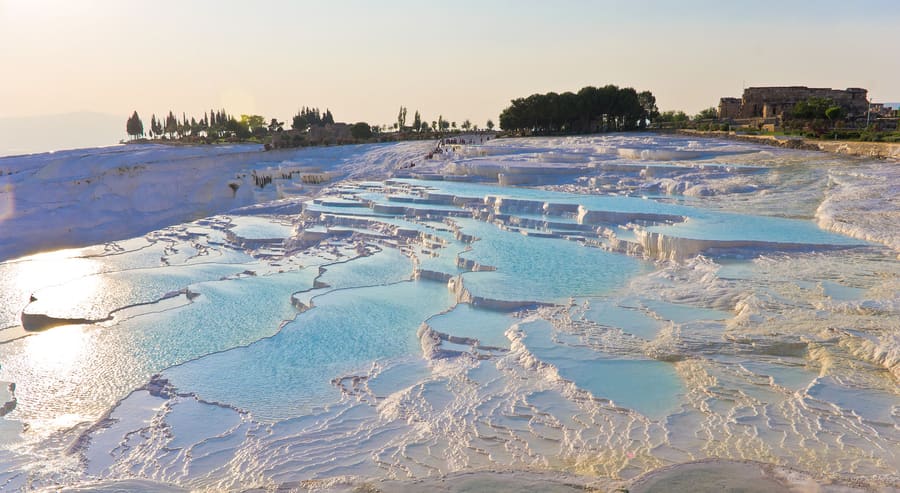
White calcium terraces and Roman ruins above thermal springs.
introduction
Pamukkale sits on a hill combining white travertine terraces with ancient Hierapolis ruins. Thermal water saturated with calcium carbonate flows down the hillside to form shallow pools. Most visitors arrive on mid-day tour buses and leave before dusk. Staying overnight lets you enter at sunrise before crowd traffic peaks.
Arrival from Çardak Airport
Denizli Çardak Airport sits 70 kilometres east. Shared Baytur minibuses run directly from the terminal to Pamukkale village.
Dual UNESCO Heritage status
Pamukkale and Hierapolis form a combined UNESCO site. The designation protects natural travertine pools and classical Roman ruins.
North Gate entry strategy
Enter through the North Gate early in the morning. You downhill walk through the necropolis while tour groups climb from the south.
Pamukkale
Klaus-Peter Simon · CC BY-SA 3.0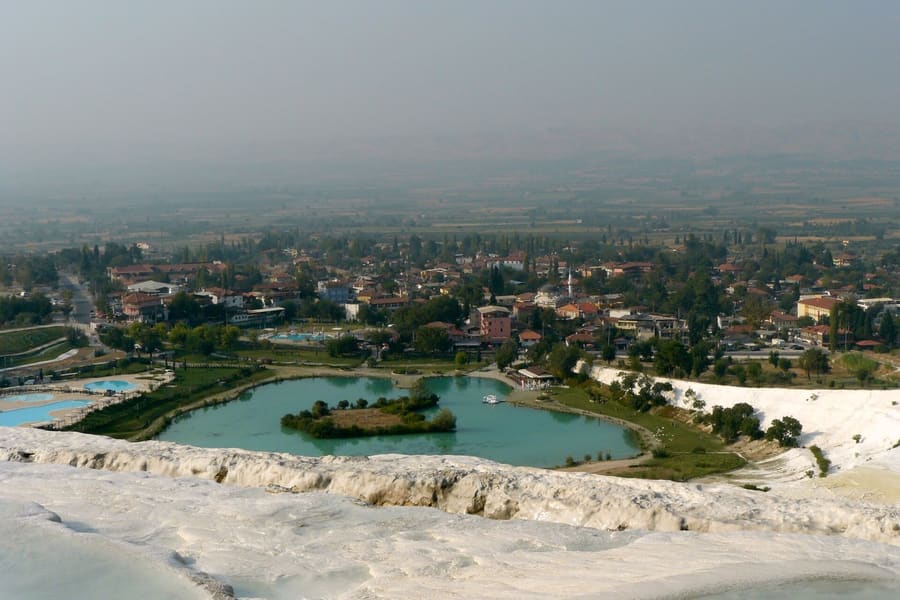
Pamukkale Town — Small base at the foot of the hill with budget family pensions.
Юрій Хижняк (YuraHiz… · CC BY 3.0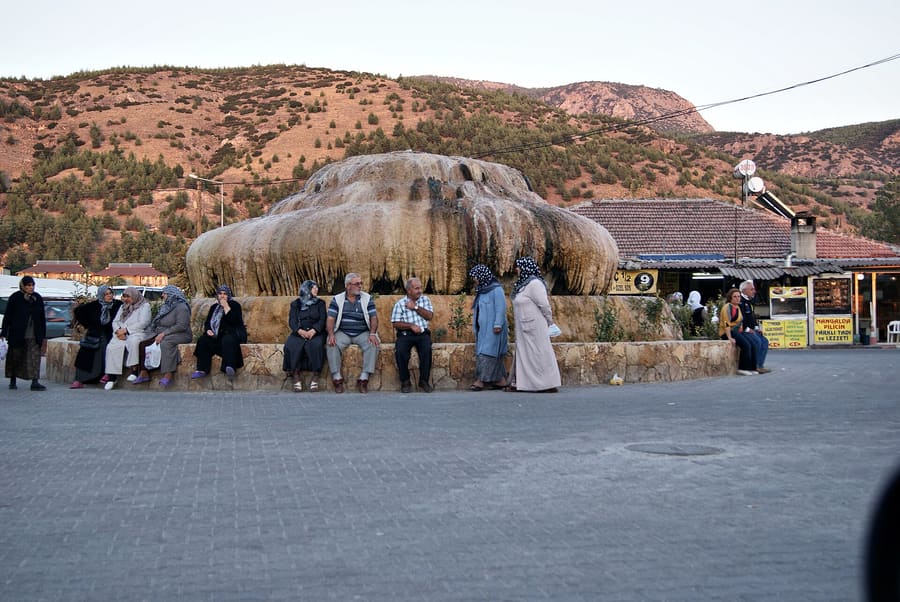
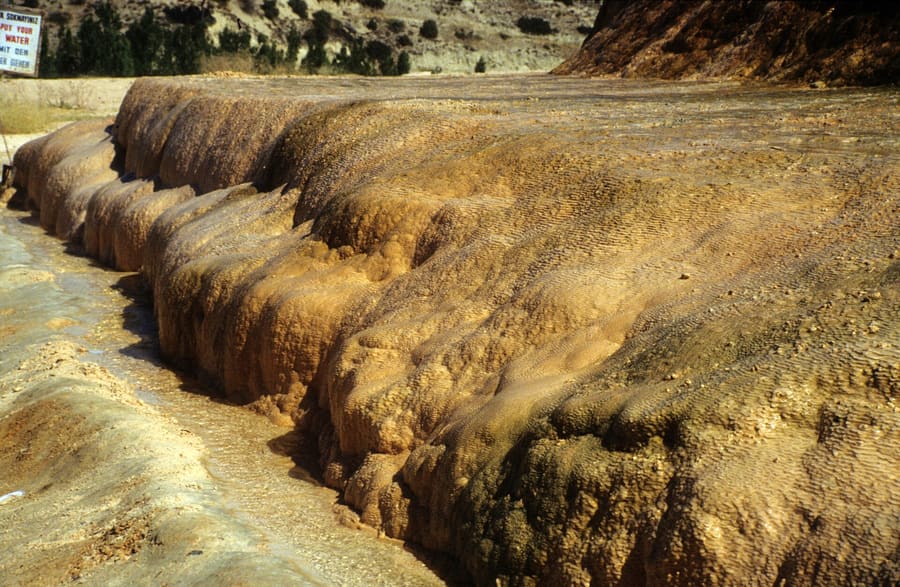
Karahayıt — Thermal resort district known for red mineral water springs.
HALUK COMERTEL · CC BY 3.0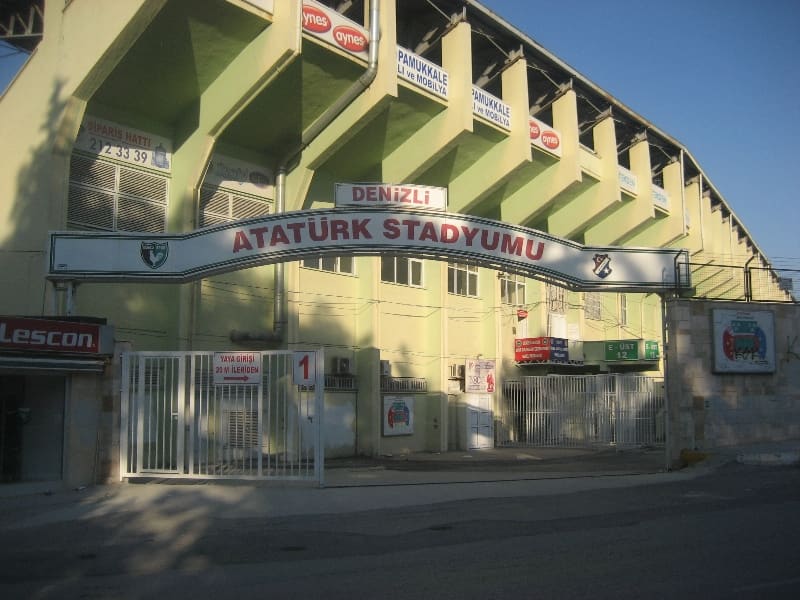
Denizli Center — Working provincial capital built around textile trade and transit.
Sabri76 · CC0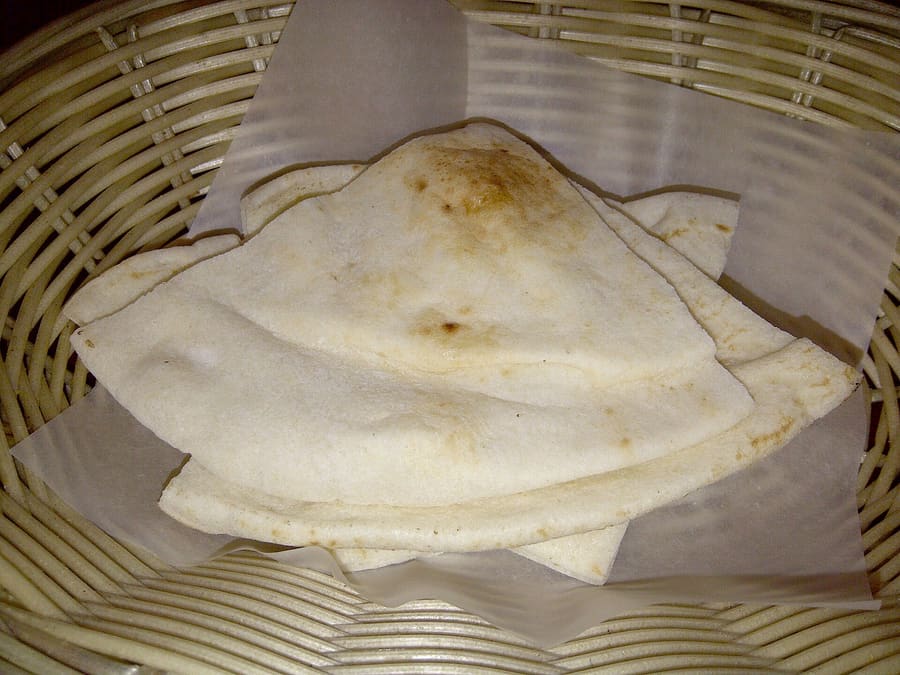
Pide cooked in traditional wood-fired hearths across Denizli province.
Azure Dragon of the East · CC BY-SA 3.0highlights
landmark
Calcium pools fed by thermal water. Walk barefoot on designated paths to protect soft stone.
Parleyに聞く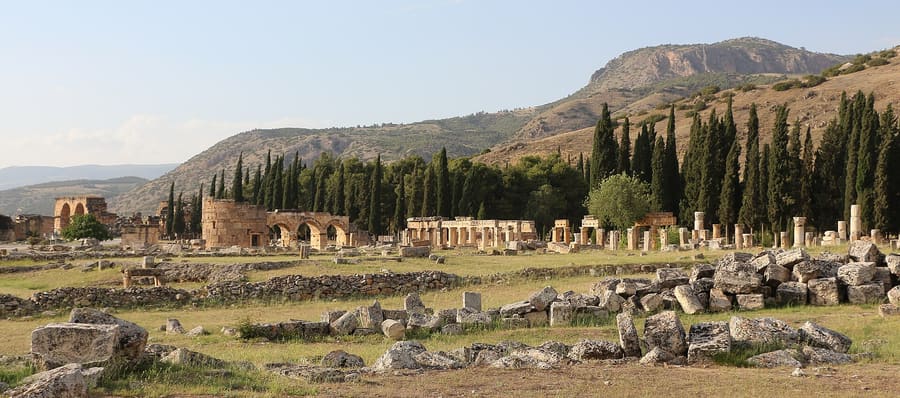
landmark
Ancient graveyard containing 1,200 tombs. Walk the northern road to see large limestone tumuli.
Parleyに聞く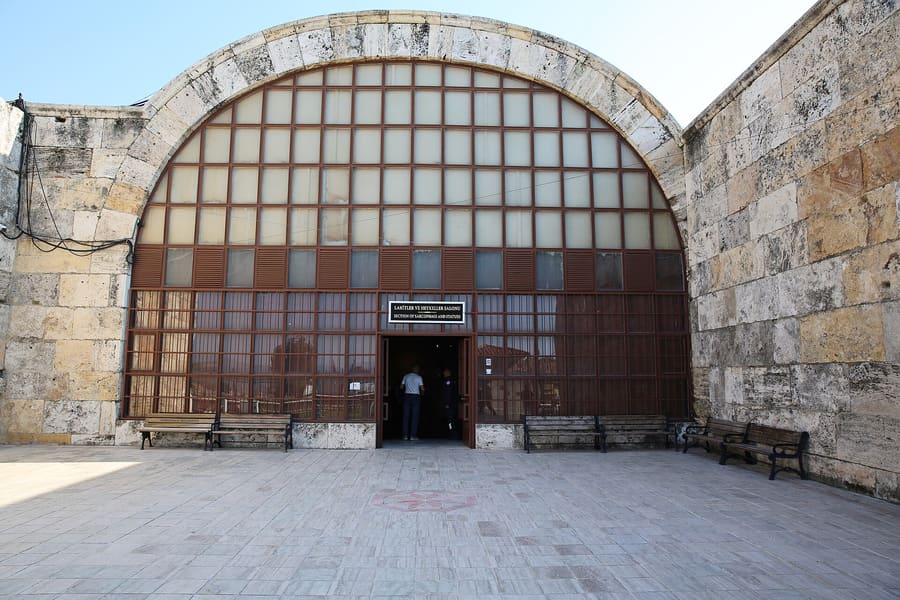
landmark
Housed inside ancient Roman bath vaults. Displays marble statues and sarcophagi from the site.
Parleyに聞くattractions
areas
Small base at the foot of the hill with budget family pensions.
近くSouth Travertine Gate
Parleyに聞くThermal resort district known for red mineral water springs.
近くKarahayıt Red Travertines
Parleyに聞くWorking provincial capital built around textile trade and transit.
近くDenizli Railway Station
Parleyに聞くQuiet agricultural hamlet surrounded by pomegranate orchards.
近くNorth Entrance Road
Parleyに聞くfood
Dining splits between tourist menus near the lower gates and traditional regional places in Denizli city center. The signature dish of the province is Denizli Kebabı. Cooks roast young lamb over oak wood in brick ovens without forks or cutlery involved. You pay for meat by weight and eat it using warm flatbread.
Pide cooked in traditional wood-fired hearths across Denizli province.
Azure Dragon of the East · CC BY-SA 3.0Order lamb by weight at specialized kebab houses in Denizli city center.
Kebab places roast meat early each morning and close when stock runs out by afternoon.
Local cooks roll fresh dough stuffed with spinach or cheese near Pamukkale lake.
history
The Attalid kings of Pergamon founded Hierapolis in the second century BC around natural thermal waters. Romans transformed the settlement into a healing center after an earthquake destroyed it in 60 AD. Thousands of patients traveled to bathe in mineral waters across centuries. Repeated seismic activity damaged marble structures until total abandonment occurred in the fourteenth century.
Pergamon rule
King Eumenes II establishes Hierapolis as a thermal settlement above the cliffs.
Roman reconstruction
A major earthquake destroys the city. Rome rebuilds it with grand baths and public theatre.
Apostolic death
St. Philip dies in Hierapolis, establishing the city as an early Christian pilgrimage site.
Final collapse
A severe earthquake breaks aqueducts and buildings, leading to permanent abandonment.
where to stay
Choose your accommodation based on direct site access versus thermal spa facilities. Stay in Pamukkale Town if you want to walk into the ruins at sunrise. Pick Karahayıt if you want mineral pools inside your hotel.
transport
Pamukkale sits 18 kilometres north of Denizli city center. Minibuses named dolmuş run between Denizli Otogar and Pamukkale village every 15 minutes. Shared shuttle buses connect the local airport to hotel drop-off points.
Board minibuses bound for Pamukkale on lower level Gate 76 of Denizli Otogar.
Drivers accept cash in Turkish Lira only. Pass physical cash forward from back seats.
The last return dolmuş from Pamukkale back to Denizli departs around 22:00.
Paid electric shuttles run between the museum, theatre, and North Gate inside Hierapolis.
cost
Ticket prices for the main archaeological park are adjusted periodically by the Ministry of Culture. Public dolmuş transit and regional meals in Denizli remain reasonable.
seasonality
MAR – MAY
Daytime temperatures stay around 20°C. Spring offers comfortable walking weather across ruins.
JUN – AUG
Temperatures exceed 35°C on open stone. Visit at 06:30 opening time to beat glare.
SEP – NOV
Warm days and lower tour bus numbers create good conditions for exploring.
DEC – FEB
Chilly weather with periodic rain. Warm thermal waters contrast with cold air.
practicalities
Footwear is banned on travertine paths to prevent damage. Pack a bag for shoes.
White travertine reflects strong sunlight. Wear dark sunglasses and high-SPF sunscreen.
Museum Pass Turkey works at main turnstiles and skips ticket queue lines.
Travertine pools are shallow. Full swimming is allowed only in Cleopatra Pool.
Start at North Gate to walk downhill past tombs toward the travertine terraces.