landmark
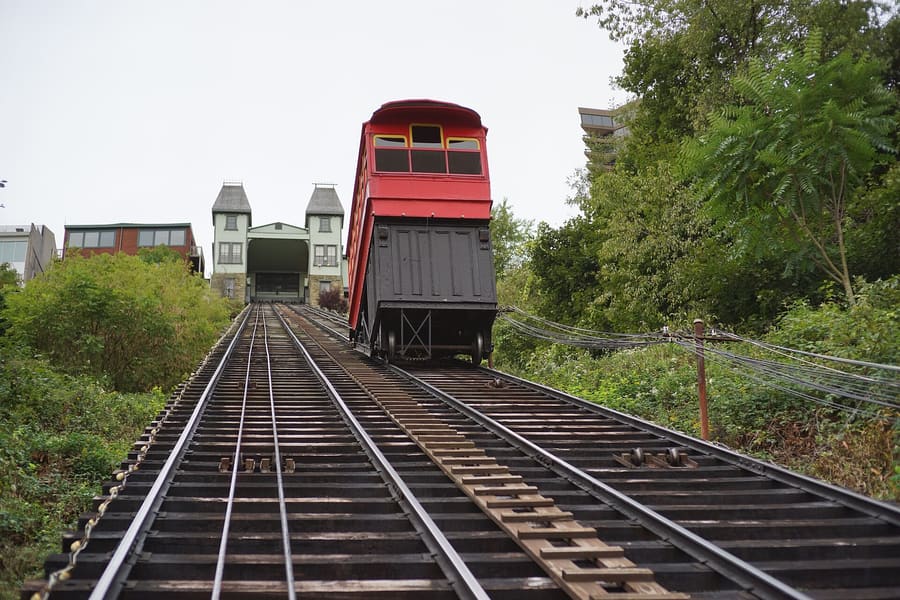
Duquesne Incline
Historic 1877 cable car ascending Mount Washington. Bring exact cash of $2.50 each way or use a ConnectCard.
Parleyに聞くアメリカ合衆国
Steel roots, steep hills, three rivers, and modern art.
introduction
Pittsburgh sits at the confluence of three rivers, divided by steep ridges and hundreds of bridges. Downtown is walkable, but distinct neighbourhoods spread outwards across the hills and riverbanks. The Light Rail transit system connects Downtown to the South Hills, while buses cover most other routes. Expect dramatic topography, distinct neighbourhoods, and industrial heritage repurposed into modern culture.
Airport arrival trick
Bus 28X connects Pittsburgh International Airport to Downtown and Oakland for $2.75. Taxis take 30 minutes but cost over $50.
Architectural distinction
The Cathedral of Learning is the second-tallest university building in the world. It houses 31 Nationality Rooms themed after global heritage.
Topography tip
Pittsburgh has over 400 public stairways built into its hillsides. Wear sturdy shoes if you explore outside the flat river valleys.
Pittsburgh
Perry Quan from Oakville, Canada · CC BY-SA 2.0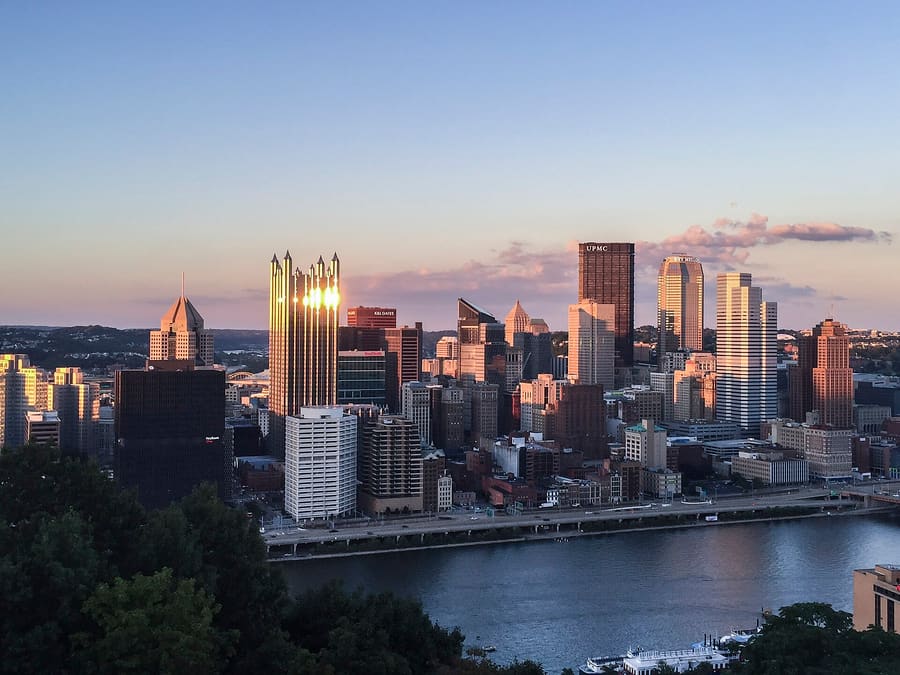
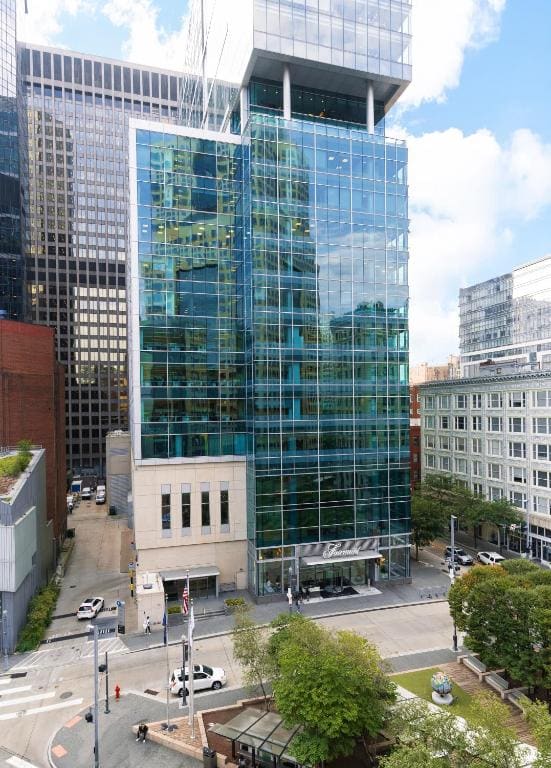
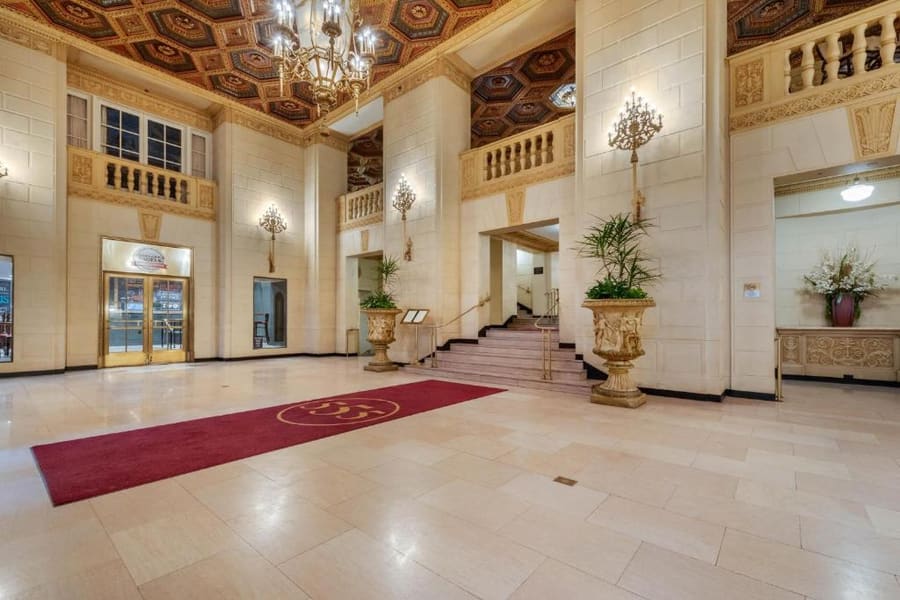
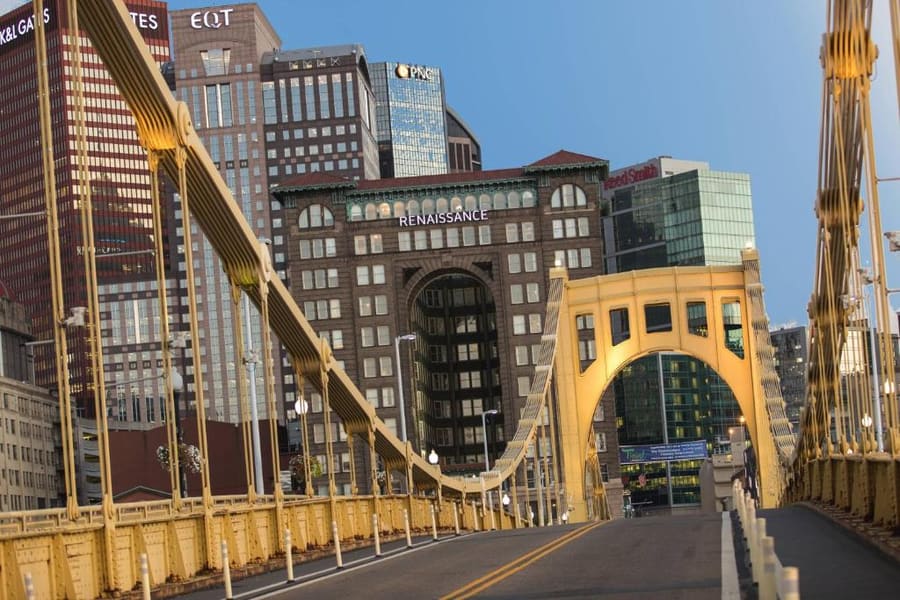
Downtown & Cultural District — Compact, river-bounded grid filled with theaters, hotels, and restored classic architecture.
EEJCC · CC BY-SA 4.0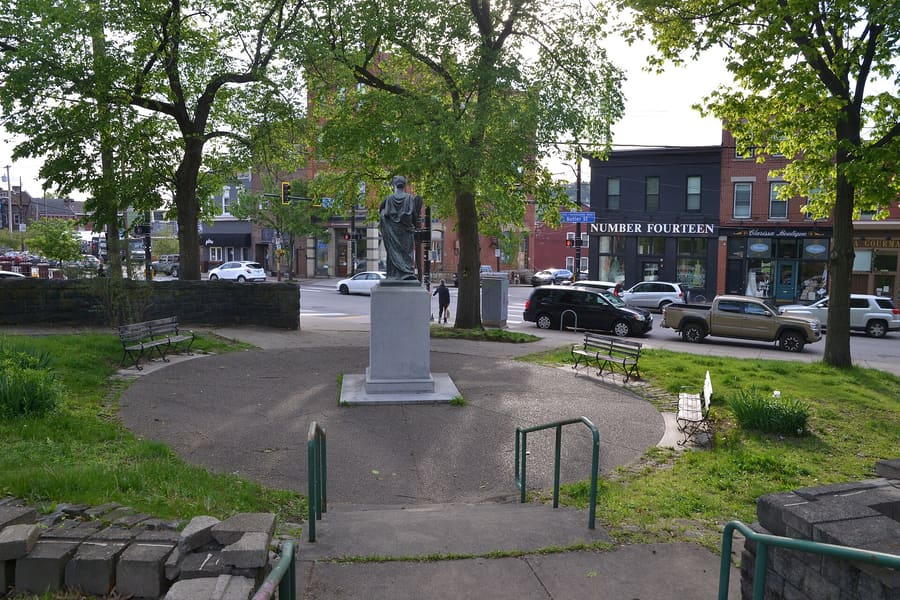
Lawrenceville — Long industrial avenue turned into a design and dining strip with rowhouses and independent shops.
Morgan.rice.bassline.design · CC BY 4.0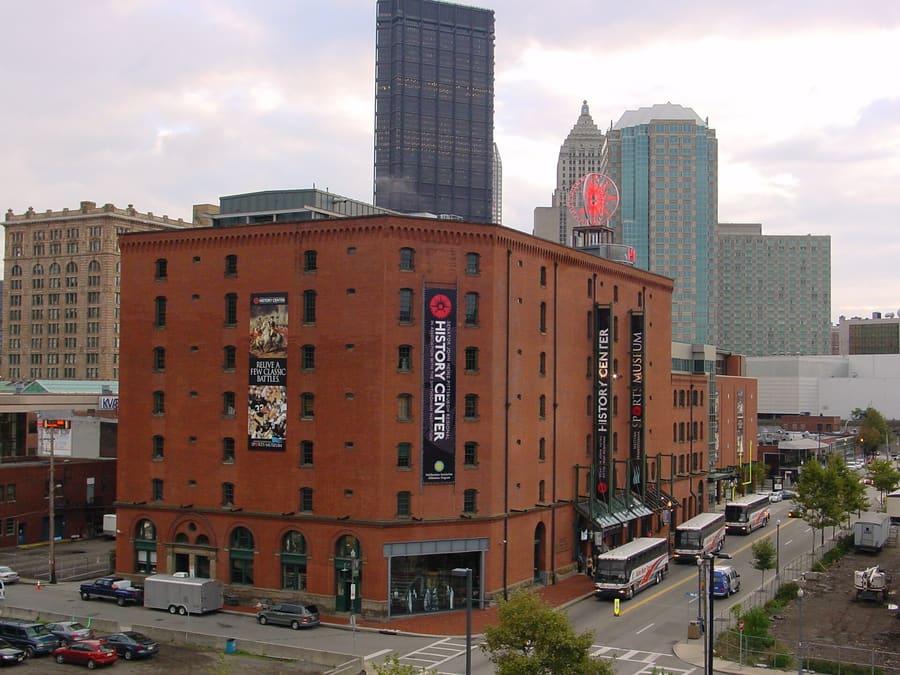
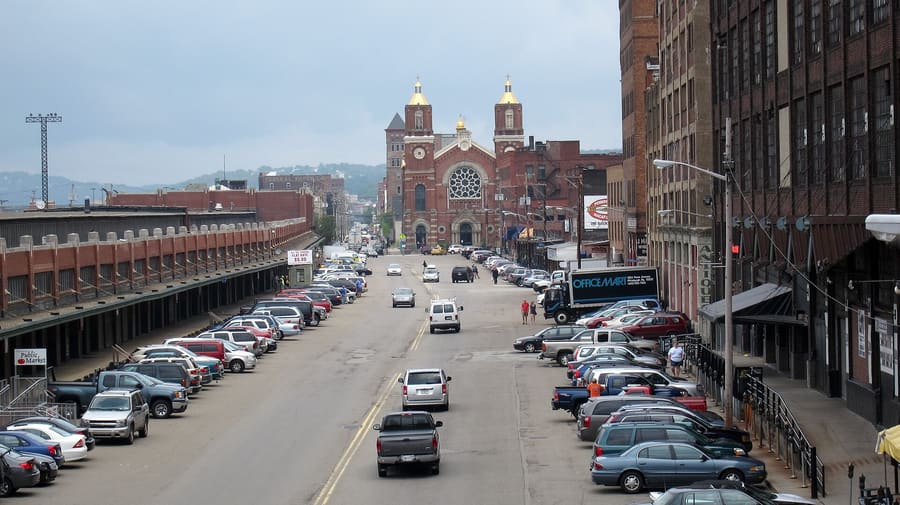
Strip District — Industrial market corridor packed with wholesale grocers, specialty food vendors, and coffee roasters.
Nakrakosky at English Wikipedia · CC BY-SA 3.0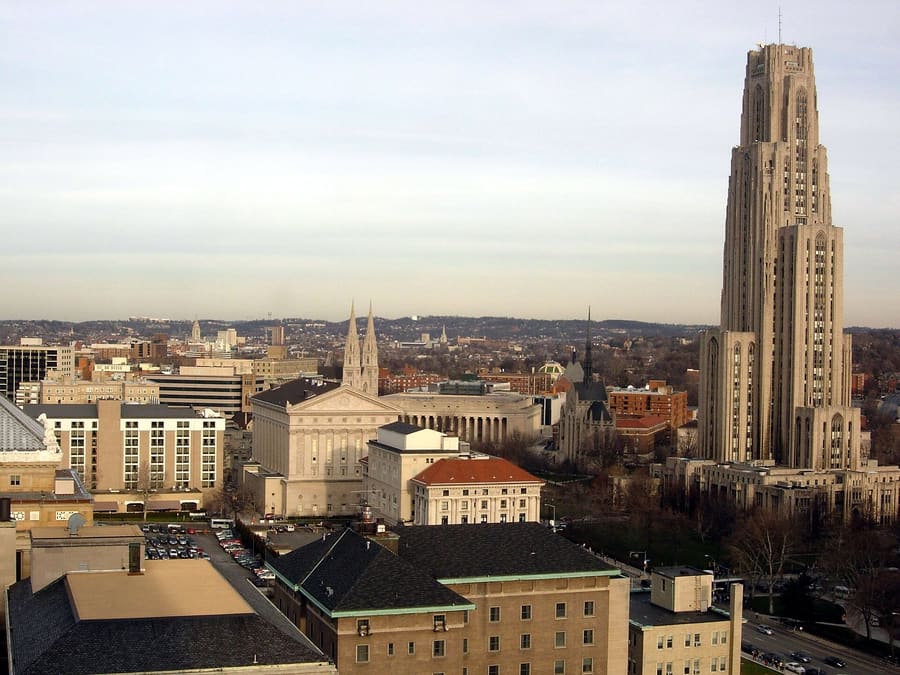
Oakland — Academic hub dominated by university towers, expansive museums, and grand public green spaces.
Pittsburgh7 · Public domain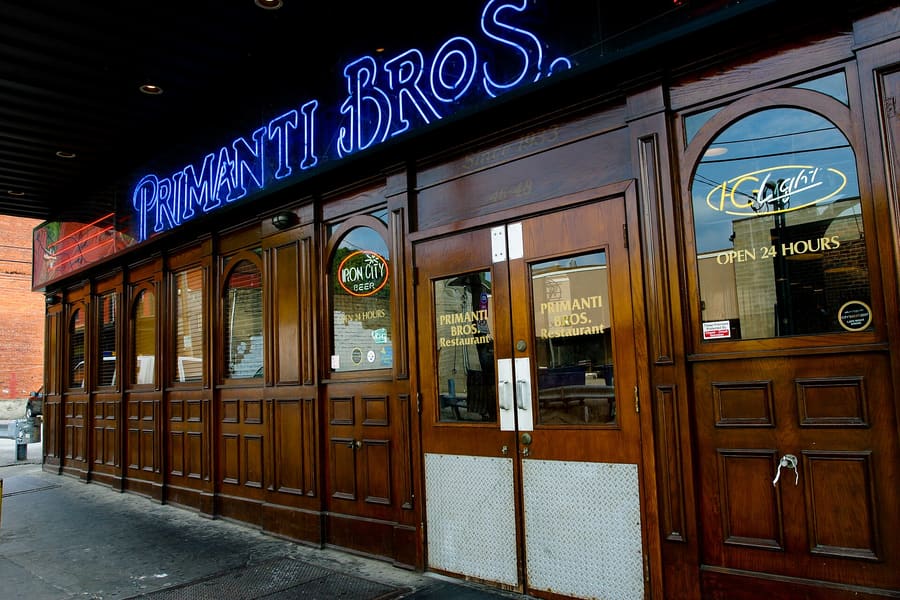
A traditional Primanti Brothers sandwich piled with french fries and slaw.
Tom Murphy VII · Public domainhighlights
landmark
Historic 1877 cable car ascending Mount Washington. Bring exact cash of $2.50 each way or use a ConnectCard.
Parleyに聞く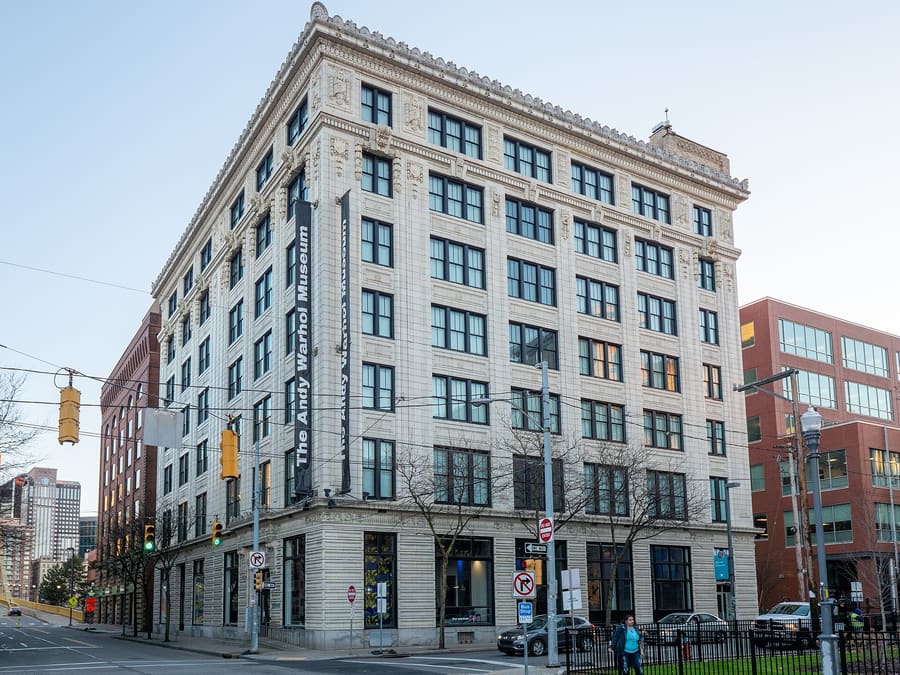
landmark
Seven floors dedicated to Pittsburgh native Andy Warhol. Buy tickets online to skip peak entry lines on weekends.
Parleyに聞く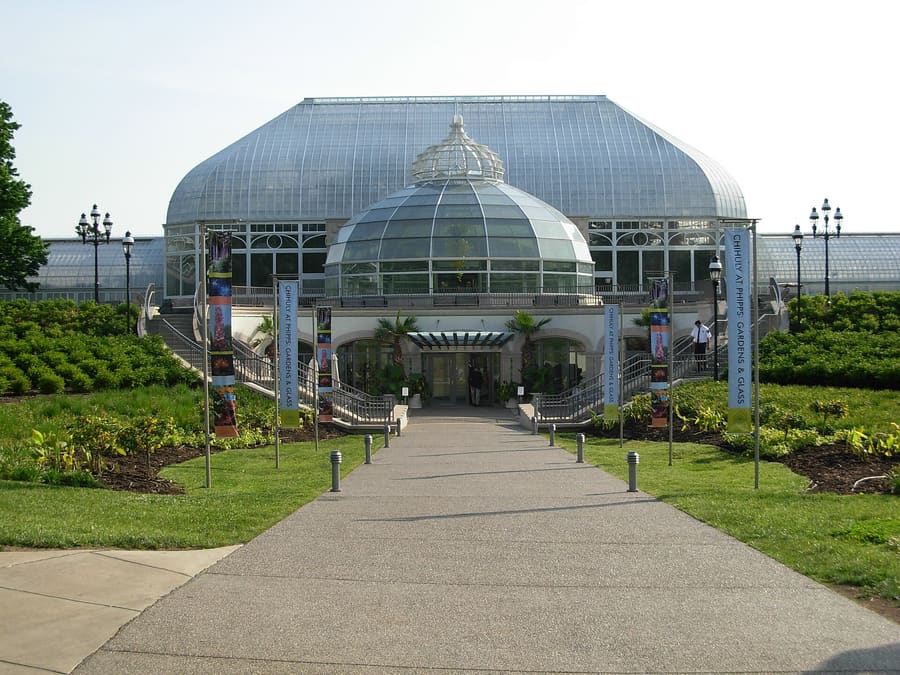
landmark
Victorian glasshouses featuring seasonal floral displays. Timed-entry reservations are required in advance.
Parleyに聞く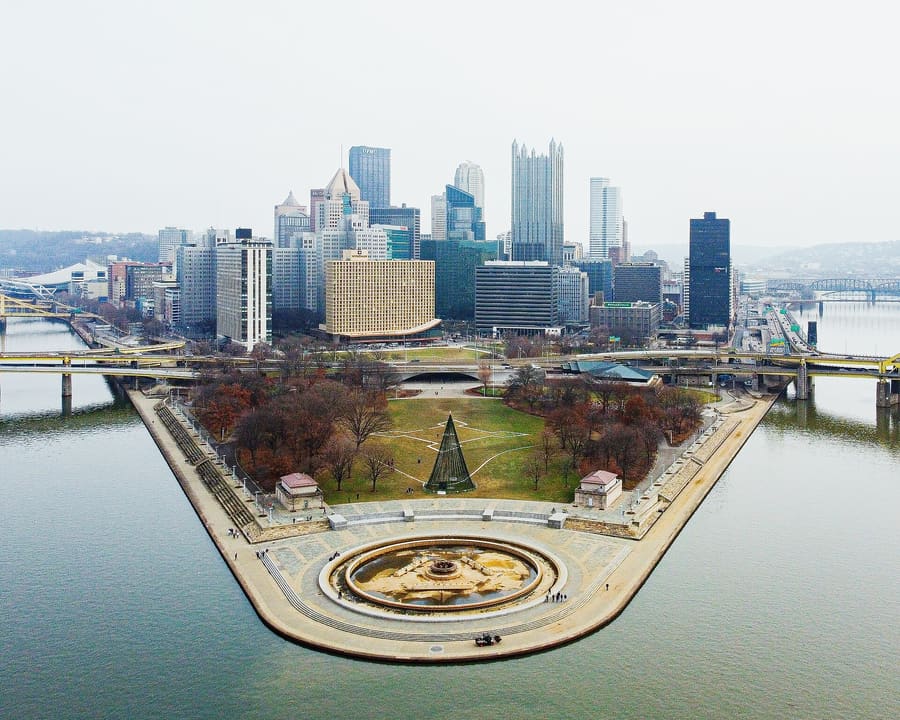
landmark
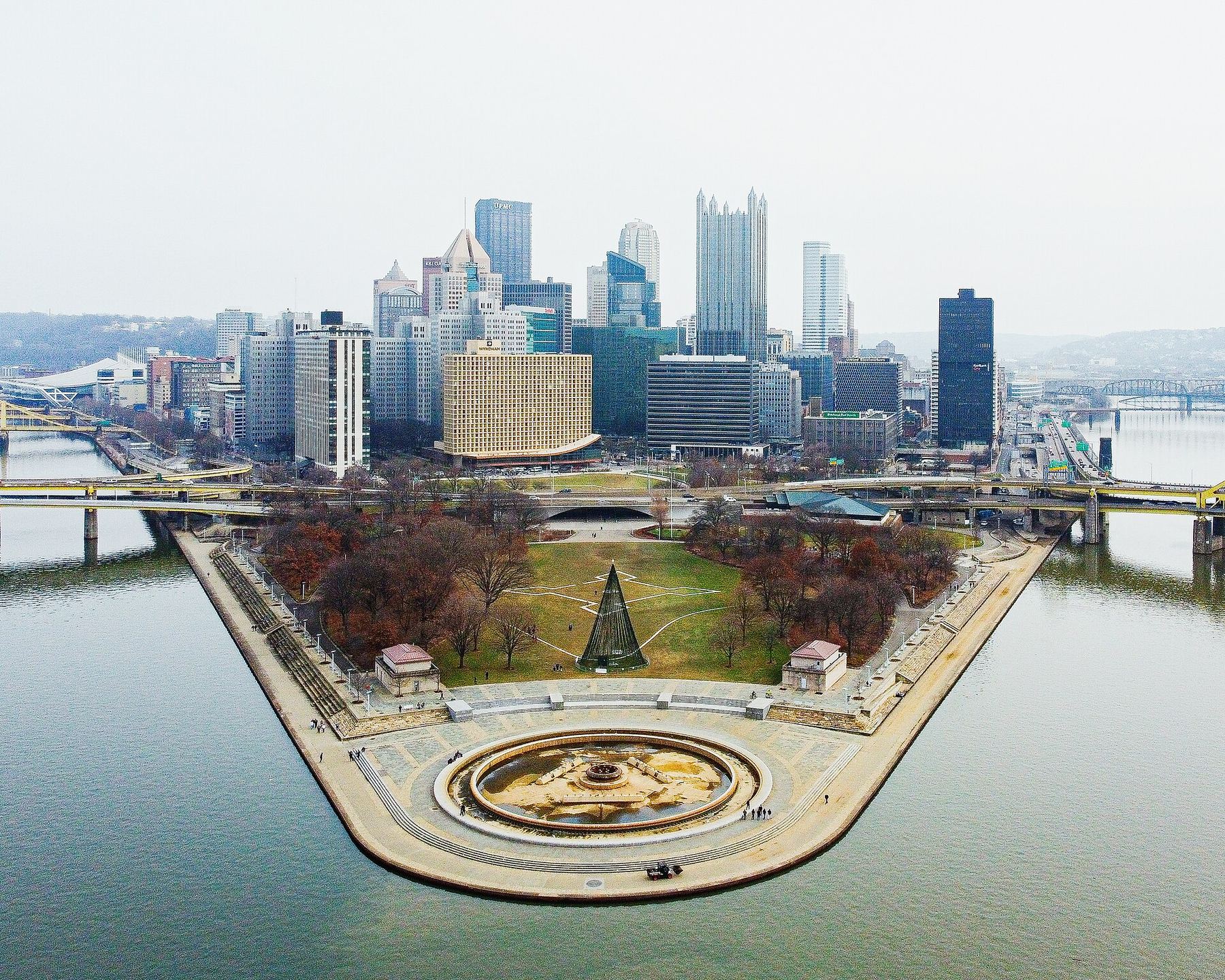
Park at the tip of the Golden Triangle where three rivers meet. Free entry and flat walking paths.
Parleyに聞くattractions
areas
Compact, river-bounded grid filled with theaters, hotels, and restored classic architecture.
近くPoint State Park and North Shore bridges
Parleyに聞くLong industrial avenue turned into a design and dining strip with rowhouses and independent shops.
近くStrip District and Bloomfield
Parleyに聞くIndustrial market corridor packed with wholesale grocers, specialty food vendors, and coffee roasters.
近くDowntown and Lawrenceville
Parleyに聞くAcademic hub dominated by university towers, expansive museums, and grand public green spaces.
近くSchenley Park and Shadyside
Parleyに聞くfood
Pittsburgh eating balances working-class traditions with modern chef-driven restaurants. Central European immigration brought pierogies and kielbasa into the local diet. The sandwich culture is defined by putting side dishes directly onto the bread, a style invented to feed truck drivers on the move.
A traditional Primanti Brothers sandwich piled with french fries and slaw.
Tom Murphy VII · Public domainEat homemade pierogies filled with potato and cheese at local church sales or specialty shops like S&D Polish Deli.
Head to Penn Avenue on Saturday morning for fresh biscotti, Italian espresso, and hot pepperoni rolls from local bakeries.
history
Pittsburgh grew around its strategic position at the confluence of the Allegheny and Monongahela rivers. Heavy industrialization turned it into the world's steel capital by the late 19th century. Late 20th-century mill closures forced a decades-long transition into healthcare, technology, and education.
Fort Duquesne built
French forces establish Fort Duquesne at the point, launching control struggles that led to the French and Indian War.
Edgar Thomson Steel Works
Andrew Carnegie opens his first steel mill in nearby Braddock, sparking Pittsburgh's era as a global steel giant.
Peak industrial production
Pittsburgh mills produce one-third of all steel used in the United States, driving rapid population growth.
Steel mill collapse
Deindustrialization closes major mills along the rivers, pushing the city to pivot toward healthcare and research.
where to stay
Choose your base by terrain and mobility. Staying Downtown puts you near light rail, theaters, and riverfront parks. Lawrenceville offers direct access to dining and independent retail, but requires bus or rideshare connections to key sight-seeing spots.
transport
Pittsburgh transit relies on PRT buses, light rail (the T), and two historic inclines. The T is free to ride within Downtown and North Shore stations. Outside the free zone, exact fare or a ConnectCard is required.
Pittsburgh International Airport (PIT)から
PRT route 28X runs every 30 minutes from lower level curb to Downtown and Oakland.
Pick up outside Door 8 at commercial baggage transit area.
Flat rates apply to Downtown; available immediately outside arrivals.
Ride the light rail for free between First Avenue Station and Allegheny Station on the North Shore.
Buy a reusable ConnectCard at station kiosks for $1.00 to pay standard $2.75 fares without carrying exact cash.
Duquesne and Monongahela inclines accept ConnectCard fares as part of the public transit system.
Drivers turning left at green lights often yield to oncoming traffic, but local drivers may turn across your path instantly.
cost
Pittsburgh is more affordable than eastern seaboard cities like New York or Boston. Museum entry fees are typical for major US cities, but dining out and transit offer good value.
Includes unlimited transfers within a 3-hour window when paying with a ConnectCard.
One-way ticket on the Duquesne or Monongahela incline; exact cash needed if buying paper tickets.
Standard adult admission at major institutions like Andy Warhol Museum and Carnegie Museums.
Cost for a sandwich or pierogi platter in neighbourhood spots like Strip District or Bloomfield.
seasonality
MAR – MAY
Mild temperatures and spring blooms at Phipps. Rainfall is common so pack light waterproof gear.
JUN – AUG
Warm and humid weather. Outdoor festivals along the rivers draw heavy weekend visitors.
SEP – NOV
Crisp autumn weather and vibrant fall foliage on the hillsides. Ideal conditions for walking.
DEC – FEB
Cold conditions with frequent snowfall and ice. Incline rides offer dramatic winter views.
practicalities
Take the Duquesne Incline up before sunset to see the city lights turn on across the Golden Triangle.
Visit the Strip District on Saturday morning before 11:00 AM to beat the grocery shopping crowds.
Walk the trails around Panther Hollow in Oakland for green canopy minutes from university buildings.
Your Carnegie Museums ticket covers both Art and Natural History on the same day.
Cross the Roberto Clemente Bridge on foot from Downtown to North Shore for stadium views.