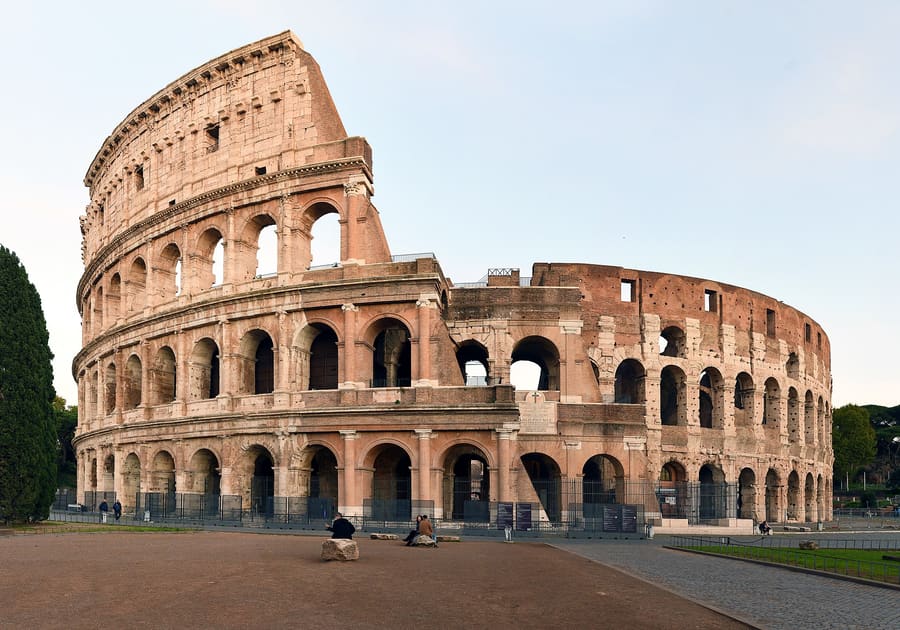
landmark
Colosseum
Imperial amphitheatre completed in 80 AD. Book full-experience tickets online 30 days ahead to access the underground chambers.
Parleyに聞くイタリア
Imperial history, street-level neighborhoods, and pasta.
introduction
Rome operates as a working modern capital built on top of imperial and papal infrastructure. Navigation centers on walking between dense central neighborhoods, as the underground Metro system bypasses much of the historic core to protect archaeological strata. Expect intense street traffic, cobblestone footpaths, and exceptional food served in informal trattorias.
Fiumicino airport transit
The Leonardo Express train runs non-stop from Fiumicino Airport to Termini Station in 32 minutes for €14. Taxis charge a flat rate of €50 to the city center.
UNESCO protection
The Historic Centre of Rome and the extra-territorial properties of the Holy See are a designated UNESCO World Heritage site.
Ticketing rule
Colosseum and Borghese Gallery entries require advanced booking online. Buy directly from official museum portals to avoid inflated agency markups.
highlights
landmark
Imperial amphitheatre completed in 80 AD. Book full-experience tickets online 30 days ahead to access the underground chambers.
Parleyに聞く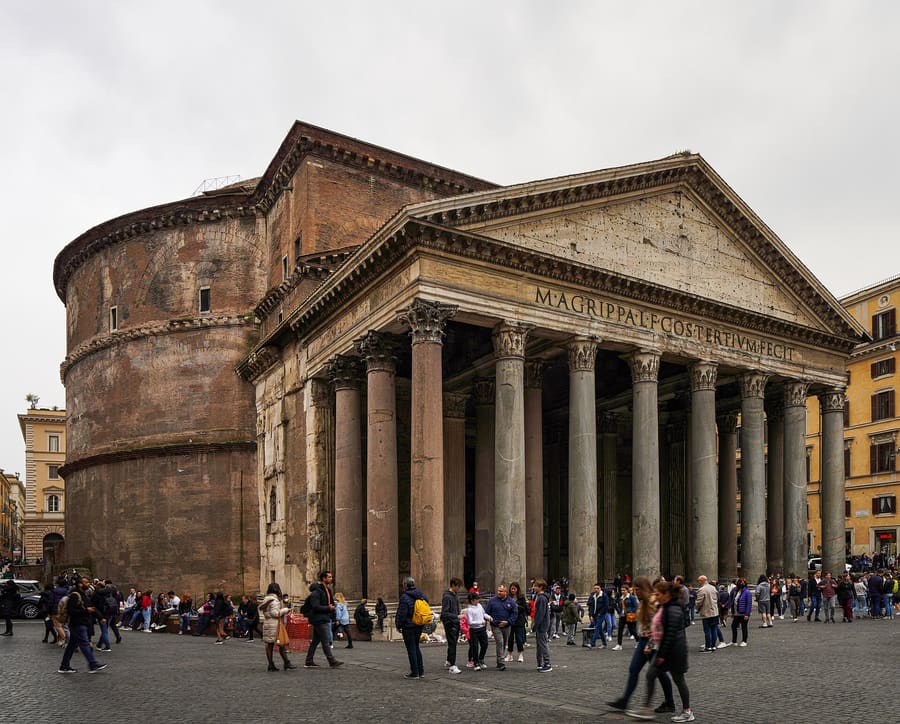
landmark
The best-preserved ancient Roman building with a massive unreinforced concrete dome. Entry now requires a €5 ticket reserved online.
Parleyに聞く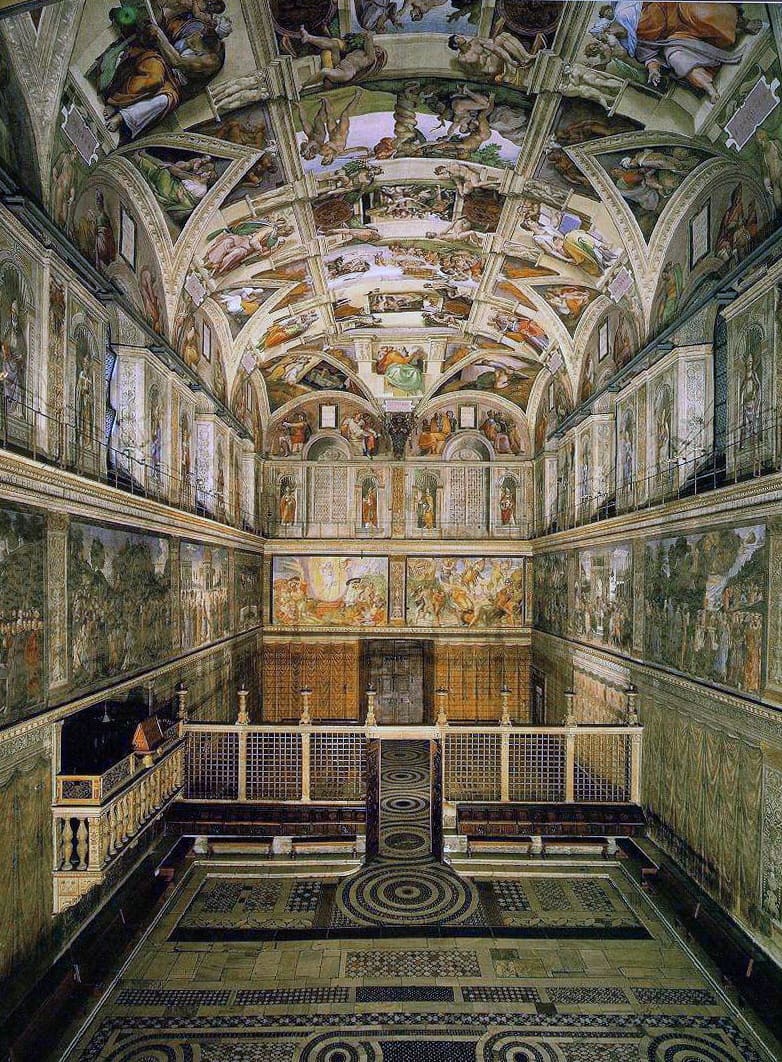
museum
Massive papal art collections concluding at the Sistine Chapel. Book early-morning slots directly on the Vatican site to avoid crowd jams.
Parleyに聞く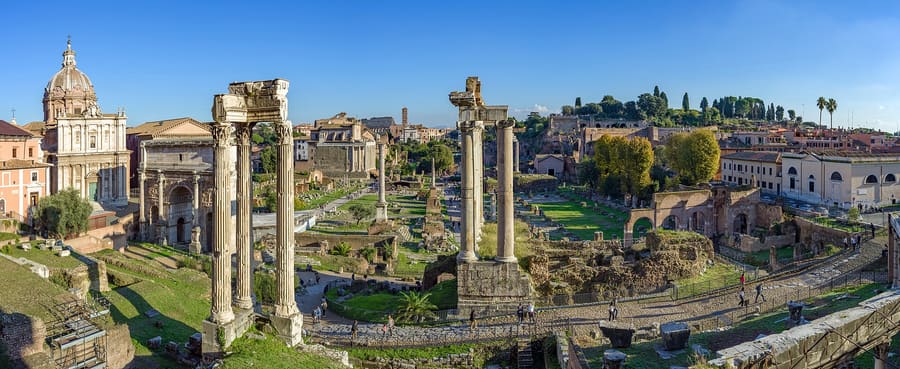
landmark
The civic and political hub of ancient Rome. Combine your visit with the Palatine Hill on the same unified ticket as the Colosseum.
Parleyに聞く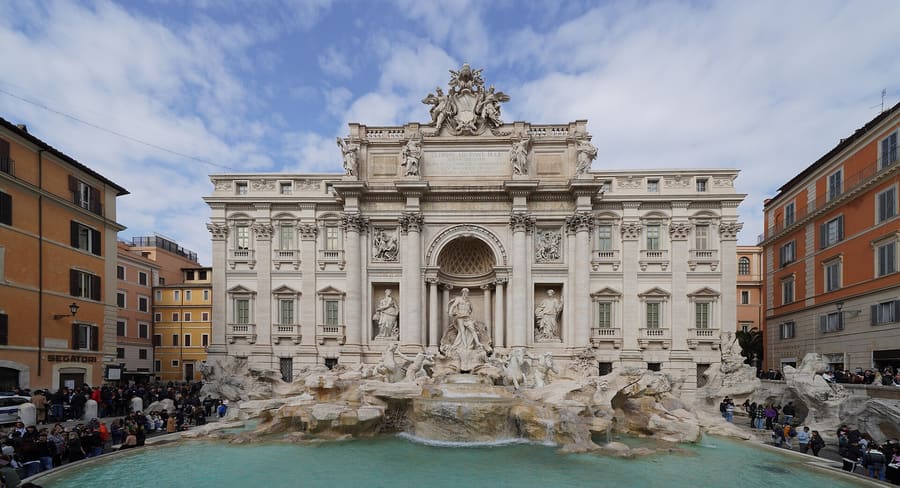
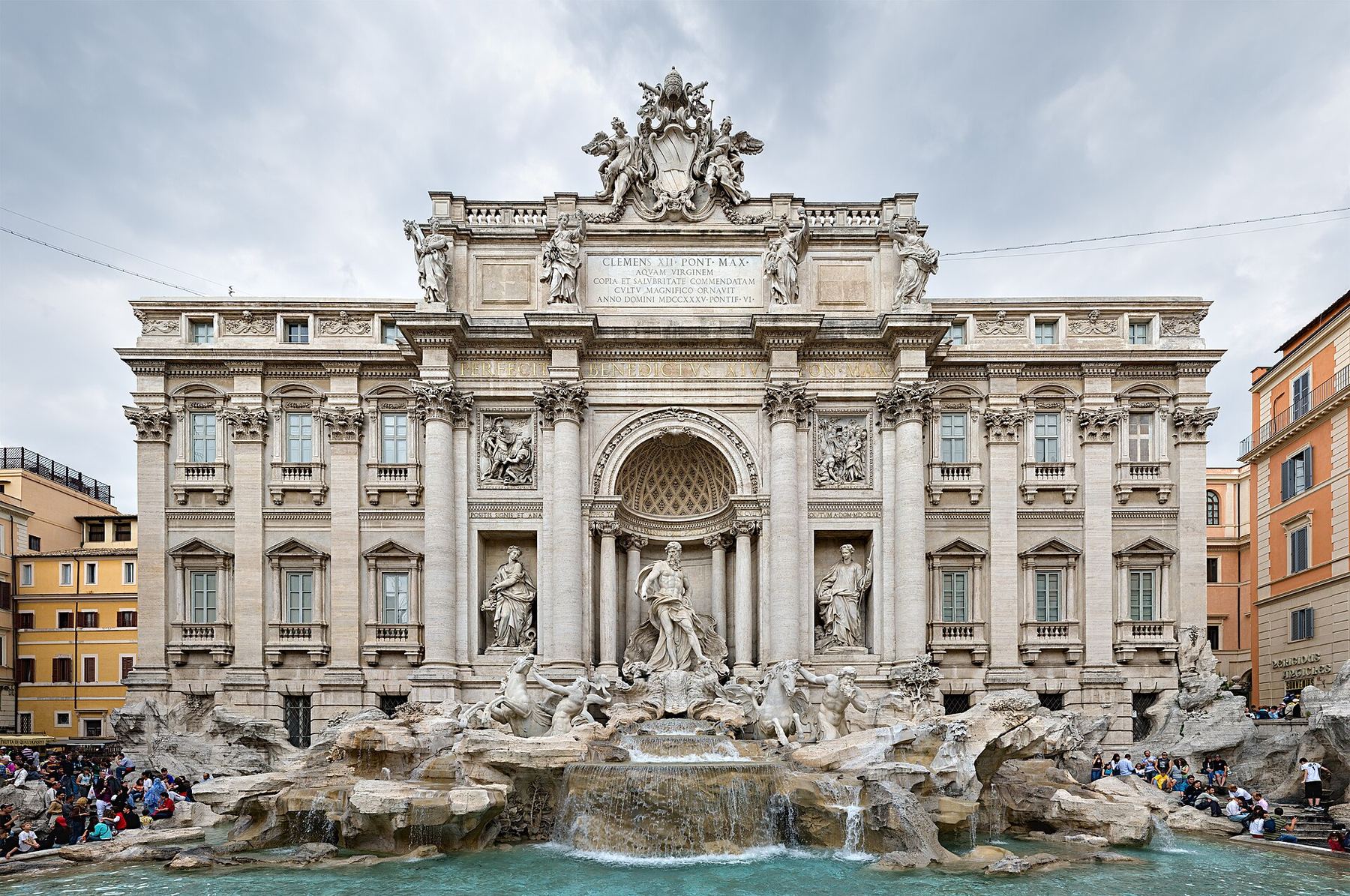
landmark
Baroque monument fed by the Acqua Vergine aqueduct. Visit before 8:00 AM or after midnight to see the marble without dense crowds.
Parleyに聞くattractions
areas
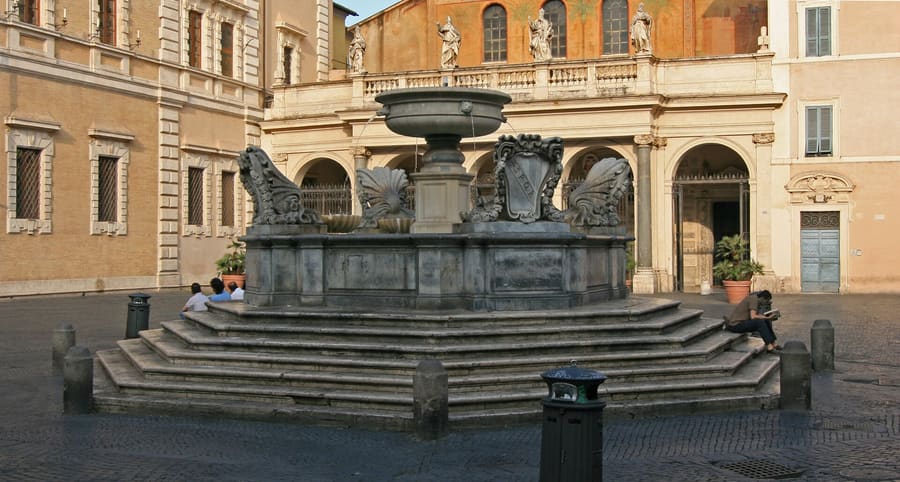
Cobblestone alleys west of the Tiber with late-night trattorias and energetic street bars.
近くPiazza Santa Maria and Botanical Garden
Parleyに聞く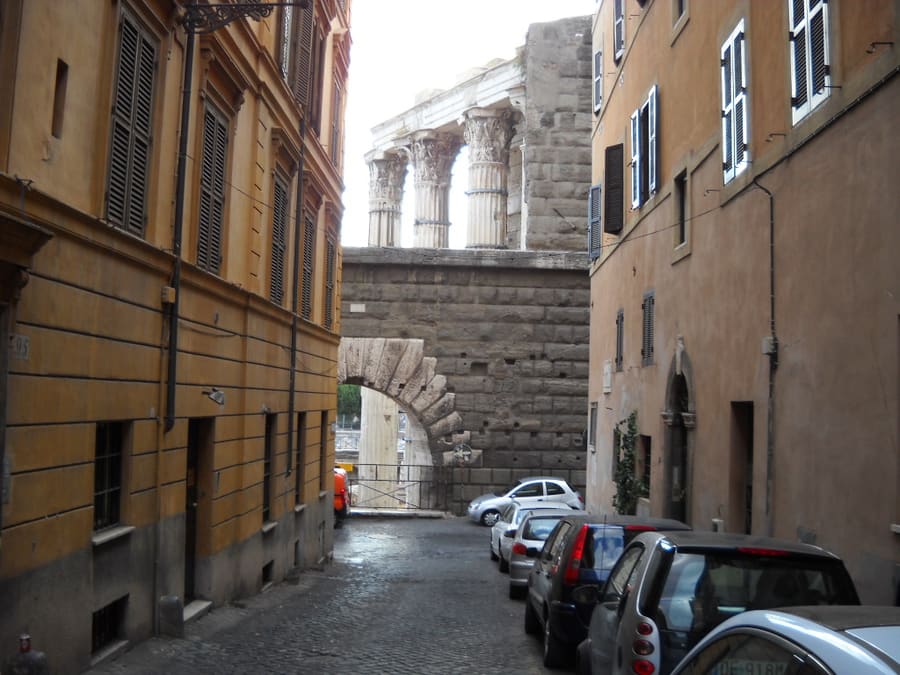
Boutique-lined historic district near the Colosseum with natural wine bars and artisan shops.
近くColosseum and Forum
Parleyに聞く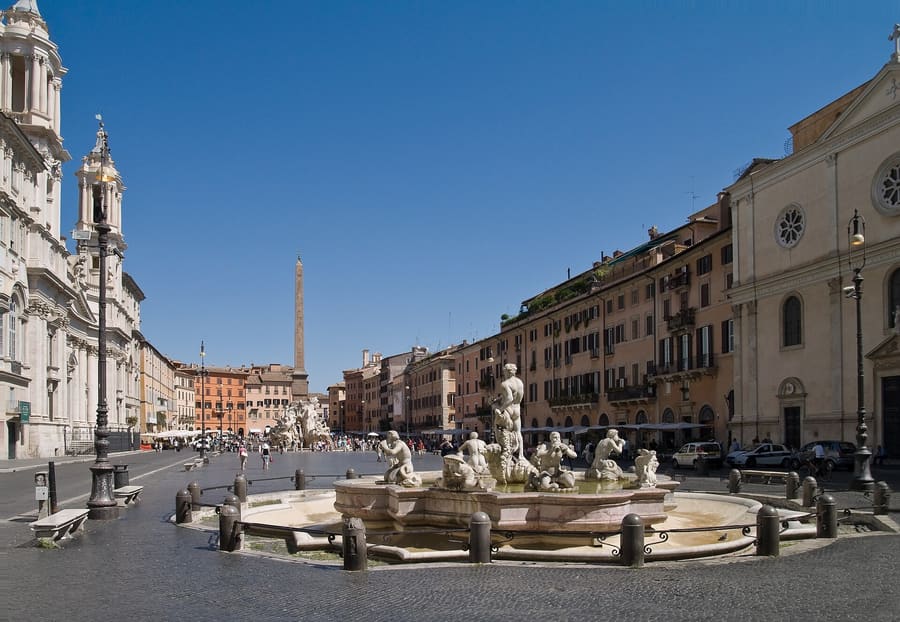
Central district centered around Piazza Navona, home to historic bakeries, palaces, and craft workshops.
近くPiazza Navona and Campo de' Fiori
Parleyに聞くfood
Roman cooking relies on four classic pasta dishes anchored by Pecorino Romano and cured pork. Cacio e Pepe uses pasta water and aged sheep cheese to form a rich emulsion. Gricia adds crispy guanciale to this base. Amatriciana integrates San Marzano tomatoes with guanciale, while Carbonara adds raw egg yolks to create a silky sauce without cream.Trattorias serve these dishes alongside offal traditions like tripe and braised oxtail in Testaccio. Dining begins late by northern European standards, with dinner service rarely opening before 19:30.
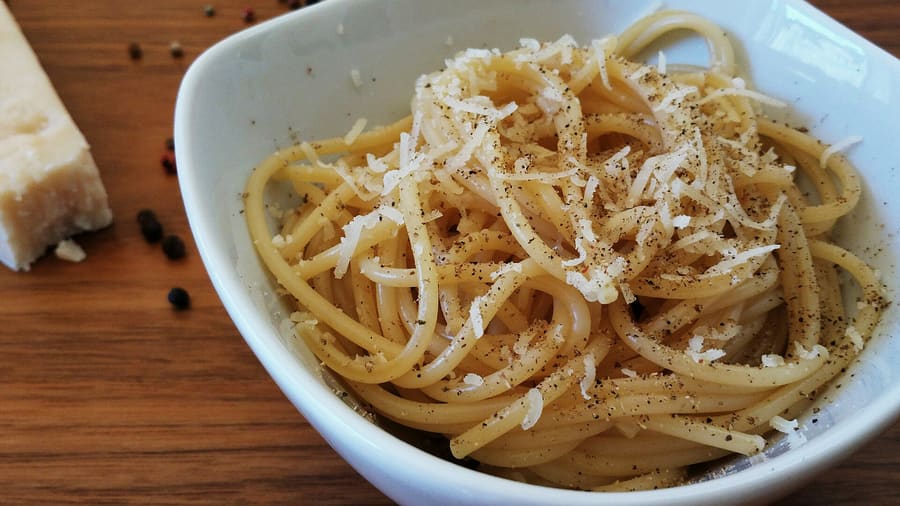
Tonnarelli cacio e pepe served in a traditional Roman trattoria.
Popo le Chien · CC BY-SA 3.0Lunch runs from 12:30 to 15:00. Dinner service opens at 19:30, with Romans arriving around 20:30.
Traditional trattorias like Da Enzo al 29 or Felice a Testaccio require phone or online booking days ahead.
Order Carciofi alla Giudia (fried) or alla Romana (braised) only between November and April when local crops harvest.
history
Rome expanded from an Iron Age hill settlement into the administrative center of an empire that encircled the Mediterranean basin. Following imperial collapse, papal authority reshaped the city, replacing classical temples with Renaissance basilicas and Baroque plazas.In 1871, Rome became the capital of unified Italy, triggering grand urban projects like Via della Conciliazione and modern tram networks that cut through ancient neighborhoods.
Founding of the city
Legendary founding of Rome by Romulus on the Palatine Hill, establishing the settlement that grew into the Roman Kingdom.
Imperial era begins
Augustus becomes the first Roman Emperor, inaugurating two centuries of peace and massive marble construction across the city.
St. Peter's construction
Construction begins on the new St. Peter's Basilica, drawing Michelangelo, Raphael, and Bernini to reshape the Catholic capital.
Capital of Italy
Rome becomes the unified capital of the Kingdom of Italy, triggering government building projects and modern urban expansions.
where to stay
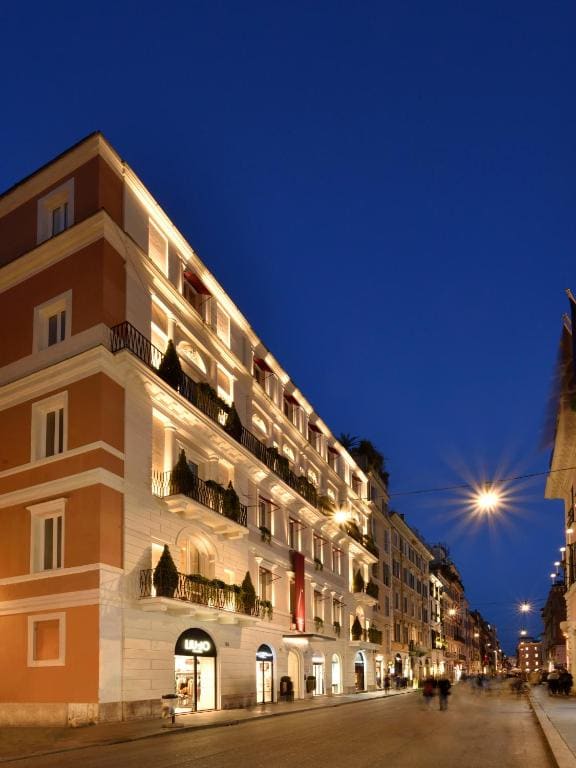
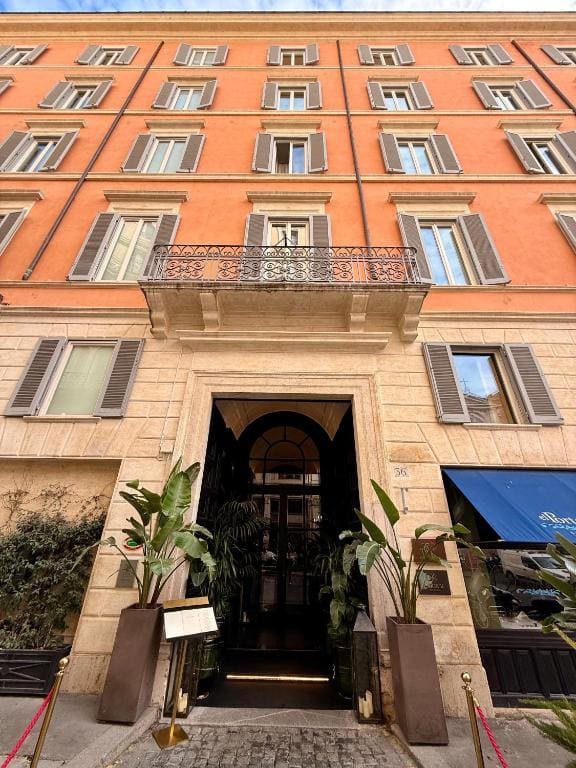
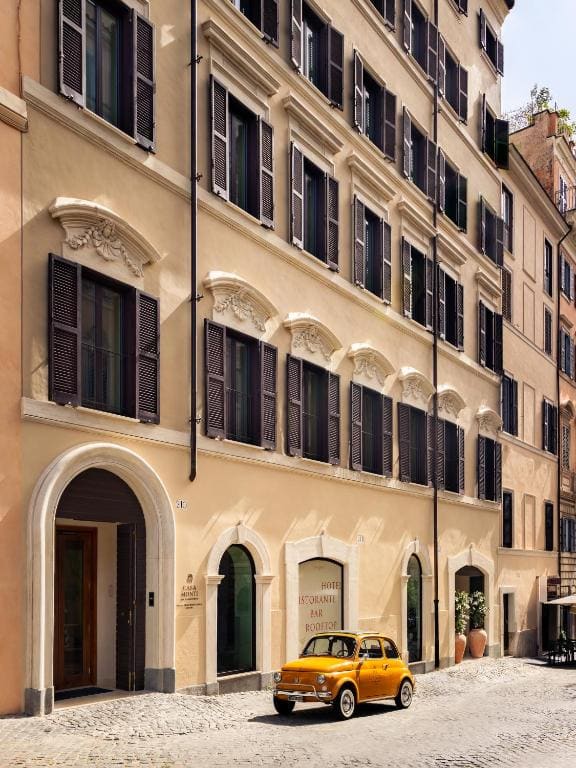
Choose your base based on your transit preferences and sleep sensitivity. Parione and Centro Storico put you within a 15-minute walk of most sights, eliminating the need for city buses. Monti offers central access with a distinct neighborhood scene, while Prati suits travelers who prefer quiet evenings near the Vatican.
transport
Walking is the fastest way to traverse the historic center due to narrow streets and vehicle access restrictions (ZTL). Public transit operator ATAC runs buses, trams, and a two-and-a-half line Metro network. Tap-to-pay contactless card readers are installed across all buses, trams, and Metro turnstiles.
Rome Fiumicino Airport (FCO)から
Non-stop service directly to Termini Station. Departs every 15-30 minutes.
Stops at Trastevere and Ostiense, bypassing Termini. Transfer to ATAC transit for €1.50.
Direct express buses (Terravision, SIT) to Termini. Travel time depends on traffic.
Fixed flat rate for official white taxis to locations within the Aurelian Walls.
Only Uber Black/Van operates in Rome. Catch ride at designated airport pickup zone.
Tap a contactless credit card or phone at Metro turnstiles and aboard buses for a €1.50 fare valid for 100 minutes.
Tram Line 8 connects Trastevere directly to Piazza Venezia at the edge of the historic center.
Metro Lines A and B intersect only at Termini Station; neither enters the historic core around Piazza Navona.
Pick up white licensed taxis at designated ranks like Largo di Torre Argentina rather than hailing them on the street.
cost
Rome is moderately priced compared to Paris or London, though costs rise sharply around key monuments. Standing at a bar counter for coffee costs a fraction of sitting at a outdoor plaza table.
Drink your espresso standing at the counter (al banco); sitting down adds a service surcharge.
Standard price for Cacio e Pepe or Carbonara in a neighborhood trattoria.
Valid for 100 minutes across Metro, buses, and trams.
Base online ticket price depending on arena floor and underground access inclusions.
seasonality
MAR – MAY
Mild temperatures and blooming spring gardens. Book major museum slots well ahead as Easter crowds peak.
JUN – AUG
Temperatures frequently exceed 35°C with heavy sun. Midday sightseeing is punishing; shift walks to early mornings.
SEP – OCT
Warm days, comfortable evenings, and harvest menus. Autumn brings heavy visitor numbers to central landmarks.
NOV – FEB
Chilly days with periodic rain and the lowest annual crowds. Winter light is crisp and museum lines remain short.
practicalities
Over 2,500 curved iron fountains across Rome pour cold, free drinking water constantly. Refill water bottles anytime.
Shoulders and knees must be covered to enter St. Peter's Basilica and major churches across the city.
State museums offer free entry on the first Sunday of the month, but expect extremely long lines and no advance reservations.
Driving into the central ZTL (Zona a Traffico Limitato) triggers heavy automated fines for non-registered license plates.