landmark
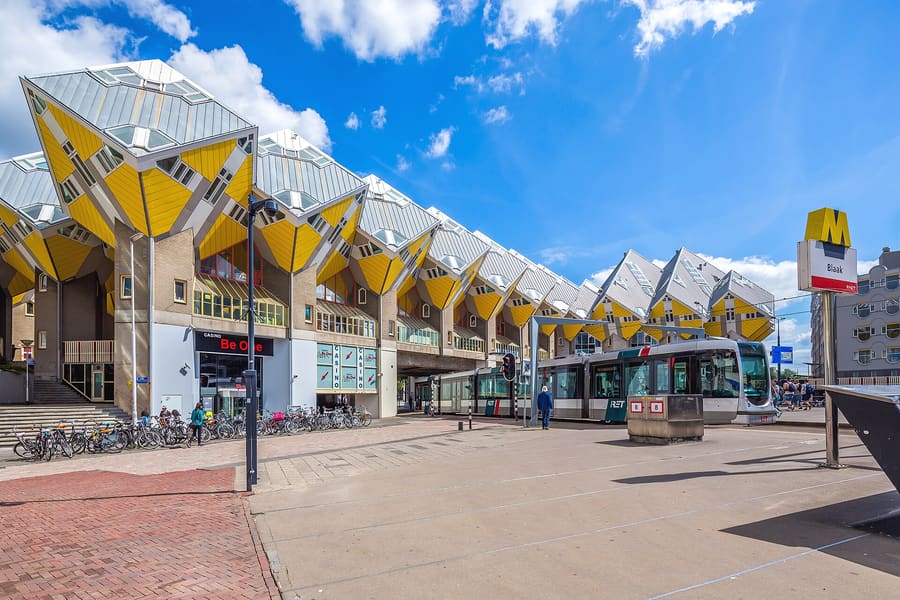
Cube Houses
Piet Blom's tilted yellow houses date from 1984. Visit the Kijk-Kubus museum house to see how furniture fits inside 45-degree walls.
Parleyに聞くオランダ
Europe's modern port city of concrete, water, and glass.
introduction
Rotterdam exchanged historic canal houses for modern experimental architecture after 1940. It functions as Europe's largest seaport and a high-density transit hub. You explore it on wide bike lanes, water buses, and clear grid streets rather than medieval alleys. Expect functional design, waterfront wind, and straightforward local service.
Rapid rail from Schiphol
Direct NS Intercity Direct trains run from Schiphol Airport to Rotterdam Centraal in 26 minutes. A €2.90 supplement applies on this specific high-speed stretch.
UNESCO World Heritage nearby
Kinderdijk contains 19 preserved 18th-century windmills just 15 kilometres east. The Waterbus ferry line 21 runs directly there from Erasmusbrug.
OV-pay transit tapping
Tap your contactless bank card or phone at Metro and tram turnstiles. You do not need a public transit card unless you purchase multi-day passes.
Rotterdam
Marcel Douwe Dekker · CC BY-SA 4.0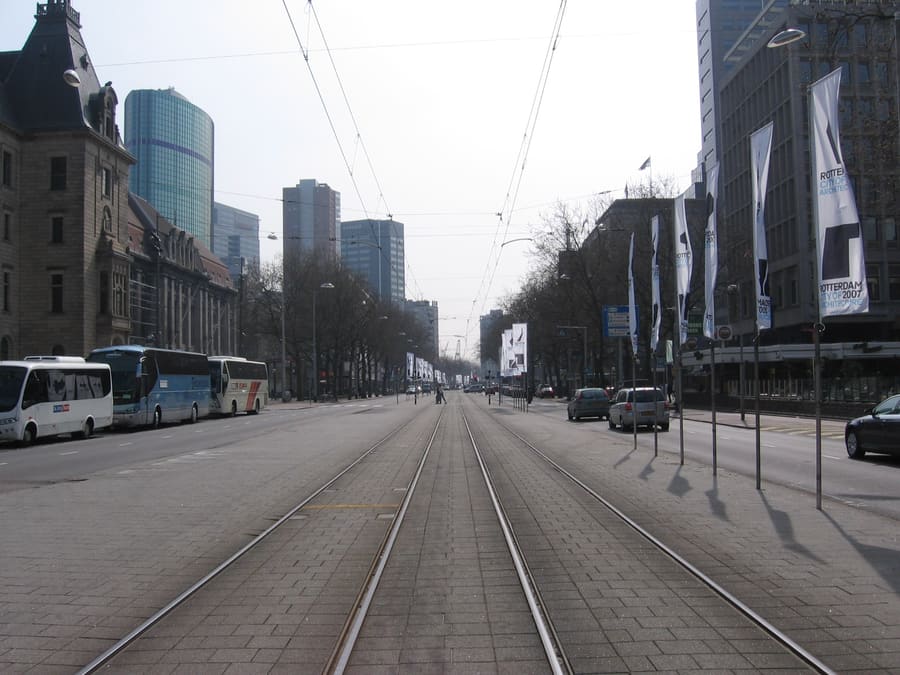
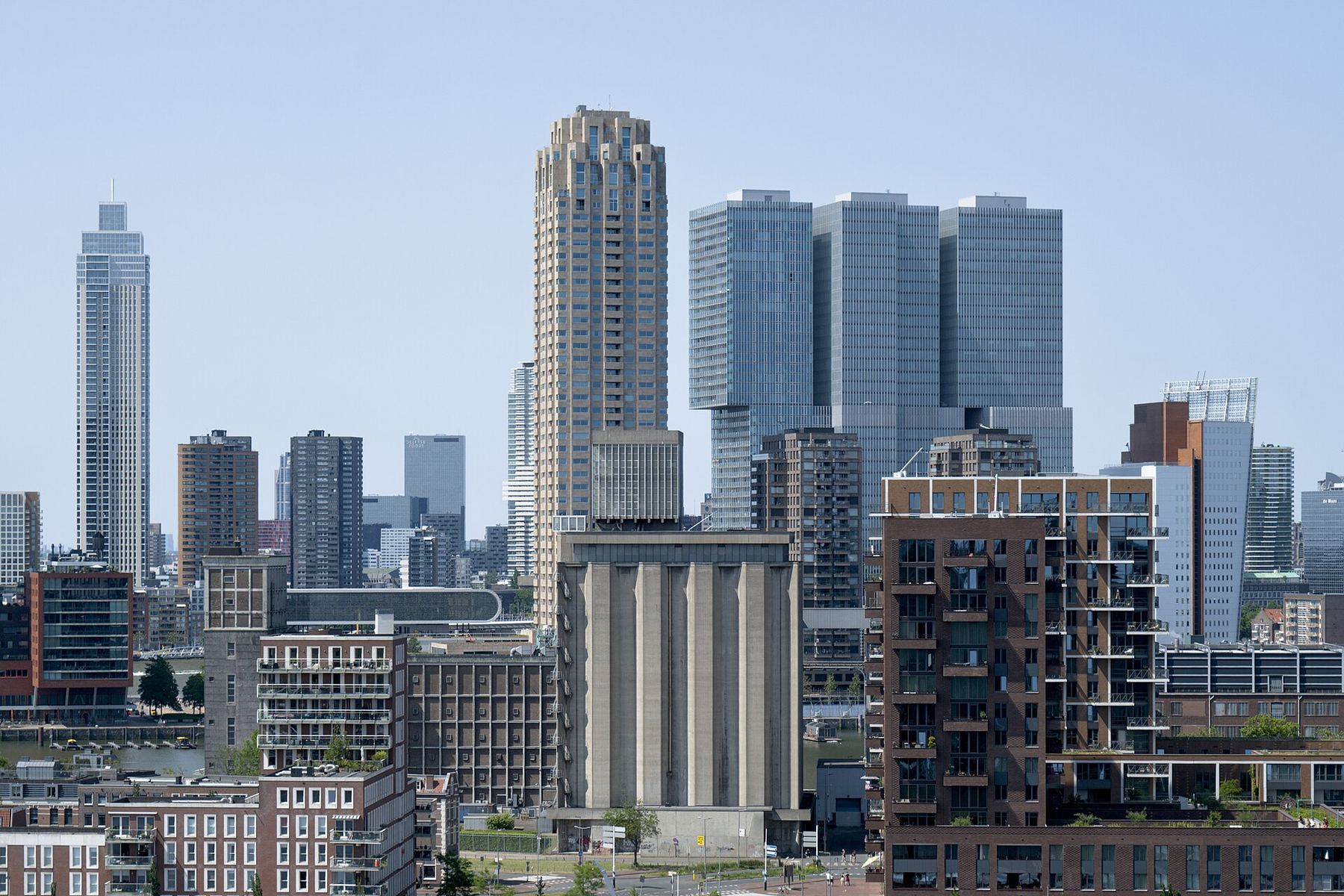
Centrum — Commercial grids, post-war concrete, high-density high-rises and busy shopping corridors.
Mb90 at Dutch Wikipedia · CC BY-SA 3.0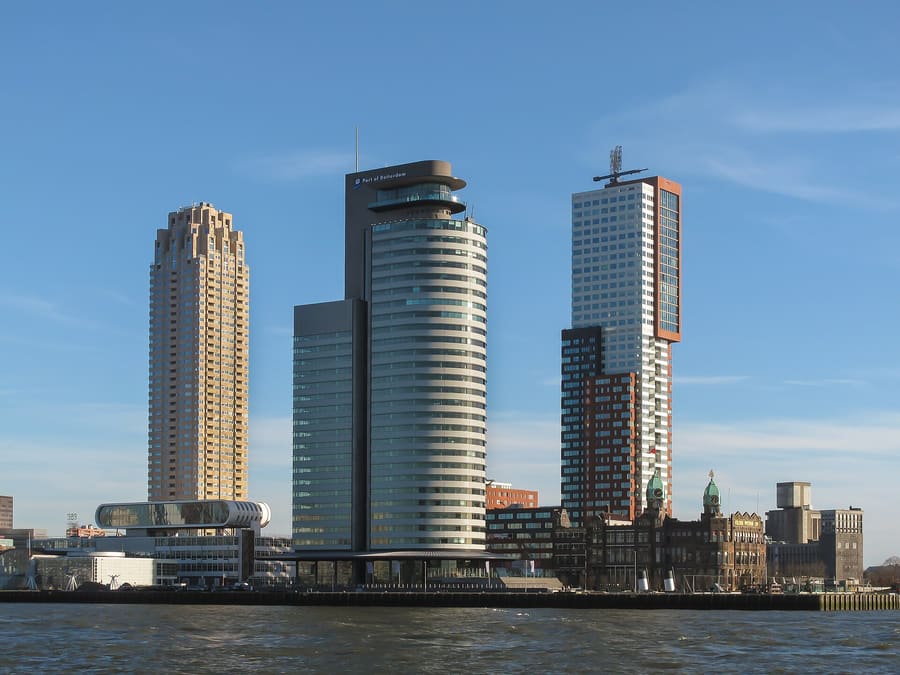
Kop van Zuid — Former docklands transformed into modern skyscrapers, waterfront dining, and cultural venues.
Michielverbeek · CC BY-SA 3.0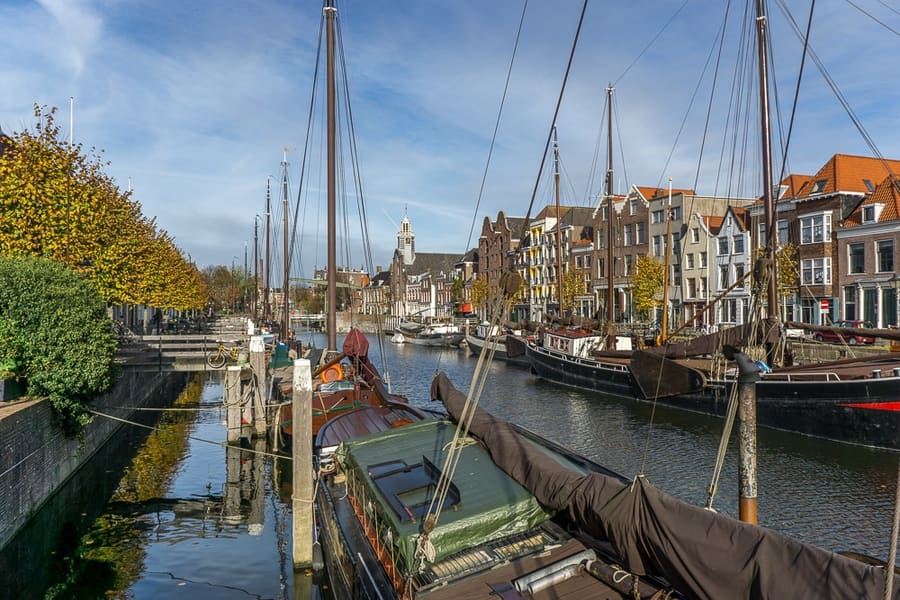
Delfshaven — 17th-century canal village that survived 1940 bombings, featuring historic brick warehouses.
Leo Luijten from Netherlands · CC BY 2.0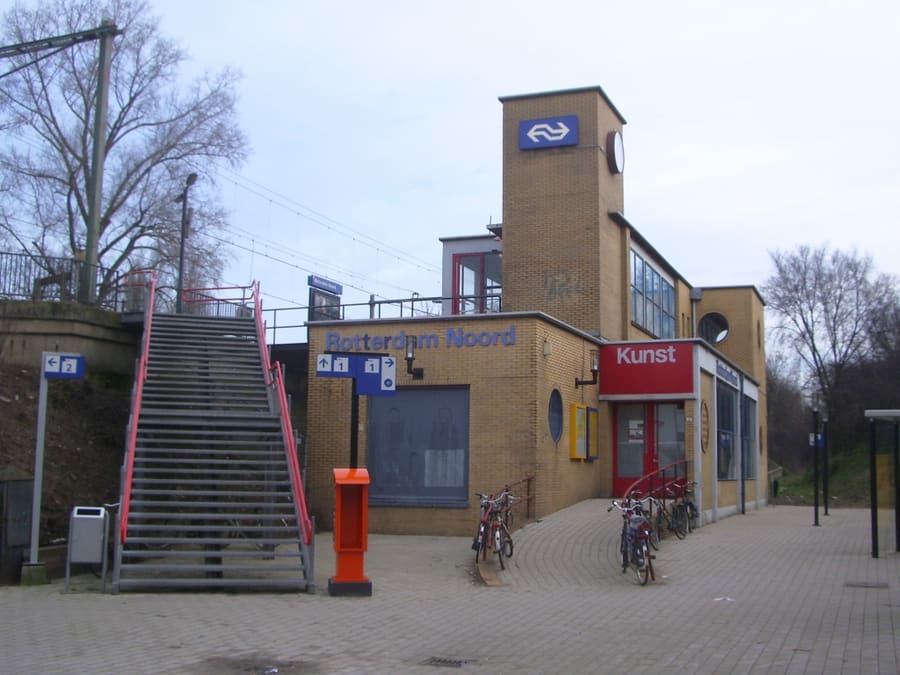
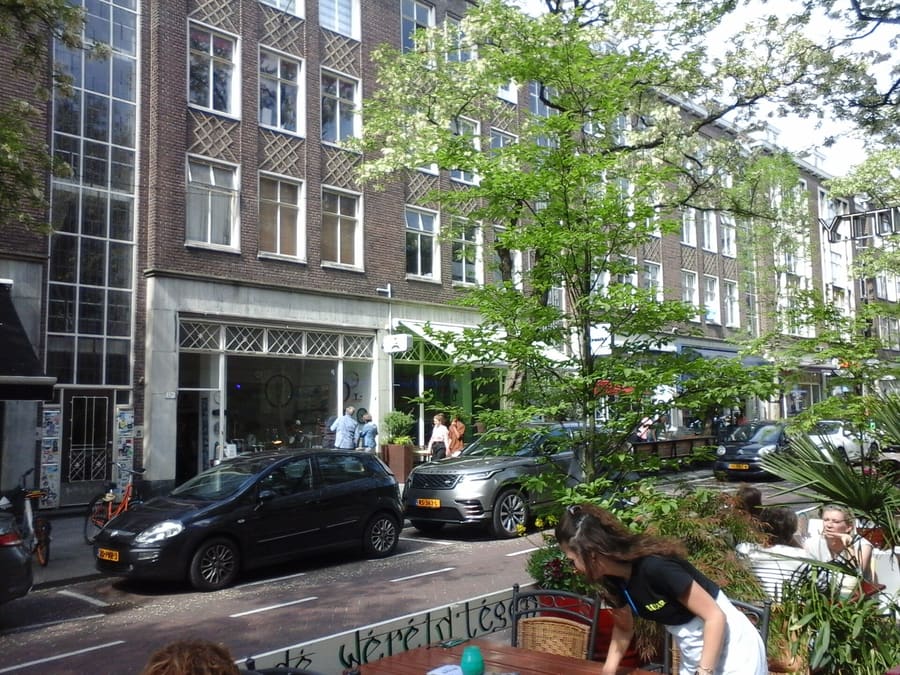
Oude Noorden — 19th-century residential quarter filled with independent design shops, bakeries, and side-street cafes.
No machine-readable author provided. T Houdijk assumed (based on copyright claims). · CC BY 2.5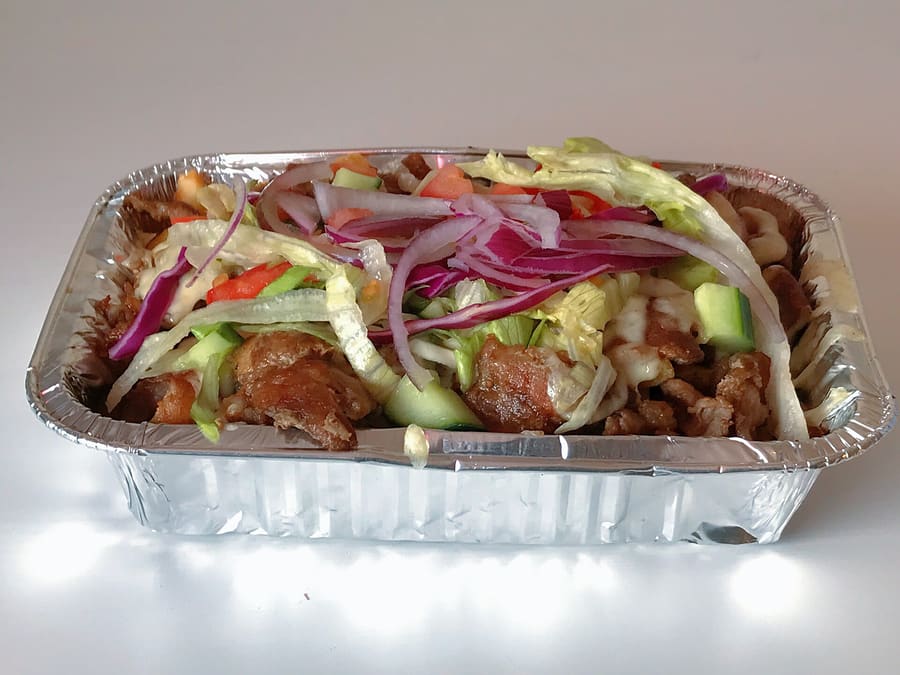
A layer of fries topped with shawarma, melted Gouda, and salad, created in Rotterdam.
Amin · CC BY-SA 4.0highlights
landmark
Piet Blom's tilted yellow houses date from 1984. Visit the Kijk-Kubus museum house to see how furniture fits inside 45-degree walls.
Parleyに聞く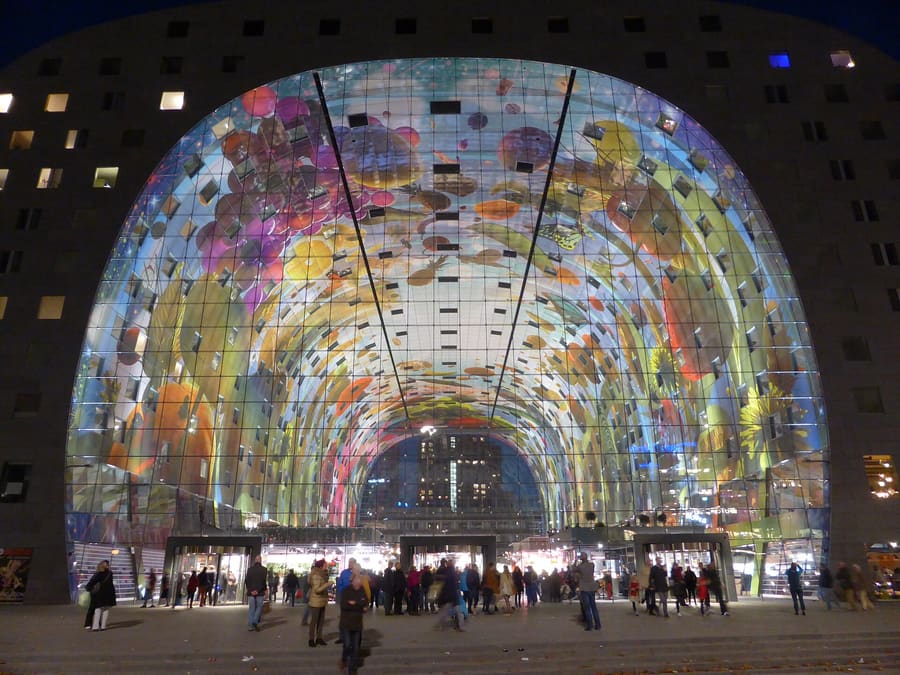
landmark
A horseshoe-shaped arch housing food stalls under a massive painted ceiling. Arrive before 11:00 to dodge the midday tour groups.
Parleyに聞く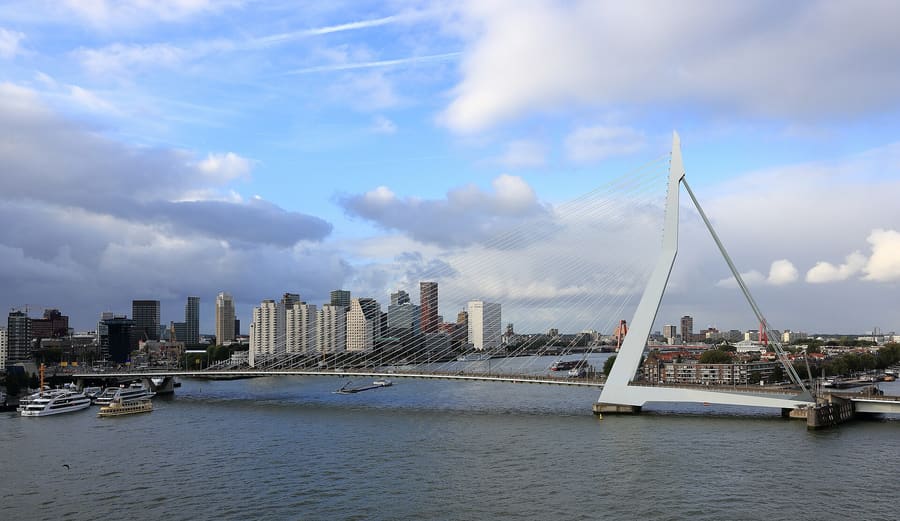
landmark
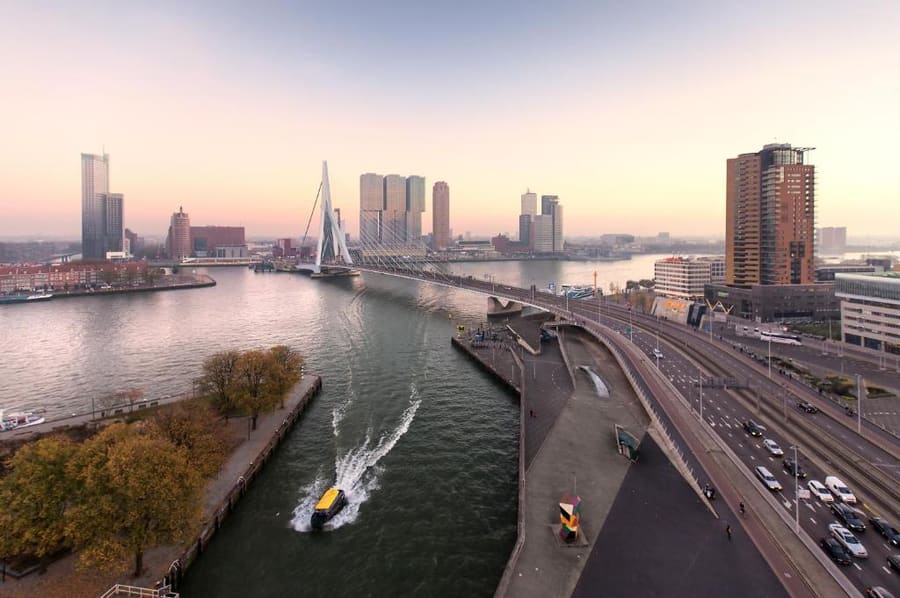
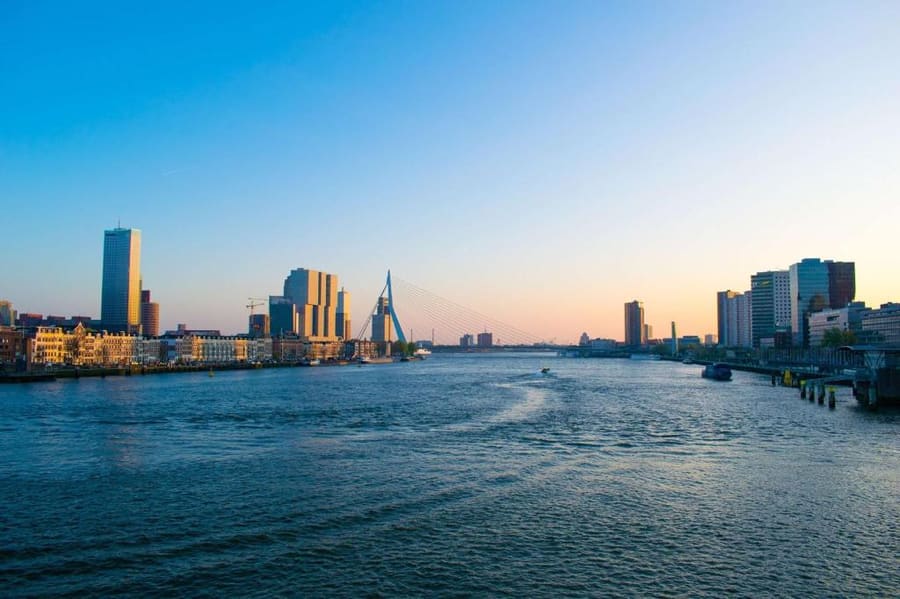
The 802-metre asymmetric cable-stayed bridge connects north and south. Walk the eastern pedestrian path for the skyline view.
Parleyに聞く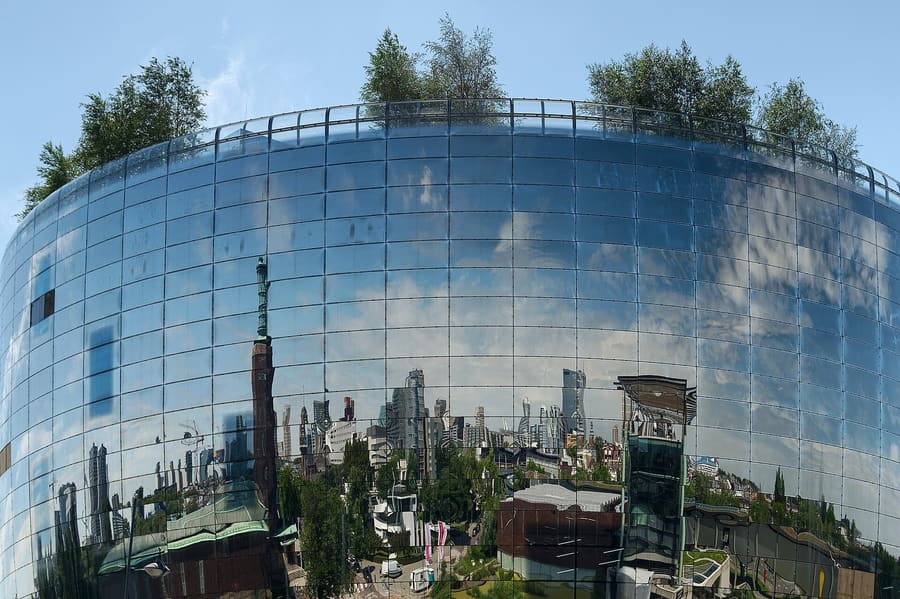
landmark
The world's first publicly accessible art storage facility wrapped in mirror glass. Book rooftop garden access weeks in advance.
Parleyに聞く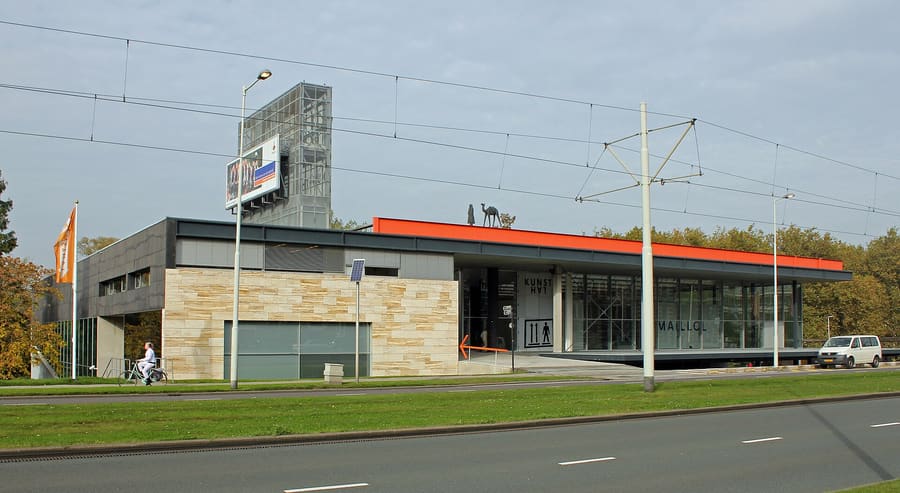
landmark
Rem Koolhaas designed this exhibition hall with no permanent collection. Check the changing calendar before buying a ticket.
Parleyに聞く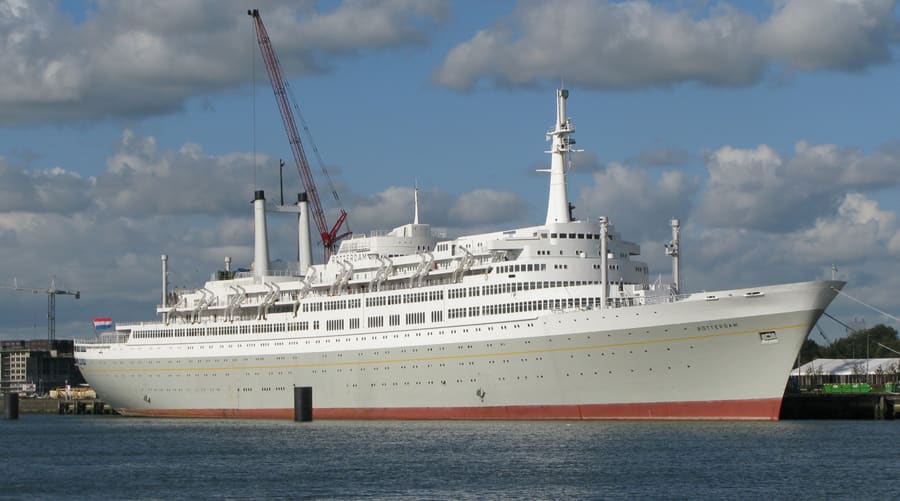
landmark
A retired 1958 ocean liner permanently moored in Katendrecht. Free deck access lets you drink at the stern bar without a tour ticket.
Parleyに聞くattractions
areas
Commercial grids, post-war concrete, high-density high-rises and busy shopping corridors.
近くRotterdam Centraal and Museumpark
Parleyに聞くFormer docklands transformed into modern skyscrapers, waterfront dining, and cultural venues.
近くErasmus Bridge and Katendrecht
Parleyに聞く17th-century canal village that survived 1940 bombings, featuring historic brick warehouses.
近くHistorical museum harbor and Pelgrim Brewery
Parleyに聞く19th-century residential quarter filled with independent design shops, bakeries, and side-street cafes.
近くZwaanshals market street and Hofbogen
Parleyに聞くfood
Rotterdam eating habits reflect its history as a working port and post-war immigrant gateway. The city invented the Kapsalon in 2003 at El Aviva shawarma shop on Schiedamseweg. High-end dining centres around industrial dock conversions rather than historic canal houses.
A layer of fries topped with shawarma, melted Gouda, and salad, created in Rotterdam.
Amin · CC BY-SA 4.0Stalls open by 10:00, but warm meal vendors reach peak capacity between 12:30 and 14:00.
Try local Surinamese-Dutch eateries like De Kade or Warung Mini for roti folded with spiced chicken and long beans.
Located in Katendrecht, this former warehouse serves local craft beer from Kaapse Brouwers and artisan cheeses.
history
Rotterdam grew from a 13th-century dam into an international port. The 1940 aerial destruction forced the city to redesign its center entirely around post-war modernism.
Damming the Rotte
Settlers build a dam on the Rotte river, giving the settlement its name and initial trading harbor.
May Bombing
The Luftwaffe bombing destroys the historic city center, forcing a complete post-war urban replan.
World's Busiest Port
Rotterdam becomes the world's busiest seaport, a title it holds for four decades as Europort expands.
Erasmus Bridge Opens
Ben van Berkel's bridge opens, connecting the city center to the former docklands of Kop van Zuid.
Depot Boijmans Opens
The world's first fully accessible art depot opens in Museumpark, sealing the city's architectural pivot.
where to stay
Choose your accommodation based on proximity to main transit lines or river views. Hotel prices rise significantly during international trade conventions.
transport
The RET transit network operates metro lines, trams, and buses across Rotterdam. You pay using contactless bank cards or phones at all stations and vehicles.
Rotterdam The Hague Airport (RTM) / Rotterdam Centraalから
RET Bus 33 connects RTM airport directly to Rotterdam Centraal every 10–15 minutes.
Taxis park outside the single terminal; prices rise during peak morning congestion.
Check in and out at every reader using your phone or bank card on RET trams, buses, and metro lines.
Line 8 connects Rotterdam Centraal, Museumpark, and historic Delfshaven on a single route.
Board at Erasmusbrug pier for direct water transport to Kinderdijk windmill district.
BOB night buses operate only on Friday and Saturday nights after metro service ends around 00:30.
cost
Prices in Rotterdam match Western European standards. Cash is rarely accepted at museums or transit kiosks.
Ticket price to enter the furnished model Cube House.
Large serving at local snack bars across the city.
Unlimited travel on all RET city trams, buses, and metro lines.
Adult admission to the mirror building and rooftop exhibition.
seasonality
MAR – MAY
Crisp spring weather with tulip season nearby. Pack a rain jacket for sudden coastal showers.
JUN – AUG
Warm days and long daylight hours. Rooftop bars and waterfront terraces operate at full capacity.
SEP – NOV
Cooler days and frequent rain. Ideal for exploring indoor design museums and food halls.
DEC – FEB
Short, dark winter days with temperatures near freezing. Museums are quiet and indoor venues stay warm.
practicalities
Red asphalt bike paths are strictly for cyclists. Pedestrians must avoid walking on them.
Cash is refused at many cafes, ticket desks, and public transit counters.
Many retail stores and small restaurants remain closed on Monday mornings until 12:00 or 13:00.
Tap water is high quality and safe everywhere. Carry a refillable bottle.
High-rise corridors near the river funnel strong winds; secure hats and light belongings.