landmark
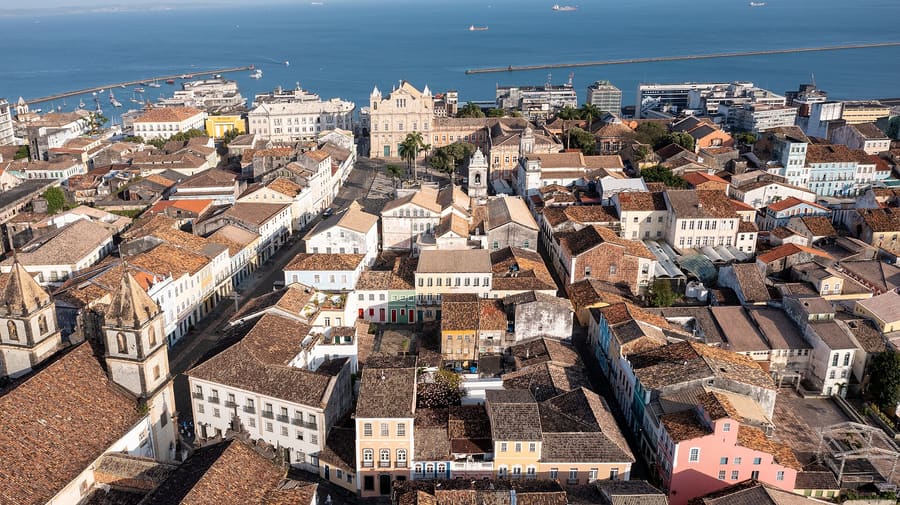
Pelourinho
Cobblestone alleys showcase 17th-century Portuguese architecture. Visit on Tuesday evening for live street percussion performances.
Parleyに聞くブラジル
Afro-Brazilian rhythm, baroque gold, and Atlantic surf.
introduction
Salvador splits sharply between the cliff top and the bay water. The upper city holds baroque churches and cobblestone squares, while the lower city handles shipping and ferry ports. You navigate the steep drop using public elevators, funiculars, and steep roads called ladeiras. Afro-Brazilian culture shapes the daily rhythm here through street food, drum rehearsals, and Candomblé traditions.
UNESCO recognition
UNESCO designated the Historic Centre of Salvador a World Heritage site in 1985 for its preserved Portuguese colonial urban grid and baroque architecture.
Planning trick
Tuesday is the primary night for live music in Pelourinho. The weekly Olodum drum rehearsals charge admission, so carry cash for the door.
Salvador
Paul R. Burley · CC BY-SA 4.0Pelourinho — High-density colonial history with constant street music and heavy police presence.
Paul R. Burley · CC BY-SA 4.0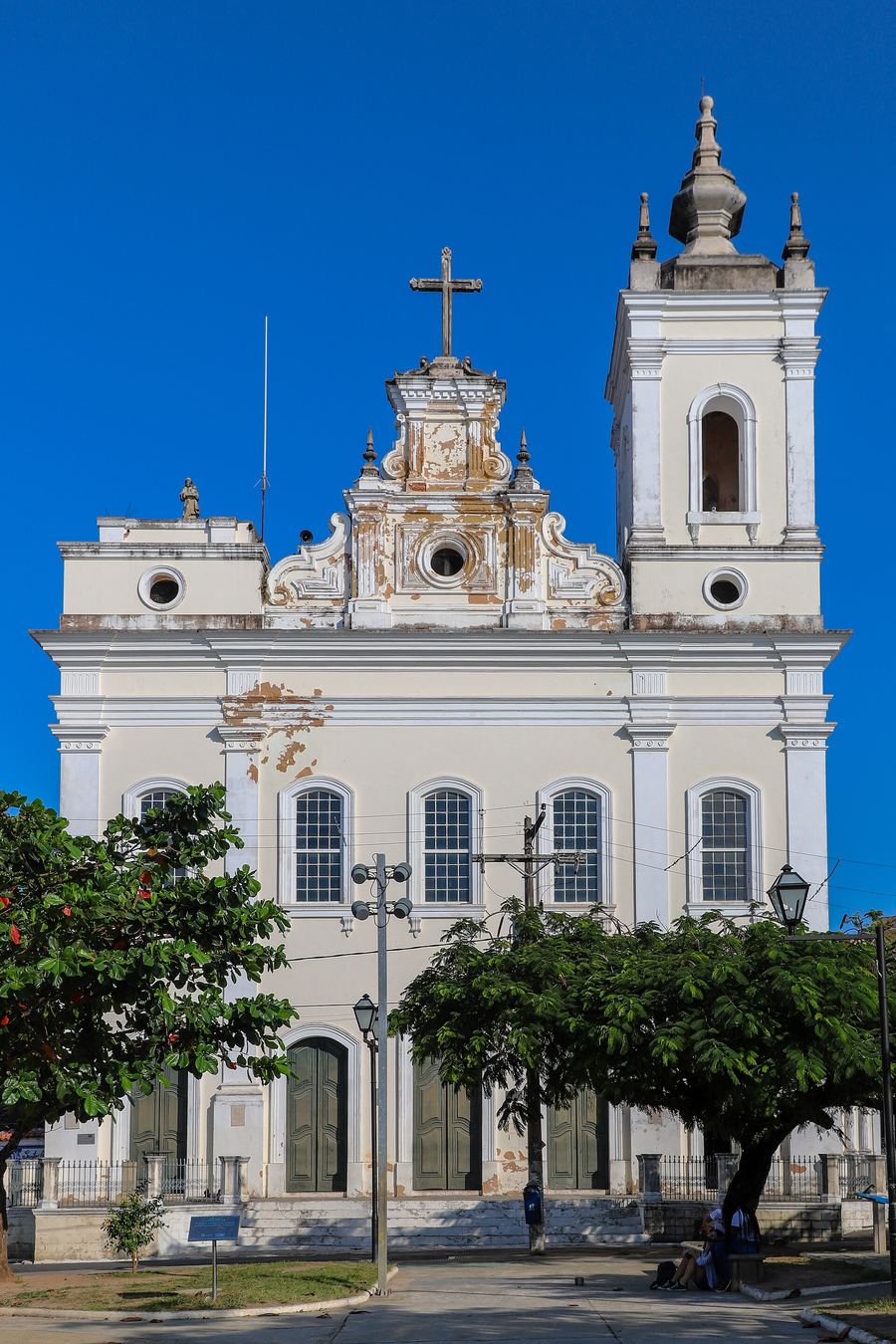
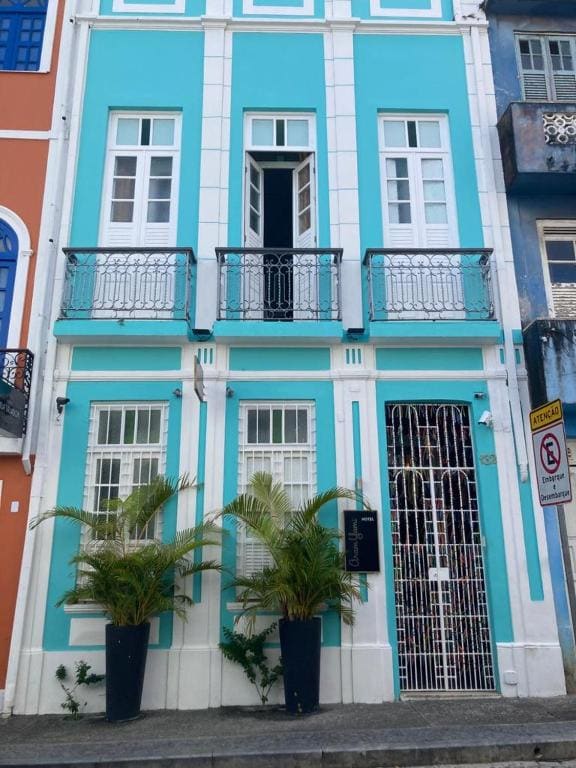
Santo Antônio Além do Carmo — A calmer residential enclave of pastel houses, art studios, and sunset bars.
Paul R. Burley · CC BY-SA 4.0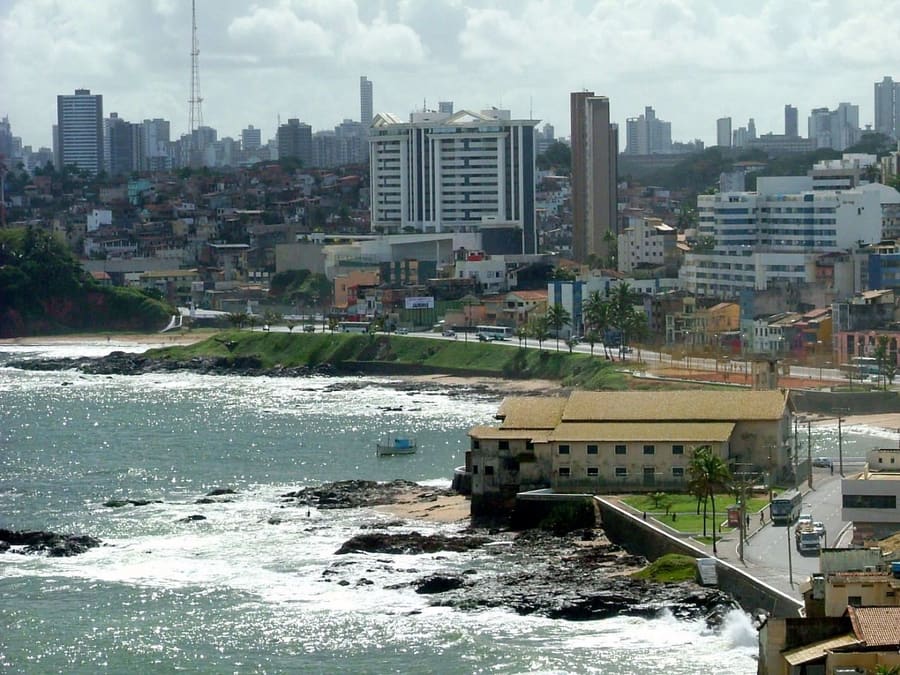
Rio Vermelho — The city's main dining and nightlife district centered on coastal squares.
IKAROW · CC BY 2.0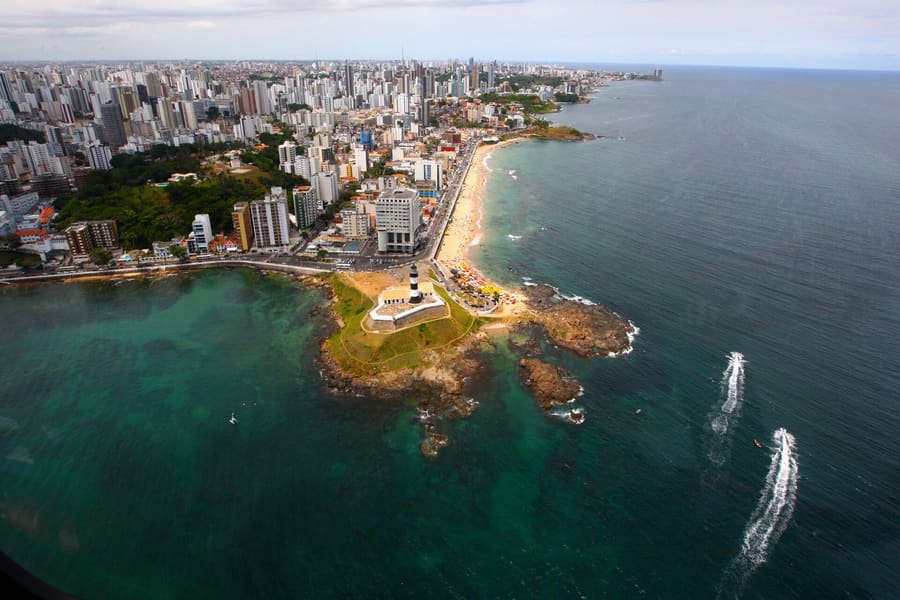
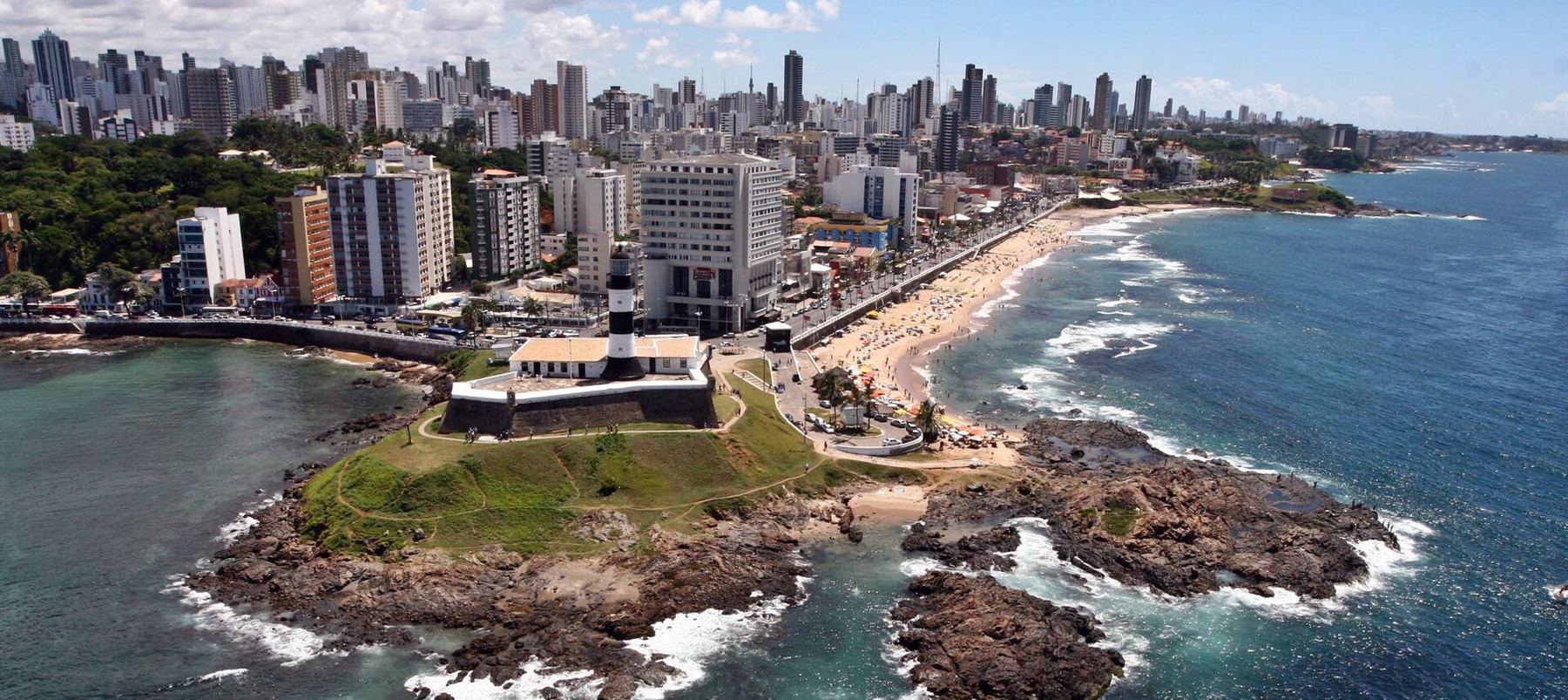
Barra — A coastal neighborhood offering calm bay swimming and surf beaches.
Fotos GOVBA from Bahia/Brasil · CC BY 2.0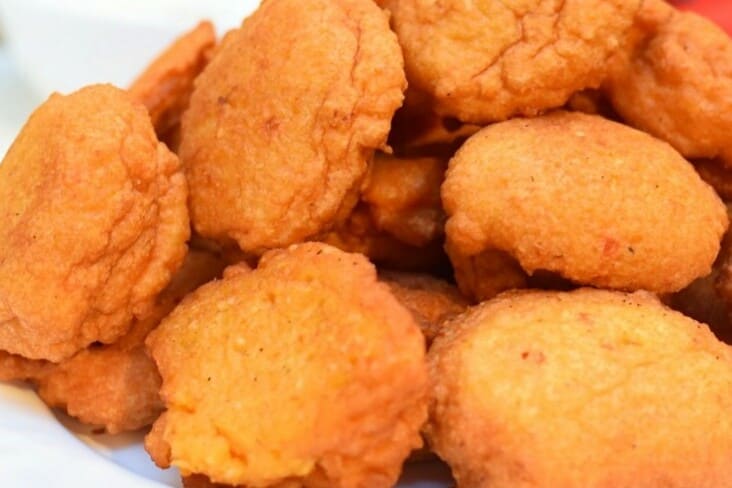
Acarajé served fresh from a street kiosk, filled with vatapá paste and dried shrimp.
AkinkuotuFunmi · CC BY-SA 4.0highlights
landmark
Cobblestone alleys showcase 17th-century Portuguese architecture. Visit on Tuesday evening for live street percussion performances.
Parleyに聞く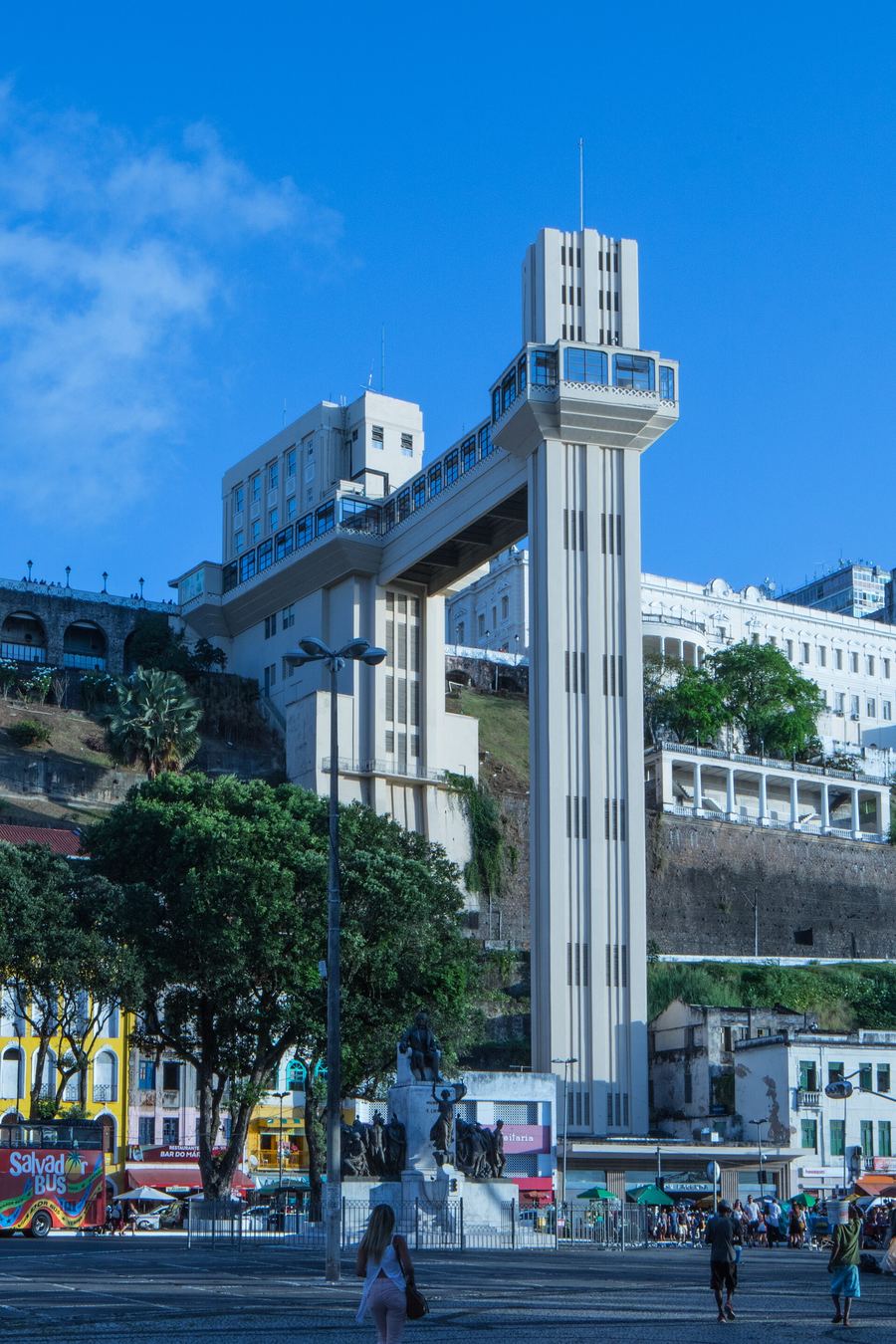
landmark
This 72-metre Art Deco lift connects the upper city to the lower port. A single ride costs R$0.15 in cash.
Parleyに聞く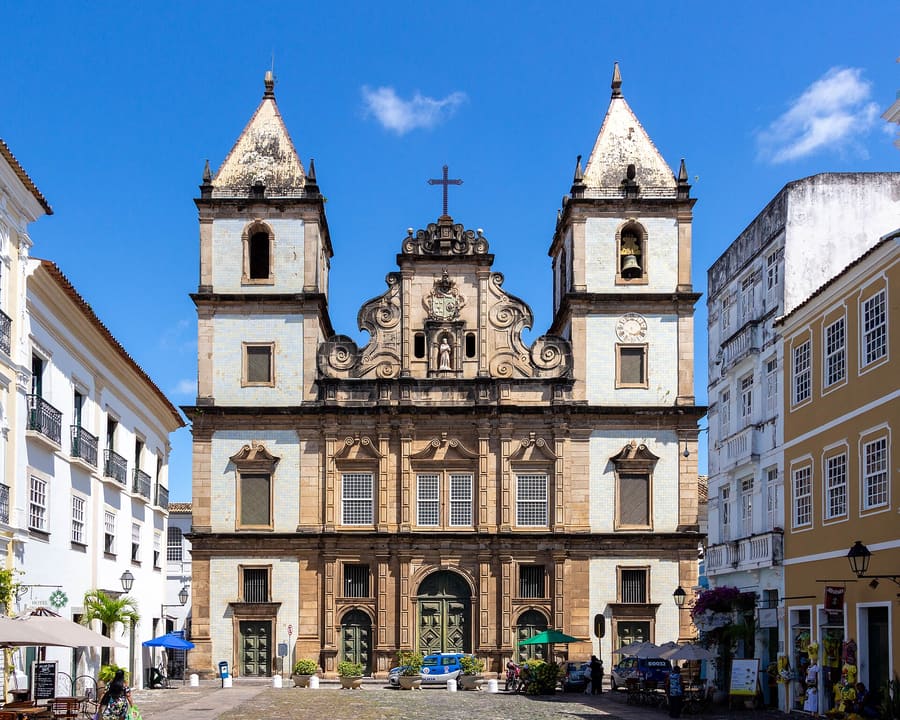
landmark
Intricate gilded carvings cover almost every interior surface. The courtyard contains hand-painted Portuguese azulejo tiles.
Parleyに聞く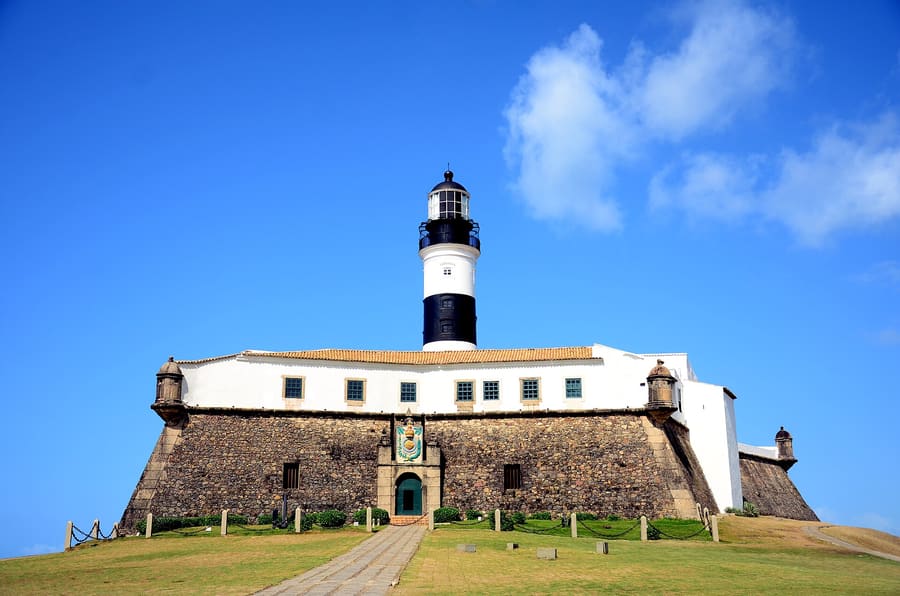
landmark
A historic fortress marks the entrance to All Saints Bay. Climb the lighthouse tower late in the afternoon for sunset views.
Parleyに聞く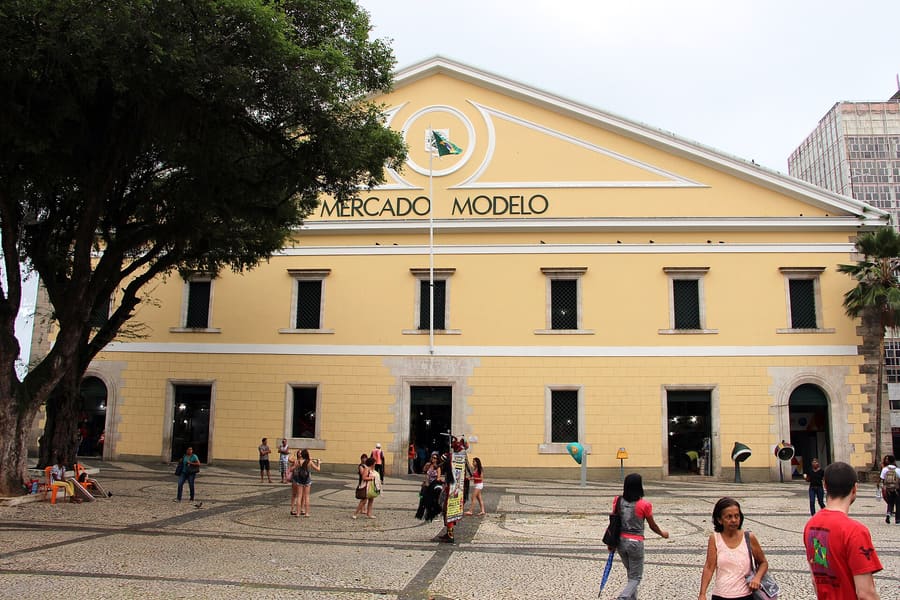
landmark
Vendors sell handicrafts, leather goods, and instruments in a former customs house. Haggle politely on non-food items.
Parleyに聞くattractions
areas
High-density colonial history with constant street music and heavy police presence.
近くElevador Lacerda, Terreiro de Jesus
Parleyに聞くA calmer residential enclave of pastel houses, art studios, and sunset bars.
近くPelourinho, Largo do Carmo
Parleyに聞くThe city's main dining and nightlife district centered on coastal squares.
近くLargo de Santana, Praia da Paciência
Parleyに聞くA coastal neighborhood offering calm bay swimming and surf beaches.
近くFarol da Barra, Praia do Porto da Barra
Parleyに聞くfood
Baiana cuisine relies on unrefined red dendê palm oil, coconut milk, and dried shrimp. The city's defining dish is moqueca baiana, a slow-cooked seafood stew prepared in clay pots. You buy acarajé from specialized vendors called baianas de acarajé, who fry bean patties on street corners across the city.
Acarajé served fresh from a street kiosk, filled with vatapá paste and dried shrimp.
AkinkuotuFunmi · CC BY-SA 4.0The vendor will ask if you want it 'quente' (hot) or 'frio' (cold). This refers to pepper level, not food temperature.
Traditional moqueca places in Santo Antônio and Itapagipe serve their largest crowds between 12:30 and 15:00.
Beach attendants at Porto da Barra rent chairs and serve cold beer. Pay the tab directly when you leave your chair.
history
Founded by the Portuguese in 1549, Salvador served as the first capital of colonial Brazil until 1763. It became the principal port of the South American slave trade, which fundamentally shaped its demographic and cultural identity. Today, Salvador retains the largest population of African descent outside the African continent.
City foundation
Tomé de Sousa establishes Salvador as the administrative capital of the Portuguese colony of Brazil.
Capital moves south
The Portuguese crown transfers the colonial capital to Rio de Janeiro to control gold exports.
Malê revolt
Enslaved Muslim African workers lead an uprising in the city streets, influencing regional abolition movements.
UNESCO listing
The historic core receives World Heritage status, sparking long-term urban restoration projects.
where to stay
Choose your base by balancing immediate beach access against historical atmosphere. Santo Antônio puts you steps from colonial architecture in a quiet residential environment. Barra suits travelers prioritizing daily ocean swimming and coastal walks, while Rio Vermelho offers direct access to evening dining.
transport
Salvador covers a sprawling coastline with hilly inland terrain. The modern metro system connects the airport to the city center along two efficient lines. For short trips between coastal neighborhoods like Barra and Rio Vermelho, ride-share services are cheap and widely available.
Salvador Bahia Airport (SSA)から
Pickups occur at the designated ride-share zone outside arrivals.
Prepaid taxicoop desks sit inside the arrival terminal.
The elevator operates daily connecting Praça Cairu in Comércio to Praça Tomé de Sousa in upper city.
Buy a rechargeable travel card at metro ticket booths using cash or a Brazilian debit card.
Public funicular railways like Plano Inclinado Gonçalves connect the upper and lower cities for minimal cash fares.
Avoid driving along Avenida Paralela between 07:30–09:00 and 17:30–19:00 weekdays.
cost
Salvador is generally more affordable than Rio de Janeiro or São Paulo. Tap payments work at most brick-and-mortar businesses, but street vendors selling acarajé or coconut water prefer cash or local digital payments.
Price varies depending on whether you include dried shrimp additions.
Served with rice, farofa, and vatapá at sit-down seafood establishments.
Exact cash change is appreciated at the turnstiles.
Covers routes between Pelourinho, Barra, and Rio Vermelho.
seasonality
DEC – FEB
Peak summer brings high heat and massive festival crowds leading up to Carnival.
MAR – MAY
Temperatures remain warm while humidity drops and hotel prices decrease.
JUN – AUG
The rainy season brings frequent downpours, though ocean temperatures stay mild.
SEP – NOV
Dry weather returns with comfortable wind conditions along the coast.
practicalities
People offering ribbons or painting white patterns on your arm expect money. Say 'não, obrigado' firmly if uninterested.
Carry small bills for funiculars, public lifts, and beach snacks.
The tropical sun near the equator is strong year-round. Wear high SPF sunscreen even on overcast days.
On February 2, thousands gather in Rio Vermelho to cast offerings into the ocean for the sea deity.
Stick to sheltered beaches like Porto da Barra for swimming. Atlantic ocean beaches have strong rip tides.