landmark
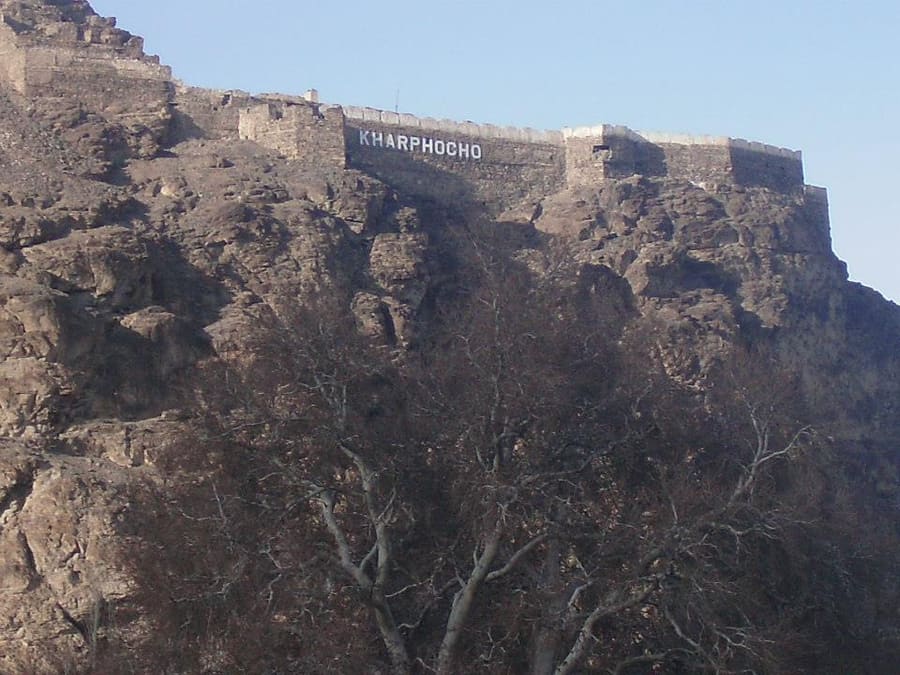
Kharpocho Fort
16th-century fortress overlooking the Indus. The steep 30-minute climb over loose stones requires sturdy footwear.
Parleyに聞くパキスタン
High-altitude gateway to the Karakoram summits.
introduction
Skardu sits at 2,230 metres in Baltistan where the Indus meets the Shigar River. You navigate the town by private 4x4 or shared local jeeps, as paved infrastructure quickly gives way to unpaved mountain tracks. Flight cancellations due to mountain weather are frequent, so your itinerary requires buffer days. Expect harsh sun, dust, and dramatic glacial valleys.
Flight arrival reality
Skardu Airport flights depend on visual flight rules. Mountain clouds routinely ground planes for days, so always build two buffer days into your itinerary.
Vehicle booking strategy
Standard sedans cannot handle tracks to Deosai or Basho. Hire a local 4x4 driver at the main bazaar stand on your first morning.
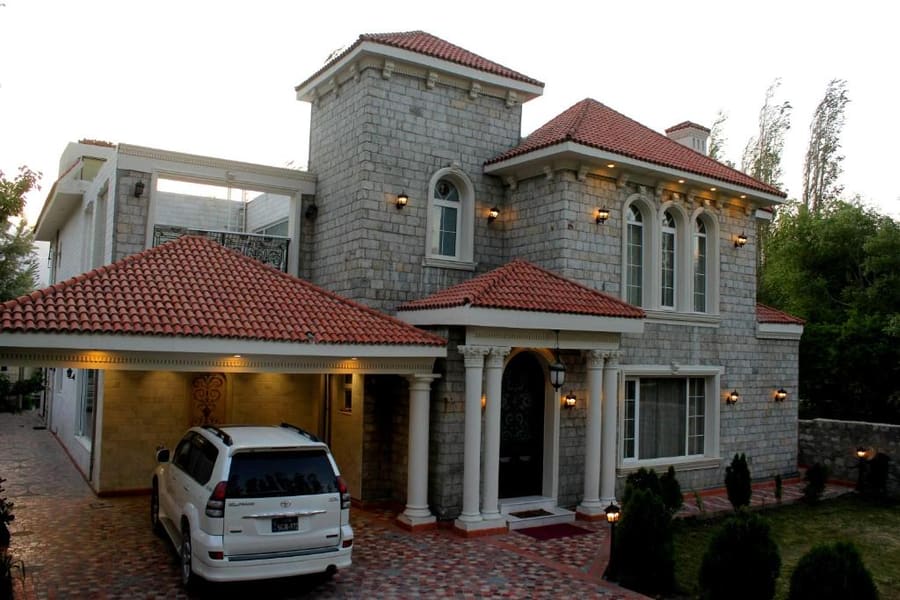
Skardu
Heavyrunner · CC BY-SA 3.0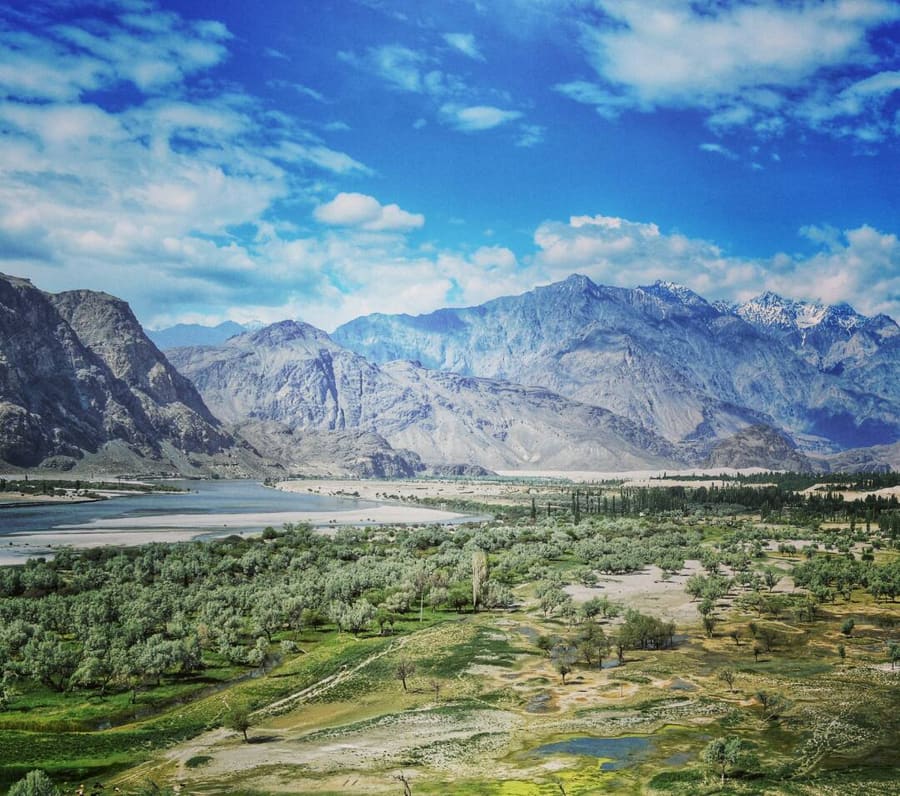
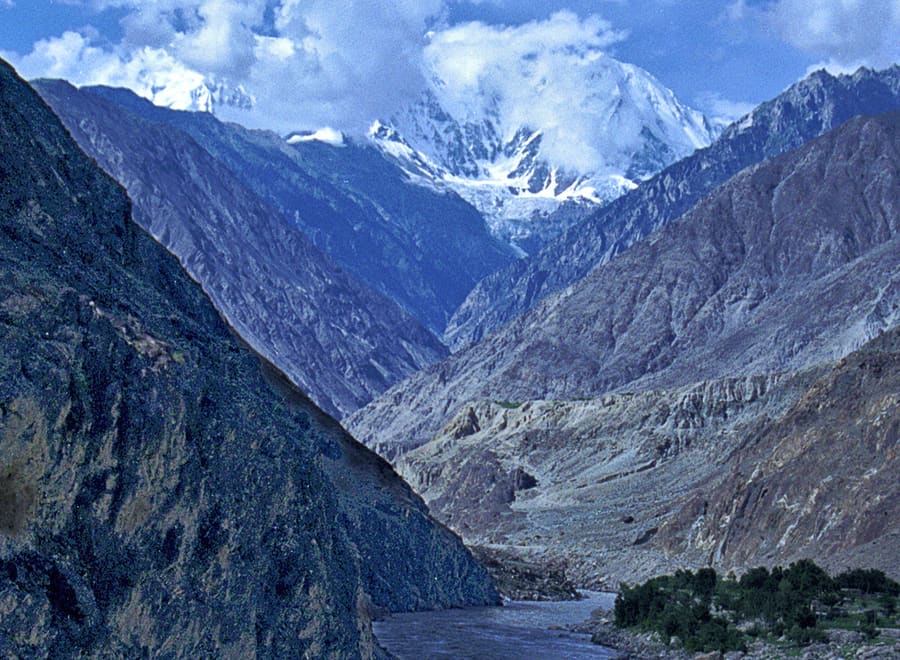
Skardu Town — Dusty commercial hub filled with jeep drivers, gear shops, and fruit markets.
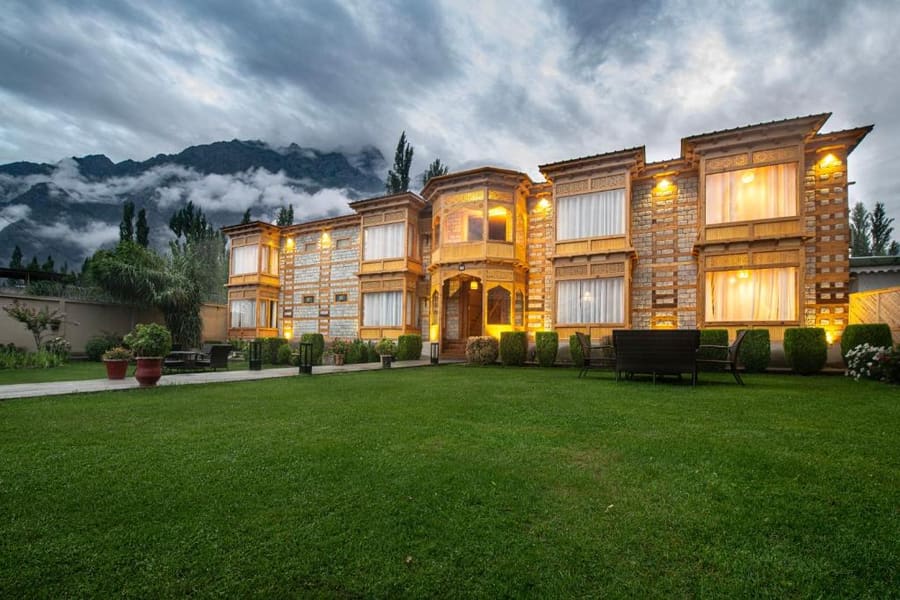
Rgyalchan Karim · CC BY-SA 4.0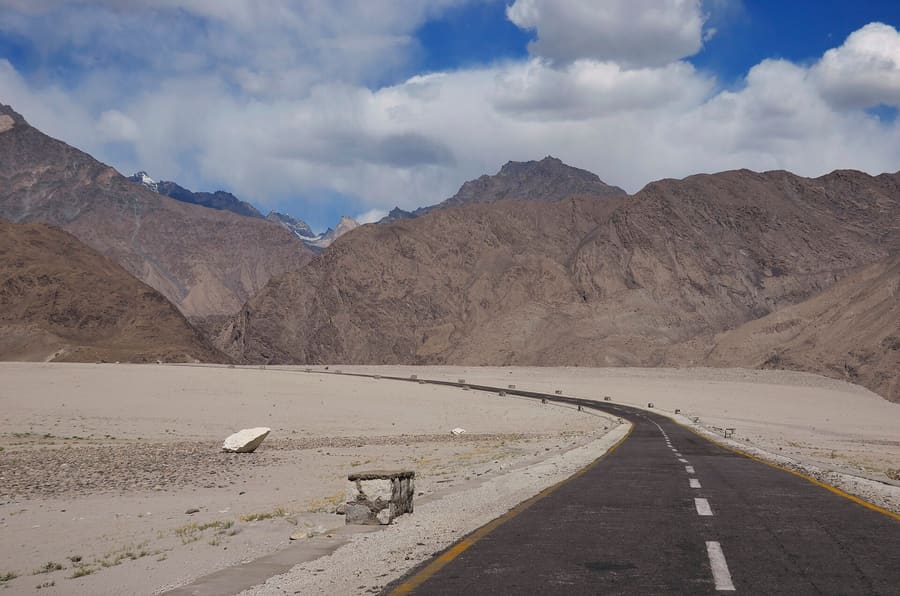
Shigar Valley — Quiet agricultural valley with stone villages and apricot orchards.
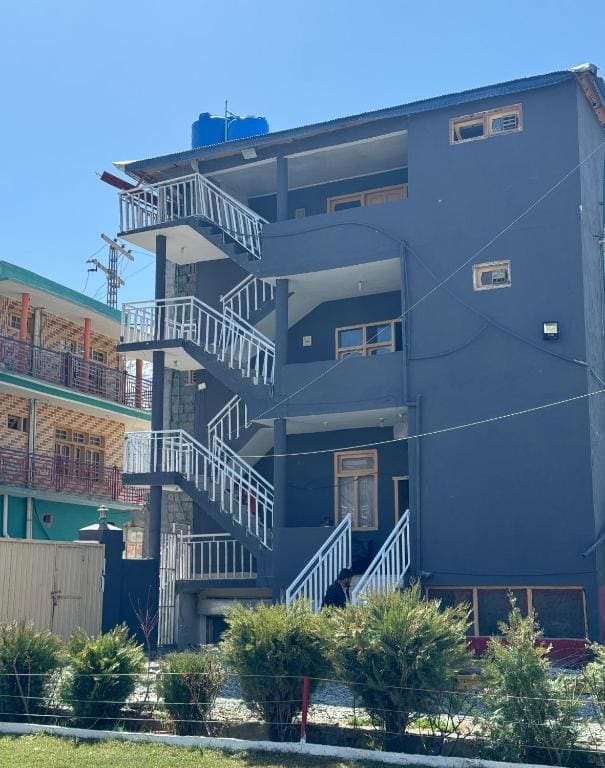
Raja Munawar · CC BY-SA 3.0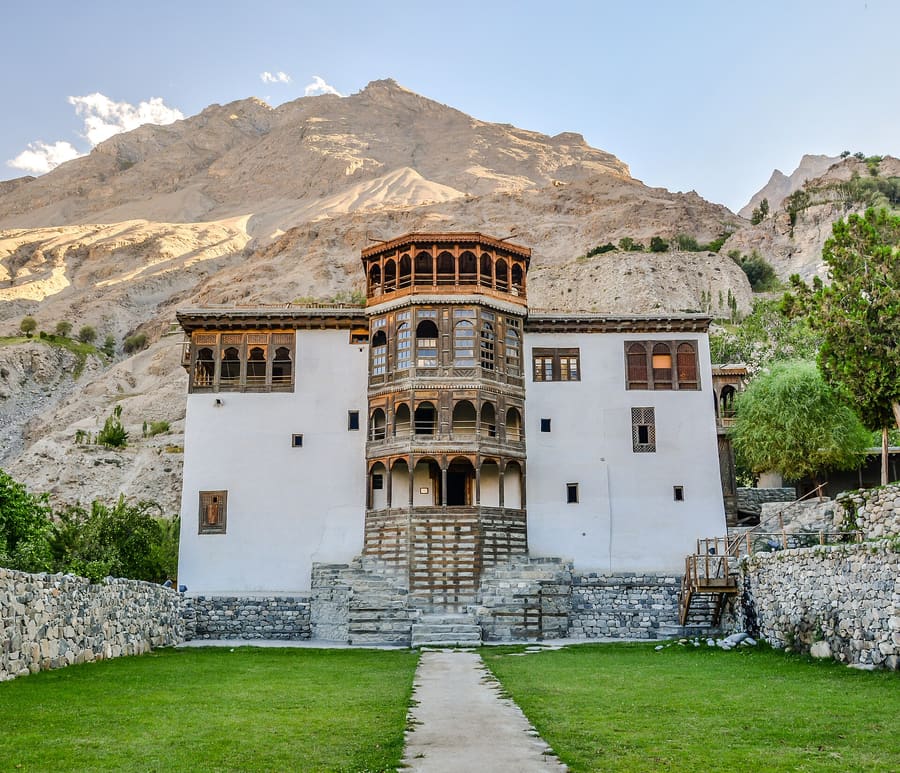
Khaplu Valley — Historic royal valley along the Shyok River framed by granite spires.
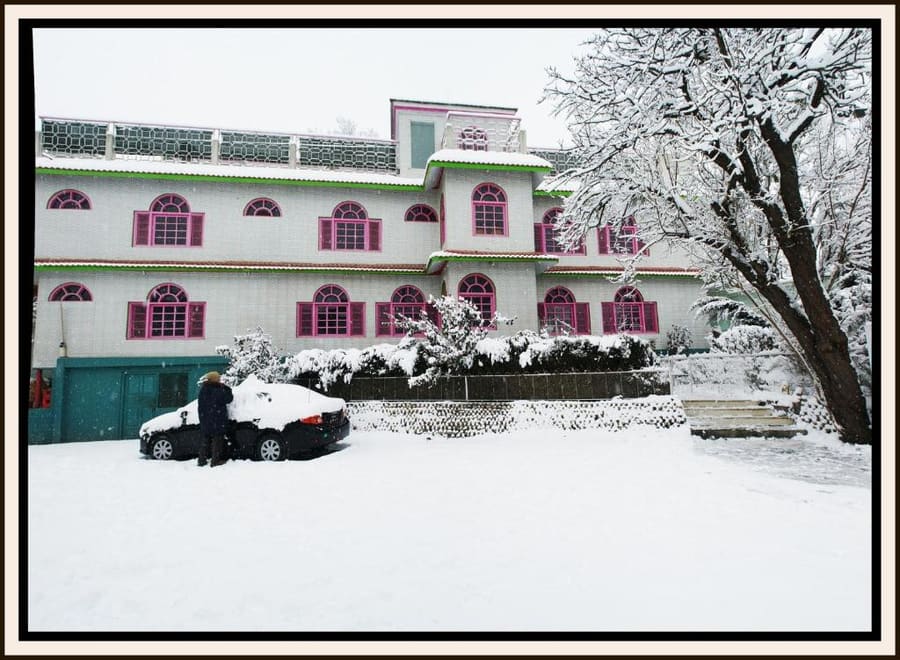
Muhammad Ashar · CC BY-SA 3.0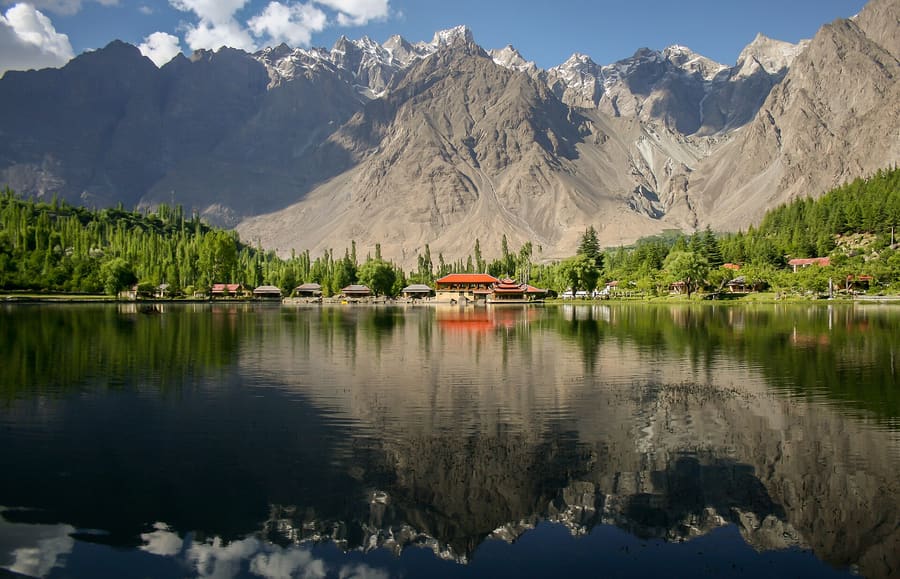
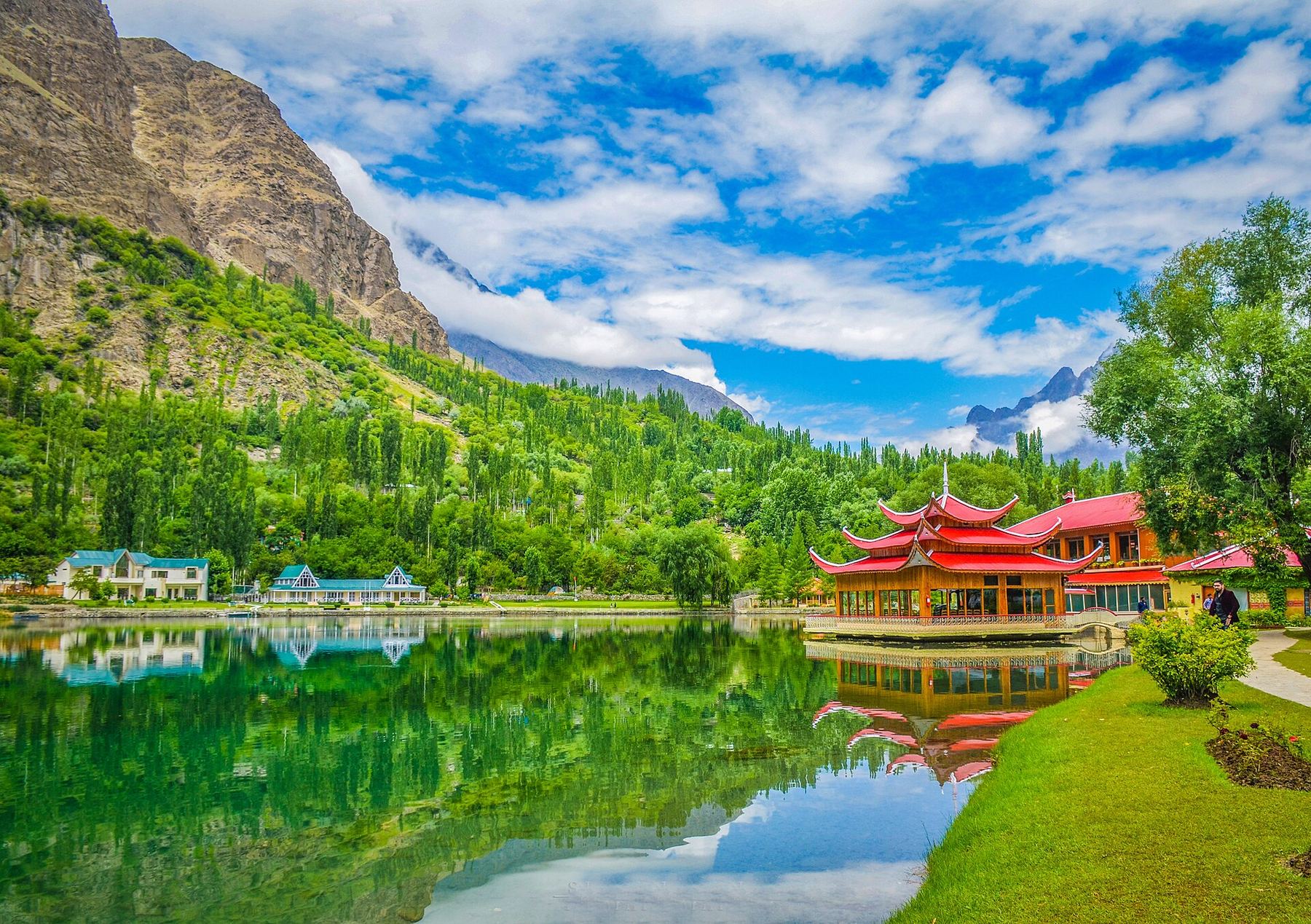
Kachura — Lakeside cluster of orchards near the main airport access road.
Zaeem Siddiq · CC BY-SA 3.0highlights
landmark
16th-century fortress overlooking the Indus. The steep 30-minute climb over loose stones requires sturdy footwear.
Parleyに聞く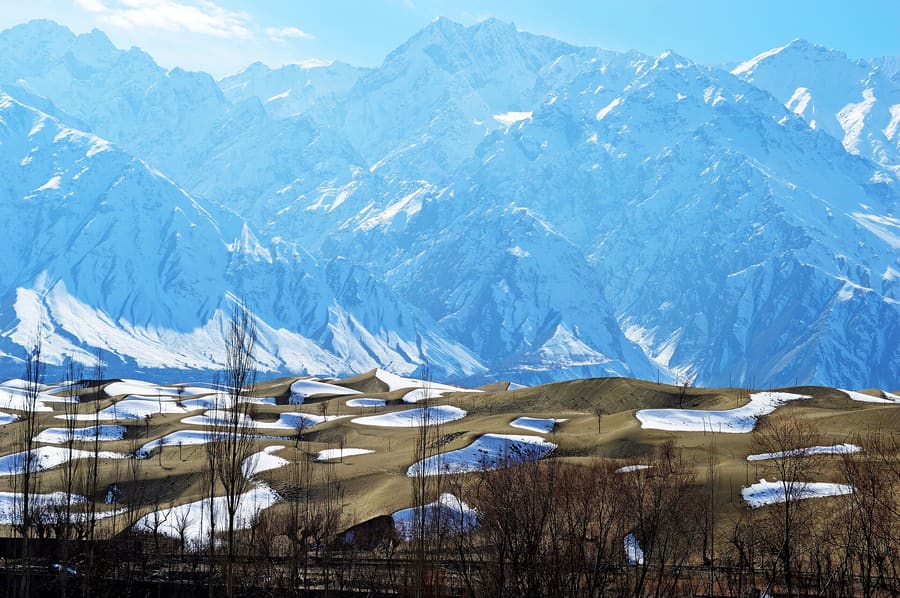
landmark
High-altitude sand dunes that freeze in winter. Visit at sunset for clear lighting on surrounding peaks.
Parleyに聞く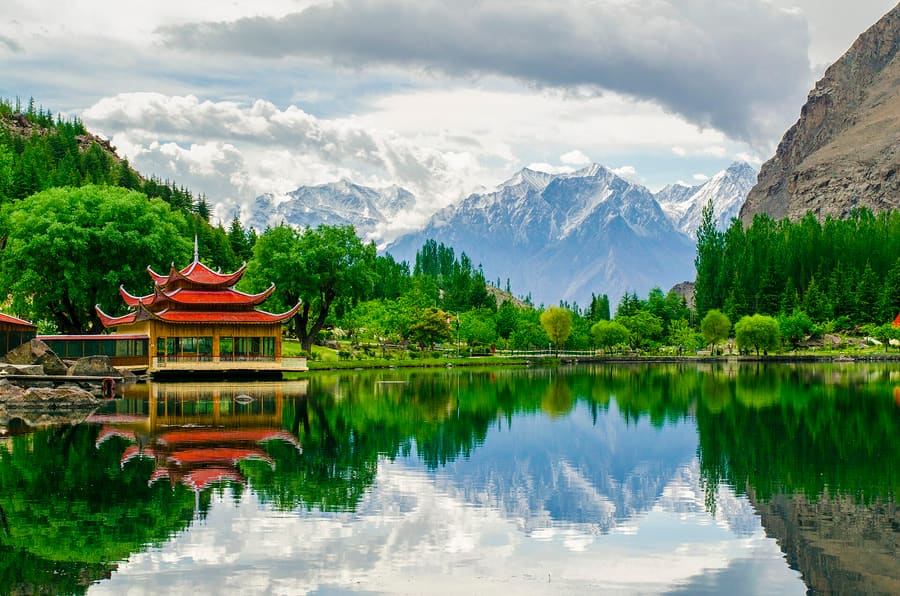
landmark
Clear mountain lake surrounded by orchards. Access to the shoreline requires paying an entry fee at the resort gate.
Parleyに聞く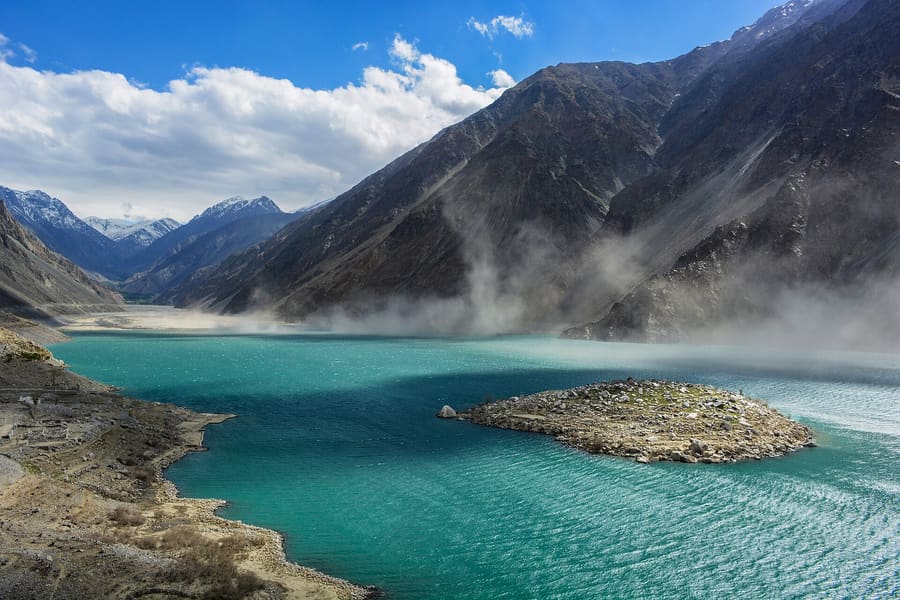
landmark
Natural lake supplying fresh water to Skardu town. Located 20 minutes south by jeep along the road to Deosai.
Parleyに聞く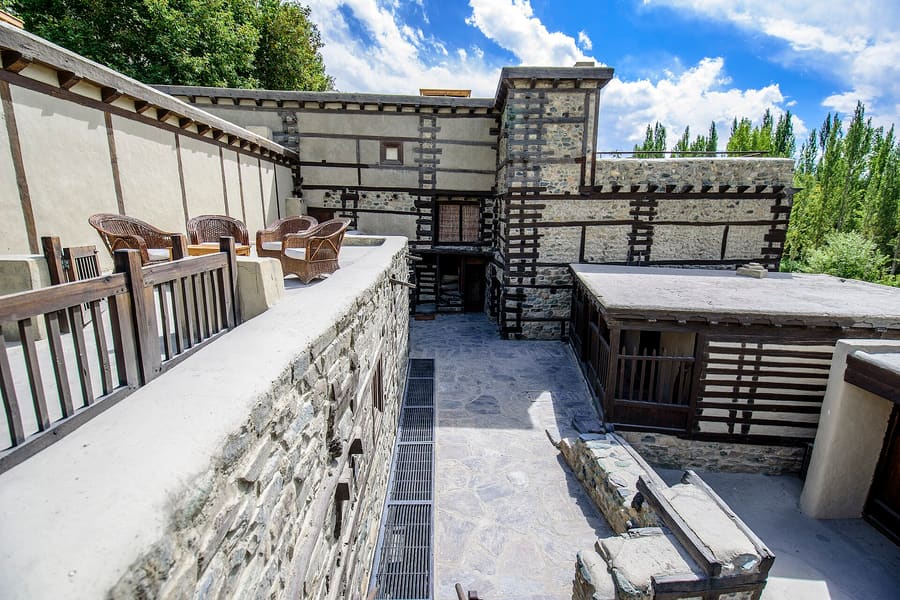
landmark
Restored 17th-century raja palace built on a boulder. Guided tours run hourly and explain Balti timber engineering.
Parleyに聞く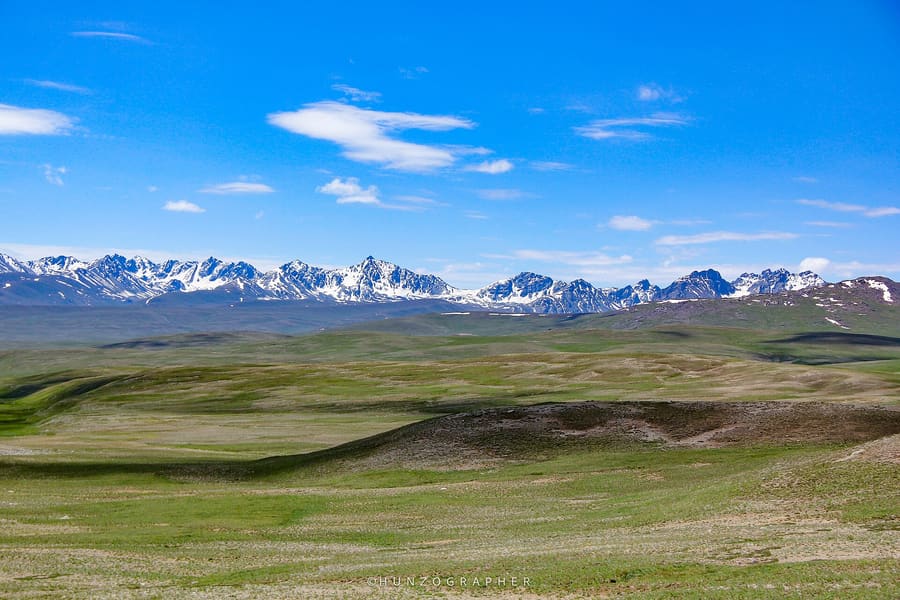
landmark
Alpine plateau averaging 4,100 metres altitude. Accessible only from July to September due to heavy winter snowpack.
Parleyに聞くattractions
areas
Dusty commercial hub filled with jeep drivers, gear shops, and fruit markets.
近くKharpocho Fort and Katpana Desert
Parleyに聞くQuiet agricultural valley with stone villages and apricot orchards.
近くBlind Lake and Shigar Fort
Parleyに聞くHistoric royal valley along the Shyok River framed by granite spires.
近くChaqchan Mosque and Khaplu Palace
Parleyに聞くLakeside cluster of orchards near the main airport access road.
近くShangrila Lake and Indus River
Parleyに聞くfood
Balti cuisine relies heavily on wheat, barley, yak butter, and sun-dried fruits due to the high-altitude climate. You eat heavy dumplings and hand-pulled noodle soups designed to warm trekkers. Fresh trout from local streams is fried plain with lemon and spices at small riverbank eateries.
Eat steamed meat dumplings at local eateries along Naya Bazaar. They fill them with minced beef or mutton and onions.
Order Butter Tea in the morning at small tea stalls. Locals brew tea leaves with salted yak milk and butter.
Buy fresh apricots and mulberries directly from road vendors between July and August.
history
Skardu developed as a key stop on mountain trade routes connecting Ladakh to Central Asia. The Maqpon dynasty ruled Baltistan from Kharpocho Fort for centuries, expanding their reach across the high passes. In 1947, local scouts secured the region, integrating Baltistan into Pakistan's northern territories.
Maqpon Dynasty
Raja Ali Sher Khan Anchan constructs Kharpocho Fort and consolidates rule over the valley.
Dogra Conquest
Zorawar Singh leads Dogra forces over the mountain passes, annexing Baltistan into Jammu state.
Gilgit Scouts Uprising
Local Gilgit Scouts liberate Skardu after an extended siege, joining Pakistan.
International Airport
Skardu Airport upgrades to international operational status, expanding direct regional flight access.
where to stay
Choose your base by your transit plans. Stay in Skardu Town if you need daily jeep hires and market access. Choose Shigar or Khaplu for quiet luxury inside heritage buildings, or stay near Kachura for proximity to the airport.
transport
You move through Skardu primarily using private or shared 4x4 vehicles. Main valley roads connecting Skardu, Shigar, and Khaplu are paved, but lateral mountain tracks require high clearance and four-wheel drive.
Skardu International Airport (KDU)から
Standard taxi from airport to Skardu town center. Agree on the fare before loading luggage.
Necessary if continuing directly onto unpaved valley tracks or high-altitude plateaus.
Always hire vehicles with local drivers for Deosai or Basho. Narrow dirt ledges require terrain experience.
Drivers do not accept card payments or digital transfers. Carry crisp cash for all transport fees.
A full-day 4x4 jeep rental with driver costs roughly PKR 12,000 to PKR 18,000 depending on fuel.
Negotiate your multi-day mountain routes directly at the Yadgar Chowk jeep stand in central Skardu.
cost
Skardu relies on trucked goods from downcountry, so processed items cost more than in Islamabad. Local produce, fresh flatbread, and basic meals remain cheap, while specialized mountain transport consumes the bulk of your budget.
Covers driver and fuel for rough dirt tracks like Deosai Plateau or Basho Valley.
Served fresh at bazaar eateries with vinegar and red pepper paste.
Standard admission fee for foreign visitors at Shigar Fort or Khaplu Palace.
Covers short rides between Yadgar Chowk, Naya Bazaar, and Kharpocho trailhead.
seasonality
MAY – JUN
Spring bloom in the valleys. Mountain passes to Deosai start clearing in late June.
JUL – AUG
Peak summer weather with open passes. Expect crowded lakes and higher jeep rates.
SEP – OCT
Golden autumn foliage in orchards. Clear skies bring cold nights and lower crowds.
NOV – APR
Sub-zero temperatures and heavy snow. High passes close and flight delays peak.
practicalities
ATMs in Skardu town frequently run out of cash or lose network connectivity. Bring cash from major cities.
Sunlight at 2,200+ metres burns skin quickly. Wear high-SPF sunscreen and polarized sunglasses daily.
Mainland network SIMs often lose signal. Buy a SCOM prepaid SIM card in town for reliable data.
Baltistan is conservative. Keep shoulders and knees covered in towns and villages.
Drink extra water and take your first day slow before heading up to Deosai at 4,100 metres.
/3d52ac04cbb9.jpg)