landmark
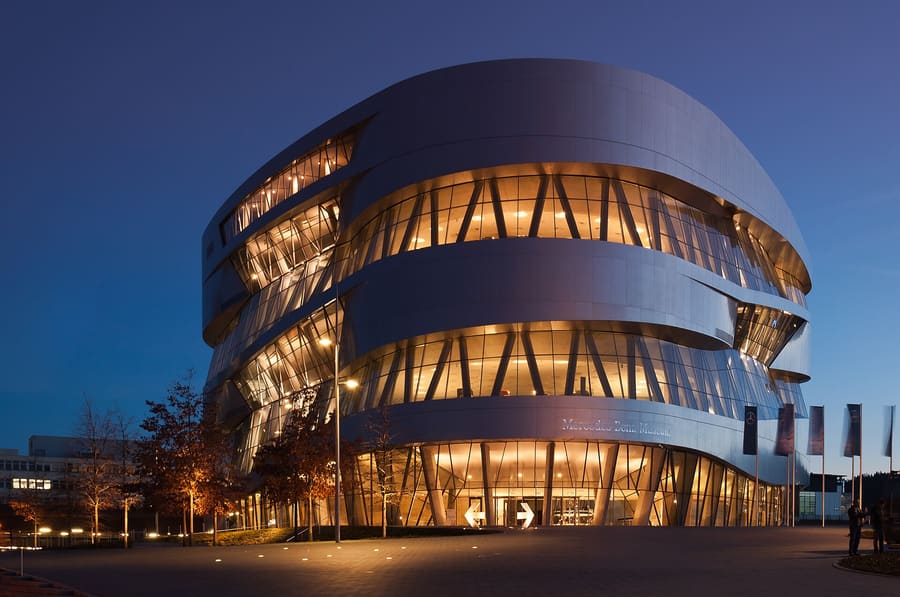
Mercedes-Benz Museum
Double-helix layout guides you through 130 years of auto history. Book early morning slots to avoid crowd bottlenecks.
Parleyに聞くドイツ
Industrial precision meets steep vineyard hillsides.
introduction
Stuttgart sits in a deep basin carved by the Neckar river and lined with steep vineyards. Industrial giants Porsche and Mercedes-Benz drive the local economy, keeping transit sleek and civic funding rich. You navigate the terrain using hillside stairs called Stäfeles or historic funiculars. Expect precision over flash, rich Swabian comfort food, and quiet residential squares.
Arrival connection
S-Bahn lines S2 and S3 connect Stuttgart Airport to Hauptbahnhof in 27 minutes. Trains run every 15 to 30 minutes.
World's first TV tower
The 1956 Fernsehturm Stuttgart was the world's first telecommunications tower built from reinforced concrete.
Stuttgart
No machine-readable author provided. Chep87 assumed (based on copyright claims). · CC BY 2.5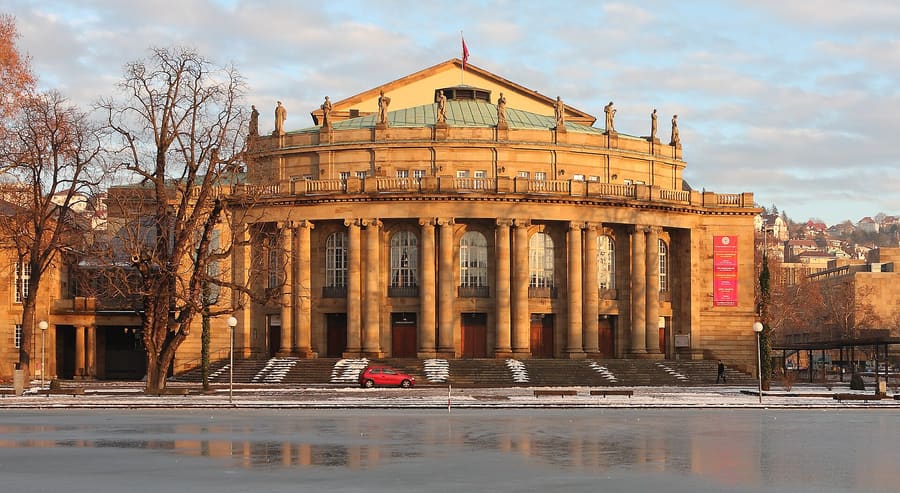
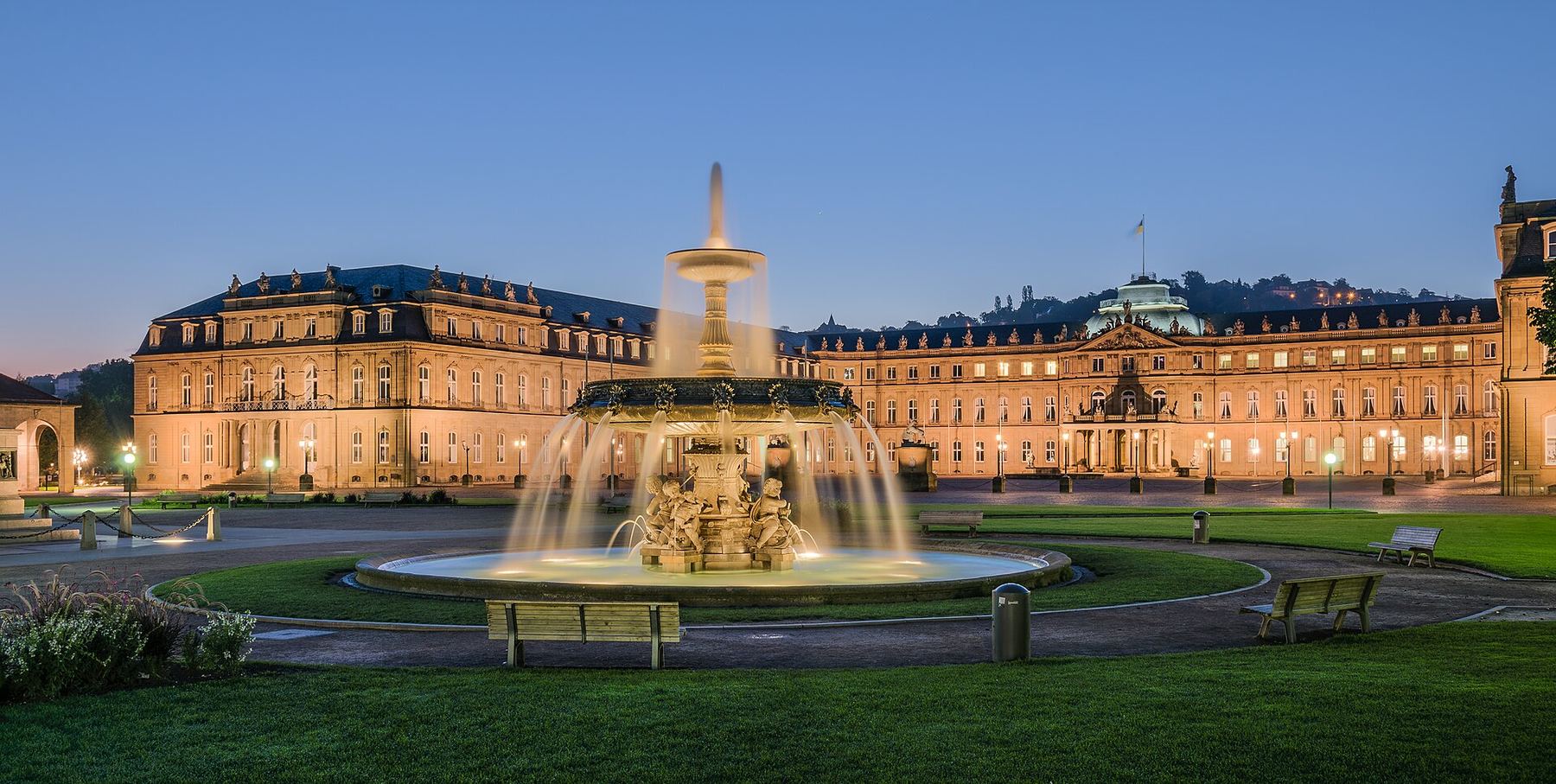
Stuttgart-Mitte — Civic heart dominated by pedestrian Koenigstrasse, palaces, and major museums.
AngMoKio · CC BY-SA 3.0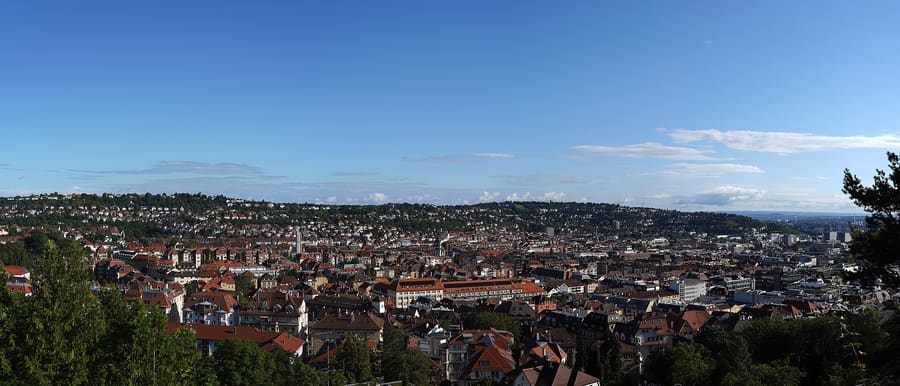
Stuttgart-West — Gründerzeit apartment blocks, leafy squares, and independent coffee roasters.
Zinnmann · CC BY-SA 3.0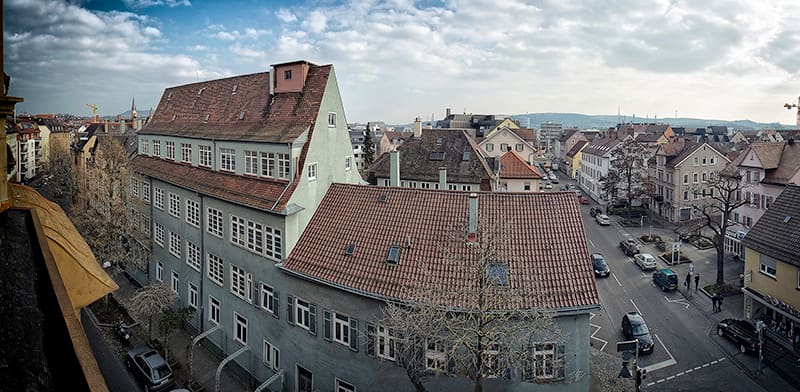
Bad Cannstatt — Oldest district with thermal bath houses, historic timber buildings, and river paths.
Kostas Koufogiorgos · CC BY-SA 4.0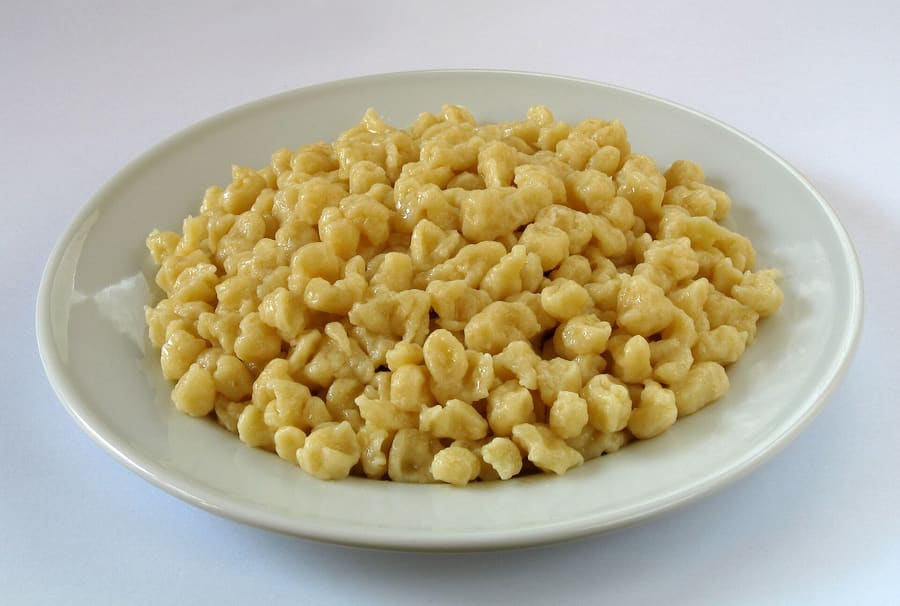
Handmade Spätzle noodles served fresh with local mountain cheese or lentils.
Kobako · CC BY-SA 2.5highlights
landmark
Double-helix layout guides you through 130 years of auto history. Book early morning slots to avoid crowd bottlenecks.
Parleyに聞く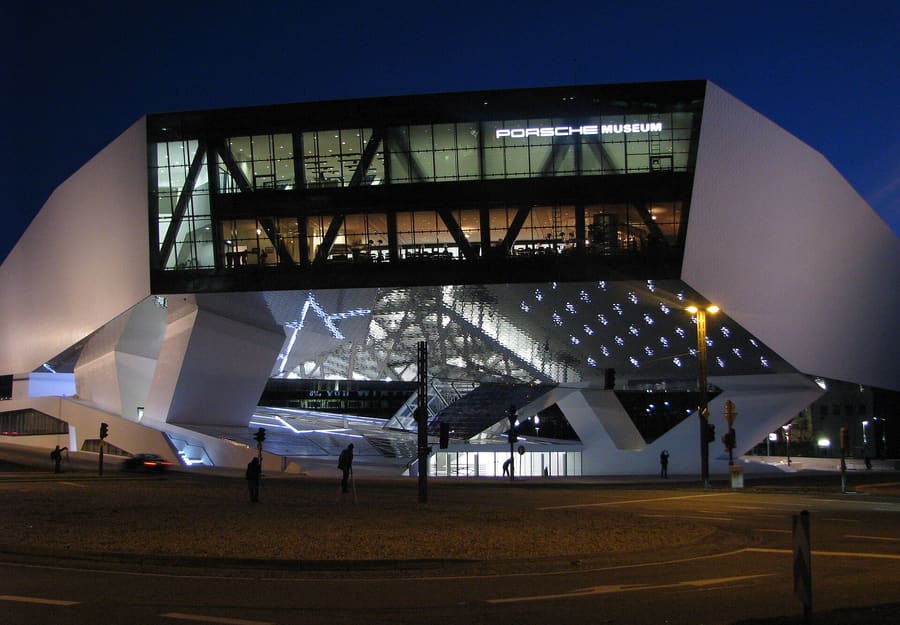
landmark
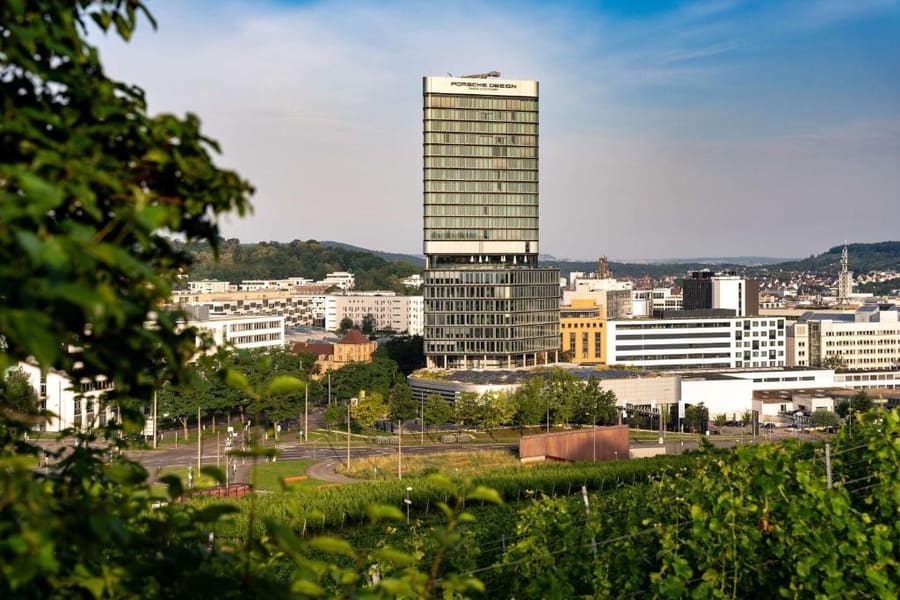
Striking cantilevered structure housing iconic sports cars. Located directly at Porscheplatz station on S-Bahn S6.
Parleyに聞く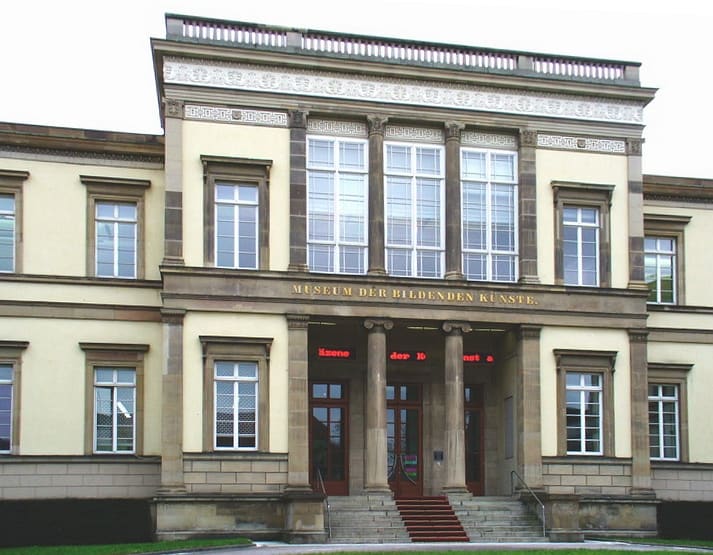
landmark
Postmodern James Stirling building housing classic and modern art. Free admission to the permanent collection on Wednesdays.
Parleyに聞く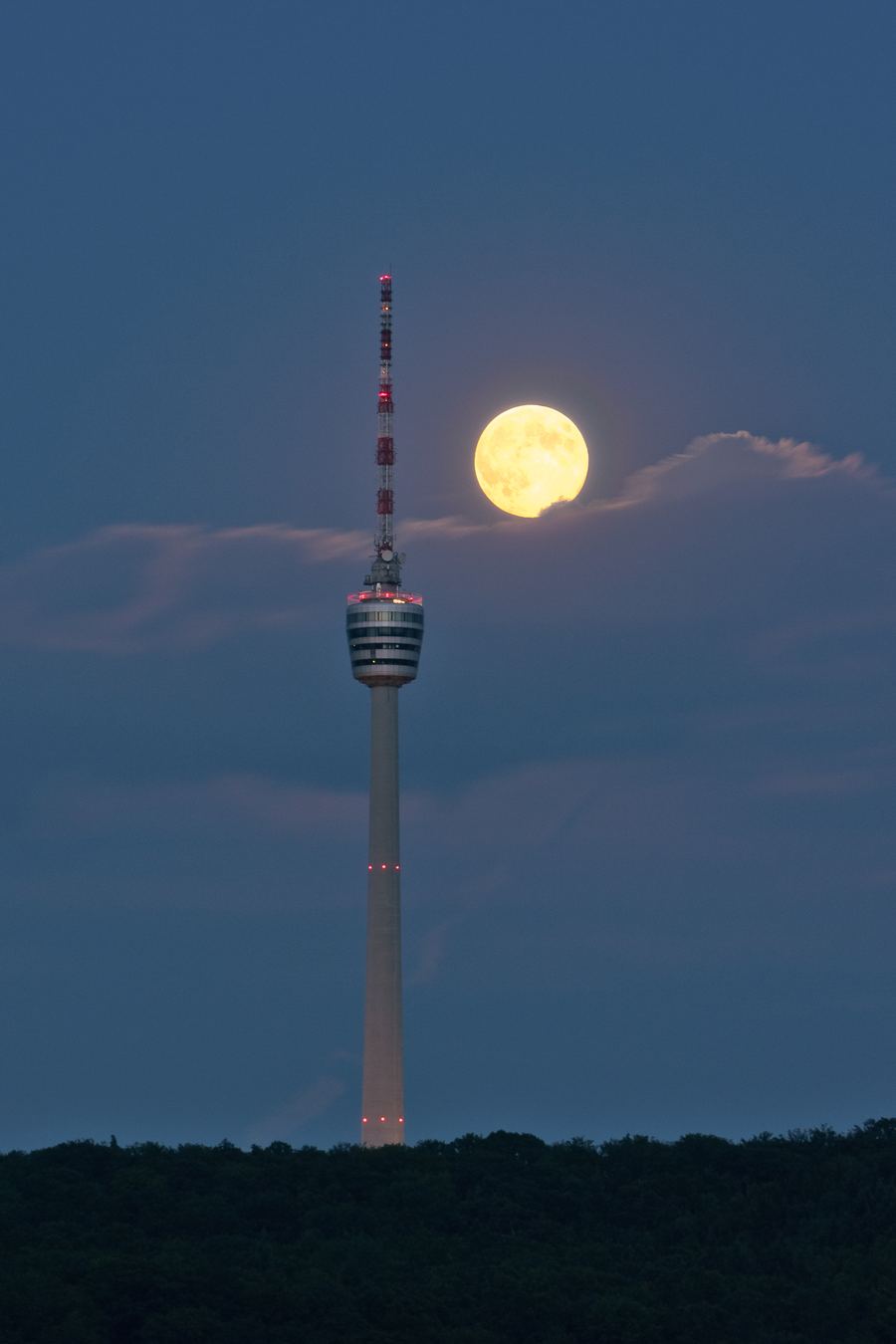
landmark
Original concrete broadcast tower offering panoramas across the Neckar valley. Take U15 to Ruhbank and walk two minutes.
Parleyに聞く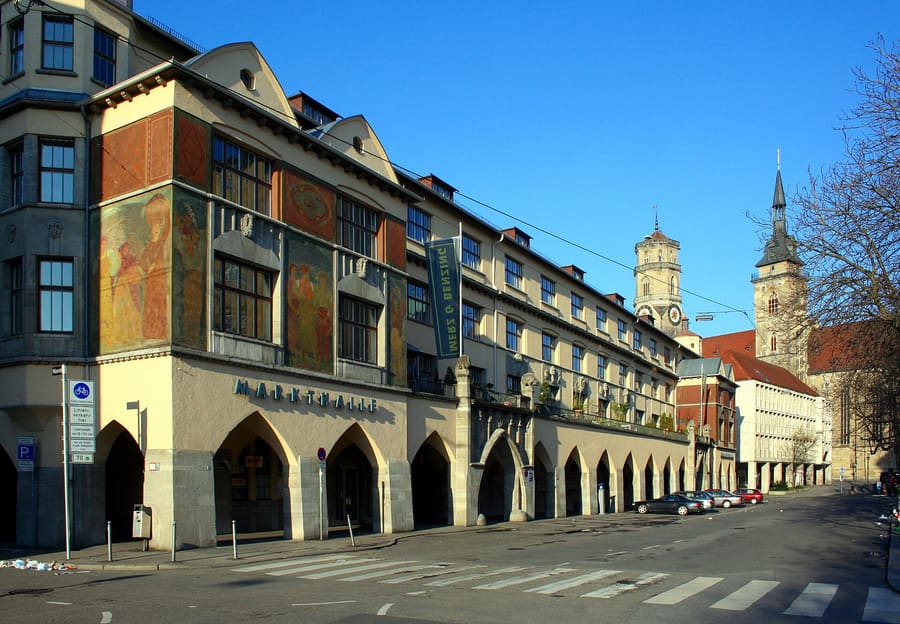
landmark
1914 Art Nouveau hall filled with spice stalls, regional produce, and cured meats. Closed Sundays.
Parleyに聞く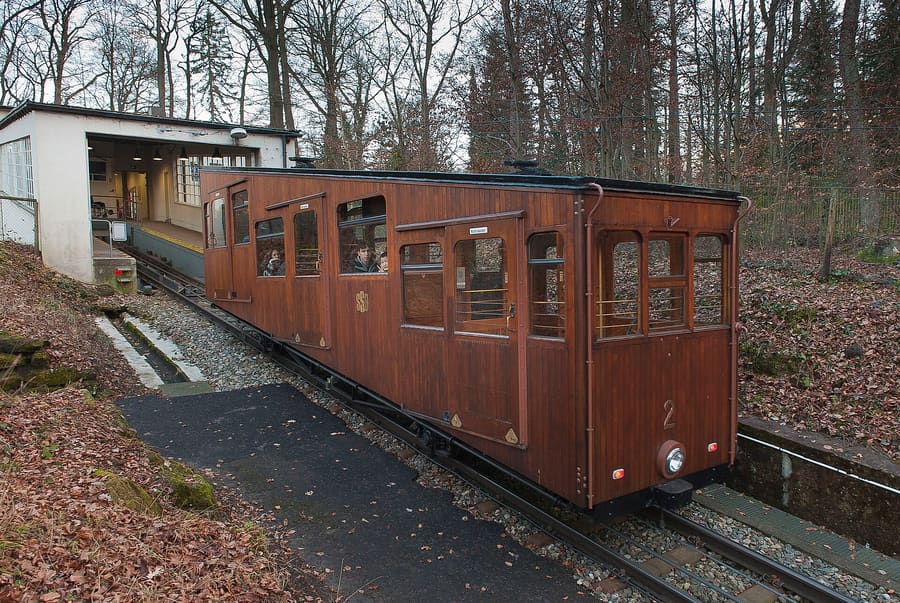
landmark
1929 teak-panelled funicular climbing from Südheimer Platz to the forest cemetery. Standard transit tickets apply.
Parleyに聞くattractions
areas
Civic heart dominated by pedestrian Koenigstrasse, palaces, and major museums.
近くHauptbahnhof, Schlossplatz, Staatsgalerie
Parleyに聞くGründerzeit apartment blocks, leafy squares, and independent coffee roasters.
近くFeuersee, Karlshöhe vineyard park
Parleyに聞くOldest district with thermal bath houses, historic timber buildings, and river paths.
近くWilhelma Zoo, Mineraltherme Leuze
Parleyに聞くHistoric bean quarter with cobblestone alleys, antique shops, and wine taverns.
近くMarkthalle, Charlottenplatz
Parleyに聞くfood
Swabian cuisine relies heavily on handmade pasta, slow-cooked broths, and local wines like Trollinger. Maultaschen are large pasta pockets stuffed with minced meat, spinach, and breadcrumbs, traditionally served in broth or pan-fried with onions. Linsen mit Spätzle pairs handmade egg noodles with dark brown lentils and pair of Saitenwürstle sausages. You wash these down with dry white Riesling or light red Trollinger produced directly on the city slopes.
Handmade Spätzle noodles served fresh with local mountain cheese or lentils.
Kobako · CC BY-SA 2.5Seasonal wine taverns run by vineyard owners, open only a few weeks per year. Look for a broom hung outside the door.
Traditional Swabian gasthäuser offer daily Mittagstisch lunch menus between 11:30 and 14:00 at a steep discount.
The upper gallery at Markthalle serves quick Swabian and Italian dishes with direct views over the market floor.
history
Founded around 950 AD as a stud farm, Stuttgart derives its name from 'Stuotgarten'. The city grew as the seat of the Dukes and Kings of Württemberg, establishing extensive vineyards on its hillsides. In 1885, Gottlieb Daimler patented his high-speed petrol engine in nearby Bad Cannstatt and integrated it into a coach in 1886, triggering an industrial revolution that transformed Stuttgart into Europe's premier automotive hub.
Ducal stud farm
Duke Ludolf of Swabia establishes a horse breeding facility in the valley basin.
Automotive birth
Gottlieb Daimler and Wilhelm Maybach construct the first high-speed petrol engine in Bad Cannstatt.
Weissenhof Estate
Mies van der Rohe directs the construction of landmark modern housing estates on Killesberg.
First TV tower
Fernsehturm Stuttgart opens as the world's first concrete telecommunications tower.
where to stay
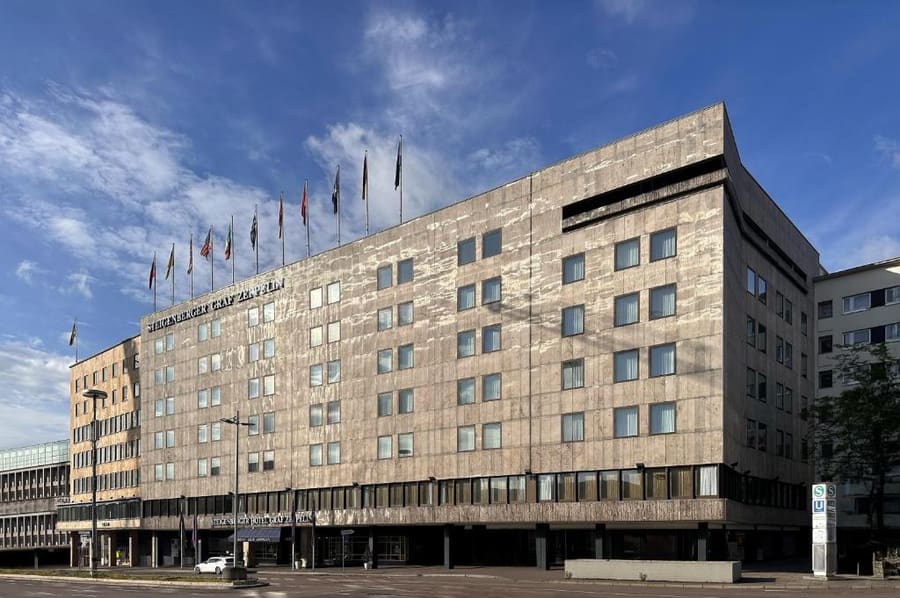
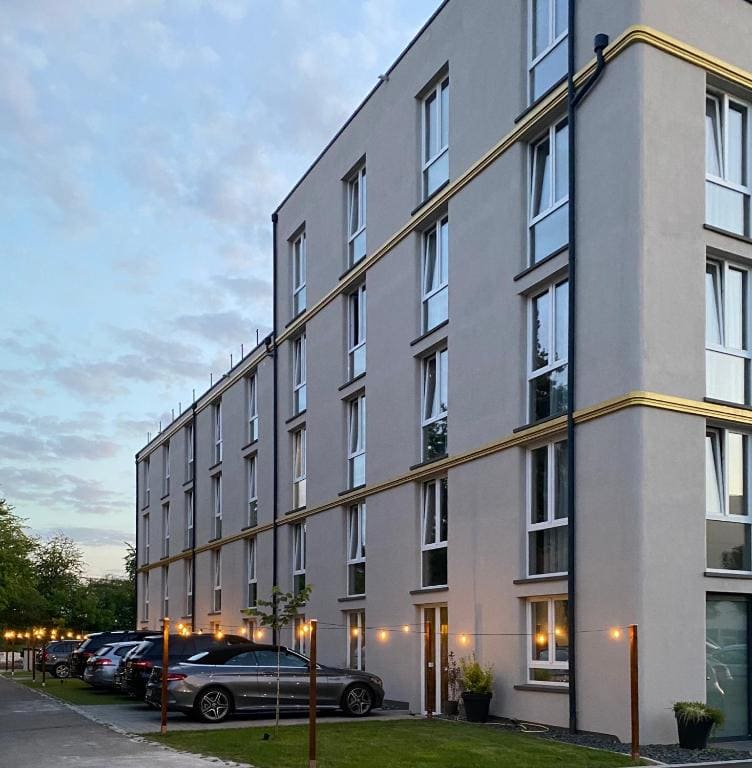
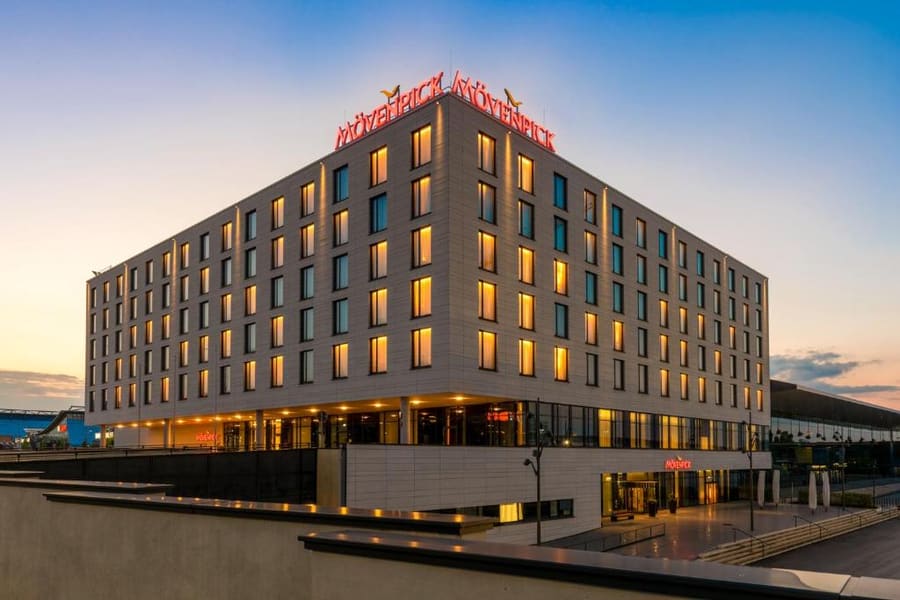
Choose your neighbourhood based on topography and transit lines rather than star ratings. Valley floor hotels near Hauptbahnhof suit short stays and museum visits, while West offers residential atmosphere near cafes. Bad Cannstatt puts you directly beside the thermal mineral springs.
transport
Stuttgart's public transport network (VVS) integrates S-Bahn commuter trains, Stadtbahn light rail trams, and city buses. The Stadtbahn network runs partially underground in the city centre and climbs steep hills on the surface. Fares depend on zones, with Zone 1 covering almost the entire urban basin.
Stuttgart Airport (STR) / Hauptbahnhofから
S-Bahn lines S2 or S3 depart every 15-30 minutes directly beneath Terminal 1 to Hauptbahnhof.
Official ranks outside terminal arrivals; heavy morning rush-hour traffic along B27.
Stadtbahn line U6 connects Airport/Messe directly to Hauptbahnhof via Degerloch.
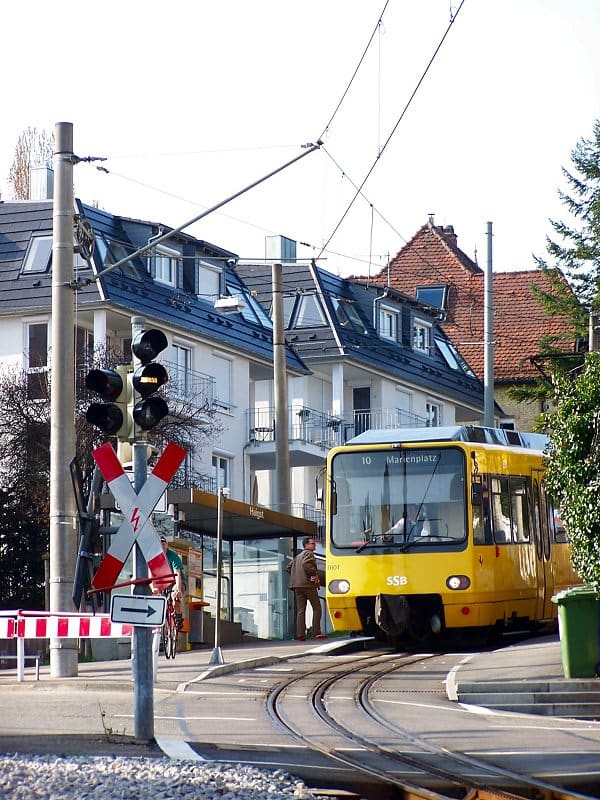
Line U10 (Zahnradbahn) climbs a 17.8% incline from Marienplatz to Degerloch with a special bicycle trailer attached.
Nachtbus lines (N1 to N10) run from Schlossplatz every hour on Friday and Saturday nights.
Over 400 outdoor staircases link hillside neighborhoods. Wear shoes with good grip.
cost
Stuttgart is one of Germany's wealthier industrial cities. Dining out and hotel rooms reflect corporate demand, but public transport and museum entries remain reasonably priced.
A traditional main course served with potato salad at a local gasthaus.
Standard entry to Mercedes-Benz or Porsche Museum; combined or evening discounts exist.
A quarter-litre (Viertele) of local red wine at a traditional wine tavern.
seasonality
MAR – MAY
Vineyards burst into green and spring festivals fill Bad Cannstatt. Pack layers for changing hillside weather.
JUN – AUG
Warm days bring outdoor wine festivals and open-air cinema on Schlossplatz. Hotel space tightens during auto expos.
SEP – NOV
Cannstatter Volksfest and grape harvesting dominate autumn. Book hotels months in advance for late September.
DEC – FEB
Christmas market fills central squares with wooden stalls. Cold valley weather with occasional snowfall.
practicalities
Retail shops and supermarkets close on Sundays. Airport and Hauptbahnhof stations remain open for essentials.
Most places take major cards, but traditional wine taverns (Besenwirtschaften) still prefer cash.
Building cleaning schedules are taken seriously in residential stairwells. Respect posted building quiet hours.
The central valley basin traps heat during midsummer peak afternoons. Seek shade in urban forest parks.
Long-term construction on Stuttgart 21 project affects station footpaths. Allow an extra 10 minutes when catching long-distance trains.