landmark
Porta Nigra
The largest Roman city gate north of the Alps. Buy an entry ticket to climb the upper levels for a clear view down Simeonstraße.
Parleyに聞くドイツ
Germany's oldest city, shaped by Roman imperial power.
introduction
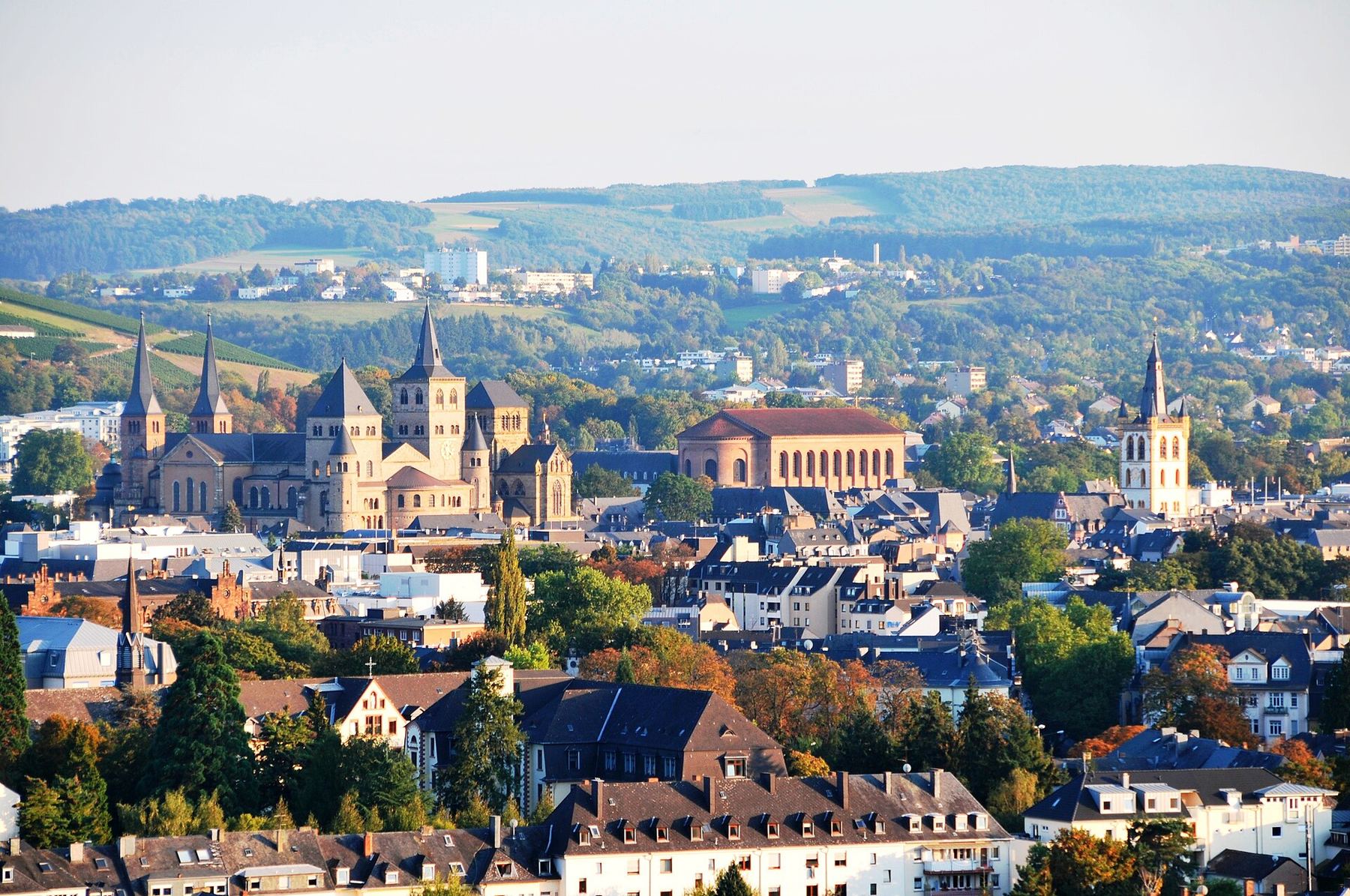
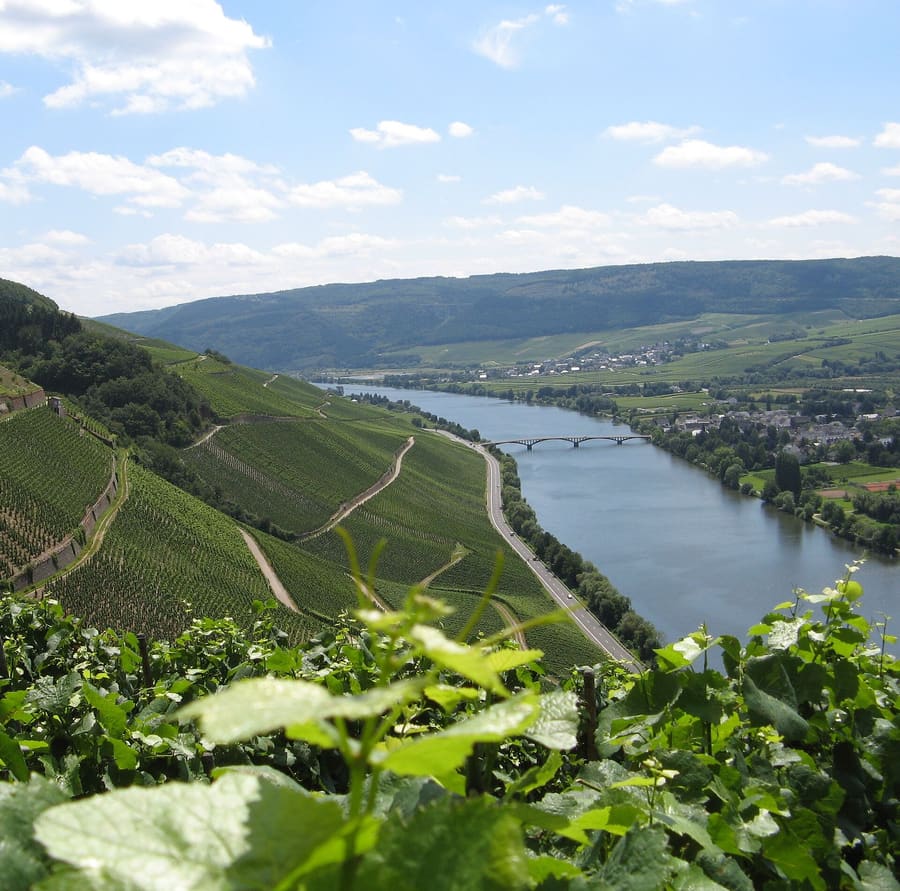
Trier sits on the Mosel River near the Luxembourg border. Founded by the Romans over two thousand years ago, it served as a capital of the Western Roman Empire. Today, massive stone gateways and bathhouses stand alongside active wine cellars. You can easily cross the entire historic core on foot in twenty minutes.
Wine season timing
Visit in September or October for local street wine festivals along the Mosel. Cellars host tastings without requiring advance reservations.
Trier
Areks · CC BY-SA 3.0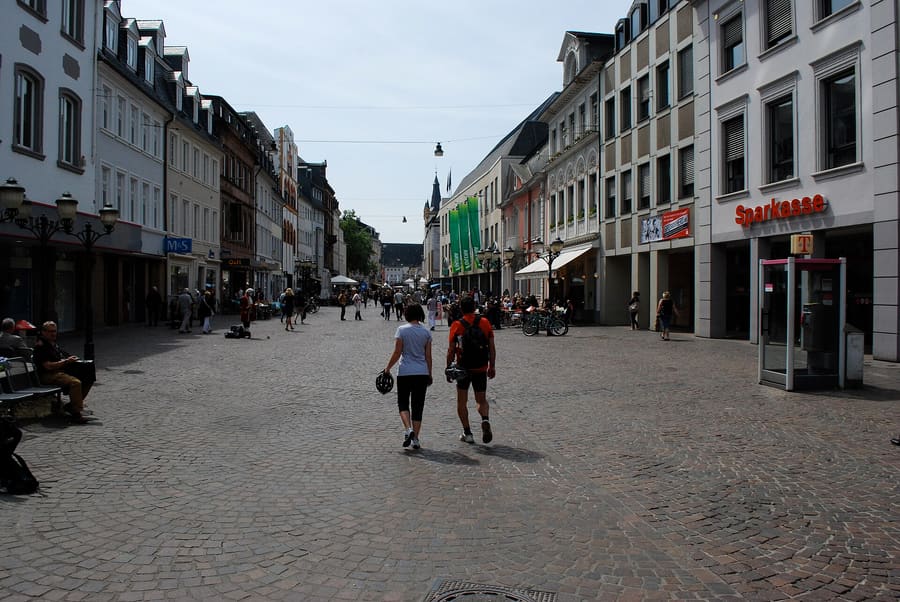
Altstadt — Pedestrianized Roman grid filled with retail chains, outdoor taverns, and historic squares.
Jean Housen · CC BY 3.0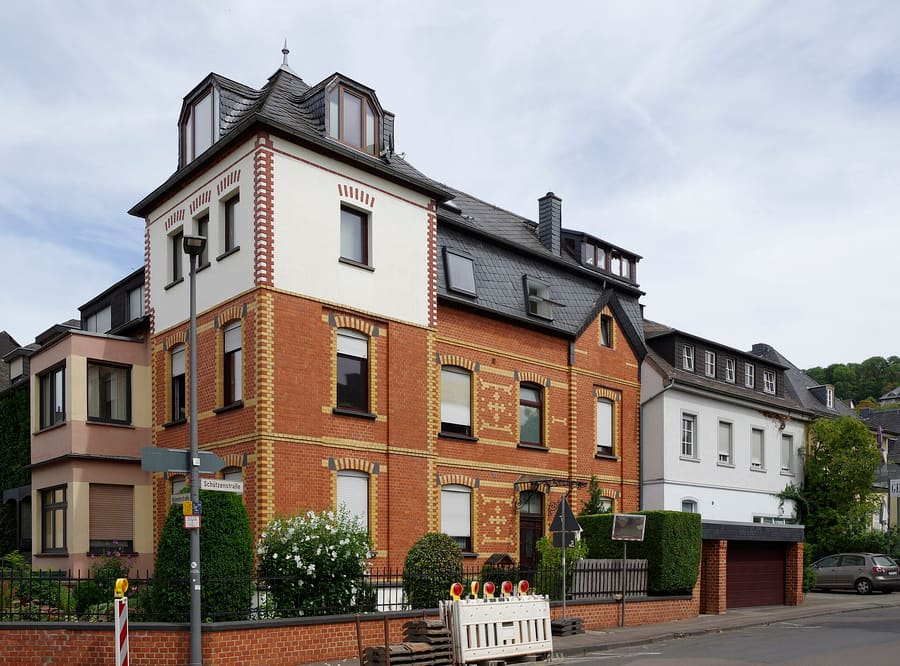
Gartenfeld — Residential 19th-century quarter with wide avenues, quiet cafes, and easy access to the baths.
Berthold Werner · CC BY-SA 4.0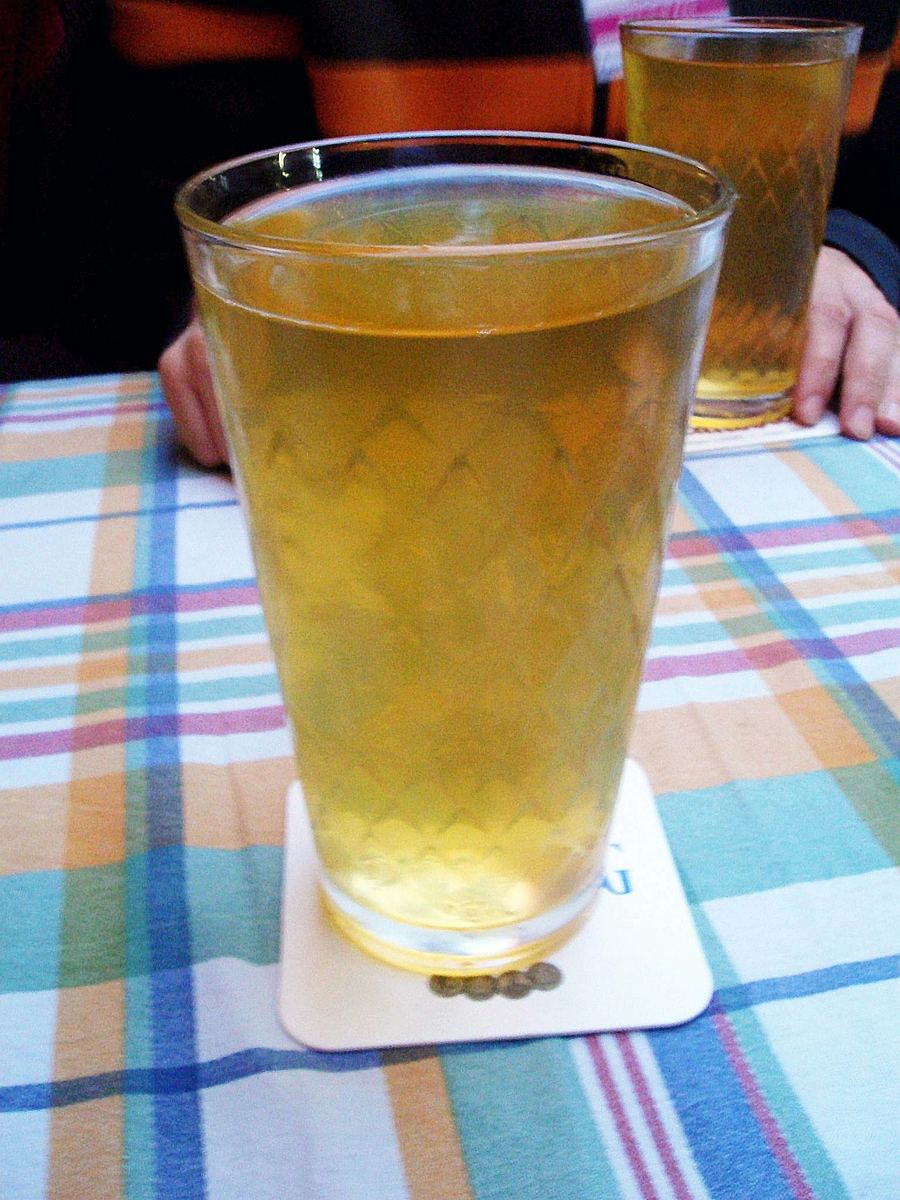
A classic white porcelain Porz used for serving local Viez cider.
User:Edward · Public domainhighlights
landmark
The largest Roman city gate north of the Alps. Buy an entry ticket to climb the upper levels for a clear view down Simeonstraße.
Parleyに聞く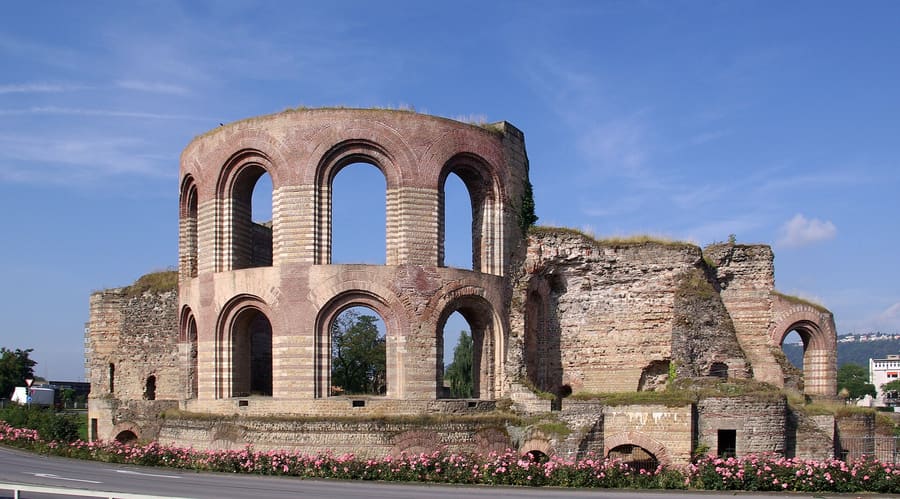
landmark
Massive 4th-century imperial bath complex. Underground maintenance tunnels remain largely intact and cold to explore.
Parleyに聞く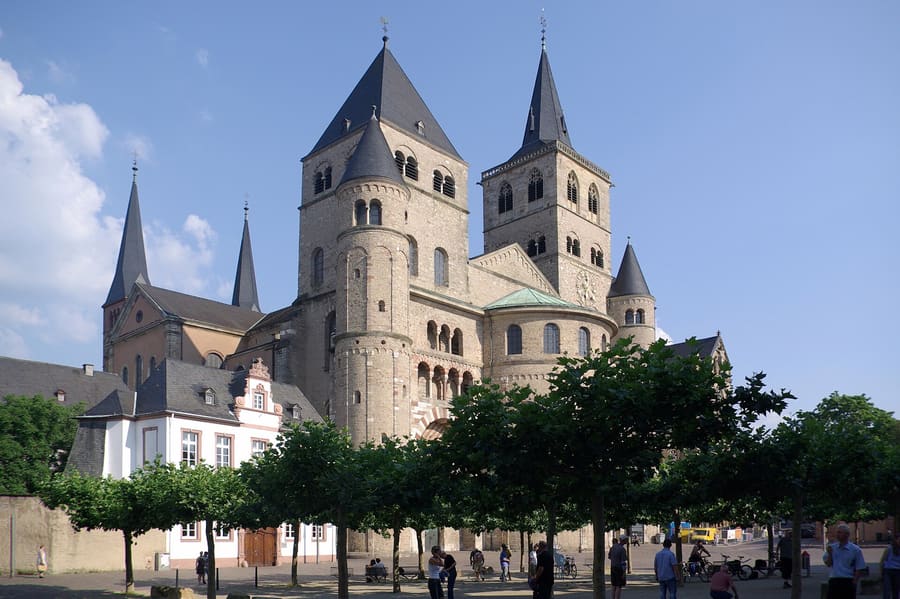
landmark
Germany's oldest bishop's church incorporates original Roman brickwork. Walk behind the high altar to see the Holy Robe chapel.
Parleyに聞く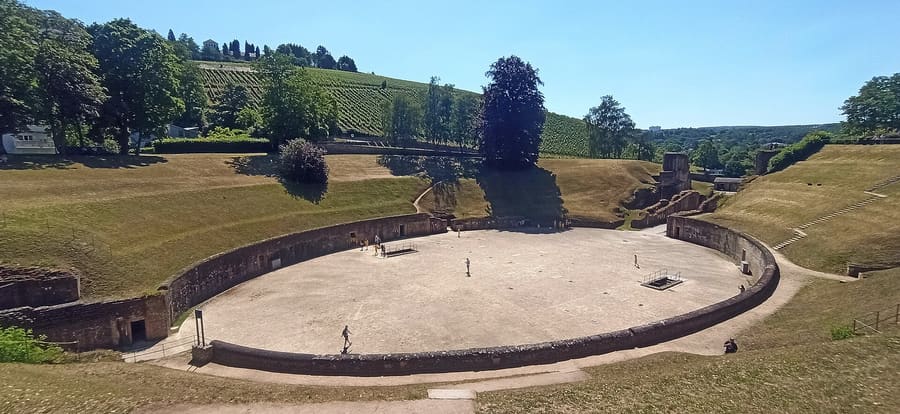
landmark
A 20,000-seat arena built into the Petrisberg hillside. Head down into the dark cellar beneath the former arena floor.
Parleyに聞く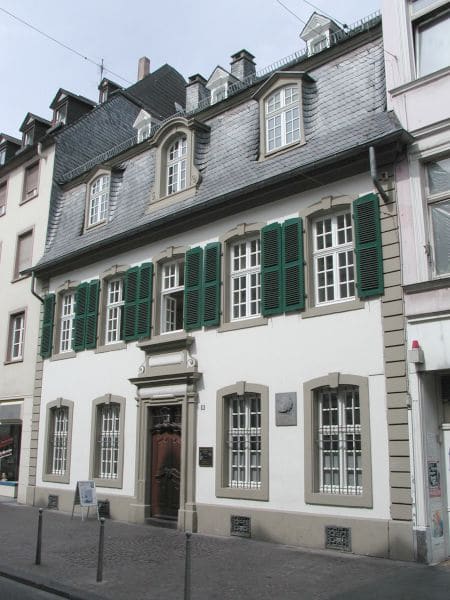
landmark
The 1818 birthplace of Karl Marx houses a detailed museum on his life and economics. The rear garden is quiet and free to enter.
Parleyに聞くattractions
areas
Pedestrianized Roman grid filled with retail chains, outdoor taverns, and historic squares.
近くPorta Nigra and Trier Cathedral
Parleyに聞くResidential 19th-century quarter with wide avenues, quiet cafes, and easy access to the baths.
近くKaiserthermen and Stadtpark
Parleyに聞くFormer winemaking village tucked into the valley, famous for estate cellars and seasonal wine festivals.
近くPetrisberg viewpoints and Amphitheatre
Parleyに聞くOld fishermen's embankment on the Mosel lined with half-timbered restaurants and beer gardens.
近くMosel pedestrian path and Römerbrücke
Parleyに聞くfood
Trier's dining culture revolves around two distinct beverages: crisp Mosel Riesling and Viez, a tart local hard cider. Viez is traditionally served in a white porcelain mug called a Porz. Locals drink it straight or mixed with sparkling water as a Viez-Sauer.Food in Trier leans hearty. Traditional taverns serve Trierer Flieten (crispy spiced chicken wings) and Grumbeerkeilcher (crispy potato pancakes). You order at the counter in traditional cider houses or sit for full table service in historic wine taverns.
A classic white porcelain Porz used for serving local Viez cider.
User:Edward · Public domainAsk for a 0.4L Porz of Viez at historic cider hall Wirtshaus zur Glocke. If the natural sour taste is too sharp, request it sauer (mixed with mineral water).
The winemakers' association operates a rotating tasting stand in the central market square. A glass of regional Riesling costs around €3.50 to €5.00.
Head to the Zurlauben waterfront at dusk. The outdoor terraces fill quickly on warm summer evenings, so arrive before 18:30 for a riverbank table.
history
Trier began as Augusta Treverorum, founded under Emperor Augustus around 16 BC. By the late 3rd century, Emperor Diocletian designated Trier as one of the four capitals of the divided Empire. Imperial grand projects transformed it into a metropolis known as the 'Second Rome'.In 1818, Karl Marx was born in Trier under Prussian rule. Heavy bombing in World War II damaged parts of the city center, but the ancient Roman stone architecture largely survived intact.
Roman foundation
Augustus founds Augusta Treverorum. It quickly grows into a vital trade hub along the Mosel river.
Imperial capital
Diocletian names Trier a Western Roman capital. Imperial building projects transform the city landscape.
Cathedral construction
Empress Helena gifts relics to the city. Construction begins on the monumental Cathedral complex.
Karl Marx born
Karl Marx is born at Brückenstraße 10. Trier is now part of the Prussian Rhine Province.
UNESCO designation
UNESCO designates Trier's Roman monuments, Cathedral, and Church of Our Lady a World Heritage site.
where to stay
Choose your base depending on whether you want instant access to Roman monuments or quiet evenings near vineyards. Altstadt offers walkability at the expense of daytime noise. Olewig provides wine-estate lodging twenty minutes from the center.
transport
Trier's historic center is entirely pedestrianized. Walking is the fastest way to move between the Porta Nigra, Hauptmarkt, and Cathedral. City buses operated by VRT connect distant sites like Olewig and the Petrisberg hilltop.
Luxembourg Airport (LUX)から
Regional express bus 302 runs directly to Trier Hauptbahnhof every hour on weekdays.
Crosses the international border. Agree on a fixed fare or confirm meter activation before departure.
A single day ticket for Zone 1 covers all city bus routes in Trier for €6.20.
You can pay with contactless bank cards on all VRT buses upon boarding.
Public transit inside Luxembourg is free. You only pay for the German portion of cross-border train tickets.
Take Bus 83 up to the Petrisberg viewpoint for late afternoon panoramic shots over the Mosel valley.
cost
Trier is moderately priced compared to major German hubs like Frankfurt or Munich. Wine prices are noticeably lower due to direct local production along the Mosel.
Available at standard wine bars and the Hauptmarkt tasting stand.
Served in classic ceramic vessels across local traditional cider taverns.
Valid for one hour across the central VRT urban transit zone.
seasonality
MAR – MAY
Spring temperatures average 12°C. Vineyards awaken and terrace seating opens across the Hauptmarkt.
JUN – AUG
Warm days hit 25°C. Mosel cruise boats run on high frequency, but weekend crowds flood major sights.
SEP – OCT
Grape harvest season brings local wine festivals to Olewig. Crisp weather is ideal for walking.
NOV – DEC
The Christmas market fills the Hauptmarkt. Temperatures hover near 3°C, so dress warmly.
practicalities
Retail stores close completely on Sundays. Restaurants, bakeries, and Roman monuments remain open.
The entire Altstadt is paved with historic stone cobbles. Wear sturdy flat shoes.
Roman sites close an hour earlier between November and March. Plan winter outdoor visits before 16:00.
Excursion cruises depart from the Zurlauben embankment, a 15-minute walk north of the center.