landmark
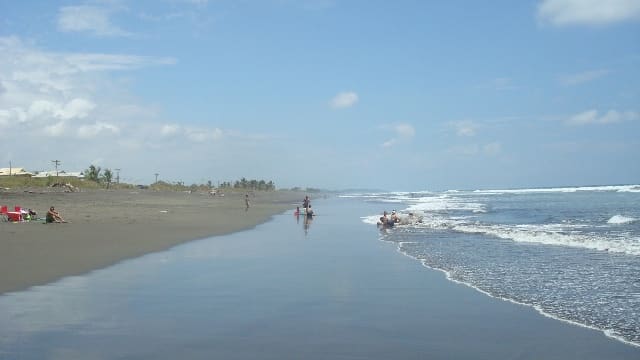
Playa Hermosa
Consistent surf breaks make this broad beach ideal for beginner surfers. Tree shade lines the sand, providing relief from midday sun.
Parleyに聞くコスタリカ
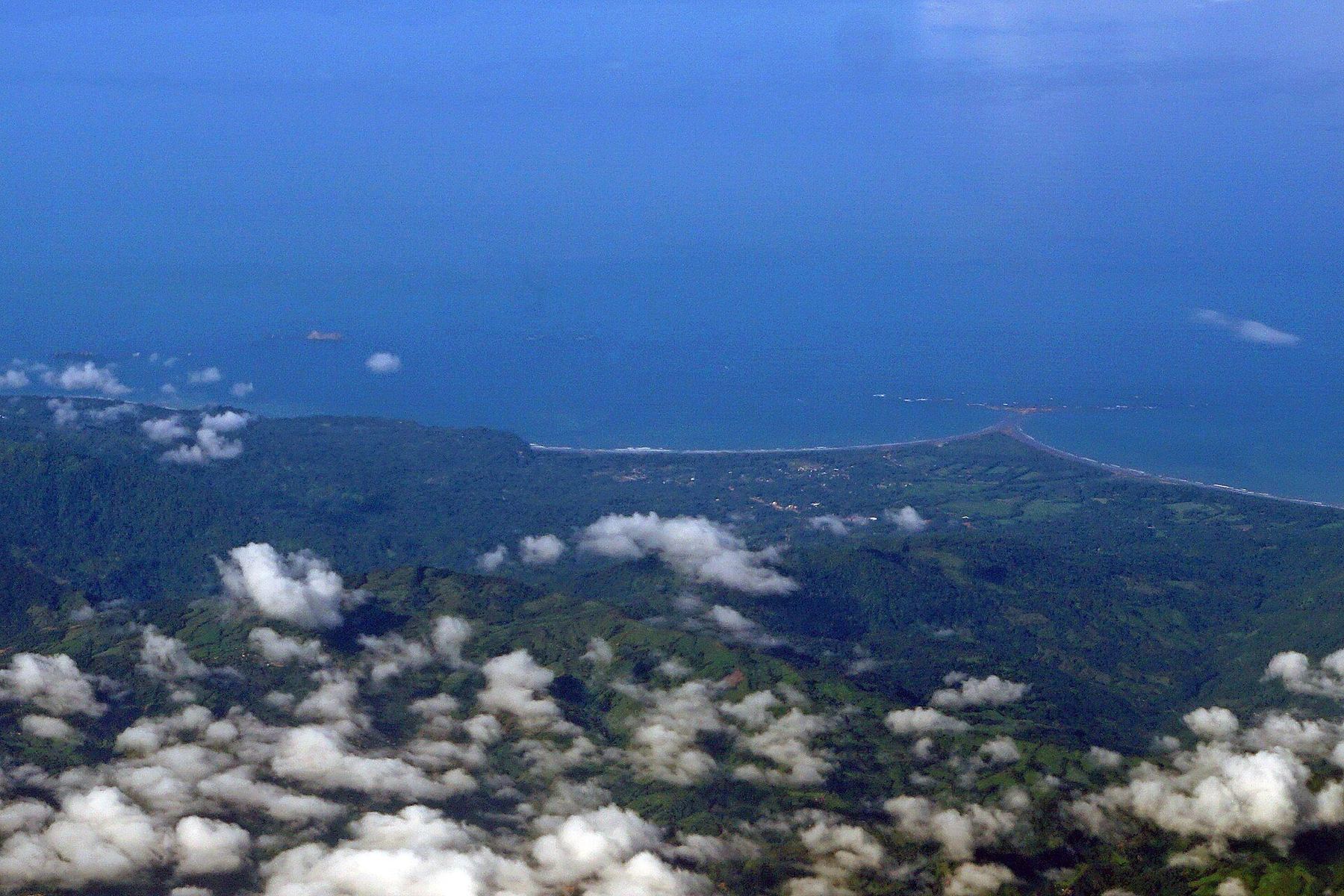
Where dense jungle meets the Pacific's famous sandbar tail.
introduction
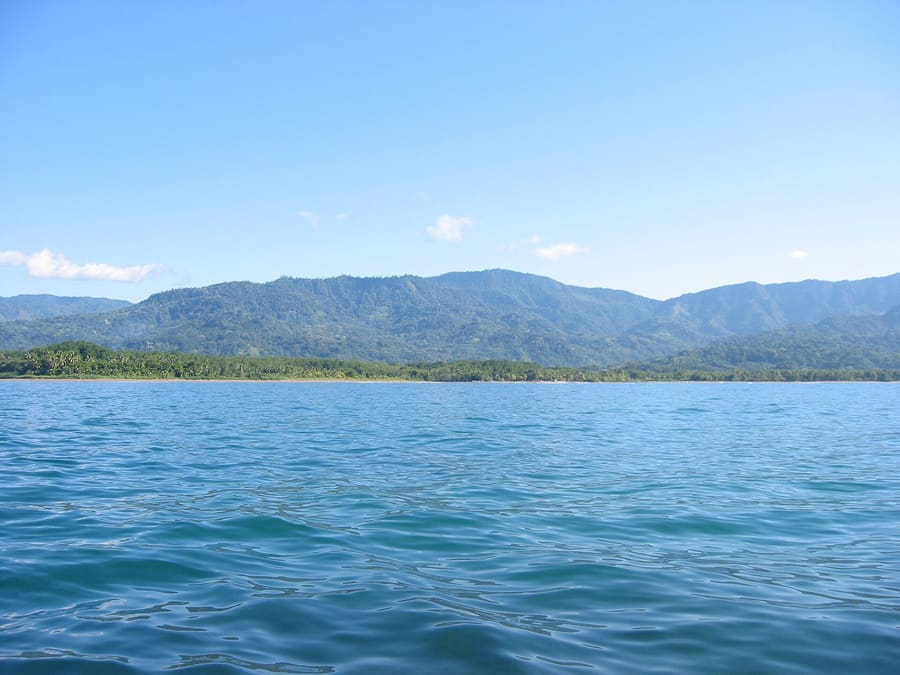
Uvita sits along Costa Rica’s southern Pacific coast where steep rainforest mountains drop directly into the ocean. Route 34 bisects the settlement, separating the highway commercial hub from the coastal national park. You move between the beach and mountain tracks by 4x4 or on foot if you endure the heat. The town lacks a central plaza, functioning instead as a loose collection of dirt roads and jungle trails.
Arrival by bus
Tracopa buses from San José drop passengers directly at the Uvita bus stop along Route 34. The journey takes four hours.
Marine protection
Marino Ballena National Park protects 5,375 ocean hectares and 110 terrestrial hectares. The park established the first marine reserve in Central America.
Tide planning
Walk to the famous sandbar at low tide only. High tide completely submerges the passage and forces a swim through strong currents.
Uvita
Jorge Antonio Leoni de León · CC BY-SA 3.0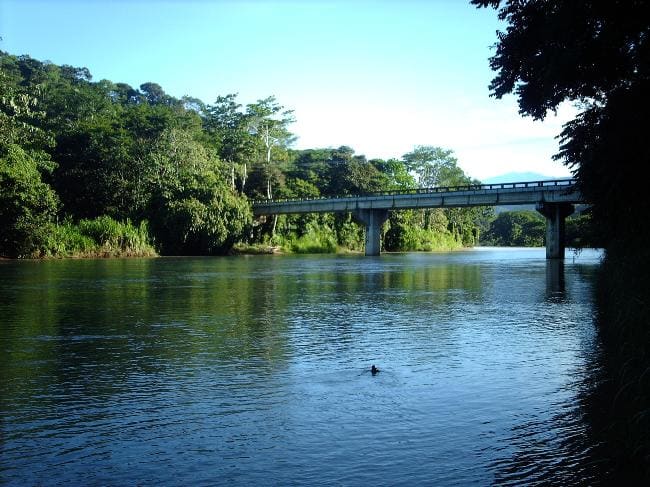
Uvita Centro — A commercial strip along Route 34 anchored by supermarkets, banks, and the bus stop.
Apega71 · CC BY-SA 4.0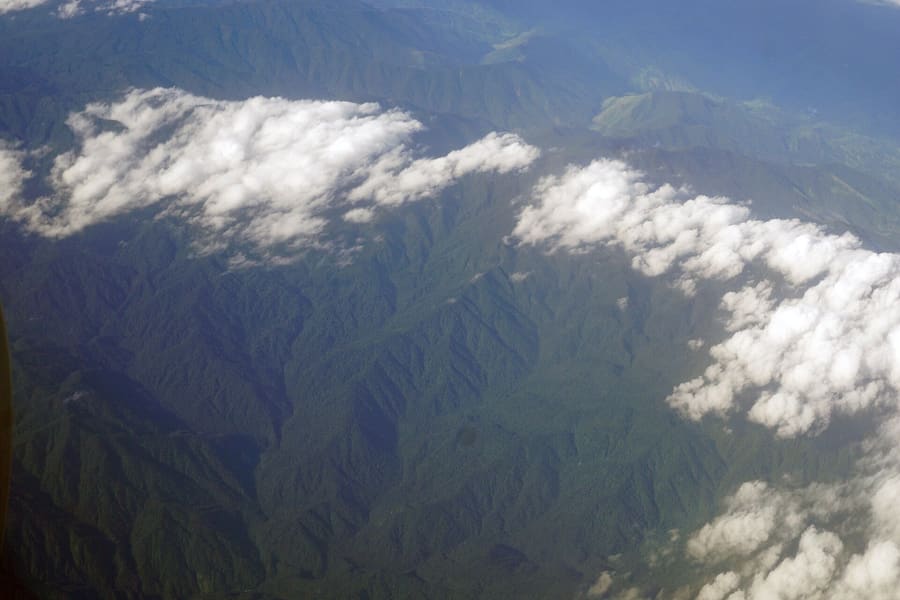
Uvita Mountain Ridge — Cooler jungle elevations overlooking the ocean along steep gravel switchbacks.
Mariordo (Mario Roberto Durán Ortiz) · CC BY-SA 4.0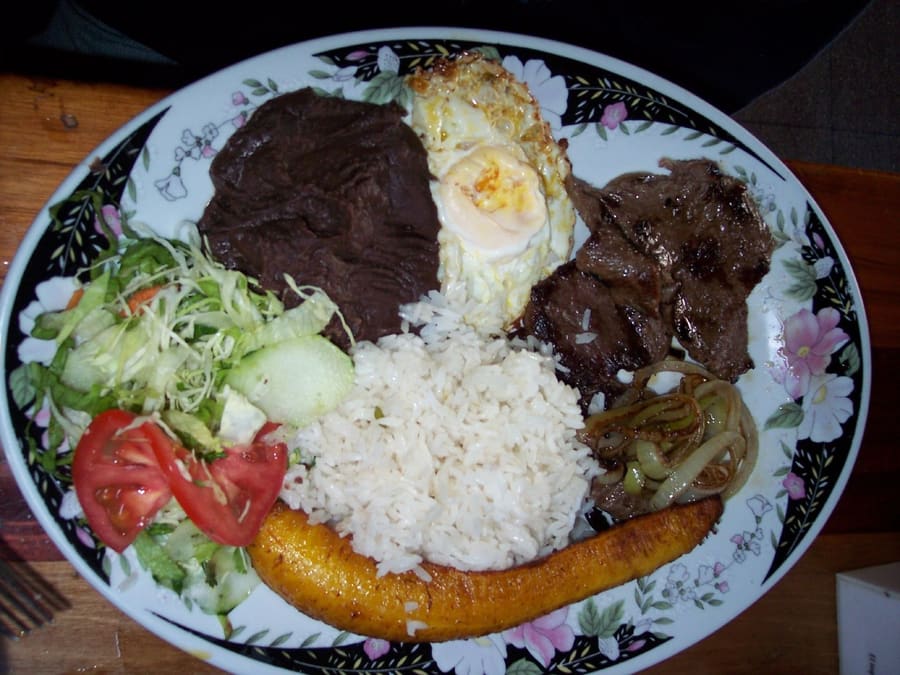
A traditional casado with fresh Pacific fish and plantains at a local soda.
Richie Diesterheft from Chicago, IL, USA · CC BY 2.0highlights
landmark
Consistent surf breaks make this broad beach ideal for beginner surfers. Tree shade lines the sand, providing relief from midday sun.
Parleyに聞く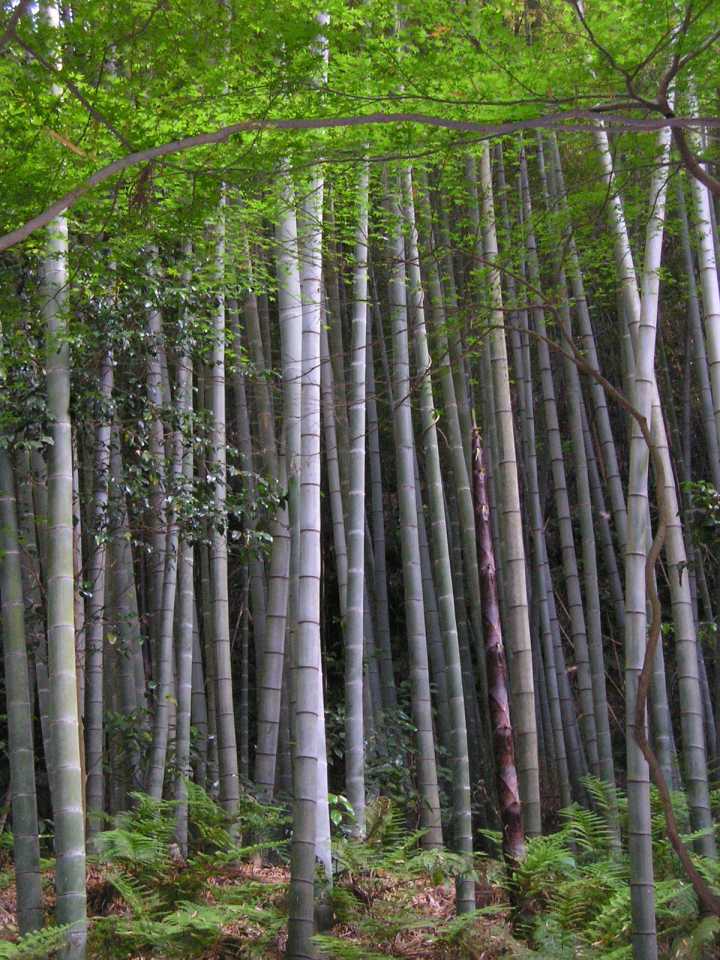
landmark
Towering bamboo stalks arch over the river path near the falls. Visit early in the morning to hear howler monkeys in the canopy.
Parleyに聞く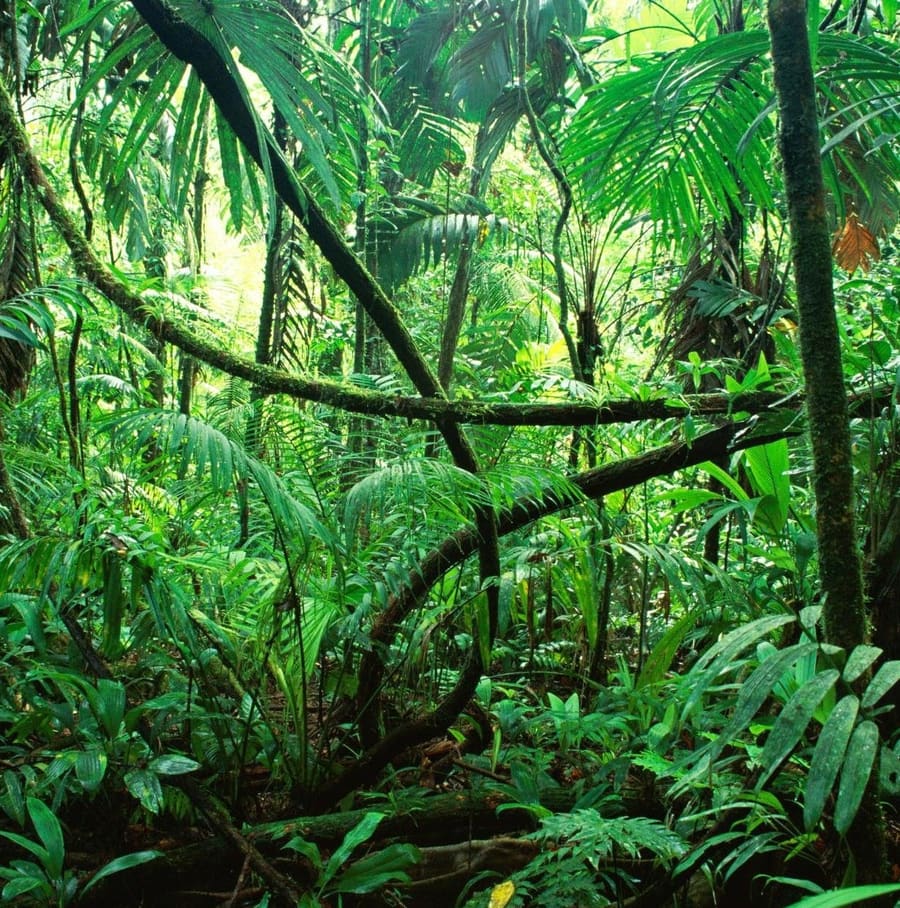
landmark
A shaded jungle trail leads uphill to quiet river cascades. Wear hiking sandals with rubber traction for slick mud steps.
Parleyに聞くattractions
areas
A commercial strip along Route 34 anchored by supermarkets, banks, and the bus stop.
近くTracopa bus terminal and BCR bank
Parleyに聞くCooler jungle elevations overlooking the ocean along steep gravel switchbacks.
近くCatarata Uvita and rainforest trails
Parleyに聞くFlat dusty lanes filled with surf shops, sodas, and foot traffic heading to the park.
近くMarino Ballena National Park main entrance
Parleyに聞くA relaxed coastal strip north of town with tree-shaded shores and surf breaks.
近くPlaya Hermosa surf point
Parleyに聞くfood
Eating in Uvita revolves around fresh Pacific seafood and traditional Costa Rican sodas (small family restaurants). Local spots serve casados featuring seared mahi-mahi or red snapper alongside black beans, rice, plantains, and cabbage salad. Off the highway, food trucks and small cafes cater to international tastes, but local family kitchens deliver the freshest catch at lower costs.
A traditional casado with fresh Pacific fish and plantains at a local soda.
Richie Diesterheft from Chicago, IL, USA · CC BY 2.0Order ceviche de corvina at small roadside sodas near the Bahía entrance. Local fishermen drop off sea bass daily around noon.
Small sodas off Route 34 prefer Costa Rican colones cash. Credit card terminals frequently drop connection during stormy weather.
Dinner service peaks around 18:30 and most local sodas close their doors by 20:00. Plan evening meals immediately after sunset.
history
Uvita remained an isolated farming and logging settlement along the Osa Peninsula approach until the mid-twentieth century. Access required coastal boat journeys or rough horseback travel across mountain trails. The establishment of Marino Ballena National Park in 1989 shifted the local economy from cattle ranching to marine conservation and eco-tourism.
National park creation
Costa Rica establishes Marino Ballena National Park, creating Central America's first protected marine sanctuary.
Paving Route 34
Paving of the Costanera Sur highway completes, linking Uvita directly to San José and reducing travel time to four hours.
Marine sanctuary expansion
Local marine conservation efforts expand protection zones to combat illegal fishing along the Pacific reef.
where to stay
Choose your base based on your mobility and tolerance for heat. Staying near Bahía Uvita places you within walking distance of the beach and surf schools, though low-altitude humidity remains high day and night. Heading into the hills requires a 4x4 vehicle, but unlocks cooler mountain breezes and panoramic Pacific views.
transport
Uvita lacks municipal public transit, so getting around requires walking, local taxis, or driving. The town stretches across four kilometres along Route 34. Dirt side roads connect the highway to the coast and mountains. Renting a 4x4 vehicle provides complete independence, especially for exploring waterfall tracks and mountain lodges.
Local taxis do not use meters. Agree on the price in colones or USD before closing the door.
Route 34 has limited street lighting, unlit bicycles, and sudden heavy rainstorms after sunset.
The main highway lacks pedestrian sidewalks. Walk along parallel dirt side roads whenever possible.
cost
Prices in Uvita reflect its status as an eco-tourism hub. Goods and services carry higher price tags than non-coastal Costa Rican towns. Paying in Costa Rican Colones (₡) avoids unfavorable exchange rates set by local vendors who accept US Dollars.
A two-hour boat excursion including park entrance fees and marine guide service.
A full traditional lunch plate at a local soda in town or near the highway.
Private land access fee charged at the entrance café on Calle Catarata.
seasonality
DEC – APR
Dry season brings sunny skies and calm seas. Book accommodations months ahead for Christmas and Easter weeks.
MAY – JUN
The shoulder season brings afternoon rain showers and lush jungle landscapes. Whale sightings are rare during these months.
JUL – OCT
Southern humpback whales arrive from Antarctica. Heavy afternoon rains occur daily, requiring early morning outings.
NOV
Transition month with unpredictable heavy downpours. Trails can be muddy and river swimming dangerous due to flash floods.
practicalities
The Whale Tail sandbar is accessible only two hours before and after lowest tide. Check local tables before heading out.
ATMs in Uvita Centro occasionally run out of cash on holiday weekends. Stock up on colones when arriving.
Protect local coral reefs by using zinc-based mineral sunscreen. Tropical sun burns exposed skin in under twenty minutes.
Marino Ballena National Park closes ticket gates early. Sunset beach viewings require entering before 16:00.
Pacific waves along Playa Hermosa create strong rip currents. Swim near marked areas and never swim alone.