landmark
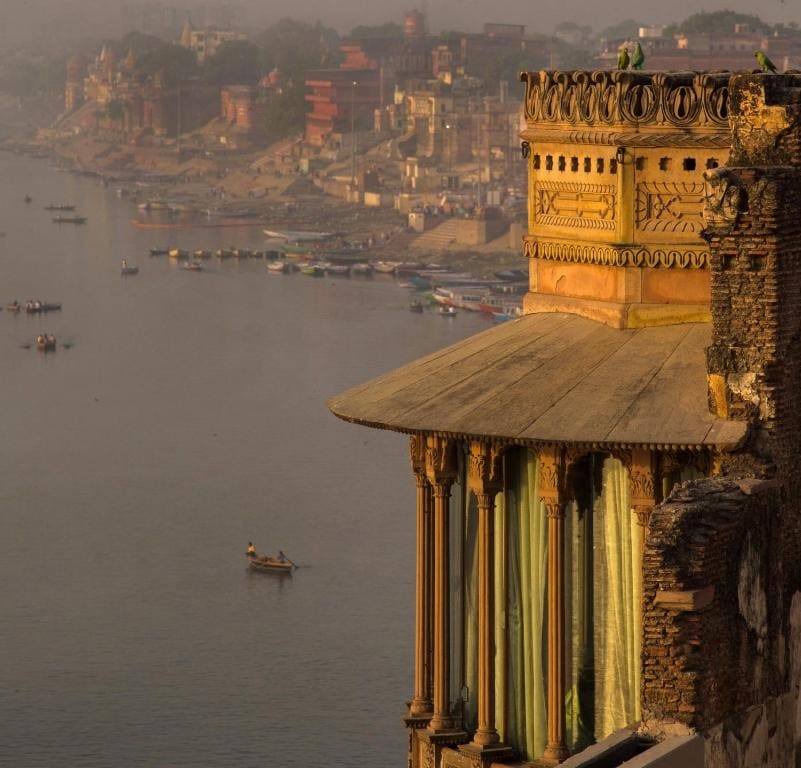
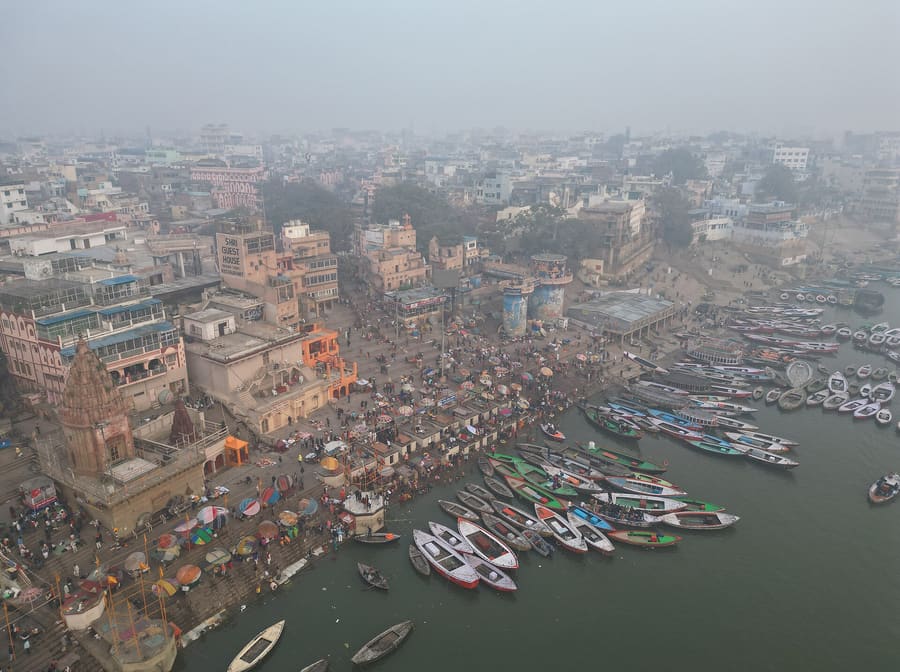
Dashashwamedh Ghat
The main riverfront hub where priests conduct the evening Ganga Aarti ritual at sunset. Arrive 45 minutes early for a seat on the steps.
Parleyに聞くインド
Dense alleyways, riverfront rituals, and stark realities.
introduction
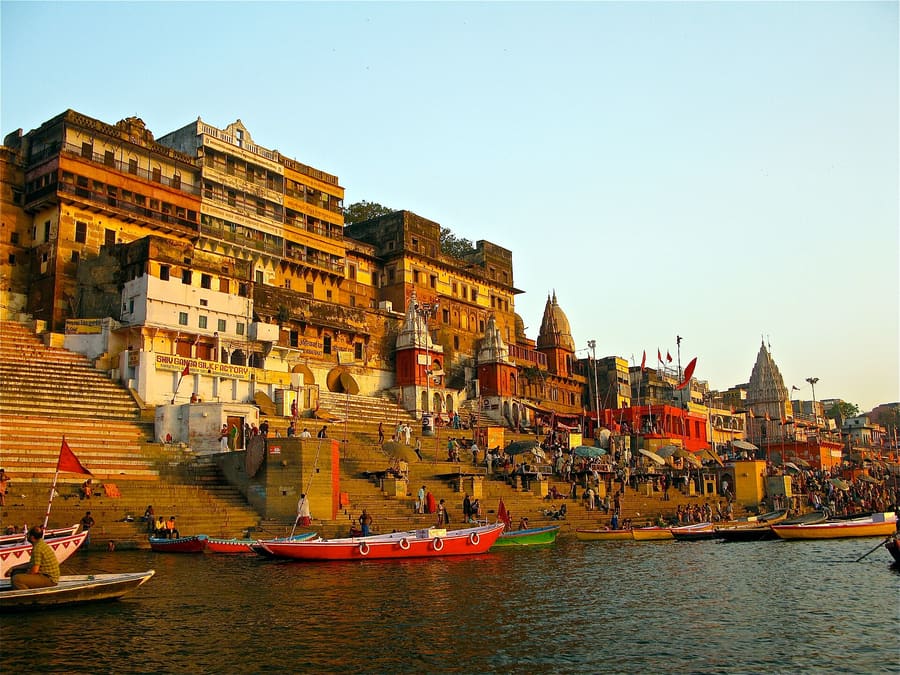
Varanasi is a riverfront city built along a curve of the Ganges. Life and commerce concentrate along the stone steps leading down to the water, known as ghats. Behind the ghats lies a maze of alleys narrow enough to block motor vehicles entirely. You move through this city on foot or by boat, trading speed for direct access.
Arrival from the airport
Lal Bahadur Shastri Airport sits 26 km north of the city. Pay for a pre-paid taxi at the official counter inside arrivals to skip fare negotiations.
Musical heritage
UNESCO designated Varanasi a City of Music in 2015. The Banaras gharana tradition has produced classical Indian musicians for centuries.
Luggage in the alleys
Vehicles cannot enter the old city lanes. Book a hotel that offers boat transport from a major ghat if you travel with large bags.
Varanasi
Ken Wieland · CC BY-SA 2.0Dashashwamedh — High-density ritual core with constant pedestrian traffic and river access.
Saaremees · CC BY-SA 4.0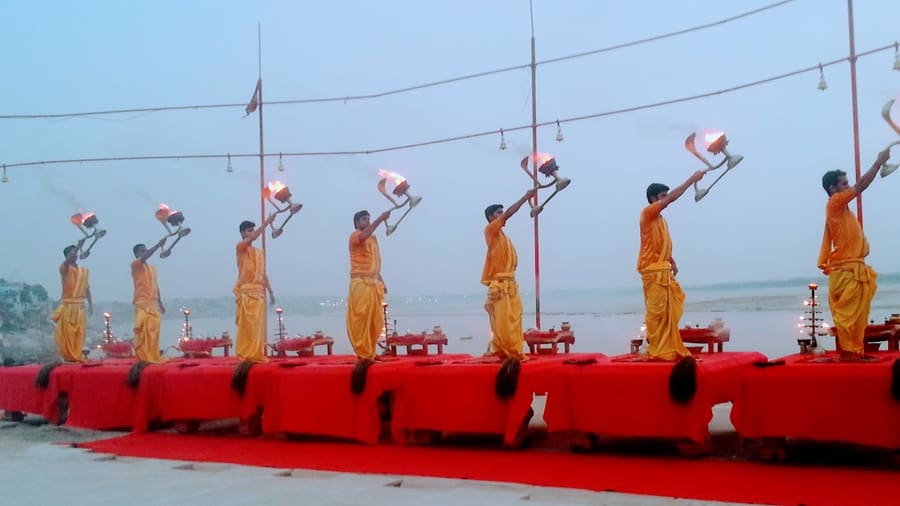
Assi Ghat — Relaxed southern riverfront frequented by students, long-term visitors, and yogis.
Titodutta · CC0
Cantonment — Spacious northern enclave with wide roads, luxury hotels, and quiet gardens.
Adarsh SIngh · CC BY-SA 3.0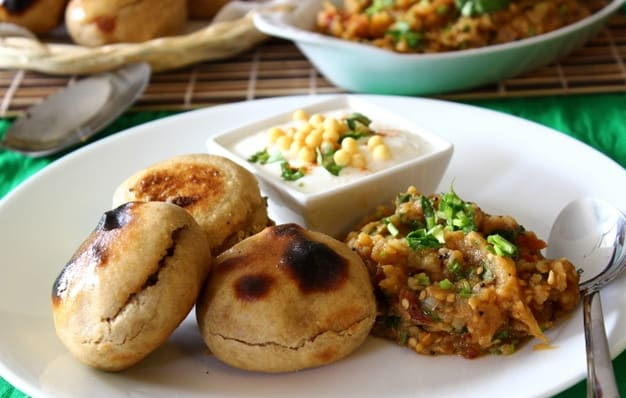
Tamatar chaat served hot in a clay kulhad near Dashashwamedh Road.
Amrita Nityanand Singh · CC BY-SA 4.0highlights
landmark
The main riverfront hub where priests conduct the evening Ganga Aarti ritual at sunset. Arrive 45 minutes early for a seat on the steps.
Parleyに聞く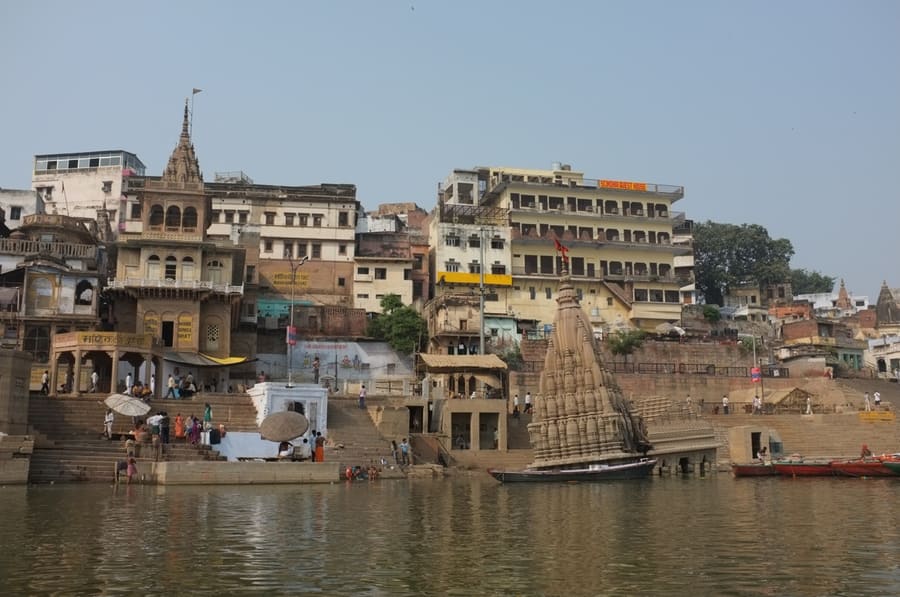
landmark
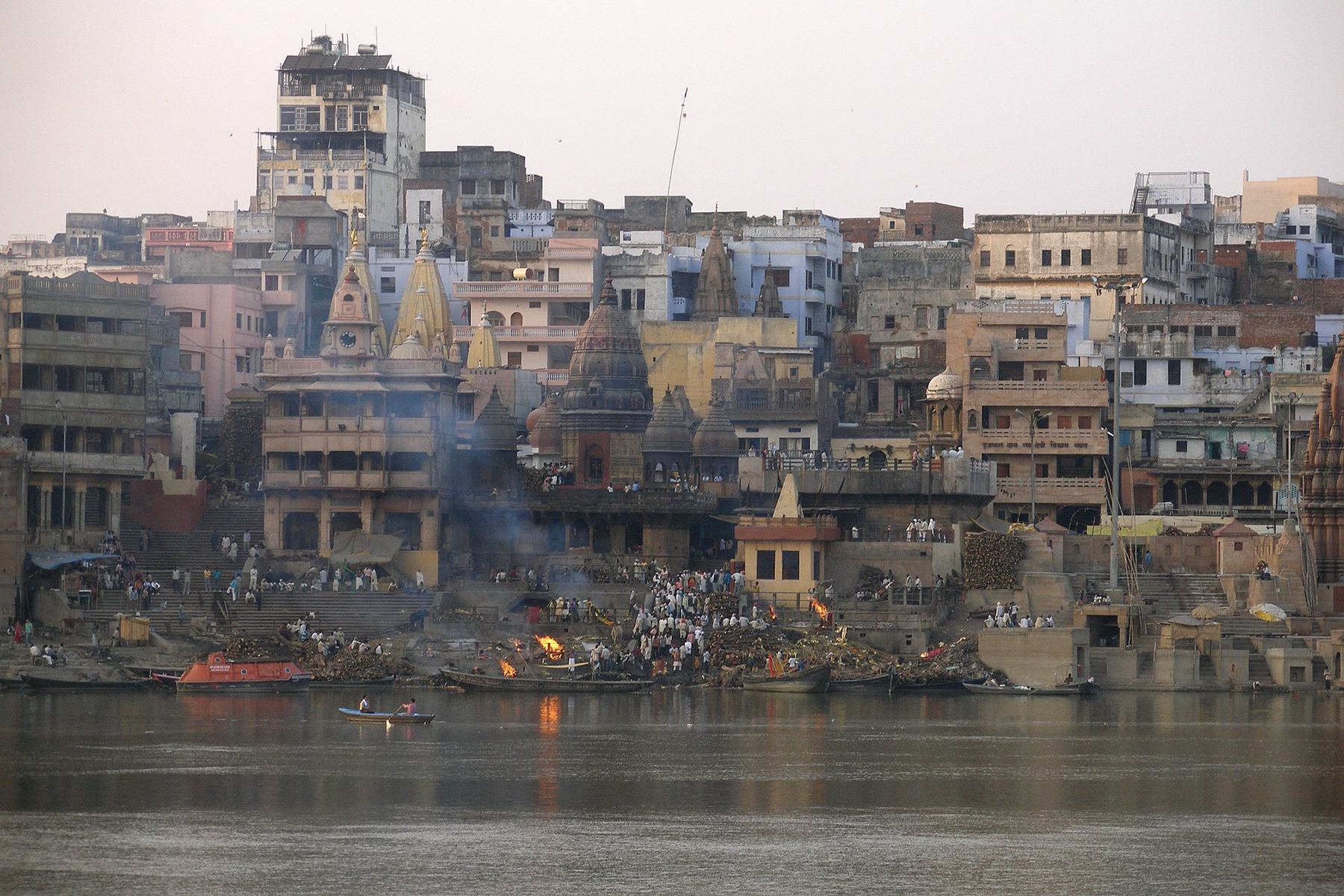
The primary Hindu cremation site operates continuously. Observe quietly from designated upper platforms without taking photos.
Parleyに聞く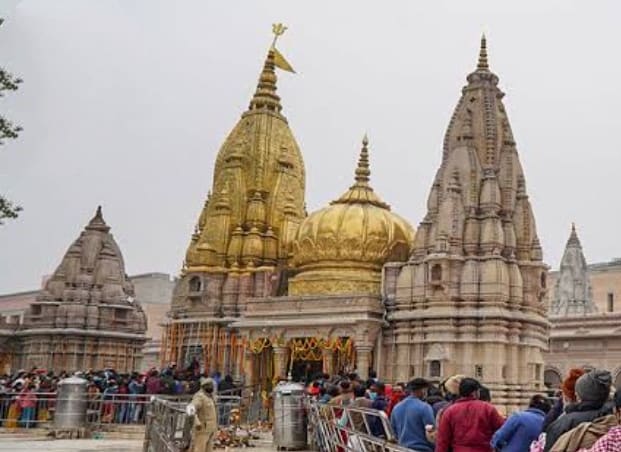
religious
A core Hindu pilgrimage site dedicated to Shiva. Leave phones, bags, and leather goods in lockers outside before entering security.
Parleyに聞くlandmark
The southernmost major ghat host morning yoga and classical concerts at dawn. It offers wider open space than central ghats.
Parleyに聞く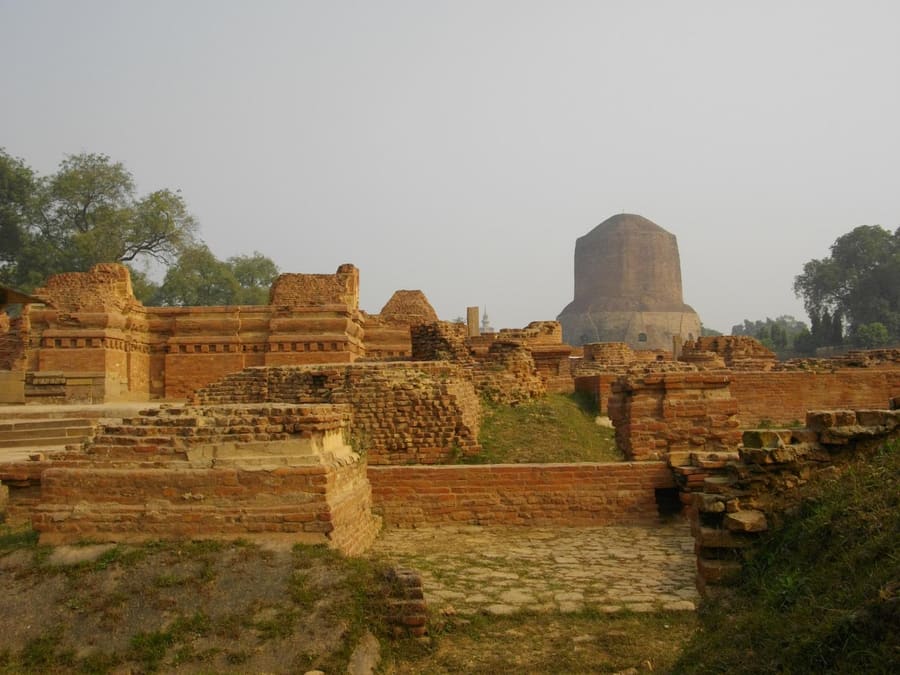
landmark
The park 10 km north where the Buddha gave his first sermon. The complex includes ancient stupas and an archaeological museum.
Parleyに聞く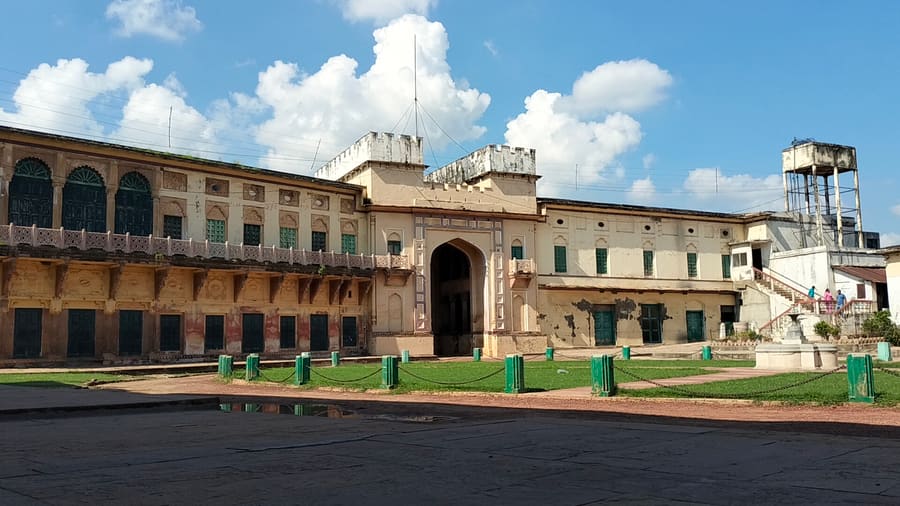
landmark
An 18th-century sandstone fort across the river. It houses a museum of vintage cars and arms, accessible by road or boat.
Parleyに聞くattractions
areas
High-density ritual core with constant pedestrian traffic and river access.
近くKashi Vishwanath Temple, Godowlia Crossing
Parleyに聞くRelaxed southern riverfront frequented by students, long-term visitors, and yogis.
近くBanaras Hindu University, Tulsi Ghat
Parleyに聞くSpacious northern enclave with wide roads, luxury hotels, and quiet gardens.
近くVaranasi Junction Railway Station
Parleyに聞くNarrow car-free lanes filled with silk shops, sweet stands, and cattle.
近くKachori Gali, Vishwanath Gali
Parleyに聞くfood
Varanasi serves a strictly vegetarian street food culture centered around the old city alleys. Milk solids, clarified butter, and local spices form the base of most dishes here. You order at counter stands and eat standing up. Dishes come served on dried leaf plates or in unglazed clay cups called kulhad, which you toss into designated collection bins after finishing.
Tamatar chaat served hot in a clay kulhad near Dashashwamedh Road.
Amrita Nityanand Singh · CC BY-SA 4.0Eat kachori sabzi between 07:00 and 10:00. Shops like Ram Bhandar in Thatheri Bazaar fry fresh lentil breads served with spiced potato curry until dough runs out.
Order this local specialty made from spiced mashed tomatoes, peas, and cumin butter at Deena Chaat Bhandar near Luxa Road after 16:00.
history
Varanasi ranks among the oldest continuously inhabited cities in Asia. Situated on the west bank of the Ganges, it developed as an urban center for trade, silk weaving, and Vedic learning. Power shifted between Hindu dynasties and Mughal rulers, shaping the architecture seen today along the water.
The Buddha at Sarnath
Gautama Buddha delivers his first teaching at nearby Sarnath, establishing Varanasi as a major Buddhist and Hindu pilgrimage hub.
Ghurid conquest
Qutb al-Din Aibak claims the city, initiating several centuries of Muslim rule and altered temple structures across the urban zone.
Maratha reconstruction
Ahilyabai Holkar of Indore rebuilds the Kashi Vishwanath Temple and finances the stone staircases that define the current riverfront.
University founding
Madan Mohan Malaviya establishes Banaras Hindu University, creating one of Asia's largest residential campus institutions.
where to stay
Choose your location based on access to vehicles versus direct proximity to the river. Old city properties offer immediate access to the ghats but require walking with your bags through pedestrian lanes. Cantonment hotels provide standard modern amenities, parking, and quiet grounds, but require daily transit into the core.
transport
Moving around Varanasi depends on where you stand relative to the river. Within the old lanes behind the ghats, walking is the only physical option. On main roads, auto-rickshaws and e-rickshaws handle short hops. For travel parallel to the city along the water, wooden rowboats and motorboats operate as water taxis.
Lal Bahadur Shastri International Airport (VNS)から
Prepaid desks inside the terminal lock in the fare before you leave.
Uber and Ola pick up at designated zones outside the main terminal gate.
Suitable only if travelling light; traffic on the highway north is dusty.
E-rickshaws dominate short runs along main roads like Luxa Road and Godowlia. Set the fare before stepping into the vehicle.
Rowboats cost ₹300–500 per hour after bargaining. Shared motorboats run fixed routes between Assi and Dashashwamedh for ₹100 per head.
Police restrict motor vehicles from Godowlia Crossing toward the river between 09:00 and 21:00. You must walk this final stretch.
cost
Varanasi remains an affordable destination by international standards. Daily expenses turn mostly on accommodation standards and private boat rentals. Cash is necessary for street food vendors, rickshaws, and small shops in the alleys.
A plate of tamatar chaat or kachori sabzi at established street vendors.
Standard rate for a private wooden boat during sunrise or evening Aarti.
Short cross-town rides between Cantonment and Godowlia Crossing.
Prices vary by handloom versus powerloom production in Chowk shops.
seasonality
NOV – FEB
Cool weather with morning fog on the river. Peak domestic and international visitor season; book central hotels early.
MAR – APR
Rising temperatures with clear skies. Mid-day sightseeing grows uncomfortable, but morning boat rides remain pleasant.
MAY – JUN
Extreme heat exceeding 40°C. Walking the stone ghats during daylight hours becomes difficult.
JUL – OCT
Monsoon rains cause river levels to rise significantly, often submerging the lower ghat steps and halting small boats.
practicalities
Photography is strictly prohibited at Manikarnika and Harishchandra ghats. Store cameras inside bags when walking through these areas.
Strong undercurrents run near the center of the Ganges. Keep water activities strictly to traditional wooden boat rides.
Cows roam freely in narrow lanes. Walk calmly around them and avoid stepping between a mother cow and her calf.
Decline unsolicited guides near Manikarnika Ghat who demand donations for firewood. Pay only official temple or boat fees.