landmark
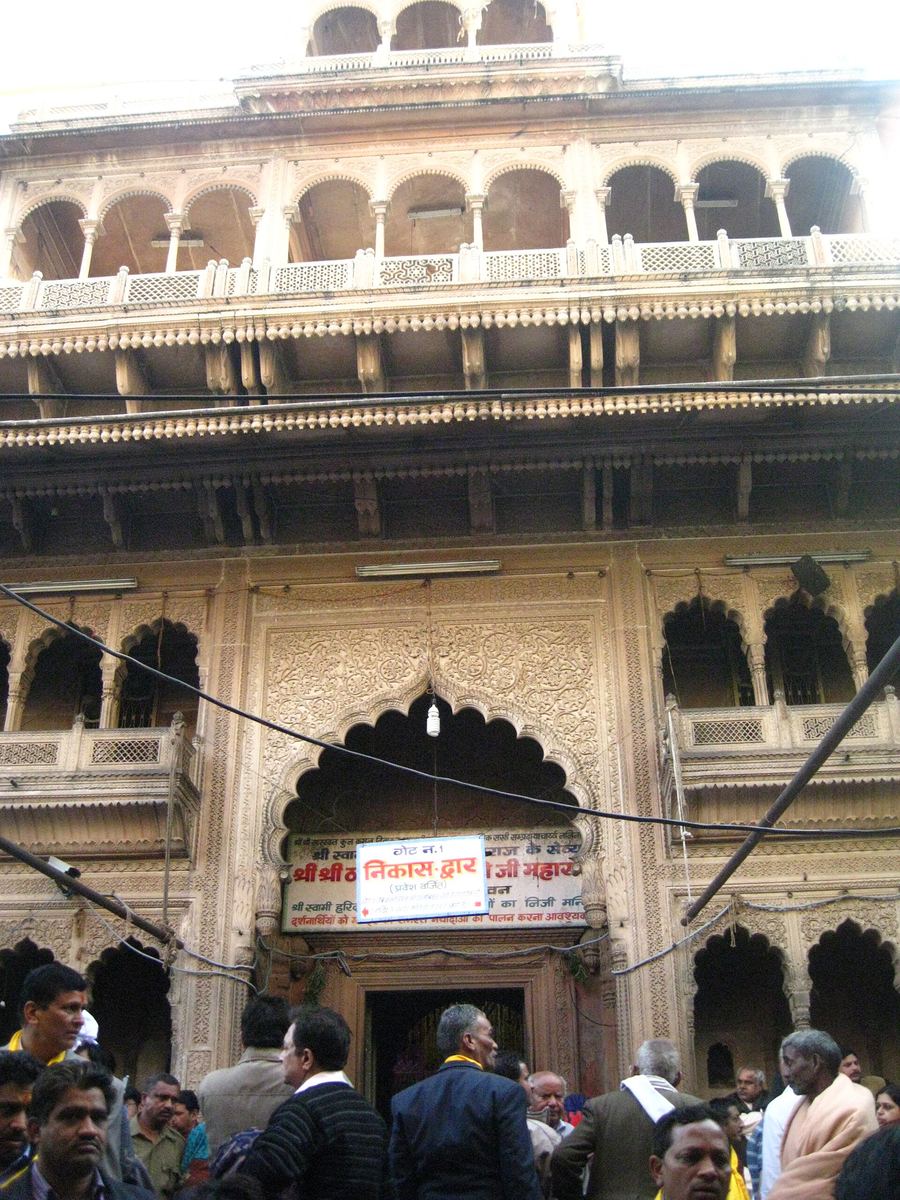
Banke Bihari Temple
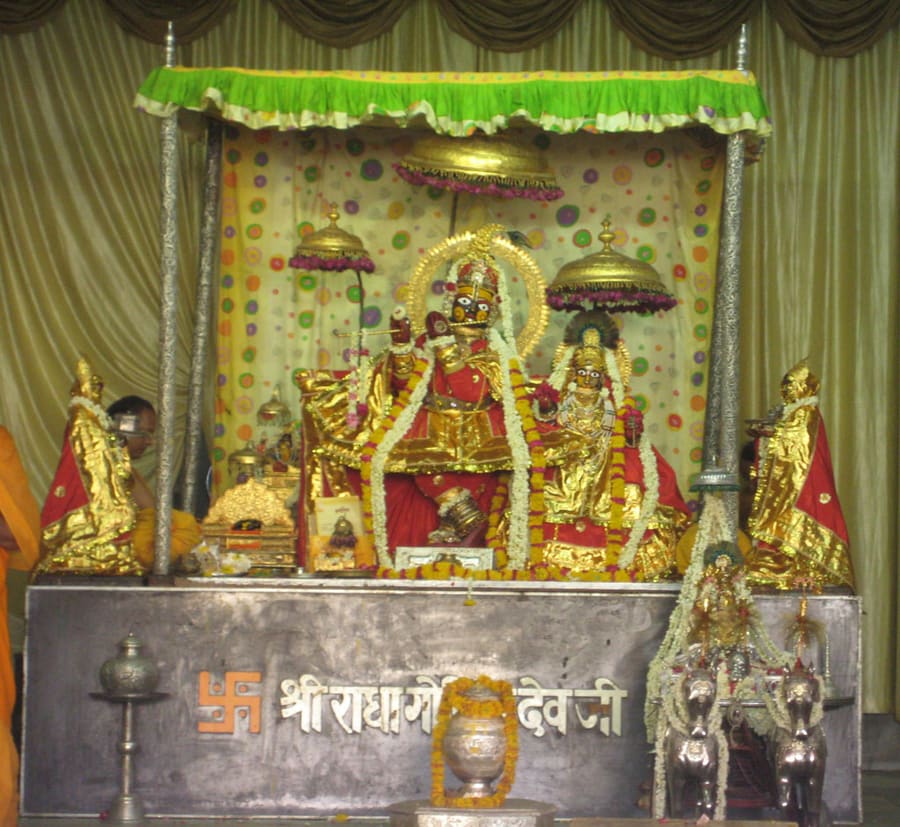
The town's devotional centre. The curtain before the deity opens and closes every few minutes to prevent intense eye contact.
Parleyに聞くインド
Temple alleys, Yamuna ghats, and pure sattvic daily life.
introduction
Vrindavan is a dense pilgrimage town on the banks of the Yamuna River. Motor vehicles give way to narrow pedestrian brick lanes packed with sweet shops, flower sellers, and ancient temples. Life moves around temple prayer schedules and evening river gatherings. Expect energetic crowds, strict vegetarian menus, and persistent macaque monkeys.
Arrival from Mathura Junction
Mathura Junction is 14 kilometres south. Pre-booked auto-rickshaws drop you directly at Vrindavan's pedestrian zone entries.
Devotional concentration
Vrindavan contains over 5,500 Krishna temples. It is one of northern India's densest pilgrimage hubs.
Macaque monkey warning
Eyeglasses and phones attract monkeys in alleys. Store all loose items in zipped bags before walking through Old Town.
Vrindavan
Sameergoyal (talk) · CC BY-SA 3.0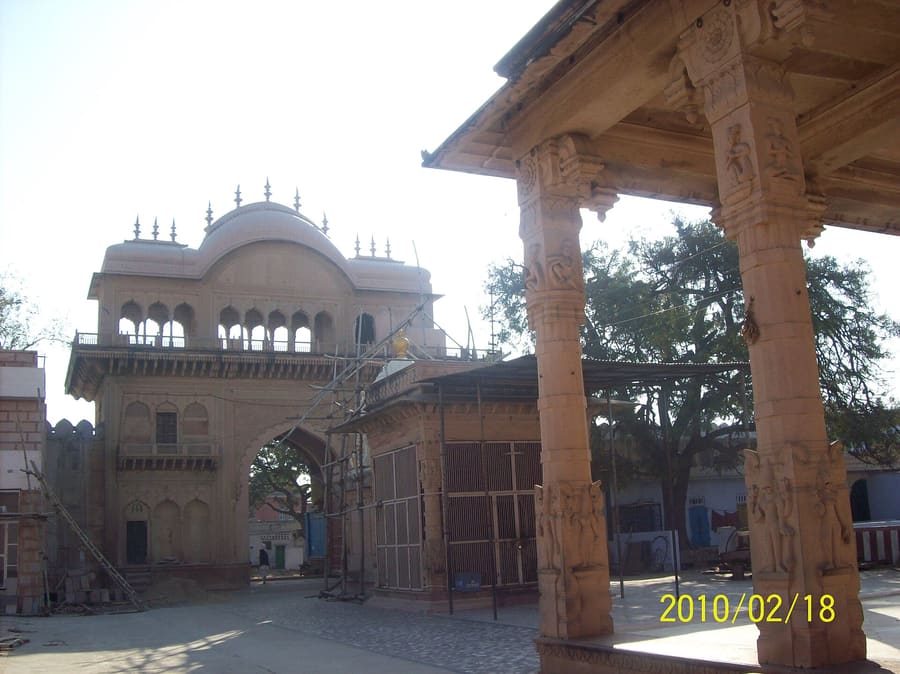
Old Town — Narrow brick alleys, high devotional energy, dense bazaars, and constant chants.
Saminathan Suresh · CC BY-SA 3.0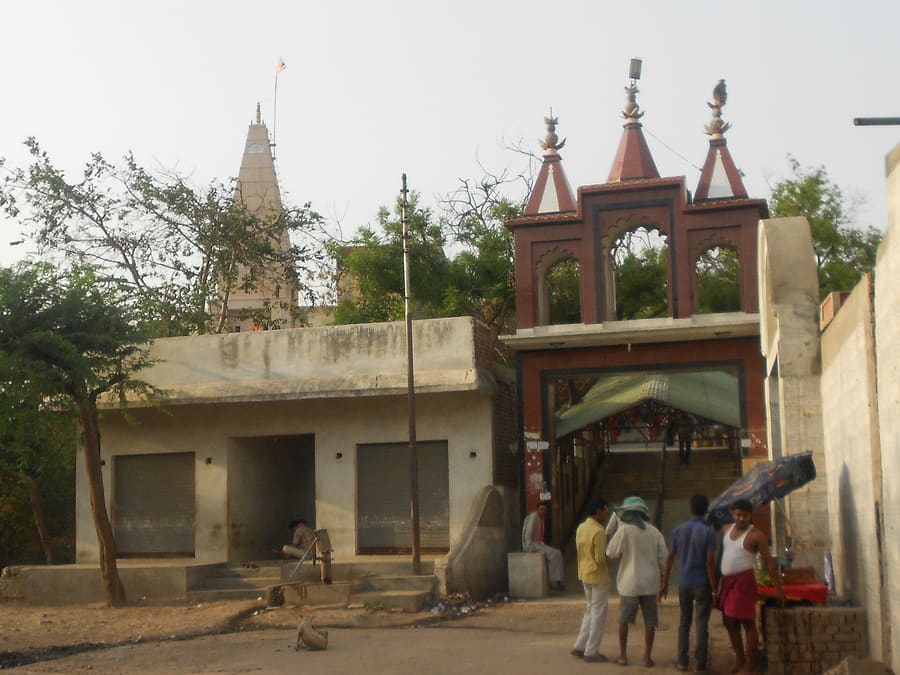
Raman Reti — Wide tree-lined avenues, modern ashrams, spacious marble complexes, and quiet nights.
Hidden_macy (talk) (Uploads) · CC BY 3.0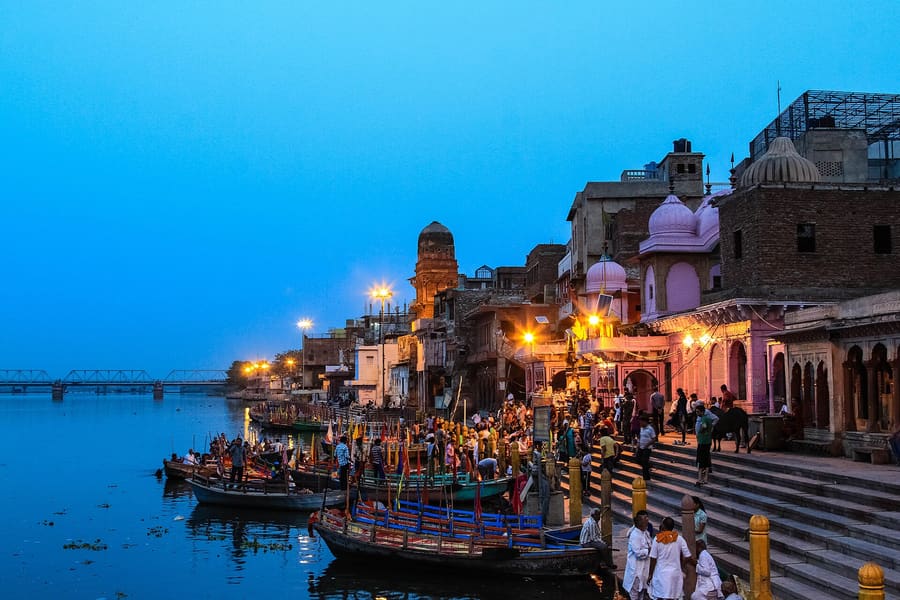
Riverfront Ghats — Stone steps dropping to the Yamuna, evening oil lamps, and historic riverfront shrines.
Umang108 · CC BY-SA 4.0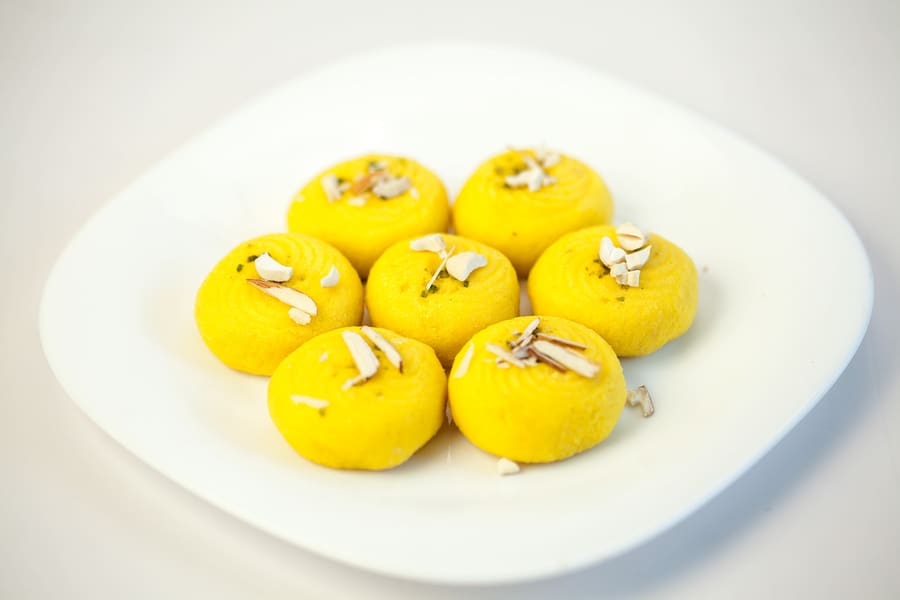
Freshly made Mathura pedas cooling in iron trays along Loi Bazaar.
Prashant Sahu · CC BY-SA 4.0highlights
landmark
The town's devotional centre. The curtain before the deity opens and closes every few minutes to prevent intense eye contact.
Parleyに聞く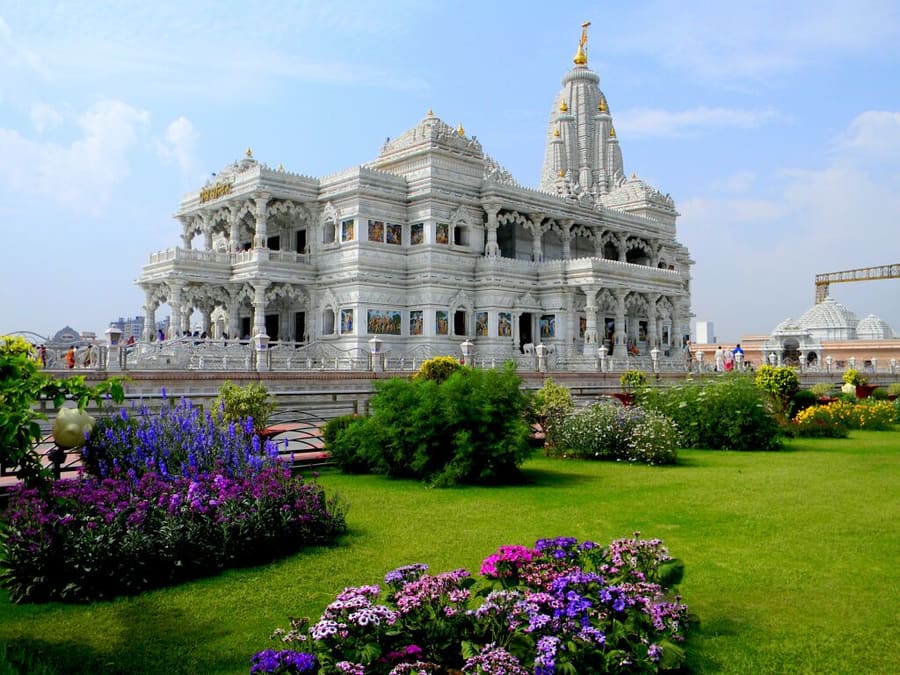
landmark
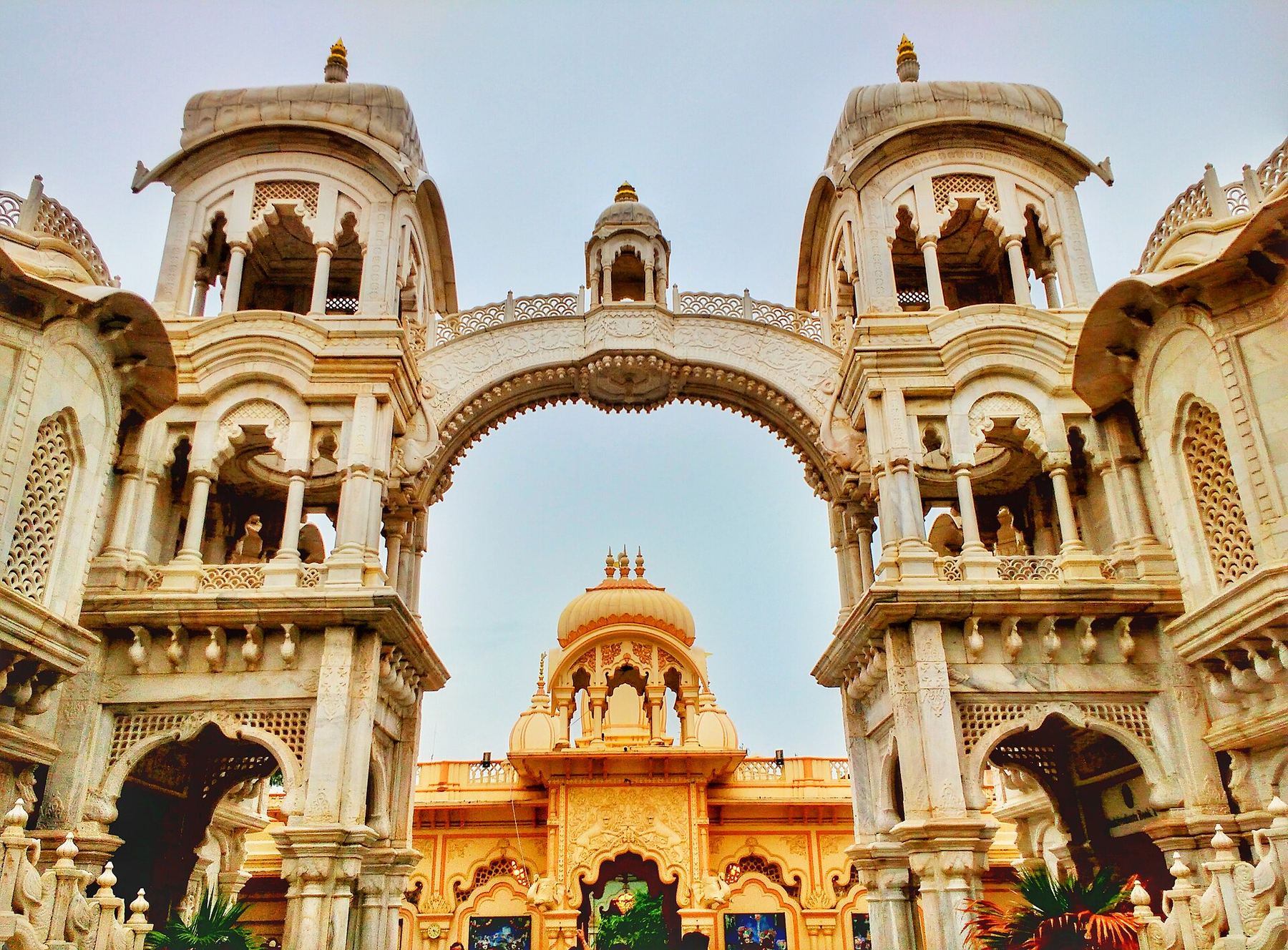
A white marble complex illuminated in changing light each evening. Visit at sunset for cooler stone floors.
Parleyに聞く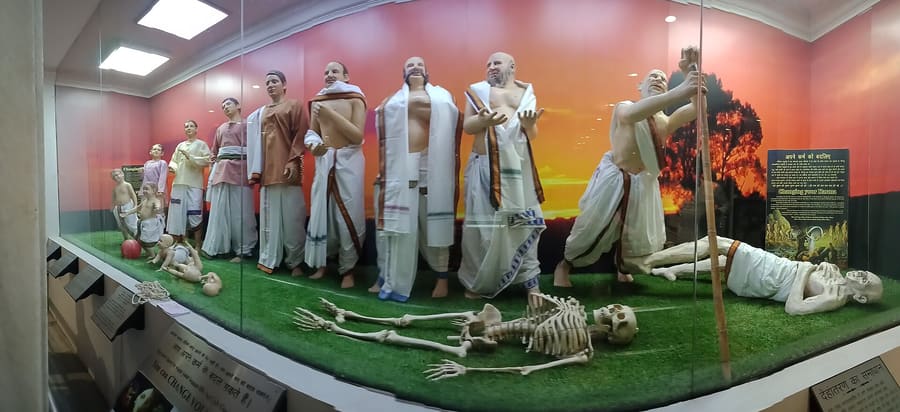
landmark
Also known as Krishna Balaram Mandir. International pilgrims gather here for continuous chanting in a marble courtyard.
Parleyに聞く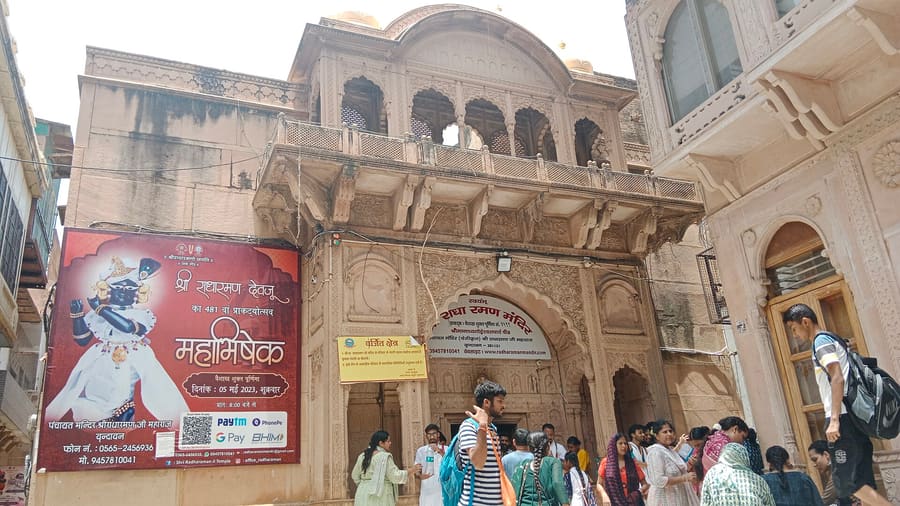
landmark
Houses a self-manifested deity carved from sacred stone. Sacred fires here have burned continuously for over 480 years.
Parleyに聞く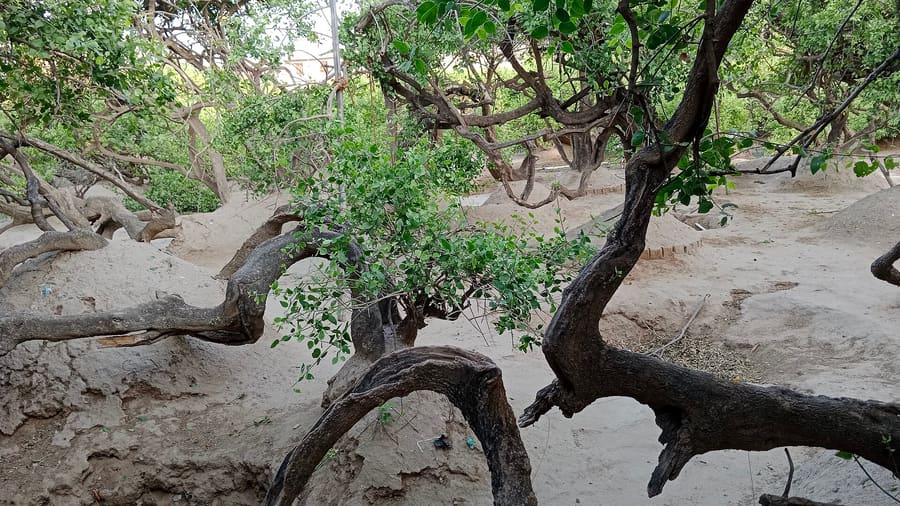
landmark
A dense walled garden where Krishna reportedly danced with Radha. Gates lock strictly at sunset without exception.
Parleyに聞くattractions
areas
Narrow brick alleys, high devotional energy, dense bazaars, and constant chants.
近くBanke Bihari and Radha Raman temples
Parleyに聞くWide tree-lined avenues, modern ashrams, spacious marble complexes, and quiet nights.
近くISKCON and Prem Mandir
Parleyに聞くStone steps dropping to the Yamuna, evening oil lamps, and historic riverfront shrines.
近くKeshi Ghat and Chir Ghat
Parleyに聞くHighway entry corridor lined with newer hotel builds, parking hubs, and thali restaurants.
近くNH19 highway connection
Parleyに聞くfood
Vrindavan's culinary rules are non-negotiable across the entire municipal boundary. While meat and eggs are banned by municipal order, garlic and onions are not banned across the town and are available at several modern restaurants and hotel eateries in Vrindavan. The town runs on fresh milk, pure ghee, crushed pistachios, and heavy iron kettles simmered for hours.
Freshly made Mathura pedas cooling in iron trays along Loi Bazaar.
Prashant Sahu · CC BY-SA 4.0Queue before 09:00 at Radhe Shyam Ramchand Kachoriwala for crisp lentil-stuffed fried bread topped with spicy potato curry.
Sip thick sweetened milk reduced over wood fires, served in unglazed clay cups that absorb excess moisture.
Buy dark caramelised milk solids coated in cardamom sugar directly from shops near Banke Bihari rather than pre-boxed commercial brands.
history
For centuries, Vrindavan existed primarily as forest land along the Yamuna sacred to Krishna traditions. Its urban development began in the 16th century when saint Chaitanya Mahaprabhu identified key devotional sites, attracting royal patrons from Rajasthan who constructed massive red sandstone temples.
Chaitanya's Arrival
Chaitanya Mahaprabhu arrives from Bengal and locates lost sites associated with Krishna's life.
Govind Dev Temple Built
Raja Man Singh of Amber constructs a seven-storey red sandstone temple blending Mughal and Rajput styles.
Mughal Restrictions
Aurangzeb orders upper levels of main temples dismantled, sending original temple deities into hiding in Rajasthan.
where to stay
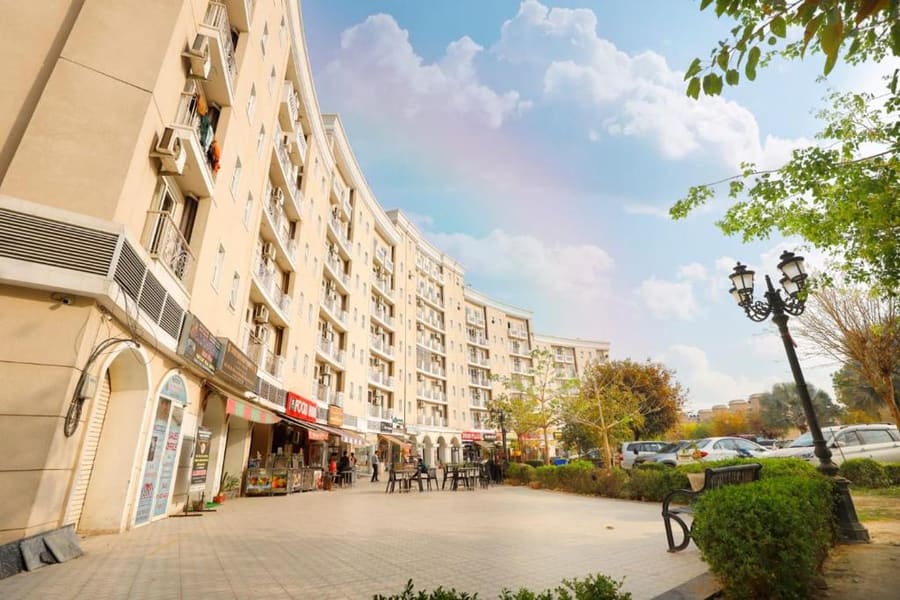
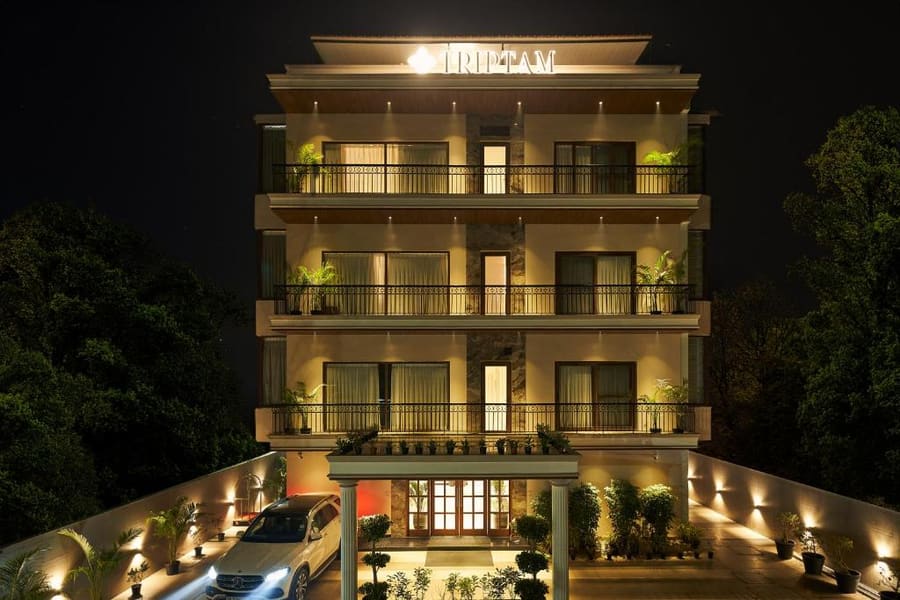
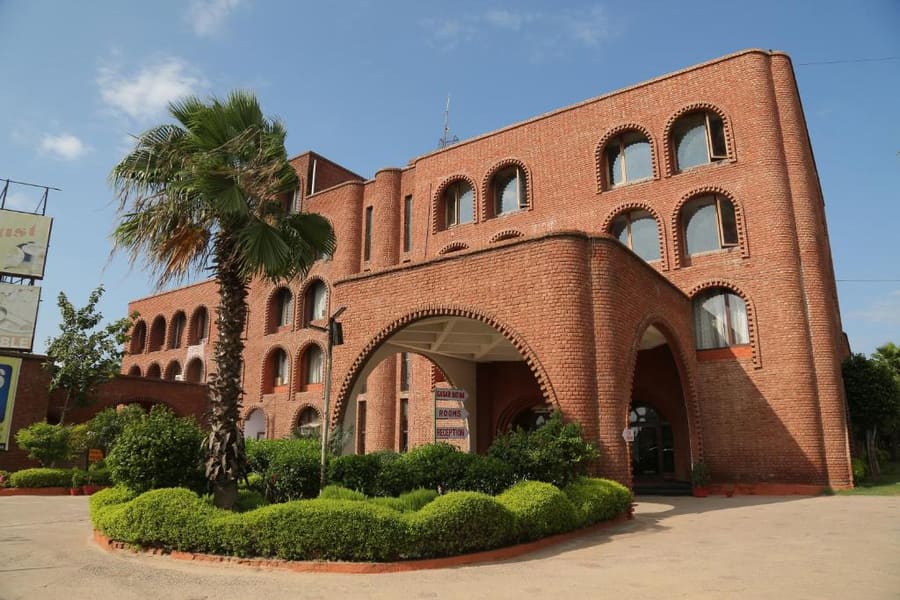
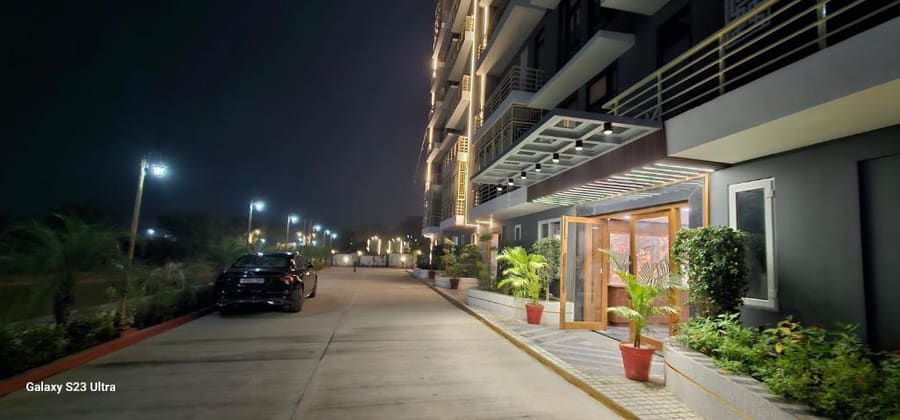
Choose your base by your daily movement style. Staying inside Old Town puts you steps from dawn temple prayers but forces you to walk with luggage. Raman Reti offers direct hotel car access and quiet nights.
transport
Vrindavan's central core is closed to four-wheeled motor cars during peak morning and evening temple hours. Electric auto-rickshaws operate on main loop roads, while inner shrine alleys are strictly pedestrian.
Mathura Junction Rail Station (MTJ)から
Agree on fixed fares at station exit counter before boarding.
App cabs drop at VIP Road entry gates; they cannot enter Old Town alleys.
State buses run frequently from Mathura station to Vrindavan bus stand.
Shared electric rickshaws charge ₹10 to ₹20 per passenger along standard routes like ISKCON to Banke Bihari entry.
Inner market lanes require walking on foot; wear slip-on shoes as footwear is removed outside every shrine.
Police block auto-rickshaws near Banke Bihari between 16:00 and 21:00 daily to manage pedestrian crowds.
Hiring an e-rickshaw for a direct private journey across town costs between ₹100 and ₹150.
cost
Vrindavan is an economical destination. Temple access is free across the town, so daily spending goes towards street snacks, rickshaw trips, and lodging.
Two lentil kachoris with potato curry at local sweet shops.
Thick sweetened yoghurt or condensed milk in disposable clay cups.
Standard seat fare along the main road circuit.
Air-conditioned double room outside peak festival dates.
seasonality
OCT – FEB
Daytime temperatures stay comfortable between 15°C and 25°C. Ideal for walking Old Town alleys, though weekend crowds are dense.
MAR – APR
Holi festival brings massive crowds and color throwing. Book hotels months ahead or face tripling accommodation rates.
MAY – JUN
Extreme summer heat exceeds 42°C. Marble temple floors heat up quickly; mid-day walking is unmanageable.
JUL – SEP
Monsoon rains cool the air and Yamuna water levels rise. Janmashtami celebrations bring heavy pilgrim crowds.
practicalities
Macaque monkeys snatch visible eyeglasses, phones, and food. Store loose items inside zipped bags before entering alleys.
Almost all major temples close between 12:00 and 16:30 daily. Plan sightseeing for early morning and evening.
Small food stalls and auto drivers rarely accept digital cards. Carry small cash notes like ₹20 and ₹100.
Remove shoes at shoe counters outside temples. Pay attendants ₹5–10 per pair upon collecting them.
Shoulders and knees must remain covered in all temples. Avoid carrying leather items into orthodox shrines.