landmark
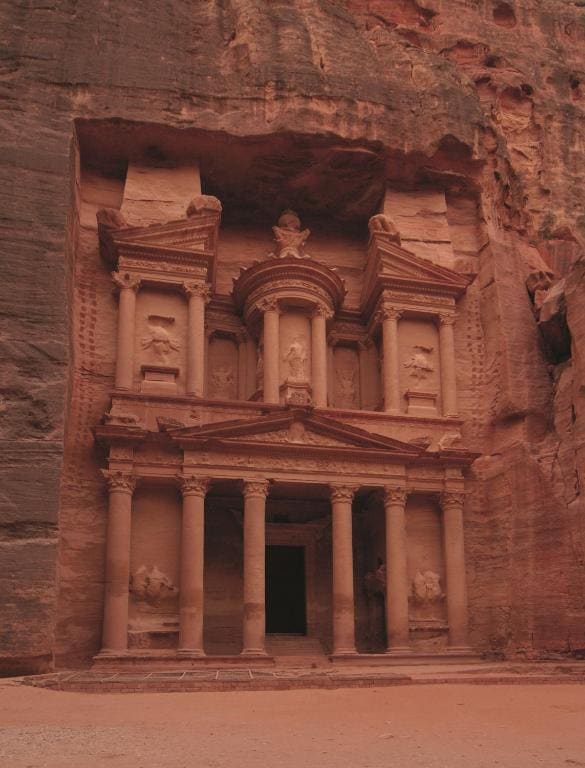
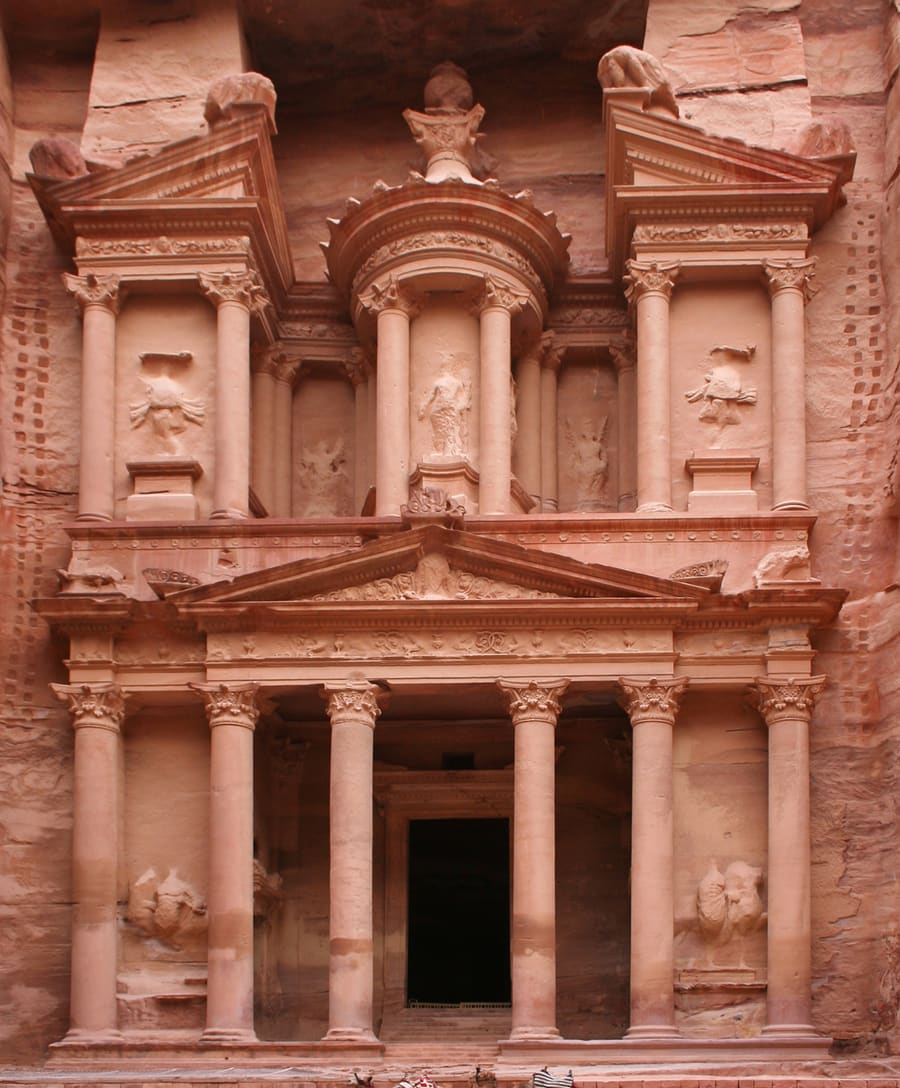
Al-Khazneh (The Treasury)
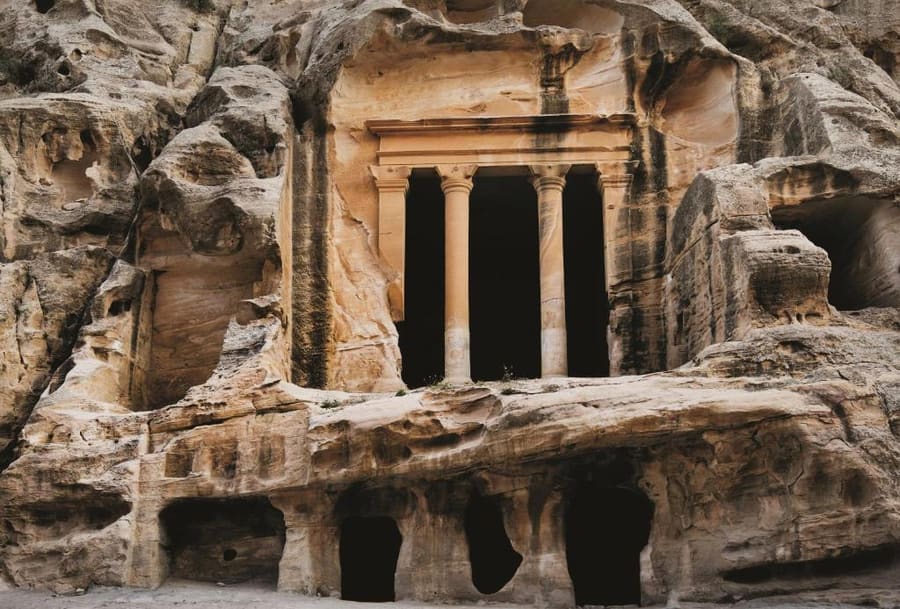
The carved rock facade greets you at the end of the Siq. Arrive at 06:00 to beat tour groups.
Parleyに聞くヨルダン
The sandstone service town for ancient Nabataean stone.
introduction
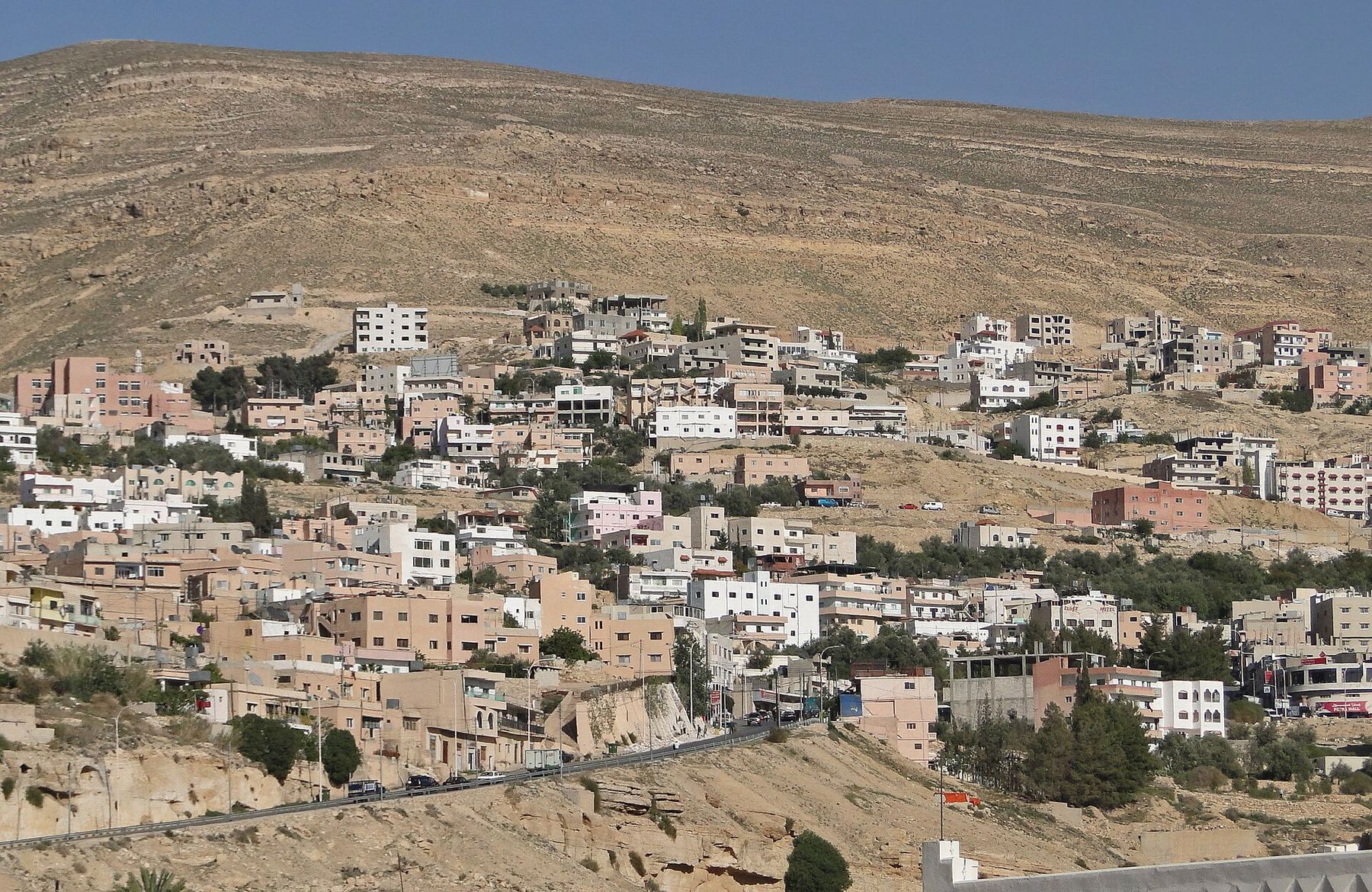
Wadi Musa exists to serve the ancient Nabataean city of Petra. The modern town tumbles down a steep valley toward the visitor center entrance. You move through it mostly on foot or via short taxi rides up taxing slopes. Expect early mornings, steep climbs, and an economy entirely tuned to park visitors.
Jordan Pass savings
Buy the Jordan Pass online before arrival. It waives the entry visa fee and covers your Petra admission.
UNESCO World Heritage Site
Petra became a UNESCO World Heritage Site in 1985. The ancient city lies directly at the edge of town.
Three-day ticket value
A three-day Petra ticket costs 60 JOD, only 10 JOD more than a single day. It gives you time to reach distant trails.
Wadi Musa
Bernard Gagnon · CC BY-SA 3.0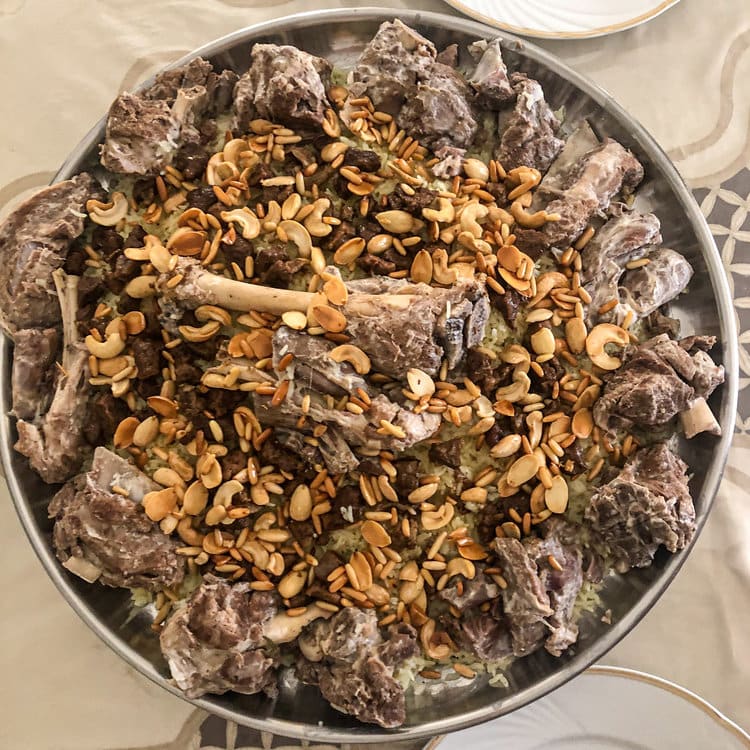
Traditional Jordanian mansaf served with lamb, rice, and fermented jameed sauce.
Jktab · CC BY-SA 4.0highlights
landmark
The carved rock facade greets you at the end of the Siq. Arrive at 06:00 to beat tour groups.
Parleyに聞く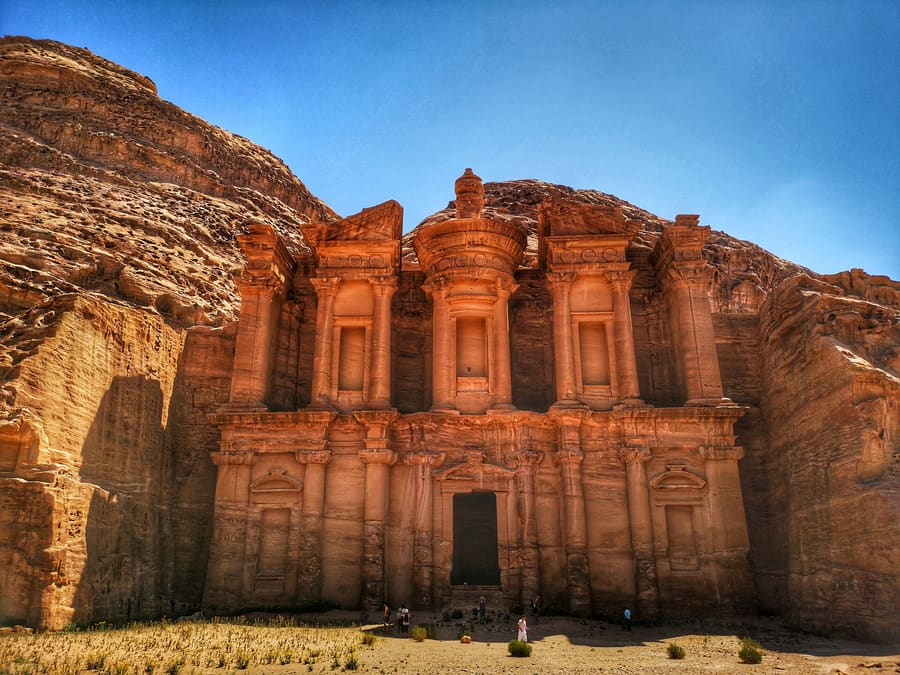
landmark
An 800-step climb leads to Petra's largest carved facade. Late afternoon light turns the sandstone deep gold.
Parleyに聞く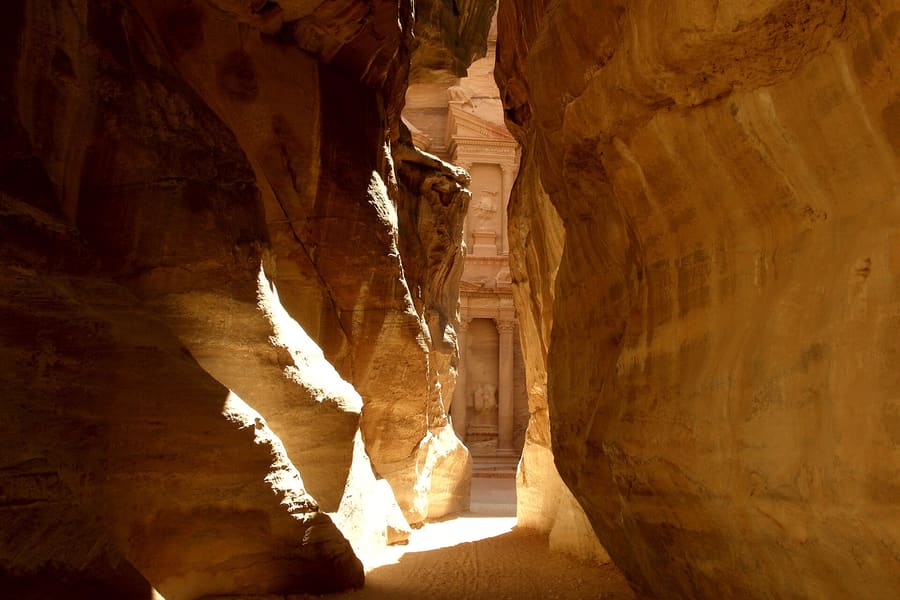
landmark
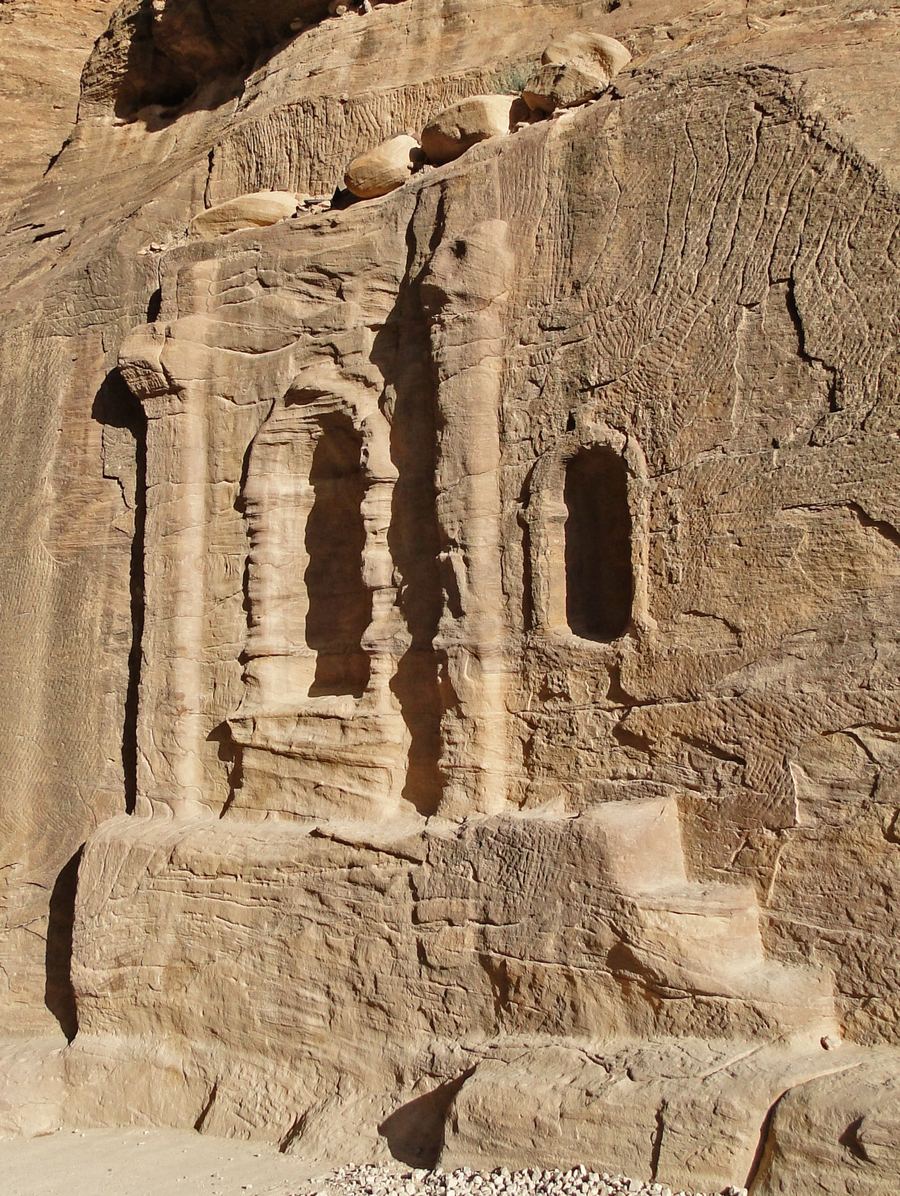
A 1.2-kilometer natural fissure forming the main entrance. Shadowed walls reach 90 meters high.
Parleyに聞く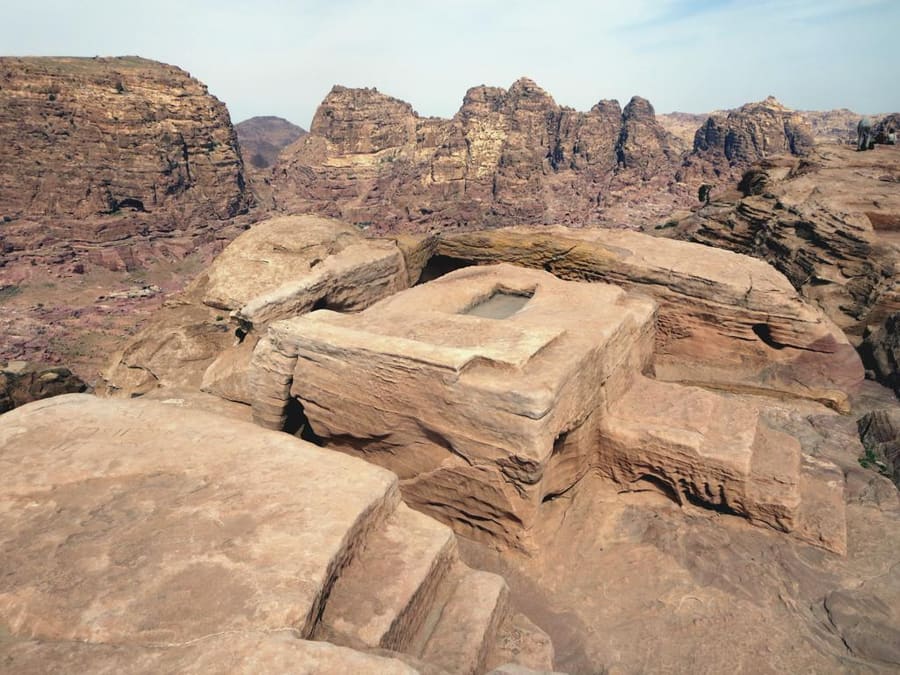
landmark
A steep trail past relief carvings leads to ancient sacrificial altars. The hilltop offers wide valley views.
Parleyに聞く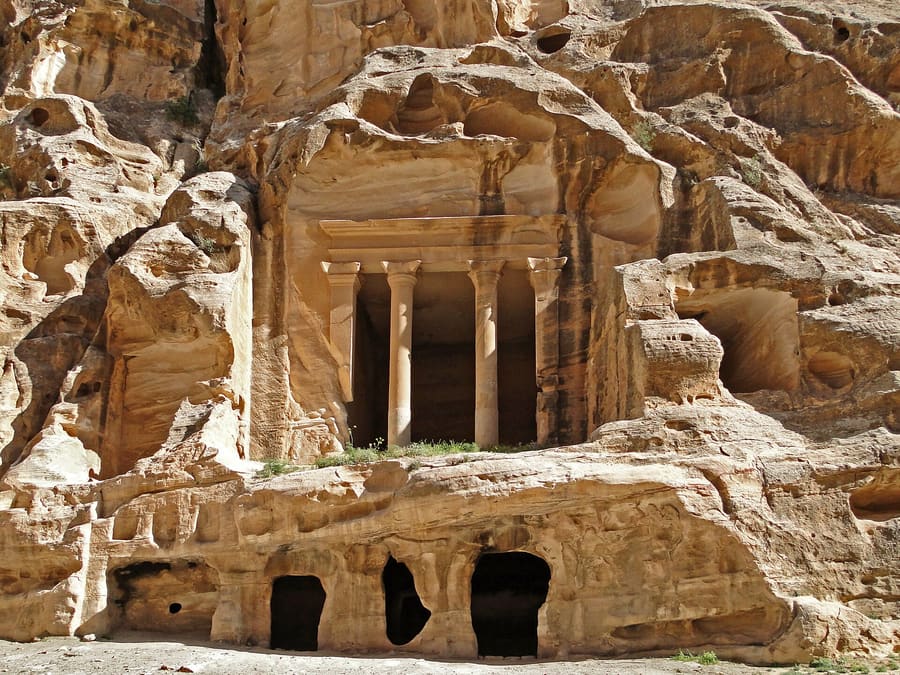
landmark
A smaller Nabataean canyon site eight kilometers north. Free admission and significantly fewer visitor crowds.
Parleyに聞くattractions
areas
A dense strip of hotels, agencies, and tourist restaurants leading directly to the park gate.
近くPetra Visitor Center
Parleyに聞くThe local commercial center clustered around the main roundabout and steep hillside streets.
近くMain Bus Station
Parleyに聞くA modern Bedouin village built in the 1980s to house relocated local tribes.
近くPetra back exit
Parleyに聞くA quieter hilltop village ten minutes south offering elevated views over the rift valley.
近くTaybet Zaman village
Parleyに聞くfood
Wadi Musa serves heartier meals than coastal Jordan. Local kitchens specialize in slow-cooked stews and fermented yogurt dishes like mansaf. Touristic buffets crowd the entrance, but superior traditional food sits up the hill in downtown local eateries.
Traditional Jordanian mansaf served with lamb, rice, and fermented jameed sauce.
Jktab · CC BY-SA 4.0Bakeries along Downtown main street bake flatbread on curved metal domes throughout the morning.
Pack dry fruit and nuts into the park to avoid overpaying at crowded site buffets.
Downtown family restaurants rarely accept credit cards; carry JOD bills for daily meals.
history
Wadi Musa takes its name from Moses, who according to tradition struck the rock at Ain Musa to yield water. The Nabataeans engineered water channels here in the 4th century BC to build their desert capital. Following earthquakes and trade route shifts, the site lay hidden from the Western world until Swiss traveler Johann Ludwig Burckhardt rediscovered it in 1812.
Nabataean Capital
Nabataean nomads settle the valley and engineer sophisticated hydraulic systems.
Roman Annexation
Emperor Trajan annexes Nabataea, incorporating Petra into the province of Arabia Petraea.
Western Rediscovery
Johann Ludwig Burckhardt disguises himself as a Bedouin scholar to enter the canyon.
UNESCO Listing
Petra gains World Heritage status, spurring the modern growth of Wadi Musa.
where to stay
Choose your stay by how early you want to hit the trail. Lower town places you steps from the turnstiles, saving pre-dawn taxi haggling. Upper town offers cheaper beds and better local dining at the cost of steep downhill and uphill commutes.
transport
Wadi Musa is compact but vertical. You arrive by highway from Amman or Aqaba, then rely on foot power or local taxis. Park entry requires walking; no motorized transport operates inside Petra except official electric buggies for mobility-impaired visitors.
Short rides between Downtown and Tourist Street cost a flat 2 to 3 JOD. Establish this price before entering.
Expect 15 to 20 kilometers of daily walking on uneven stone and sand trails.
Book return bus tickets to Amman at least one day in advance during peak spring and autumn seasons.
Electric buggies at the gate cost 25 JOD per person for a round trip to the Treasury for authorized visitors.
cost
Wadi Musa operates two price tiers: local rates in the upper town and tourist rates near the entrance. High entrance fees dominate your travel budget, while food and local transport remain modest if you shop away from the gate.
Standard single-day adult park entry fee if not holding a Jordan Pass.
Evening candlelit event ticket; valid only with an active day pass.
Falafel plate or shawarma combo in downtown local cafeterias.
Buffet or traditional main course on Tourist Street.
seasonality
MAR – MAY
Mild daytime temperatures around 22°C. Peak season brings high crowd volumes and maximum hotel rates.
JUN – AUG
Temperatures exceed 35°C in the canyon. Early morning starts are essential to avoid midday heat stroke.
SEP – NOV
Warm days and cool nights. Clear skies make this ideal for long trail hiking across the site.
DEC – FEB
Cold winds and occasional rain or snow. Days are short, but site trails remain uncrowded.
practicalities
Carry at least two liters of water into the archaeological site; vendor prices rise deeper inside.
ATMs line Tourist Street and downtown main square, but cash machines occasionally run dry on weekends.
Gates open at 06:00 year-round. Entering at dawn guarantees two hours before tour buses arrive.
Horse rides to the Siq are technically included in your ticket, but handlers expect mandatory tips.
Wear sturdy hiking boots with tread; smooth sandstone rocks turn slippery when dusted with loose sand.