landmark
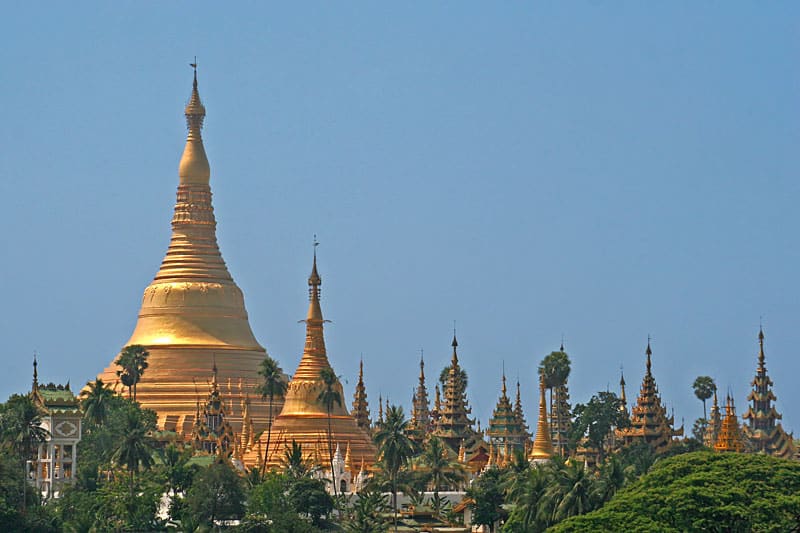
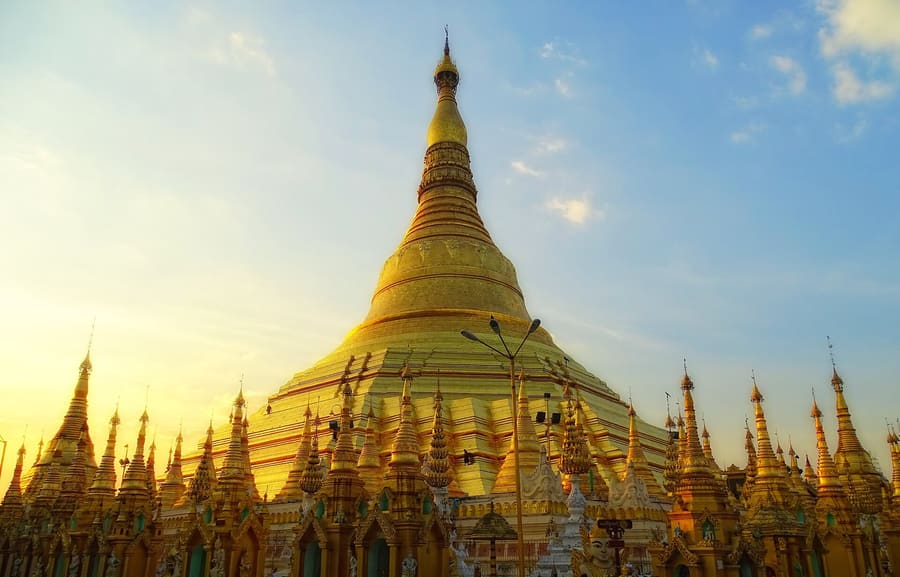
Shwedagon Pagoda
Myanmar's holiest Buddhist shrine dominates the skyline. Visit at dawn to avoid midday heat on bare feet.
Parleyに聞くミャンマー (ビルマ)
Golden spires, colonial grids, and slow tea shop mornings.
introduction
Yangon is a city defined by contrast and quiet rhythm. Golden pagodas rise above British grid streets and wide lakes. You navigate by orange-robed monks, tea stall stools, and red bus routes. Transport moves slowly, so focus your daily plans on one neighbourhood at a time.
Arrival taxi trick
Ignore persistent drivers inside the terminal. Walk to the official taxi rank outside for fixed rates into the city center.
Sacred site ground rules
Pagoda entry requires bare feet and covered shoulders. Carry a plastic bag for your shoes at entrances.
Cash economy rules
Cards fail frequently outside high-end hotels. Bring crisp, unblemished US dollar notes to exchange for local kyat.
Yangon
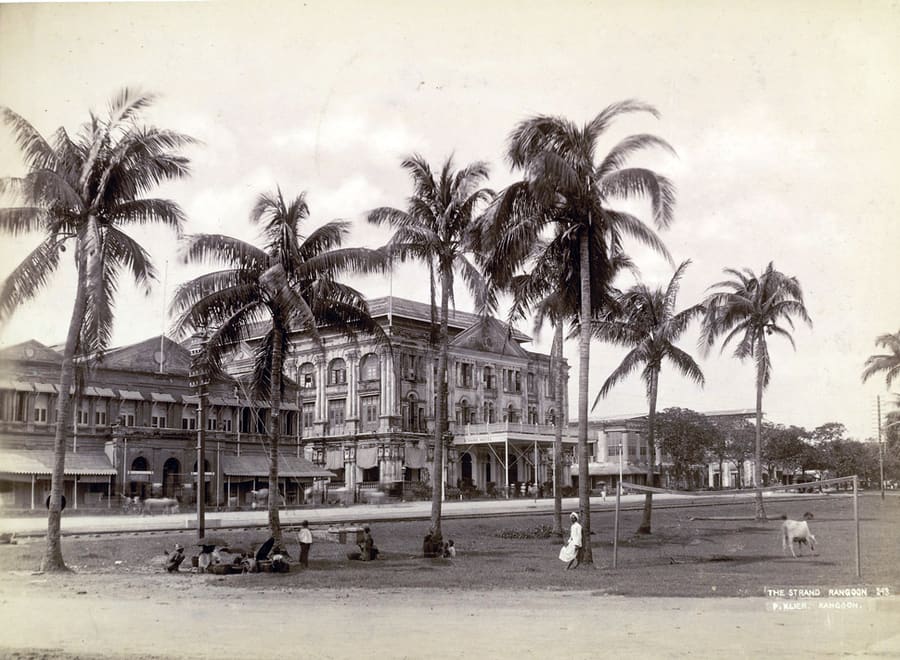
Klier, Philip Adolphe (c.1845-1911) · Public domain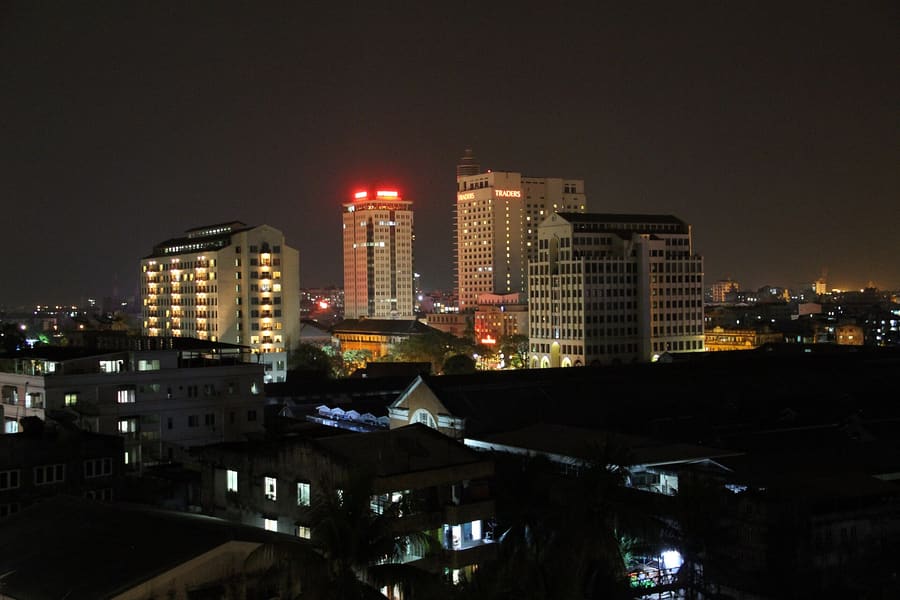
Downtown Yangon — Grid streets filled with British colonial facades, book stalls, and sidewalk tea shops.
Sky89 at en.wikipedia · CC BY-SA 3.0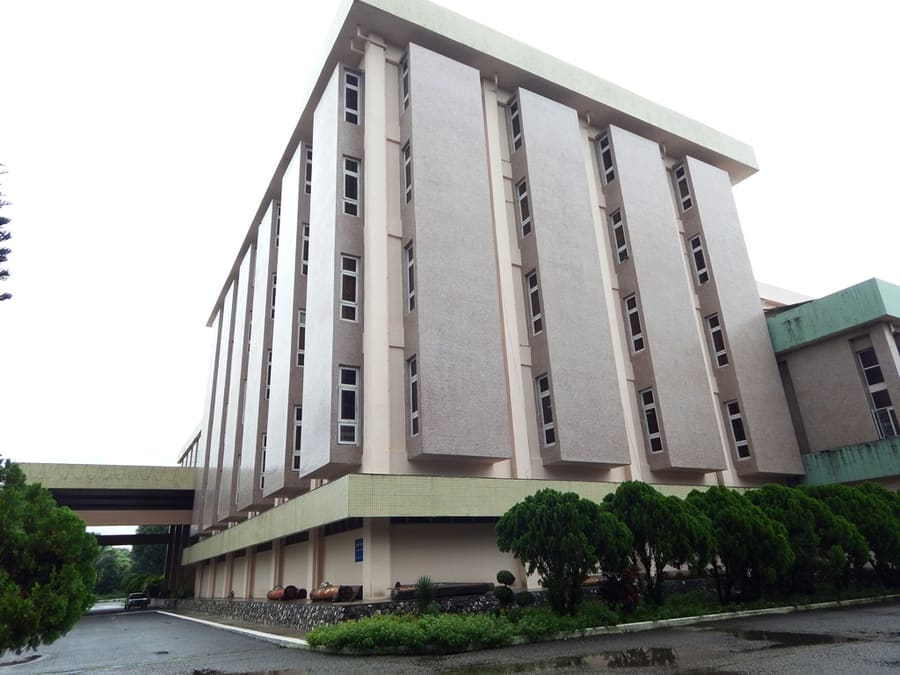
Dagon — Spacious, quiet, and dominated by major religious monuments and official green spaces.
Phyo WP · CC BY-SA 3.0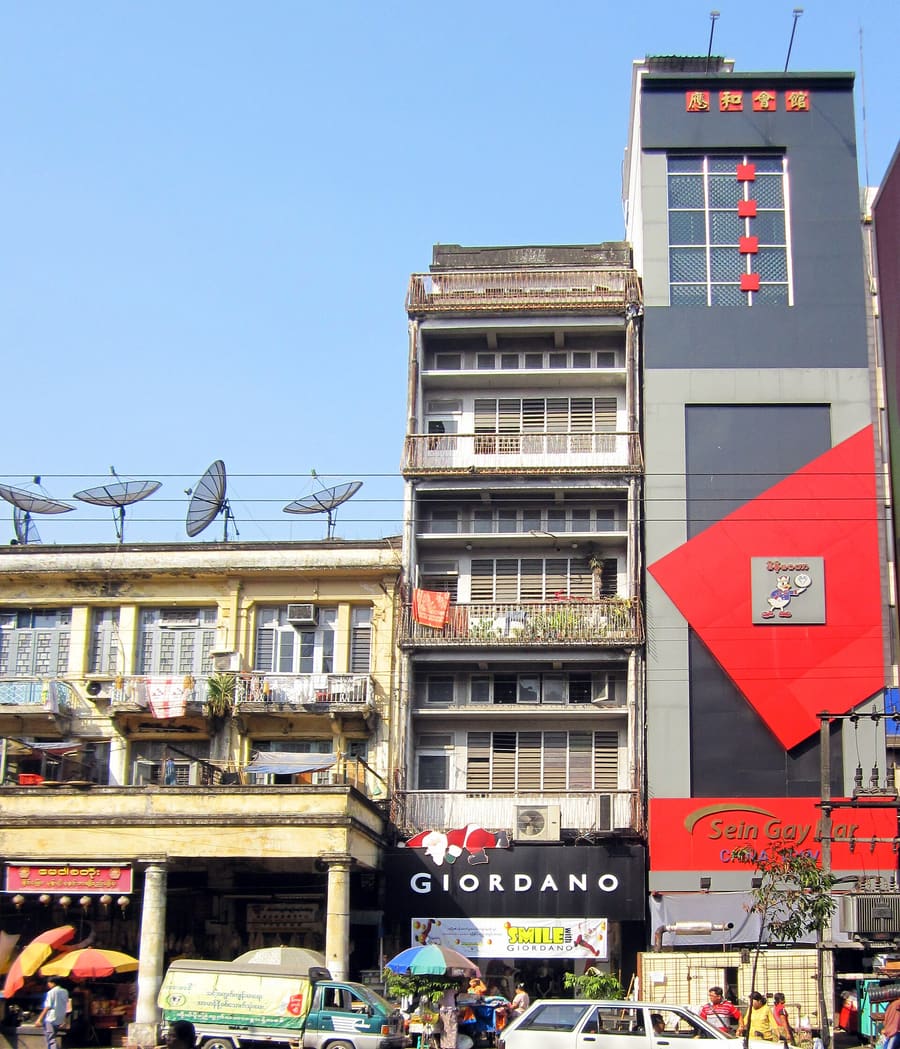
Chinatown — Densely packed streets centered on 19th Street, famous for evening food stalls.
Hintha · CC BY-SA 3.0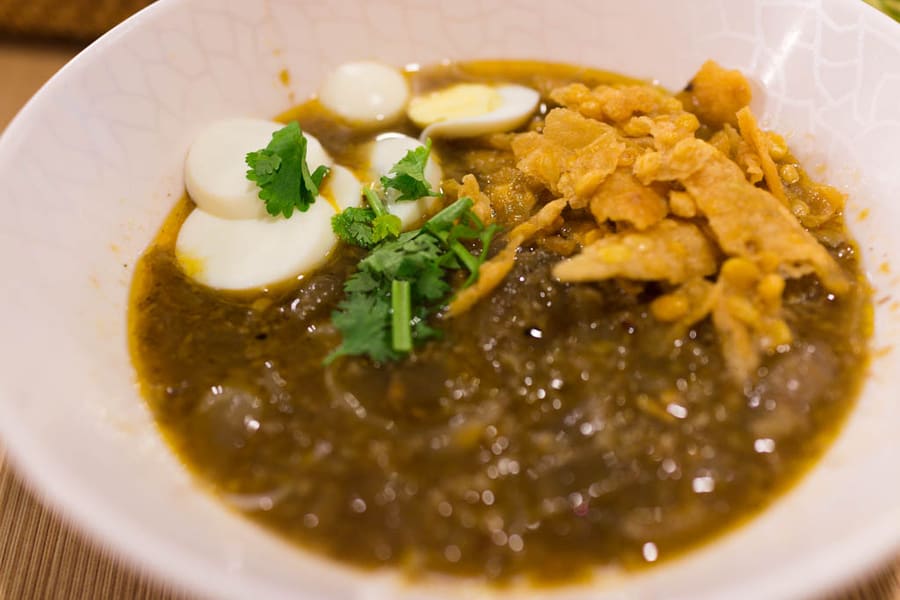
Mohinga is Myanmar's unofficial national dish, eaten mostly at street side stands in early morning.
Charles Haynes · CC BY-SA 2.0highlights
landmark
Myanmar's holiest Buddhist shrine dominates the skyline. Visit at dawn to avoid midday heat on bare feet.
Parleyに聞く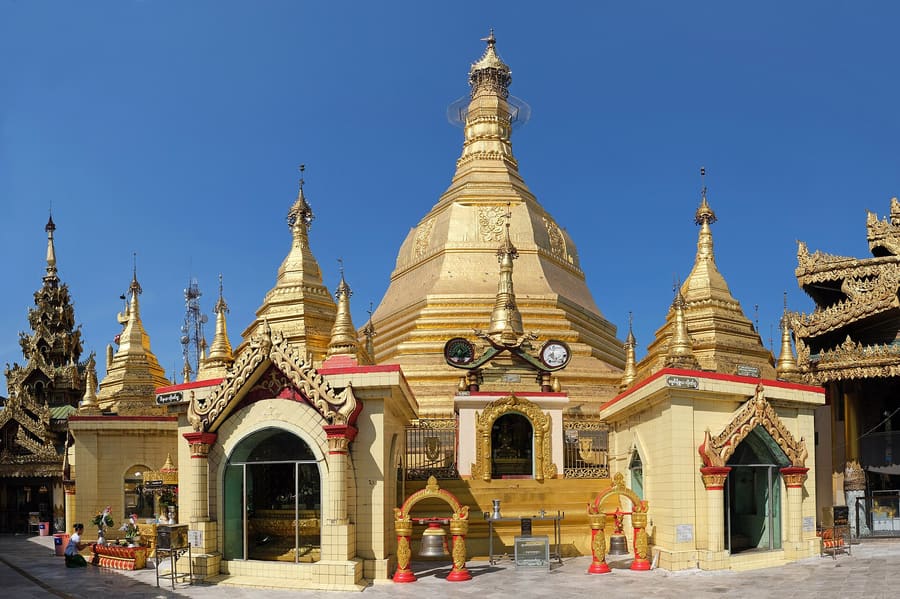
landmark
A 2,000-year-old stupa serving as downtown's main traffic roundabout. Walk the perimeter shops for palmistry.
Parleyに聞く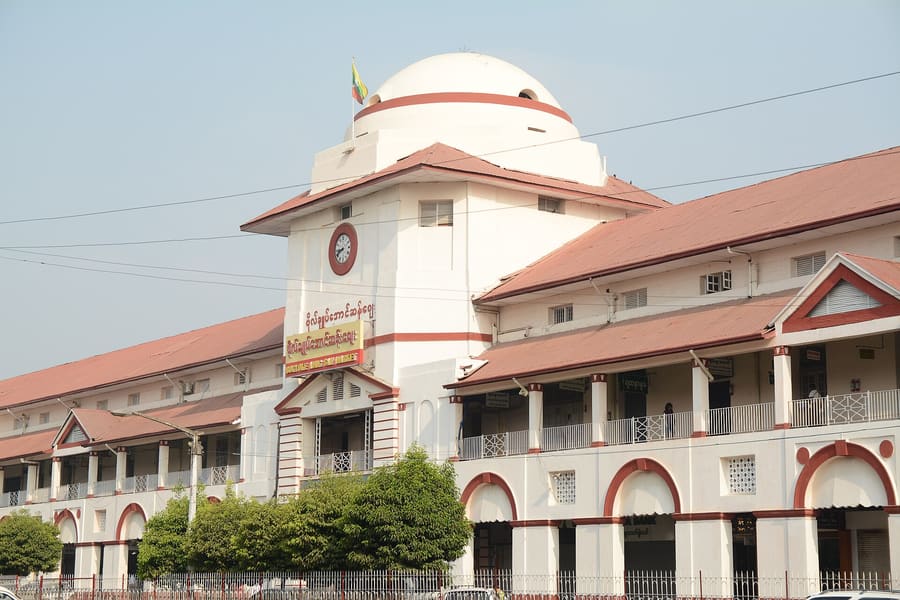
landmark
A sprawling 1926 colonial arcade packed with jade, lacquerware, and textiles. Closed on Mondays.
Parleyに聞くattractions
areas
Grid streets filled with British colonial facades, book stalls, and sidewalk tea shops.
近くSule Pagoda and Yangon River piers.
Parleyに聞くSpacious, quiet, and dominated by major religious monuments and official green spaces.
近くShwedagon Pagoda and People's Park.
Parleyに聞くDensely packed streets centered on 19th Street, famous for evening food stalls.
近くBogyoke Market and downtown piers.
Parleyに聞くfood
Eating in Yangon revolves around roadside tea shops and morning noodle stalls. You sit on short plastic stools along lower downtown streets. Local food blends Burmese ingredients with Indian spices and Chinese frying techniques. Breakfast is the day's main social meal.
Mohinga is Myanmar's unofficial national dish, eaten mostly at street side stands in early morning.
Charles Haynes · CC BY-SA 2.0Order this catfish noodle broth with chickpea fritters before 09:00 at street corners. Stalls pack up once morning pots run dry.
Order sweet condensed-milk tea alongside samosas or steamed buns left on your table. You pay only for what you eat.
Head to 19th Street in Chinatown after 18:00. Choose raw skewers of fish and pork from ice trays to be grilled on demand.
history
Yangon began as Dagon, a Mon fishing village surrounding the ancient Shwedagon Pagoda. King Alaungpaya conquered the town in 1755 and renamed it Yangon, meaning 'End of Strife'. The British captured the city in 1852, renamed it Rangoon, and mapped out a grand colonial port layout.
City founded as Yangon
King Alaungpaya renames the settlement of Dagon to Yangon after uniting the region.
British rule begins
The British occupy Lower Burma and redesign Rangoon with a modern grid urban plan.
National independence
Burma gains independence; Rangoon remains the capital city and main port.
Capital city shift
The military government officially transfers administrative capital status from Yangon to Naypyidaw.
where to stay
Choose your base by walkability versus quiet surroundings. Downtown puts historic landmarks and street markets outside your lobby, but traffic runs late. Suburban townships like Bahan offer greener resort grounds near lakes, though every trip downtown requires a cab.
transport
Motorbikes are banned in central Yangon townships, leaving cars, buses, and trains to share the roads. Traffic congests during rush hours. Ride-hailing mobile applications offer transparent pricing without haggling in local currency.
Download Grab before arriving. It provides fixed rates in kyat and eliminates language hurdles with drivers.
Roads choke completely from 08:00–09:30 and 17:00–18:30. Plan activities inside your immediate neighbourhood then.
Yangon Bus Service requires exact cash dropped into fare boxes beside the driver. Drivers carry no change.
cost
Yangon is inexpensive for food and local transit, but mid-range to luxury hotels demand higher foreign rates. Bring pristine foreign banknotes, as local money changers reject notes with small creases or ink marks.
Standard street breakfast price across downtown tea stalls.
Short cross-town trip between downtown and Dagon townships.
Served hot at low-stool street vendors alongside free green tea.
seasonality
NOV – FEB
Cool dry season with manageable midday temperatures. Peak travel window; hotel rates rise.
MAR – MAY
Extremely hot temperatures frequently top 40°C. Sightseeing is limited to early mornings.
JUN – OCT
Southwest monsoon brings heavy afternoon downpours. Flooding occurs on lower downtown streets.
practicalities
Banks and exchange counters require unblemished 100 USD bills with no folds, stamps, or tears.
Shoulders and knees must remain covered. Longyi wrap skirts are available for rent at entrances.
Mains power cuts happen regularly. Hotels run back-up generators, but carry a pocket flashlight.
Marble pagoda plazas bake in midday sun. Visit at dawn or dusk to walk comfortably barefoot.
Flasks of warm weak green tea on dining tables are complimentary. Drink from the small glass cups provided.