landmark
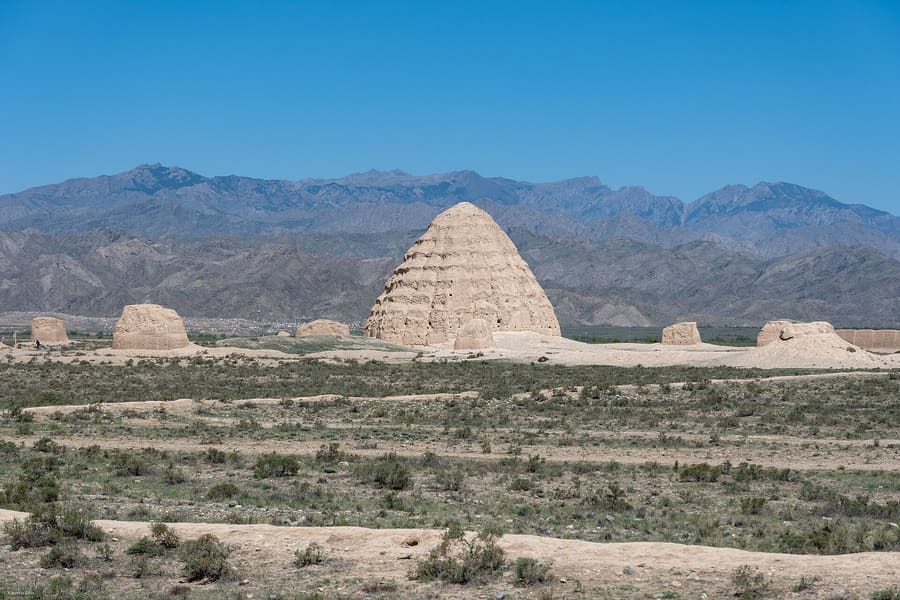
Western Xia Tombs
Nine royal mausoleums stand against the Helan Mountains. Arrive at opening at 08:00 to avoid mid-day desert heat.
Parleyに聞く中国
Western Xia history and desert-mountain wine country.
introduction
Yinchuan sits sandwiched between the Helan Mountains and the Yellow River, bordering the Mu Us Desert to its east. The city's main urban area features central Jinfeng District situated between eastern Xingqing District and western Xixia District. Most historic sights lie scattered across the desert scrub outside the urban core. You will need hired cars or regional buses to navigate the long distances efficiently.
Airport access
Hedong International Airport sits 25 kilometres southeast of the city. An airport shuttle bus runs to Yinchuan Railway Station for 20 CNY.
Tangut imperial history
Yinchuan was the capital of the Western Xia Kingdom from 1038 to 1227. The imperial tombs sit west of the city along the Helan Mountains.
Distances and transport
Sights lie far apart between the desert and the mountain range. Hiring a local taxi driver for the day costs around 300 CNY.
Yinchuan
霧島聖 · CC BY-SA 4.0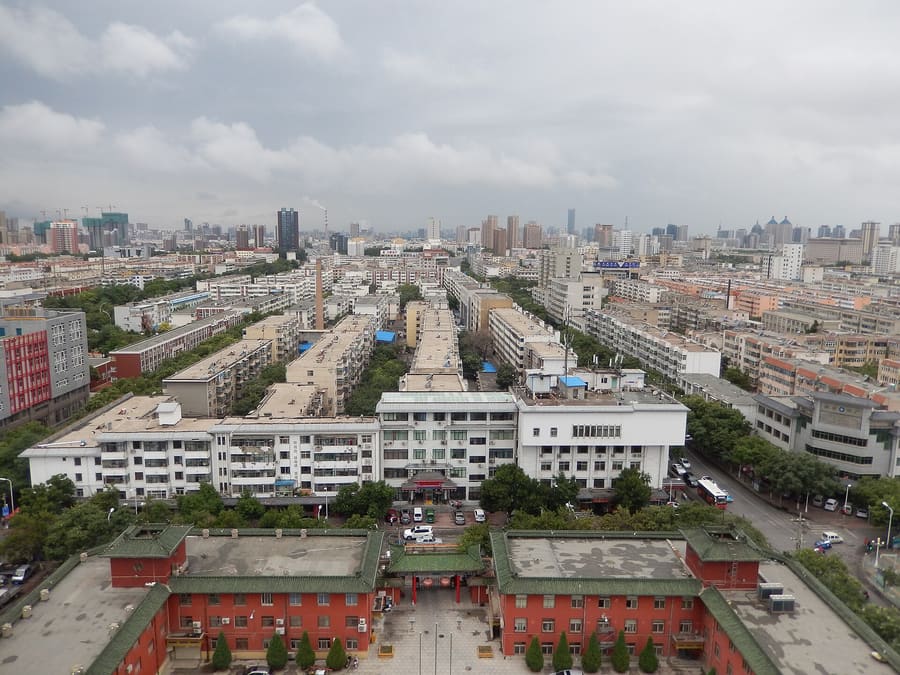
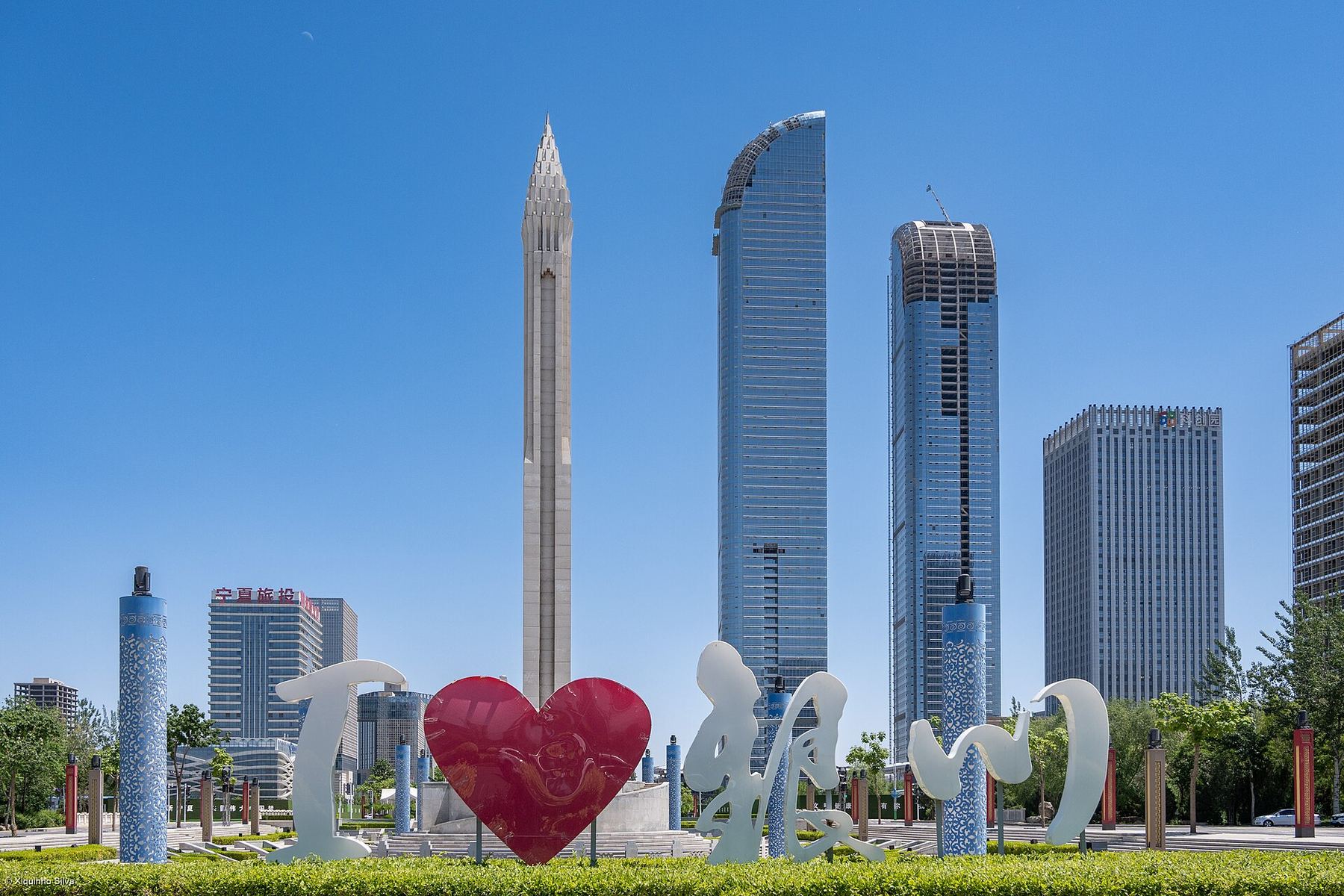
Xingqing District — Narrower streets, historic pagodas, and night markets packed with lamb stalls.
BabelStone · CC BY-SA 3.0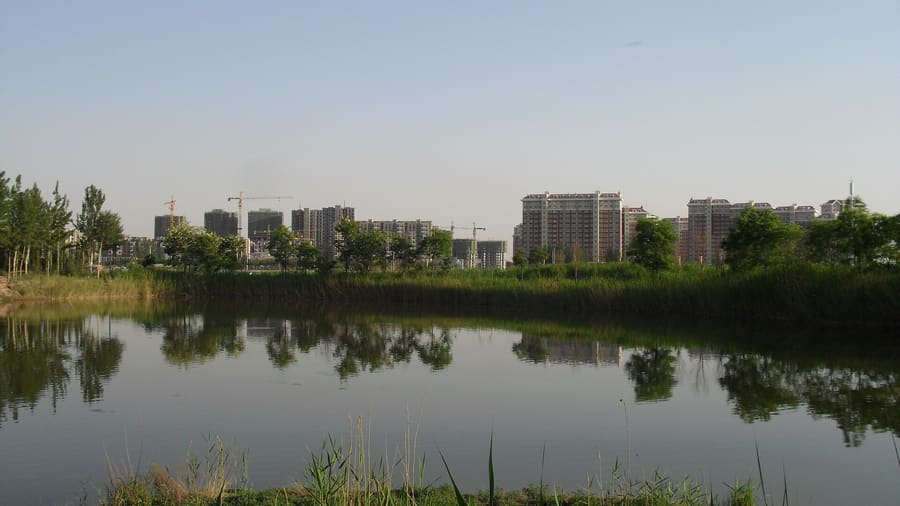
Jinfeng District — Wide avenues, civic museums, high-rise hotels, and artificial lakes.
Giant Shit · CC BY-SA 3.0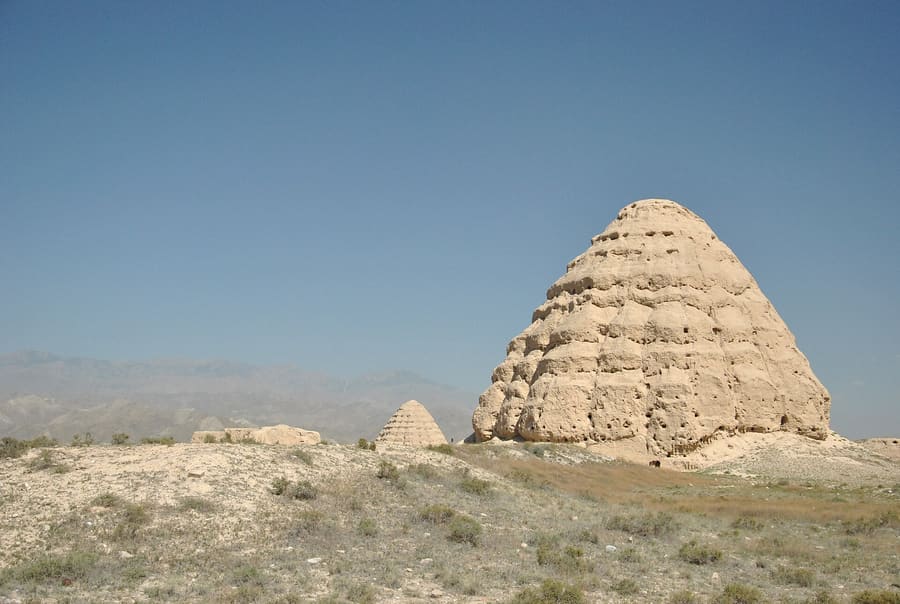
Xixia District — Home to the main train station, university campuses, and western suburban roads.
Jayavarman · CC BY-SA 3.0highlights
landmark
Nine royal mausoleums stand against the Helan Mountains. Arrive at opening at 08:00 to avoid mid-day desert heat.
Parleyに聞く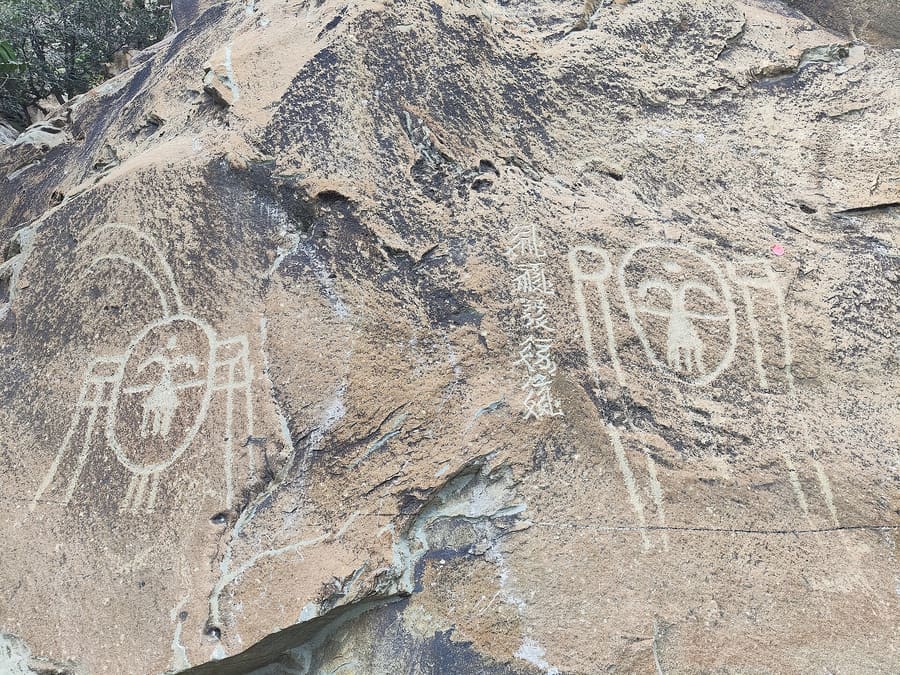
landmark
Thousands of prehistoric rock carvings line this mountain pass. Wear sturdy shoes for the stone walking path.
Parleyに聞く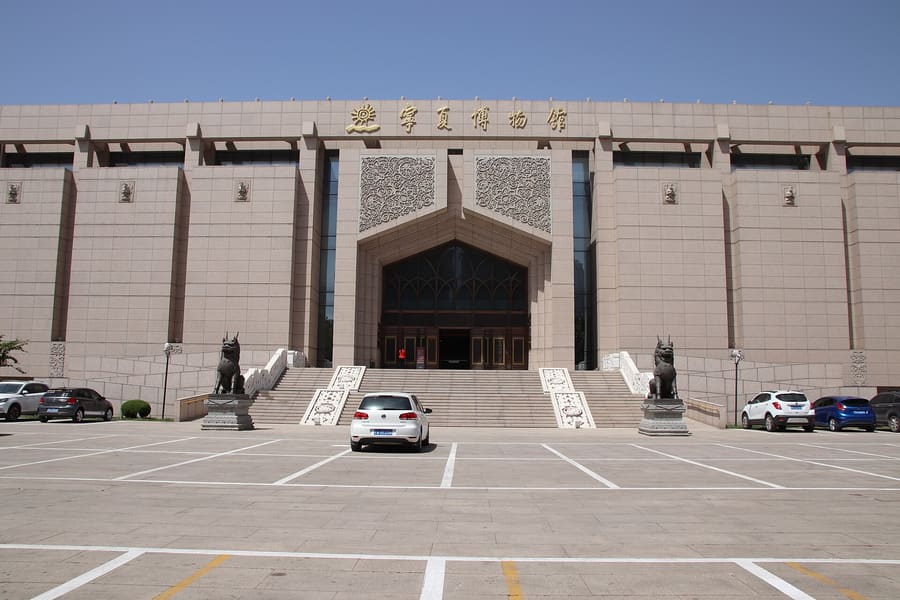
landmark
Free entry reveals Tangut artifacts and bronze relics. Bring your passport for identity verification at the entrance.
Parleyに聞く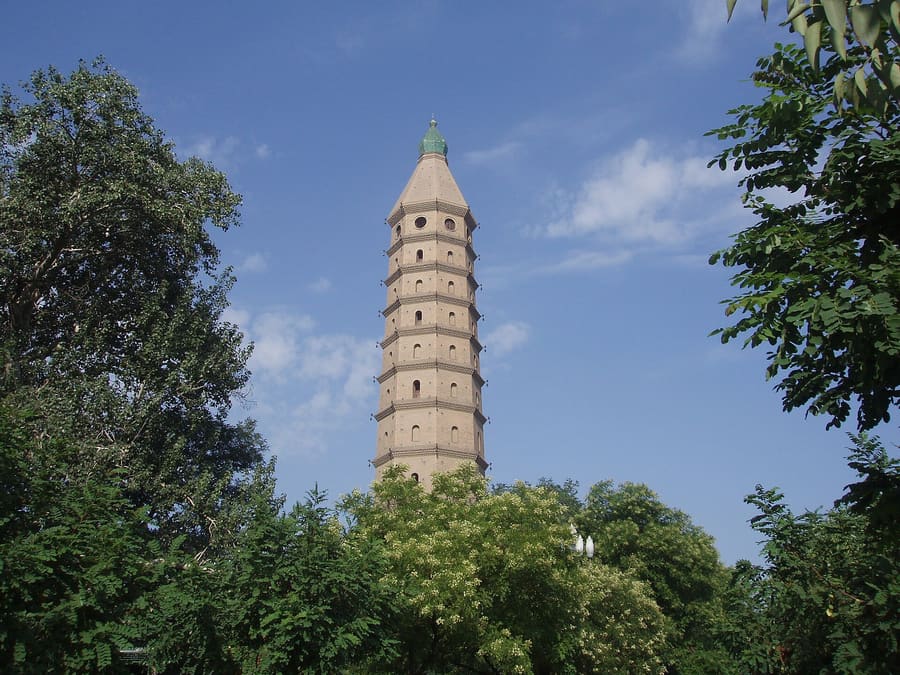
landmark
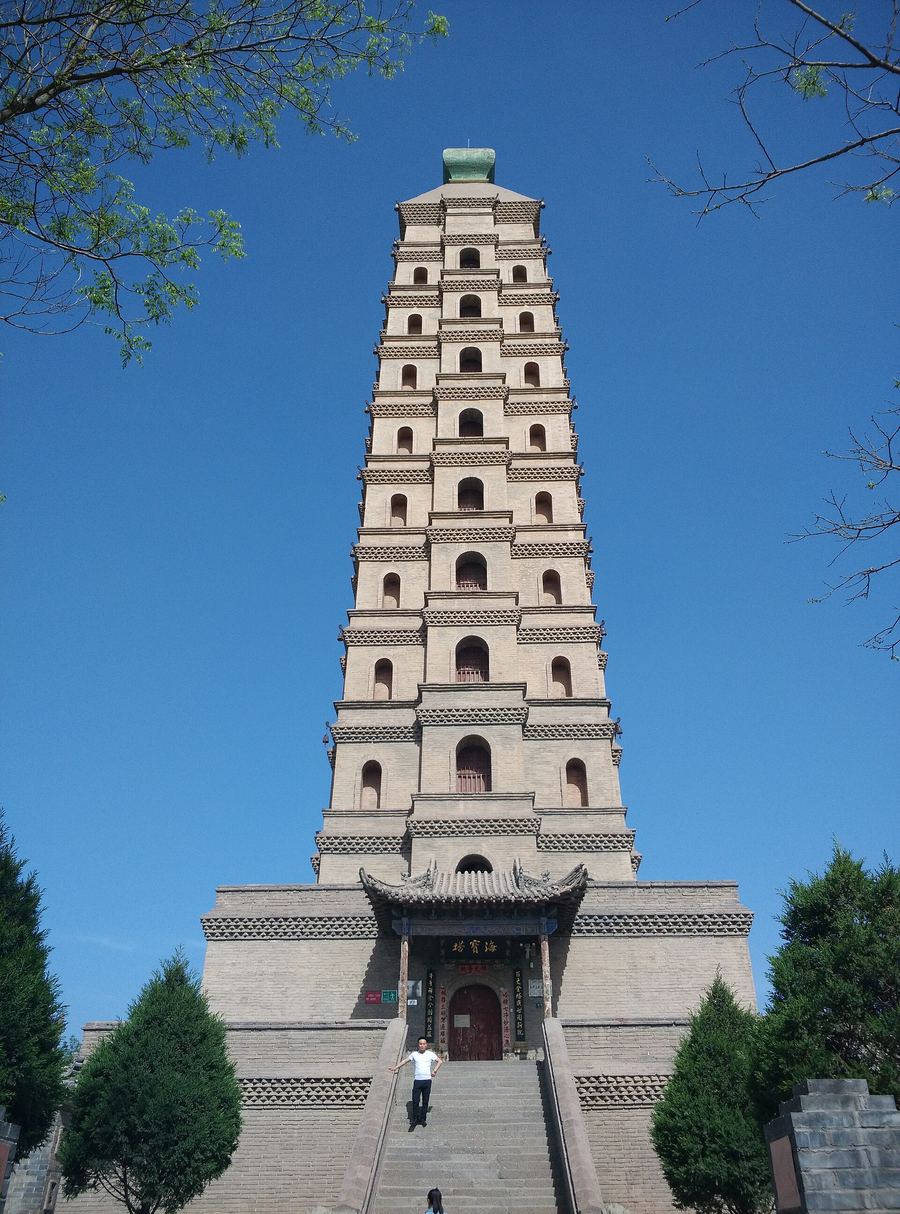
A 64-metre brick pagoda built in 1050 by a Western Xia empress. Climb to the top floor for an old town overview.
Parleyに聞く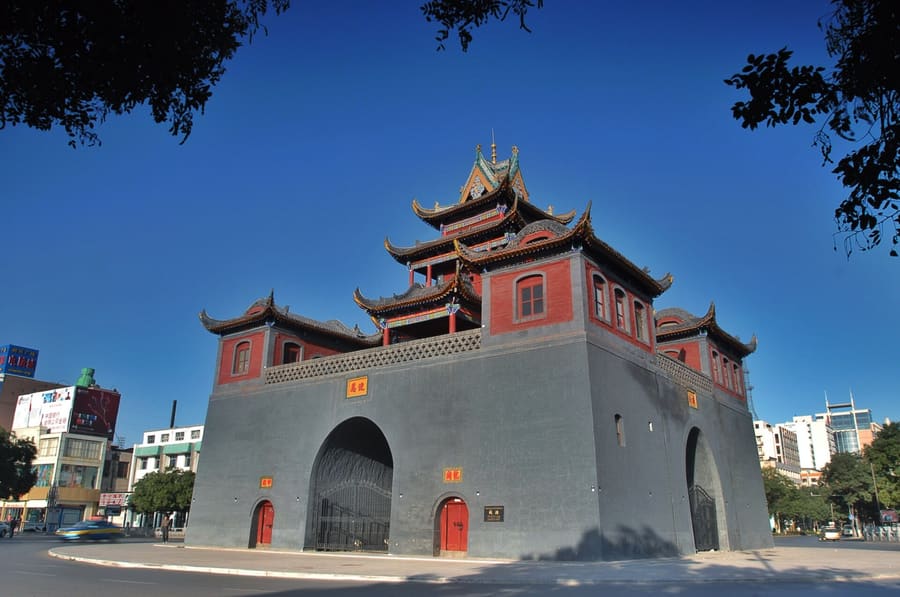
landmark
A Qing dynasty brick tower sitting at a central intersection. Visit after sunset when the exterior illuminations turn on.
Parleyに聞くattractions
areas
Narrower streets, historic pagodas, and night markets packed with lamb stalls.
近くChengtian Pagoda, Yinchuan Drum Tower
Parleyに聞くWide avenues, civic museums, high-rise hotels, and artificial lakes.
近くNingxia Museum, Yuehai Park
Parleyに聞くHome to the main train station, university campuses, and western suburban roads.
近くYinchuan Railway Station, Western Xia Tombs
Parleyに聞くVineyard estates sitting between the desert plain and the rugged ridge line.
近くZhenbeibu Film Studio, Rock Art site
Parleyに聞くfood
Ningxia cuisine centers on local Tan sheep raised in dry alkaline pastures. The meat lacks gamey flavor and forms the foundation of most meals in Yinchuan.You eat lamb boiled simply with salt, braised with chili, or served in soup with fresh radish. Meals often start with a bowl of sweet eight-treasure tea brewed in a covered lidded teacup.
Order Shouzhua Yangrou by weight at specialized halal restaurants like Guowazi or Deyining. Dip boiled cuts into dry chili powder and bite raw garlic cloves between morsels.
Locals call this Babao Cha. It combines green tea leaves with dried Ningxia goji berries, dates, longan, sesame, and rock sugar.
Try Yangza Mian for breakfast. This spicy noodle soup features sliced lamb offal, chili oil, and fresh cilantro.
history
Yinchuan grew as an oasis fed by Yellow River irrigation canals engineered over two thousand years ago. Its most defining historical era arrived when the Tangut people established their sovereign empire here.Mongol armies later erased much of the Tangut physical heritage. Qing dynasty expansion and modern irrigation projects reshaped the city into modern Ningxia's administrative core.
Tangut Empire
Li Yuanhao proclaims the Western Xia Kingdom and designates Yinchuan as his imperial capital Xingqing.
Mongol Conquest
Genghis Khan besieges Yinchuan. Mongol forces destroy the Western Xia capital shortly before Genghis Khan dies.
Great Earthquake
A magnitude 8.0 earthquake strikes Yinchuan, destroying historic structures and prompting Qing reconstruction.
Regional Capital
The Ningxia Hui Autonomous Region is officially established with Yinchuan as its administrative center.
where to stay
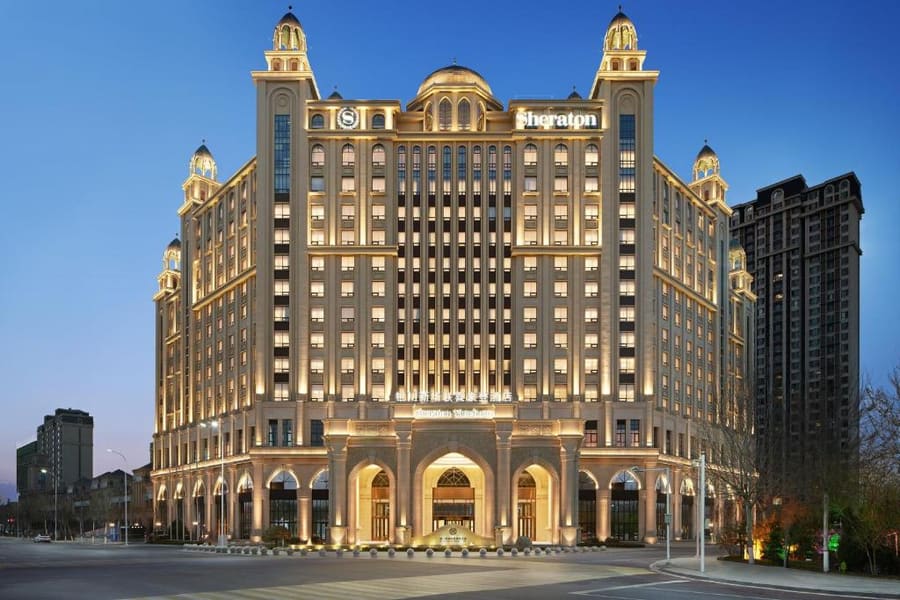
Choose your base depending on whether you prefer evening street food or modern international hotel standards. Xingqing offers walkable access to traditional dining. Jinfeng provides quiet international chain hotels along wide parkways.
transport
Yinchuan lacks a metro system. You rely on taxis, ride-hailing apps, and public buses to navigate the urban centers, while hired private drivers work best for outer desert sights.
Yinchuan Hedong International Airport (INC)から
Use the official taxi queue outside Arrivals. Ensure the driver turns on the meter.
Buses run every 30 minutes to Yinchuan Railway Station and Old Town terminal.
Set pick-up location at Parking Lot P2 using standard ride-hailing apps.
City bus rides cost 1 CNY. You pay using mobile QR payment codes or exact cash coins.
Hiring a taxi driver for a full day trip to Helan sights costs 300 to 400 CNY.
Yinchuan Railway Station links directly to Xi'an and Lanzhou via high-speed bullet trains.
Avoid driving across the Beijing Road bridges connecting Xingqing and Jinfeng between 17:30 and 19:00.
cost
Yinchuan remains affordable compared to eastern Chinese megacities. Sightseeing entrance fees and private car rentals form the main expenses for visitors.
Includes entrance to the site museum and the internal electric shuttle bus ride.
Flat rate fare across all urban transit routes in Xingqing and Jinfeng districts.
Covers entrance to the rock art museum and access to the mountain gorge trail.
seasonality
MAR – MAY
Spring brings dry air and occasional sandstorms from the desert. Pack dust masks and windproof jackets.
JUN – AUG
Warm summer temperatures hit 32°C. Long sunlight hours make this prime season for exploring mountain sights.
SEP – OCT
Autumn offers clear skies, grape harvest season at wineries, and comfortable daytime temperatures.
NOV – FEB
Freezing sub-zero winter temperatures arrive. Outer desert attractions run reduced hours or close facilities.
practicalities
The high altitude and desert environment produce intense sun exposure. Carry sunscreen and sunglasses daily.
Local vendors use mobile payment apps almost exclusively. Set up payment methods prior to arrival.
Many local eateries are Muslim-run halal establishments. Do not bring outside alcohol or pork products inside.
The Ningxia Museum closes on Mondays. Plan your urban museum visits for Tuesday through Sunday.
Humidity drops significantly. Carry water bottles and lip balm when visiting outer mountain attractions.