landmark
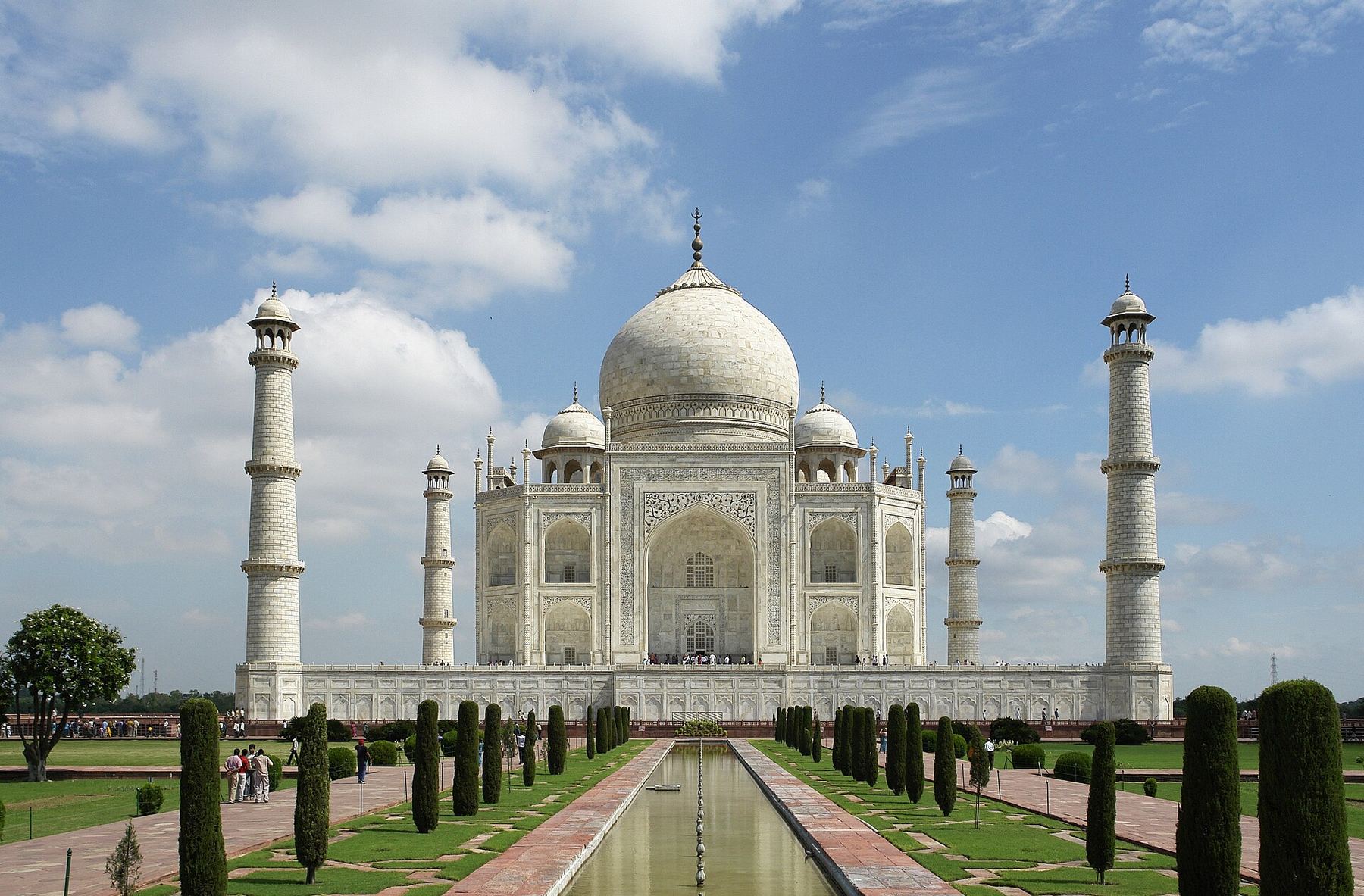
Taj Mahal
The 17th-century white marble mausoleum. Arrive at the East Gate before sunrise to beat the main security queues.
Vraag ParleyIndia
Mughal monuments, marble craft, and intense street life.
introduction
Agra is defined by three UNESCO sites and persistent street hustle. Most visitors arrive via high-speed train from Delhi, see the main monuments, and leave within twenty-four hours. Slowing down reveals quiet Persian gardens along the Yamuna River and traditional market lanes behind Agra Fort.
Avoid station rickshaw scams
Pre-pay auto-rickshaws at official Agra Cantt station booths to lock in standard rates before exiting the concourse.
Taj Mahal Friday closure
The Taj Mahal closes every Friday for prayers. Plan your itinerary around this weekly closure.
ASI ticket discounts
An Archaeological Survey of India ticket bought at the Taj Mahal grants a small entry discount at Agra Fort on the same day.
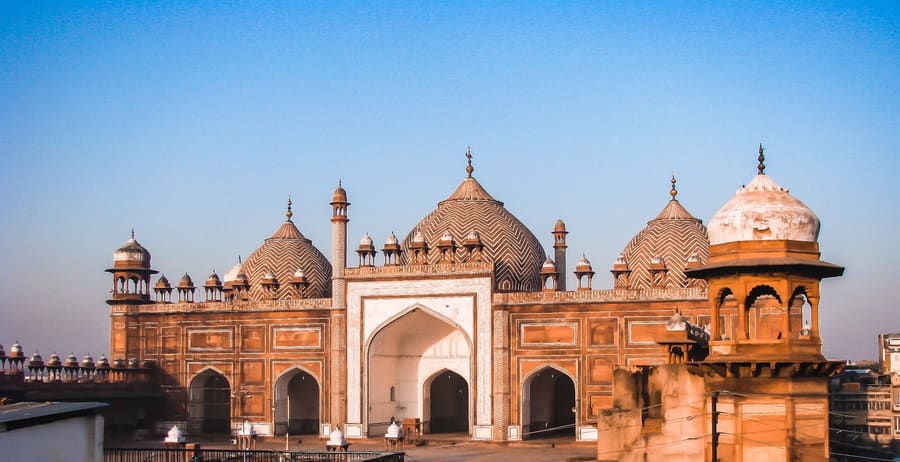
Agra
Anupam Mukherjee · CC BY-SA 4.0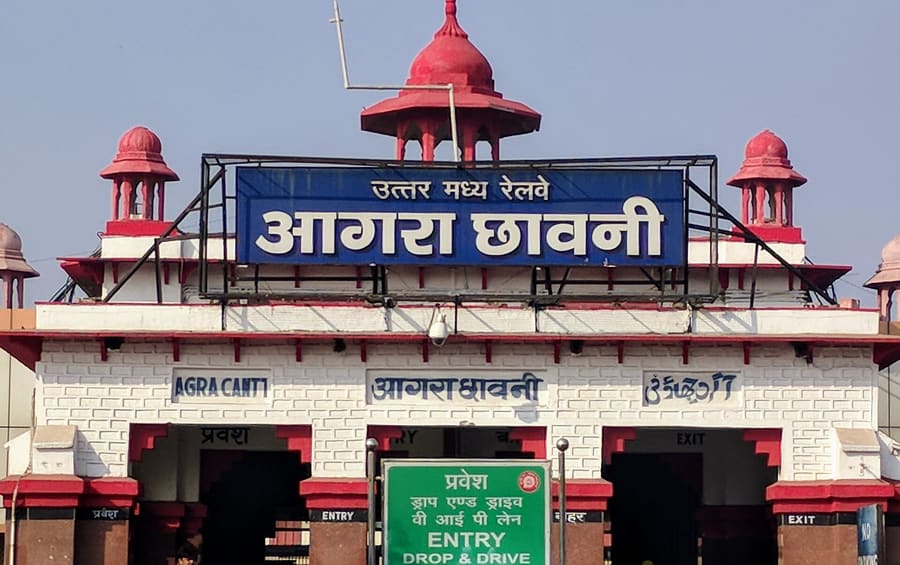
Cantonment — Quiet, green residential military area with wider roads and historic bungalows.
Ramesh lalwani · CC BY-SA 4.0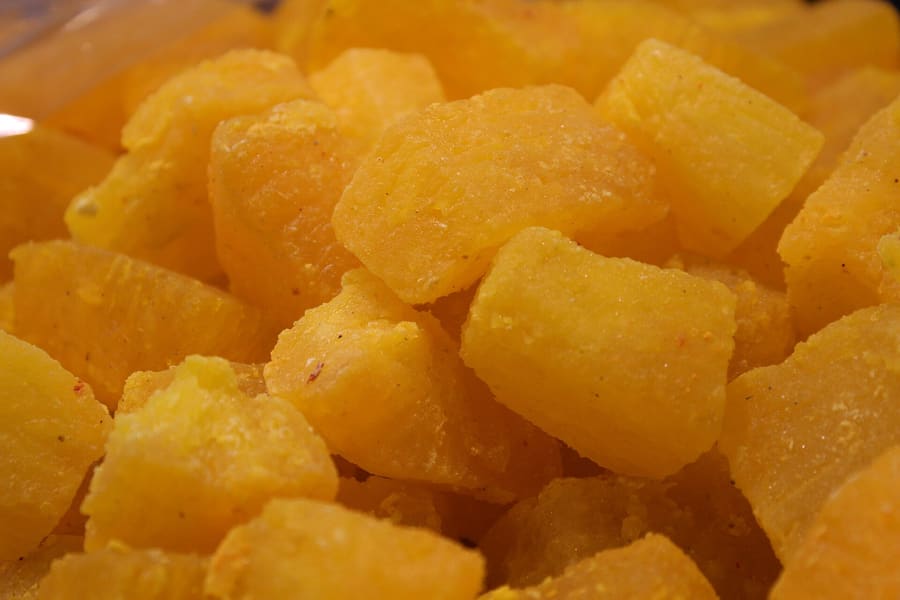
Petha, Agra's native ash-gourd sweet, displayed in traditional metal trays.
PJ.wikilovesfood · CC BY-SA 4.0highlights
landmark
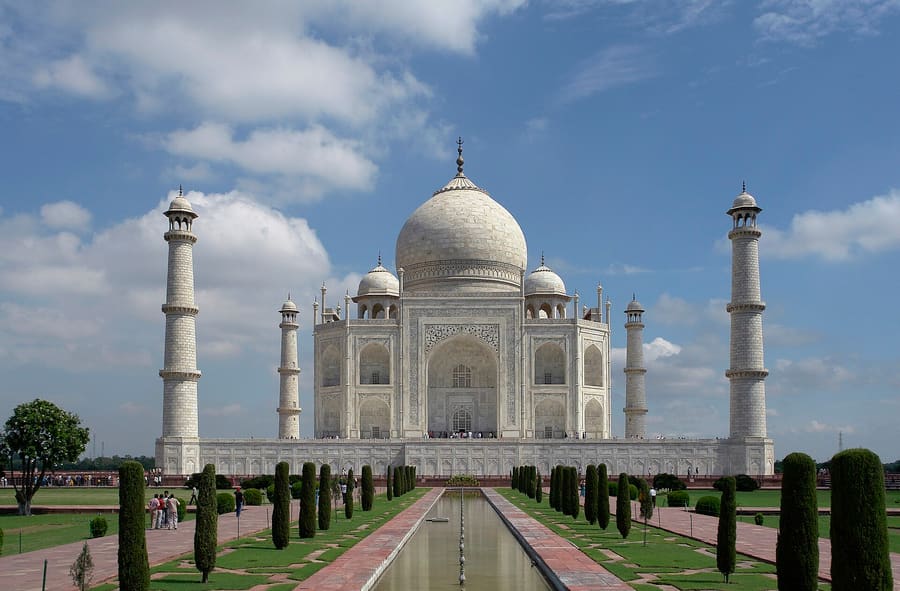
The 17th-century white marble mausoleum. Arrive at the East Gate before sunrise to beat the main security queues.
Vraag Parley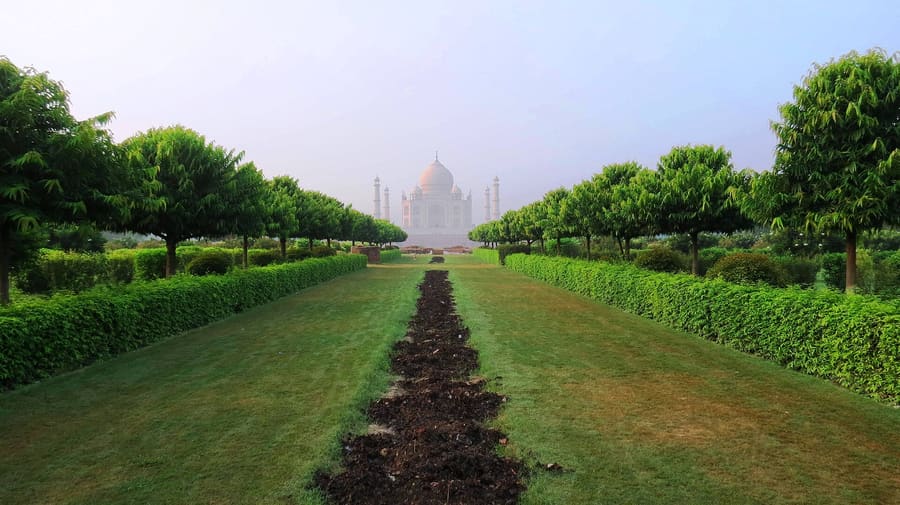
landmark
Moonlight garden directly across the Yamuna River. It offers clear rear views of the Taj Mahal at sunset.
Vraag Parley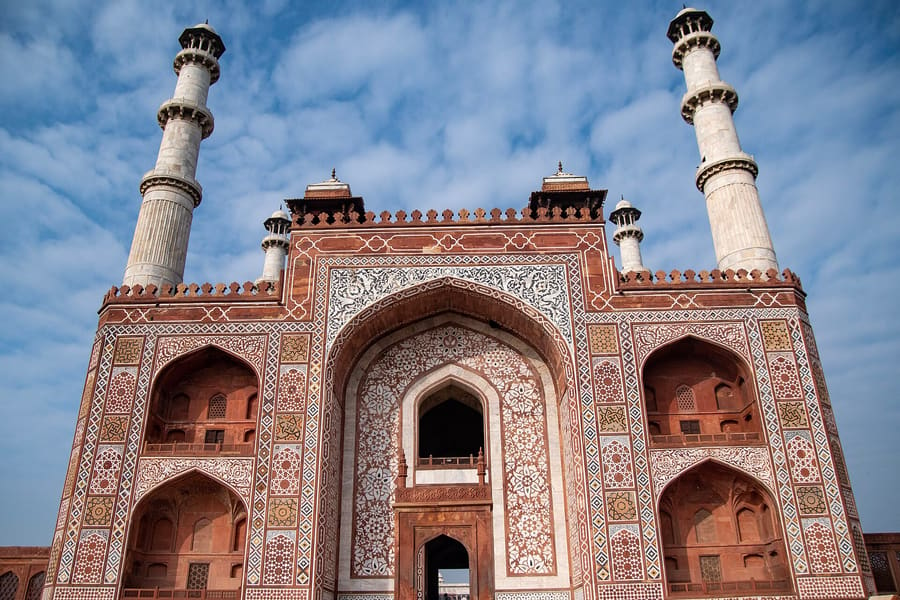
landmark
Akbar's tomb set inside a tranquil deer park. Located 10 km northwest of the city center.
Vraag Parleyattractions
areas
Quiet, green residential military area with wider roads and historic bungalows.
DichtbijAgra Cantt Station
Vraag ParleyHigh-density budget area right outside the Taj Mahal south gate.
DichtbijTaj Mahal South Gate
Vraag ParleyCommercial strip packed with mid-range hotels, chain restaurants, and shops.
DichtbijEast Gate access roads
Vraag ParleyOrderly commercial grid known for retail shops, leather goods, and street food.
DichtbijAgra Cantt station
Vraag Parleyfood
Agra's culinary identity splits between morning street snacks and evening Mughlai meats. Breakfast centers on bedai, a deep-fried bread stuffed with spiced lentils, served alongside spicy potato curry and sweet jalebi.By afternoon, sweet shops push petha, a translucent candy made from ash gourd cooked in sugar syrup. Nightfall brings charcoal-grilled kebabs and heavy Mughlai gravies to Sadar Bazaar.
Petha, Agra's native ash-gourd sweet, displayed in traditional metal trays.
PJ.wikilovesfood · CC BY-SA 4.0Eat bedai and potato curry at Deviram Sweets on Mahatma Gandhi Road before 10:00 AM.
Buy petha from Panchhi Petha locations near Sadar Bazaar; avoid generic roadside imitators.
Head to Mama Chicken Franky in Sadar Bazaar for tandoori chicken and seekh kebabs after sunset.
history
Agra rose to prominence in 1526 when Sultan Babur established the Mughal Empire's capital along the Yamuna River. Under Emperor Akbar, the city transformed into an imperial hub constructed of red sandstone.Shah Jahan enriched Agra with marble architecture, culminating in the Taj Mahal. When the empire moved its capital to Delhi in 1648, Agra transitioned into a regional market center before British control in 1803.
Mughal Empire founded
Babur defeats Ibrahim Lodi at Panipat and establishes Agra as his imperial base.
Agra Fort built
Emperor Akbar orders the construction of the red sandstone fort walls.
Taj Mahal construction begins
Shah Jahan commissions the mausoleum following the death of Mumtaz Mahal.
British rule begins
The British East India Company takes control of Agra following the Maratha Wars.
where to stay
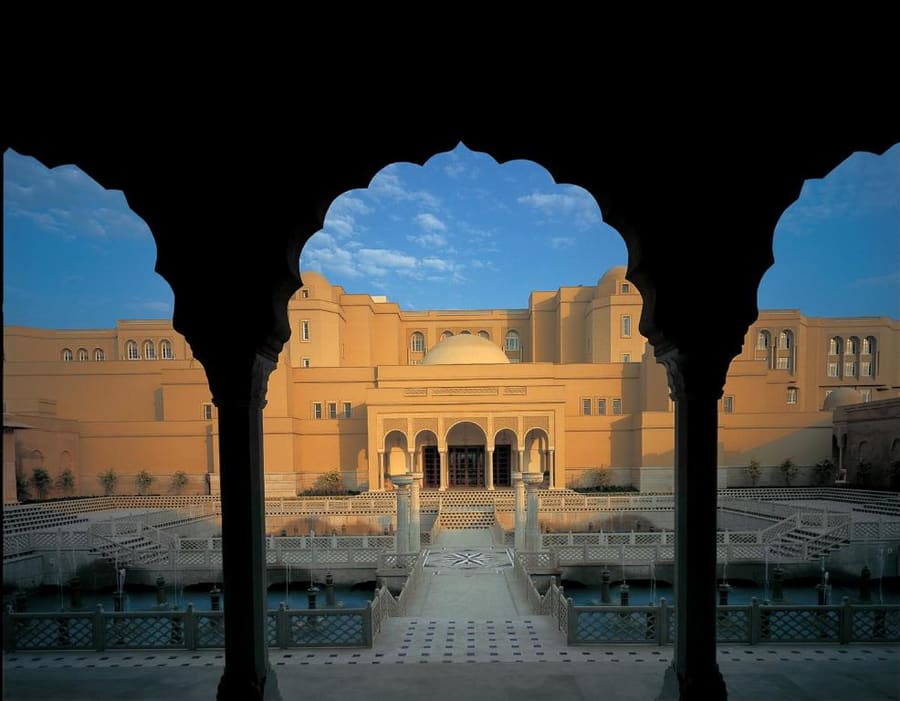
Choose your base by prioritizing distance to the Taj Mahal or isolation from street noise. Taj Ganj lets you walk to the gates, but the surrounding lanes are narrow and congested.Fatehabad Road provides modern international hotels with parking and pool facilities. Cantonment offers quiet, leafy surroundings near the main train station.
Live rates, matched to the areas above.
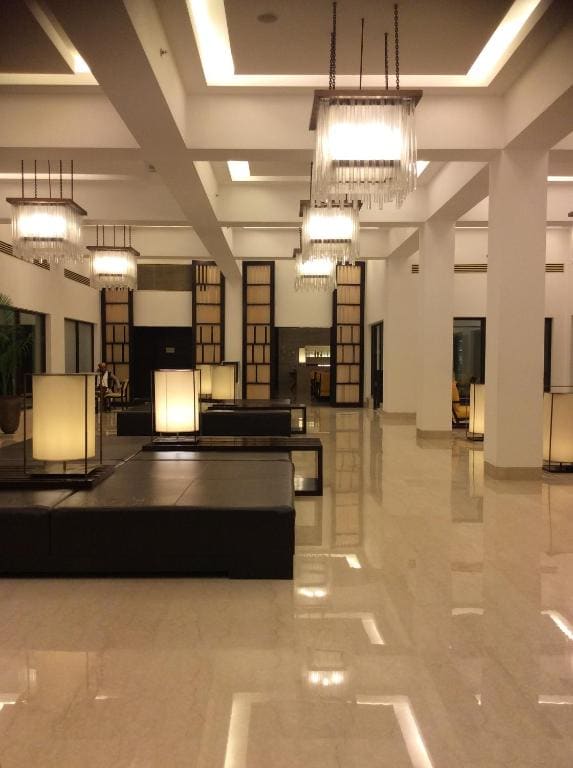
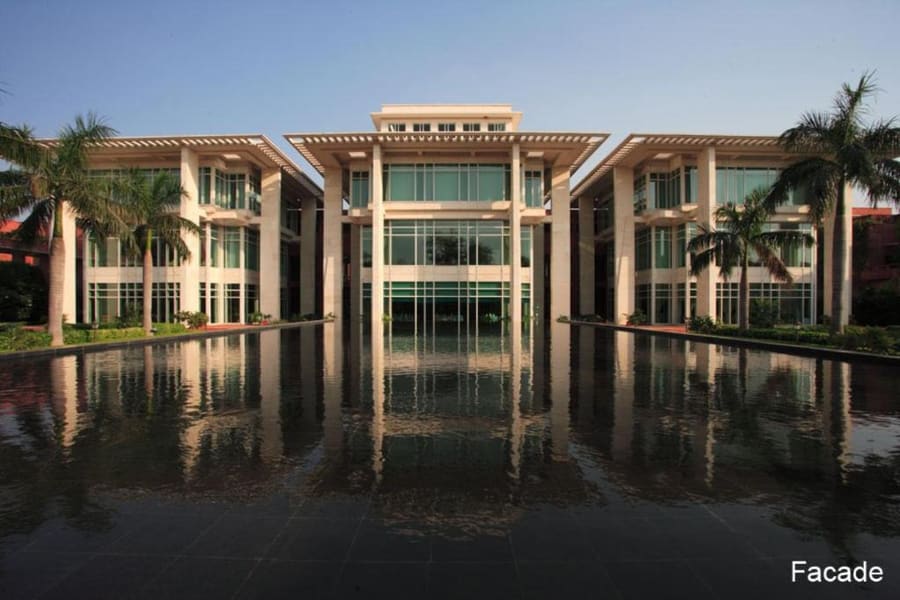
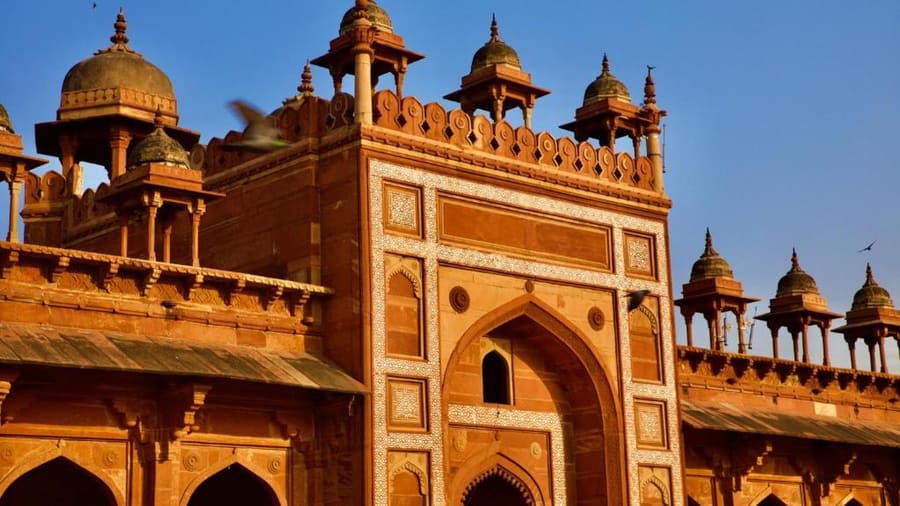
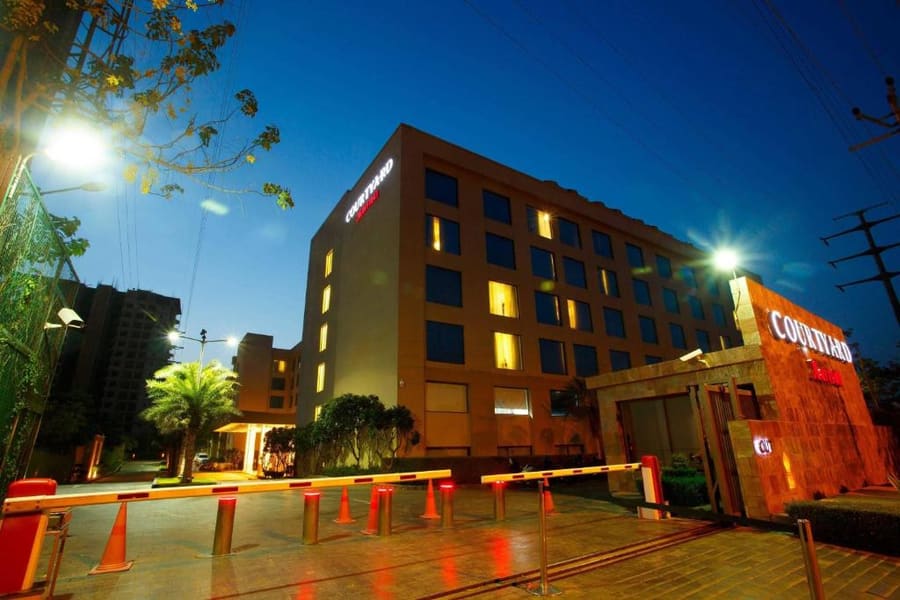
transport
Agra relies primarily on auto-rickshaws, taxis, and app-based rideshares. Petrol and diesel vehicles are banned within a 500-metre radius of the Taj Mahal to prevent pollution damage to the marble, so electric rickshaws handle final-mile transit at the gates.
Vanaf Agra Cantt Railway Station (AGC)
Gatimaan Express from Delhi Hazrat Nizamuddin station. Faster than driving.
Prepaid desk inside Agra Cantt concourse avoids station exit haggling.
Uber and Ola pickup directly at the station parking lot.
Agree on total price before loading luggage into the vehicle.
Uber and Ola operate reliably between Agra Cantt station, Fatehabad Road, and major hotels.
The open section links Taj East Gate to Mankameshwar Temple near Agra Fort station.
Non-electric auto-rickshaws stop short of Taj Mahal gates. Use golf carts or walk the last stretch.
Hire an auto-rickshaw for a full 8-hour city sight-seeing loop for ₹800 to ₹1200.
cost
Monuments carry separate pricing tiers for foreign and domestic visitors. Carry physical cash in Indian Rupees for small market vendors and street food stalls, as card machines frequently lose connection in crowded markets.
Base ticket costs ₹1100. Adding main mausoleum access costs an extra ₹200.
Discounted to ₹550 if you show a same-day Taj Mahal ticket.
Includes two stuffed bedais, curry, and sweet jalebi at local confectioners.
Covers transit between Taj Mahal, Agra Fort, and Baby Taj over 8 hours.
seasonality
OCT – NOV
Clear skies and moderate temperature. Peak season starts; book high-speed trains early.
DEC – JAN
Cold mornings with thick winter fog. Morning Taj Mahal views are often obscured until noon.
FEB – MAR
Warm days and manageable crowds. Excellent weather window for daytime monument walking.
APR – JUN
Extreme heat exceeding 40°C. Sightseeing is only comfortable before 09:00 AM.
JUL – SEP
Monsoon rains bring high humidity. Monuments are less crowded between rain showers.
practicalities
Arrive at the Taj Mahal security gate 45 minutes before posted sunrise time.
Large backpacks, tripods, food, and mobile power banks are banned inside the Taj Mahal.
Decline unsolicited tour offers. Unofficial guides push marble shops to earn sales commissions.
Foreign ticket purchases include shoe covers needed for walking on marble platforms.
Drink sealed bottled water. Avoid ice cubes in street stalls outside main markets.