landmark
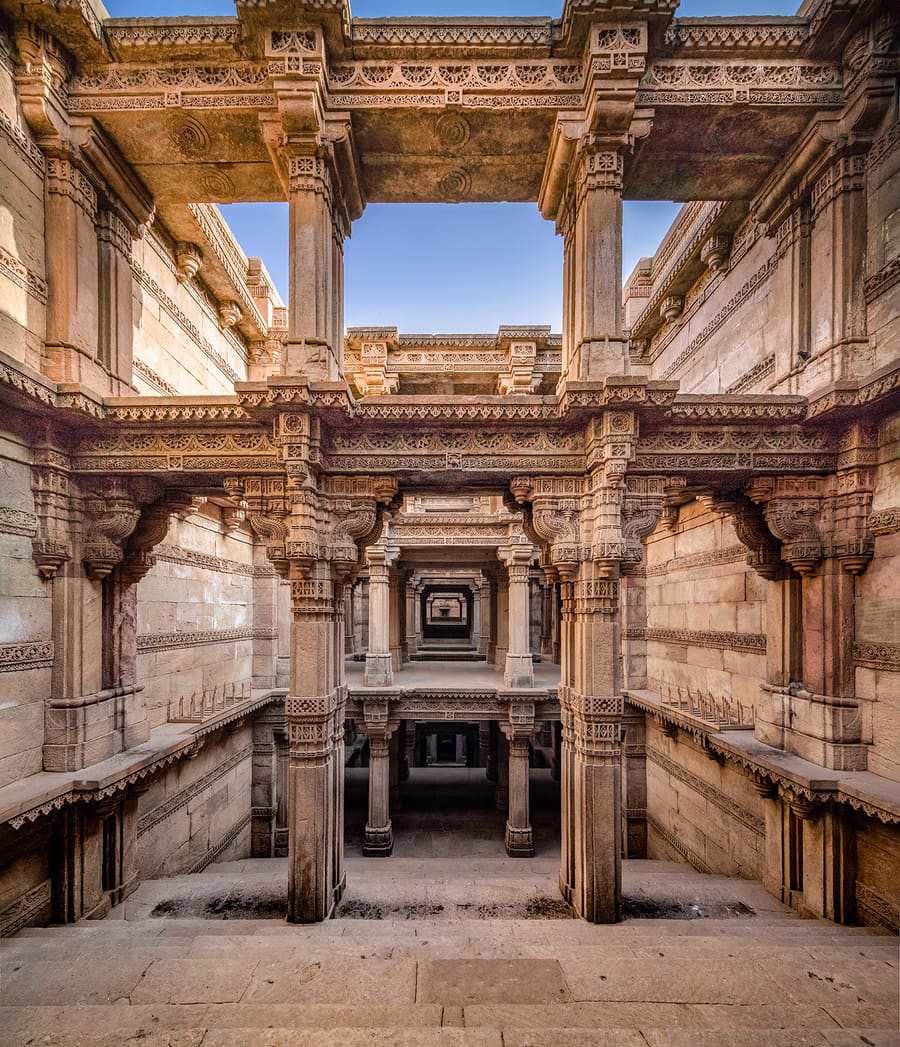
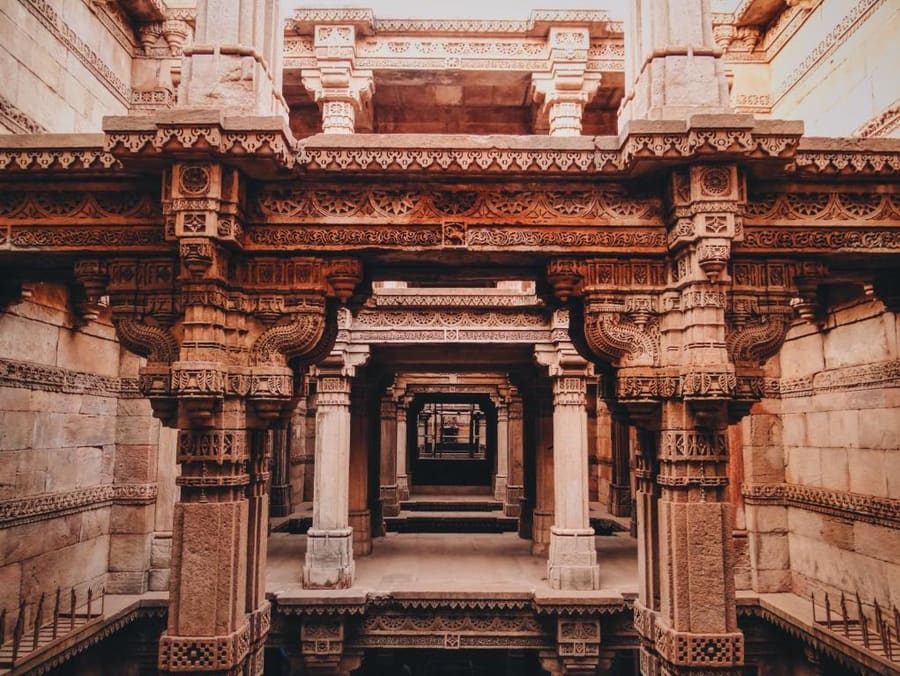
Adalaj Stepwell
A five-storey underground water temple carved from sandstone in 1498. Visit before 10:00 to beat tour buses.
Vraag ParleyIndia
Stepwells, textile dynasties, and Gujarat's commercial engine.
introduction
Ahmedabad splits cleanly along the Sabarmati River. On the east bank sits the 15th-century walled city, built of tight wooden housing clusters called pols. On the west bank lie wide avenues, modernist concrete landmarks, and high-end dining. You move between them by rickshaw or the dedicated bus rapid transit network.
Airport transport trick
Ignore chaotic terminal touts at SVPIA airport. Pre-booked app cabs use designated pickup zones across from T1 and T2, cutting fares by half.
UNESCO Heritage City
Ahmedabad became India's first UNESCO World Heritage City in 2017, recognized for its medieval urban planning and carved wooden pols.
Ahmedabad
Mahargh Shah · CC BY-SA 3.0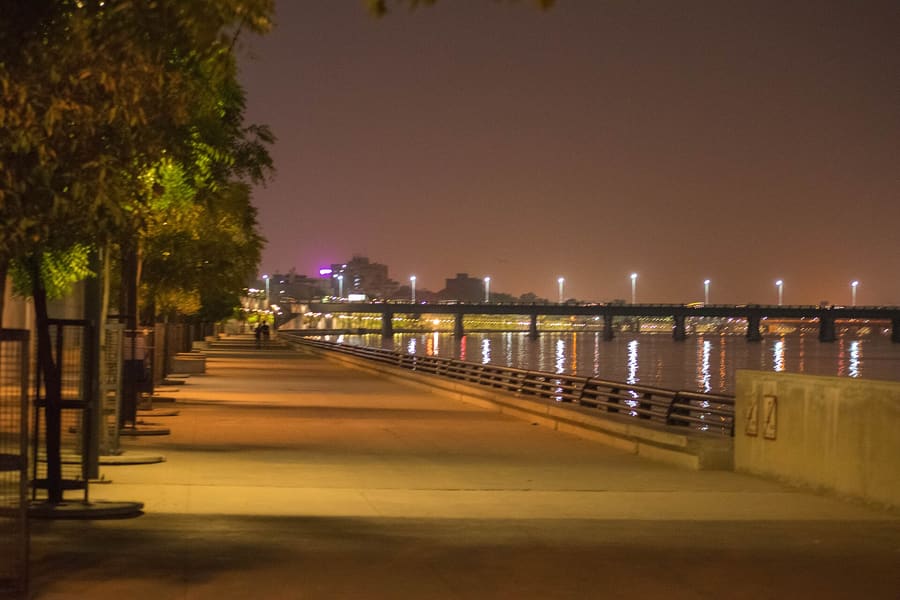
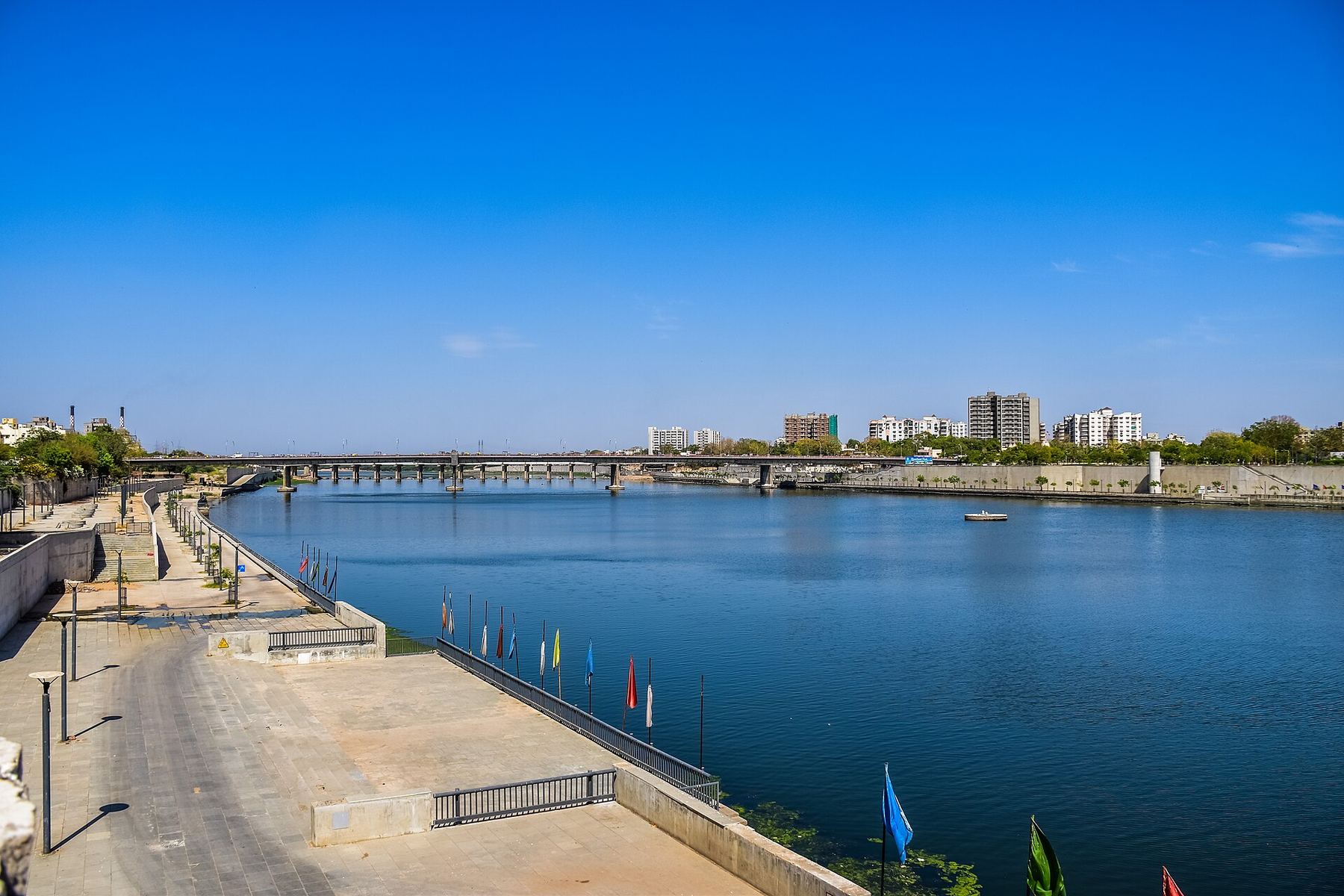
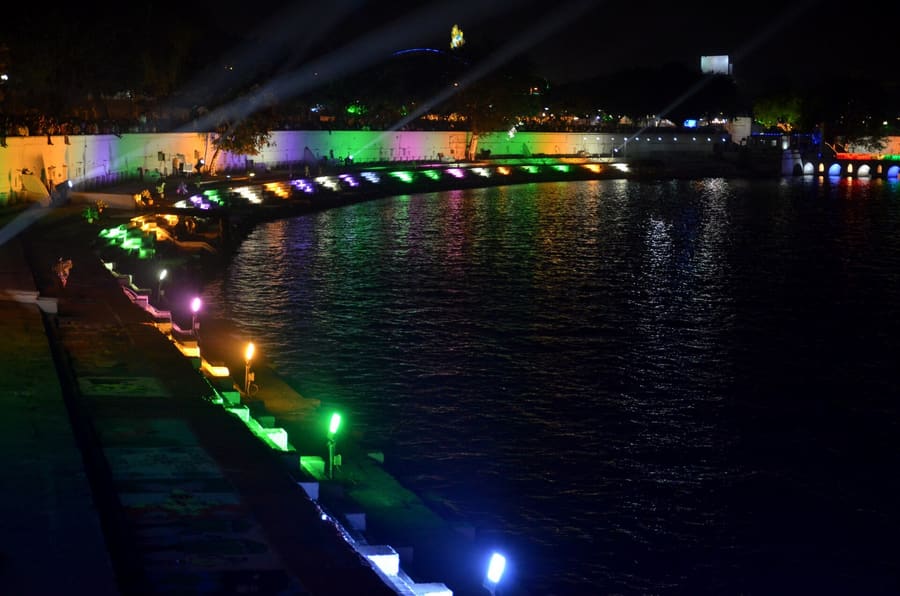
Sabarmati Riverfront — Reclaimed waterfront promenade popular for evening walks, parks, and unobstructed river views.
Madhur Saini · CC BY-SA 4.0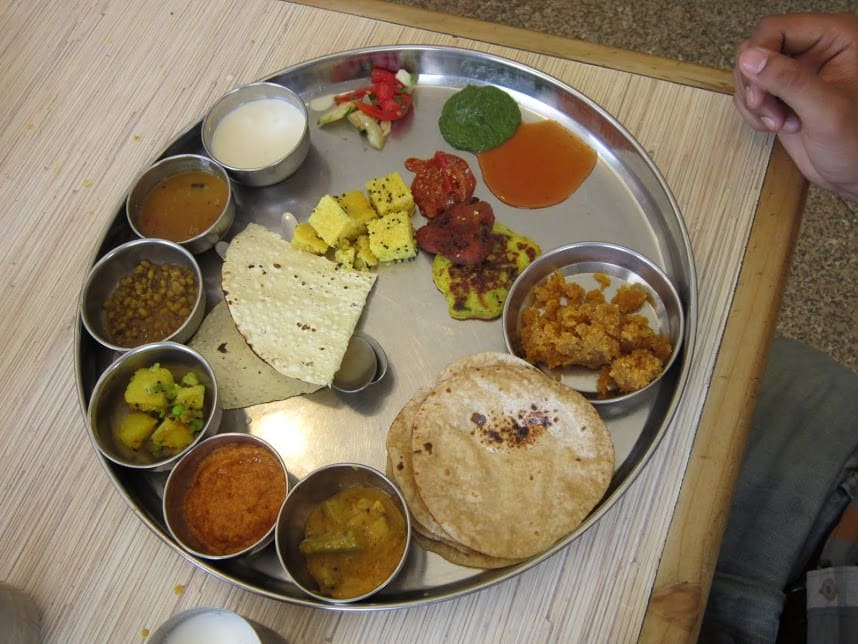
A traditional unlimited Gujarati thali served on brassware.
Kamlevikram · CC BY-SA 4.0highlights
landmark
A five-storey underground water temple carved from sandstone in 1498. Visit before 10:00 to beat tour buses.
Vraag Parley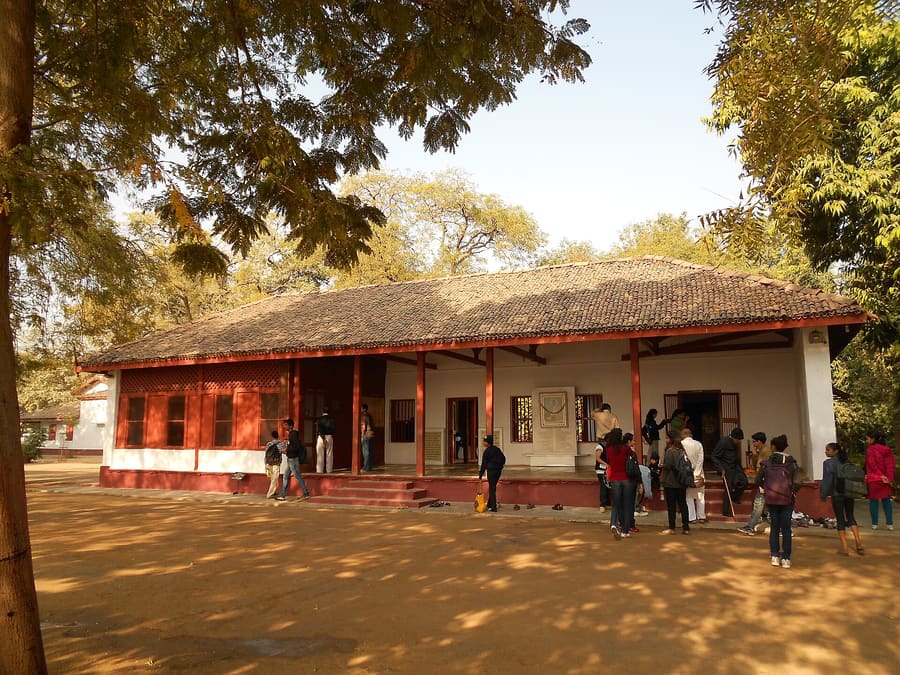
landmark
Mahatma Gandhi's headquarters from 1917 to 1930. The riverfront grounds remain calm, sparse, and free to enter.
Vraag Parley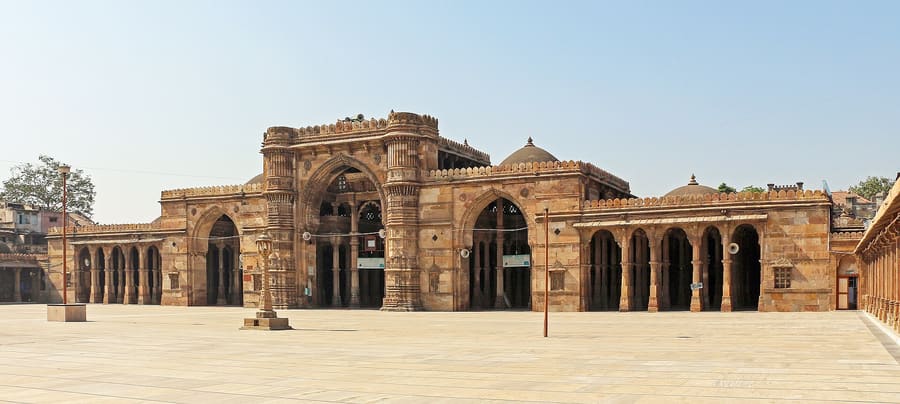
landmark
Built in 1424 using reclaimed Hindu and Jain temple pillars. Dress conservatively and remove shoes before entering.
Vraag Parley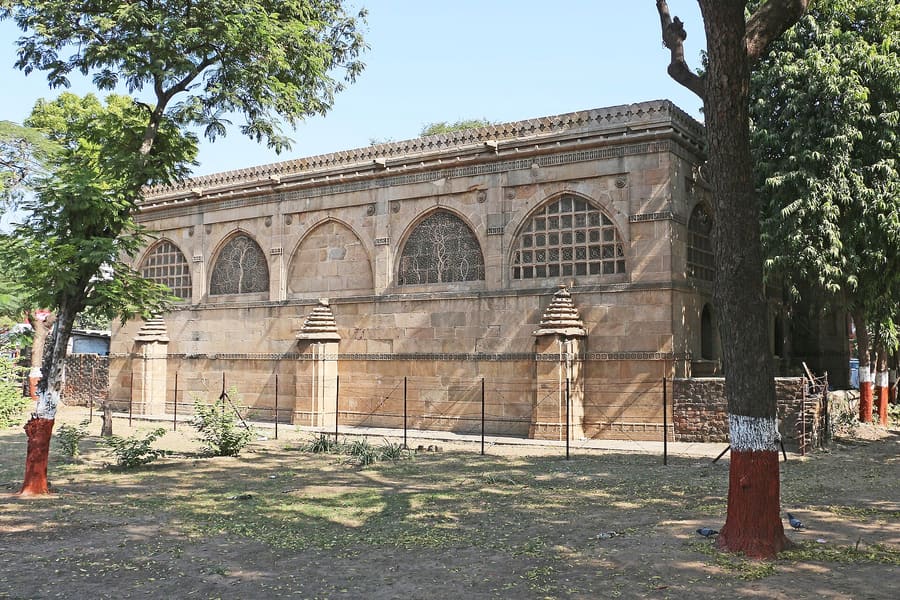
landmark
Famous for the 1573 stone lattice window depicting the Tree of Life. Located on a busy traffic circle in the old city.
Vraag Parley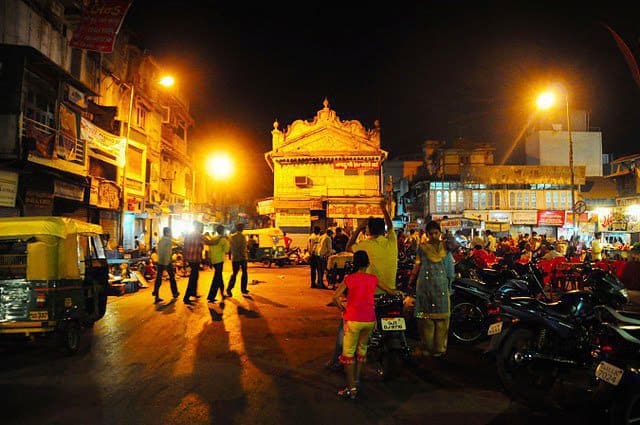
landmark
Jewelry market by day, street food hub after 20:30. Famous for butter-laden toasted sandwiches and pineapple ice cream.
Vraag Parleyattractions
areas
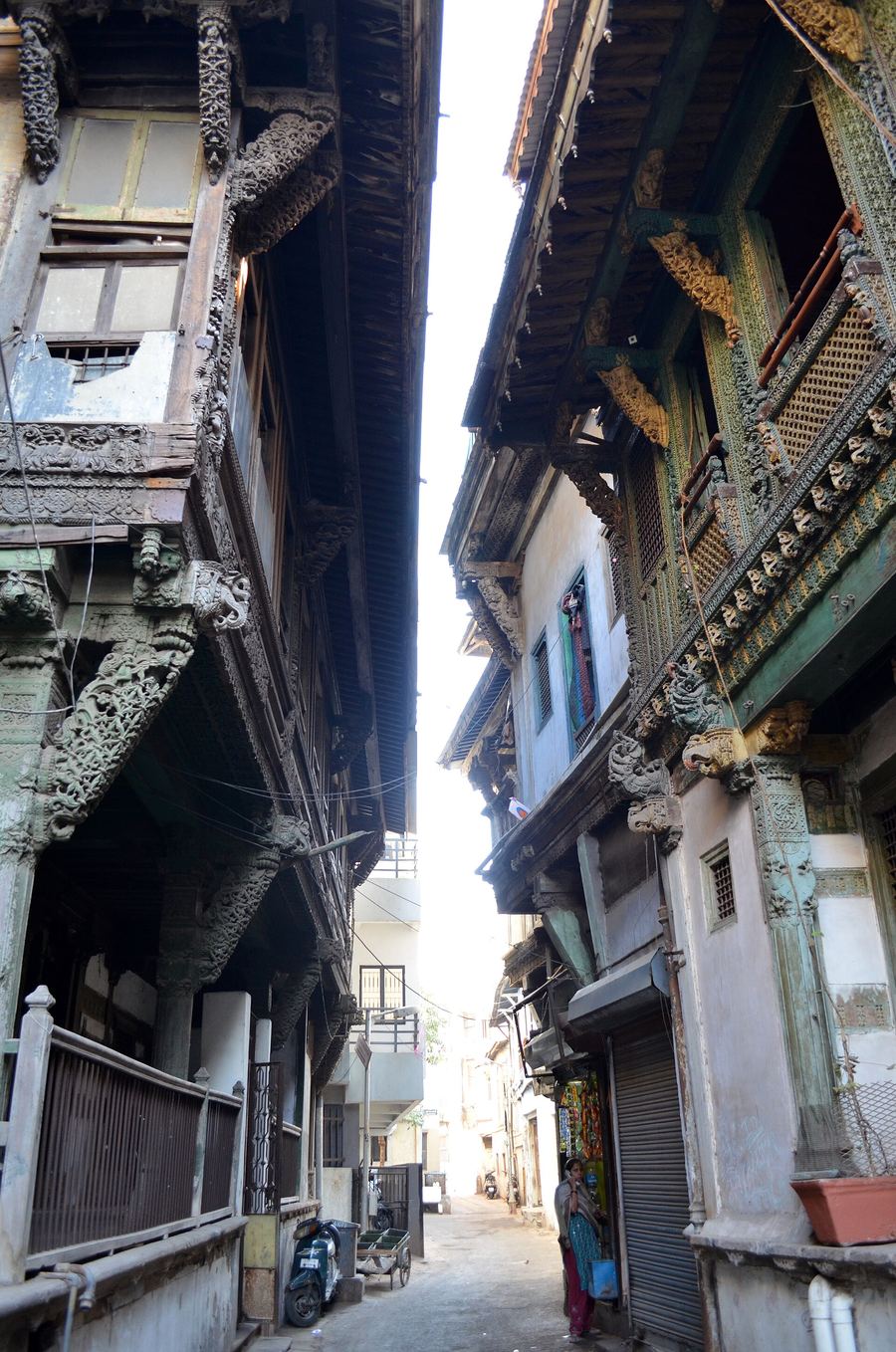
Dense residential micro-neighborhoods (pols) with carved wooden doors, secret passages, and street food.
DichtbijJama Masjid, Manek Chowk, Sidi Saiyyed Mosque
Vraag ParleyReclaimed waterfront promenade popular for evening walks, parks, and unobstructed river views.
DichtbijSabarmati Ashram, Atal Pedestrian Bridge, Ellis Bridge
Vraag ParleyAcademic and commercial core home to university campuses, modernist architecture, and local textile boutiques.
DichtbijLDB Museum, Law Garden Night Market, Ahmedabad Haat
Vraag ParleySprawling western suburb lined with upscale business hotels, modern shopping malls, and corporate towers.
DichtbijSarkhej Roza, ISKCON Temple, Science City
Vraag Parleyfood
Ahmedabad is a vegetarian powerhouse. Gujarati cuisine leans sweet, savory, and lightly spiced. Meals revolve around thalis that feature unlimited refills of kadhi, dal, rotlis, and seasonal vegetable preparations.Street stalls dominate late-night dining. In the Old City, commercial spaces transform into outdoor eateries after dark, serving everything from melted cheese sandwiches to thick spiced farsan.
A traditional unlimited Gujarati thali served on brassware.
Kamlevikram · CC BY-SA 4.0Agashiye offers rooftop heritage dining, while Gordhan Thal serves high-speed unlimited lunch thalis to office workers.
The street functions as a gold market by day. Food carts open only after jewelry shops shut their iron doors.
Das Khaman has served steamed, mustard-seeded gram flour cakes across the city since 1922.
history
Founded in 1411 by Sultan Ahmed Shah, the city grew as an administrative and trading stronghold along Gujarat's commercial routes. Its medieval wealth left behind distinct Indo-Islamic architecture that combined Islamic arcades with Hindu and Jain carved stone decorative traditions.In the 19th and 20th centuries, steam-powered cotton mills transformed Ahmedabad into the Manchester of the East. Wealthy mill-owning dynasties commissioned modernist architects Le Corbusier and Louis Kahn to build iconic public and residential structures across the west bank.
Founding of the city
Sultan Ahmed Shah establishes the walled city along the Sabarmati River, constructing Bhadra Fort.
Mughal annexation
Emperor Akbar captures Gujarat. Ahmedabad becomes a premier regional textile trade center.
Gandhi's base
Mahatma Gandhi establishes Sabarmati Ashram, directing non-violent independence movements from here.
Modernist boom
The Indian Institute of Management and National Institute of Design are founded, shaping Indian modern architecture.
UNESCO designation
The historic walled city is declared India's first urban UNESCO World Heritage Site.
where to stay
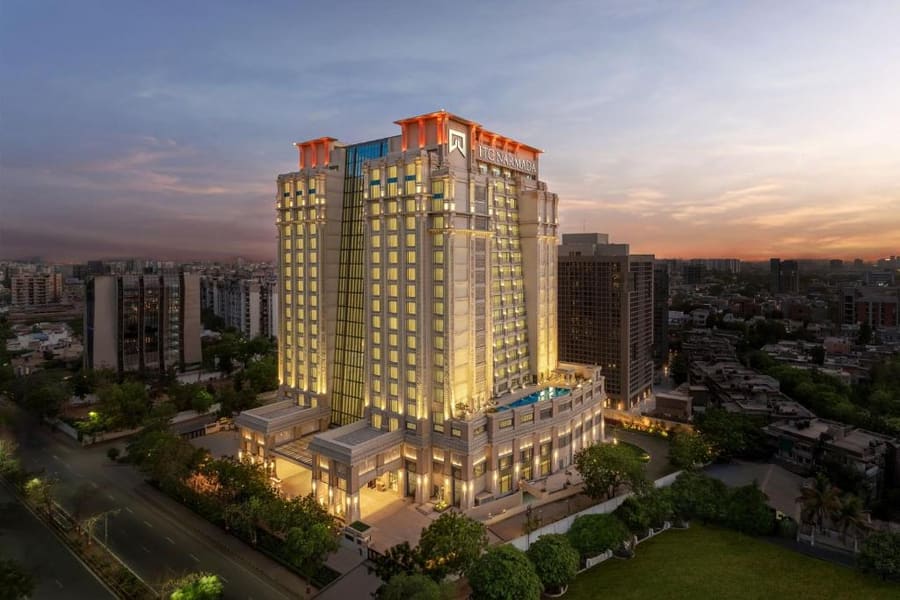
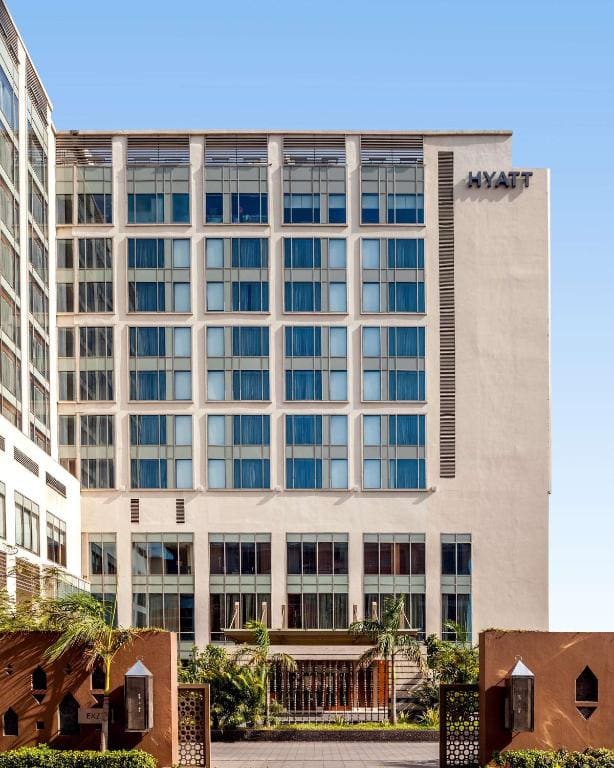
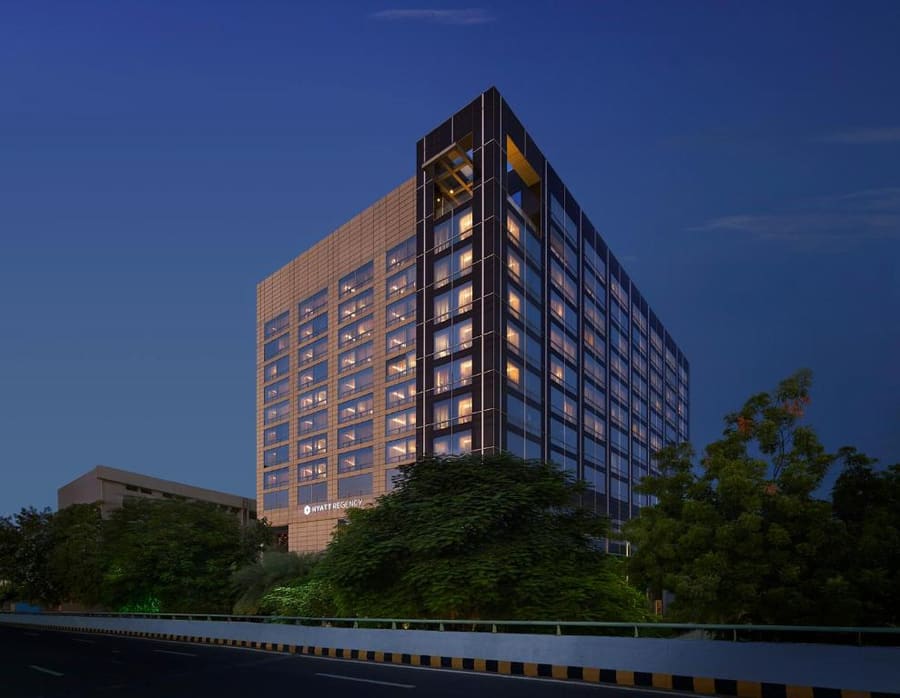
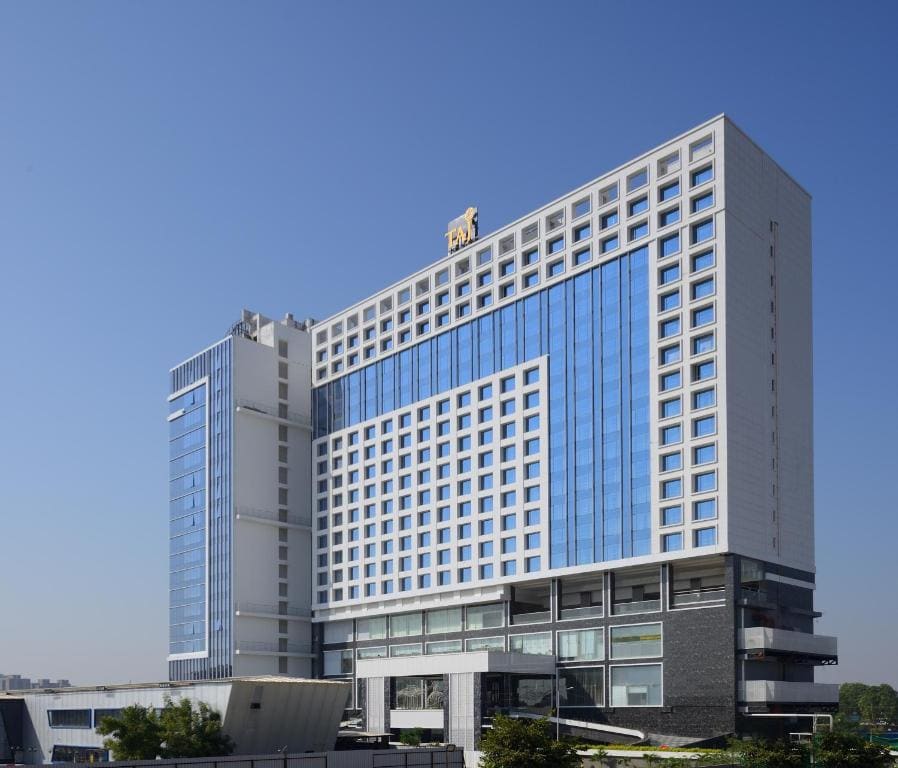
Choose your base by balancing heritage ambiance against transport convenience. Staying on the east bank places you inside historical pols, but navigating narrow streets with heavy luggage requires planning. Western suburbs offer modern chain hotels, reliable air conditioning, and easier road connections.
Live rates, matched to the areas above.
transport
Ahmedabad operates two primary public transit networks: the Janmarg BRTS (Bus Rapid Transit System) running in dedicated median lanes, and the expanding Ahmedabad Metro system connecting major east-west and north-south routes.Auto-rickshaws cover short distances. Drivers rarely run meters for tourists, so agreeing on a fare before boarding or using ride-hailing apps like Uber or Ola prevents fare disputes.
Vanaf Sardar Vallabhbhai Patel International Airport (AMD)
Prepaid desks inside the terminal lock in rates before you leave the building.
Pickups occur at designated rideshare zones opposite T1 and T2 arrivals.
AMTS buses depart outside airport gates toward central bus stations.
Janmarg buses run in separated lanes and avoid traffic gridlock along major suburban avenues.
The Metro connects Kalupur Railway Station directly to western hubs like Old High Court and Thaltej.
App bookings fix fair prices for auto-rickshaws, eliminating street-side haggling.
Motorized transport cannot reach deep inside the pols; wear sturdy walking shoes.
cost
Ahmedabad offers exceptional value compared to Mumbai or Delhi. Meals, local transit, and sight admissions remain modest, though high-end luxury hotels and fine dining align with national urban averages.
Covers a complete lunch or dinner with endless refills of curries, bread, and sweets.
App-based fares offer consistent benchmark rates.
Per night double occupancy including breakfast in the Old City.
Covers two snacks and a drink per person.
seasonality
NOV – FEB
Cool, pleasant days with temperatures around 20–30°C. Peak season for outdoor walking tours.
MAR – MAY
Extreme heat often exceeding 40°C. Sightseeing is limited to early mornings and air-conditioned spaces.
JUN – SEP
Monsoon rains bring humidity and relief from heat, though occasional street flooding occurs.
OCT
Transition month with warm days. coincides with major festival celebrations like Navratri.
practicalities
Alcohol sale and consumption are restricted. Foreign passport holders can apply online for a tourist permit to buy from licensed hotel stores.
Cover shoulders and knees when visiting mosques and temples. Remove footwear before stepping onto interior grounds.
Many smaller monuments and traditional shops close between 13:00 and 15:30.
While digital UPI payments are widespread, international cards are rarely accepted at small market stalls.