landmark
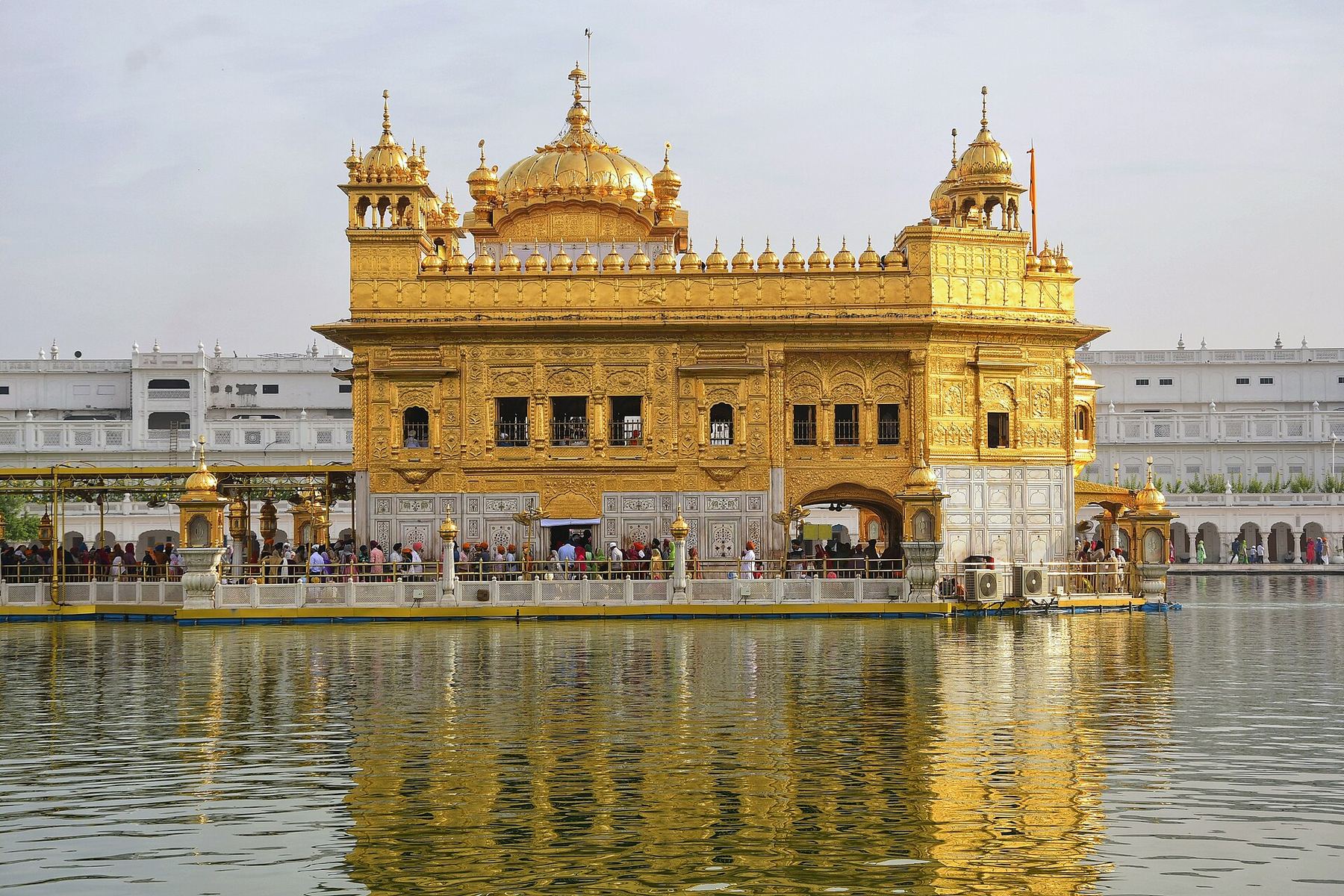
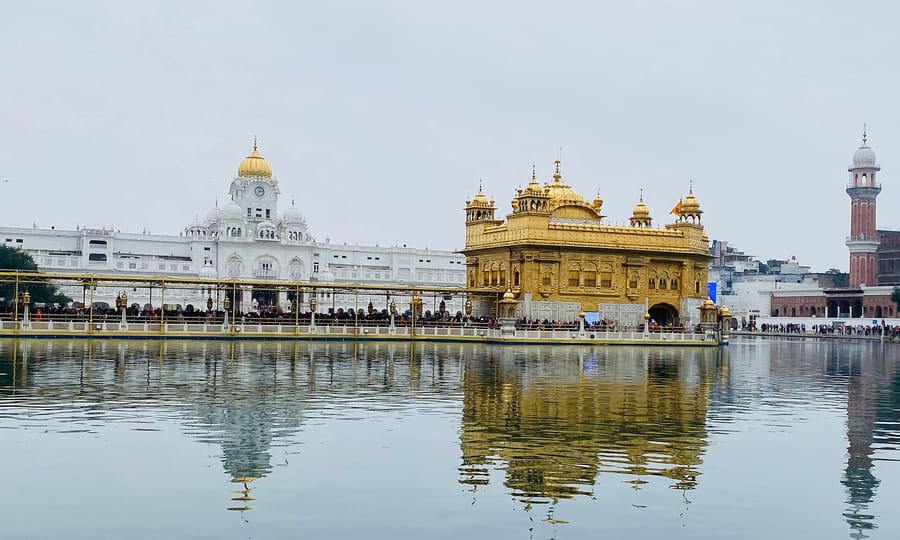
Harmandir Sahib
The spiritual sanctuary of Sikhism. Cover your head, remove shoes, and step barefoot through running water before entering.
Vraag ParleyIndia
Sikhism's spiritual heart defined by devotion and spice.
introduction
Amritsar revolves around the Harmandir Sahib, where continuous spiritual life dictates the city rhythm. Dense historic alleyways expand outward from the Golden Temple complex into bustling commercial bazaars. Modern commercial hubs sit north across the railway line, offering wider streets and quieter stays. Navigation requires shifting between pedestrianized heritage lanes and fast motorized rickshaws.
UNESCO tentative listing
Sri Harmandir Sahib holds a place on UNESCO's tentative World Heritage list. The complex serves over 100,000 visitors daily with free community meals.
Wagah Border seating strategy
Foreign passport holders access a designated viewing section at the Wagah border ceremony. Arrive by 15:30 to pass security checks before the 16:30 gate opening.
highlights
landmark
The spiritual sanctuary of Sikhism. Cover your head, remove shoes, and step barefoot through running water before entering.
Vraag Parley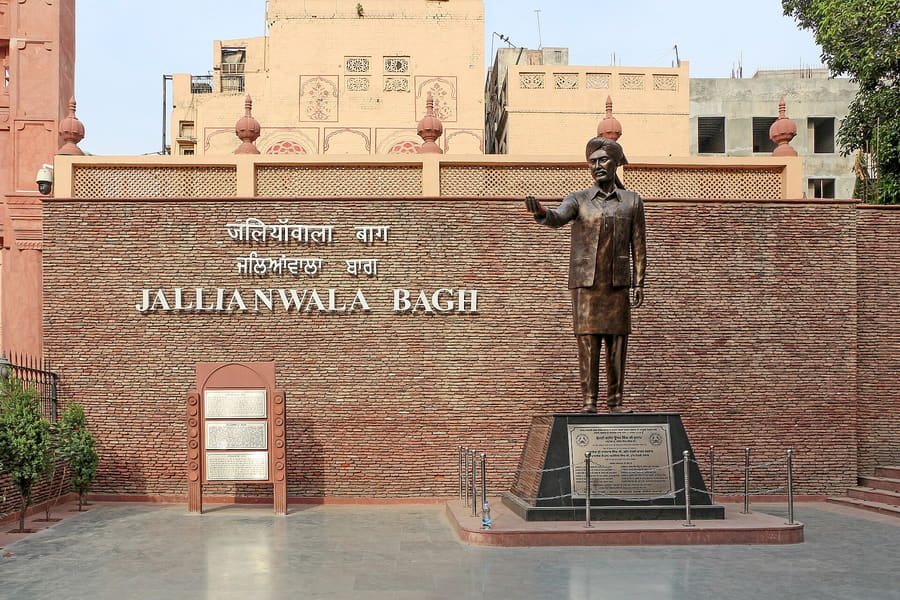
landmark
Memorial site marking the 1919 British massacre. Bullet marks remain visible on the preserved brick enclosure walls.
Vraag Parley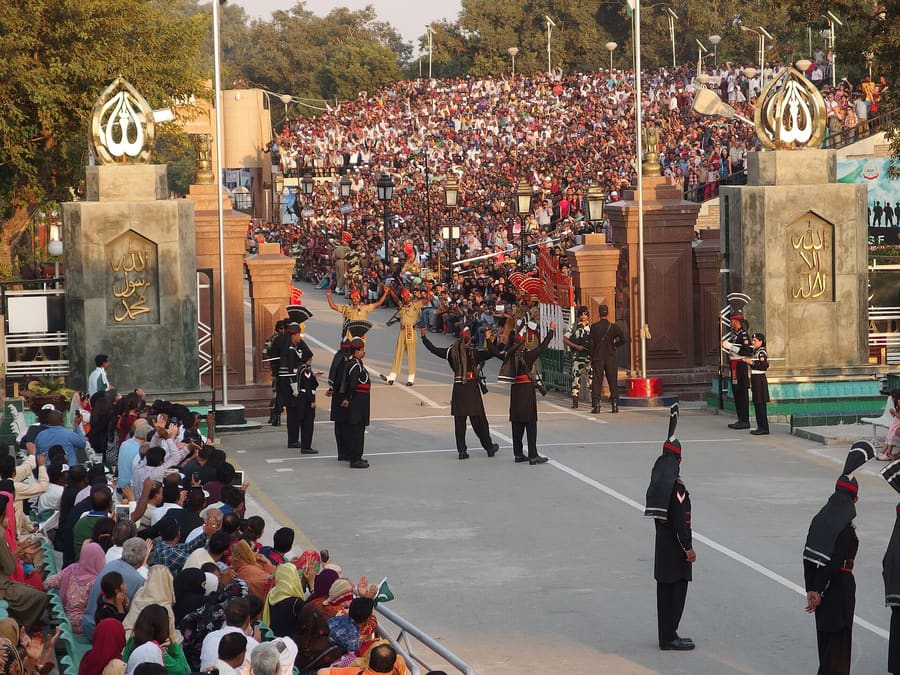
landmark
Daily military flag-lowering ceremony at the India-Pakistan border. Reserve an afternoon driver for the 30-kilometre trip west.
Vraag Parley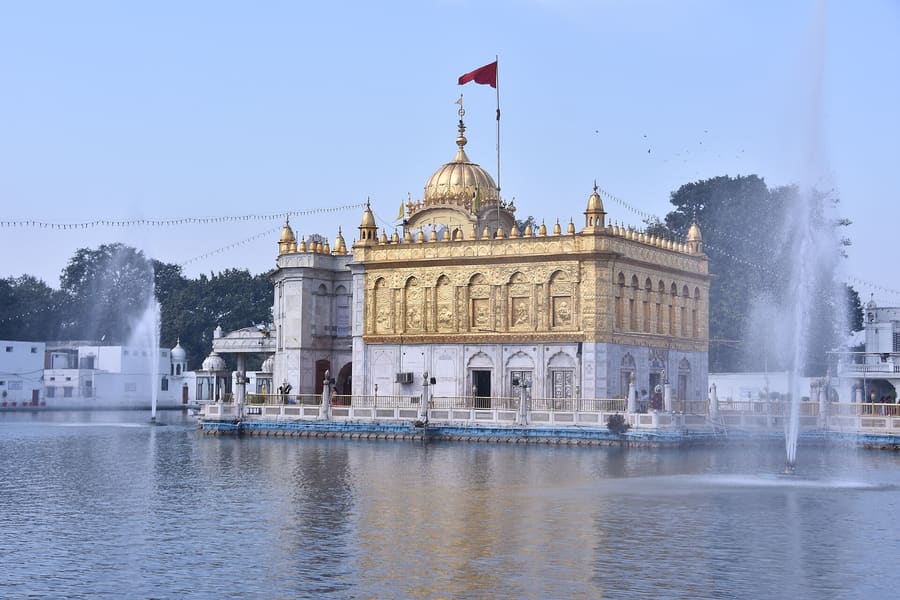
landmark
A 20th-century Hindu temple floating in a sacred lake. The architecture closely mirrors the nearby Golden Temple layout.
Vraag Parley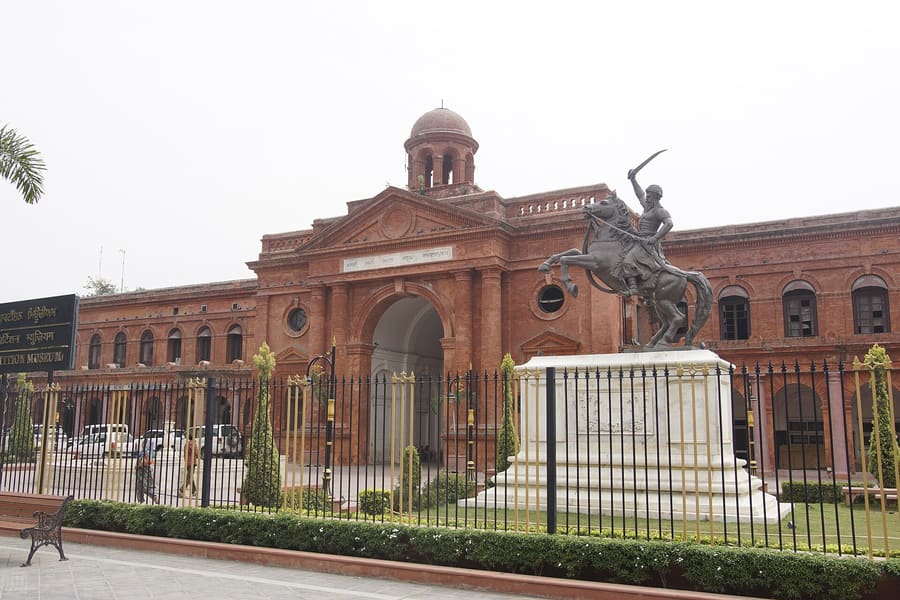
landmark
Housed in the restored Town Hall. Oral histories and personal artifacts document the human cost of the 1947 border creation.
Vraag Parleyattractions
areas
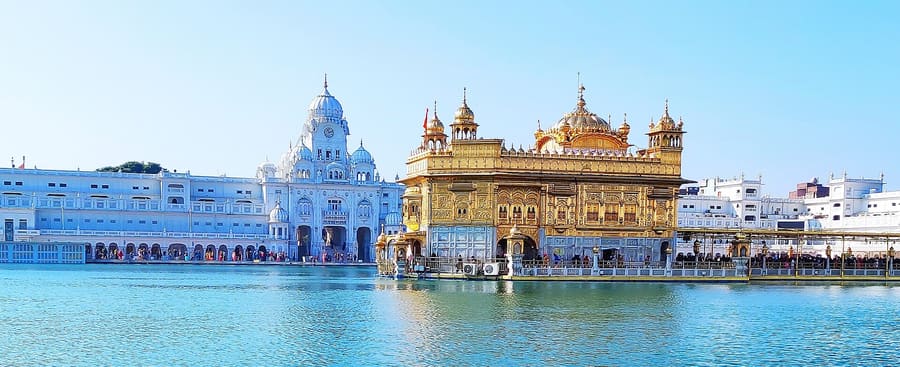
Dense, historic, and intense. Narrow lanes host centuries-old trade bazaars and round-the-clock foot traffic.
DichtbijHarmandir Sahib and Jallianwala Bagh
Vraag ParleyModern grid district featuring upscale restaurants, wide roads, and newer hotel developments.
DichtbijC-Block market cafes and modern shopping complexes
Vraag ParleyColonial-era commercial strip lined with leafy avenues, mid-tier business hotels, and traditional eateries.
DichtbijRailway station and Lawrence Road food joints
Vraag ParleySpacious military district with controlled building heights, mature trees, and low noise levels.
DichtbijAmritsar Junction rail station and western airport road
Vraag Parleyfood
Amritsar cooks with uninhibited fat and long-fermented doughs. The city's defining dish is the kulcha, a flatbread stuffed with spiced potatoes or paneer, baked in a clay tandoor until brittle, and crushed by hand to release steam before being smothered in desi ghee. It is commonly eaten for lunch as well as breakfast, with eateries serving until mid-to-late afternoon alongside spicy chickpea curry (chole) and sliced raw onions soaked in tamarind.Vegetarian cooking dominates the Old City due to religious tradition around the Sikh shrines. Established dhabas serve slow-cooked black lentils (dal makhani) simmered overnight over dying charcoal coals. Meat dishes flourish north of the railway tracks, where street stalls fry freshwater fish in spiced gram-flour batter.
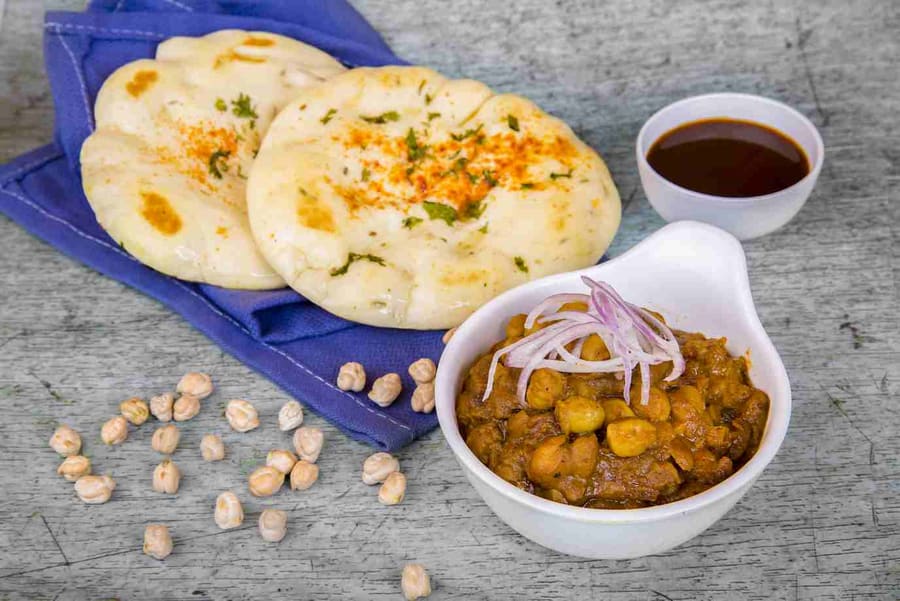
Crisp potato kulcha served with spiced chickpea curry and tamarind chutney.
Gaurav Nemade · CC BY-SA 2.0Top bakeries like Ashok Kumar Kulchan Wale sell out by 13:00. Go for breakfast between 08:30 and 10:30.
At the Golden Temple communal kitchen, accept food with both hands held together. Sit in straight rows on the carpet mats.
Historic spots like Kesar Da Dhaba and Bharawan Da Dhaba strictly prefer cash or local UPI payments over foreign credit cards.
history
Guru Ram Das, the fourth Sikh Guru, founded Amritsar in 1577 around a man-made sacred pool named Amrit Sarovar. The city developed rapidly as both a spiritual sanctuary and a trade center linking India with Central Asia.In the 19th century, Maharaja Ranjit Singh fortified the city, covered the Harmandir Sahib in gold leaf, and established Punjab as a powerful sovereign state. The 20th century brought severe trauma: the 1919 Jallianwala Bagh massacre under British rule, the violent 1947 Partition that made Amritsar a border zone, and the military operation inside the Golden Temple complex in 1984.
City Founded
Guru Ram Das excavates the holy pool and establishes the settlement of Ramdaspur, later named Amritsar.
Adi Granth Installed
Guru Arjan completes the compilation of the Sikh holy scripture and places it inside the completed Harmandir Sahib.
Gilding the Temple
Maharaja Ranjit Singh refurbishes the shrine with marble and 750 kilograms of pure gold leaf.
Jallianwala Bagh Massacre
British troops fire on an unarmed public gathering, killing hundreds and fueling the Indian independence movement.
Partition of Punjab
The Radcliffe Line places the border 30 kilometres west, making Amritsar the first major Indian city along the new boundary.
where to stay
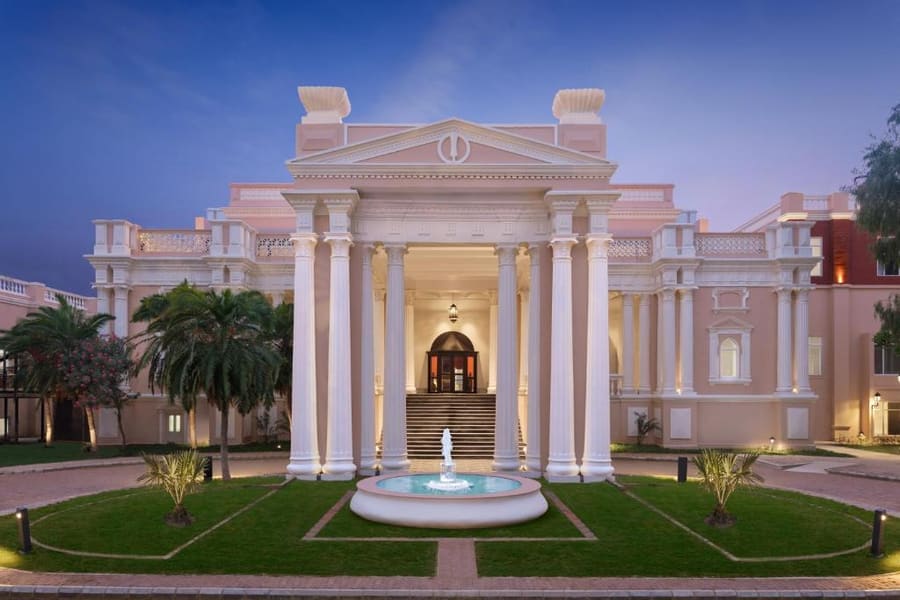
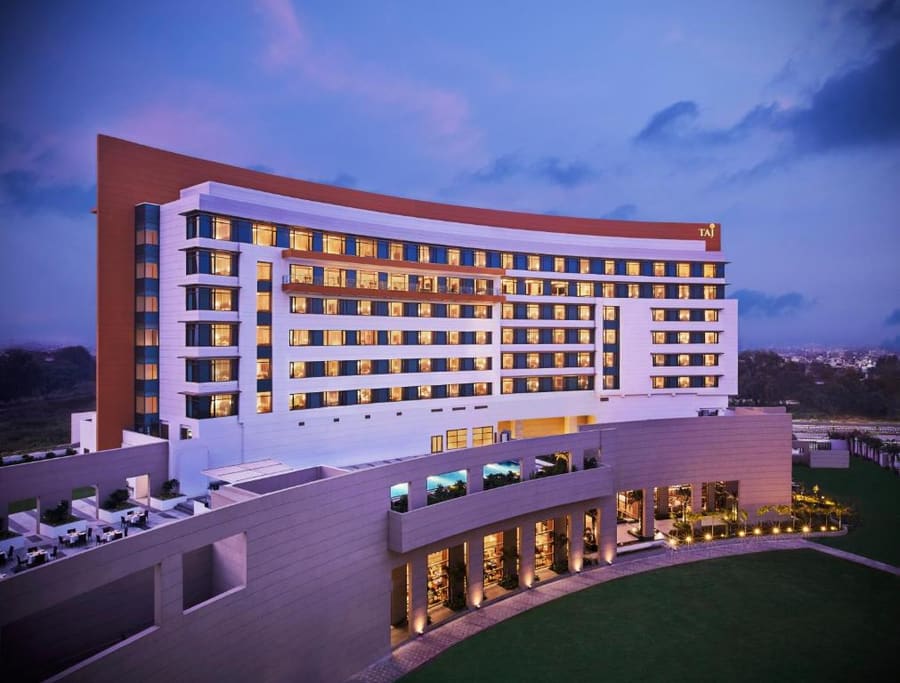
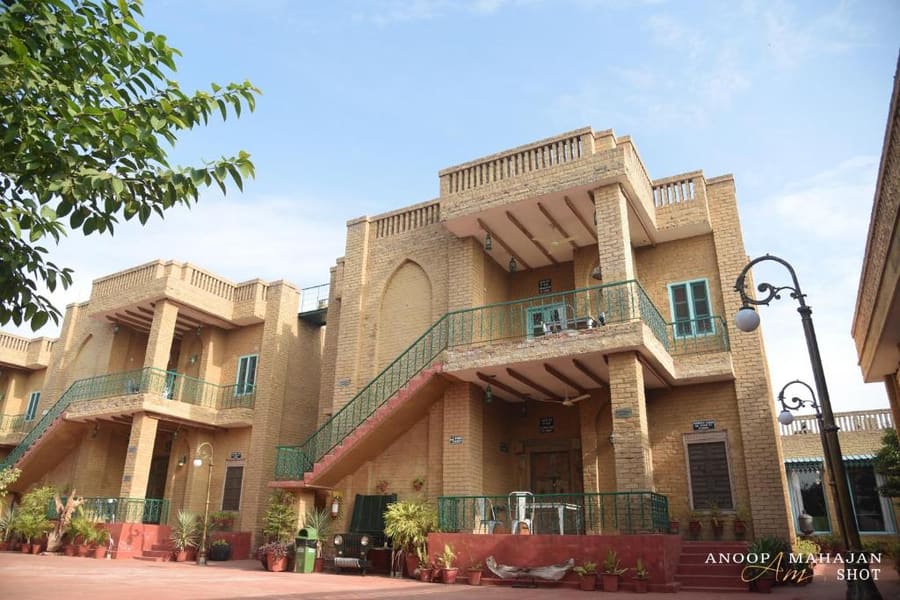
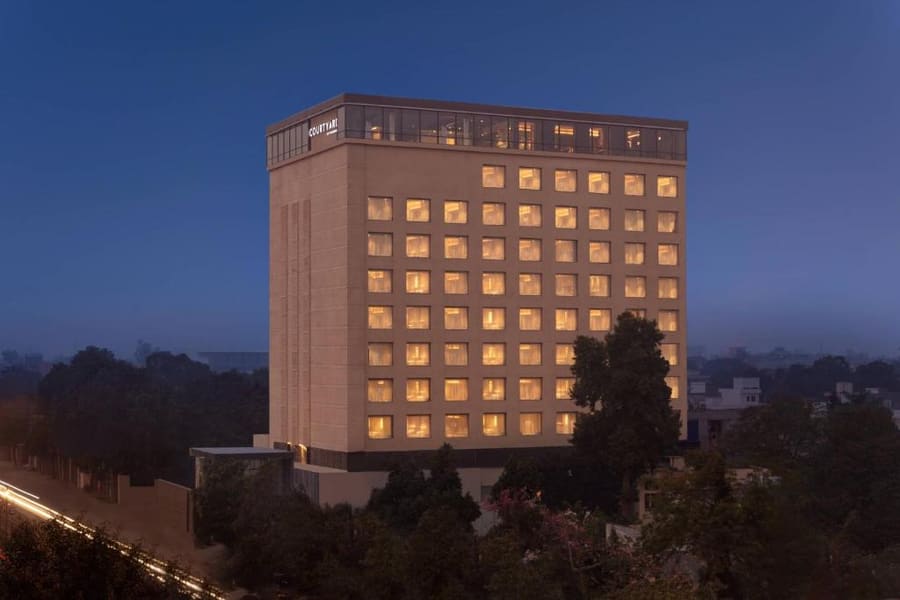
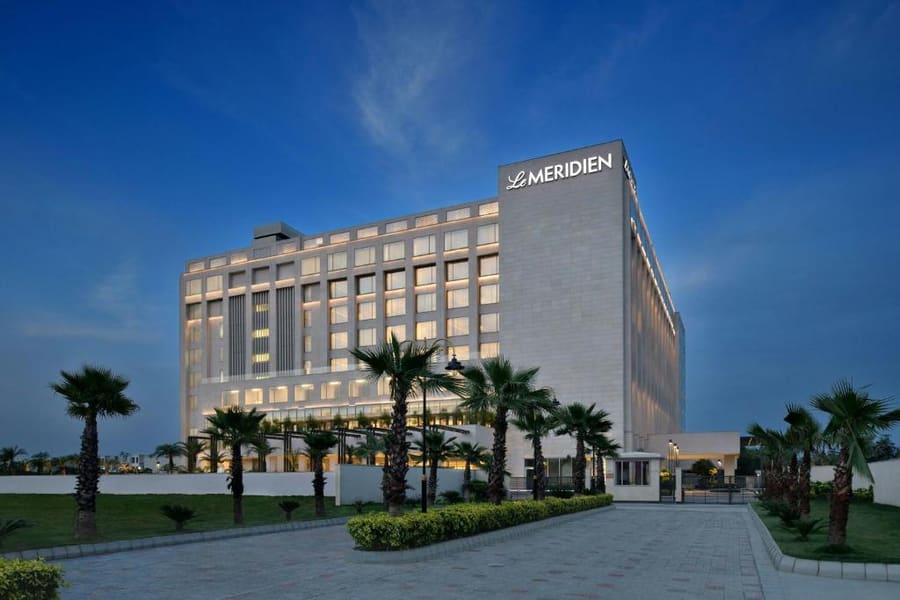
Choose your base by balancing proximity to the temple against peaceful sleep. Stays inside the Old City walls place you steps from pre-dawn prayers, but narrow lanes mean dragging luggage on foot. Stays in Ranjit Avenue or Civil Lines offer car access, quiet nights, and international hotel amenities at the cost of a daily rickshaw ride through traffic.
Live rates, matched to the areas above.
transport
Old Amritsar was built for foot traffic, not cars. Auto-rickshaws and battery-powered e-rickshaws dominate transport between the railway station, modern north districts, and the heritage zone entrance gates. Inside the historic core, the main promenade between Town Hall and the Golden Temple is entirely pedestrianized.
Vanaf Sri Guru Ram Dass Jee International Airport (ATQ)
Prepaid counters operate inside the arrivals hall. Fares fixed to central zones.
Uber and Ola pick up near the short-term parking lot outside arrivals.
Vehicles are banned on the main approach stretch from Town Hall to the Golden Temple. Use e-rickshaws to reach the perimeter gates.
Auto-rickshaws do not use meters. Agree on the total price with the driver before you step into the vehicle.
Traffic bottlenecks form at rail overpasses connecting Civil Lines to the Old City during 09:00 and 18:00 commute peaks.
Round-trip taxis to the Wagah border ceremony cost ₹1,200–1,800. The driver waits during the 2-hour event.
cost
Amritsar remains affordable compared to major Indian metros like Delhi or Mumbai. Food costs are low, and entrance fees for major historic sites are modest or non-existent.
Includes two stuffed breads, spicy chole curry, and onion chutney at street shops.
Standard rate for journeys within central districts or from the rail station to the Old City edge.
Covers round-trip travel and parking fees for a 4-seat sedan.
seasonality
OCT – NOV
Clear skies and moderate temperatures. Diwali and Gurpurab bring heavy pilgrim crowds and illuminated temple views.
DEC – FEB
Cold winters with heavy morning fog. High daytime visibility makes sightseeing comfortable, though flight delays occur frequently.
MAR – APR
Pleasant spring weather warming up quickly by late April. Good window for walking street food tours before summer heat sets in.
MAY – JUN
Extreme heat exceeding 40°C. Walking on marble temple walkways requires heavy foot coverings provided by shrine attendants.
JUL – SEP
Monsoon rains bring high humidity and brief waterlogging in low-lying Old City lanes.
practicalities
Cover your head before entering any Sikh temple complex. Bandanas are sold outside for ₹10–20 if you bring no scarf.
Smoking, consuming alcohol, and carrying tobacco are strictly prohibited around the Golden Temple outer perimeter.
You must remove shoes and socks at free temple cloakrooms. Footwear is stored securely on numbered shelves.
Witness the night palanquin procession taking the holy book to bed around 22:00 in winter and 22:30 in summer.
Do not bring large bags, backpacks, or power banks to the Wagah border ceremony. Carry only passports, wallets, and water.