landmark
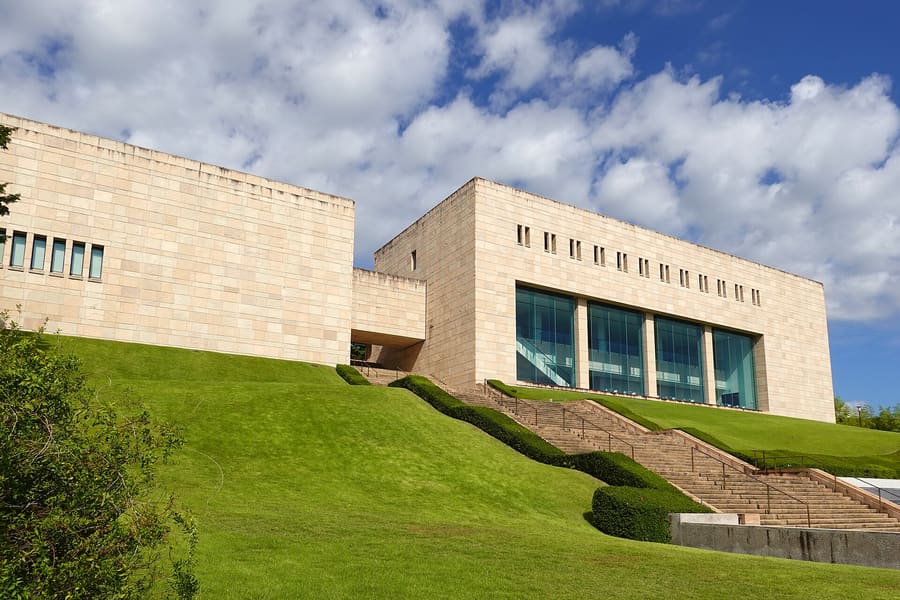
MOA Museum of Art
Holds national treasures above Sagami Bay. Ride seven long escalators through lit tunnels to reach the hilltop gallery.
Vraag ParleyJapan
Coastal hot springs and Showa nostalgia an hour from Tokyo.
introduction
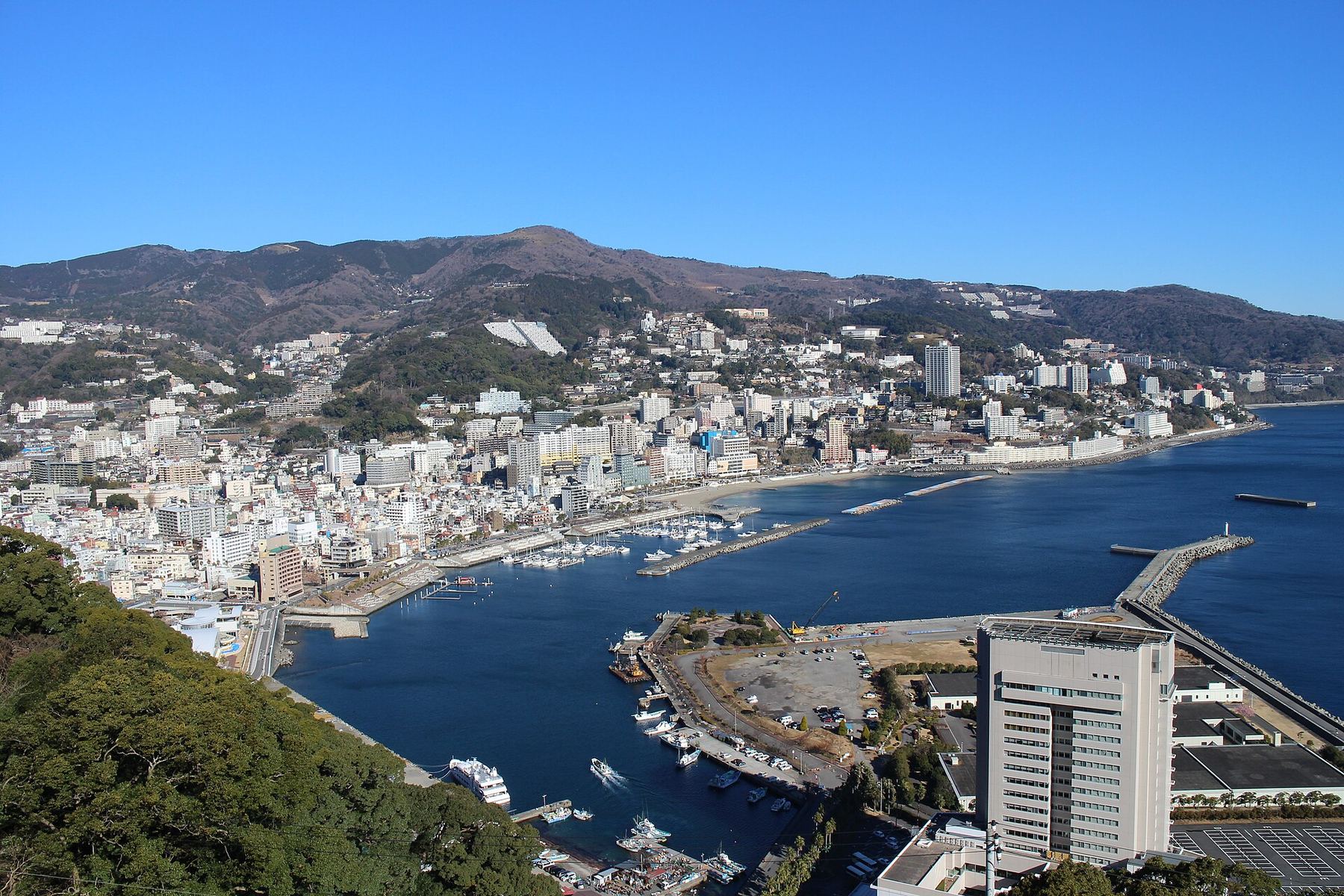
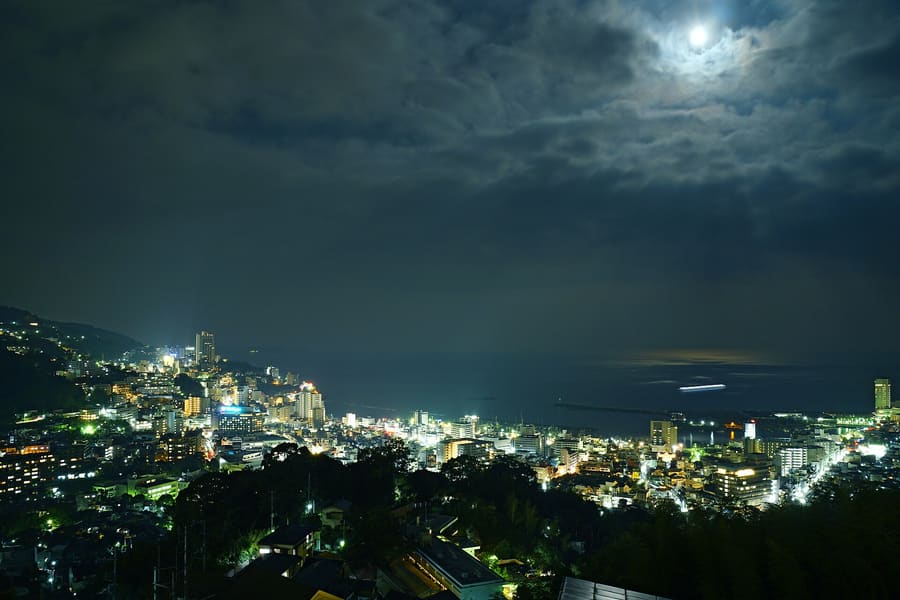
Atami clings to a steep volcanic crater rim that drops straight into Sagami Bay. Bullet trains connect the city to Tokyo Station in under 50 minutes. You trade fast-paced city life for mineral hot spring baths, steep hill alleys, and fresh coastal seafood.
Arrival trick
Take the Tokaido Shinkansen Kodama train from Tokyo Station. It takes 45 minutes direct.
Historic recognition
Atami Onsen has supplied thermal mineral water to Japanese rulers since Tokugawa Ieyasu in 1604.
Planning trick
The city topography is extremely steep. Buy a Yu-Yu-Bus loop pass to save your legs.
Atami
663highland · CC BY-SA 4.0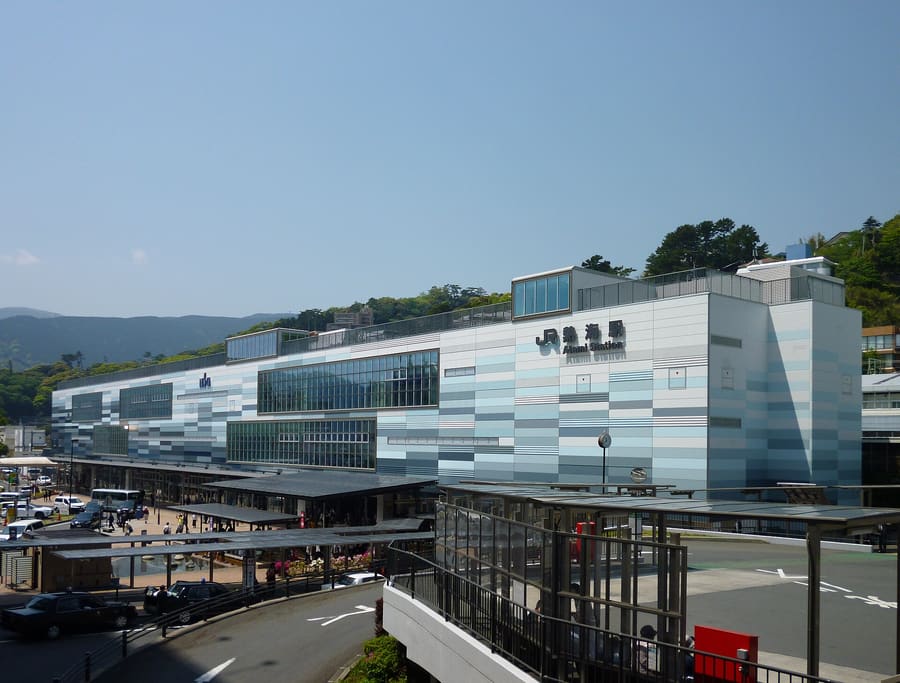
Ekimae — Hillside transport hub filled with covered arcades, steamed dim sum, and train travelers.
EXECUTOR · CC0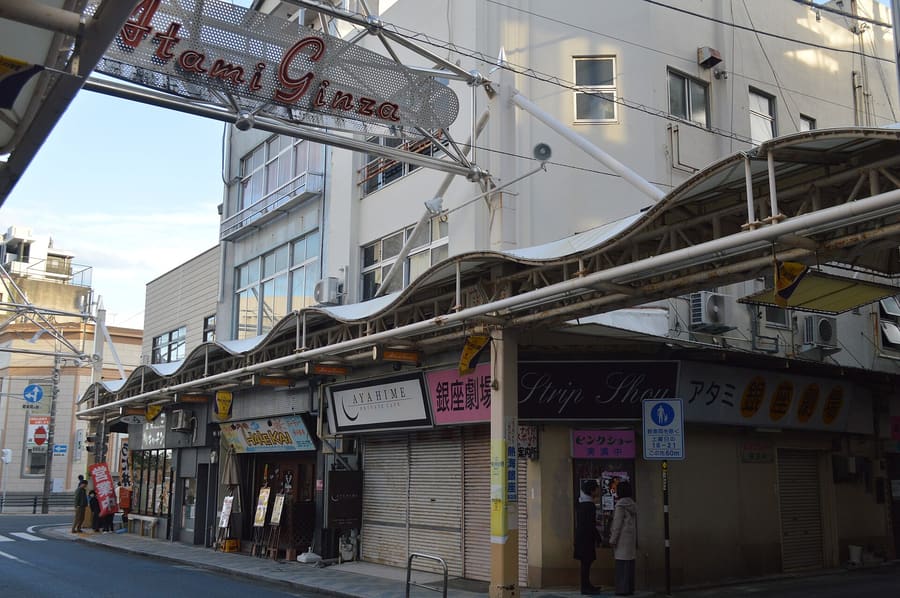
Ginza — Retro Showa-era shopping street with dried fish shops and retro cafes.
Razgrad · CC BY-SA 4.0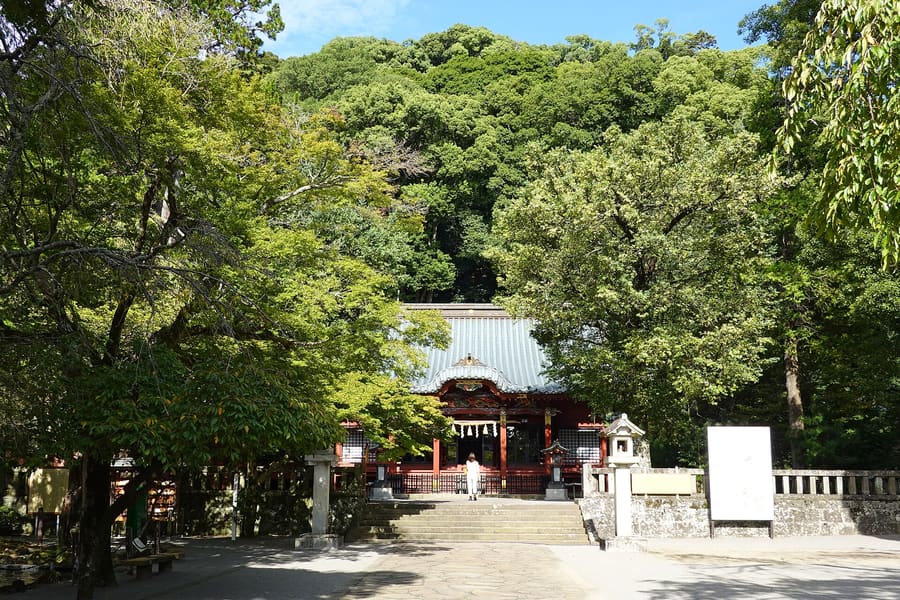
Izusan — Quiet northern hillside with traditional hot spring inns overlooking the sea.
663highland · CC BY-SA 4.0
Freshly dried mackerel (himono) displayed at a shop along Nakamise arcade.
No machine-readable author provided. Sixgimic assumed (based on copyright claims). · CC BY-SA 3.0highlights
landmark
Holds national treasures above Sagami Bay. Ride seven long escalators through lit tunnels to reach the hilltop gallery.
Vraag Parley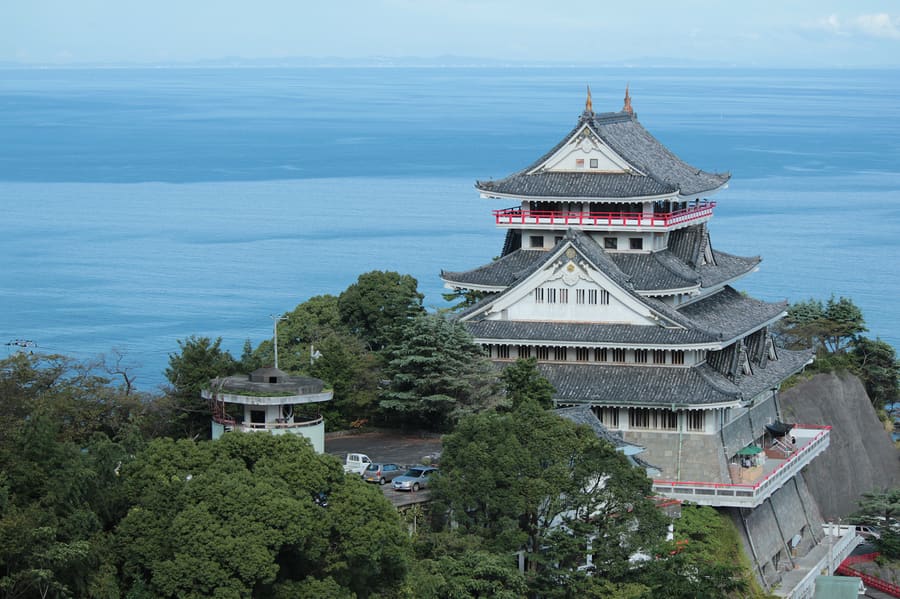
landmark
A 1959 concrete castle built purely for tourism. The top floor gives wide views over the coastline.
Vraag Parley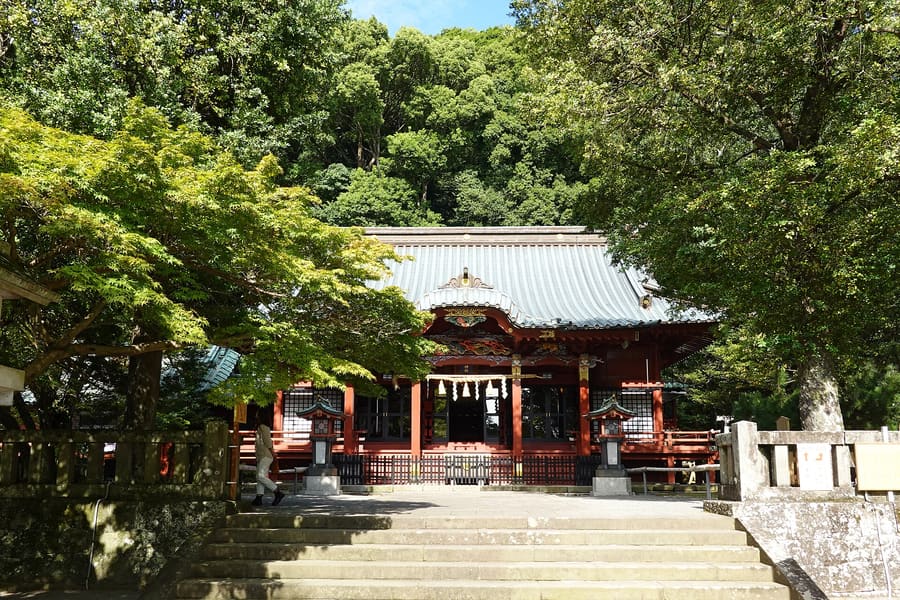
landmark
Climb 837 stone steps from Hashiriyu spring to the main hall. Red and white dragon sculptures guard the entrance.
Vraag Parley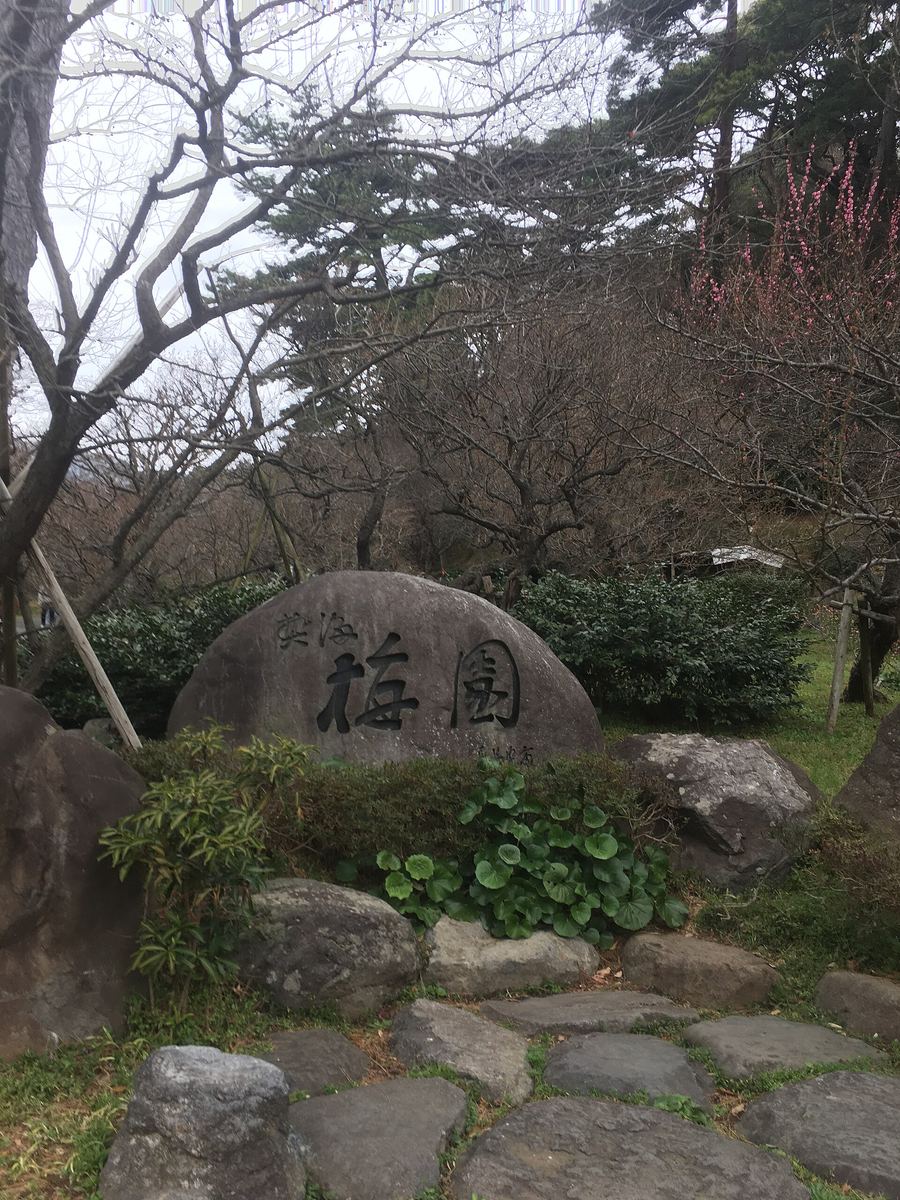
landmark
Plum trees bloom here from late November through March. Early spring brings heavy crowds on weekend mornings.
Vraag Parleyattractions
areas
Hillside transport hub filled with covered arcades, steamed dim sum, and train travelers.
DichtbijNakamise Arcade and Tokaido Shinkansen line.
Vraag ParleyRetro Showa-era shopping street with dried fish shops and retro cafes.
DichtbijSun Beach and Nagisa-dori.
Vraag ParleyQuiet northern hillside with traditional hot spring inns overlooking the sea.
DichtbijIzusan Shrine and Hashiriyu thermal spring.
Vraag ParleyOpen resort strip along Sagami Bay with oceanfront hotels and beach walks.
DichtbijAtami Port and Sun Beach.
Vraag Parleyfood
Atami cuisine turns on two local forces: Sagami Bay catches and geothermal steam. Local producers cure and sun-dry mackerel, horse mackerel, and squid right near the harbor. Kinmedai (splendid alfonsino) simmered in soy and mirin is the main regional dinner feature.For snacks, street vendors use natural hot spring steam to cook sweet red bean buns called onsen manju. You will find long queues in Ginza for Atami Purin, where local milk pudding comes served in glass bottles stamped with a hippopotamus logo.
Freshly dried mackerel (himono) displayed at a shop along Nakamise arcade.
No machine-readable author provided. Sixgimic assumed (based on copyright claims). · CC BY-SA 3.0Local seafood restaurants in Ginza simmer deep-sea alfonsino in sweet soy broth. Share one large fish between two people.
Traditional ryokan serve grilled sun-dried horse mackerel (aji no himono) alongside morning miso soup.
Small stall vendors along Nakamise Arcade selling warm onsen manju do not accept credit cards.
history
Hot water springs emerged from the Sagami Bay seabed centuries ago, giving Atami its name, which translates to hot sea. Tokugawa Ieyasu stayed here in 1604 and had thermal water transported in wooden barrels back to Edo Castle in Tokyo. The opening of rail links in the twentieth century turned the fishing village into a major coastal retreat.
Shogun visit
Tokugawa Ieyasu spends seven days taking hot baths in Atami and establishes royal patronage.
Rail link opens
The Tokaido Main Line opens Atami Station, replacing coastal horse carriages with direct trains.
The Great Fire
A massive fire destroys downtown Atami, leading to rapid modern street rebuilding.
Shinkansen arrives
The Tokaido Shinkansen opens, placing Atami 45 minutes from Tokyo Station.
where to stay
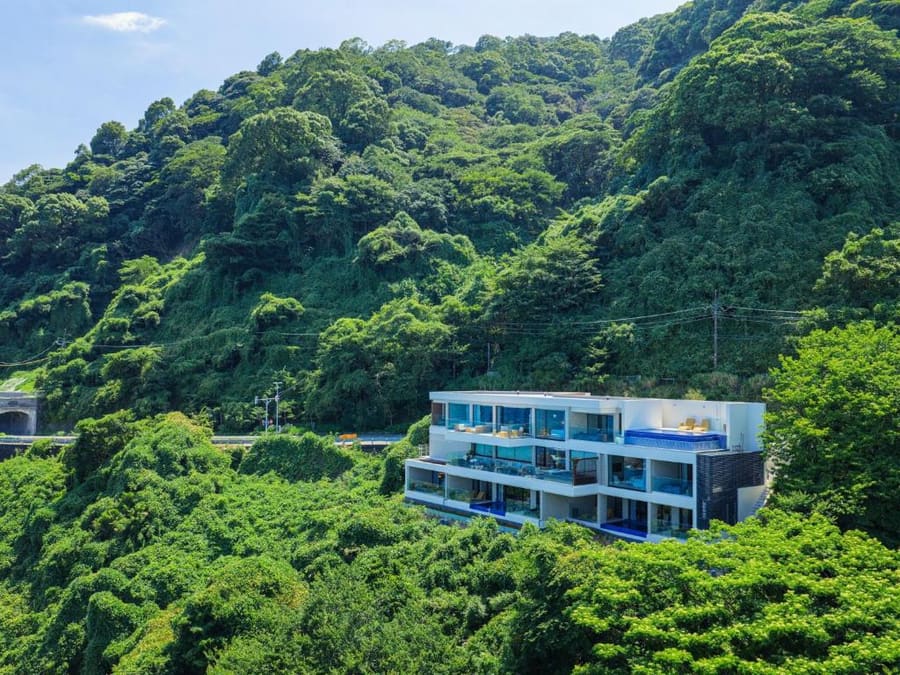
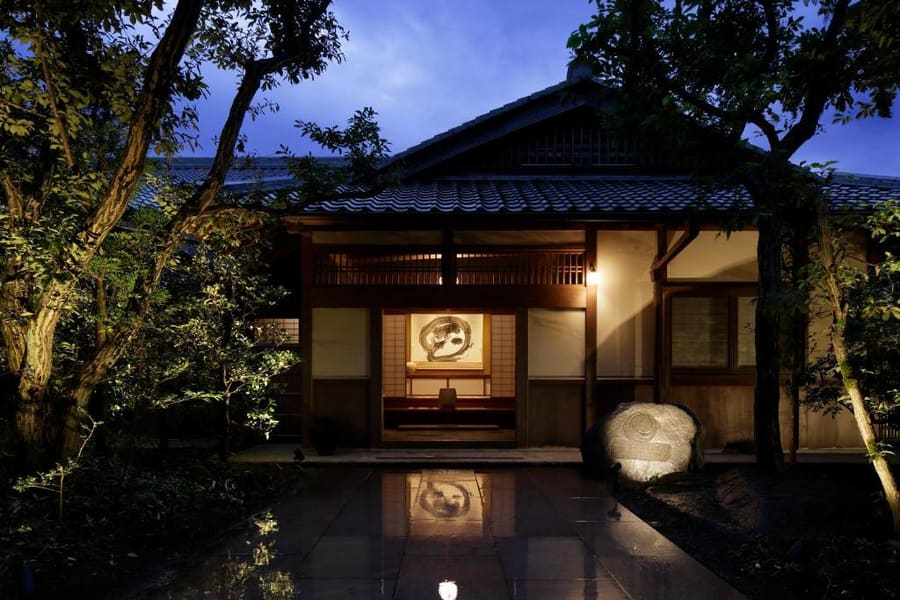
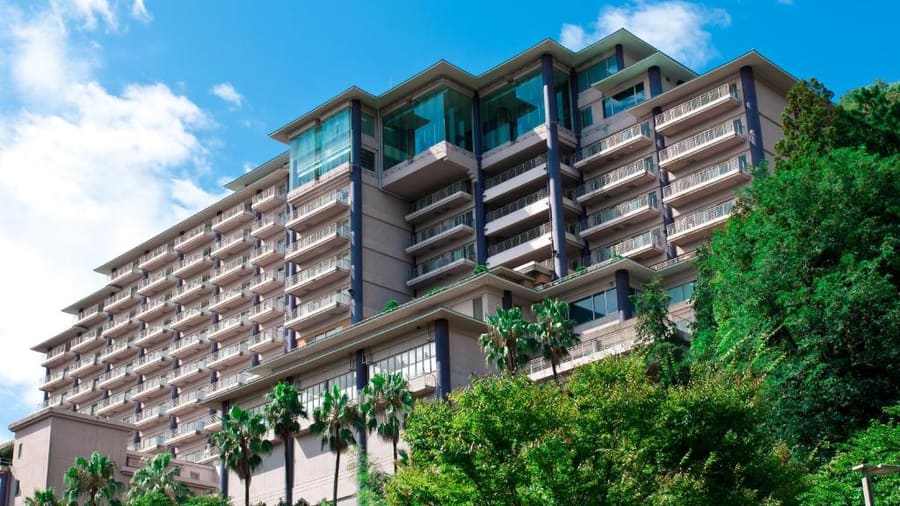
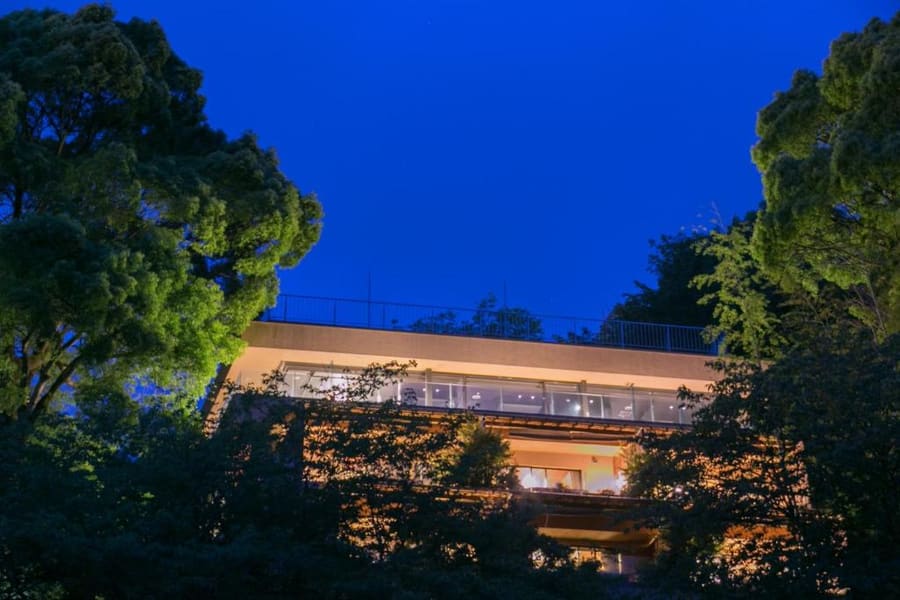
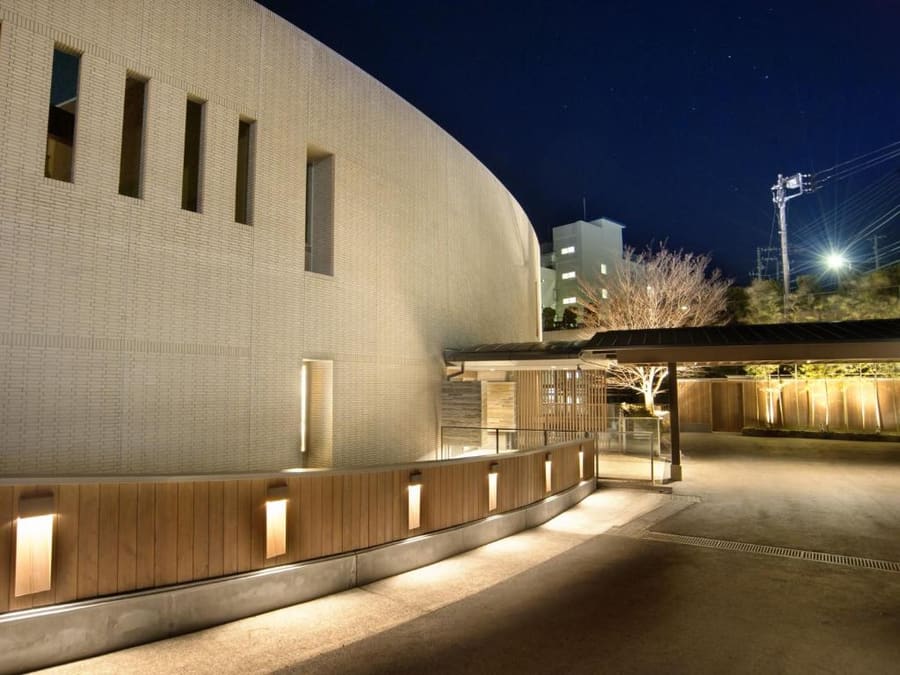
Choose your base by terrain and bath style. Oceanfront high-rises give immediate beach access, while hillside ryokan offer private outdoor baths overlooking Sagami Bay.
Live rates, matched to the areas above.
transport
Atami's steep coastal terrain makes walking uphill demanding. Shinkansen trains handle long-distance arrivals, while local buses navigate the mountain roads.
The JR Pass covers the Tokaido Shinkansen Kodama train directly to Atami Station.
An ¥800 day pass provides unlimited rides on the circular tourist bus route.
Walking from Atami Station down to Sun Beach drops 100 vertical meters. Ride a bus back up.
Tokai buses accept IC cards like Suica and Pasmo. Tap when boarding and alighting.
cost
Atami runs cheaper than central Tokyo for dining, though weekend rates at traditional ryokan spike significantly.
Public bath admission varies by facility size and towel rental.
Includes grilled himono or boiled alfonsino with rice, soup, and pickles.
Unlimited day ticket for the local sightseeing loop bus.
Signature milk pudding served in a collectable glass jar.
seasonality
DEC – FEB
Cool clear winter days offer sharp ocean views. Atami Plum Garden blooms in January.
MAR – MAY
Mild temperatures bring cherry blossoms. Hotel demand spikes during Golden Week in early May.
JUN – AUG
Hot humid summer months bring beach swimmers and night coastal fireworks.
SEP – NOV
Warm ocean breezes continue through autumn with smaller weekend crowds.
practicalities
Atami launches bay fireworks shows across all four seasons, not only during summer.
Wash thoroughly at a seated shower station before stepping into thermal pool water.
Traditional hot spring inns may restrict visible tattoos. Rent a private bath (kashikiri) instead.
Small fishmongers and snack vendors along Nakamise Arcade do not accept credit cards.
Coin lockers at Atami Station fill early on weekends. Send heavy bags ahead to your hotel.