landmark
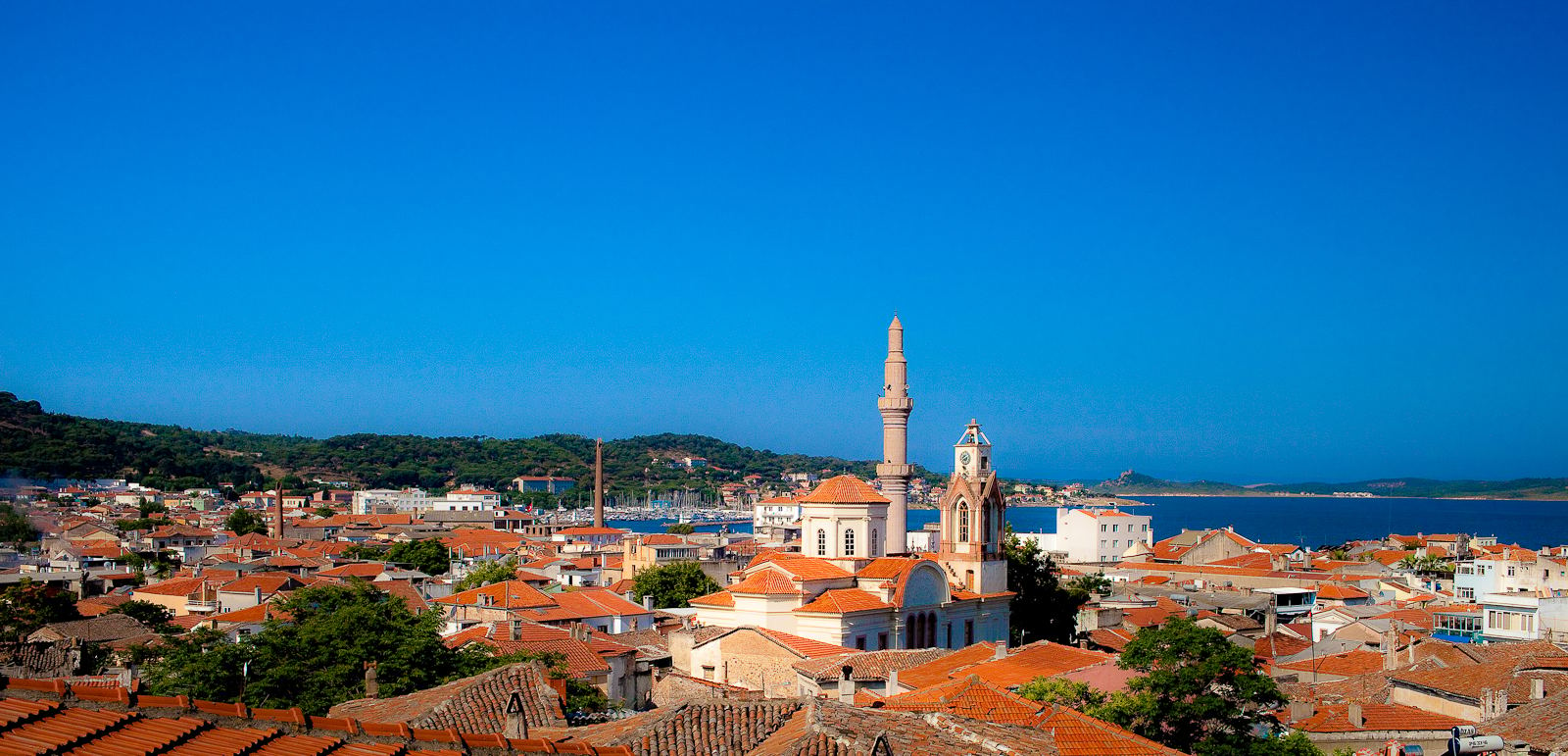
Cunda Island Historic Center
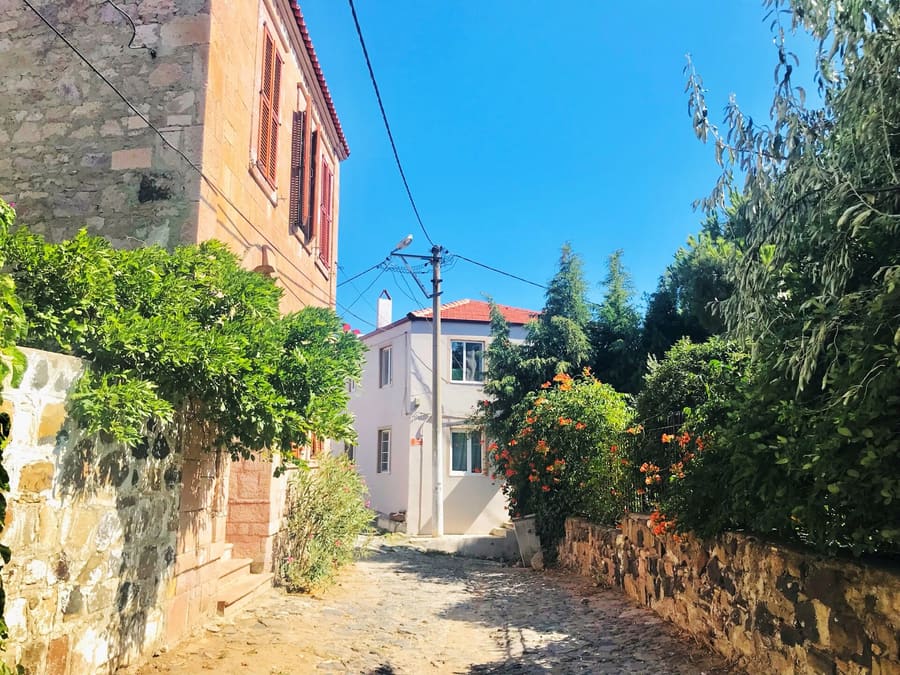
Stone houses and Greek neoclassical streets. Cross via the causeway bridge or take the hourly ferry from Ayvalık quay.
Vraag ParleyTurkije
Neo-classical Aegean stone, olive oil, and island causeways.
introduction
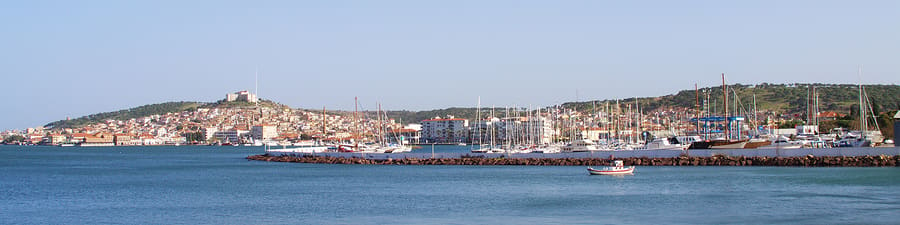
Ayvalık faces the Aegean Sea across an archipelago of twenty-two islands. You navigate the old town on foot through narrow cobblestone lanes lined with Greek stone houses. Causeways link the mainland to Cunda Island, where waterfront fish tavernas dominate evening life. You trade sandy resort strips for architectural history and regional Aegean cooking.
Balıkesir Edremit Airport (EDO)
Edremit Airport sits 40 kilometres north. Municipal dolmuş buses synchronize with domestic arrivals to transport passengers directly to Ayvalık centre.
UNESCO Industrial Landscape
Ayvalık holds UNESCO Tentative status for its historical olive oil production landscape, spanning mills, soap factories, and groves.
Lesbos Ferry Gateway
Daily ferries depart Ayvalık port for Mytilene on the Greek island of Lesbos. Crossing takes 45 minutes across the strait.
Ayvalık
Edal Anton Lefterov · CC BY-SA 3.0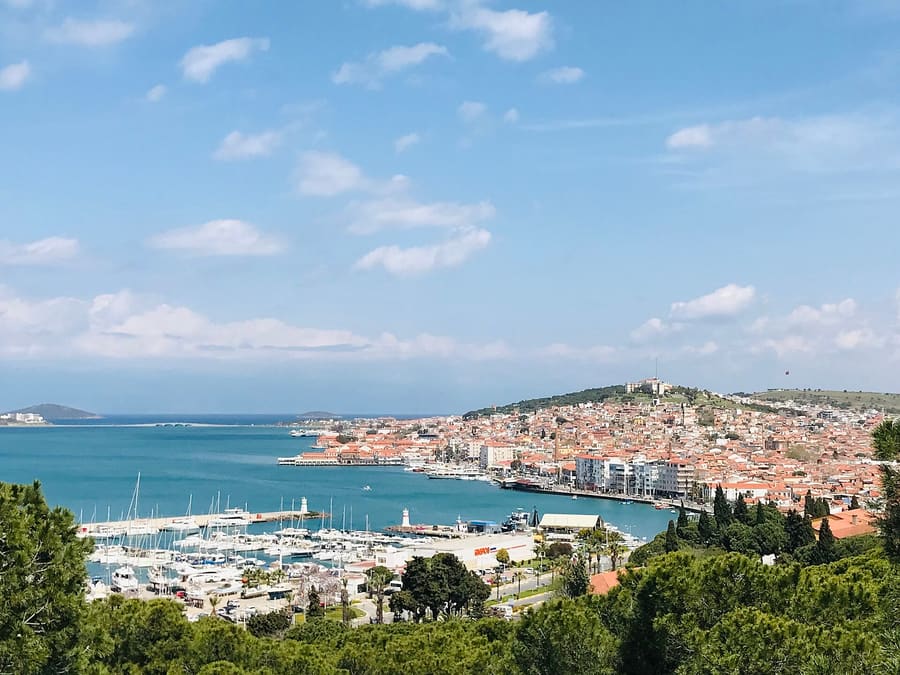
Ayvalık Centre — Dense residential streets, historic olive oil press buildings, and morning coffee houses.
Maurice Flesier · CC BY-SA 4.0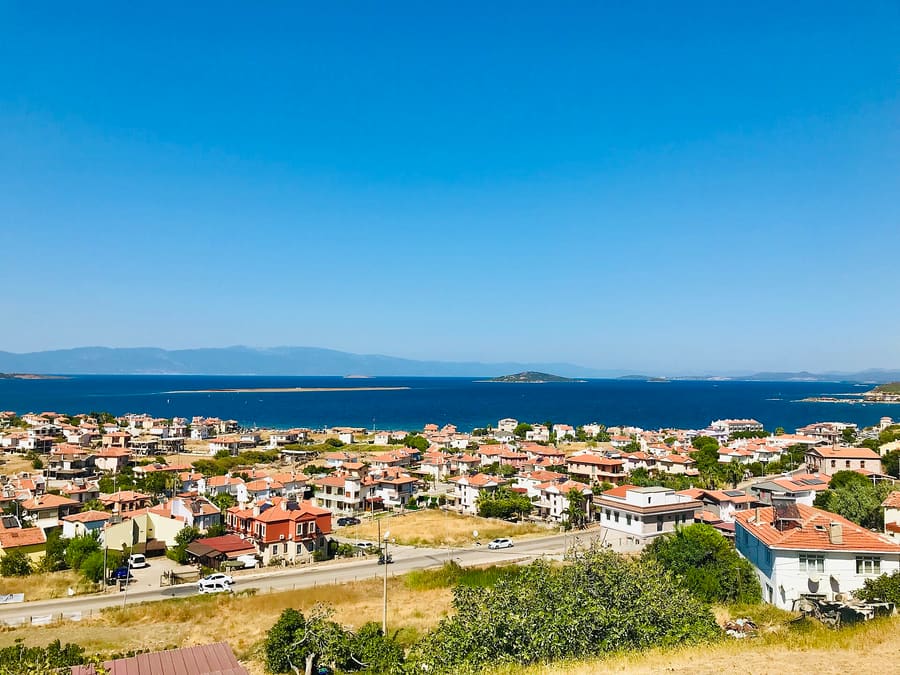
Cunda Waterfront — Pedestrianized harbour strips filled with seafood restaurants and restored boutique hotels.
Maurice Flesier · CC BY-SA 4.0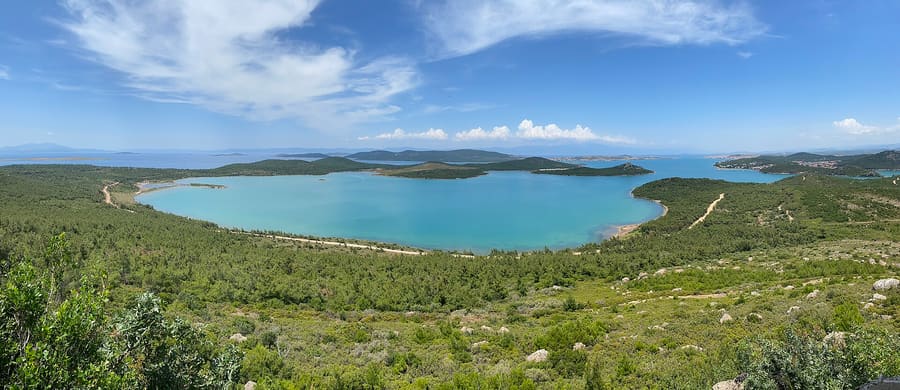
Çamlık — Quiet residential neighborhood set under pine trees halfway between centre and beach.
Omer404 · CC BY-SA 4.0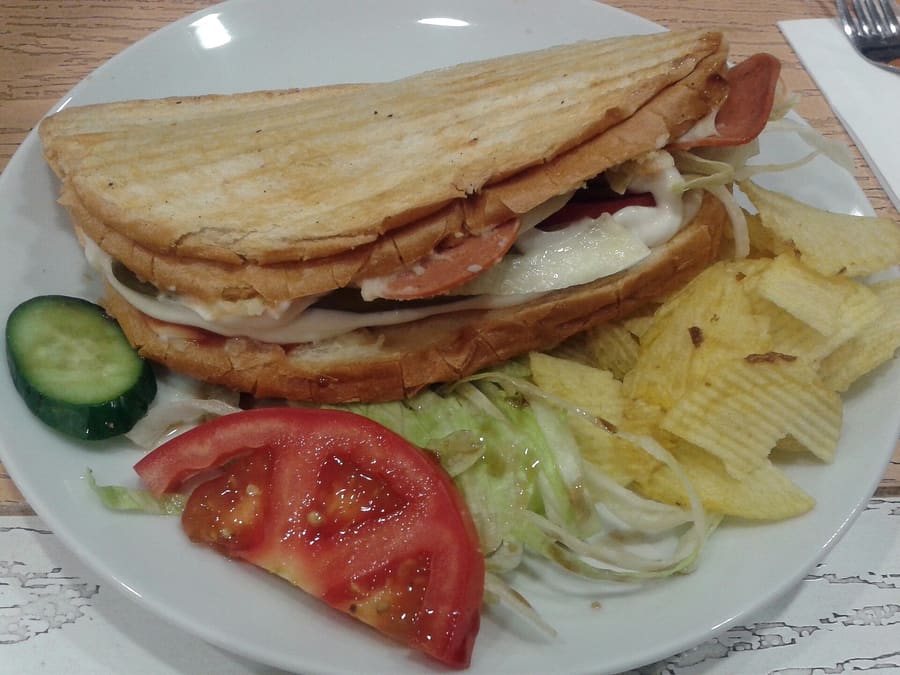
Ayvalık Tostu served hot on thick toasted bread.
E4024 · CC BY-SA 4.0highlights
landmark
Stone houses and Greek neoclassical streets. Cross via the causeway bridge or take the hourly ferry from Ayvalık quay.
Vraag Parley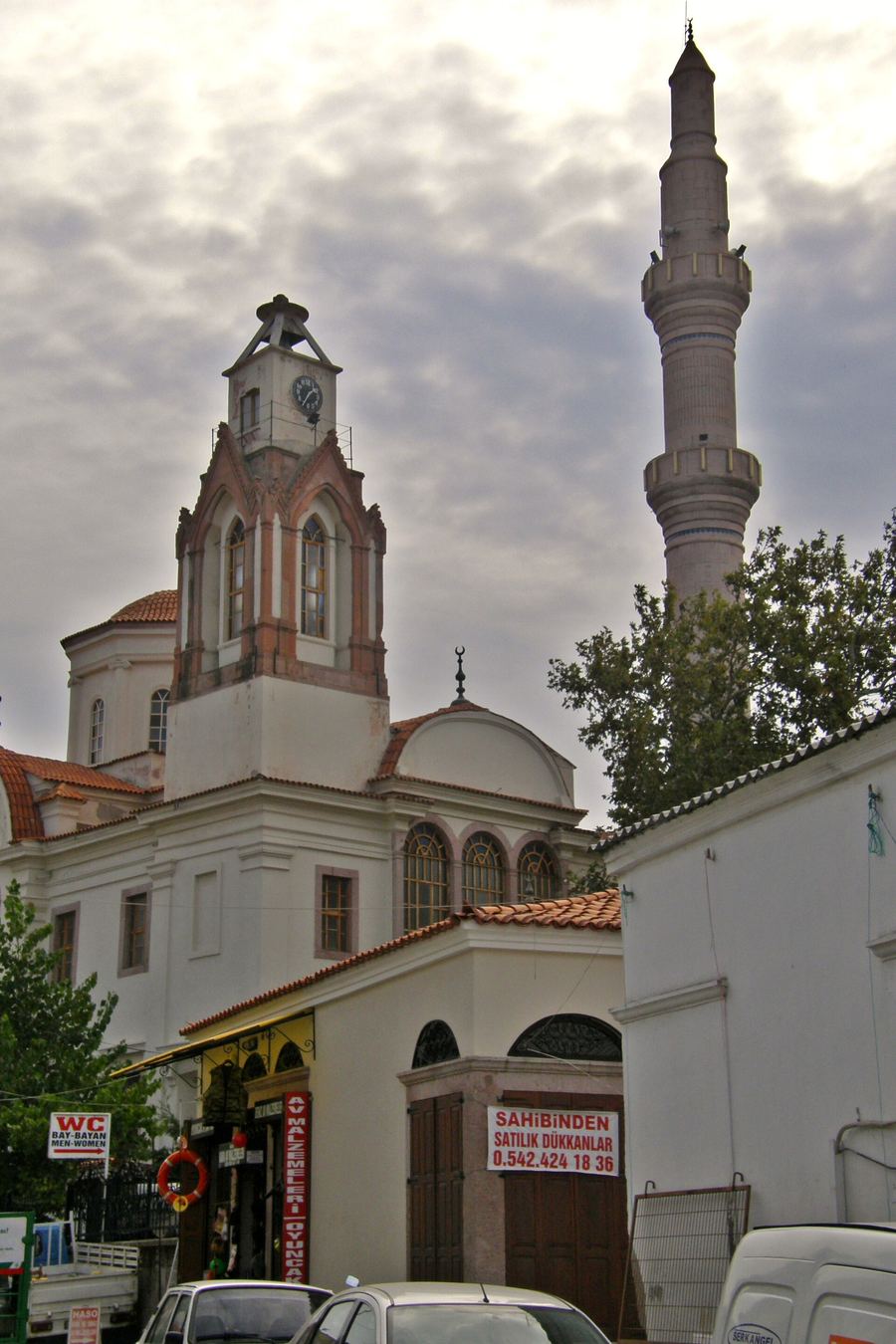
landmark
Former Greek Orthodox church converted into a mosque in 1928. Notice the original belfry clock tower still functioning.
Vraag Parley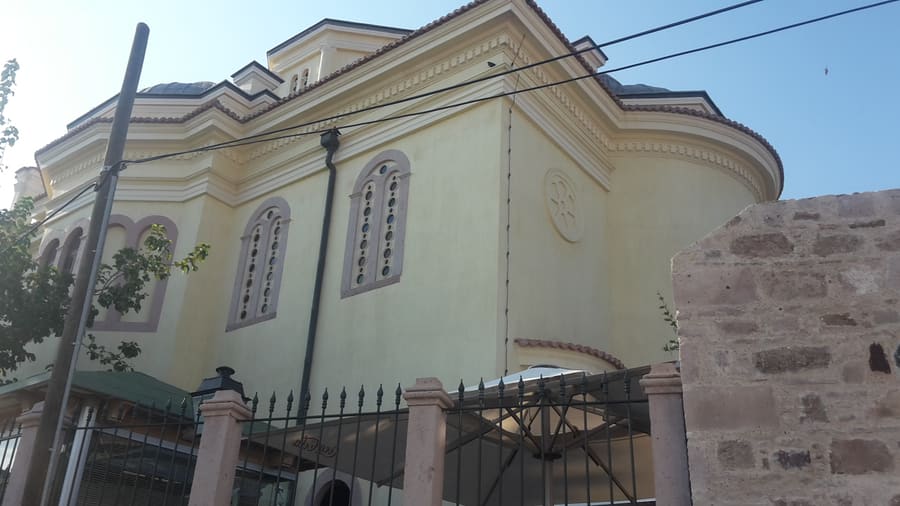
landmark
Restored 1844 cathedral showcasing marble iconography. Pay entry at the door; cash and cards are accepted.
Vraag Parley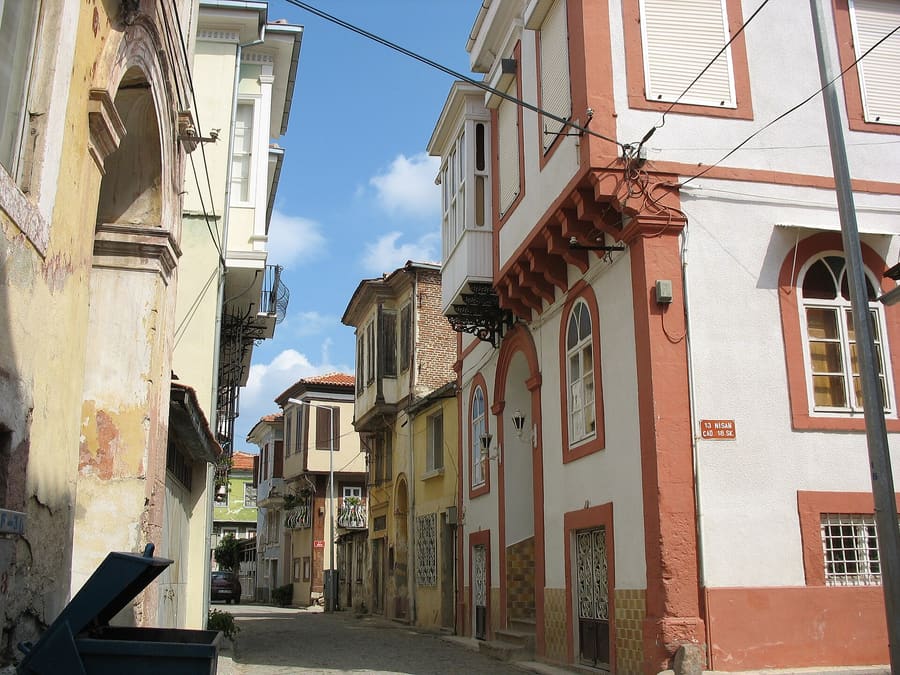
landmark
Oldest residential district featuring active artisan workshops. Visit early morning before heat and delivery trucks enter.
Vraag Parley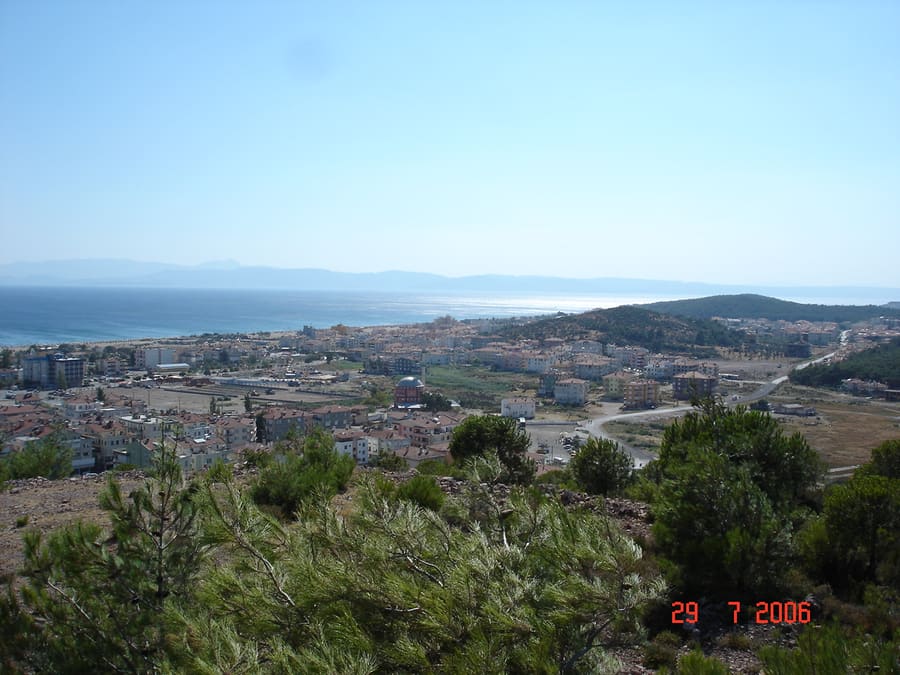
landmark
Seven-kilometre sandy bay south of town. Rent sunbeds at private clubs or use the open public sections.
Vraag Parleyattractions
areas
Dense residential streets, historic olive oil press buildings, and morning coffee houses.
DichtbijMacaron Quarter and ferry port
Vraag ParleyPedestrianized harbour strips filled with seafood restaurants and restored boutique hotels.
DichtbijRahmi M. Koç Museum and Cunda Marina
Vraag ParleyQuiet residential neighborhood set under pine trees halfway between centre and beach.
DichtbijÇamlık Bay and coast road
Vraag ParleyPurpose-built beach resort area dominated by concrete hotel blocks and beach clubs.
DichtbijBadavut Beach and Şeytan Sofrası
Vraag Parleyfood
Ayvalık culinary traditions centre on green olive oil and seasonal wild herbs. Restaurants serve mezze dishes cooked exclusively with local early-harvest extra virgin oil. Local catches like Papalina, a tiny sprat species widely distributed across the Aegean and Mediterranean seas, are fried whole and eaten in summer months.For quick meals, local bakeries use thick-cut bread grilled with kaşar cheese, sausage, pickles, and tomato paste. This sandwich, known locally as Ayvalık Tostu, originated in the town's central market stands.
Ayvalık Tostu served hot on thick toasted bread.
E4024 · CC BY-SA 4.0Papalina fish appears on Cunda harbour menus between July and September. Confirm the fish is fresh bay catch rather than frozen imported sardine.
Walk up to the chilled display counter inside tavernas to pick wild herbs like sea asparagus (deniz börülcesi) and chicory before sitting.
Buy cold-pressed extra virgin olive oil from established family estates along Gümrük Caddesi. Expect tins to be sealed for transit.
history
Ayvalık developed as an Ottoman Greek commercial port named Kydonies during the 18th century. The city gained autonomous privileges in 1773, fueling rapid growth in olive oil export and soap manufacturing. The 1923 population exchange reshaped the municipality, replacing Greek residents with Turkish families from Crete and Lesbos who maintained the region's olive farming traditions.
Autonomous Status
Sultan Mustafa III grants autonomous rights to Kydonies, establishing an exclusively Greek municipal council.
Greek War of Independence
Conflict destroys much of the town's initial structure, forcing a rebuild in neo-classical stone style.
Population Exchange
The Treaty of Lausanne replaces the town's Greek population with Turkish immigrants from Crete and Macedonia.
UNESCO Nomination
Turkey places Ayvalık's historic industrial landscape onto the UNESCO World Heritage Tentative List.
where to stay
Choose your base according to your transportation plans. Staying in Ayvalık Centre places you within walking distance of historical sites and transit hubs. Staying on Cunda Island puts you steps from evening tavernas, but requires crossing the causeway for mainland connections.
transport
Ayvalık relies on a municipal dolmuş minibus network for intra-city routes. Driving in the old town centre is difficult due to narrow lanes and steep stone steps. Park vehicles in designated harbor lots before exploring the central lanes on foot.
Vanaf Balıkesir Edremit Koca Seyit Airport (EDO)
Balıkesir Metropolitan Municipality shuttles meet domestic arrivals outside the main exit.
Official airport taxis line up outside arrivals. Agree on meter usage before setting off.
Minibuses marked 'Cunda' depart every 15 minutes from the central Ayvalık square near the clock tower.
Pay transit drivers directly in cash using small Turkish Lira banknotes or tap contactlessly using contactless payment cards.
Small passenger ferries cross between Ayvalık town quay and Cunda harbour hourly during summer daylight hours.
cost
Prices reflect Ayvalık's status as a premier domestic Aegean holiday spot. Prices spike on Cunda Island during peak summer months compared to mainland Ayvalık shops.
Standard price at market stands in the central toast vendors alley.
Per person cost for fresh fish, two cold mezze plates, and a soft drink.
Single trip rate between Ayvalık Centre, Çamlık, or Sarımsaklı.
Served with a glass of water and mastic resin candy at historic cafes.
seasonality
APR – MAY
Mild weather ideal for walking old town streets. Sea temperatures remain cool for swimming.
JUN – AUG
Peak coastal season. Expect high heat, full beach clubs, and heavy evening crowds on Cunda.
SEP – OCT
Warm waters and reduced crowds. The annual olive harvest starts in late autumn.
NOV – MAR
Quiet winter season. Many coastal hotels close, but olive oil pressing operates actively.
practicalities
The weekly open-air market occupies central streets every Thursday, bringing crowds from nearby Greek islands.
Wear flat, durable shoes when walking upper Macaron lanes. Polished granite cobbles get slick.
Produce stands and small produce vendors in the old market area accept cash only.
Summer afternoons bring strong winds across northern beaches. Pick southern bays like Badavut on windy days.
Cover shoulders and knees when visiting converted historical churches like Saatli Cami during non-prayer hours.