landmark
Playa Delfines
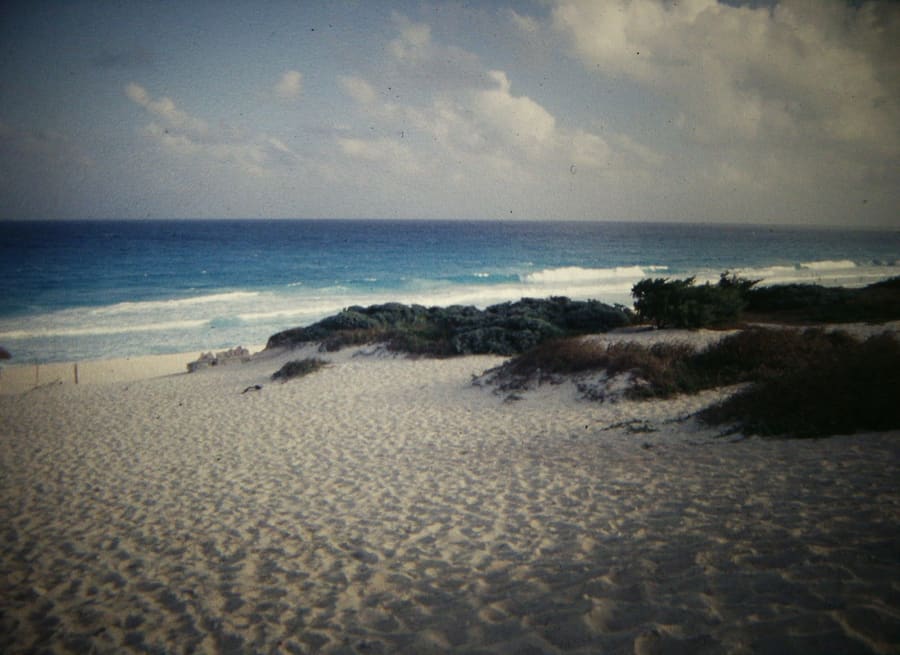
Public beach with heavy surf and no high-rise hotels directly on its sand. Take bus R-1 or R-2 to kilometer 19.5.
Vraag ParleyMexico
A planned Caribbean resort strip backed by Yucatecan life.
introduction
Cancún operates as two distinct cities joined by Boulevard Kukulcán. The Zona Hotelera stretches along a narrow 22-kilometer sandbar dedicated to resorts, nightlife, and open ocean. Inland sits El Centro, a grid of neighborhoods where residents eat, shop, and trade at local prices. Navigating between them requires only a 12 MXN ride on frequent municipal buses.
Airport taxicab strategy
Skip terminal taxi booths charging 1,000 MXN. Book an official ADO bus to downtown for 130 MXN, then catch a local R-1 bus.
Great Mayan Reef connection
Cancún borders the Mesoamerican Barrier Reef System, the second largest reef structure on Earth.
Seaweed season timing
Sargassum algae peaks between April and August. Check live beach camera feeds before booking oceanfront stays.
Cancún
alyssa BLACK. from toronto, canada · CC BY-SA 2.0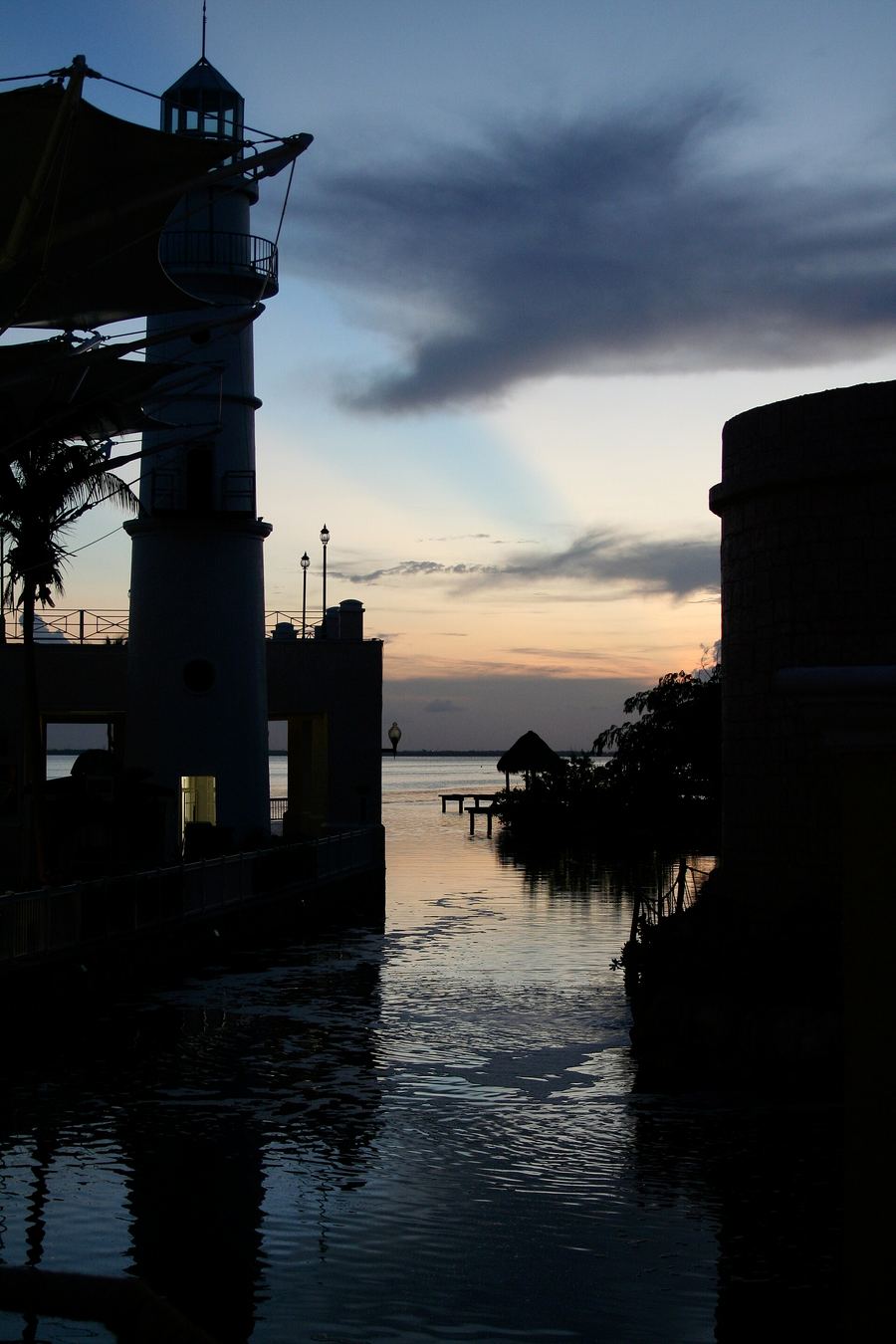
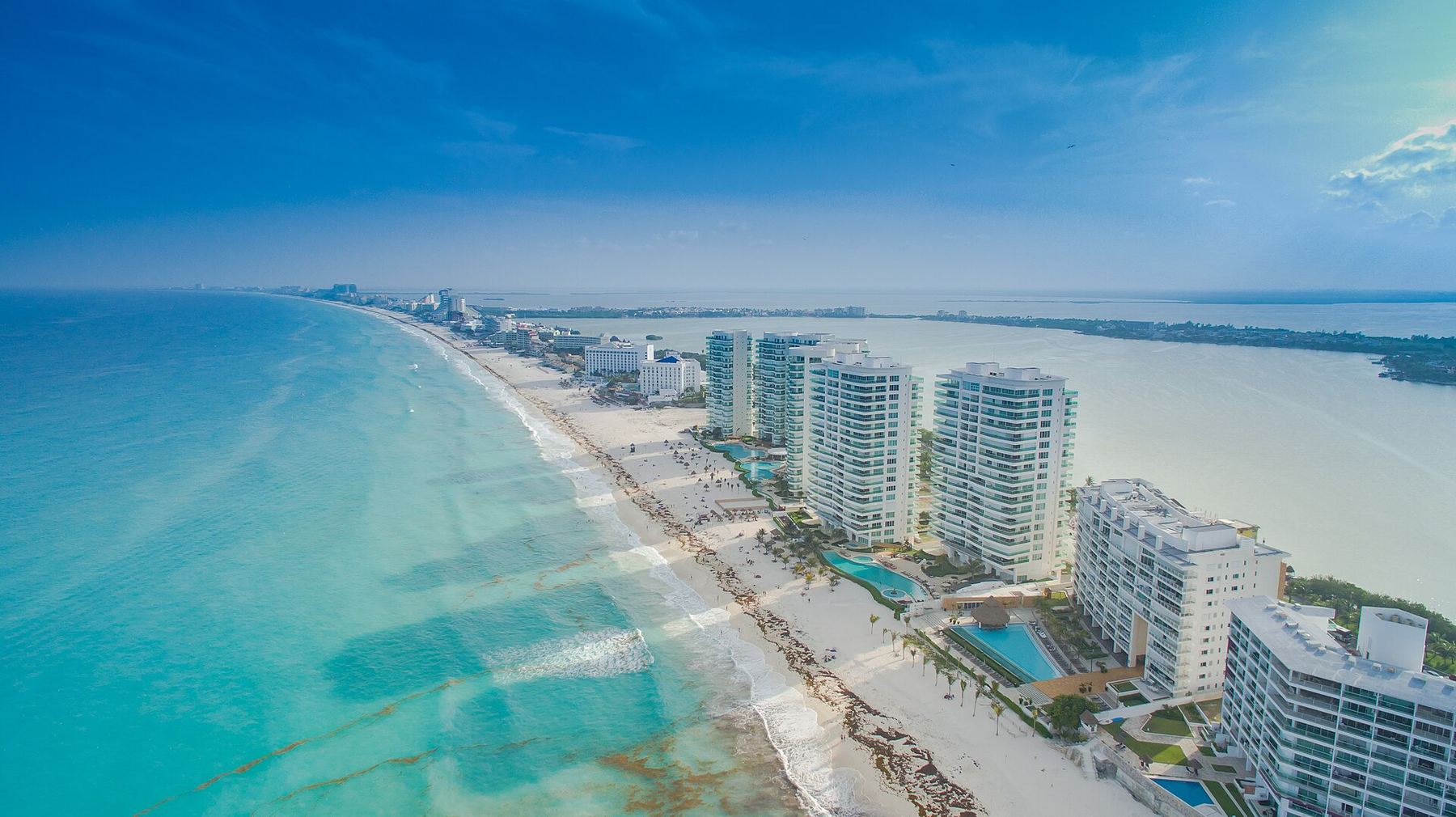
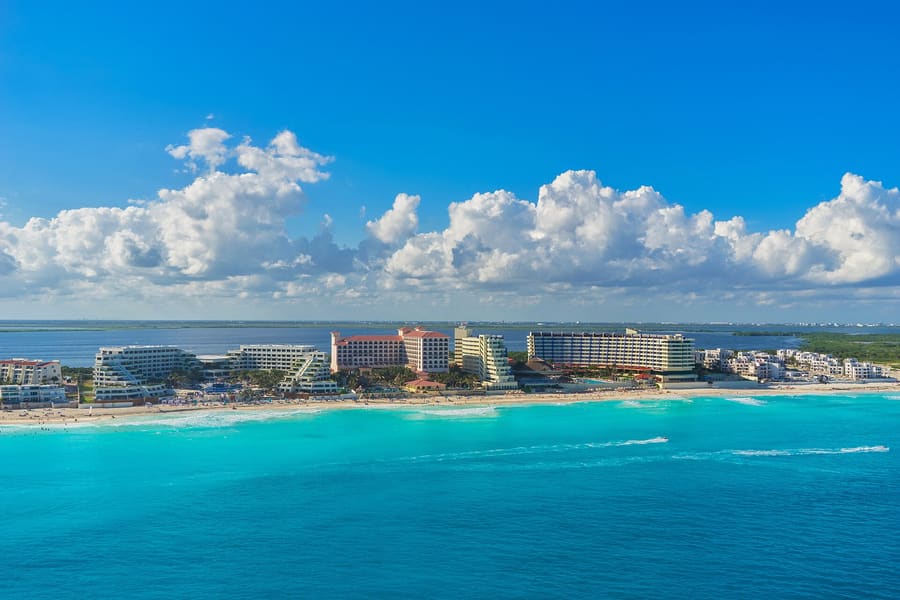
Zona Hotelera — A 22-kilometer sand barrier strip of mega-resorts, nightclubs, and calm lagoon waters.
emiliano tomei · CC BY-SA 3.0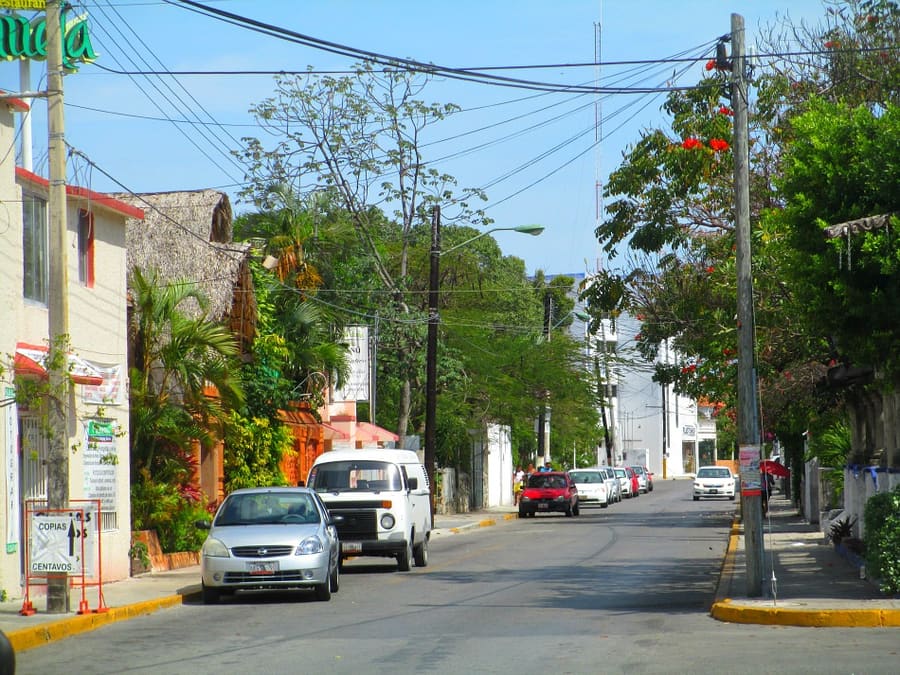
El Centro — The inland working city where residents shop, dine, and run daily errands at real peso prices.
holachetumal · CC BY 3.0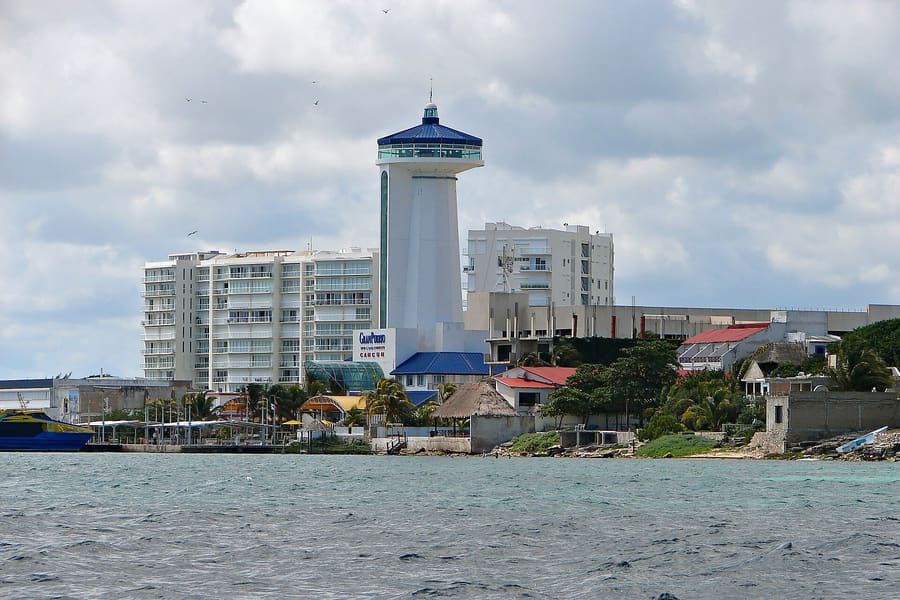
Puerto Juárez — A traditional seaside neighborhood defined by fishing docks, ferry slips, and seafood shacks.
P199 · CC BY-SA 3.0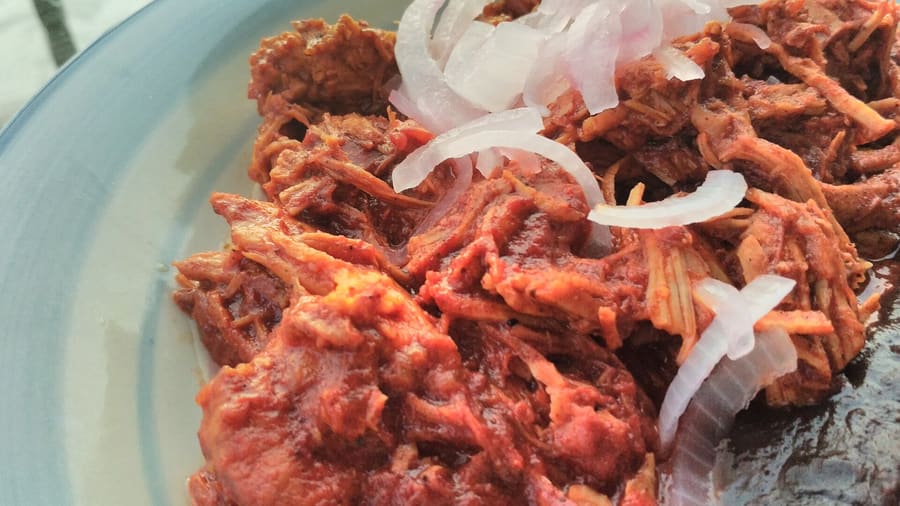
Cochinita pibil served with pickled red onion and habanero.
Popo le Chien · CC BY-SA 3.0highlights
landmark
Public beach with heavy surf and no high-rise hotels directly on its sand. Take bus R-1 or R-2 to kilometer 19.5.
Vraag Parley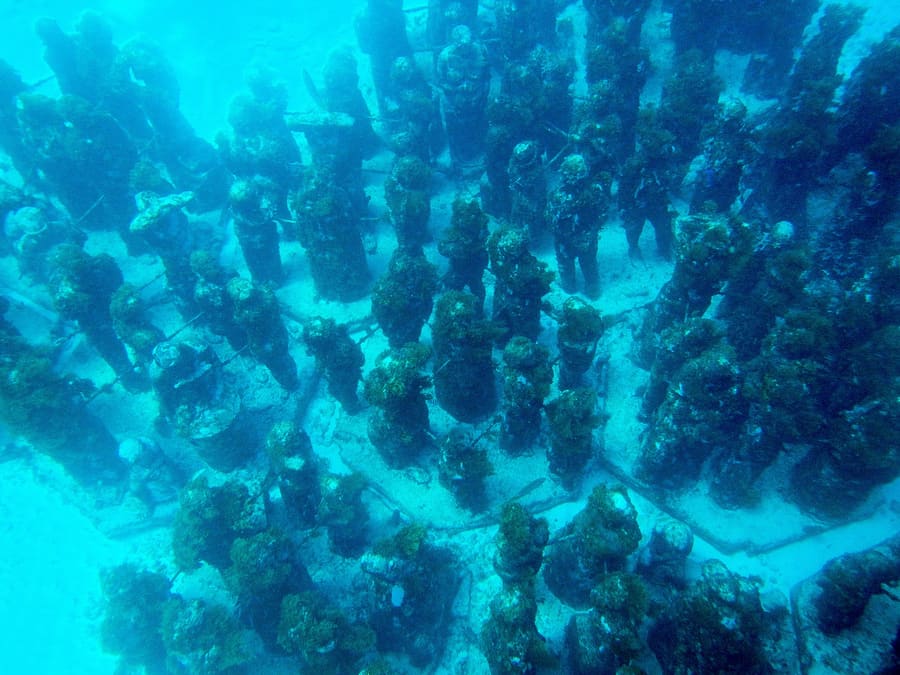
landmark
Over 500 artificial reef sculptures submerged off the coast. Glass-bottom boats suit non-swimmers, while divers see full depth.
Vraag Parley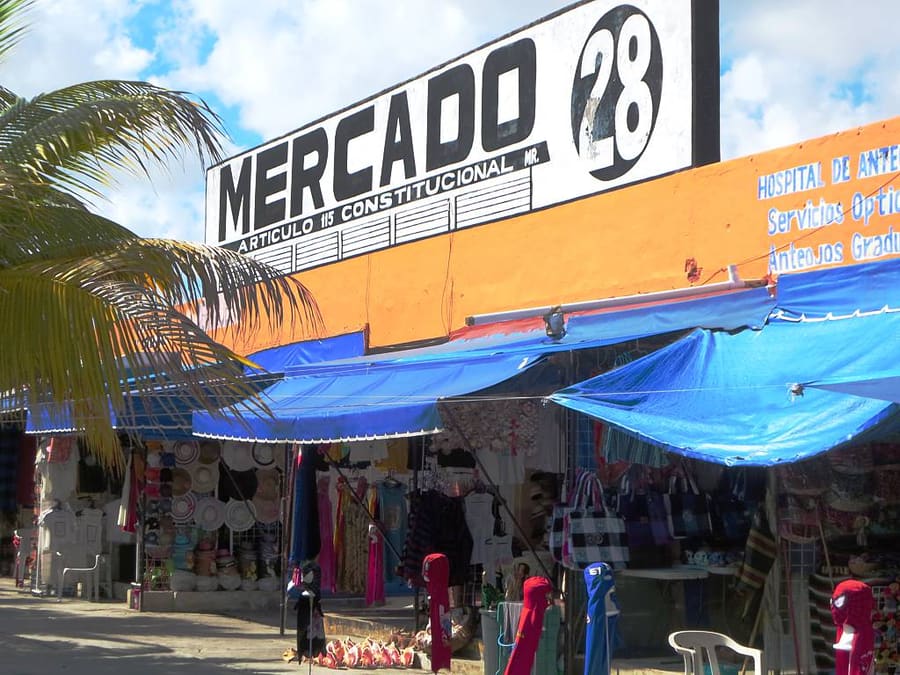
landmark
Sprawling city center market for crafts and silver. Vendors quote high initial prices; polite bargaining is expected.
Vraag Parleyattractions
areas
A 22-kilometer sand barrier strip of mega-resorts, nightclubs, and calm lagoon waters.
DichtbijNichupté Lagoon and Playa Delfines
Vraag ParleyThe inland working city where residents shop, dine, and run daily errands at real peso prices.
DichtbijParque Las Palapas and Mercado 28
Vraag ParleyA traditional seaside neighborhood defined by fishing docks, ferry slips, and seafood shacks.
DichtbijUltramar ferry terminal and El Centro
Vraag ParleyA private gated luxury enclave north of downtown with wide, sargassum-protected beaches.
DichtbijPuerto Juárez and El Meco ruins
Vraag Parleyfood
Cancún cuisine splits along spatial lines. Hotel Zone restaurants cater to international palates with imported cuts and inflated bills. Real Yucatecan food lives in El Centro. Slow-roasted cochinita pibil, seasoned with achiote and bitter orange, anchors morning menus across downtown.
Cochinita pibil served with pickled red onion and habanero.
Popo le Chien · CC BY-SA 3.0Cochinita pibil is traditionally eaten for breakfast and lunch. Standout taquerías run out of slow-cooked pork by 13:00.
Parque Las Palapas transforms after 17:00 into a street dessert hub. Order a crispy rolled crepe filled with Nutella and shredded Edam cheese.
Street stalls near Avenida Tulum do not process credit cards. Keep 200 MXN in small bills for daily dining.
Order whole fish marinated in achiote and grilled over charcoal inside banana leaves at waterfront eateries near the docks.
history
Cancún is a recent creation. Before 1970, the sandbar was sparsely populated by coconut plantation caretakers and fishing families. The Mexican government engineered the city from scratch to process foreign currency.
Computer-selected sands
Mexican planners used early computer algorithms to select a sandbar populated by twelve families as an ideal tourism hub.
Master plan ground break
Infrastructural work began on Boulevard Kukulcán, connecting the narrow barrier island to the mainland swamp.
First resorts open
The first government-financed hotels opened, alongside an international airport built to funnel overseas vacationers.
Hurricane Gilbert resets design
Category 5 winds swept through, prompting engineered beach replenishment projects and stricter building codes.
Maya Train infrastructure
The opening of the Tren Maya rail project connected Cancún Airport directly to archaeological sites across the Yucatán.
where to stay
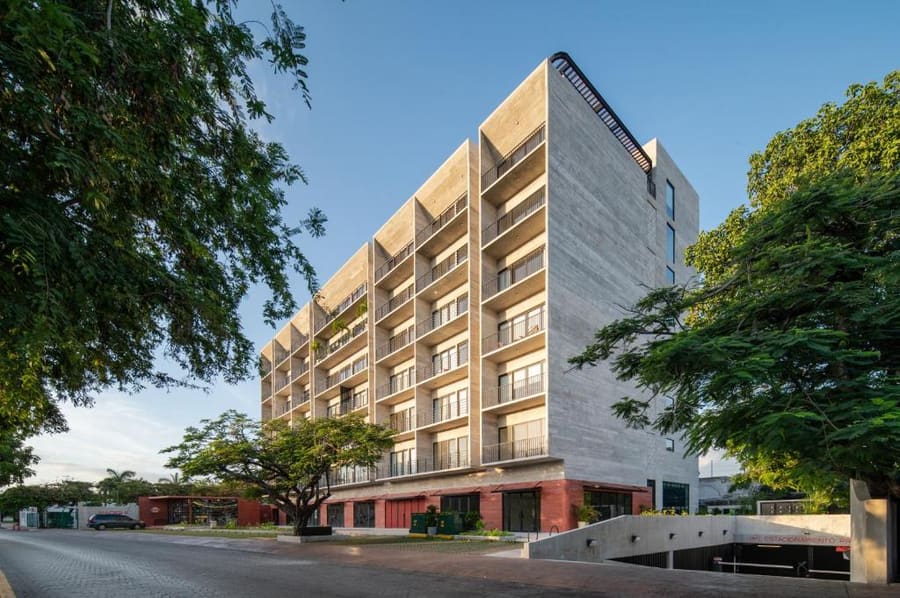
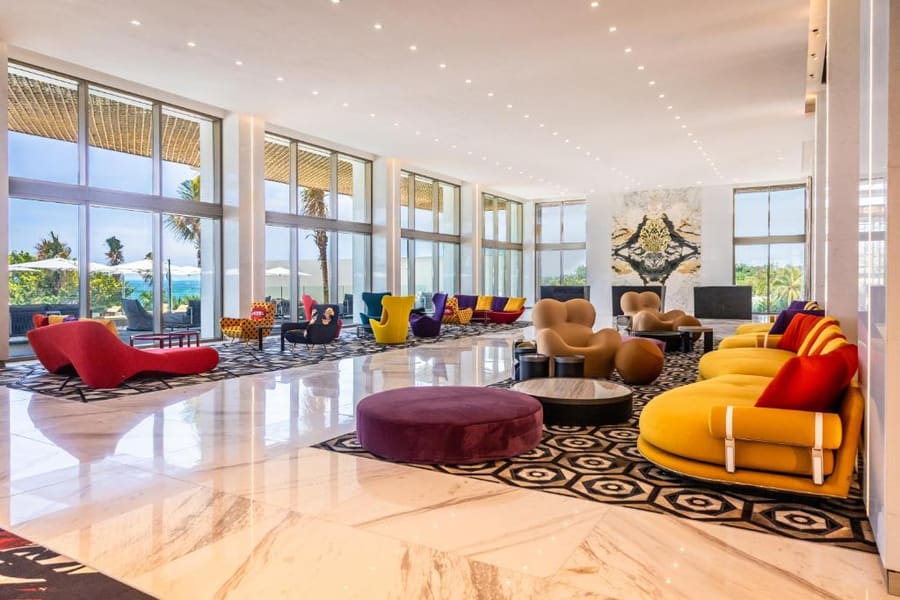
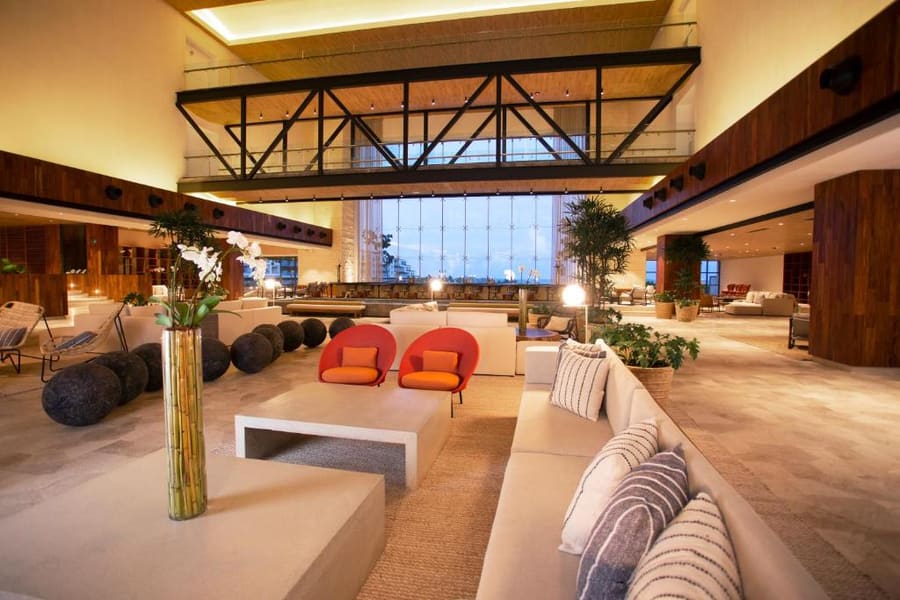
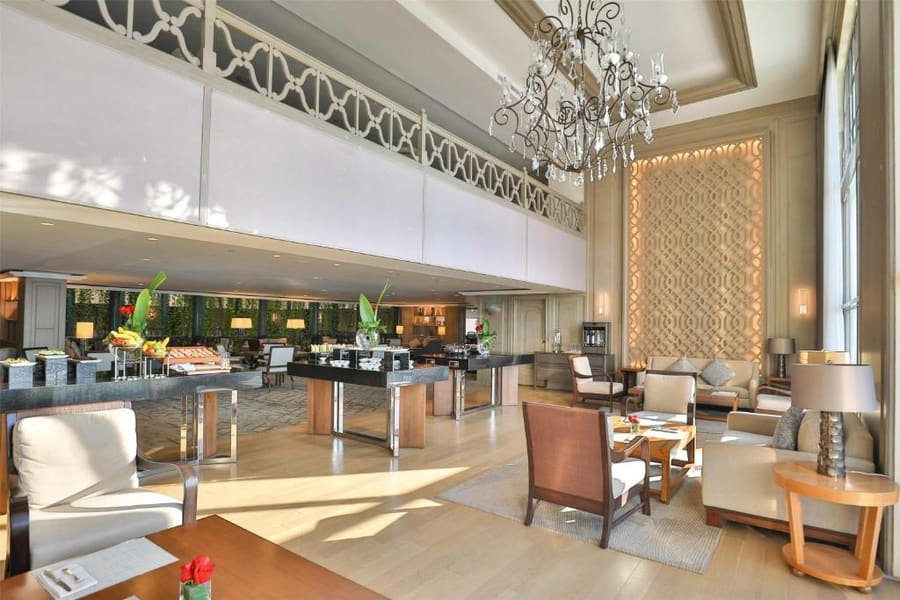
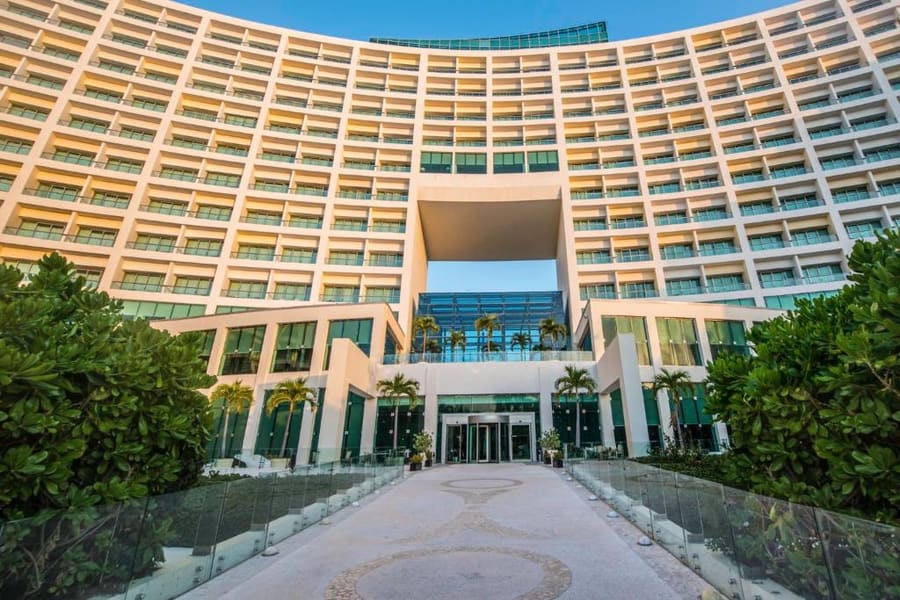
Choose your base by how you want to move. The Zona Hotelera trades local context for oceanfront steps and easy security. El Centro trades immediate water access for lower nightly rates and direct access to regional transit. Playa Mujeres offers quiet isolation at premium rates.
Live rates, matched to the areas above.
transport
Public buses are the most efficient way to travel between downtown and the Hotel Zone. Red city buses run continuous circuits along the single main arterial road day and night.
Vanaf Cancún International Airport (CUN)
ADO buses run every 20 minutes from all airport terminals straight to El Centro bus station.
Pre-book online; door-to-door hotel delivery in Zona Hotelera.
Negotiate and set the price at airport official counters before boarding.
Red city buses run 24 hours down Boulevard Kukulcán, connecting downtown to the Hotel Zone for 12 MXN per ride. Pay exact cash to the driver.
Cancún street taxis lack meters. State your destination and agree on a peso price before stepping inside.
The Cancún Airport station connects to Mérida and Campeche. Purchase tickets online or at the station terminal.
White colectivo vans run fixed routes along Highway 307 toward Playa del Carmen. Wave your hand to stop them roadside.
cost
Cancún uses two currency regimes. The Hotel Zone defaults to USD pricing with high markups, while El Centro operates primarily on Mexican pesos, but US dollars and major credit cards are also widely accepted.
Found at downtown spots around Parque Las Palapas; expect 35 MXN average per taco.
Flat single fare for R-1 and R-2 routes along Boulevard Kukulcán.
Round-trip ticket per adult on Ultramar ferries from Puerto Juárez.
Covers two mains and soft drinks at authentic downtown Yucatecan establishments.
seasonality
DEC – APR
Clear blue waters and low humidity, but hotel rates hit annual peaks. Book months in advance.
MAY – JUN
Rising temperature and humidity with moderate rainfall. Sargassum algae begins accumulating on east-facing shores.
JUL – AUG
Peak heat and high humidity bring warm waters. European summer travellers crowd major all-inclusive resorts.
SEP – NOV
Official hurricane season with frequent tropical rain showers. Lowest accommodation prices of the year.
practicalities
Local regulations at cenotes and marine parks require mineral sunscreen to protect coral and aquatic ecosystems.
Resort area businesses list prices in USD but apply poor conversion rates. Pay in local pesos to save roughly 10%.
Strong undertows affect open ocean beaches along the Hotel Zone strip. Red flags indicate swimming is forbidden.
Municipal tap water is unsafe to drink. Stick to bottled or filtered water provided by hotels and restaurants.
Private cenote operators rarely offer online savings. Paying cash at the gate avoids third-party agent markups.