landmark
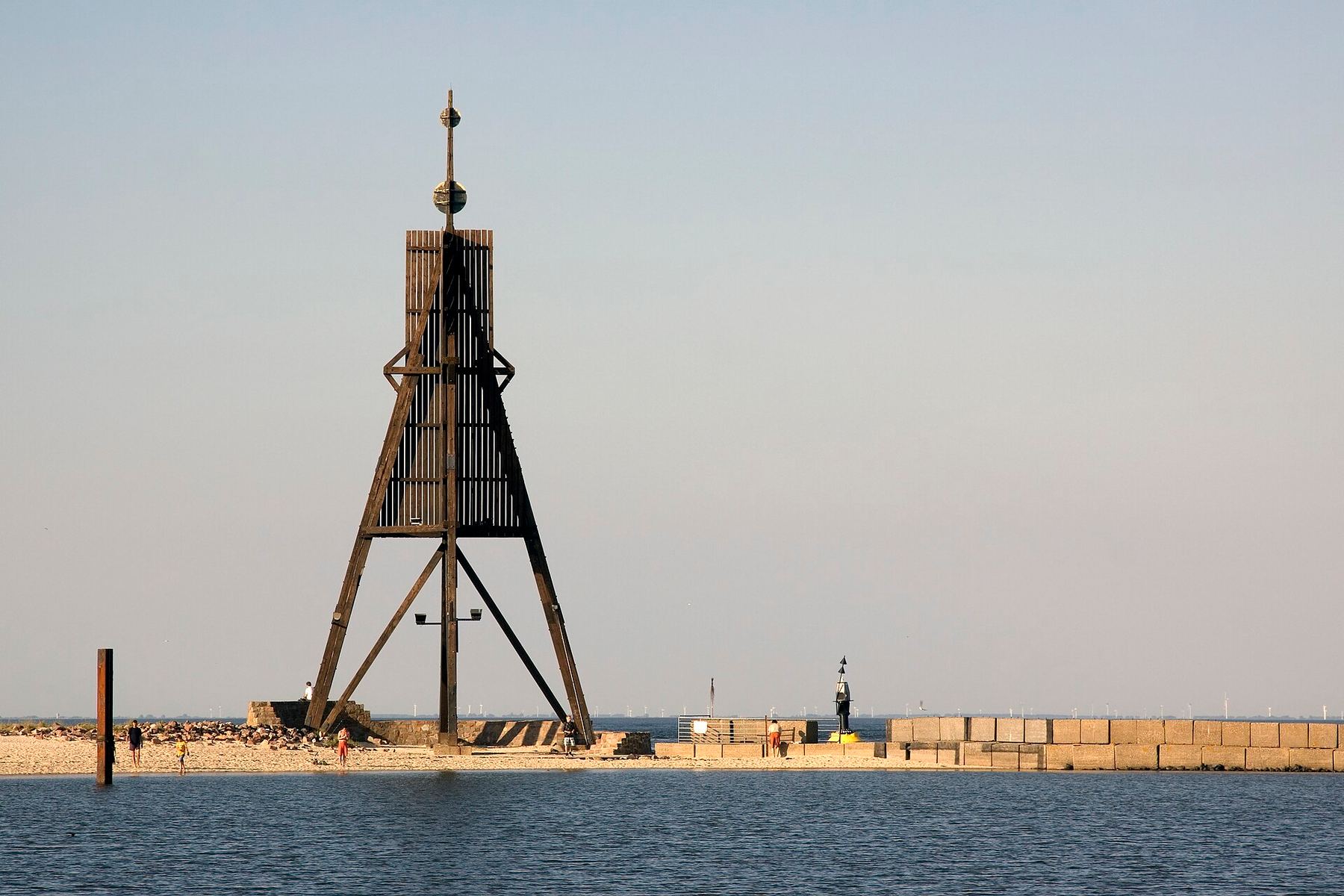
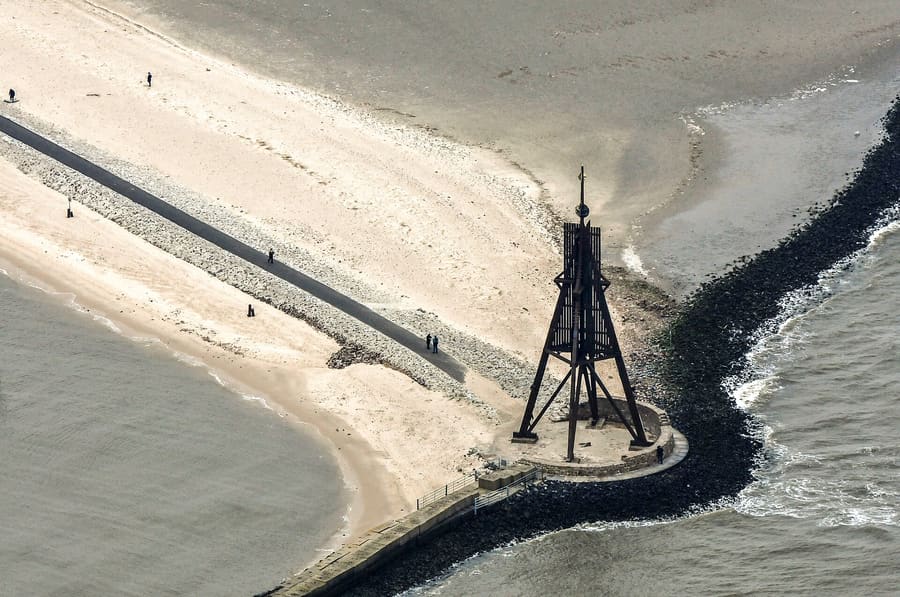
Kugelbake
This 29-metre wooden beacon marks the northernmost point of Lower Saxony. Walk along the dike at low tide for views of container ships.
Vraag ParleyDuitsland
Where the Elbe meets the North Sea mudflats.
introduction
Cuxhaven sits at the mouth of the Elbe river, where shipping lanes open into the North Sea mudflats. Life here moves to the rhythm of six-hour tides that drain the coast down to bare seabed twice daily. You travel between the historic red-brick harbour district and sandy beach suburbs by local bus or bicycle. Expect brisk coastal winds, heavy maritime traffic, and unfiltered mudflat landscapes.
Rail connection
Regional trains run directly from Hamburg Hauptbahnhof to Cuxhaven in 105 minutes. No high-speed ICE trains serve this terminal station.
Wadden Sea UNESCO status
The Lower Saxony Wadden Sea became a UNESCO World Heritage site in 2009. Walking onto the seabed requires checking local tide tables daily.
Tidal access tax
Cuxhaven charges a mandatory spa tax up to €3.80 per adult per day in peak season. Keep your guest card to access beach dikes.
Cuxhaven
Ra Boe · CC BY-SA 2.5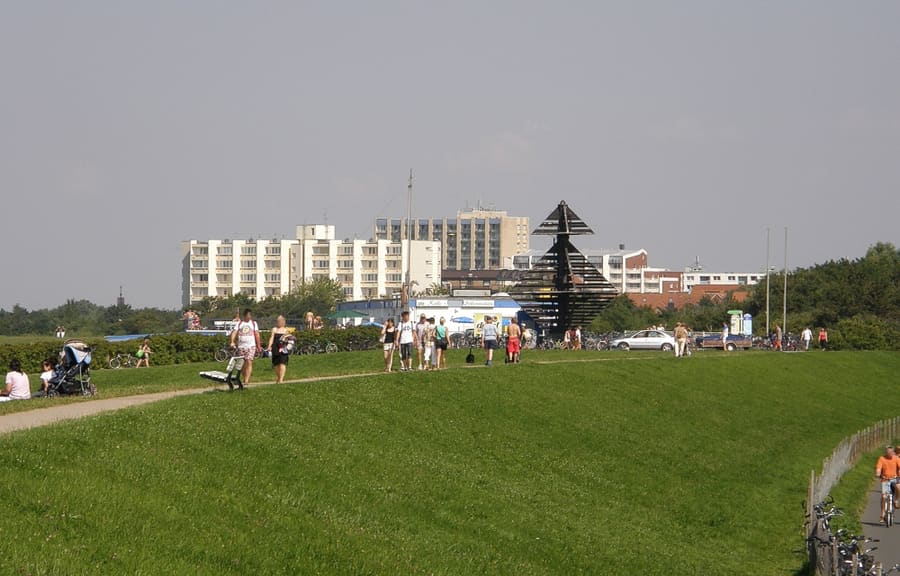
Duhnen — Paved promenade lined with fish stands, wellness hotels, and horse carriage terminals.
Ra Boe · CC BY-SA 3.0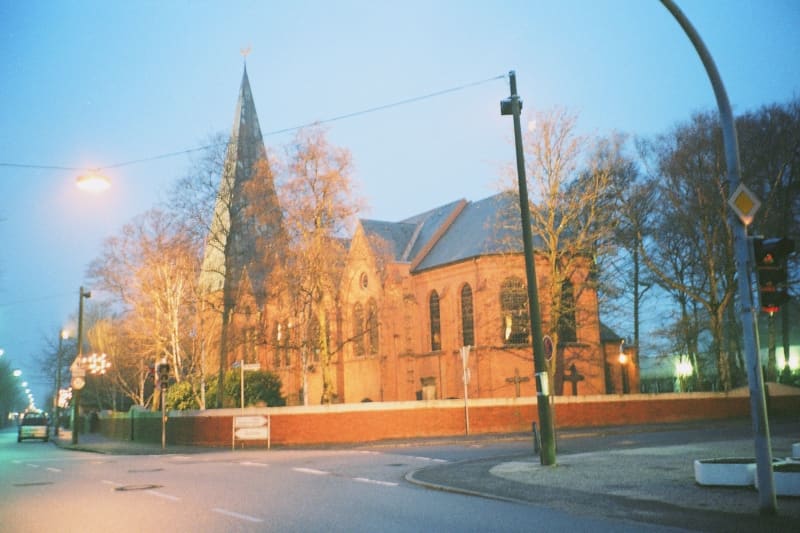
Döse — Family-oriented beach suburb anchoring the green grass dike and quiet residential streets.
Simon-Martin · CC BY-SA 3.0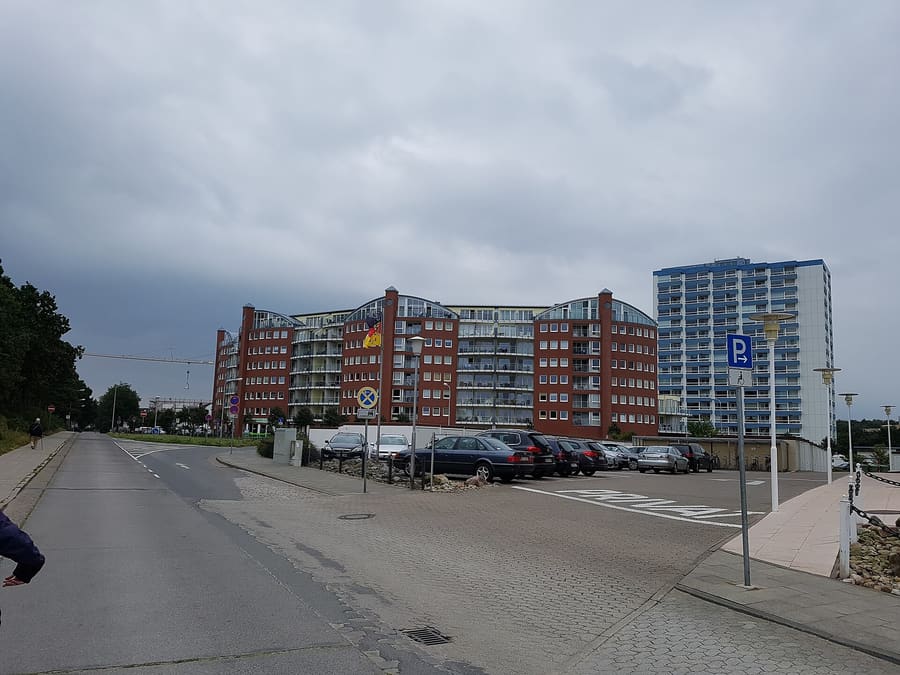
Sahlenburg — Coastal pine forest meeting mudflats, popular with dog walkers and camper vans.
Slomox · CC BY-SA 4.0highlights
landmark
This 29-metre wooden beacon marks the northernmost point of Lower Saxony. Walk along the dike at low tide for views of container ships.
Vraag Parley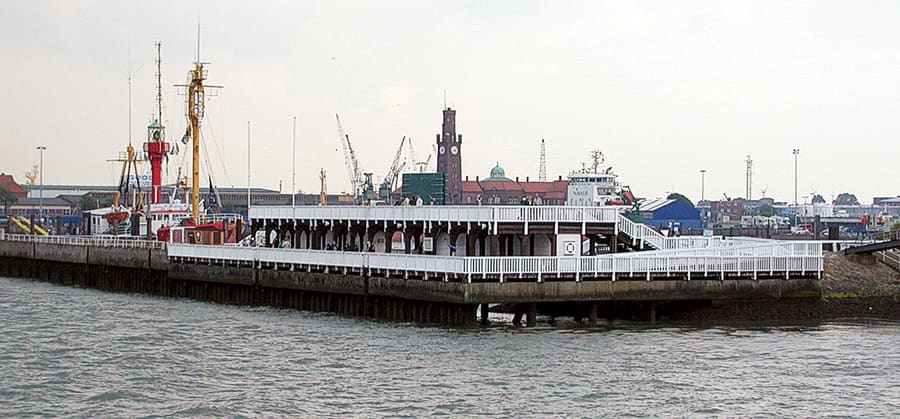
landmark
A two-deck wooden pier built in 1733 as a breakwater. Loudspeakers broadcast ship details and destinations to onlookers daily.
Vraag Parley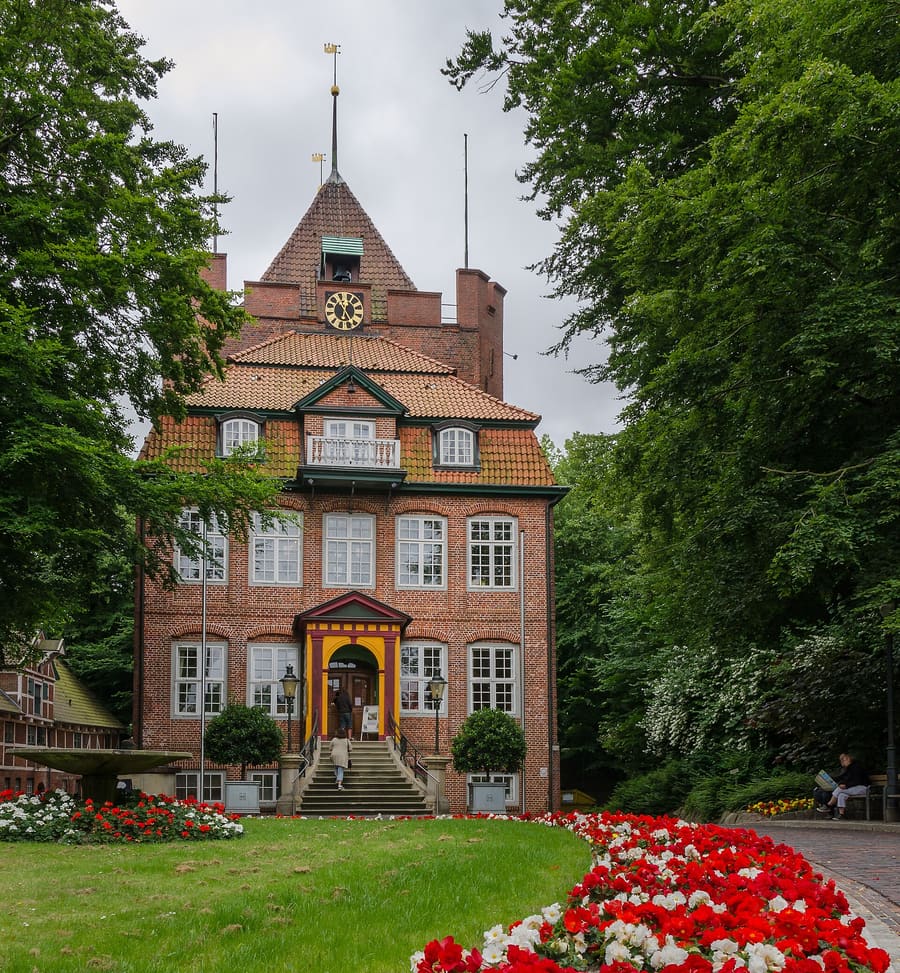
landmark
A 14th-century brick castle that served Hamburg bailiffs for centuries. The surrounding park offers shaded walking trails near town.
Vraag Parley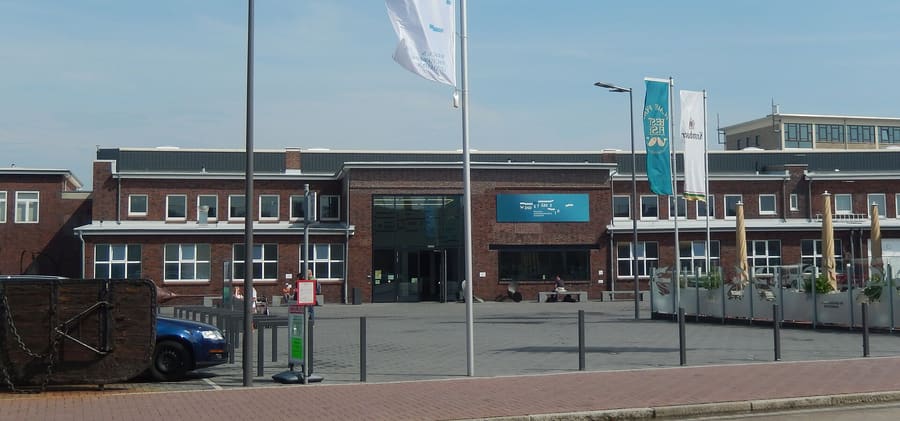
landmark
Housed in historic fish processing halls, this museum documents North Sea shipwrecks and deep-sea fishing risks through physical artifacts.
Vraag Parley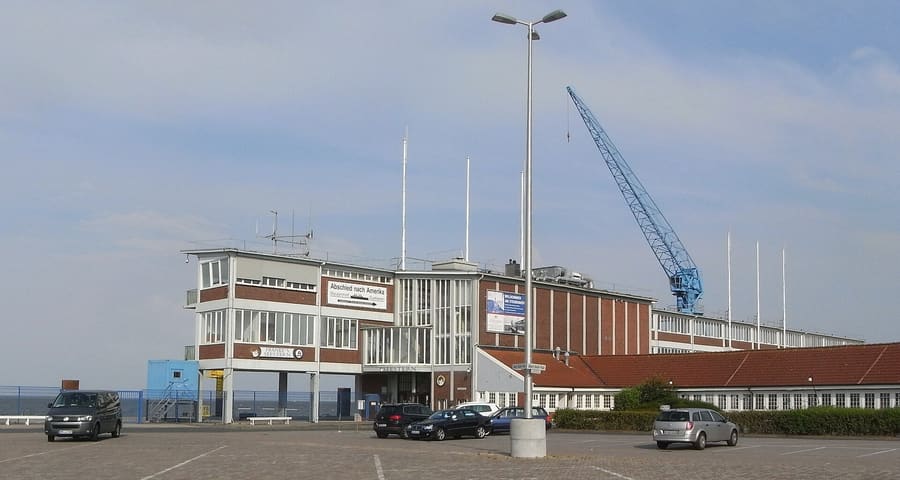
landmark
The ocean liner terminal where millions of European emigrants boarded ships for America. Passenger ferries to Helgoland dock next door.
Vraag Parleyattractions
areas
Paved promenade lined with fish stands, wellness hotels, and horse carriage terminals.
DichtbijWattwagen departures to Neuwerk and Thalassozentrum ahoi!
Vraag ParleyFamily-oriented beach suburb anchoring the green grass dike and quiet residential streets.
DichtbijKugelbake beacon, Fort Kogelbake, and coastal bike paths.
Vraag ParleyCoastal pine forest meeting mudflats, popular with dog walkers and camper vans.
DichtbijWernerwald forest and direct mudflat footpaths toward Neuwerk.
Vraag ParleyWorking maritime quarter featuring historic brick architecture, fish processing halls, and train links.
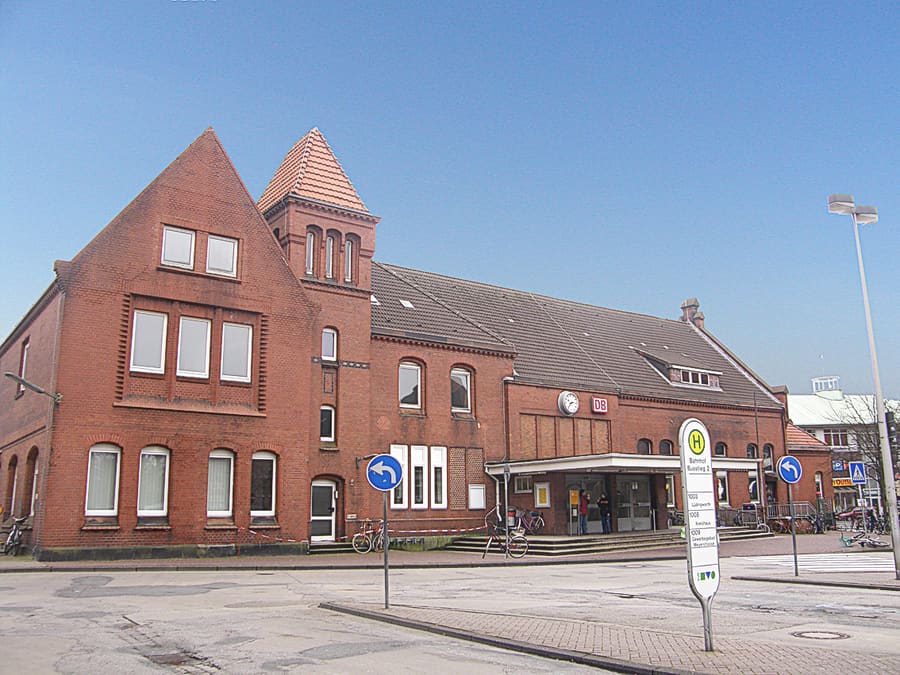
DichtbijWindstärke 10 museum, Alte Liebe pier, and Cuxhaven station.
Vraag Parleyfood
Cuxhaven seafood relies heavily on the daily landed catch at the Neuer Fischereihafen. North Sea shrimp, locally called Krabben, are sold cooked or packed into fresh bread rolls at dockside counters. Traditional harbour taverns serve Labskaus, a sailor dish made of cured beef, potatoes, and beetroot topped with a fried egg and pickled herring. For dinner, head directly to the brick fish processing halls along Neufelder Straße rather than tourist promenades.
Buy shrimp rolls at working fishmongers inside the Alter Fischereihafen. Quality depends on local daily catches rather than imported pre-peeled supply.
Order Labskaus at maritime taverns near the harbour for the authentic recipe combining salted beef, potato mash, beetroot, rollmops, and fried egg.
Small fish stalls along the harbour and seasonal beach kiosks rarely accept credit cards. Keep small euro notes for fish rolls and sea snacks.
history
Cuxhaven began as an outpost of the Free and Hanseatic City of Hamburg, which acquired Schloss Ritzebüttel in 1394 to secure the mouth of the Elbe river. For five centuries, Hamburg bailiffs ruled the settlement to guard maritime shipping channels against Baltic and North Sea pirates. The port grew significantly during the late 19th century as a deep-water ocean liner hub and deep-sea fishing base before joining Prussia in 1937.
Hamburg occupation
Hamburg captured Ritzebüttel fortress to control the Elbe river mouth and protect merchant vessels against local pirates.
Seaside resort founded
Cuxhaven opened its first official saltwater bathing facilities, beginning its transformation into a coastal resort town.
Greater Hamburg Act
Administrative control of Cuxhaven transferred from Hamburg to the Prussian province of Hanover after five centuries of Hamburg rule.
where to stay
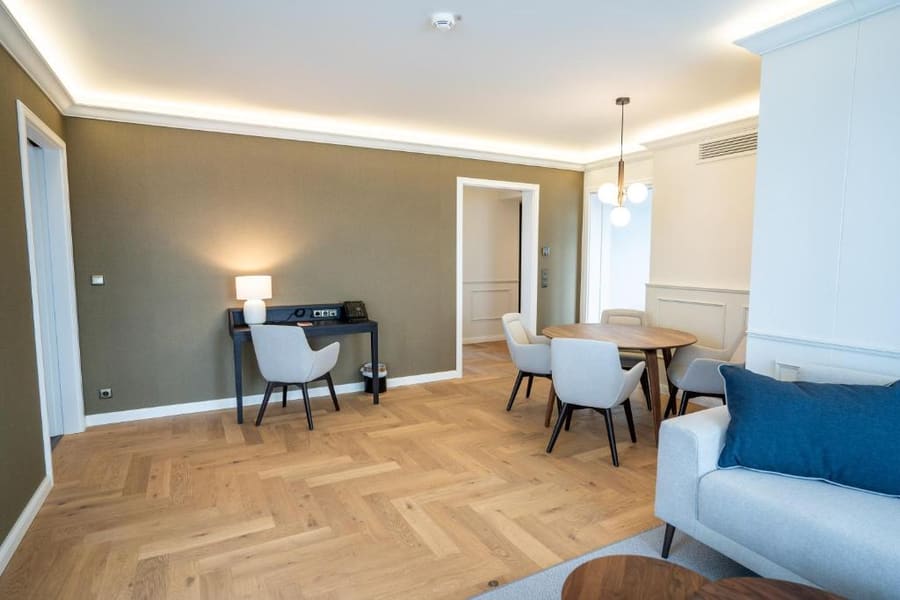
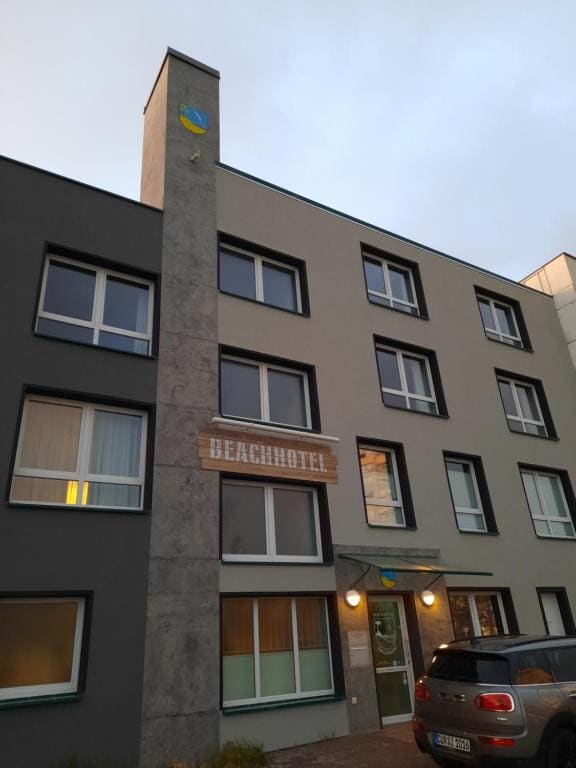
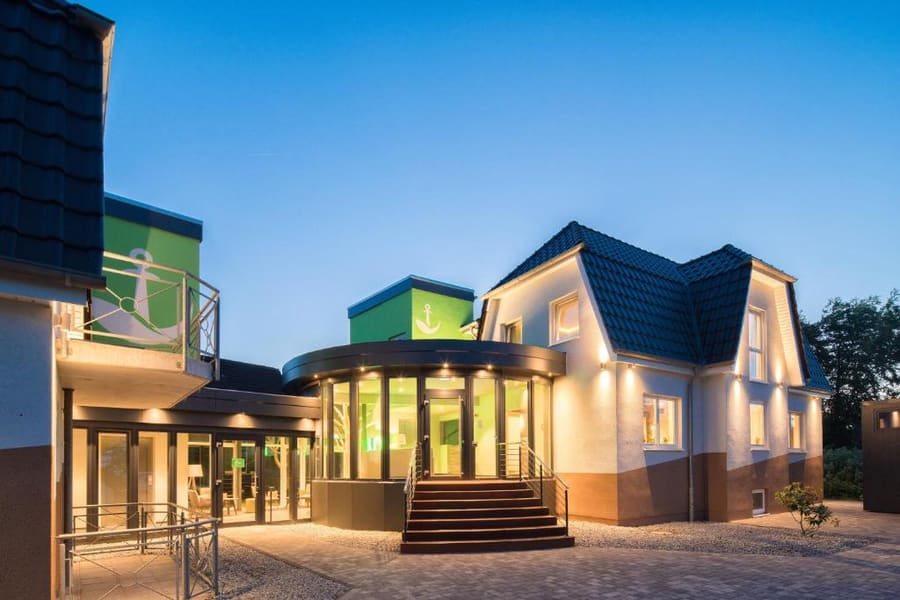
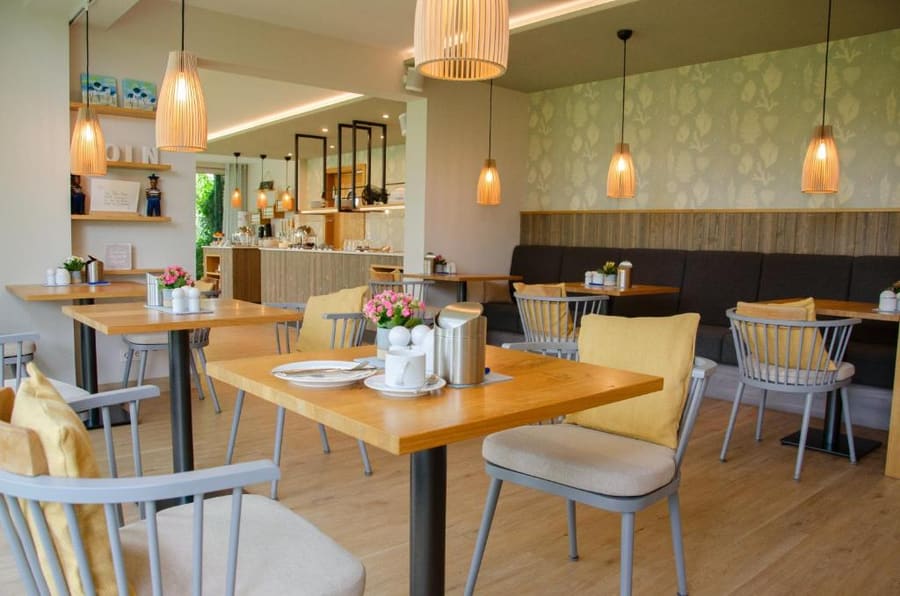
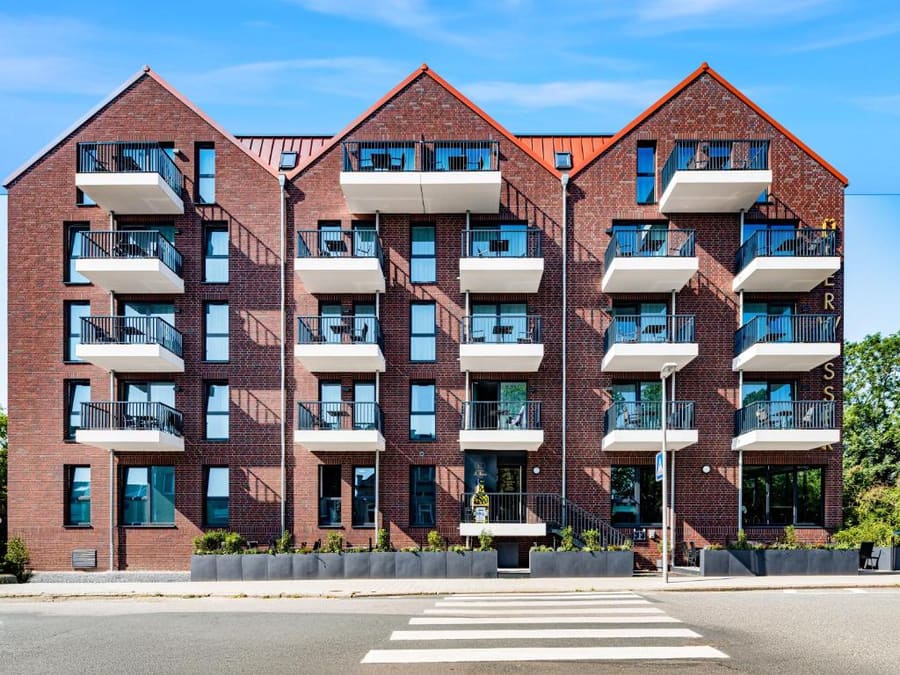
Choose your base based on how close you want to be to the water or the train station. Duhnen offers direct sandy beach access and high-end spa hotels, but commands the highest nightly rates. Döse provides quiet family pensions along grassy dikes. Sahlenburg suits nature lovers with campsite access next to pine forests. Ritzebüttel keeps you within walking distance of the central railway terminal and harbour fish markets.
Live rates, matched to the areas above.
transport
Cuxhaven is a linear coastal town stretching eight kilometres from the harbour to Sahlenburg. Cuxhaven Hauptbahnhof serves as the regional train terminus connecting directly to Hamburg and Bremen. Local KVG buses link the station to beach districts every 15 to 30 minutes during daytime hours. Bicycles are the most efficient local transport option due to flat terrain and dedicated sea-dike paths.
Vanaf Cuxhaven Hauptbahnhof (Rail Hub)
RE5 regional train connects Hamburg Hauptbahnhof directly to Cuxhaven every hour.
KVG bus lines 101 and 102 link Cuxhaven station to Döse and Duhnen beach stops.
Seasonal catamaran service operated by FRS Helgoline connects Hamburg St. Pauli directly to Cuxhaven pier.
Your physical Kurkarte guest card provides discounted fares on coastal bus lines operated by KVG between Sahlenburg and Altenbruch.
Bus service to Sahlenburg and Döse drops significantly after 20:00. Taxis should be pre-booked on summer nights.
The Niedersachsen-Ticket covers regional train travel from Hamburg and local bus transfers in Cuxhaven for a single day fee.
Cuxhaven is flat and exposed to sea wind. Renting an e-bike from rental outlets near Duhnen saves significant effort.
cost
Cuxhaven is moderately priced compared to the East Frisian Islands or Sylt. Mandatory municipal visitor taxes apply across all resort zones. Seafood prices reflect seasonal market catches. Expect higher hotel costs during July and August, while dining and transit prices remain stable throughout the year.
Mandatory visitor fee charged per adult per day across resort zones. Collected by accommodation providers or ticket booths.
Price varies depending on the daily market catch rate of North Sea shrimp in local harbour facilities.
Round-trip horse carriage journey across the mudflats including return time allowance on the island.
Standard daily hire rate for e-bikes from rental outlets along the main beach promenades.
seasonality
MAR – MAY
Crisp winds and quiet dikes. Water remains cold, but mudflat carriage tours restart seasonal operations.
JUN – AUG
Peak beach season. Shallow waters warm up, accommodation rates double, and advanced bookings are mandatory.
SEP – OCT
Autumn storm watching begins. Clear coastal air and reduced crowds make mudflat walking ideal before winter closures.
NOV – FEB
Off-season tranquility. Mudflat tours halt, many beach kiosks close, but hotel wellness rates drop significantly.
practicalities
Low tide happens twice every 24 hours. Never walk far onto the seabed without checking printed tide timetables from the tourist office.
Coastal winds off the North Sea lower perceived temperatures. Pack a windproof jacket even during midsummer visits.
Keep your paper or digital Kurkarte accessible. Inspectors check for guest cards along all beach access dikes.
Sea fog can roll over the Wadden Sea within fifteen minutes, obscuring landmarks completely. Carry a compass or phone GPS.
Supermarkets close on Sundays, though harbour fish shops and beach bakeries remain open under resort exceptions.