landmark
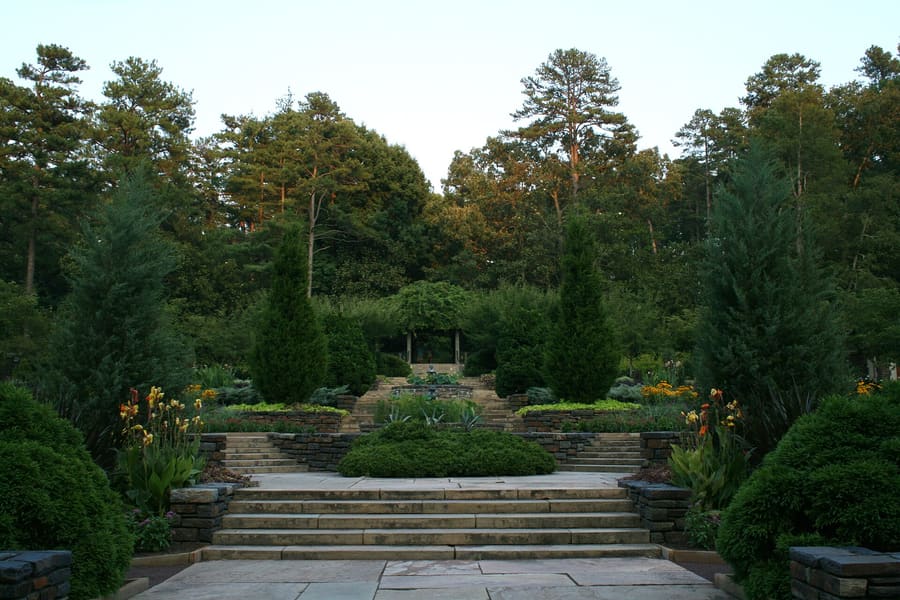
Sarah P. Duke Gardens
55 acres of manicured flora inside Duke Campus. Admission is free, but parking costs $2 per hour.
Vraag ParleyVerenigde Staten
Former tobacco warehouses now power local food and science.
introduction
Durham turned its abandoned cigarette factories into research labs, restaurants, and tech offices. You walk between red-brick warehouses downtown or explore Duke University's forested campus about two to three miles west. Driving is the easiest way to move between distant neighborhoods, but downtown itself is compact and walkable. Expect a low-key, food-focused city shaped by university researchers and local chefs.
Primate research authority
The Duke Lemur Center houses the largest sanctuary for endangered lemurs outside Madagascar. You must reserve tours weeks in advance.
Planning trick
Duke Lemur Center gate stays locked to drop-in visitors. Book your guided walk online before you arrive in North Carolina.
Durham
Public domain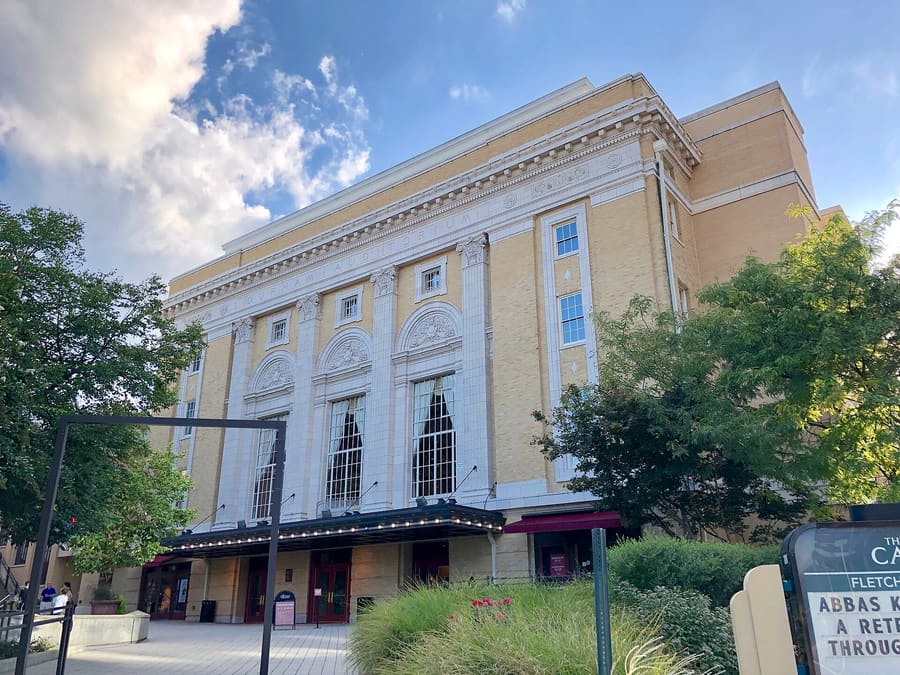
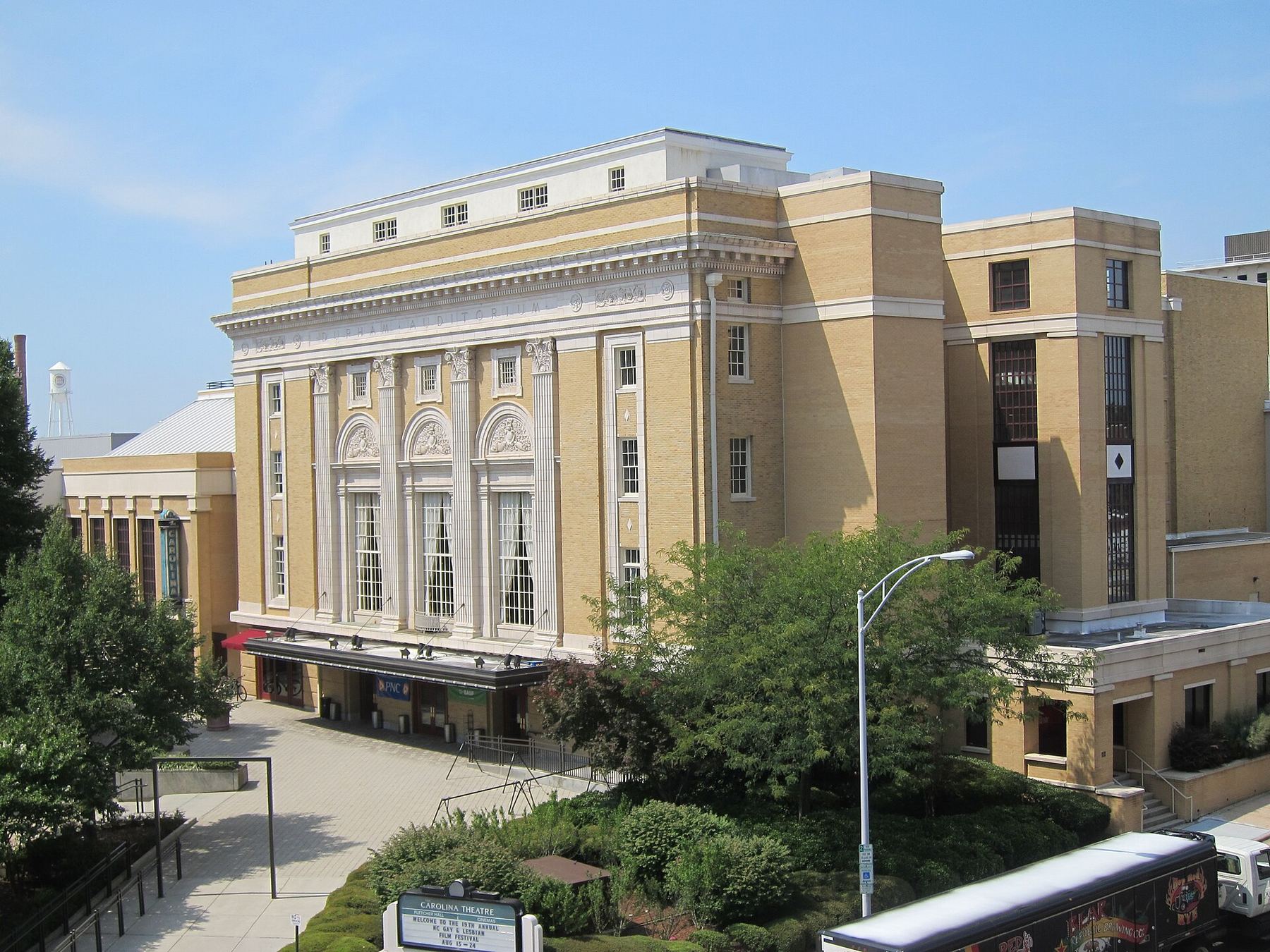
Downtown Durham — High-density brick warehouses, modern hotels, rooftop bars, and performing arts venues.
Warren LeMay · CC BY-SA 4.0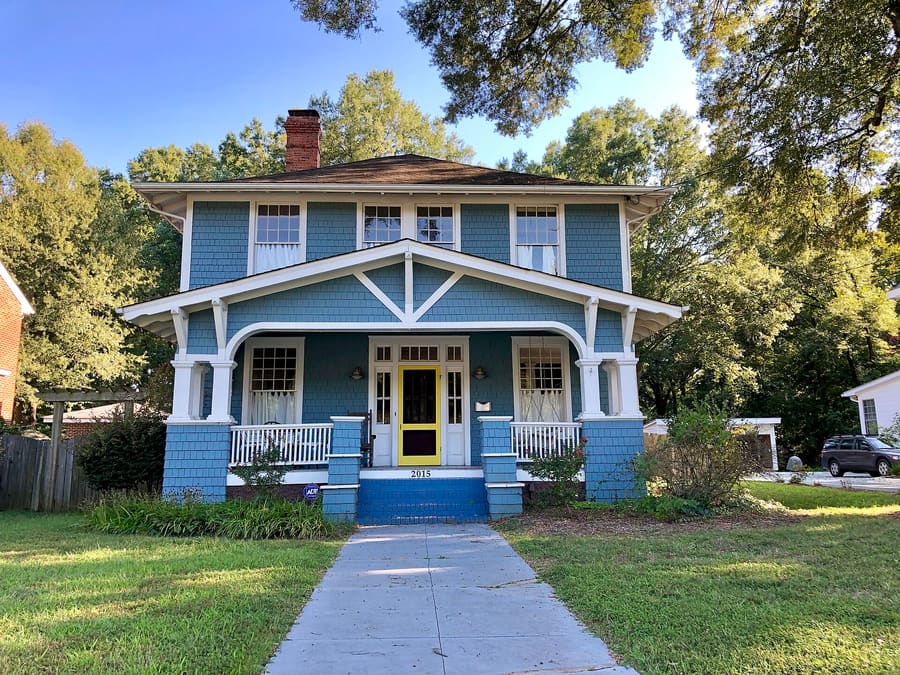
Trinity Park — Quiet residential neighborhood featuring early 20th-century homes beneath heavy tree canopy.
Warren LeMay · CC BY-SA 4.0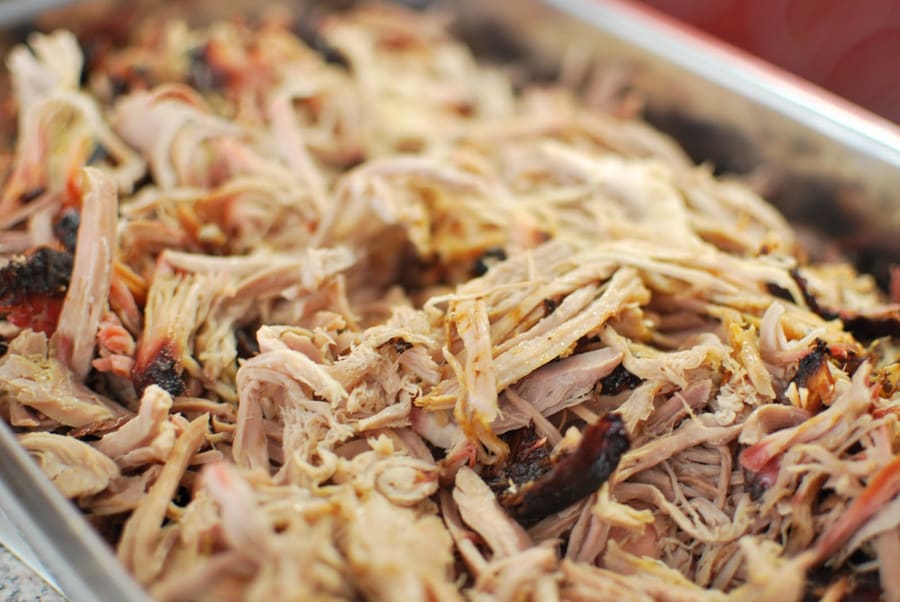
Eastern North Carolina barbecue served with coleslaw and hushpuppies.
Christian Geischeder · CC BY 3.0highlights
landmark
55 acres of manicured flora inside Duke Campus. Admission is free, but parking costs $2 per hour.
Vraag Parley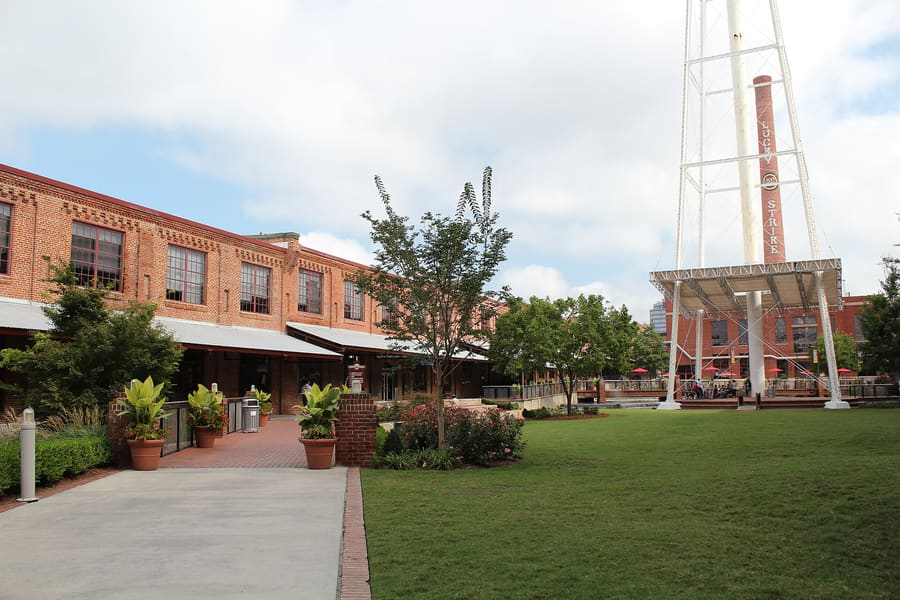
landmark
Former Lucky Strike complex transformed into offices and plazas. Walk the artificial river channel during daylight.
Vraag Parley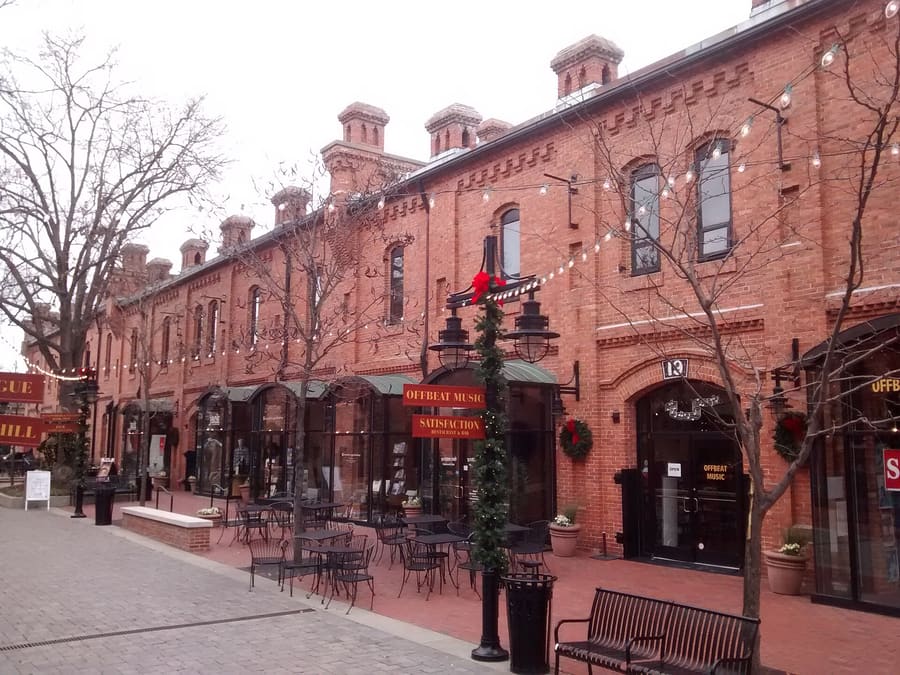
landmark
Twin brick tobacco warehouses built in 1904. Home to local restaurants, bookstores, and courtyard dining.
Vraag Parley
landmark
Houses over 200 prosimian primates. Advance online tickets are mandatory; gate guards turn unbooked cars away.
Vraag Parley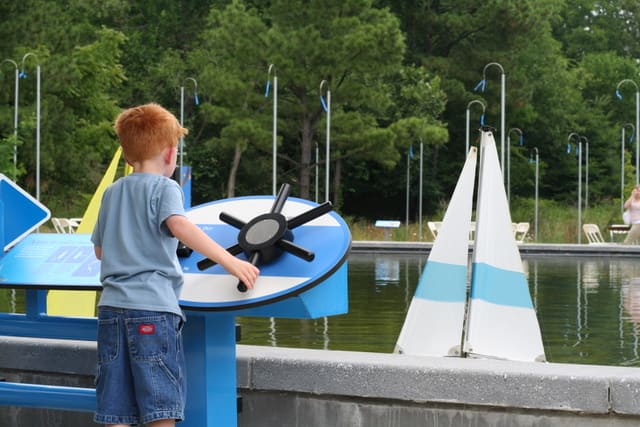
landmark
84-acre interactive center featuring outdoor animal habitats and treehouses. Arrive at 10:00 to beat school groups.
Vraag Parley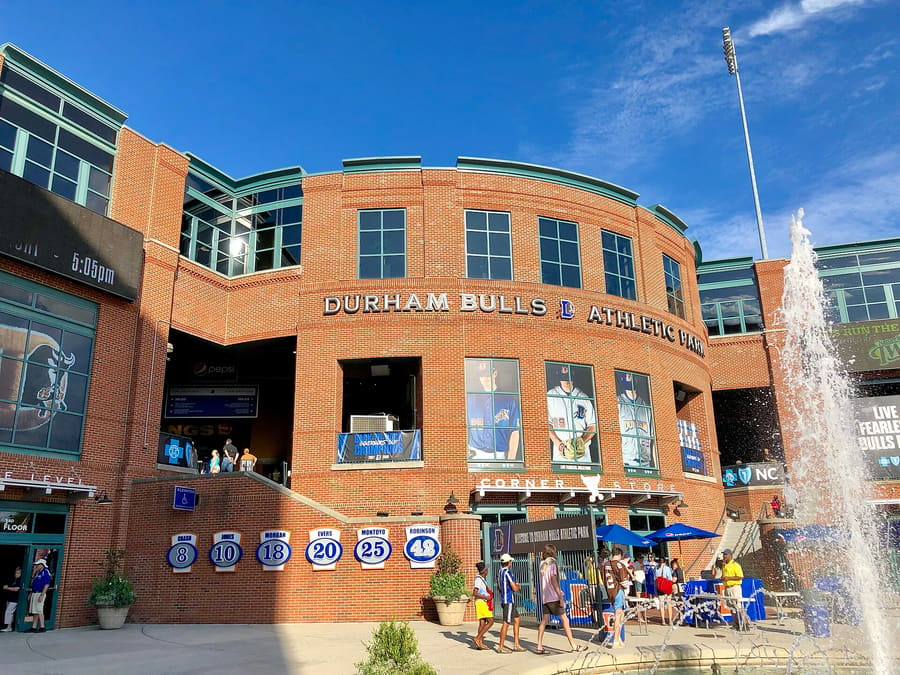
landmark
10,000-seat stadium for Triple-A baseball. Outfield lawn seats offer cheap views and space to stretch out.
Vraag Parleyattractions
areas
High-density brick warehouses, modern hotels, rooftop bars, and performing arts venues.
DichtbijAmerican Tobacco Campus, Durham Bulls Stadium
Vraag ParleyQuiet residential neighborhood featuring early 20th-century homes beneath heavy tree canopy.
DichtbijDowntown, Ninth Street
Vraag ParleyCasual strip adjacent to Duke East Campus with diners, independent shops, and coffee spots.
DichtbijDuke East Campus, Broad Street
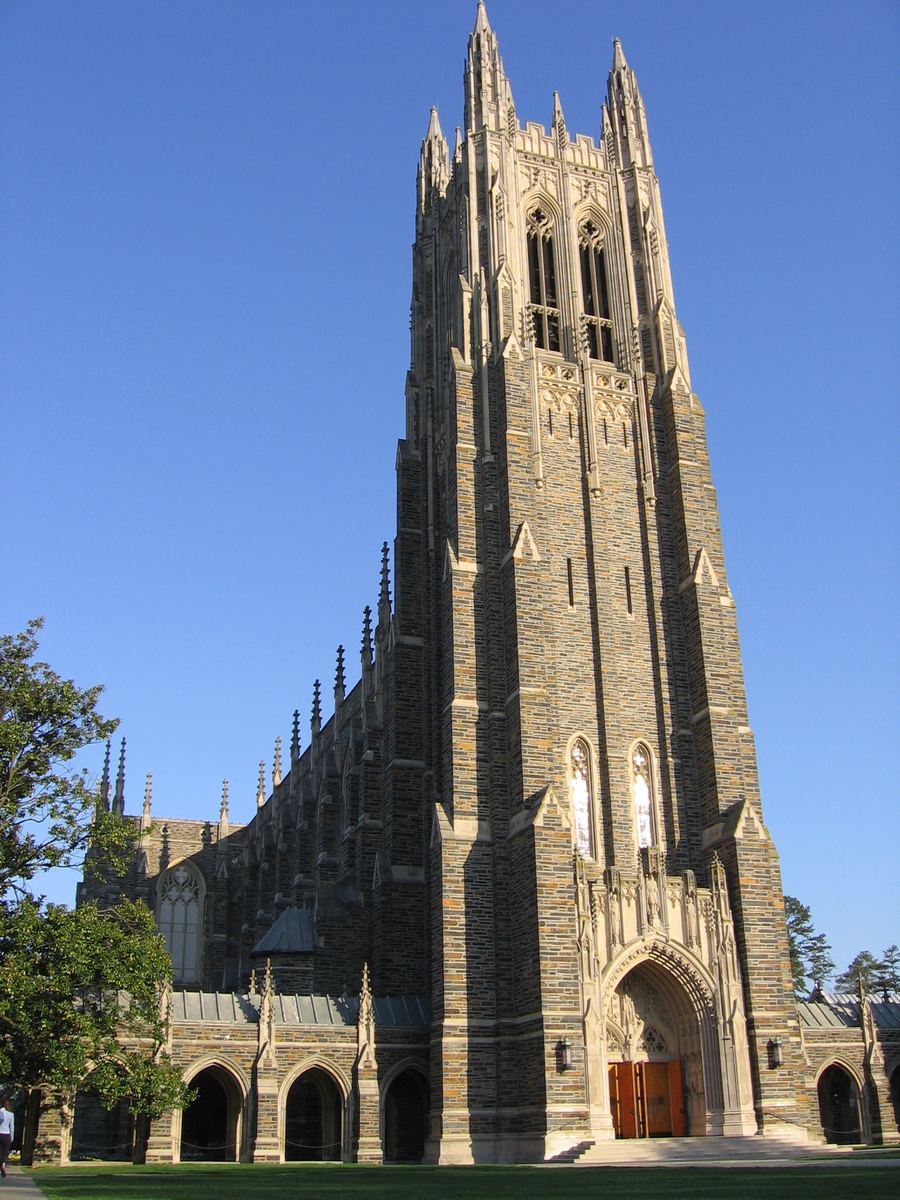
Vraag ParleyNeo-Gothic stone campus anchored by Duke Chapel and surrounding pine forests.
DichtbijDuke Gardens, Nasher Museum
Vraag Parleyfood
Durham anchor dining split between traditional Eastern North Carolina barbecue and chef-driven farm-to-table restaurants. Local barbecue means whole-hog pork chopped fine and seasoned with a thin vinegar and pepper sauce. You will not find sweet tomato sauce at traditional spots here.Downtown hosts several James Beard-recognized dining rooms alongside casual taquerias and seafood bars. Reservations open 30 days ahead for high-demand tables on Chapel Hill Street and Main Street. Casual lunch spots usually operate on counter service with minimal wait times.
Eastern North Carolina barbecue served with coleslaw and hushpuppies.
Christian Geischeder · CC BY 3.0Durham sits in Eastern-style territory. The pork is vinegar-based and uses whole hog, distinct from Western Lexington-style shoulder with tomato.
Kitchens close earlier than in larger metro areas. Expect standard weeknight dining to wind down around 21:00.
Standard sit-down restaurant service expects a 18% to 20% tip added directly to your credit card slip.
history
Durham grew as a railroad depot in 1849 before becoming a global center for tobacco manufacturing. Black Wall Street emerged along Parrish Street in the early 1900s, forming a national hub for Black-owned financial firms and businesses.When tobacco manufacturing declined in the late 20th century, Durham pivoted to healthcare and research. The founding of Research Triangle Park nearby transformed the local economy into a technology center.
Civil War Surrender
Bennet Place saw the largest troop surrender of the American Civil War just west of downtown.
American Tobacco
Washington Duke incorporated American Tobacco, establishing Durham's core industrial focus.
Black Wall Street
NC Mutual Life Insurance formed on Parrish Street, building a major Black financial district.
Research Triangle
Research Triangle Park opened, attracting federal agencies and private research corporate campuses.
Warehouse Revival
American Tobacco Campus reopened as a mixed-use commercial and entertainment complex.
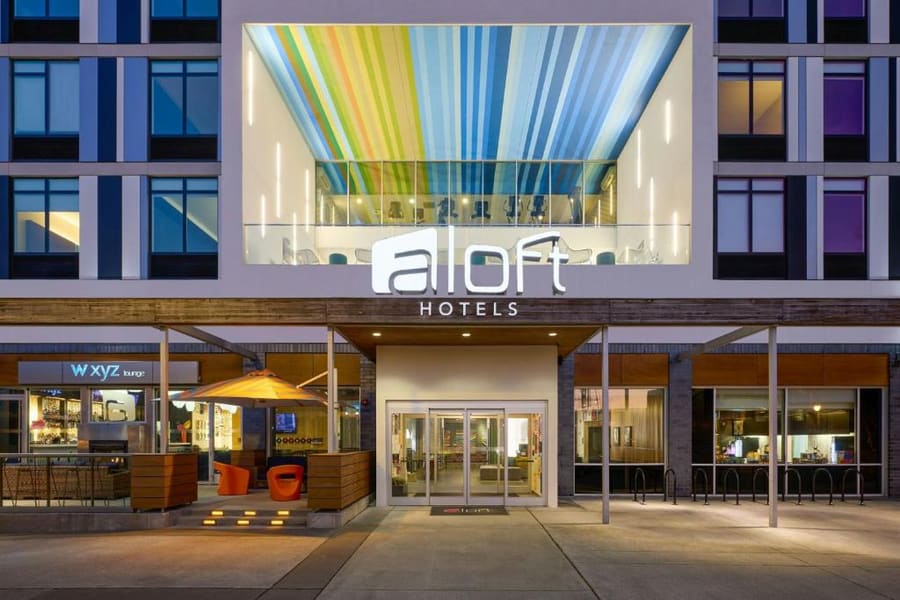
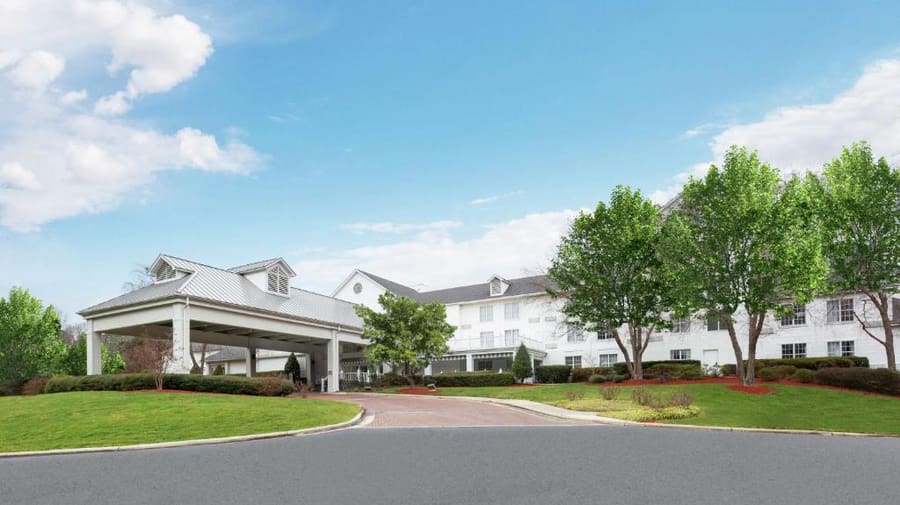
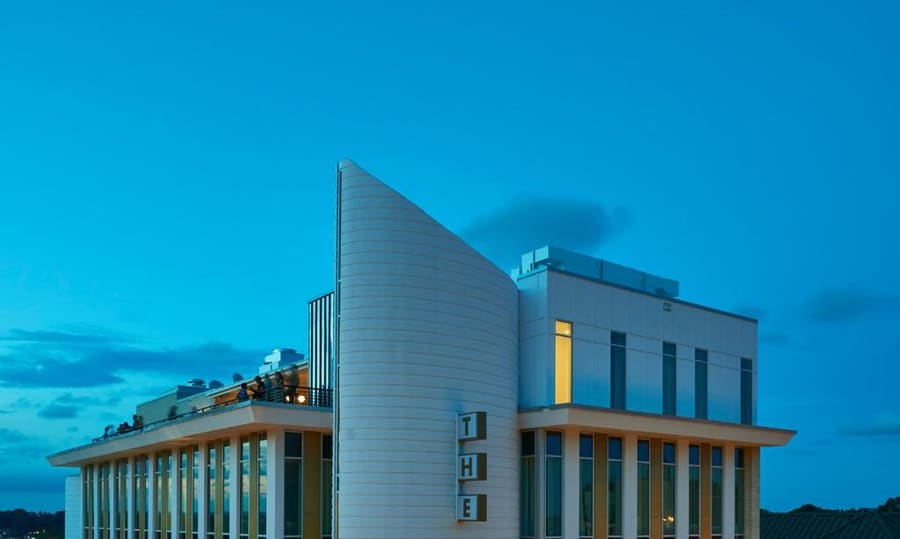
where to stay
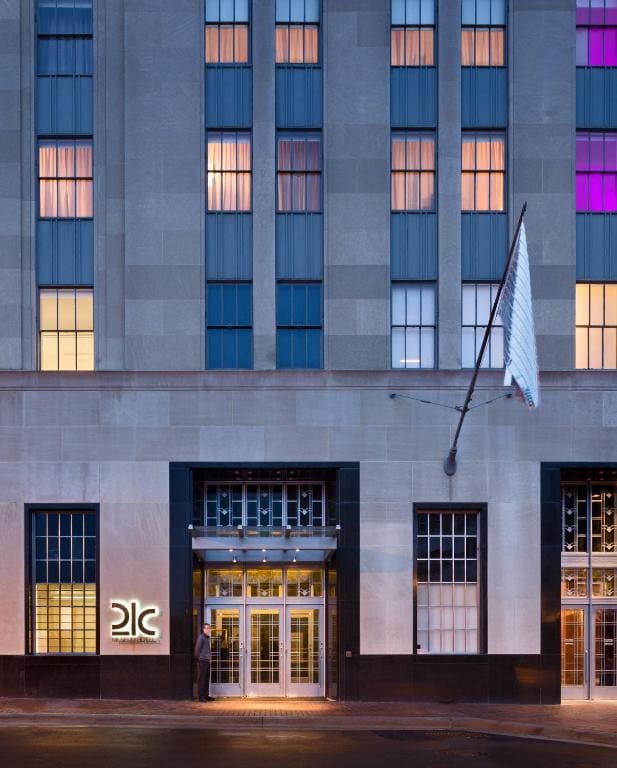
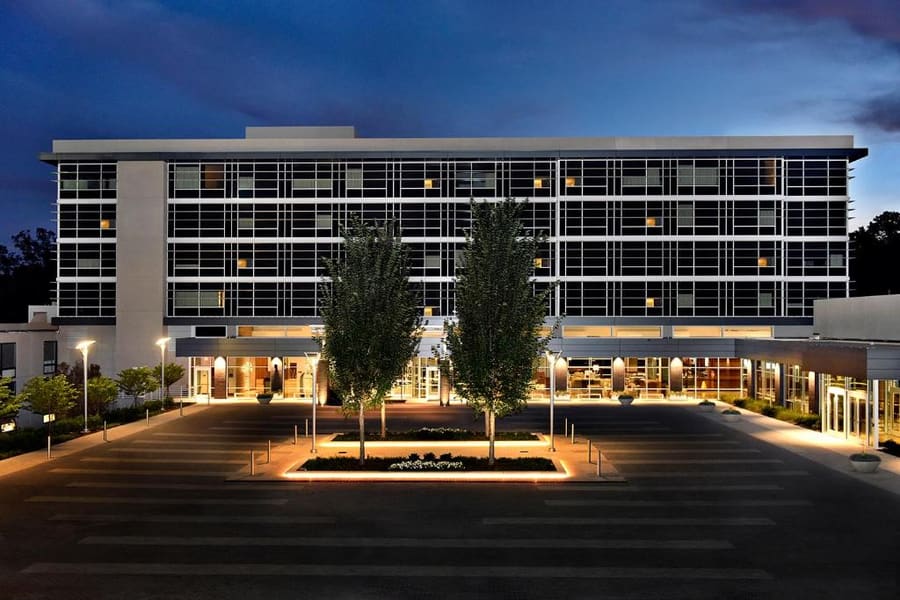
Choose your location based on transport plans. Downtown puts restaurants, theaters, and minor league baseball within walking distance. Staying near Duke University requires a vehicle or rideshare apps to reach downtown dining corridors.
Live rates, matched to the areas above.
transport
Downtown Durham is walkable, but visiting outer attractions like the Duke Lemur Center or Museum of Life and Science requires driving. GoDurham operates local city buses, while GoTriangle connects Durham to Raleigh and Chapel Hill.
Vanaf RDU
Pickup zones sit outside baggage claim at both Terminal 1 and Terminal 2.
Metered taxis line up directly outside main arrivals exits.
GoDurham operates city routes terminating at Durham Station downtown. Fares are currently zero-fare on local city routes.
City parking garages charge $2 per hour with an $18 daily cap. Metered street parking is free after 19:00 and on weekends.
Drivers are abundant in central Durham. Expect wait times under seven minutes downtown during standard hours.
Downtown and Ninth Street are self-contained for walking. Do not try walking between them; use car or transit options.
cost
Durham prices run lower than major coastal metros but match typical mid-sized US tech hubs. Dining out ranges from casual $12 counter meals to $80 tasting menus.
Plate lunch or sandwich with drink at a Ninth Street or downtown counter.
Standard price for locally brewed IPA or sour at downtown taprooms.
Municipal deck rates downtown, capped at $18 per day.
Outfield general admission entry for Triple-A home games.
seasonality
MAR – MAY
Spring brings blooming azaleas at Duke Gardens. Daytime temps average 65–75°F. Book accommodations early for Duke graduation in May.
JUN – AUG
Hot and humid conditions with temps regularly exceeding 90°F. Afternoon thunderstorms occur frequently.
SEP – NOV
Mild fall weather and foliage peak in late October. Durham Bulls season concludes, while Duke football begins.
DEC – FEB
Cool with average highs around 50°F. Rare light snowfall occurs, causing occasional short city closures.
practicalities
July and August heat indices frequently cross 100°F. Schedule outdoor walks in morning hours before noon.
Duke graduation weekends in May fill regional hotels months in advance and double standard room rates.
Durham vendors accept credit cards almost everywhere. Carry minor cash only for small market vendor tips.
Central downtown and campus areas are well-traveled. Exercise normal urban awareness on quiet side streets at night.
Smoking is banned inside all commercial buildings and public parks across the city.