landmark
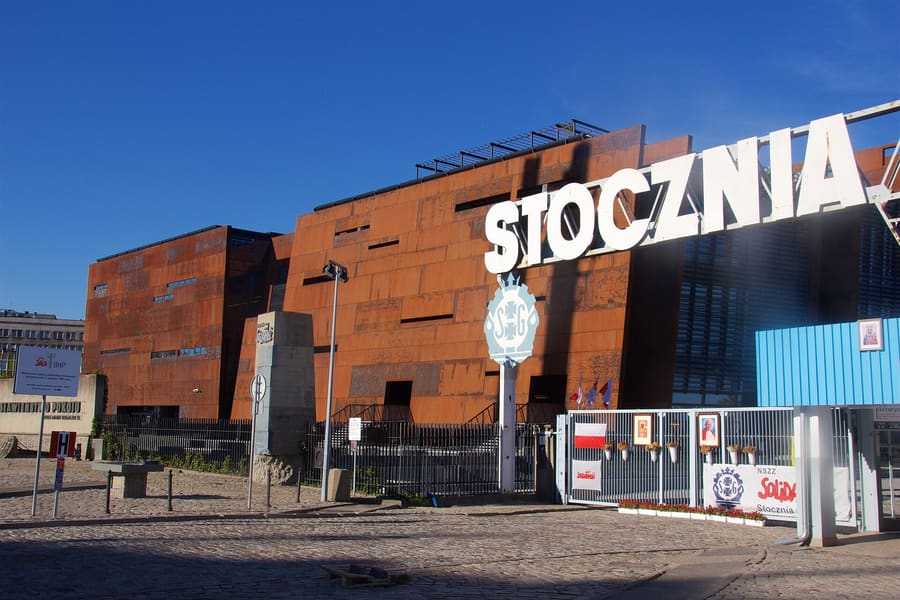
European Solidarity Centre
Exhibits document the trade union that broke Soviet influence in Poland. Buy tickets online to avoid queueing outside.
Vraag ParleyPolen
A Hanseatic port rebuilt from rubble and defined by trade.
introduction
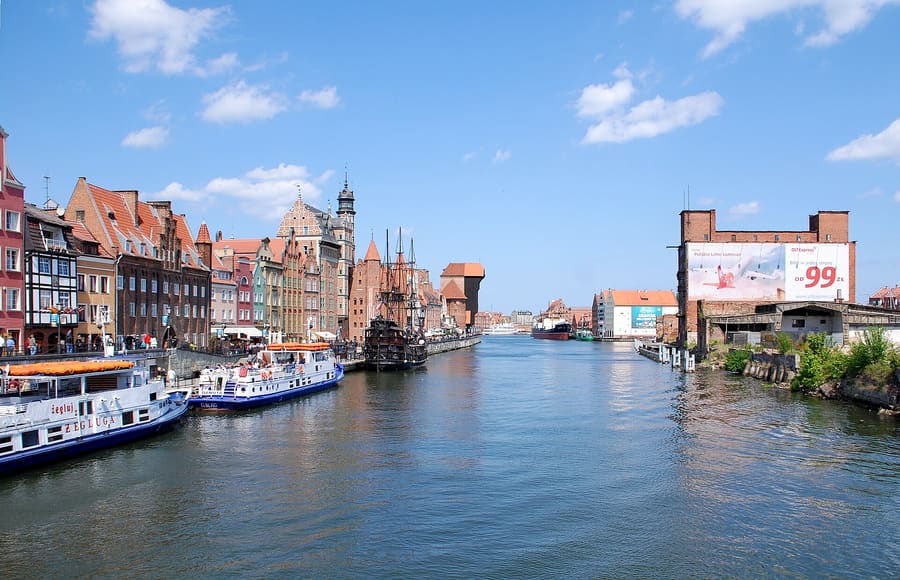
Gdańsk is a Baltic port shaped by maritime trade, Dutch architects, and Cold War protest. Most visitors spend their time along the Motława riverbank and the rebuilt Główne Miasto corridor. You move through the city on foot, by SKM commuter train to northern districts, or by tram. Expect heavy summer crowds along the waterfront and quiet, windy winters.
Airport train shortcut
The PKM train connects Gdańsk Airport to Wrzeszcz in 20 minutes for 5.50 PLN. Skip taxis when arriving during peak traffic hours.
Hansa merchant layout
Gdańsk is not an old town centered on a square. It stretches along the Royal Way from High Gate to Green Gate.
Museum booking rule
Reserve World War II Museum tickets online days ahead. Entry slots sell out daily and queue lines at the desk waste hours.
Gdańsk
Henryk Bielamowicz · CC BY-SA 4.0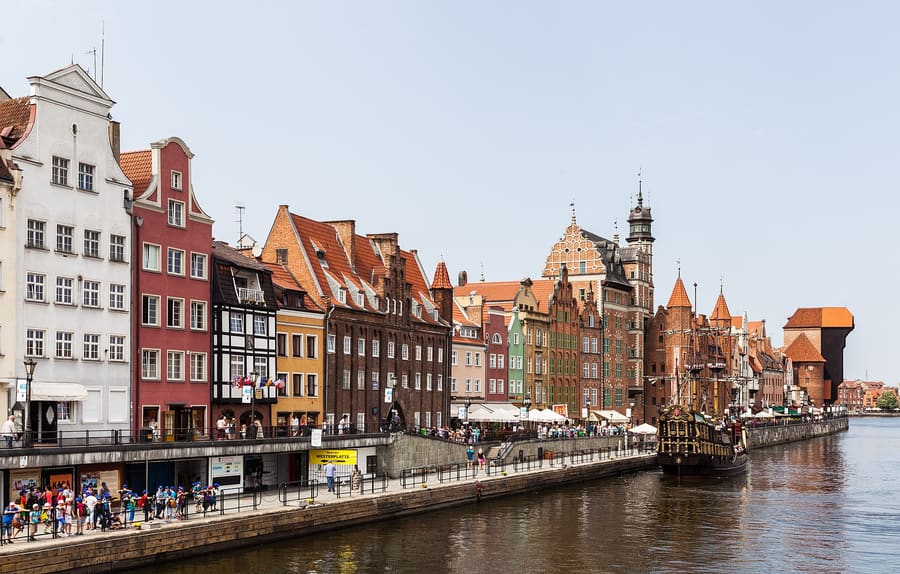
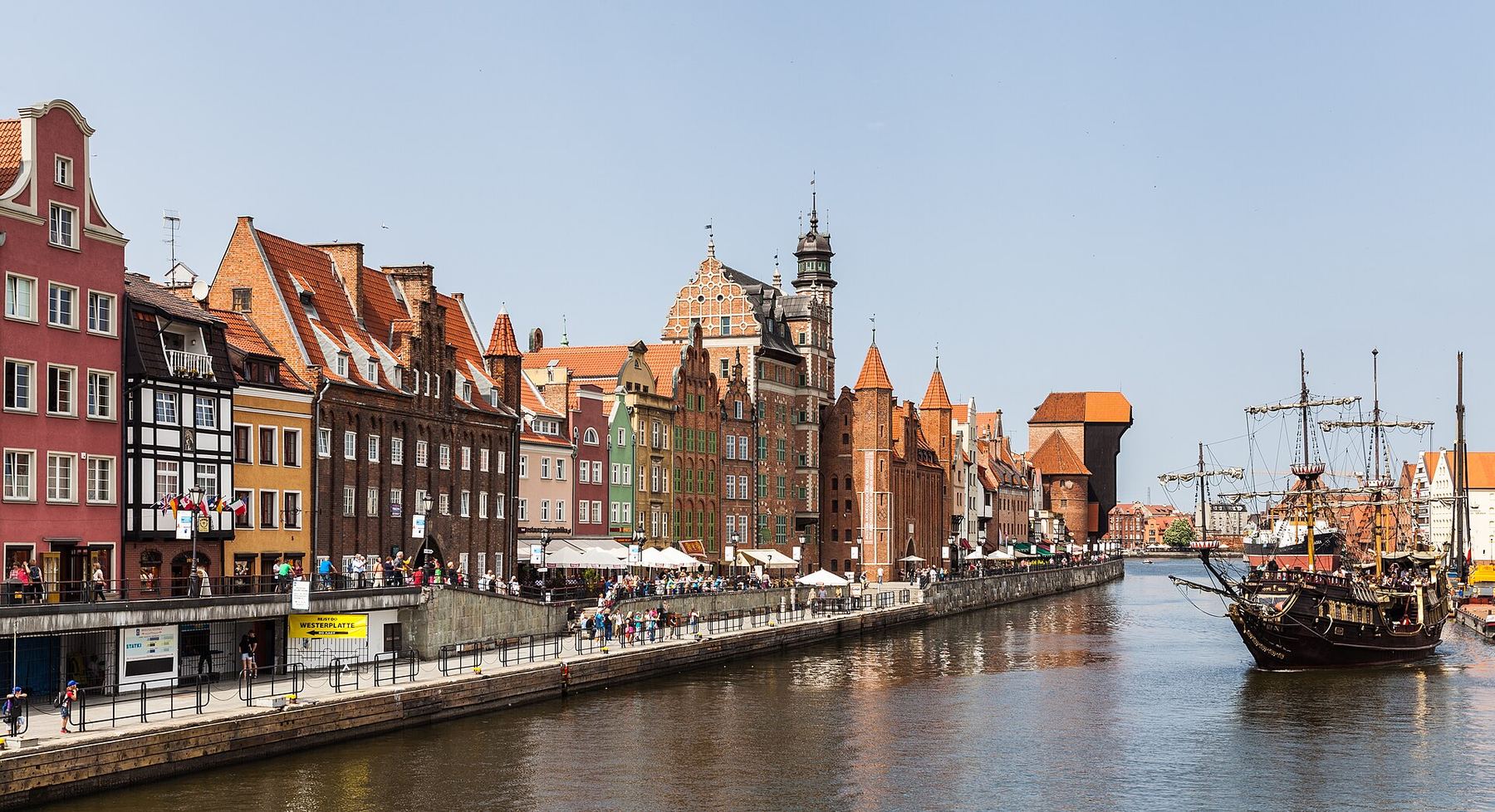
Główne Miasto — Reconstructed Hanseatic facades, outdoor dining terraces, and dense pedestrian foot traffic.
Diego Delso · CC BY-SA 3.0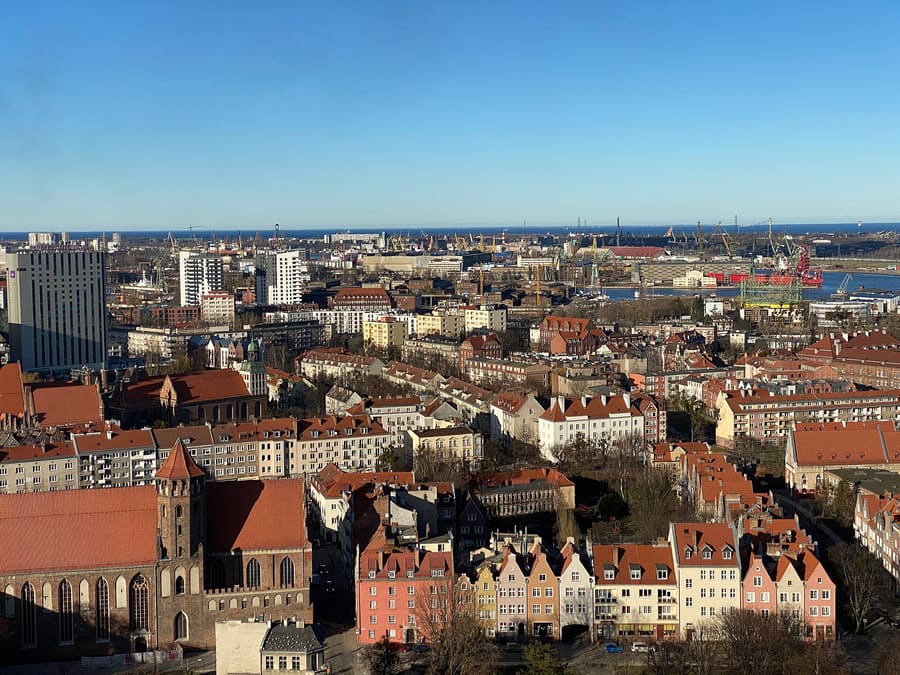
Stare Miasto — Quieter residential streets mixed with post-war housing, canals, and historic mills.
Thomas Woodtli from Zürich, Switzerland · CC BY-SA 2.0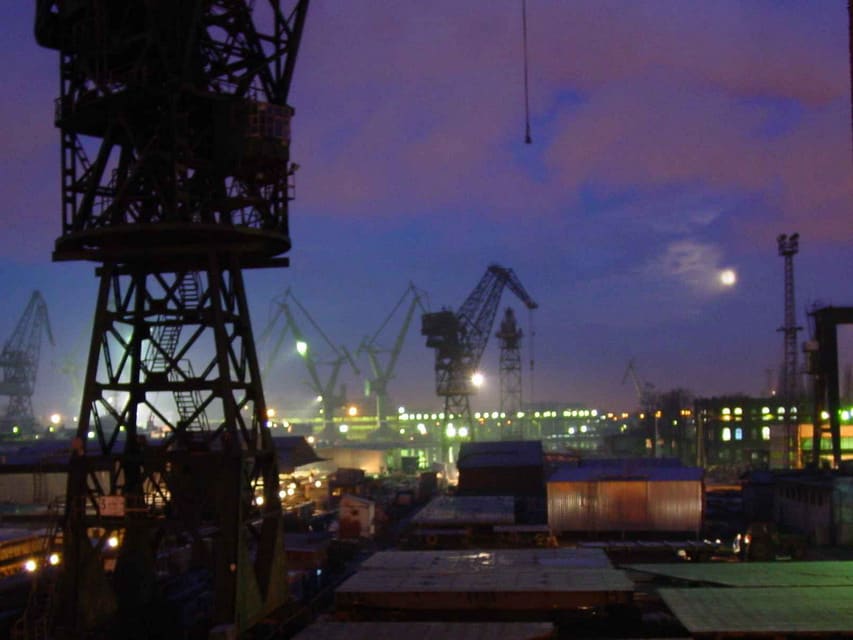
Stocznia — Post-industrial docklands converted into cultural venues, food halls, and open-air bars.
Stanislaw Kosiedowski · CC BY-SA 3.0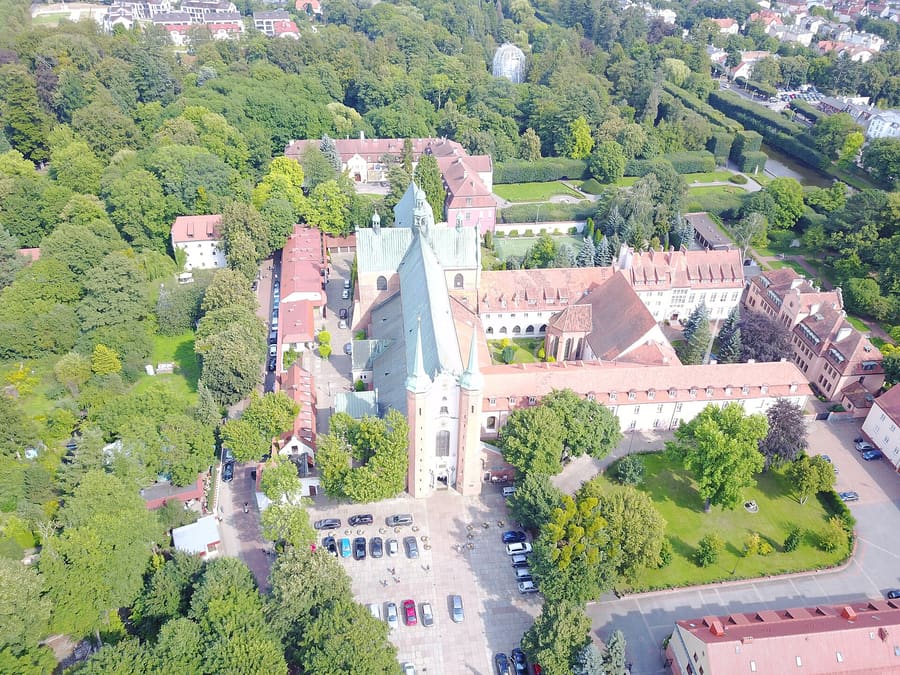
Oliwa — Leafy residential neighborhood centered around a cathedral, manicured park, and wooded hills.
Fallaner · CC BY-SA 3.0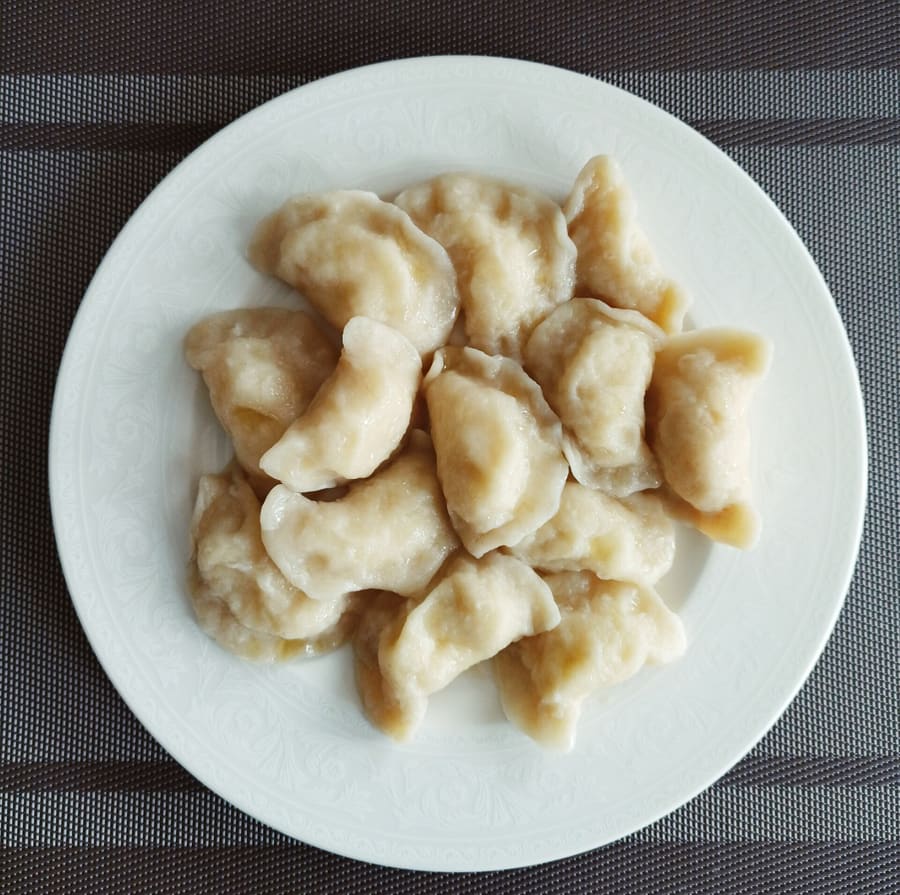
Traditional pan-fried pierogi served with caramelized onions.
Aw58 · CC BY-SA 4.0highlights
landmark
Exhibits document the trade union that broke Soviet influence in Poland. Buy tickets online to avoid queueing outside.
Vraag Parley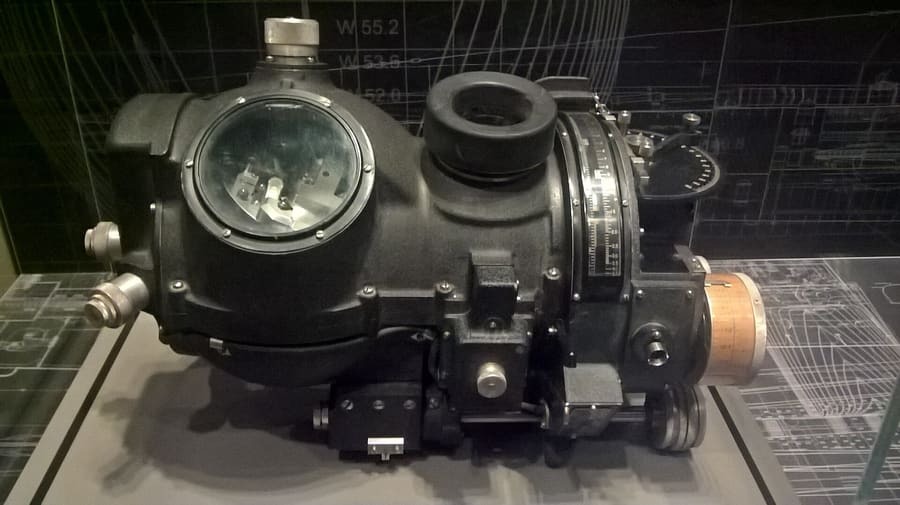
landmark
Underground vaults present the global war from civilian perspectives. Allocate three hours minimum and book your slot in advance.
Vraag Parley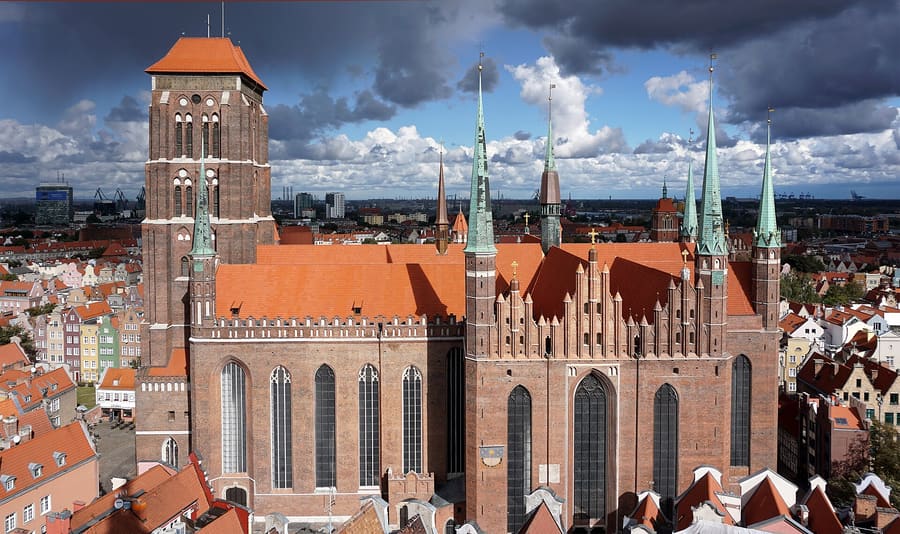
landmark
One of the largest brick churches in the world. Climb 408 steps up the tower for views over the red roofs of Główne Miasto.
Vraag Parley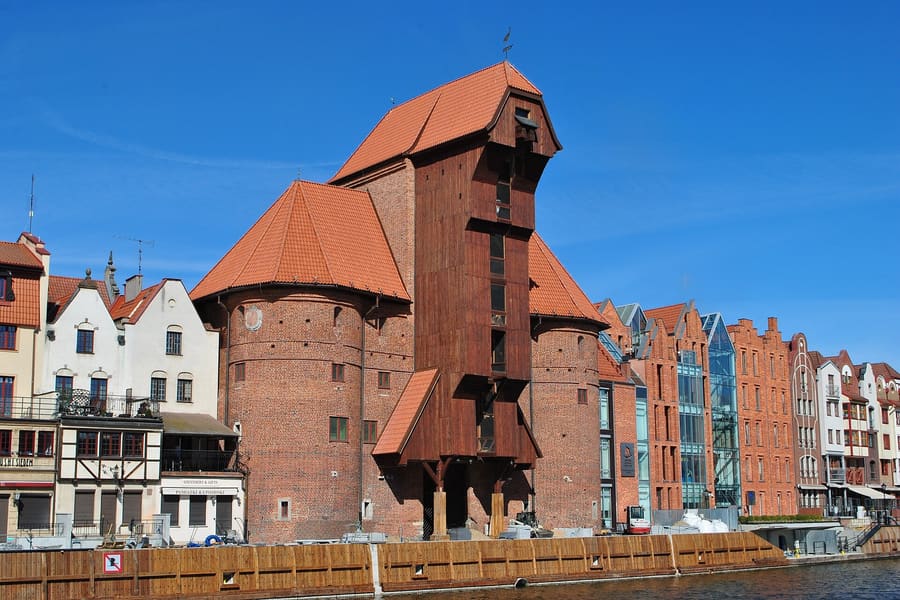
landmark
A restored 15th-century wooden crane that lifted cargo and fitted ship masts. It forms part of the National Maritime Museum.
Vraag Parley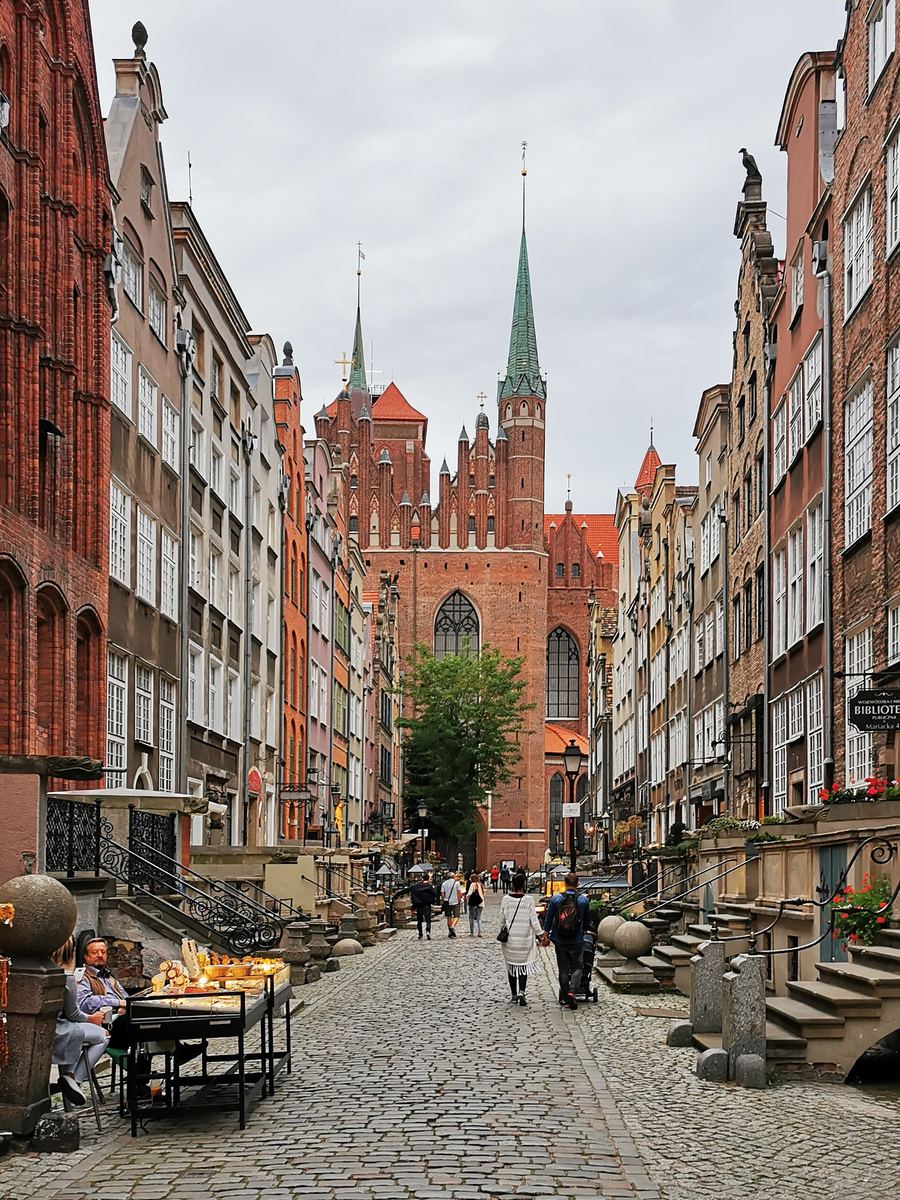
landmark
Cobblestone alley framed by amber workshops and raised stone terraces. Visit early morning before tour groups crowd the steps.
Vraag Parleyattractions
areas
Reconstructed Hanseatic facades, outdoor dining terraces, and dense pedestrian foot traffic.
DichtbijMotława riverfront and St. Mary's Church
Vraag ParleyQuieter residential streets mixed with post-war housing, canals, and historic mills.
DichtbijGdańsk Główny rail station and Radunia Canal
Vraag ParleyPost-industrial docklands converted into cultural venues, food halls, and open-air bars.
DichtbijEuropean Solidarity Centre and 100czarnia
Vraag ParleyLeafy residential neighborhood centered around a cathedral, manicured park, and wooded hills.
DichtbijOliwa Cathedral and Pachołek Hill
Vraag Parleyfood
Gdańsk cooking reflects its Baltic coastline and Kashubian hinterland. Menus focus on fried sandacz (pike-perch), smoked trout, and śledź (herring) served in oil or cream. Pierogi stuffed with duck or Kashubian potatoes appear across taverns. You will find Goldwasser, a herbal liqueur containing flakes of gold leaf, sold in gift bottles along Długi Targ.
Traditional pan-fried pierogi served with caramelized onions.
Aw58 · CC BY-SA 4.0Order śledź w oleju with chopped onion and rye bread at milk bars like Bar Turystyczny.
Restaurants directly facing the Motława charge higher prices for identical fish dishes found two blocks inland.
Look for regional rye soup (żurek) cooked with local marjoram and white sausage.
history
Gdańsk grew rich as a key trading port in the Hanseatic League, controlling grain exports from Poland to western Europe. The city maintained autonomy under Polish and German rule for centuries before becoming the Free City of Danzig in 1919. Reduced to rubble in 1945, its historical core was meticulously rebuilt, and its shipyards later sparked the fall of communism across Eastern Europe.
Hanseatic League entry
Gdańsk joins the Hanseatic League, monopolizing Polish grain exports and accumulating immense merchant wealth.
Free City of Danzig
The Treaty of Versailles creates a semi-autonomous city-state under League of Nations protection.
Outbreak of World War II
German forces attack the Polish military transit depot at Westerplatte on September 1, starting World War II.
Solidarity movement
Lech Wałęsa leads shipyard workers in strike actions that create the Solidarność trade union, challenging Soviet rule.
where to stay
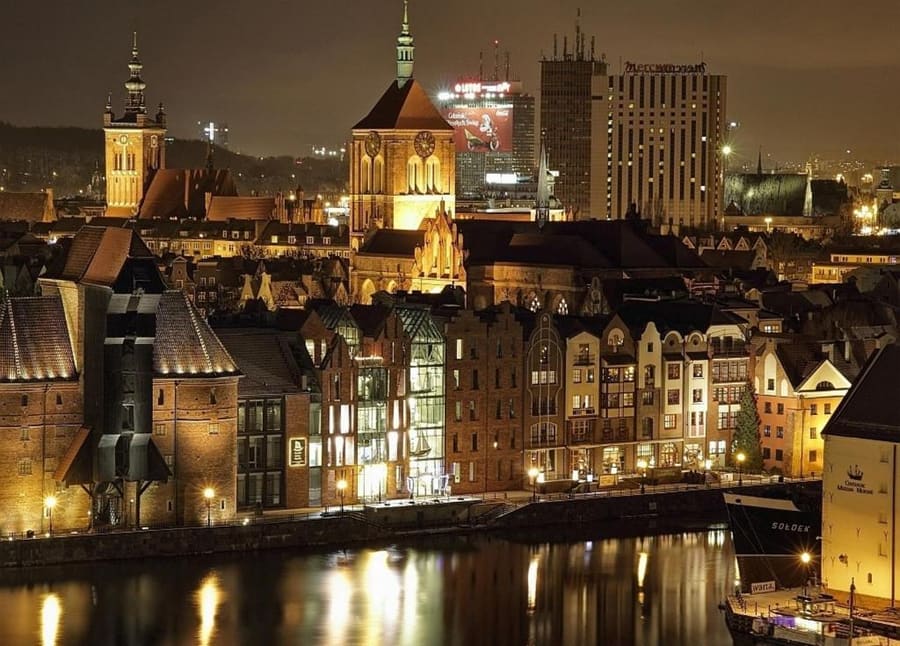
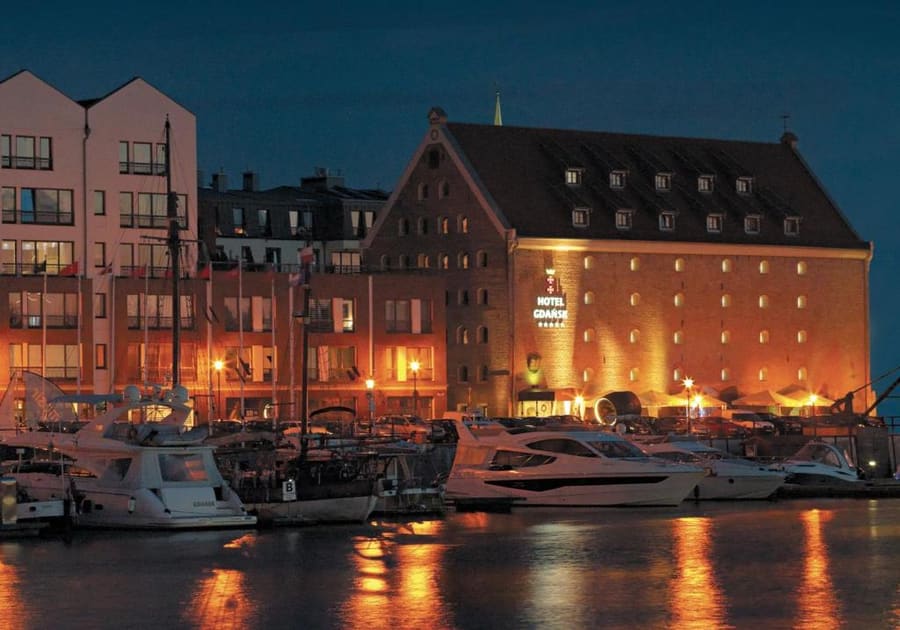
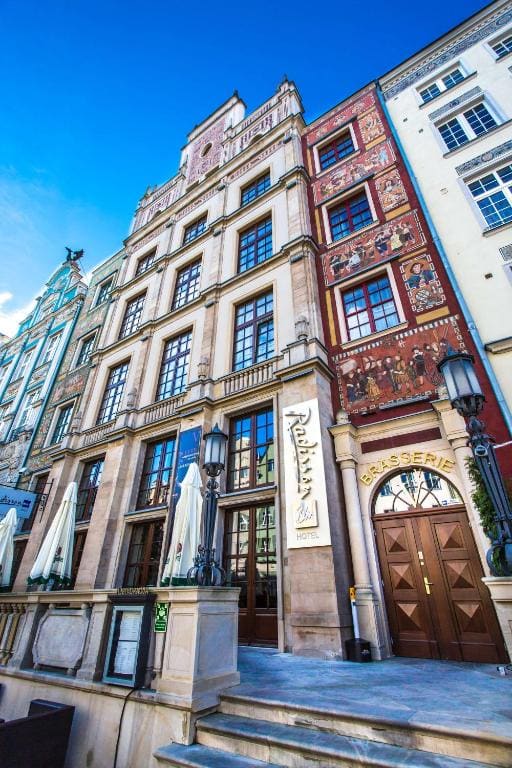
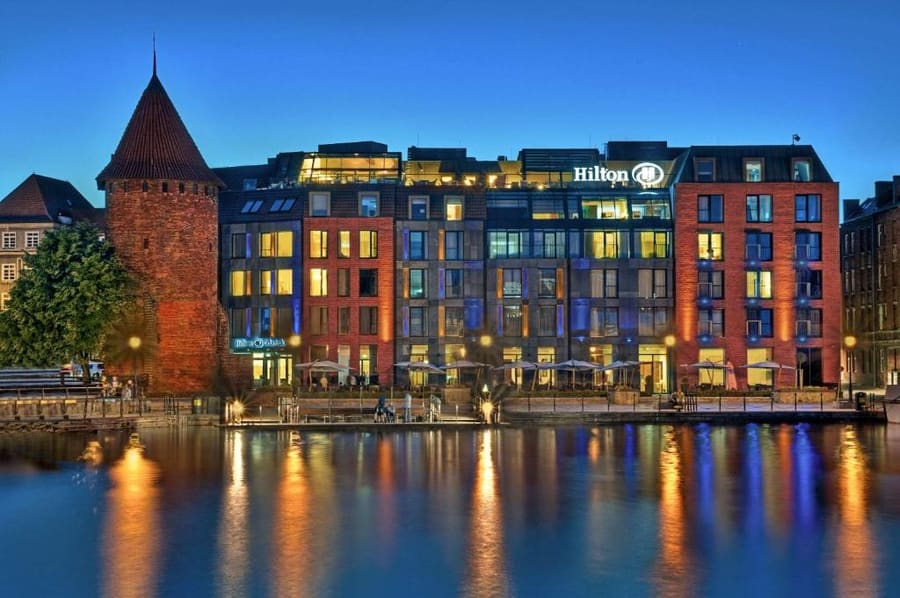
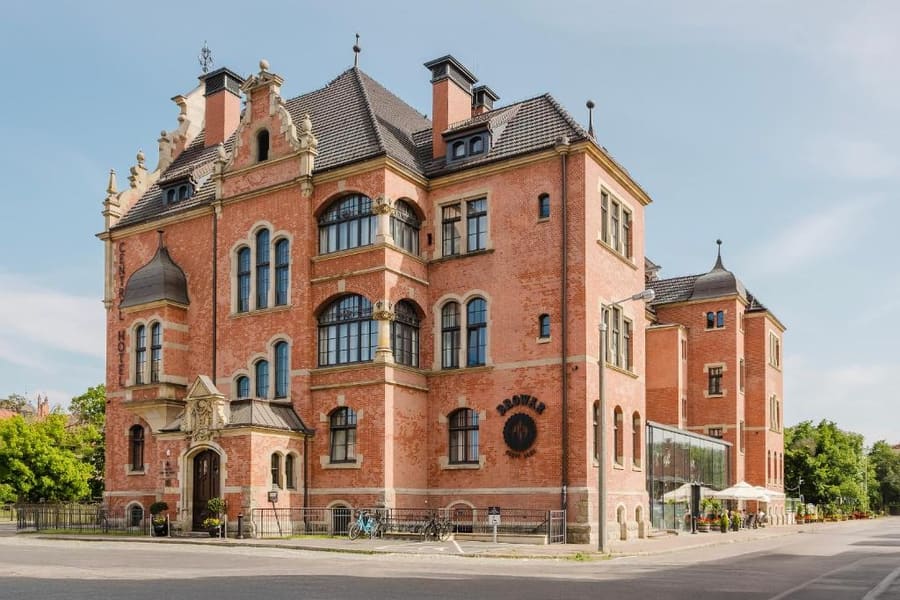
Choose your neighborhood based on how you plan to navigate the city. Główne Miasto puts you within walking distance of primary sights, but prices reflect the central location. Stare Miasto offers quieter nights near the main railway station. Stocznia suits travelers seeking industrial venues, while Oliwa provides green surroundings away from downtown foot traffic.
Live rates, matched to the areas above.
transport
Gdańsk has an efficient public transport network operated by ZTM (trams and city buses) and SKM (urban commuter trains). Walking handles all travel inside Główne Miasto. To visit Oliwa or Sopot, use SKM trains running every 10–15 minutes along the Tri-City rail corridor.
Vanaf Gdańsk Lech Wałęsa Airport (GDN)
Polregio/PKM trains run directly from GDN terminal to Gdańsk Wrzeszcz station.
Line 210 runs directly from the airport terminal to Gdańsk Główny rail station.
Use official airport taxis or rideshare apps; avoid unbranded curb drivers.
Uber and Bolt pick up directly outside the main arrival exit.
City tram tickets do not work on SKM commuter trains. Buy SKM tickets at station kiosks or via mobile apps before boarding.
Paper tram tickets must be stamped in the orange punch machines upon entering the vehicle.
Night buses run hourly from Gdańsk Główny after 23:00 when regular tram lines terminate.
cost
Gdańsk remains moderate compared to western European capitals, though prices in Główne Miasto spike during peak summer months. Paying by contactless card is standard across almost all venues, including market stalls.
Milk bars (Bar Mleczny) serve traditional pierogi and soups at the lower end of this range.
Major sites like the European Solidarity Centre offer reduced rates on select days.
Craft bars near the shipyard charge slightly more than standard lager in neighbourhood pubs.
Covers all ZTM trams and city buses within Gdańsk municipal borders.
seasonality
MAY – JUN
Mild weather, lower hotel rates, and long daylight hours. Ideal for city walking before summer crowds arrive.
JUL – AUG
Dominikan Fair dominates August with outdoor stalls. Warm sea temperatures but maximum crowds and high hotel rates.
SEP – OCT
Crisp autumn days and quiet streets. Maritime winds increase, but accommodation prices fall sharply.
NOV – FEB
Cold Baltic winds and early dusk. Christmas markets illuminate December, but daylight lasts under 8 hours.
practicalities
Contactless card payment is standard. You rarely need cash except for small tip gratuities.
Most retail stores and supermarkets close on Sundays due to national law. Restaurants and museums remain open.
Gdańsk forms a metropolitan area with Sopot and Gdynia. SKM trains connect all three in under 35 minutes.
Buy Baltic amber from established shops on Mariacka Street that issue certificates of authenticity.
Sea swimming at nearby Brzeźno or Jelitkowo beaches rarely exceeds 19°C even in mid-summer.