landmark
Praça Cívica
The original epicenter of the 1930s planned capital. Walk the perimeter to view Palácio das Esmeraldas and the Art Deco clock tower.
Vraag ParleyBrazilië
Planned Art Deco grid, green urban basins, and sertanejo life.
introduction
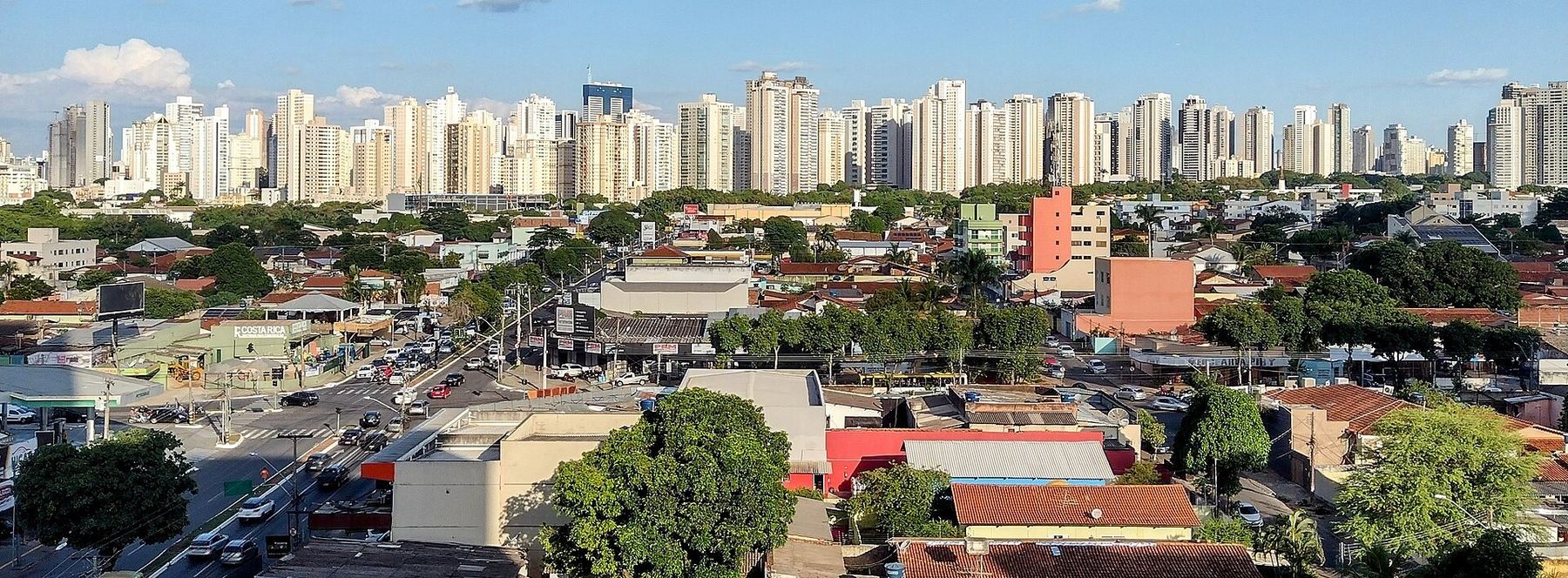
Goiânia was built from scratch in 1933 as a planned capital, carving radial Art Deco avenues out of the Cerrado. You navigate the city by sectors rather than traditional street names, moving between high-rise residential blocks and expansive urban parks. The pace revolves around outdoor food markets, sertanejo music venues, and quiet afternoon drizzles. Expect intense dry heat from May to September and heavy tropical rain late in the year.
Airport transit
Uber and 99 apps pick up right outside Santa Genoveva arrival terminal. A ride to Setor Oeste takes 20 minutes and costs R$25 to R$40.
Art Deco heritage
IPHAN listed Goiânia's core of 22 Art Deco buildings as national historic heritage in 2003. Most stand around Praça Cívica and Avenida Goiás.
Weekend market timing
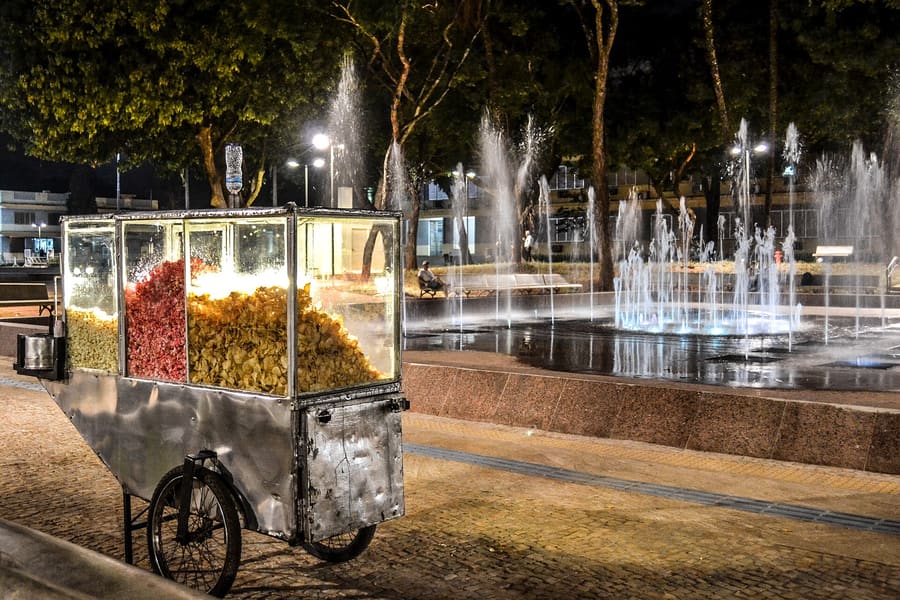
Feira do Sol runs Sunday afternoon, while Feira da Lua fills Praça Tamandaré on Saturday evening. Arrive by 17:00 to avoid traffic.
highlights
landmark
The original epicenter of the 1930s planned capital. Walk the perimeter to view Palácio das Esmeraldas and the Art Deco clock tower.
Vraag Parley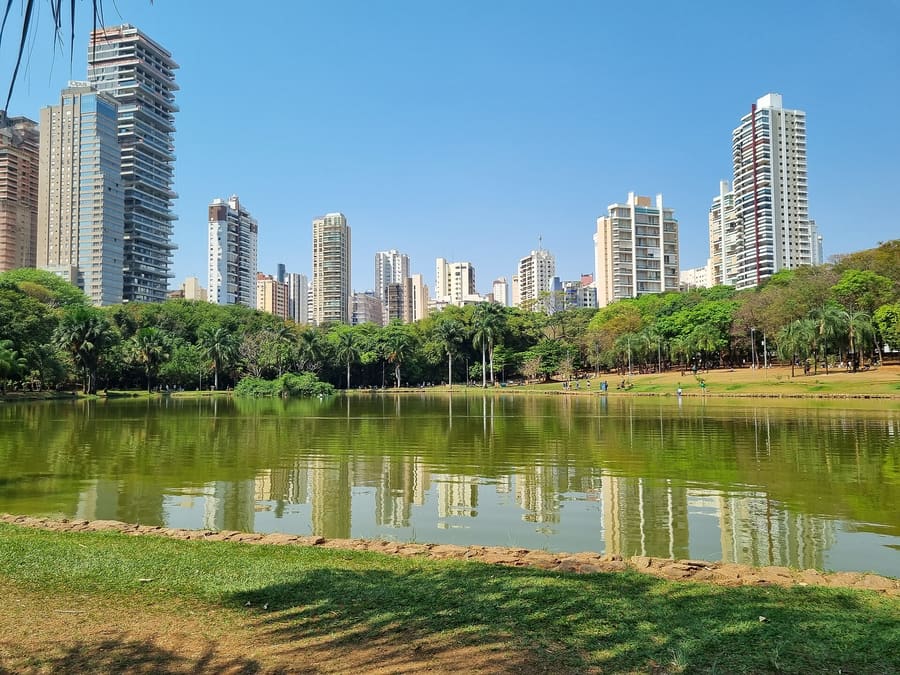
landmark
A central lake surrounded by a busy running track in Setor Bueno. Visit at sunset when locals gather before dining nearby.
Vraag Parley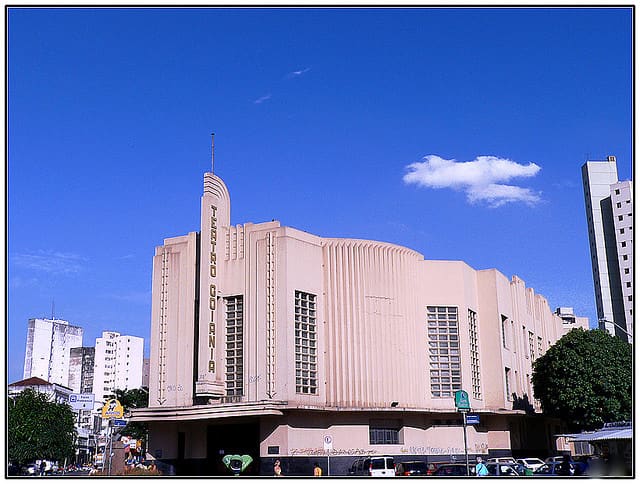
landmark
The city's principal Art Deco auditorium opened in 1942. Check the schedule for classical concerts and regional theater shows.
Vraag Parley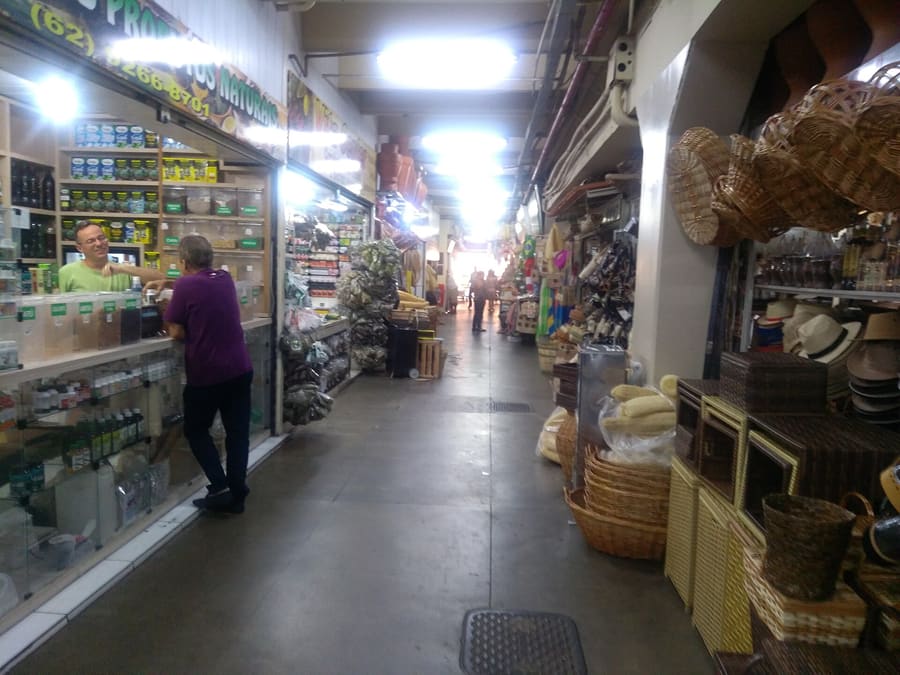
landmark
A three-story traditional market in Setor Central. Stop for local pequi oil, handmade cheeses, and fresh empadão goiano at lunch.
Vraag Parleyattractions
areas
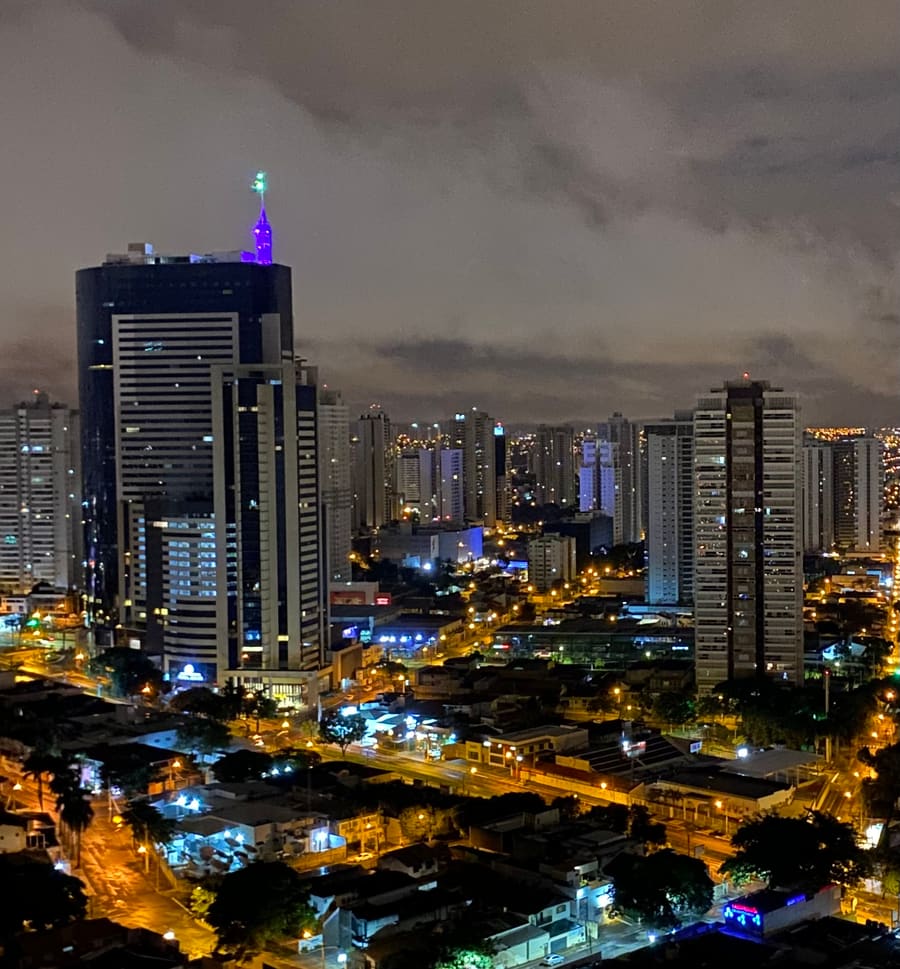
Upscale residential quarter packed with bar terraces, cocktail lounges, and modern restaurants.
DichtbijParque Bougainville and Setor Bueno
Vraag Parley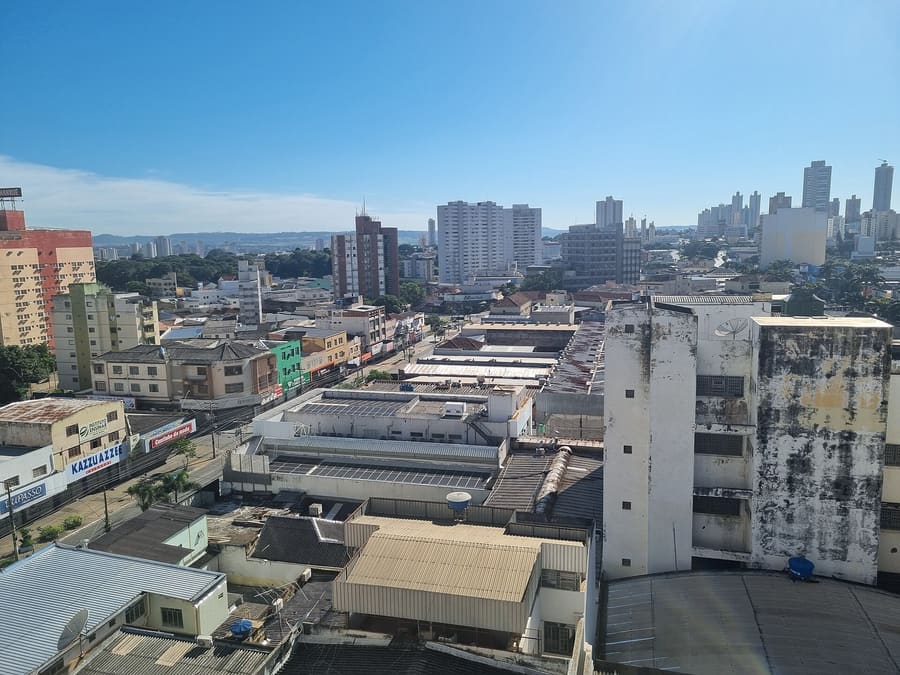
Historic urban core lined with 1930s Art Deco facades and daytime commercial street markets.
DichtbijPraça Cívica and Mercado Central
Vraag ParleyHigh-density sector built around Parque Vaca Brava, offering shopping malls and corporate hubs.
DichtbijSetor Marista and Vaca Brava
Vraag ParleyLeafy traditional district known for hotel towers, spacious squares, and weekend markets.
DichtbijBosque dos Buritis and Praça do Sol
Vraag Parleyfood
Goiânia's food identity comes directly from the Goiano Cerrado landscape. Native fruits like pequi and baru nut define local stews and rice dishes. The regional staple is empadão goiano, a tall savory pie stuffed with chicken, heart of palm, guariroba bitter palm, sausage, and hard-boiled eggs. Dinner culture leans heavily toward *botecos* serving grilled beef skewers alongside cold draught beer.
Pequi fruit contains sharp interior spines. Nibble the yellow outer flesh gently off the pit with your teeth; never bite down directly.
Eat empadão goiano at Mercado Central between 11:00 and 13:00. Popular stalls sell out of fresh pies by mid-afternoon.
Bar food in Setor Marista centers on shared platters. Order *carne de sol* with mandioca for a standard Goiano evening table.
history
Goiânia is one of Brazil's major planned cities, designed in 1933 by urban planner Attilio Corrêa Lima to replace the old colonial capital of Goiás Velho. State governor Pedro Ludovico Teixeira moved the capital to stimulate economic growth in the state interior. Built in the Art Deco style popular in the 1930s, the city grew far faster than its initial 50,000-resident master plan anticipated.
Foundation
Governor Pedro Ludovico lays the cornerstone for the planned capital.
Government moves
State administrative headquarters officially transfer from Goiás Velho to Goiânia.
Batismo Cultural
Official inauguration ceremony takes place with the opening of Teatro Goiânia.
Cesium-137 event
A radiological accident occurs from discarded medical gear, leading to modern safety protocols.
Heritage status
IPHAN officially registers 22 Art Deco monuments as national Brazilian heritage.
where to stay
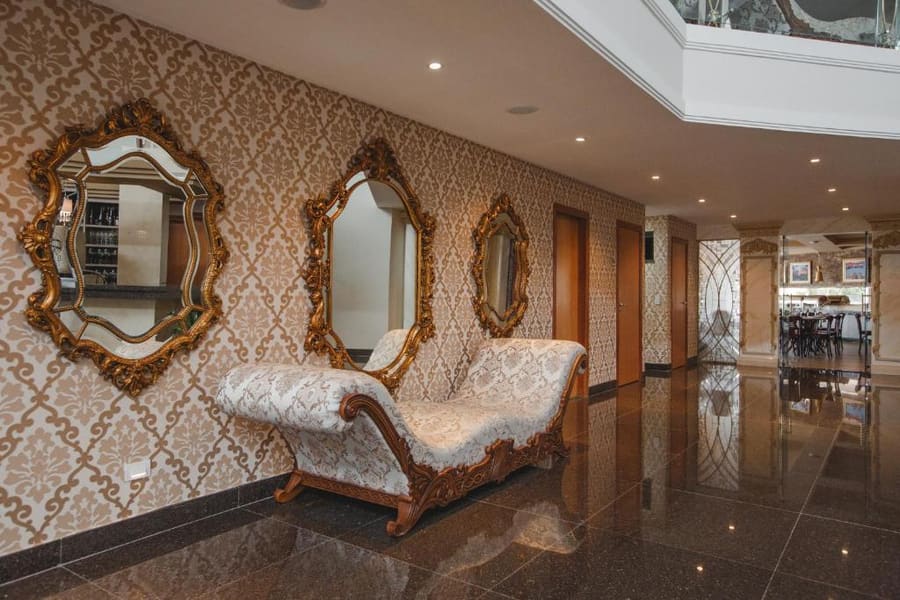
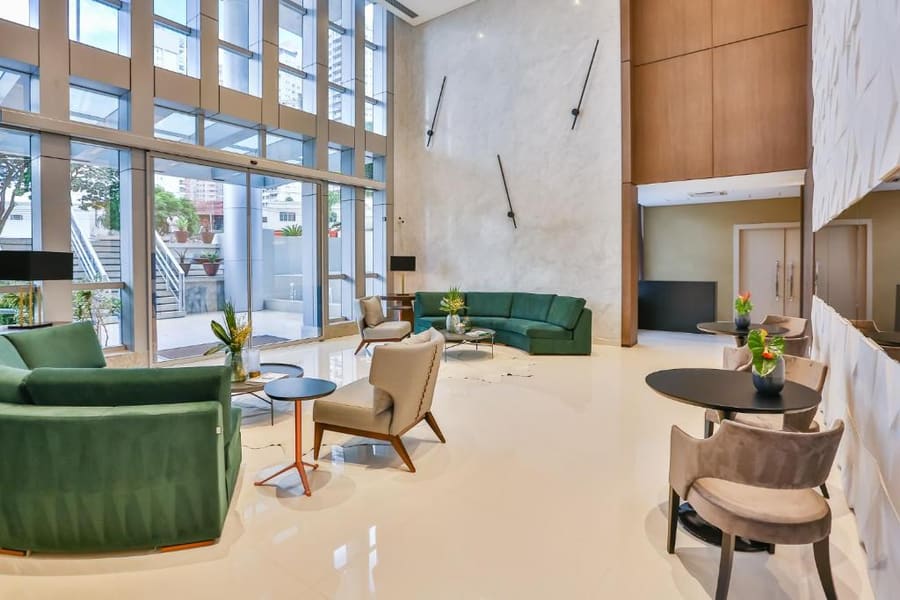
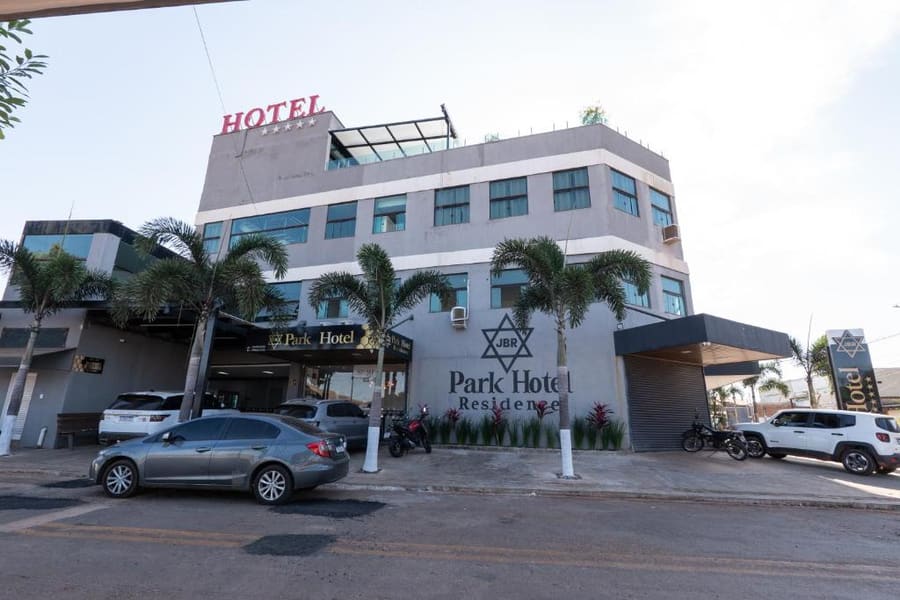
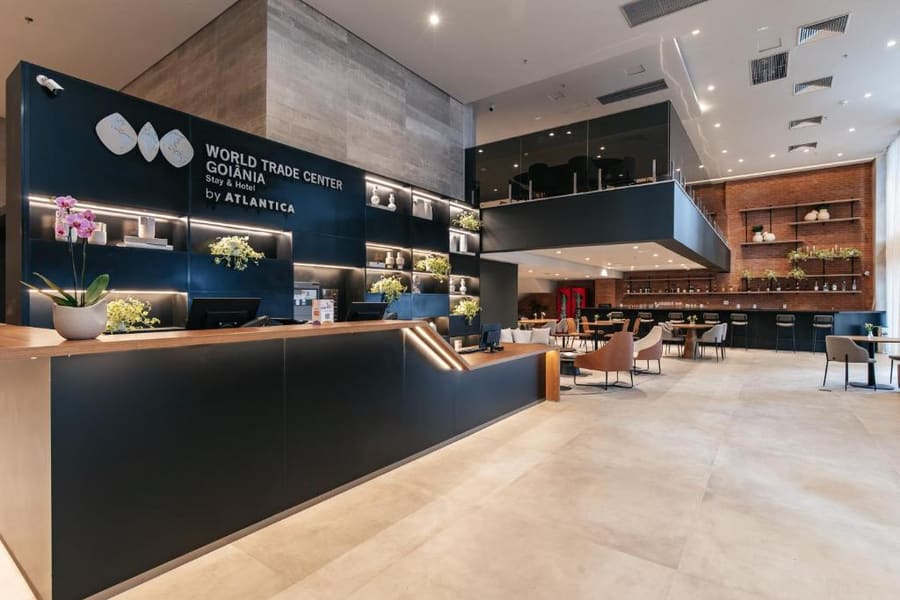
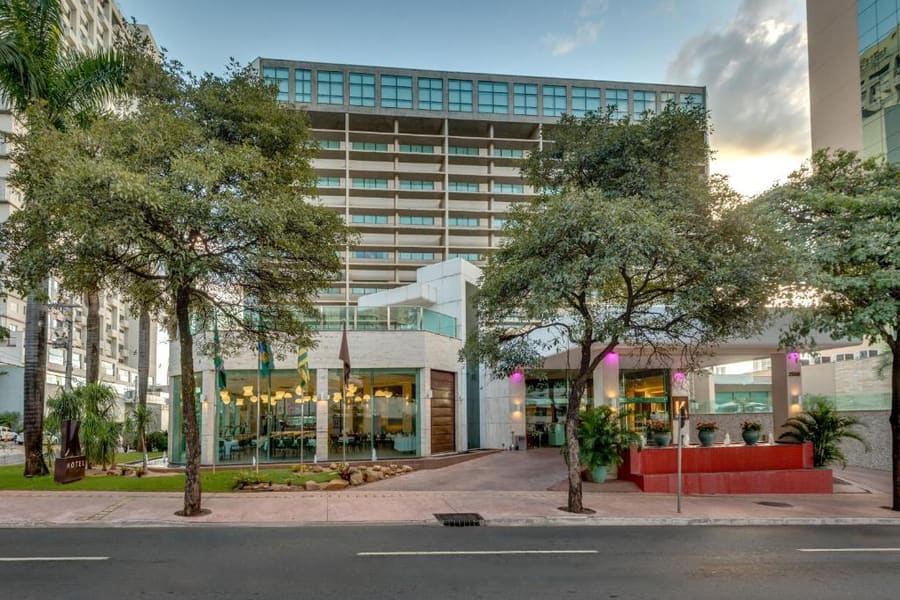
Choose your base by how you plan to move around. Setor Oeste offers quiet residential streets within walking distance of parks and markets. Setor Marista puts you directly inside the dining and bar district. Business travelers usually head to Setor Bueno or modern hotel towers along Avenida República do Líbano.
Live rates, matched to the areas above.
transport
Goiânia lacks a metro system, so transport relies on bus rapid transit (RedeMob / Eixo Anhanguera) and rideshare apps. Uber and 99 operate reliably throughout all central sectors. Walking works well within individual sectors, but wide multi-lane avenues make walking between non-adjacent sectors long and exposed to sun.
Vanaf Santa Genoveva Airport (GYN)
Uber and 99 pick up directly at the main arrival curbside.
Official airport taxis operate on metered rates outside arrivals.
City bus line 913 connects the airport to downtown, but carries limited luggage space.
The east-west trunk bus line uses dedicated lanes across Avenida Anhanguera. Board at raised tube stations using a Sitpass card.
City buses require a pre-loaded Sitpass card or contactless payment card at turnstiles. Cash is rarely accepted on board.
Rideshare services like Uber and 99 are cheap and reliable for getting between sectors at night.
Avoid driving along Avenida 85 and Avenida T-63 between 17:30 and 19:30, when northbound bottlenecking occurs.
cost
Goiânia is significantly cheaper than São Paulo or Rio de Janeiro. Dining out in Setor Marista commands premium prices, but lunch buffets (*kilo* restaurants) throughout Setor Central offer high-quality meals at modest rates.
A full portion savory pie at Mercado Central or street markets.
Standard rate at quality lunch buffets in Setor Oeste or Bueno.
Flat rate for city buses and BRT lines across the metropolitan network.
Typical fare for traveling between adjacent sectors like Marista and Oeste.
seasonality
MAY – AUG
Dry season with cool clear nights and hot days. Ideal for park walks and outdoor market browsing.
SEP – OCT
Peak heat before the rainy season arrives. Temperatures often exceed 35°C with low humidity.
NOV – FEB
Heavy summer rains and afternoon downpours. Parks get soggy but urban greenery blooms.
MAR – APR
Transition period as rain eases. Warm days with pleasant evening temperatures.
practicalities
In August and September, humidity drops below 20%. Carry water and apply lip balm constantly.
Many commercial shops and cafes close early on Sunday after 14:00 outside major shopping malls.
Debit and credit cards (plus Pix) are accepted everywhere, even by small market stalls.
Setor Marista and Oeste are safe to walk in evening restaurant areas. Avoid quiet Central streets alone at night.
Parque Vaca Brava and Areião get crowded around 17:00 as runners and walkers head out after work.