landmark
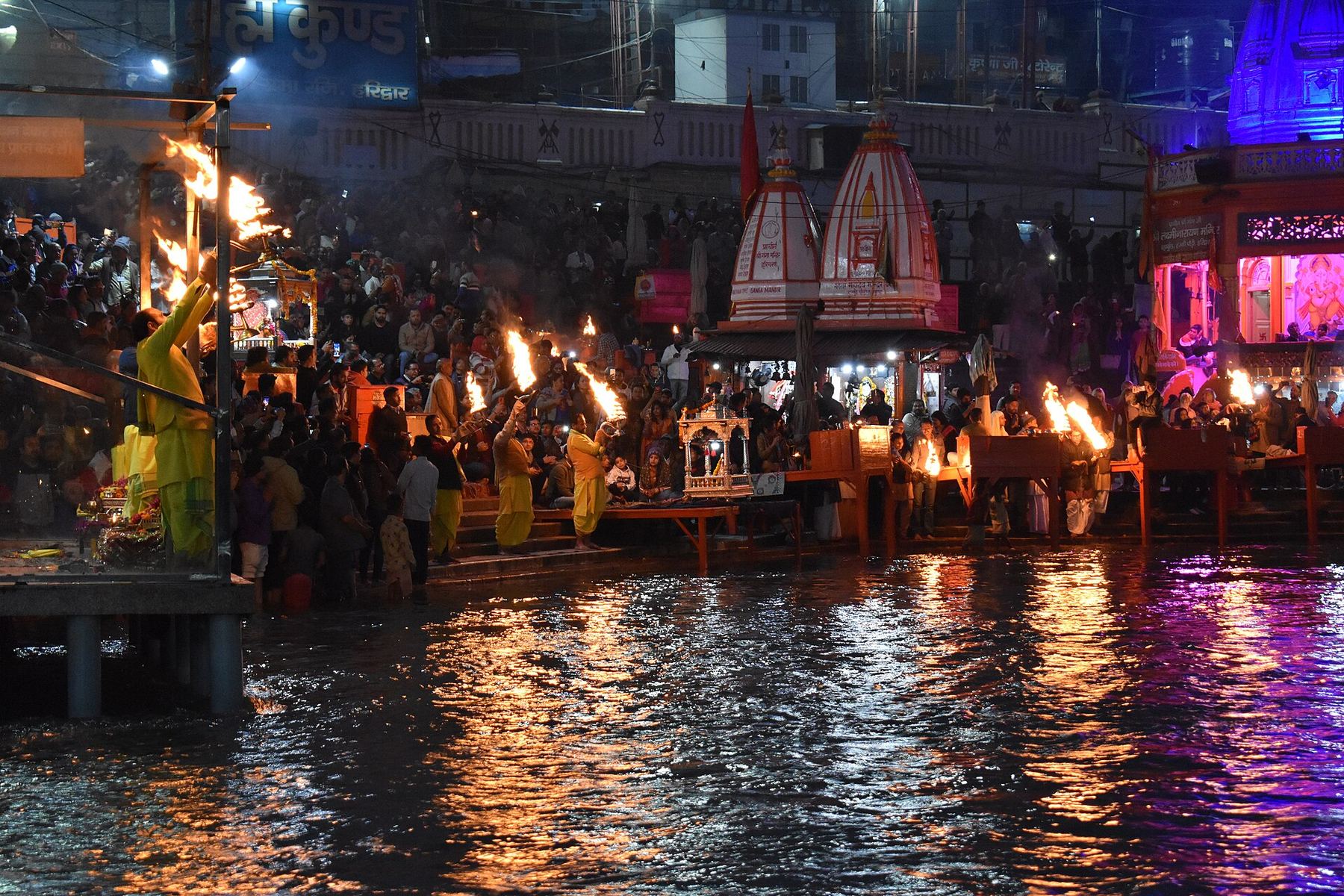
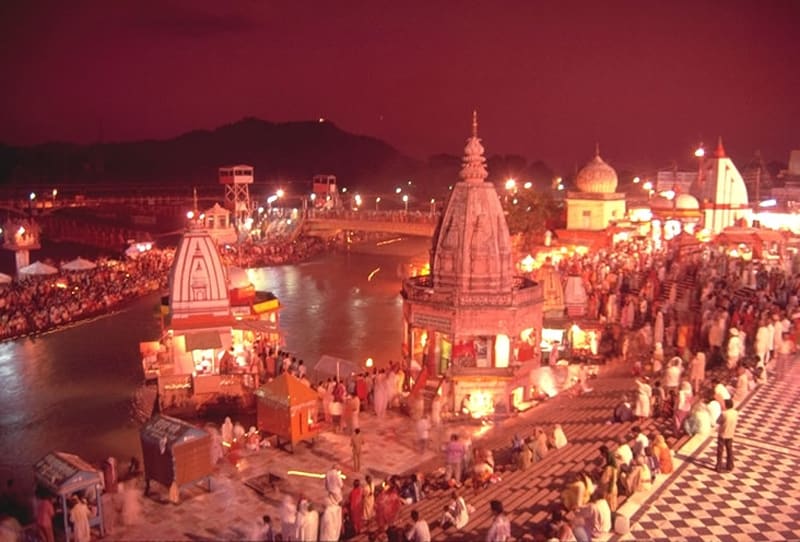
Har Ki Pauri
The main riverfront step where Ganga Aarti occurs daily at sunset. Arrive 45 minutes early to secure a seated spot on the concrete steps.
Vraag ParleyIndia
Where the Ganges leaves the Himalayas for the northern plains.
introduction
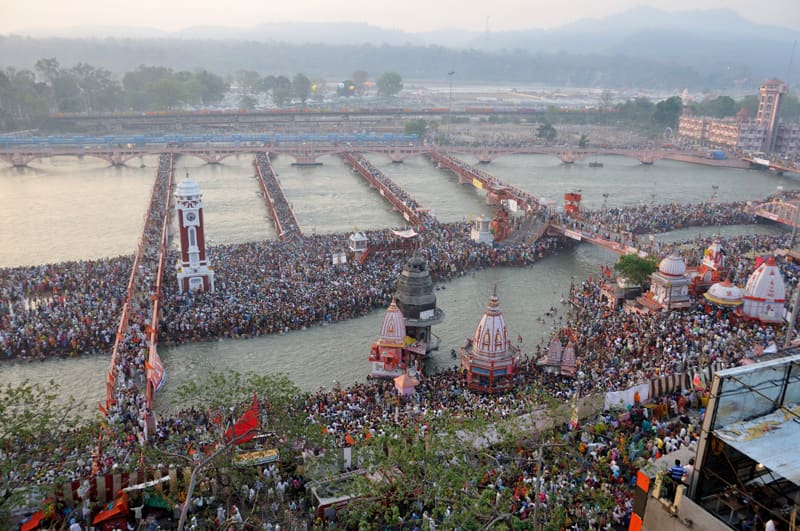
Haridwar sits where the Ganges breaks free from the Shivalik hills onto the North Indian plain. Life revolves strictly around the riverbanks, where thousands gather daily for morning and evening immersion rituals. The city functions primarily as a spiritual transit node and pilgrimage hub rather than a leisurely resort town. Expect dense crowds near the water, non-vegetarian food bans across the municipality, and swift river currents.
Arrival pricing
From Dehradun Airport (DED), skip unregulated hall taxis. Pre-book an official counter cab inside the terminal to lock the fixed ₹1,400 fare to central Haridwar.
UNESCO recognition
Haridwar hosts the mega Kumbh Mela every twelve years. UNESCO recognizes the festival as an Intangible Cultural Heritage of Humanity.
Alcohol and meat ban
Haridwar is a strictly vegetarian and alcohol-free municipality by law. Do not expect hotel room service or private stores to stock meat or liquor.
Haridwar
Coupdoeil / Philipp Eyer · CC BY-SA 3.0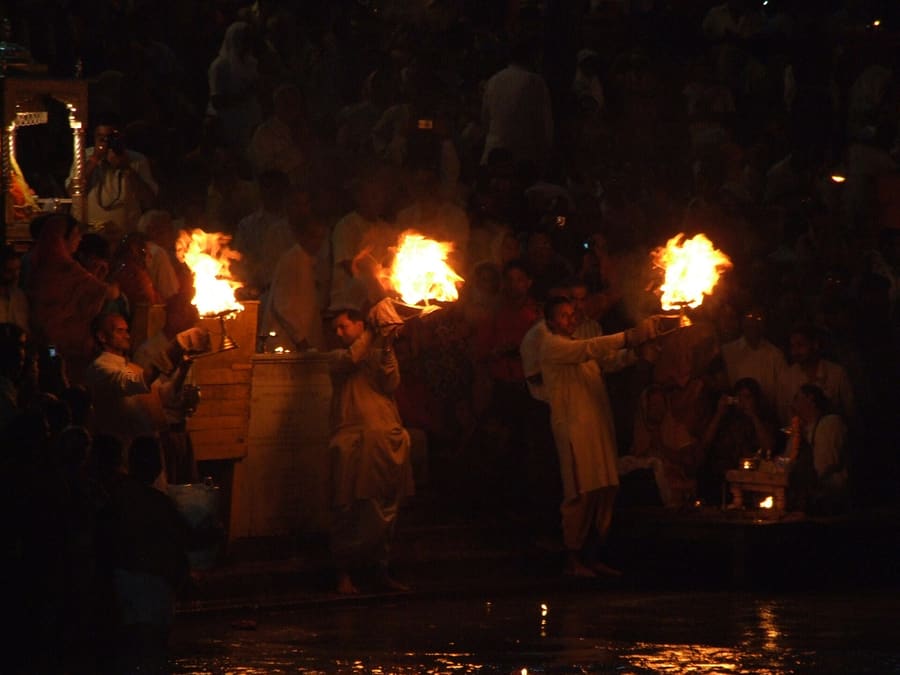
Har Ki Pauri & Bara Bazaar — Dense, loud, and constantly moving around narrow alleyways and river steps.
NID chick · CC BY 2.0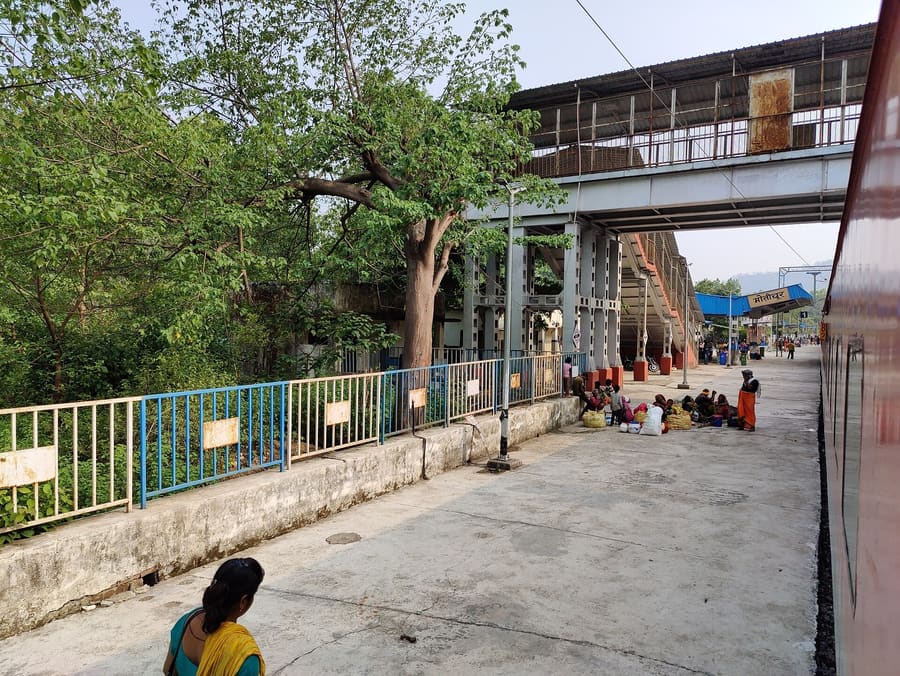
Motichur & Bhupatwala — Sprawling northern corridor along Rishikesh Road lined with large modern ashrams.
Ravi Dwivedi · CC BY-SA 4.0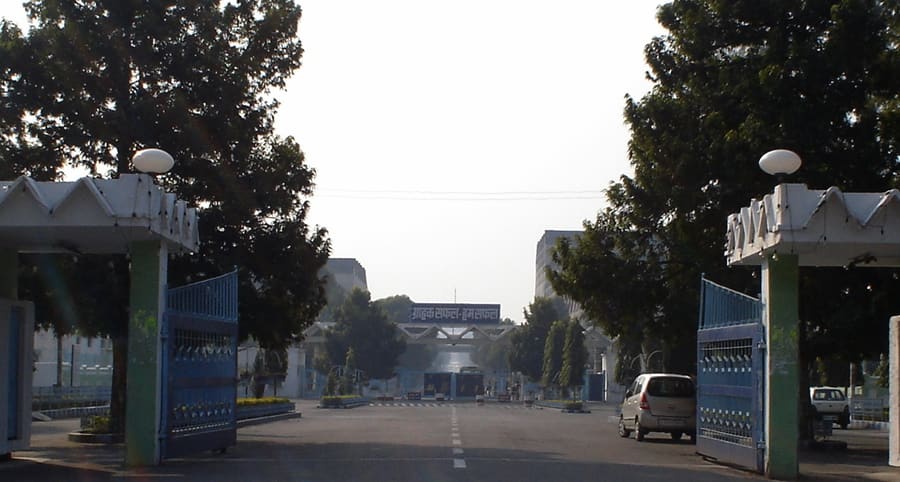
Ranipur & BHEL — Orderly suburban sector with wide tree-lined roads and modern chain hotels.
Ekabhishek · CC BY-SA 3.0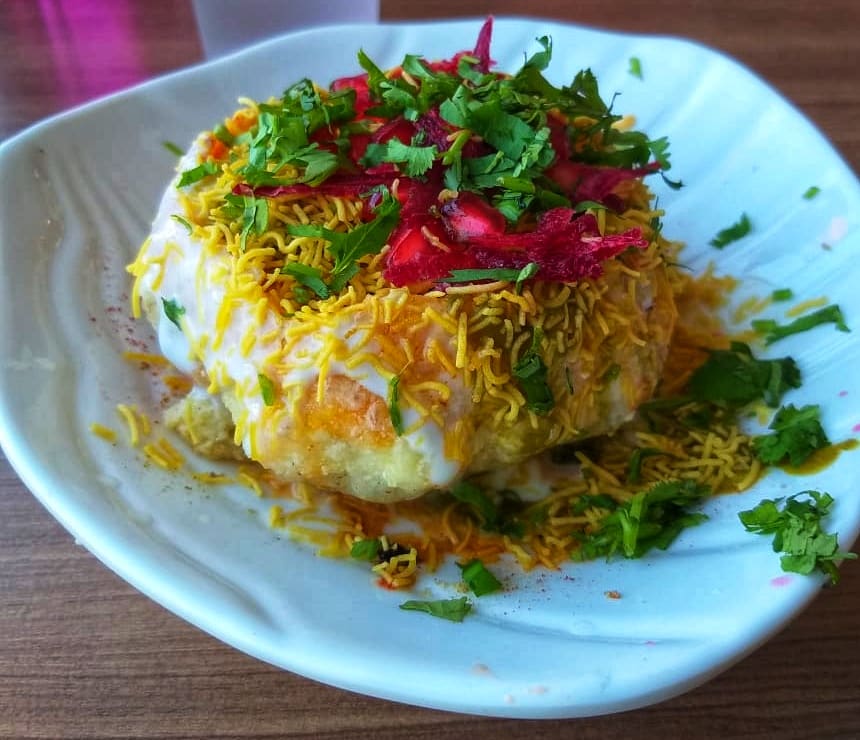
Freshly fried puris served with spicy potato curry at a traditional sweet shop.
Jaipuriamanasi · CC BY-SA 4.0highlights
landmark
The main riverfront step where Ganga Aarti occurs daily at sunset. Arrive 45 minutes early to secure a seated spot on the concrete steps.
Vraag Parley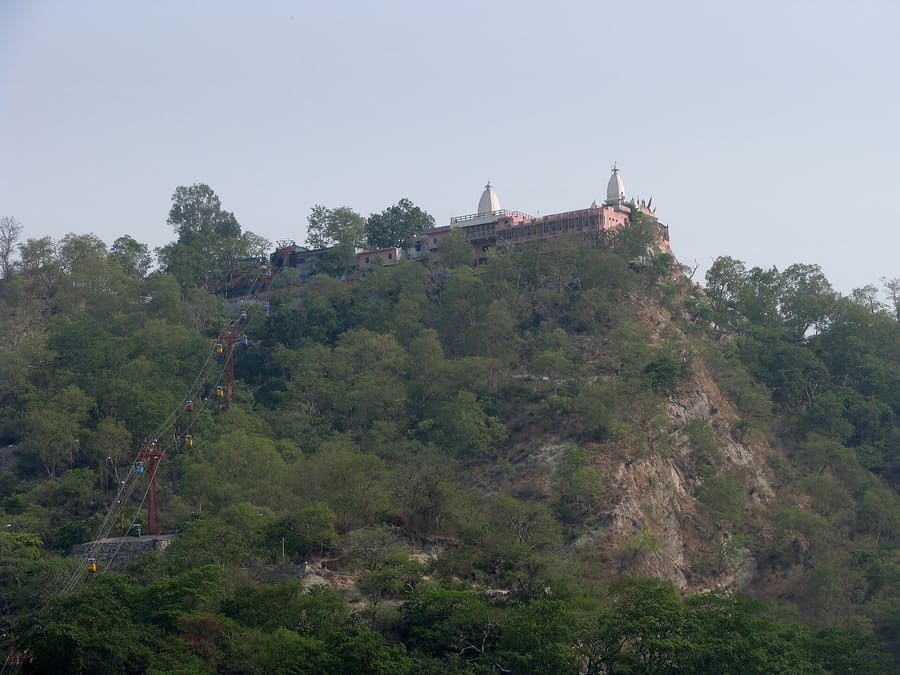
landmark
Hilltop shrine overlooking the valley. The ropeway saves a steep 1.5-kilometre uphill climb, but morning ticket queues frequently exceed an hour.
Vraag Parley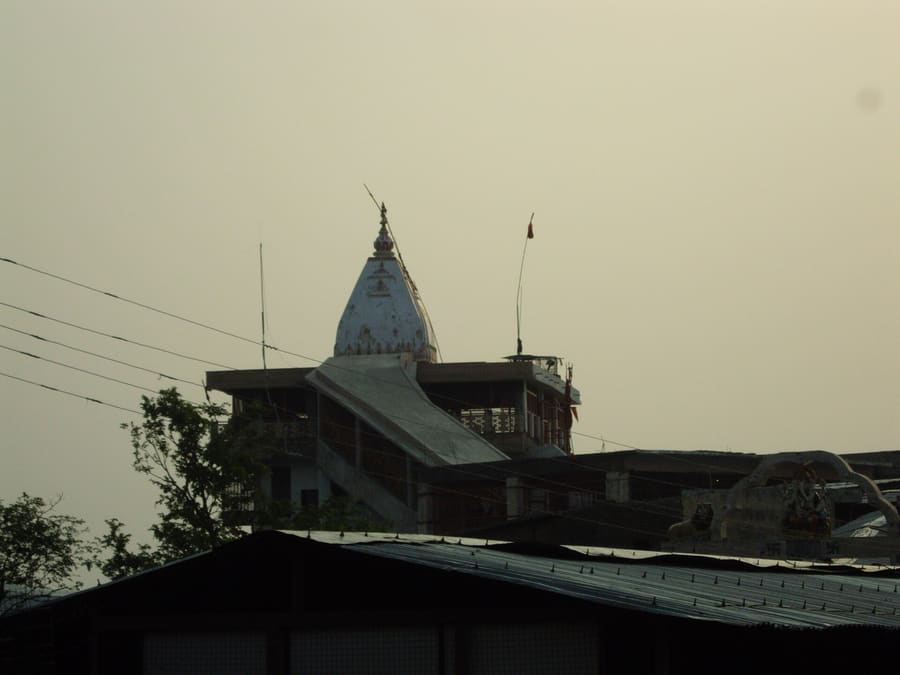
landmark
Perched atop Neel Parvat on the east bank. Combined ropeway tickets covering both Mansa Devi and Chandi Devi lower your overall transport costs.
Vraag Parley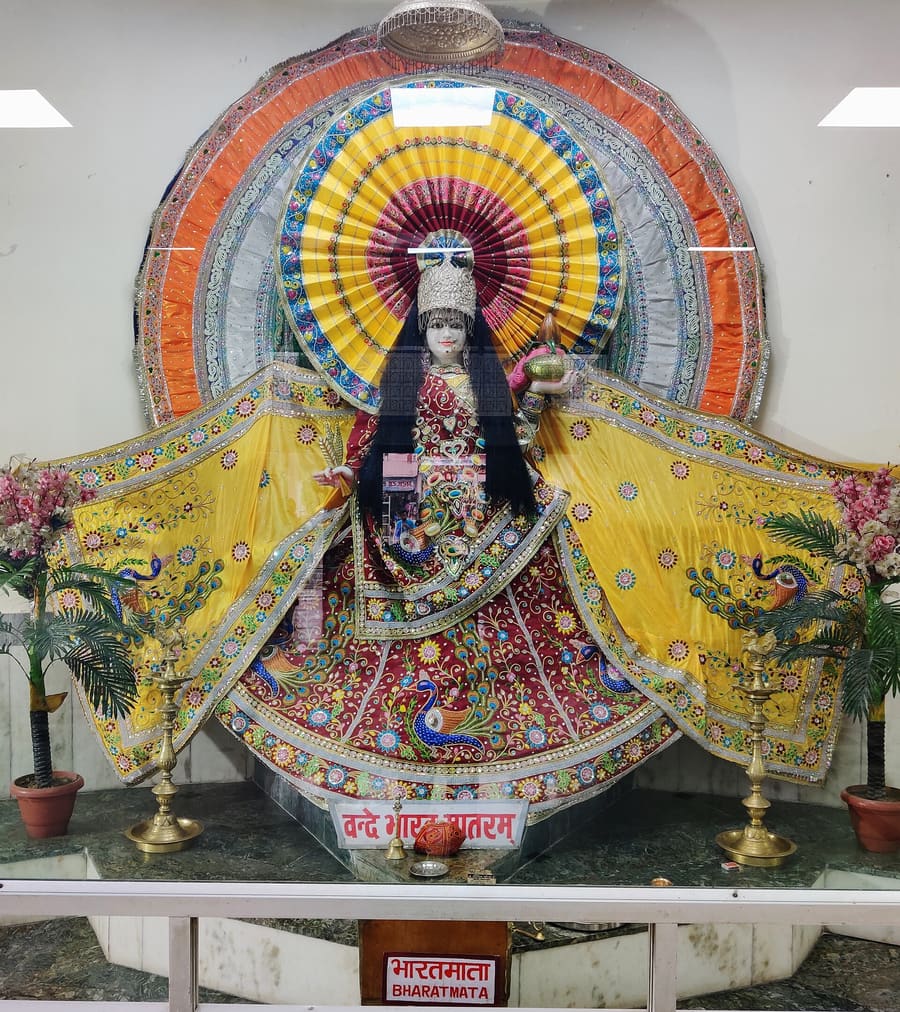
landmark
Eight-story civic shrine dedicated to patriots and deities alike. An elevator serves upper floors for a small surcharge to avoid seven flights of stairs.
Vraag Parley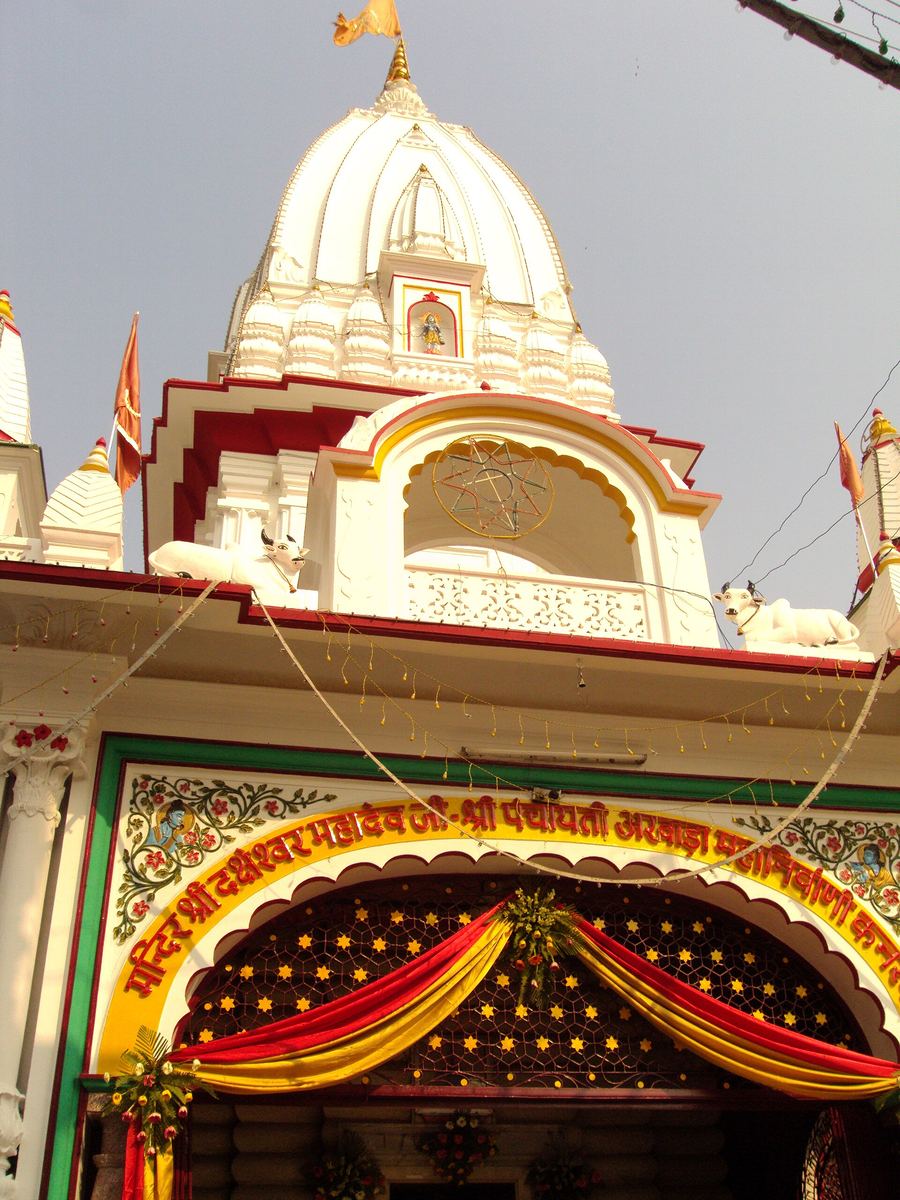
landmark
Ancient Shiva temple in Kankhal. It offers a quieter, less chaotic alternative to Har Ki Pauri for peaceful morning prayers and river views.
Vraag Parleyattractions
areas
Dense, loud, and constantly moving around narrow alleyways and river steps.
DichtbijHar Ki Pauri, Bara Bazaar, Upper Road market
Vraag ParleySprawling northern corridor along Rishikesh Road lined with large modern ashrams.
DichtbijBharat Mata Mandir, Shanti Kunj
Vraag ParleyOrderly suburban sector with wide tree-lined roads and modern chain hotels.
DichtbijPenta Cube mall, Haridwar Industrial Area
Vraag ParleyHistoric southern neighborhood filled with heritage ashrams and quiet residential lanes.
DichtbijDaksheswara Mahadev Temple, Ma Anandamayi Ashram
Vraag Parleyfood
Eating in Haridwar is defined by strict religious guidelines. Meat, fish, and eggs are prohibited citywide. Garlic and onion are excluded from traditional temple-style kitchens. Local food culture centers on spiced fried breads and slow-cooked milk sweets, eaten standing at market stalls or sitting in basic dining halls. Breakfast begins early, with sweet shops frying fresh puris by 7:00 AM.
Freshly fried puris served with spicy potato curry at a traditional sweet shop.
Jaipuriamanasi · CC BY-SA 4.0Head to Bara Bazaar for fresh kachoris served on sal leaf plates with tangy pumpkin curry. Expect to eat standing up in a tight alleyway.
Eat early near Har Ki Pauri before morning bathers flood the counter. A plate of hot puris with chole costs under ₹100.
Cash remains necessary at smaller street stalls despite growing QR code adoption. Carry small notes under ₹100 for fast transactions.
history
Haridwar appears in ancient texts as Kapilasthana and Mayapuri. It has served as a gateway to Himalayan pilgrimage sites for over two millennia. Control shifted between regional Hindu dynasties, the Delhi Sultanate, the Mughal Empire, and eventually the British East India Company. Modern Haridwar developed rapidly after the construction of the Upper Ganges Canal in the mid-19th century.
Ancient Transit Hub
Mentions in epic literature establish Mayapuri as an ancient river crossing point for ascetics travelling into the high Himalayas.
Timur's Raid
Central Asian conqueror Timur invades the settlement near the Shivalik hills following his sack of Delhi.
Upper Ganges Canal Opened
British engineers open the canal headworks, altering the local hydrology and creating the modern canal embankments.
State of Uttarakhand Formed
Haridwar transitions from Uttar Pradesh into the newly created mountain state of Uttarakhand.
where to stay
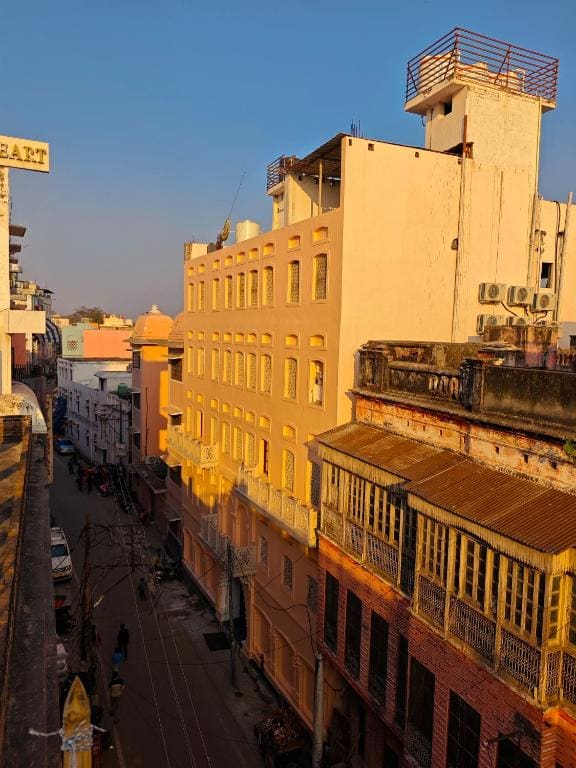
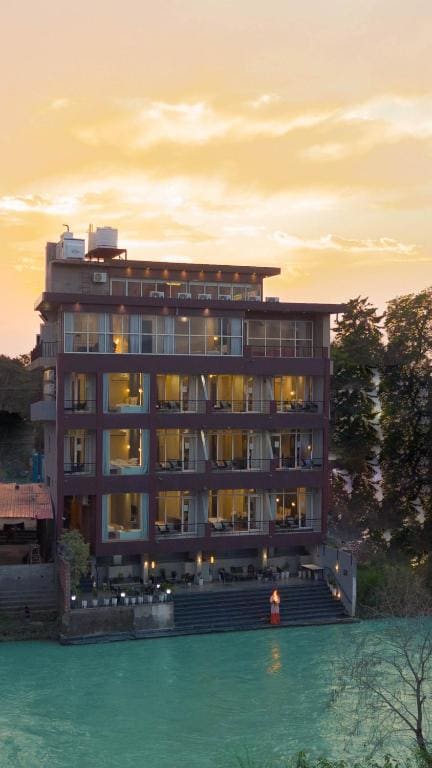
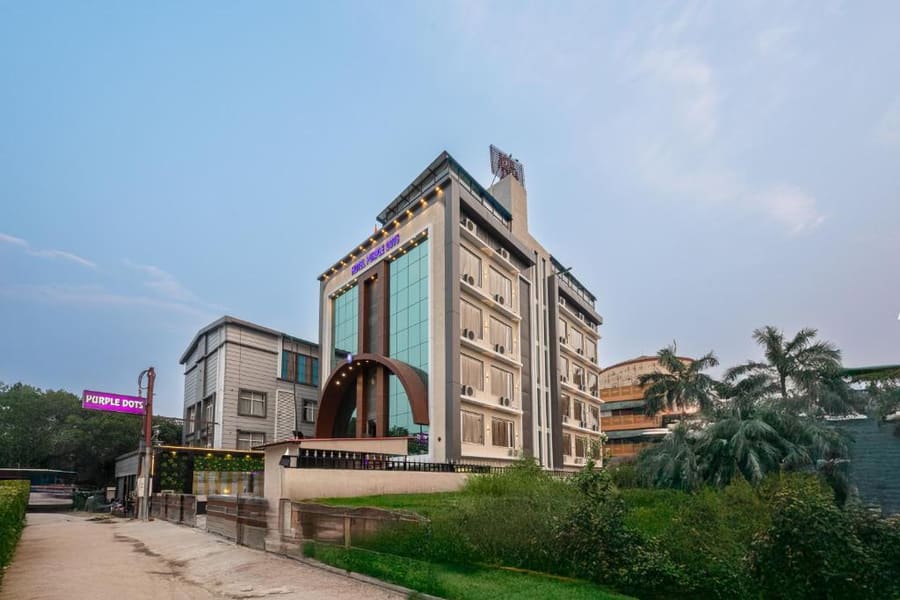
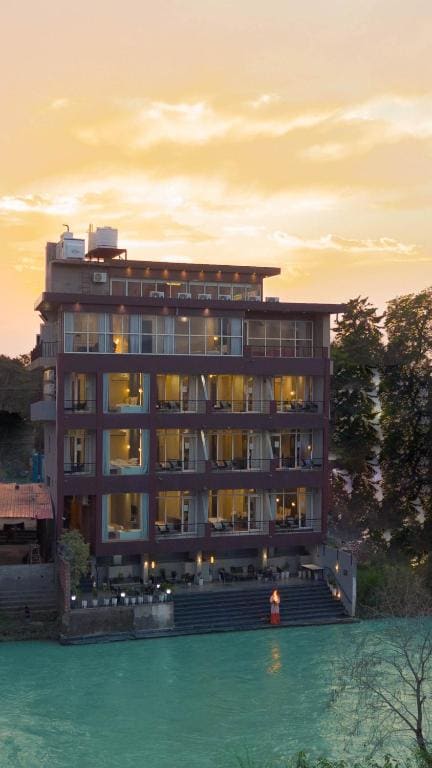
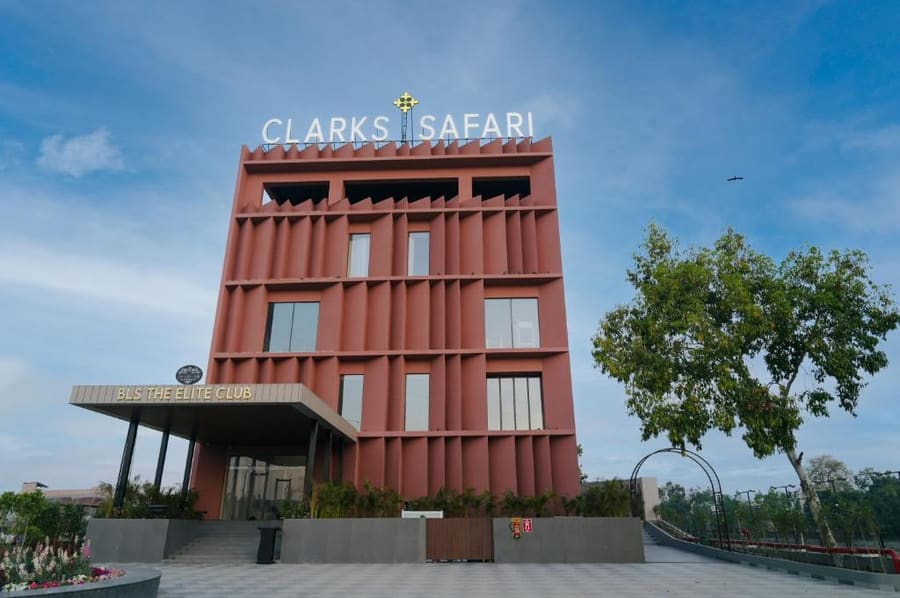
Choose your base by balancing proximity to the river against noise levels and road access. Stay near Har Ki Pauri if you want step-out access to morning rituals and do not mind heavy pedestrian noise. Stay in Motichur or BHEL if you travel with private transport, need parking, or prefer air-conditioned modern comforts.
Live rates, matched to the areas above.
transport
Haridwar is accessible by rail and road, while air travellers land at Dehradun's Jolly Grant Airport. Within the core city along the Ganges, auto-rickshaws and electric rickshaws handle short hops. Pedestrian zones around Har Ki Pauri ban motor vehicles entirely during peak hours.
Vanaf Dehradun Airport (DED)
Fixed-rate taxi counter is inside the terminal exit hall.
State buses depart hourly from the airport main road junction.
Electric rickshaws charge ₹20–30 per seat for shared runs along the main road corridor between the railway station and Har Ki Pauri.
Unmetered auto-rickshaws require upfront price negotiation before boarding. Expect to pay ₹100–150 for a private town trip.
Bara Bazaar and the main ghat roads close to motor traffic every afternoon before evening Aarti.
Haridwar Junction (HW) sits right in the city center within walking distance of southern ghats.
cost
Haridwar is an affordable pilgrimage town where budget travellers can eat and lodge very cheaply. Mid-range boutique properties along the riverbank command high prices, while ashram accommodation remains low-cost.
A plate of two hot puris with potato curry and a cup of chai at market stalls.
Fixed seat fare for short trips along the main city arterial road.
Standard cable car ticket ascending Bilwa Parvat hill.
Basic double room with air conditioning and attached bathroom.
seasonality
OCT – FEB
Cool, pleasant days with temperatures between 10°C and 22°C. Ideal walking weather, though river water feels freezing.
MAR – APR
Warm spring days before extreme summer heat. Great window for exploring both temples and nearby national parks.
MAY – JUN
Hot and dusty with temperatures exceeding 40°C. Heavy summer pilgrimage crowds pack the river banks.
JUL – SEP
Monsoon rains swell the Ganges into a dangerous muddy torrent. Kanwar Yatra in July brings millions of walking pilgrims and heavy road closures.
practicalities
The Ganges current at Haridwar is deceptively swift. Always hold the safety chains installed along the ghat steps while bathing.
Remove shoes before stepping onto any ghat or entering temple complexes. Shoe-minding stands near Har Ki Pauri charge ₹5–10.
Peak Aarti times bring massive crowds. Keep wallet and phone in secure front pockets to prevent opportunistic pickpocketing.
Do not attempt to bring alcohol into Haridwar. Police carry out spot checks at hotel check-ins and city entry checkpoints.
Exposed concrete ghats absorb heat quickly. Wear socks in summer to avoid burning your soles on hot stone floors where shoes are banned.