landmark
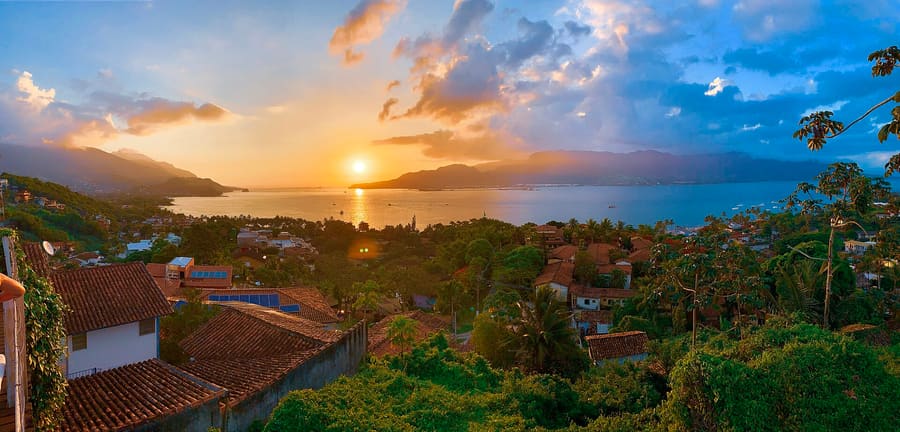
Vila Historic Center
Colonial street grid with restored stone buildings. Walk here in late afternoon for food and drinks.
Vraag ParleyBrazilië
Rainforest peaks, channel winds, and a single ferry line.
introduction
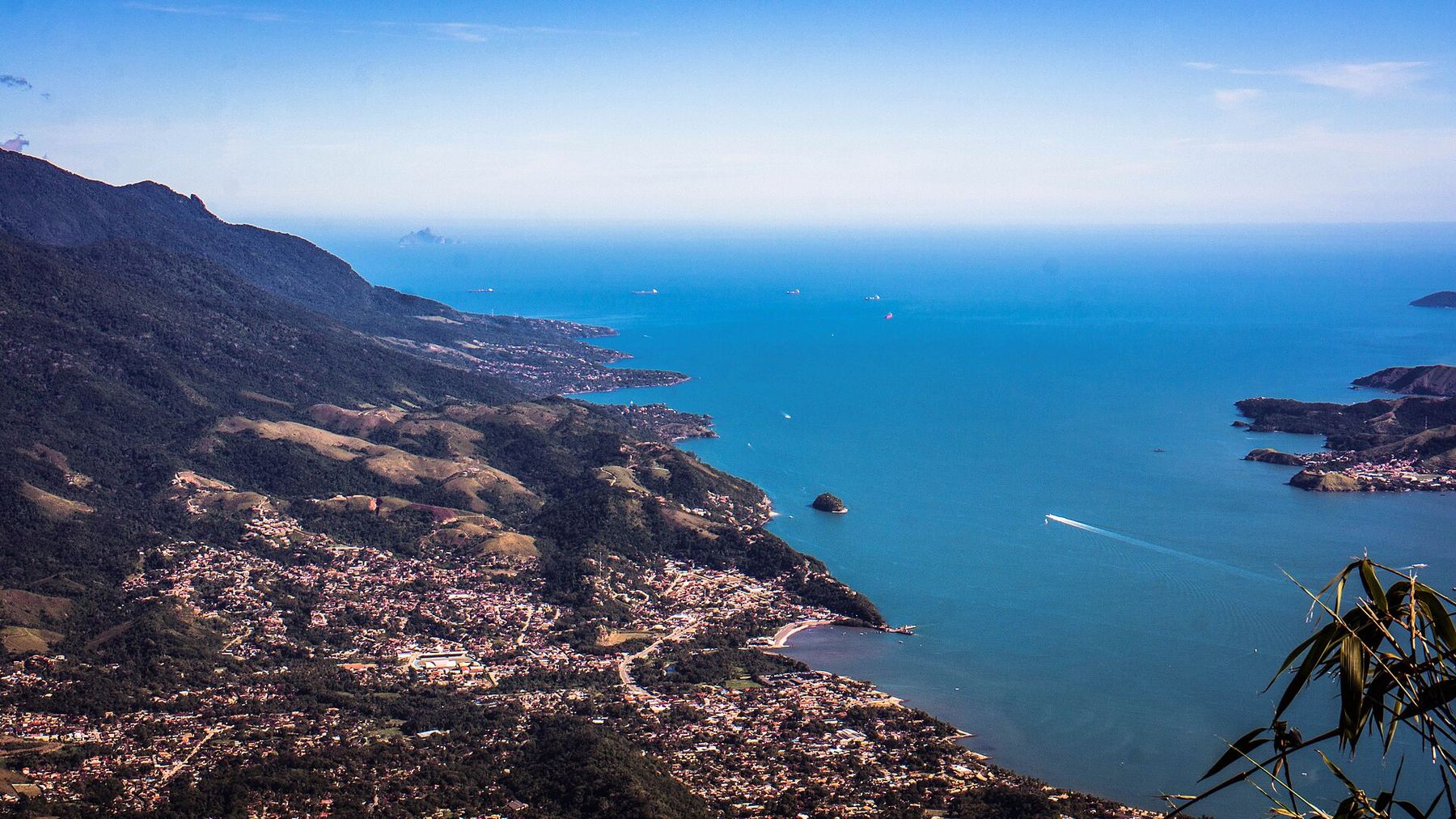
Ilhabela sits three kilometers off the São Paulo coast across a windy channel. A single paved road traces the calm western shore, while dense jungle and high peaks block the east. You travel here by car ferry, on foot, or by boat. Expect steep dirt tracks, heavy afternoon offshore winds, and no official insect protection requirements, though using repellent is heavily recommended.
Ferry wait times
Cars line up for hours on peak summer weekends. Pedestrians and cyclists board immediately without long delays.
State park coverage
Over 80 percent of the island belongs to Ilhabela State Park. Rainforest covers the interior peaks.
Insect defense
Borrachudo blackflies ignore standard DEET repellents. Buy local citronella-based cream at island pharmacies.
highlights
landmark
Colonial street grid with restored stone buildings. Walk here in late afternoon for food and drinks.
Vraag Parley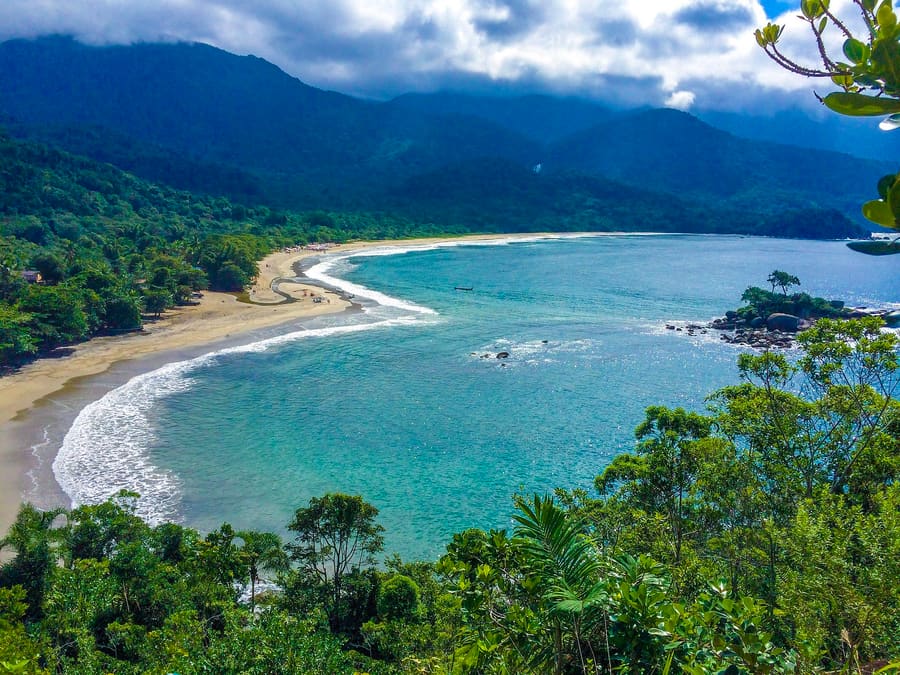
landmark
Rough ocean bay accessible via a 22-kilometer dirt road through jungle. Book a 4x4 or boat tour.
Vraag Parley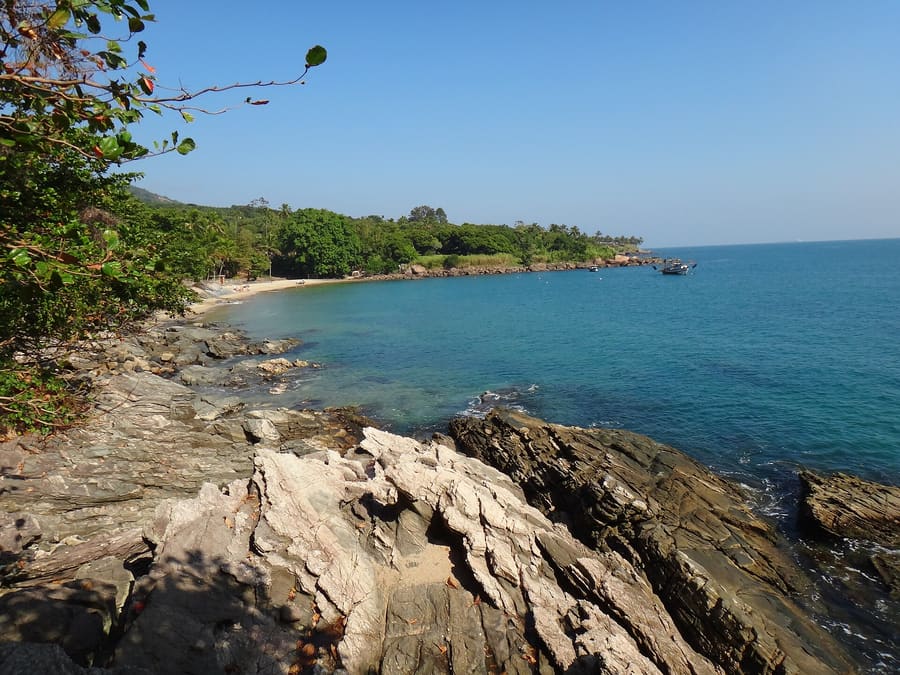
landmark
The south coast social hub. Expect loud music, beach bars, and crowded sand on sunny afternoons.
Vraag Parleyattractions
areas
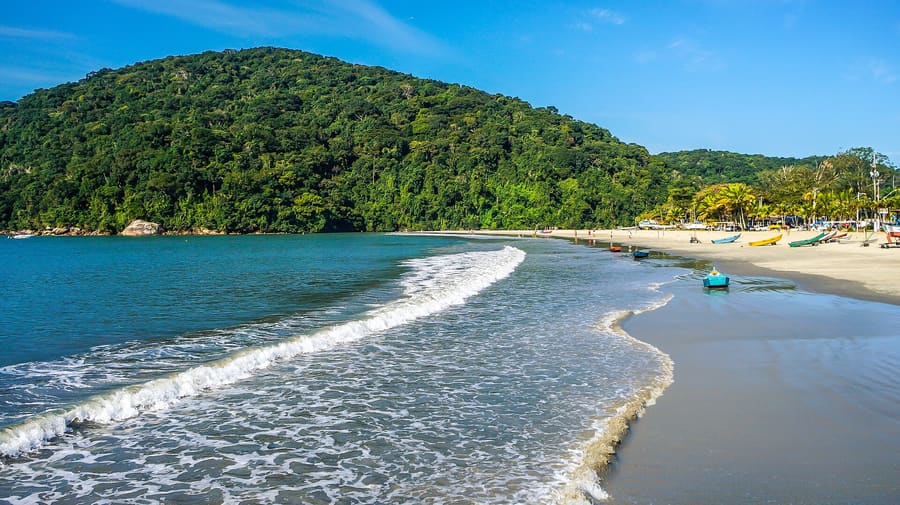
Commercial strip with banks, supermarkets, windsurfing schools, and flat bike paths.
DichtbijFerry terminal, Praia do Itaguaçu
Vraag ParleyOff-grid eastern bay cut off from city power lines and regular car traffic.
DichtbijCachoeira do Gato, Praia do Saco da Capela
Vraag ParleyHistoric heart with paved alleys, cocktail bars, boutique hotels, and zero beach loungers.
DichtbijPier da Vila, Itaguaçu Beach
Vraag ParleyResort zone on the southern tip with full beach service and loud daytime music.
DichtbijPraia Grande, Cachoeira do Paquetá
Vraag Parleyfood
Coastal cooking here relies on locally caught white fish paired with banana and manioc flour. The classic caiçara dish features fried or baked fish fillet topped with cooked plantains, served alongside rice and farofa.Beach kiosks line the western coast. Mandatory minimum spend limits are prohibited under Brazilian consumer law, though kiosks may charge separate rental fees for chairs and umbrellas.In Vila, evening dining centers on high-end seafood, artisanal pizza, and cocktail lounges along Rua do Meio.
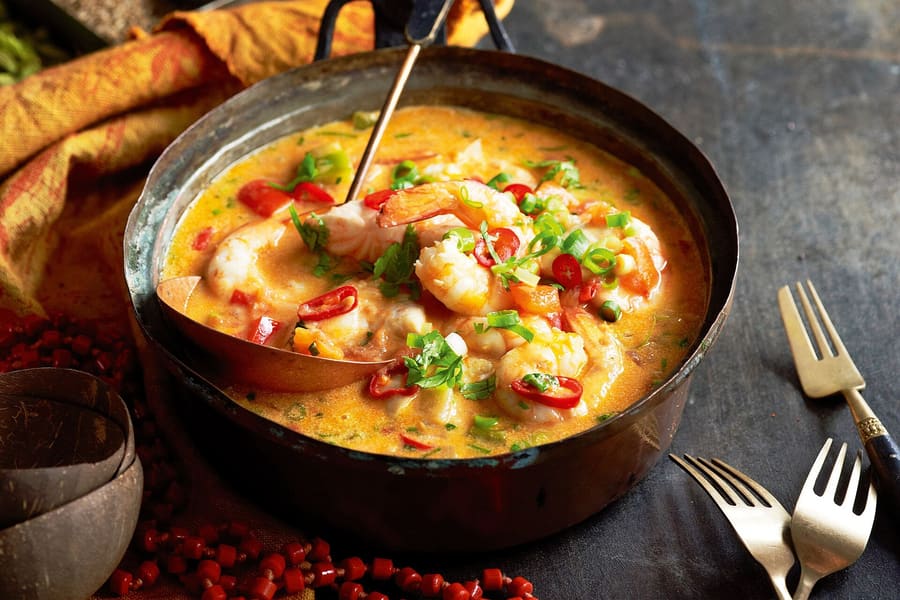
Fresh seafood stews served at traditional coastal restaurants.
BR · CC BY-SA 4.0Beach chairs are free if you meet the kiosk food and drink spend threshold, usually R$ 100 to R$ 150 per person.
Order fresh sea bass or grouper prepared with local bananas and manioc flour at family-run spots.
Restaurants in the historic center open early for drinks but do not fill up for dinner until after 20:30.
history
Tupinambá indigenous communities inhabited San Sebastián Island before European arrival. Portuguese navigators charted the narrow channel in 1502, creating a strategic shelter for ships navigating the Atlantic coast.Sugarcane and coffee plantations developed during the 18th and 19th centuries using enslaved labor. Treacherous rocks and unexpected channel currents caused dozens of major shipwrecks along the southern and eastern shores.
Municipal founding
The island gains administrative independence under the name Vila da Princesa.
State park creation
The state government creates Ilhabela State Park, locking 85 percent of the land mass from urban growth.
where to stay
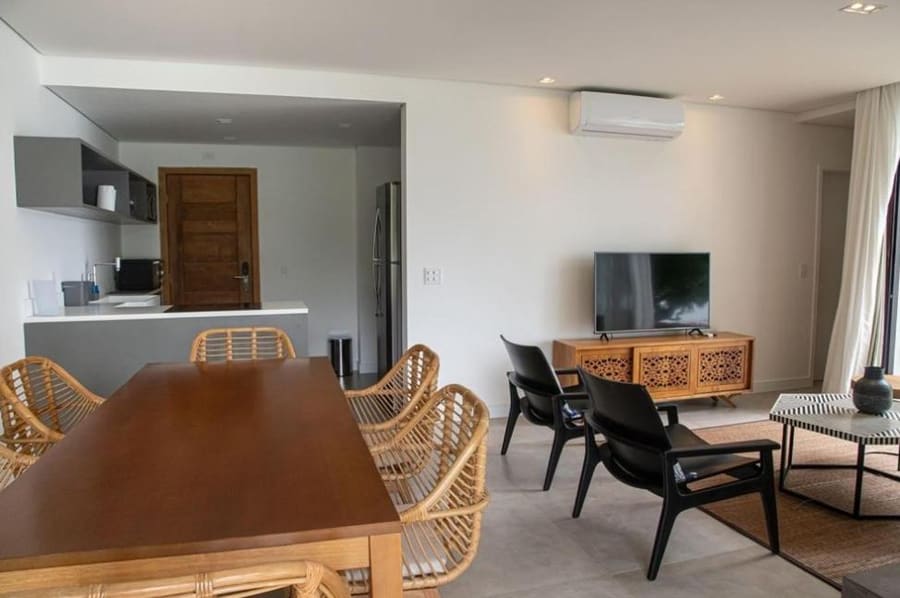
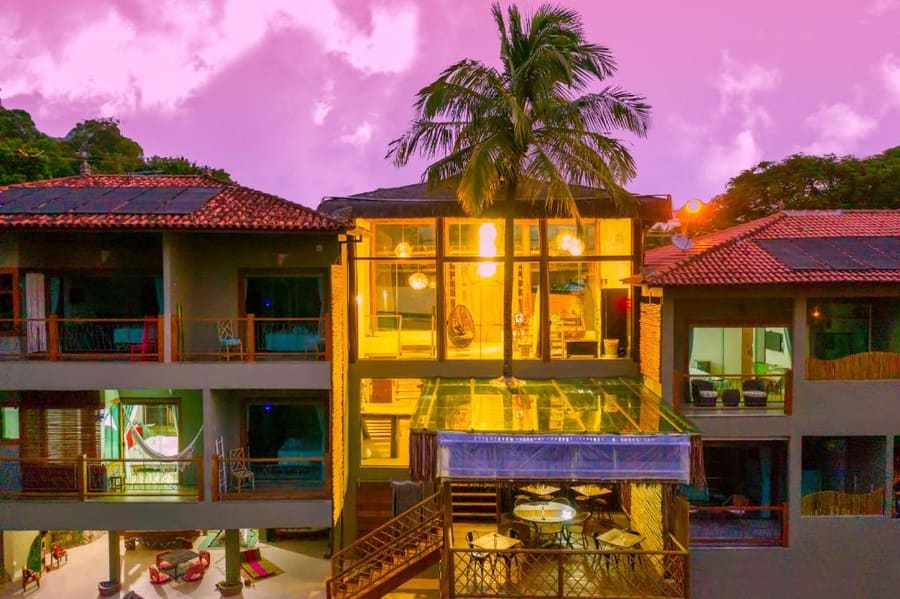
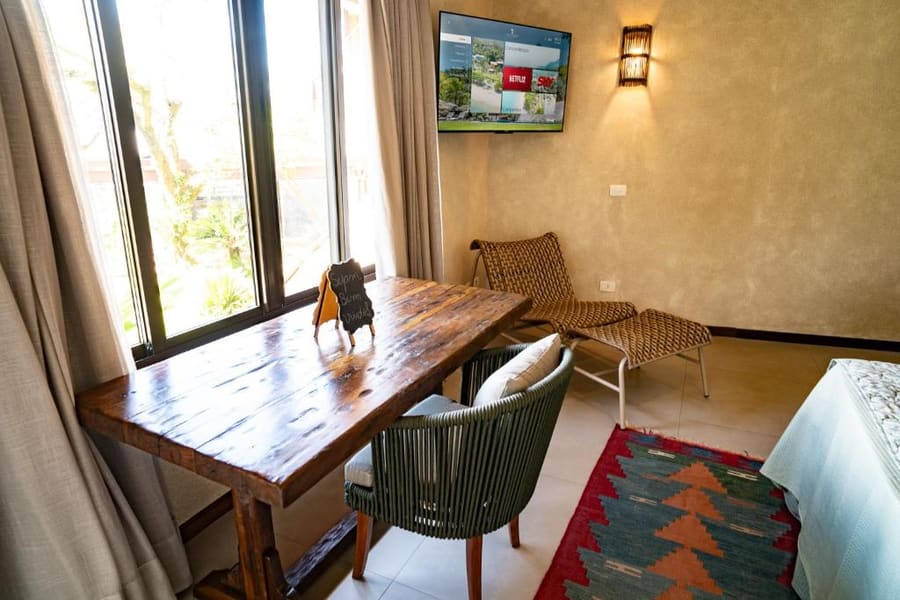
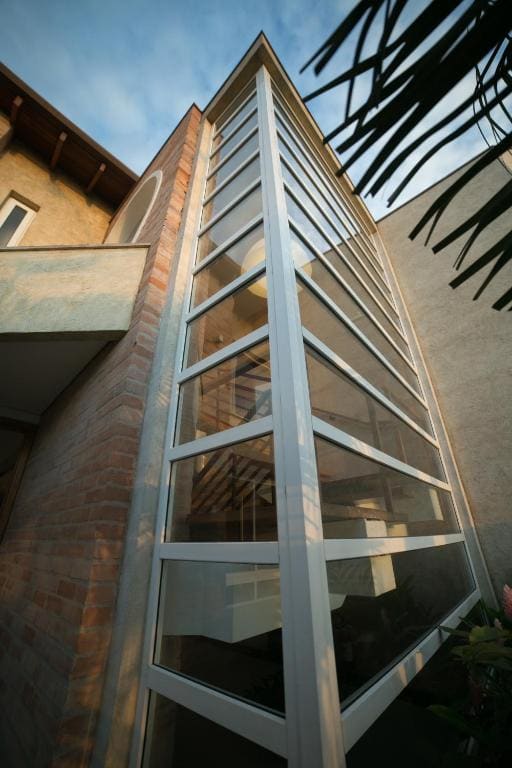
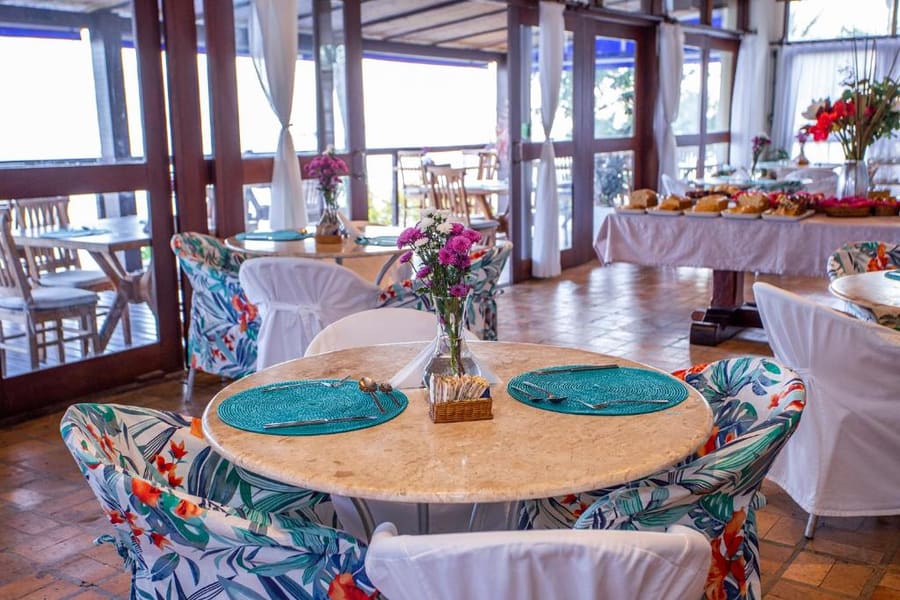
Choose your base based on how you plan to travel. The island has no high-rise hotels. Pousadas spread along the paved western road from North to South.Stay north in Vila if you want evening walks to restaurants and direct taxi access. Stay south near Curral if you want beach club activity right outside your door.
Live rates, matched to the areas above.
transport
A single coastal highway, SP-131, runs along the western side of the island. You enter via the car ferry from mainland São Sebastião. The eastern half of the island has no paved roads.
Vanaf São Sebastião Ferry Pier (Balsa)
Fee applies to vehicles leaving mainland. Pedestrians walk on free of charge.
Local Green Bus lines connect the ferry pier north to Vila and south to Curral.
Fixed rates operate from official ranks at the ferry pier and Vila.
Authorized 4x4 vehicles only for crossing the dirt road to Castelhanos.
Pay extra online for Hora Certa reservation during peak summer weekends to bypass vehicle lines.
Buses run every 15 to 30 minutes along the main western road SP-131.
If driving traffic is backed up, park your car on the mainland side and walk onto the ferry.
Uber availability is extremely limited on the island. Rely on local taxi stands or buses.
cost
Ilhabela carries higher prices than neighboring mainland coastal towns due to ferry logistics and seasonal demand. Most venues take major credit cards, but cash is needed for small remote beach stalls.
Serves one to two people for fresh fish with rice and beans at beachside spots.
Per person round trip in an open-air truck or off-road vehicle.
Per person for water transport to remote eastern beaches like Bonete.
Paid once when crossing from São Sebastião to the island. Price rises on weekends.
seasonality
DEC – FEB
Peak summer. Warm water and clear skies paired with extreme ferry delays and packed beaches.
MAR – MAY
Best window. Warm water temperatures, lower rainfall, and manageable traffic.
JUN – AUG
Cooler weather and crisp days. Prime sailing wind conditions with minimal crowds.
SEP – NOV
Spring brings rising temperatures but frequent rain showers. Pack rain gear for hiking.
practicalities
These small bites swell badly. Apply local citronella cream repeatedly, especially near streams.
Trail access to certain waterfalls requires registering at park ranger checkpoints.
Strong channel winds can halt ferry service for several hours without advance notice.
Main bank ATMs sit in Perequê. Draw cash before heading to isolated southern or eastern beaches.
Swimming on west coast beaches is calm. Eastern ocean beaches face heavy rip currents.