landmark
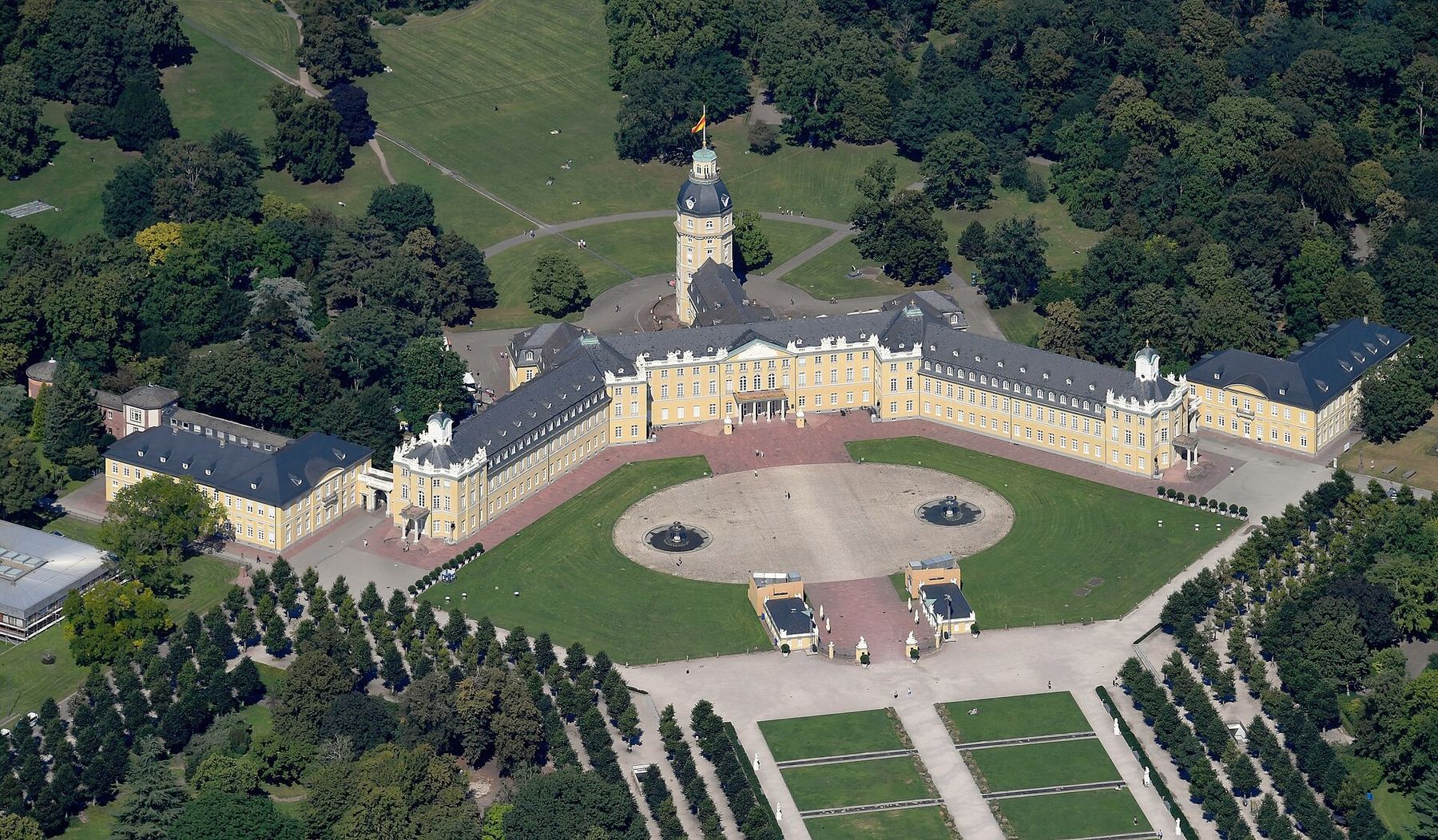
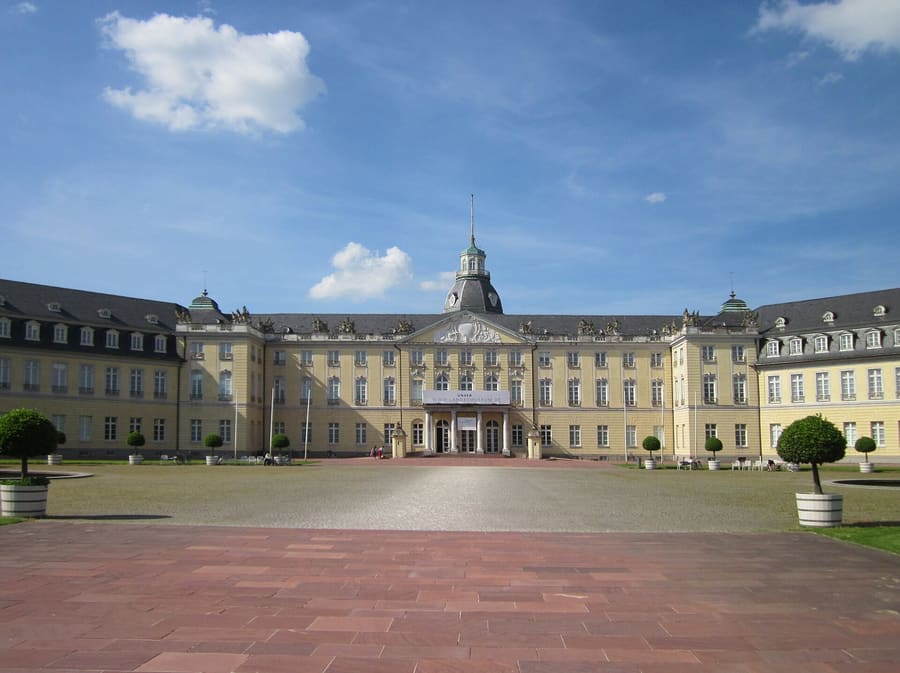
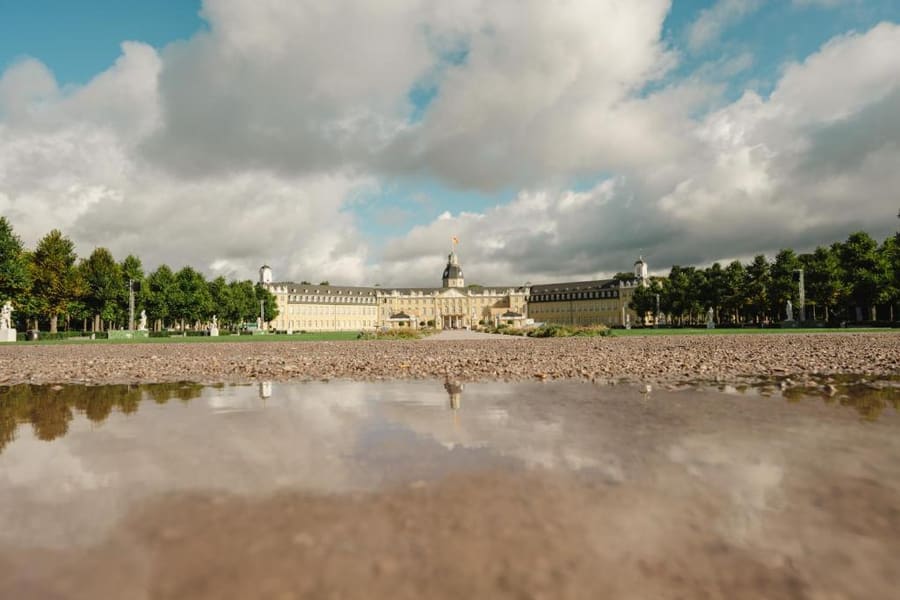
Karlsruhe Palace
The focal point of the city's 32 radial streets. Climb the tower for €4 to see the fan layout clearly.
Vraag ParleyDuitsland
The fan-shaped hub of media art, high courts, and cycling.
introduction
Karlsruhe was designed in 1715 as a geometric star with thirty-two radial streets radiating from its central palace. Today it serves as Germany's judicial heart and a center for technological innovation. You can walk across the flat grid easily or rely on the pioneer tram-train system that invented seamless regional transit. The vibe is relaxed, unpretentious, and heavily oriented around outdoor parks.
Arrival trick
KVV day tickets cover local trams and regional trains across city zones. Purchase them on the KVV app to skip station queue lines.
UNESCO recognition
Karlsruhe became Germany's first UNESCO City of Media Arts in 2019, driven by the interactive ZKM center.
Planning trick
State museums offer free entry on Friday afternoons starting at 14:00. The Schlossgarten steam railway runs only from April to October.
Karlsruhe
Robb at German Wikipedia · CC BY-SA 3.0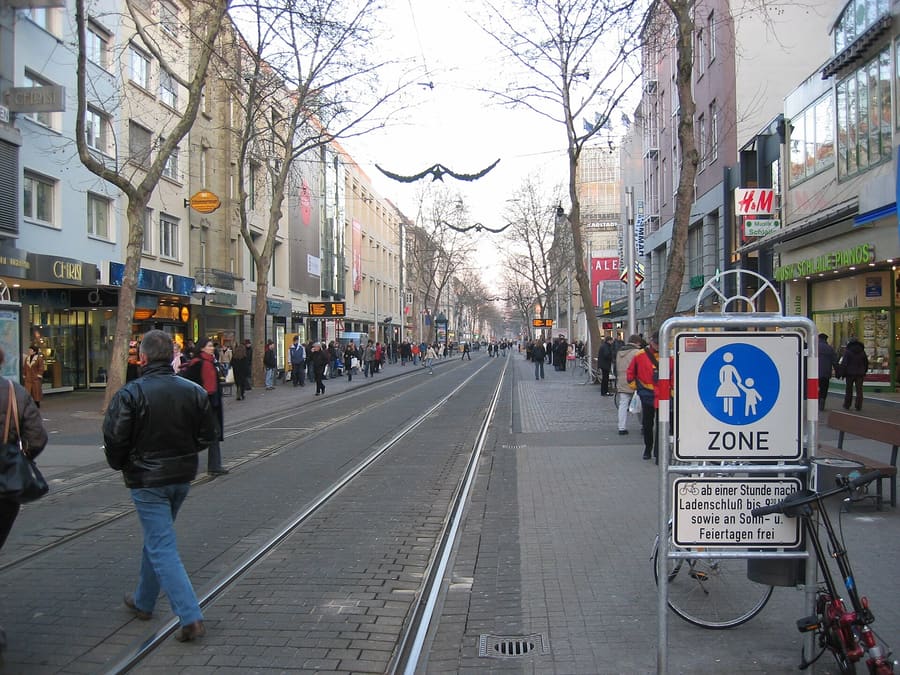
Innenstadt — Pedestrian avenues, central shopping corridors, and quick access to the palace park.
No machine-readable author provided. Andi1919~commonswiki assumed (based on copyright claims). · CC BY-SA 3.0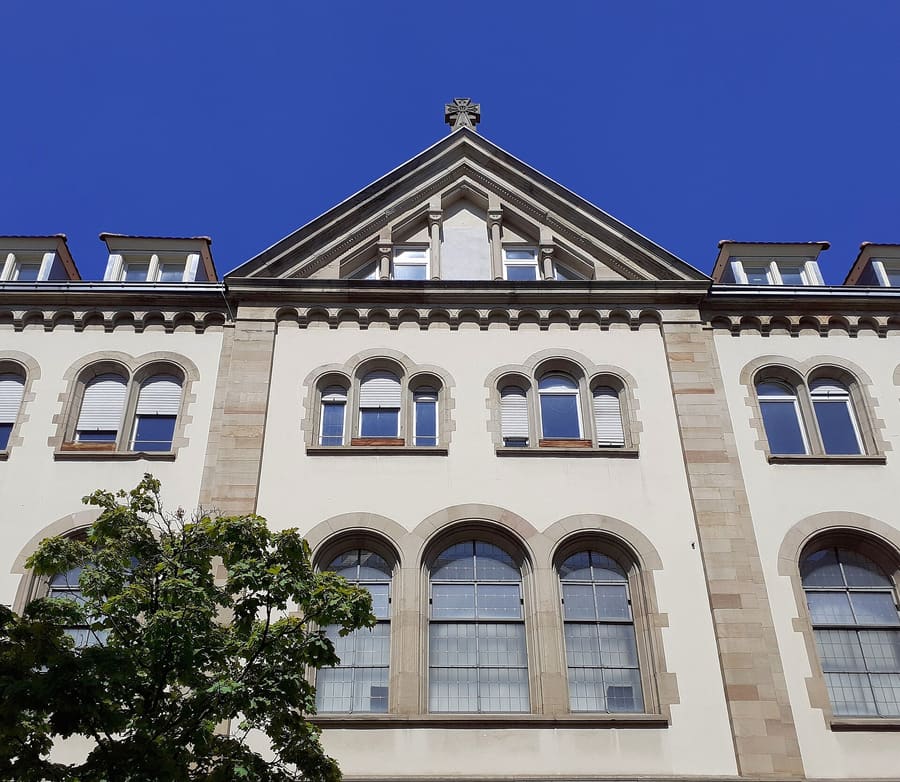
Südstadt — Multicultural, student-heavy, and packed with independent bars around Werderplatz.
Sitacuisses · CC BY-SA 3.0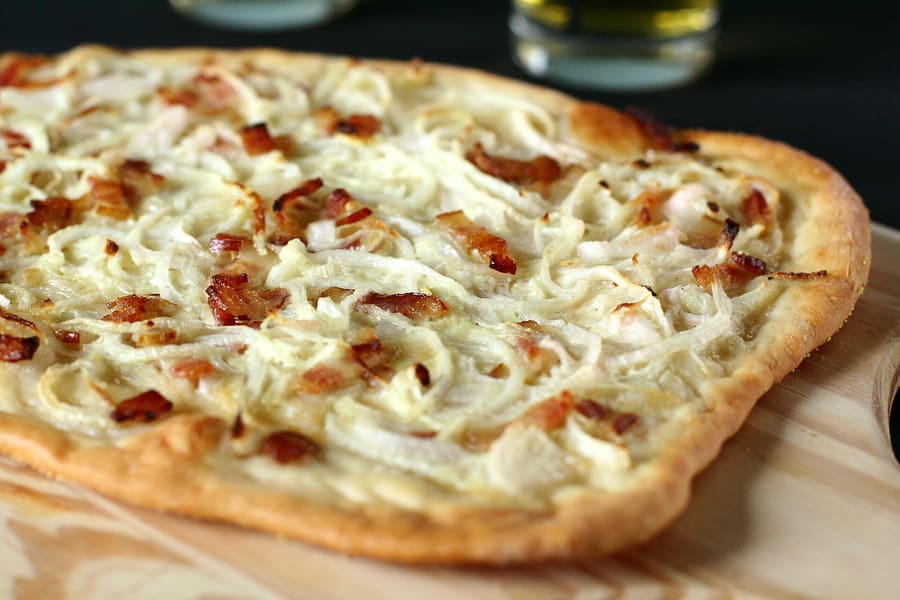
Thin-crust Flammkuchen topped with sour cream, onions, and bacon lardons.
Lulu Durand · CC BY 2.0highlights
landmark
The focal point of the city's 32 radial streets. Climb the tower for €4 to see the fan layout clearly.
Vraag Parley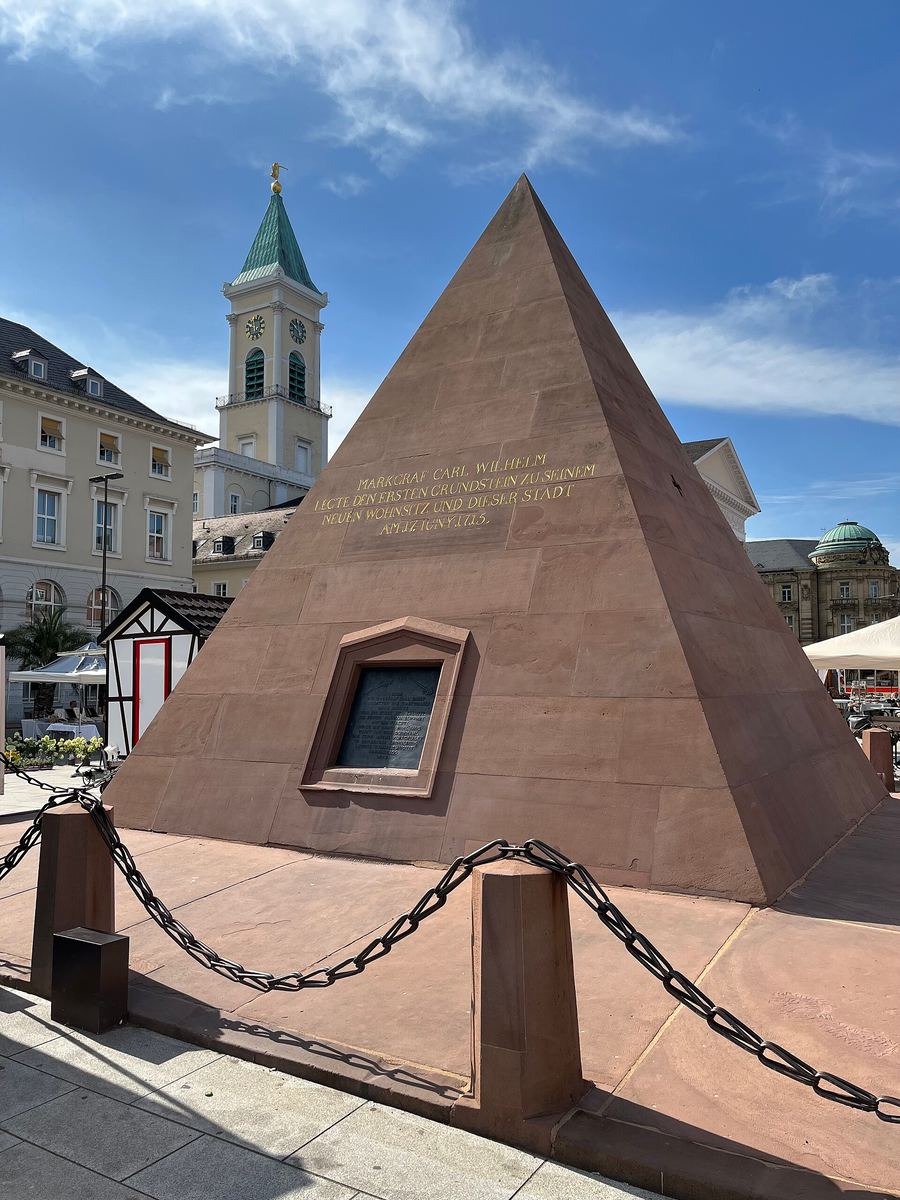
landmark
The city center square features a sandstone pyramid marking the founder's tomb. Reopened after tram subway construction.
Vraag Parley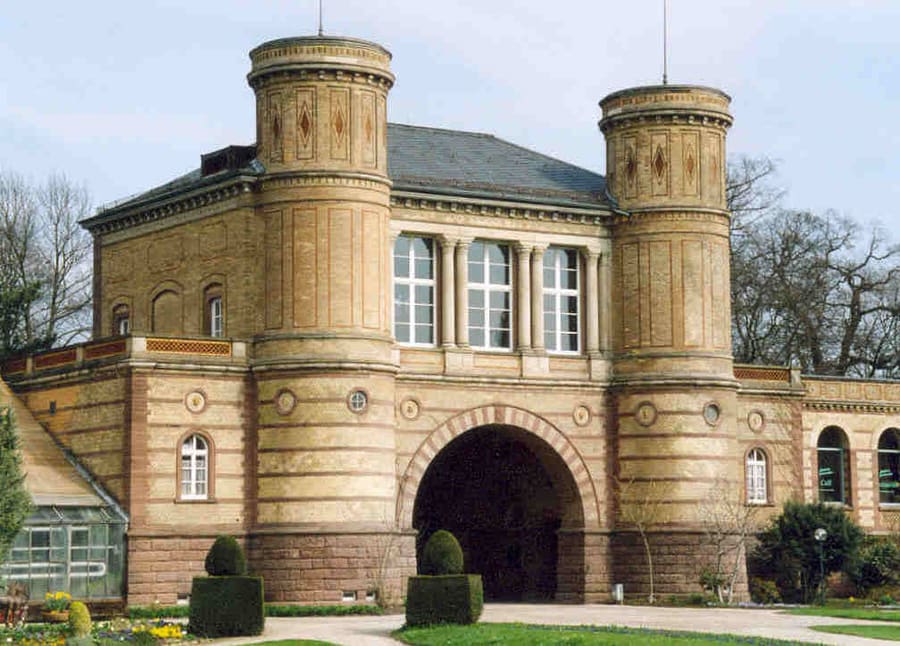
landmark
Historic 19th-century glasshouses next to the palace park. Entry to outdoor gardens is free year-round.
Vraag Parley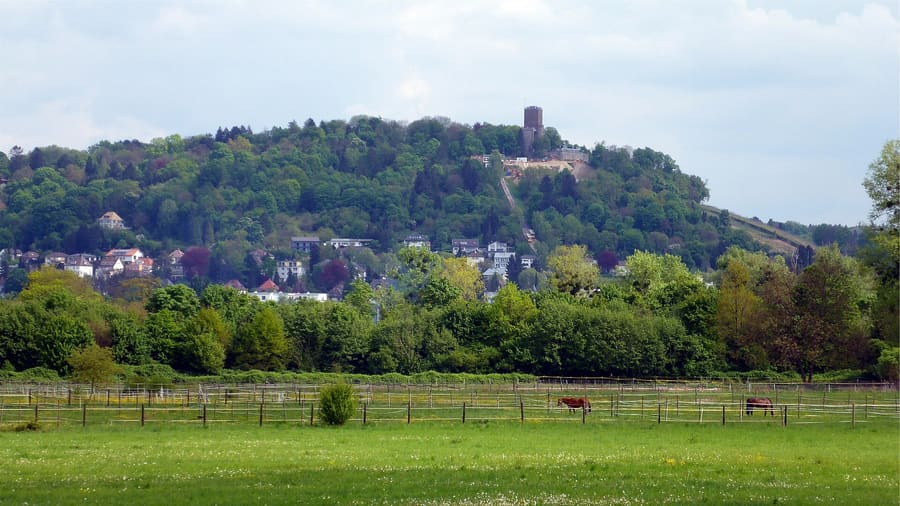
landmark
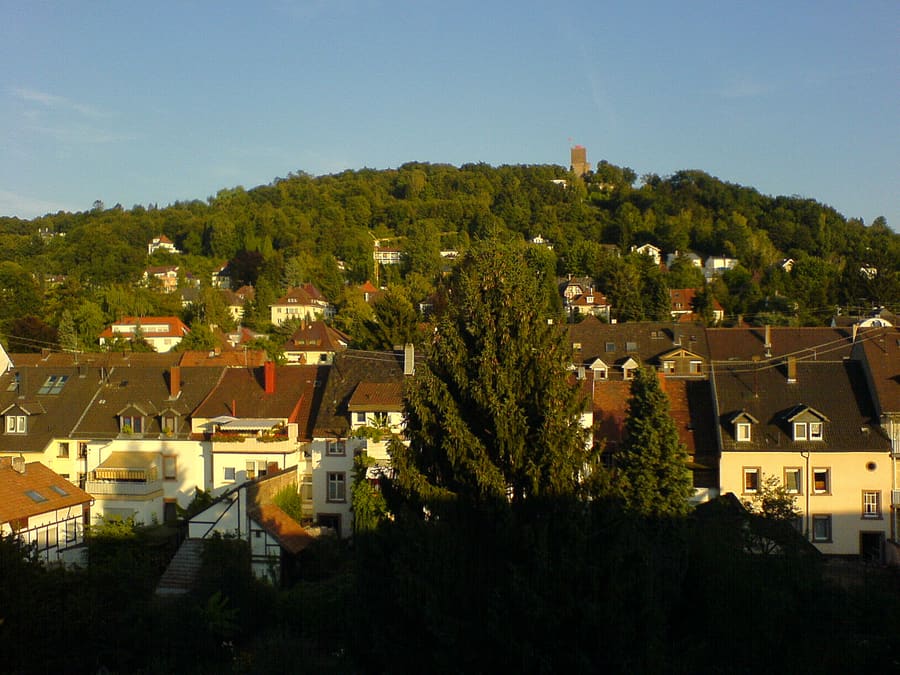
Hilltop castle ruins overlooking Durlach. Ride Germany's oldest continuously operating funicular railway to the summit.
Vraag Parley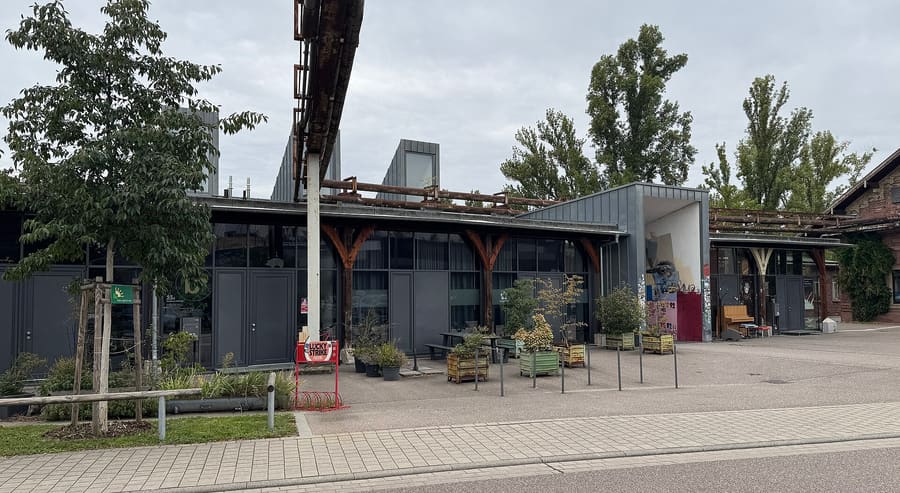
landmark
Former slaughterhouse redeveloped into design studios, music venues, and container cafes east of the center.
Vraag Parleyattractions
areas
Pedestrian avenues, central shopping corridors, and quick access to the palace park.
DichtbijMarktplatz, Schlossgarten, Badisches Landesmuseum
Vraag ParleyMulticultural, student-heavy, and packed with independent bars around Werderplatz.
DichtbijHauptbahnhof, City Park
Vraag ParleyOlder than Karlsruhe itself, with narrow historic streets, timber framing, and a relaxed town atmosphere.
DichtbijTurmberg, Karlsburg Castle
Vraag ParleyResidential district with 19th-century architecture, tree-lined squares, and weekly farmers markets.
DichtbijGutenbergplatz, ZKM
Vraag Parleyfood
Karlsruhe sits in Baden, one of Germany's warmest wine-growing regions. Local dining blends traditional regional dishes with fresh ingredients from nearby Kraichgau farms and Palatinate vineyards.Crisp Flammkuchen is served on wooden boards across the city. Maultaschen and Dampfnudeln with sweet or savory sauces are lunch staples in traditional Wirtshäuser.Local brewery Hoepfner operates out of a castle-like brewery building in Oststadt, supplying taprooms and beer gardens across town.
Thin-crust Flammkuchen topped with sour cream, onions, and bacon lardons.
Lulu Durand · CC BY 2.0Visit on Tuesday, Thursday, or Saturday mornings for hot Dampfnudeln from regional bakery stalls.
Order Flammkuchen sequentially to share at group tables; restaurants bring them out fresh one at a time.
history
Karlsruhe was founded from scratch in 1715 after Margrave Karl III Wilhelm dreamed of a new capital built around a palace tower. The city was laid out with thirty-two radial avenues, creating its famous fan pattern.In the 19th century, the city established Germany's first technical university, paving the way for its current status as an engineering and computing center. After World War II, West Germany selected Karlsruhe as the seat of its highest judicial courts.
Foundation stone laid
Margrave Karl III Wilhelm begins building his fan-shaped residence city.
Polytechnic established
The institution opens, later evolving into the modern Karlsruhe Institute of Technology (KIT).
ZKM opens
The Center for Art and Media converts a historic munitions factory into a digital gallery.
UNESCO designation
Karlsruhe is named a UNESCO City of Media Arts.
where to stay
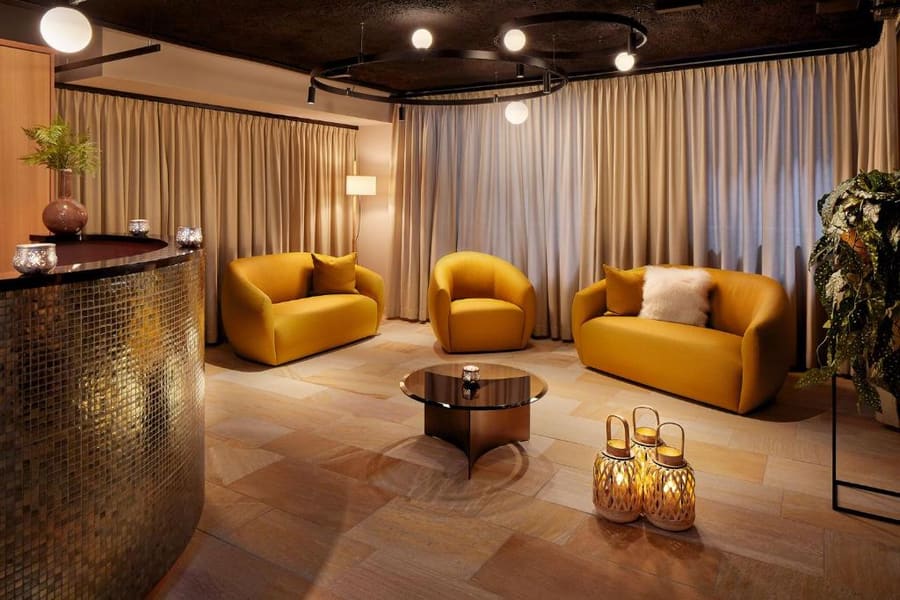
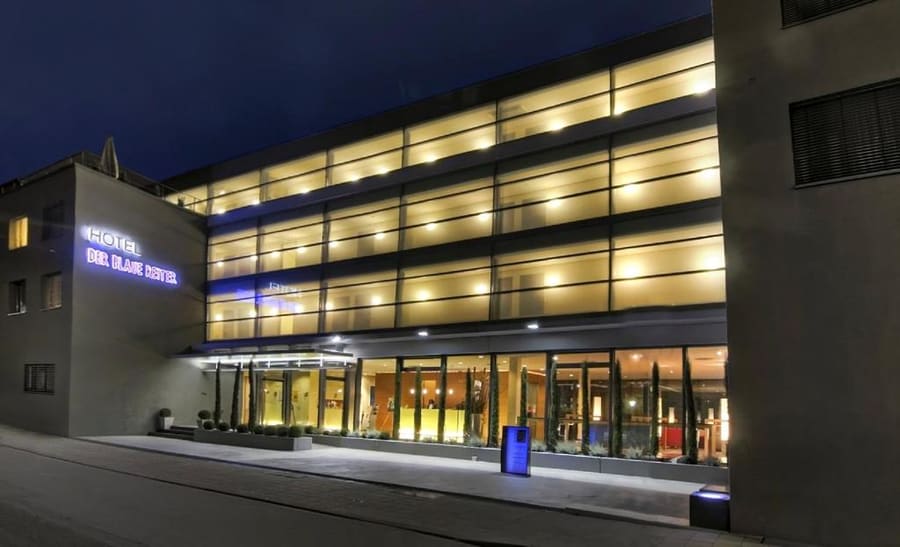
Base yourself according to your priorities: quick train access, historic atmosphere, or nightlife. The city transit network makes moving between neighborhoods trivial.
Live rates, matched to the areas above.
transport
Karlsruhe is famous for inventing the 'Karlsruhe Model,' which allows red-and-yellow tram-trains to run on city street tracks and regional railway tracks seamlessly.The city center features an underground tram tunnel along Kaiserstraße, leaving the surface streets fully pedestrianized.
Vanaf Karlsruhe Hauptbahnhof (HBF)
Lines 2, 3, and 5 run frequently from the forecourt directly to Marktplatz.
Ranks sit outside the main station exits.
Baden Airpark Express bus 140 connects Karlsruhe Hbf to FKB airport.
Covers unlimited travel across the entire regional network including Black Forest connections.
KVV.nextbike rental bicycles are stationed across the city; first 30 minutes cost €1.
cost
Karlsruhe is moderately priced compared to nearby Stuttgart or Munich. Eating out in university districts remains affordable, while high-end dining centers near the legal district.
ZKM standard entry covers all internal media galleries for the day.
A full tarte flambée at a local brauhaus.
Unlimited tram and bus travel within city zones for one passenger.
Standard price for draft pilsner or wheat beer in pub gardens.
seasonality
MAR – MAY
Mild temperatures and blooming beer gardens. High garden activity in the Schlossgarten.
JUN – AUG
Warm summer weather. Schlosslichtspiele projection art shows light up the palace facade at night.
SEP – NOV
Grape harvest season in nearby Palatinate vineyards. Ideal temperatures for city cycling.
DEC – FEB
Chilly weather with Christmas markets operating on Friedrichsplatz and in Durlach.
practicalities
Retail stores close completely on Sundays; bakeries and museum cafes remain open.
Red-paved lanes are strictly reserved for bicycles. Watch for fast bike commuter traffic.
Most stores accept cards, but carry cash for market stalls and smaller beer gardens.
The public grass areas behind the palace are open 24 hours for picnics and social gatherings.
The Hexenstäfdele staircase has 528 steps from Durlach town up to the hilltop view.