landmark
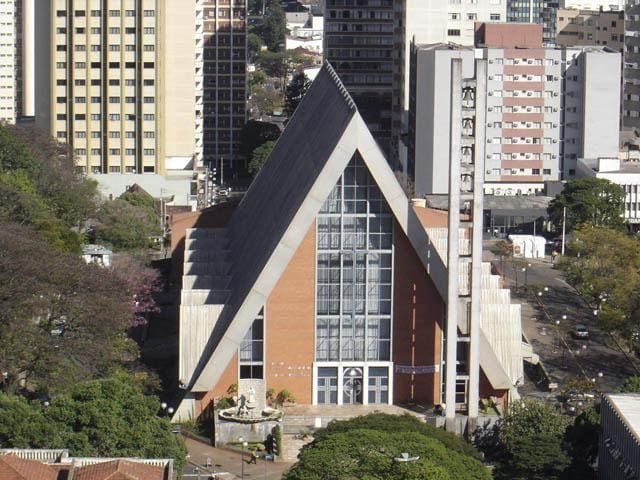
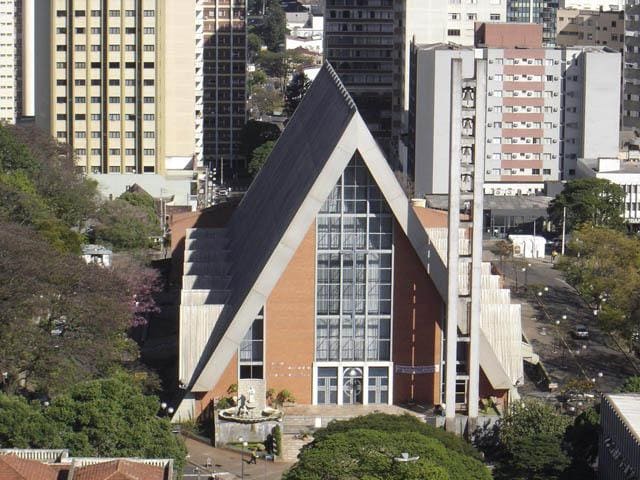
Catedral Metropolitana
A distinctive modernist cathedral built in a metal wedge shape. Located at the highest point of Praça Willie Davids.
Vraag ParleyBrazilië
North Paraná’s coffee-built hub of red soil and urban lakes.
introduction
Londrina is northern Paraná's primary commercial anchor, built on 1930s coffee fortunes and famous for its distinct red soil. You navigate the city around two primary focal points: the high-density commercial core along the Calçadão and the modern residential towers framing Lago Igapó. Moving between districts requires rideshares or local buses, as high temperatures make midday walking long distances impractical. Expect an organized grid layout, active university dining pockets, and quiet streets after retail hours end.
Airport transport
LDB airport sits four kilometres from Centro. Rideshares arrive in under ten minutes and cost roughly R$15 to R$25.
Coffee origin story
Founded in 1934 by British investors, Londrina earned its name as 'Little London' during the 20th-century coffee boom.
Evening safety tip
Avoid walking through central commercial streets after shop closing hours at 18:00. Take rideshares between districts at night.
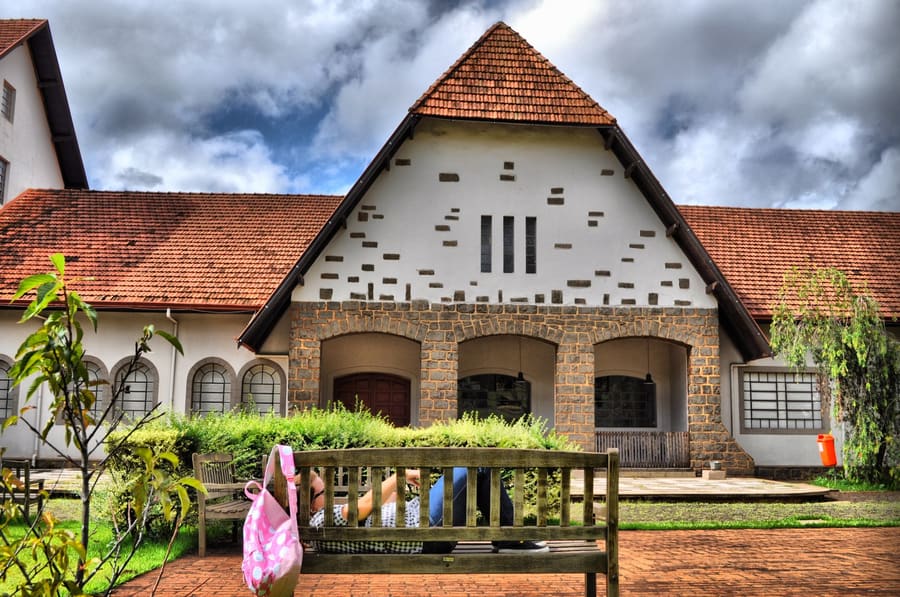
Londrina
Lírica Aragão from Londrina, Brasil · CC BY-SA 2.0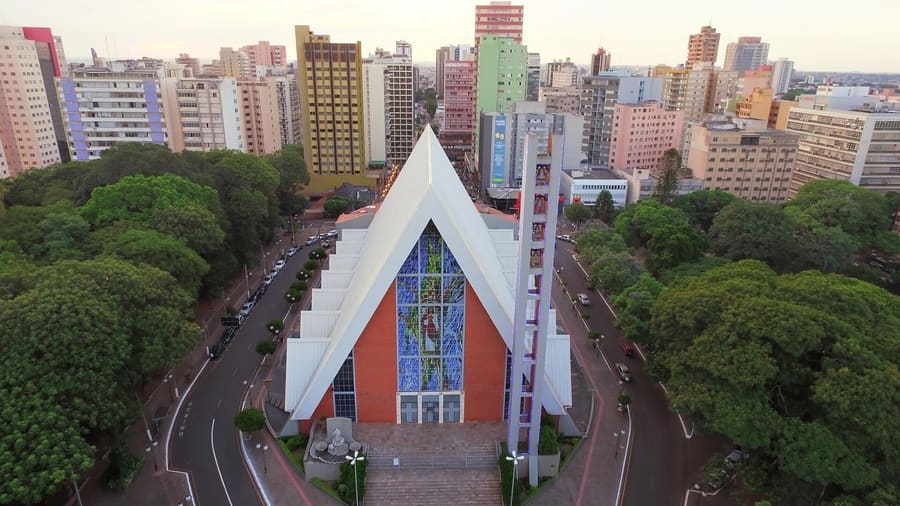
Centro — High-density retail hub filled with mid-century street life and banking offices.
Arquidiocesedelondrina · CC BY-SA 4.0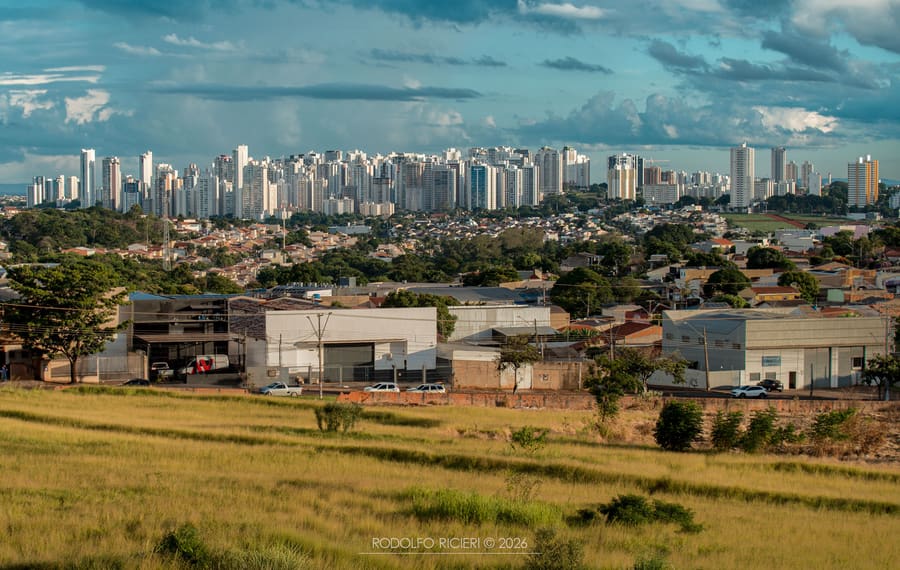
Gleba Palhano — Modern residential quarter with modern high-rises and dining developments near the water.
Ricierirodolfo · CC BY-SA 4.0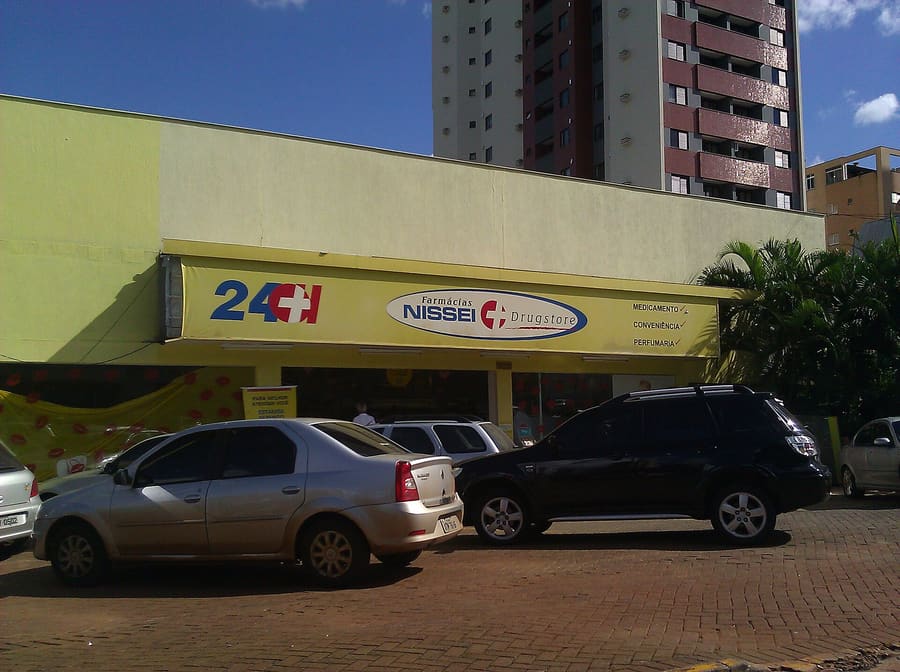
Higienópolis — Shaded transit corridor lined with traditional casual restaurants and neighborhood bars.
LEONARDO DASILVA · CC BY 3.0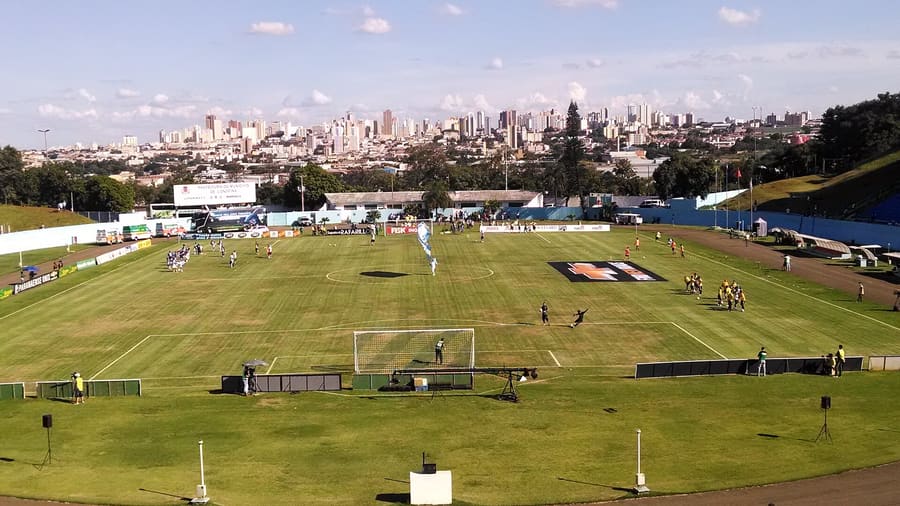
Zona Norte — Sprawling residential working-class district home to regional sports arenas.
Luxxem · CC BY-SA 3.0highlights
landmark
A distinctive modernist cathedral built in a metal wedge shape. Located at the highest point of Praça Willie Davids.
Vraag Parley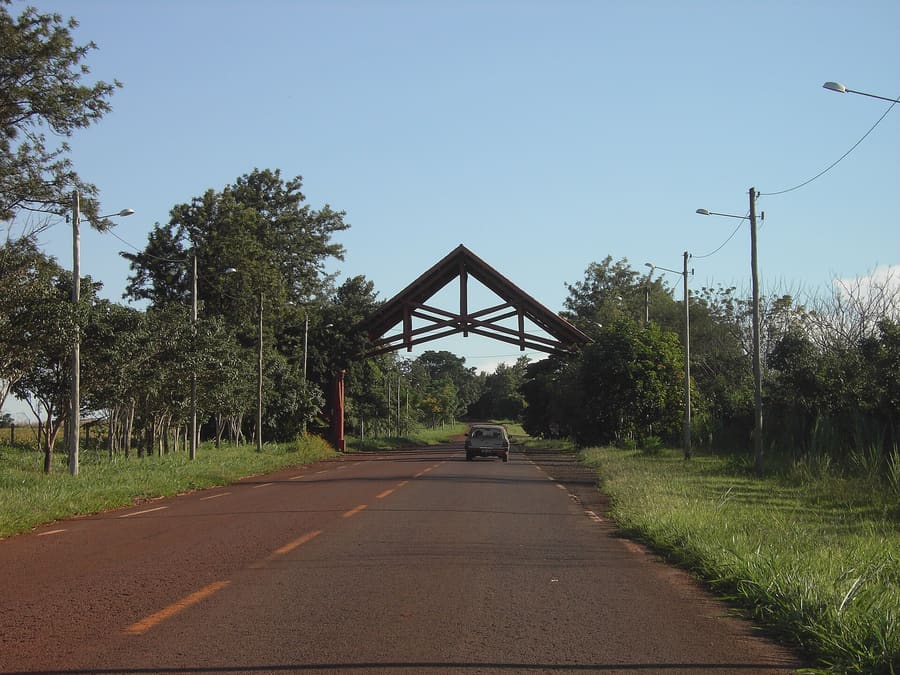
landmark
A protected subtropical forest reserve 20 km south of town. Check ranger opening days before driving out.
Vraag Parley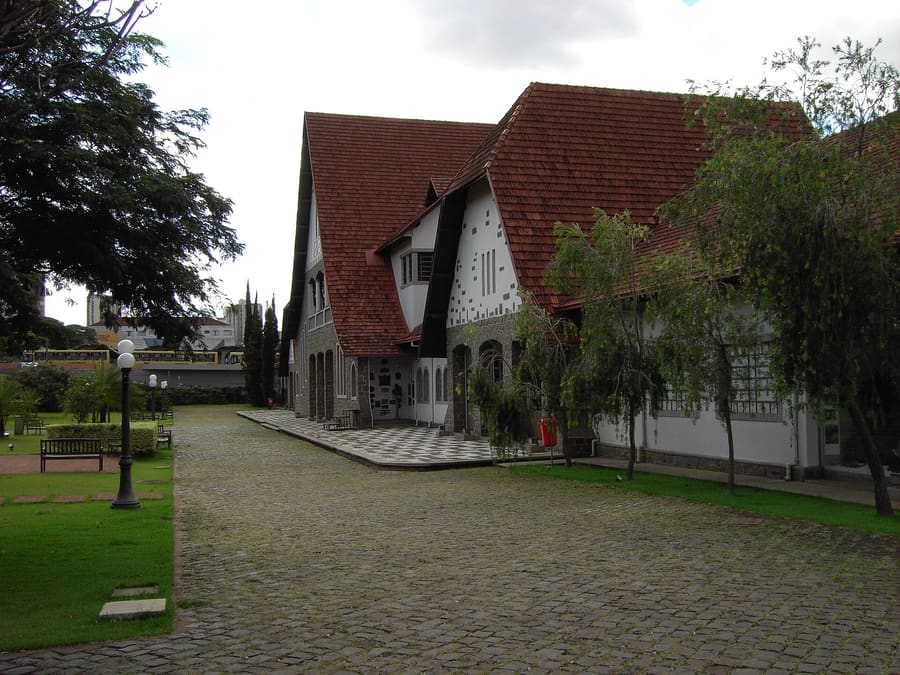
landmark
Housed in the original 1950s train station. Exhibits detail coffee production and pioneer land settlement.
Vraag Parleyattractions
areas
High-density retail hub filled with mid-century street life and banking offices.
DichtbijCalçadão, Catedral Metropolitana, Museu Histórico
Vraag ParleyModern residential quarter with modern high-rises and dining developments near the water.
DichtbijLago Igapó, Shopping Catuaí, Aurora Shopping
Vraag ParleyShaded transit corridor lined with traditional casual restaurants and neighborhood bars.
DichtbijAvenida Higienópolis, Centro, Lago Igapó
Vraag ParleySprawling residential working-class district home to regional sports arenas.
DichtbijEstádio do Café, Autódromo Ayrton Senna
Vraag Parleyfood
Londrina dining combines interior Paraná agricultural traditions with Italian and Japanese immigration influences. Daily lunches lean heavily on self-service buffet restaurants (*comida a kilo*), where options range from grilled picanha to stewed cassava. Deep-fried *pastéis* stuffed with minced meat or catupiry cheese dominate afternoon street corners.In the evening, social life centers on open-air *botecos* along Avenida Higienópolis. Bars serve draft beer alongside cold plates of heart of palm and fried fish fillets. Coffee shops throughout Centro still highlight beans sourced from surrounding northern Paraná farms.
Kilo restaurants open from 11:30 to 14:00. Arrive before 12:30 to ensure full tray selections.
Weekly open markets (*feiras livres*) set up in different neighborhoods daily. Look for queues at fried pastel trailers.
Virtually every food vendor accepts credit cards and local digital payments (PIX). Cash is rarely required.
history
Londrina was planned and established in 1934 by the Paraná Plantations Company, a British land syndicate that acquired vast tracts of fertile red soil (*terra roxa*). The company named the settlement after London to honor its investors. The rapid expansion of coffee cultivation drew thousands of migrants from São Paulo, Japan, Italy, and north-eastern Brazil.By the 1950s, the city became known as the coffee capital of the world. A devastating frost in July 1975 destroyed the regional crop and forced the rural economy to diversify into soybean farming, grain trading, and higher education hubs.
City foundation
British-backed developers construct the first wooden structures along planned urban survey lines.
Coffee boom
Londrina grows into a major international coffee trading center, driving rapid urban building construction.
The Black Frost
A severe sub-zero freeze destroys coffee plantations, shifting regional agriculture toward soy and wheat.
Modern expansion
Gleba Palhano transforms from agricultural farmland into high-density commercial and residential towers.
where to stay
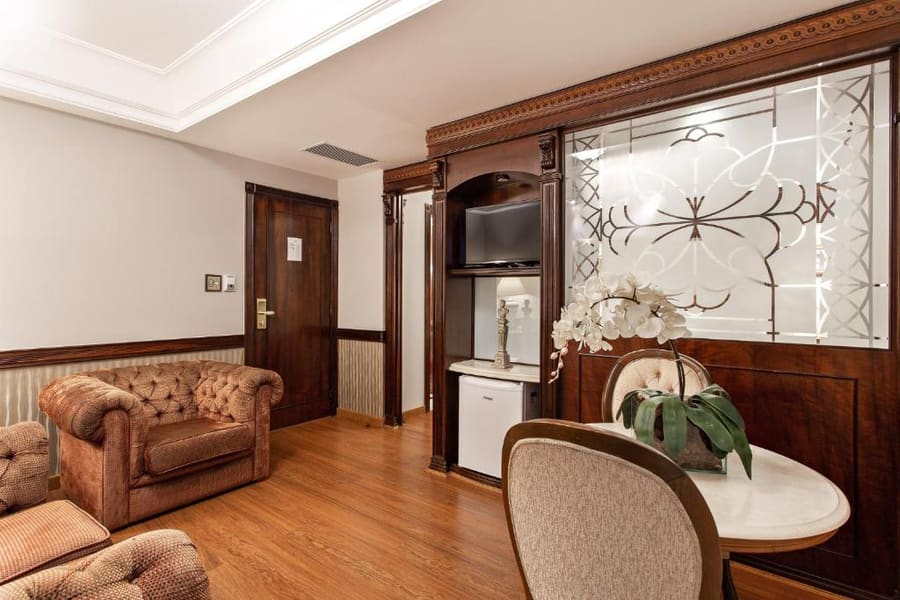
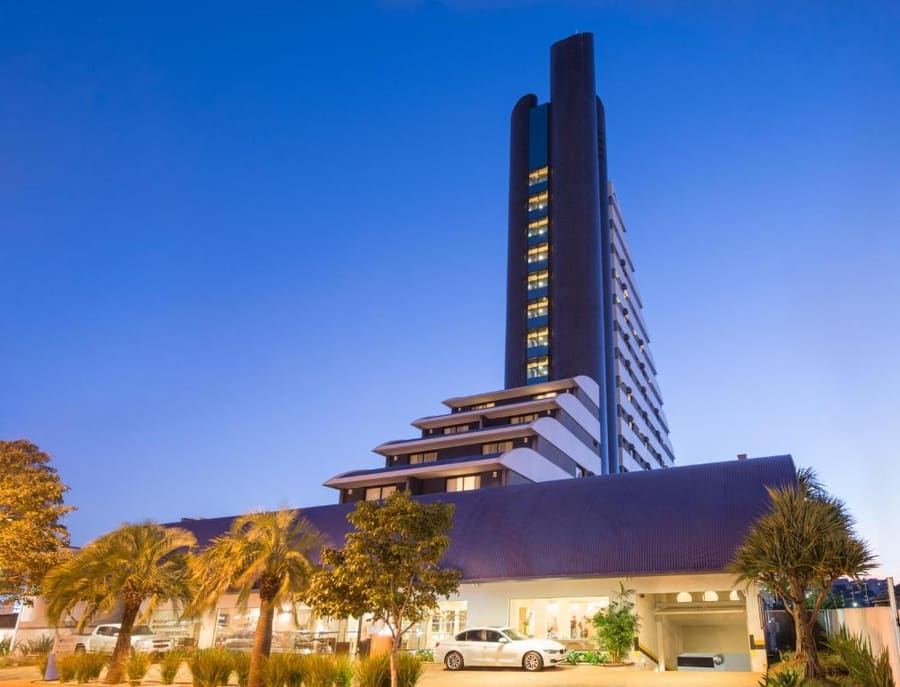
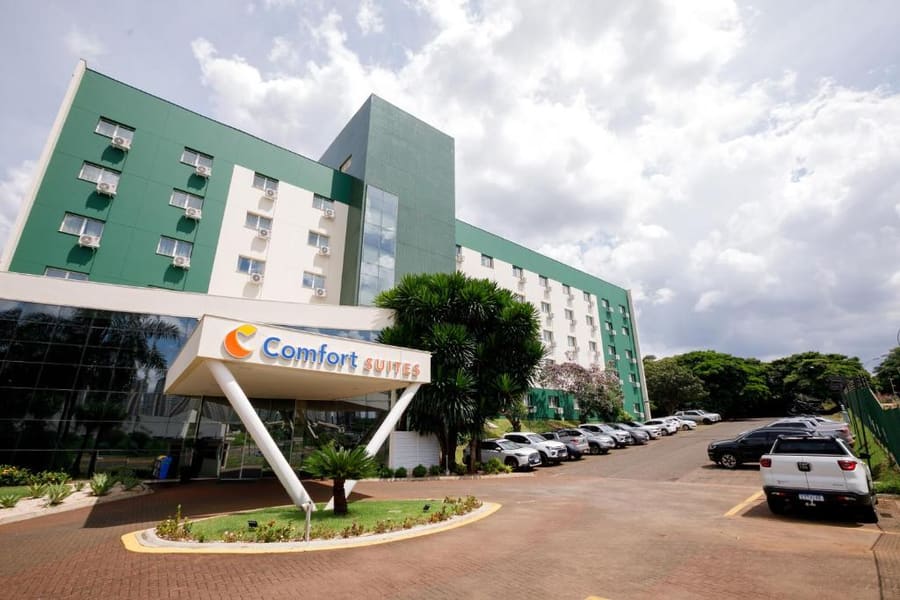
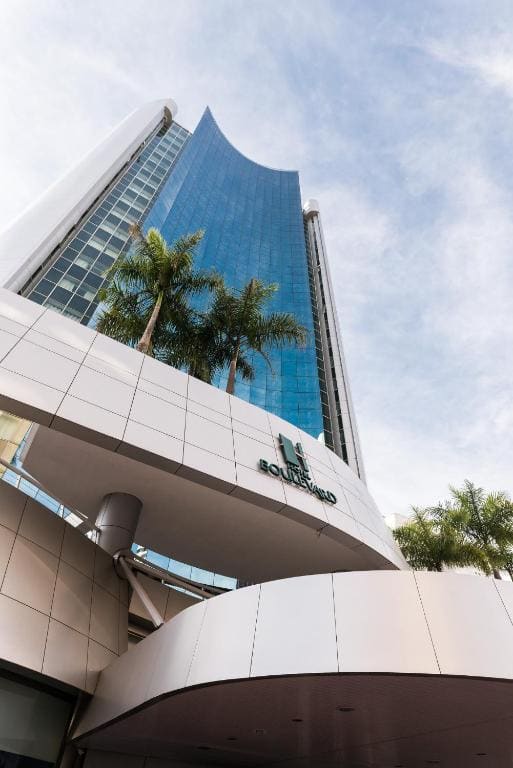
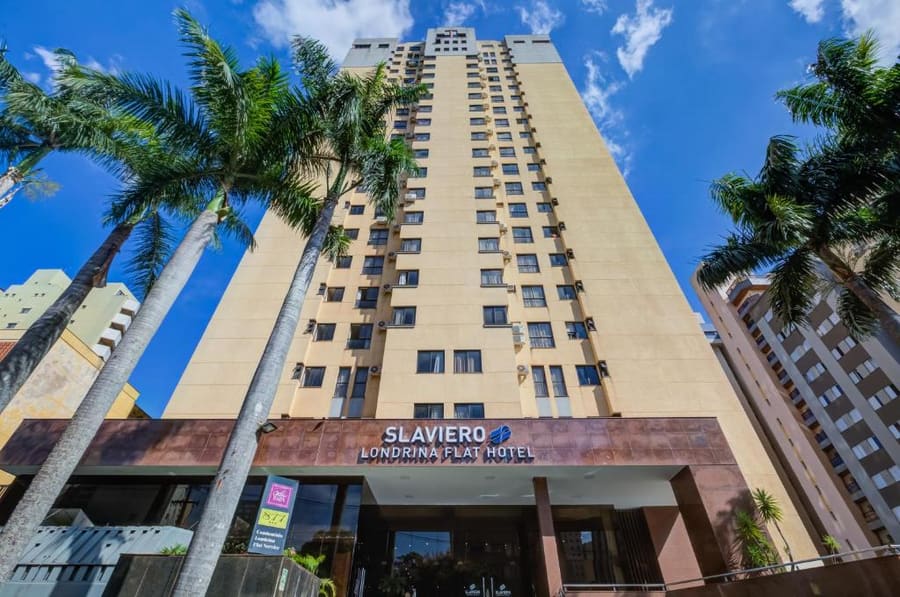
Choose your location based on evening priorities. Centro offers straightforward business hotels within walking distance of retail streets and administrative offices. Gleba Palhano puts you next to high-end dining, shopping malls, and the jogging path around Lago Igapó.
Live rates, matched to the areas above.
transport
Londrina lacks metro or rail transit. Public transportation consists of a unified bus network anchored by the central terminal (Terminal Central) near the Calçadão. Rideshare applications operate efficiently throughout the city with quick response times.
Vanaf Londrina – Governador José Richa Airport (LDB)
Pick-up point is directly outside the main passenger terminal exit.
Official rank sits right beside the arrivals baggage exit.
Local line stops on the main road outside airport grounds.
Uber and 99 operate continuously across Londrina. Vehicle waits rarely exceed five minutes in central zones.
Urban buses use the TCcard electronic fare system. Cash payments on buses require exact change.
Avenida Higienópolis congests between 17:30 and 19:00. Plan extra travel time if crossing south.
cost
Prices in Londrina reflect an interior regional hub rather than a major coastal capital. Daily expenses for dining and transport are lower than in São Paulo or Curitiba.
Standard price at central cafés and bakery counters.
Self-service restaurants charge strictly by food weight.
Found at market stalls and dedicated pastelerias.
Flat fare covering transfers within the central terminal system.
seasonality
DEC – FEB
Hot and wet. Expect intense afternoon rainstorms and high humidity.
MAR – MAY
Warm and drier. Moderate temperatures make exploring outdoors ideal.
JUN – AUG
Cool nights and clear days. Cold fronts occasionally drop temperatures below 10°C.
SEP – NOV
Temperatures rise quickly. University semester brings energetic street life.
practicalities
The regional soil (*terra roxa*) leaves permanent red stains on light canvas shoes and white clothes when wet.
Centro commercial stores close on Sunday. Dining activity shifts entirely to shopping malls and Gleba Palhano.
English is rarely spoken outside major hotel front desks. Basic Portuguese phrases are essential.
Drivers do not automatically yield at crosswalks. Wait for clear traffic gaps before stepping off curbs.
Midday summer sun is severe. Bring protection if walking around Lago Igapó.