landmark
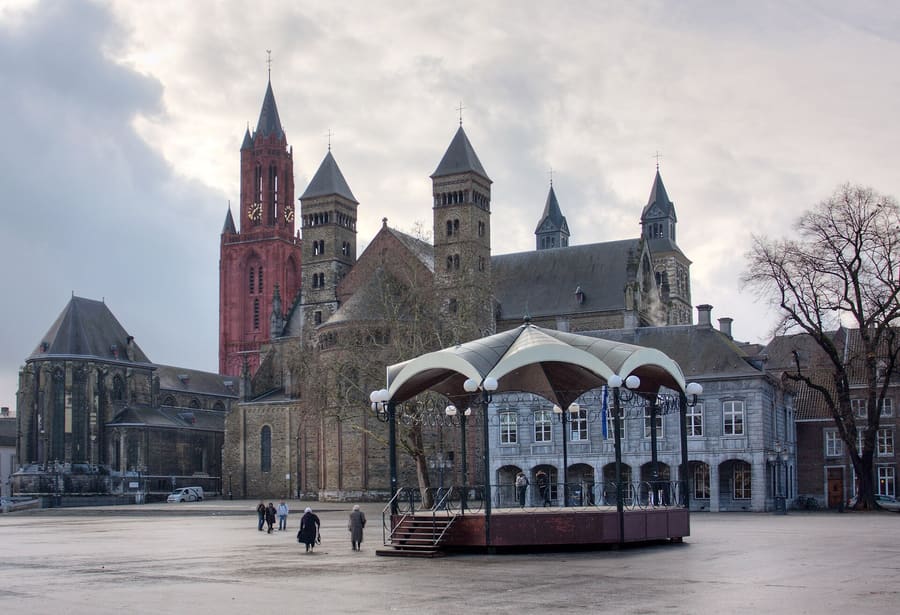
Vrijthof
The central paving stone square framed by saintly basilicas and open-air cafés. Grab a perimeter table away from concert setups.
Vraag ParleyNederland
Burgundian culture on the Roman banks of the Meuse.
introduction
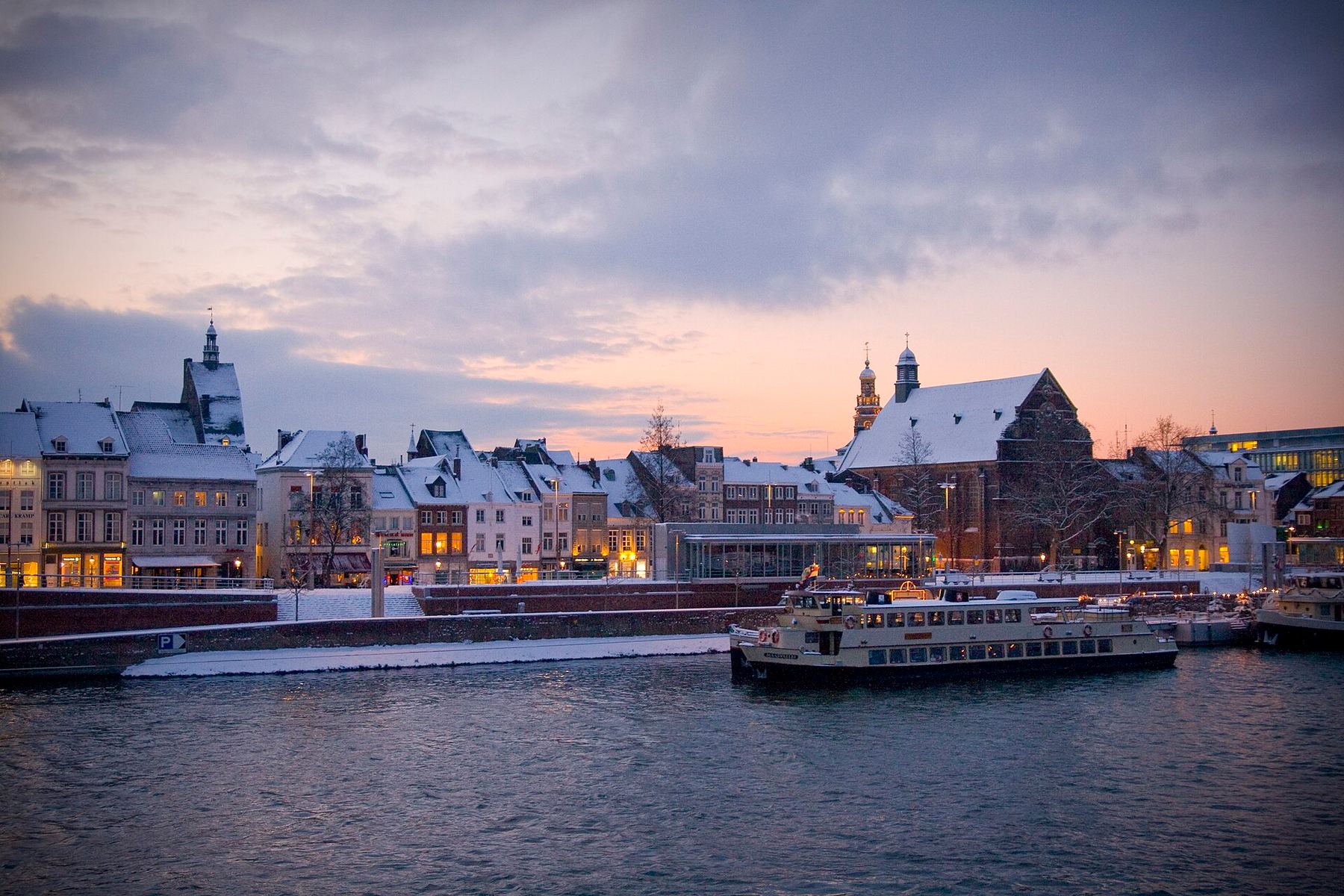
Maastricht sits at the southern tip of the Netherlands, squeezed between Belgium and Germany. The Meuse River splits the city into a cobbled medieval core on the west bank and the design-led Wyck district on the east. Life here moves slower than in Amsterdam, centered around outdoor terraces, Limburg pastries, and subterranean limestone passages. You navigate easily on foot or by bicycle across historic bridges.
Arriving by train
Trains arrive at Maastricht station in Wyck. Walk west across the Sint Servaasbrug to cross the Meuse directly into the old centre.
Treaty of Maastricht
The 1992 Maastricht Treaty created the modern European Union and paved the way for the single currency here in Limburg.
Cross-border day tickets
The Euregio Ticket covers all local trains and buses across the Dutch, Belgian, and German border zone for one calendar day.
Maastricht
Eva van Mossevelde · CC BY 2.5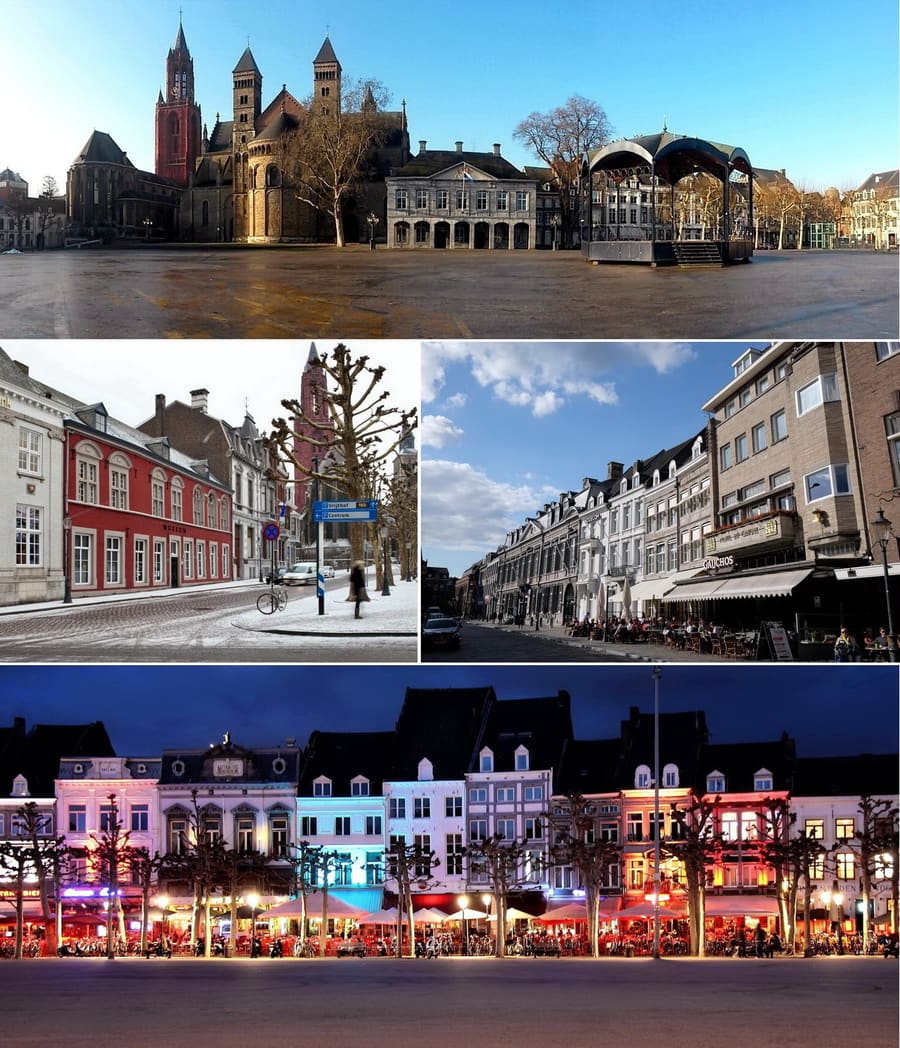
Binnenstad — The central historic district defined by cobblestone plazas, shopping streets, and grand medieval churches.
Kleon3 · CC BY-SA 4.0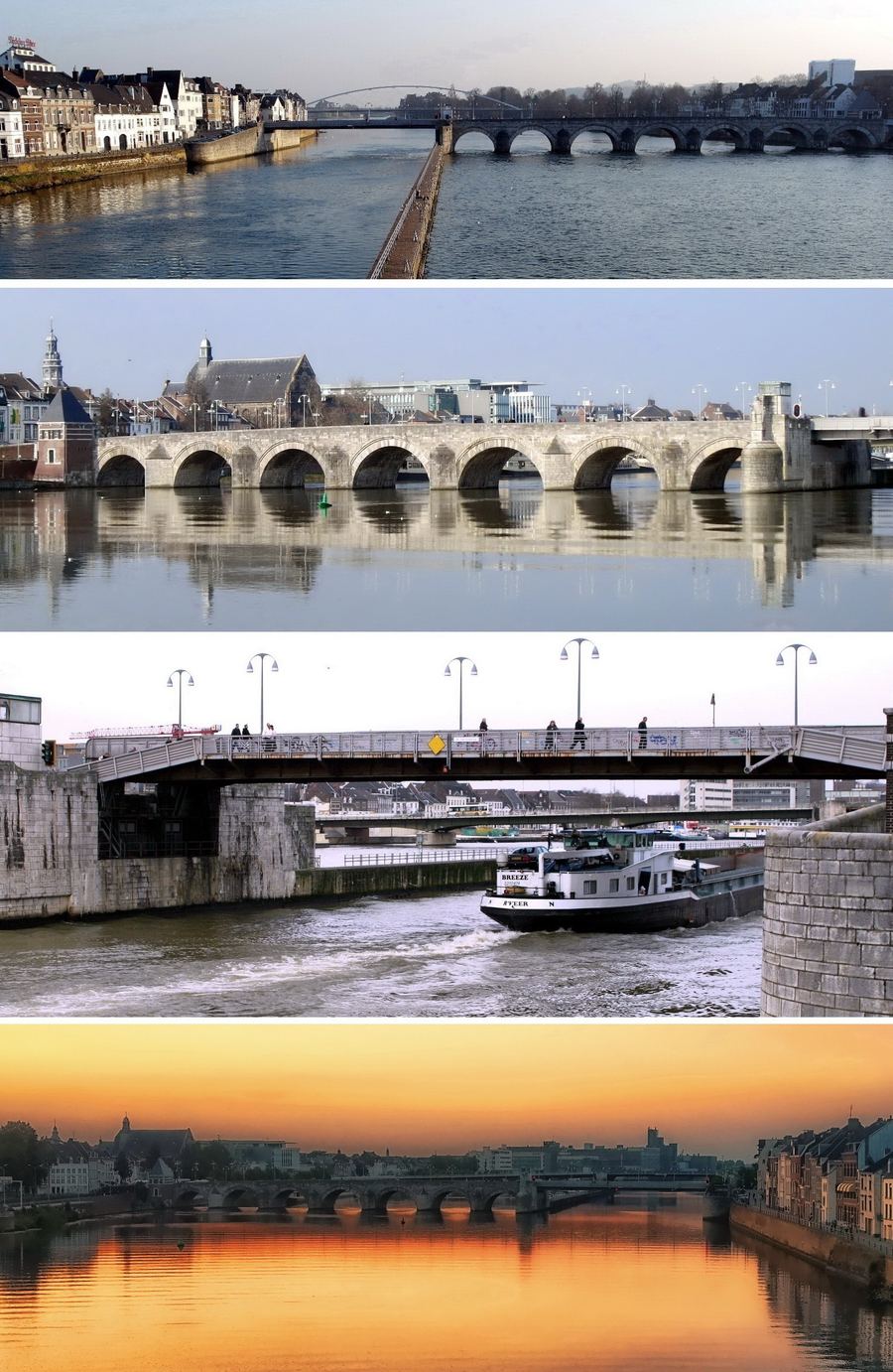
Wyck — The fashionable East Bank quarter packed with independent boutiques, specialty coffee bars, and bistros.
Kleon3 · CC BY-SA 4.0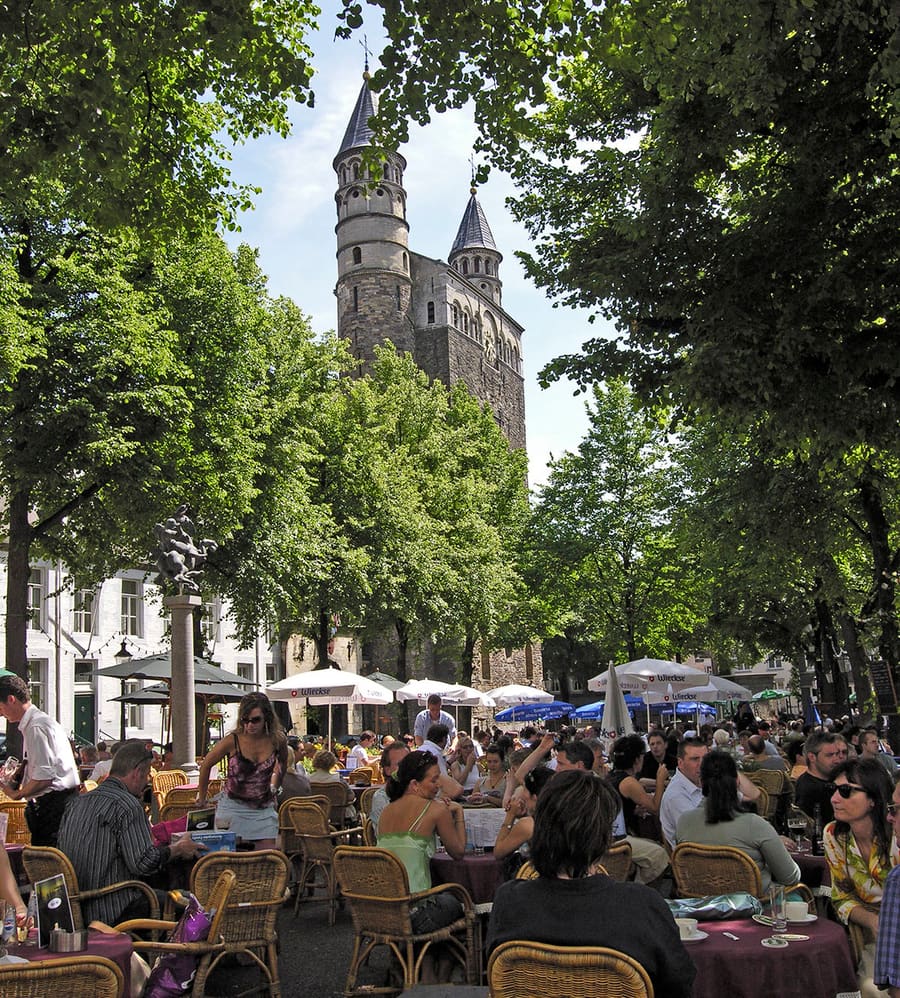
Jekerkwartier — The quiet Latin Quarter where the river Jeker flows past old city walls, craft shops, and student pubs.
Hans Peter Schaefer, http://www.reserv-a-rt.de · CC BY-SA 3.0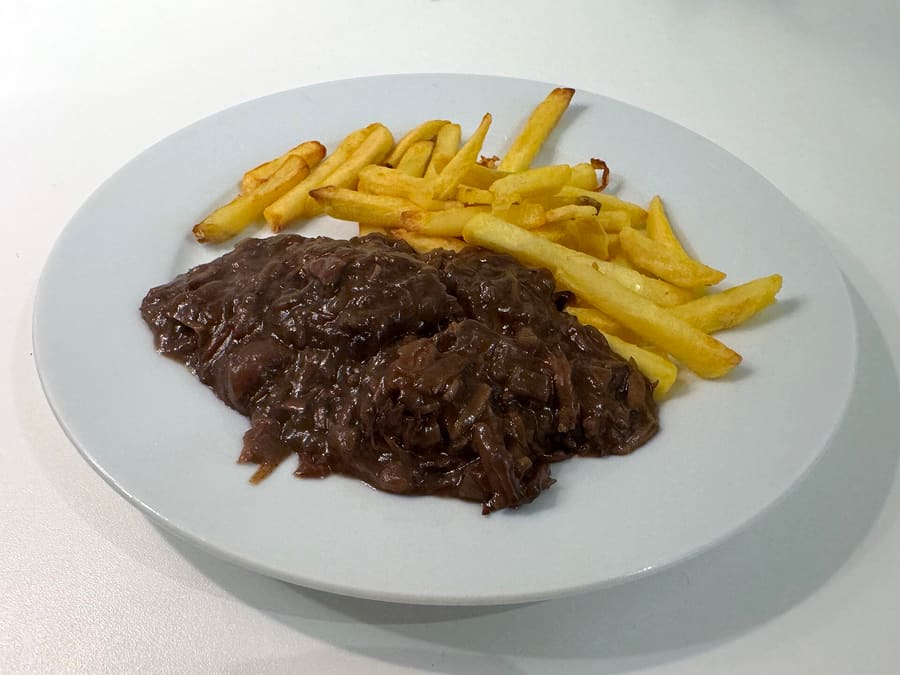
Zoervleis (zuurvlees) served with traditional thick-cut fries and mayonnaise.
Hay Kranen · CC BY 4.0highlights
landmark
The central paving stone square framed by saintly basilicas and open-air cafés. Grab a perimeter table away from concert setups.
Vraag Parley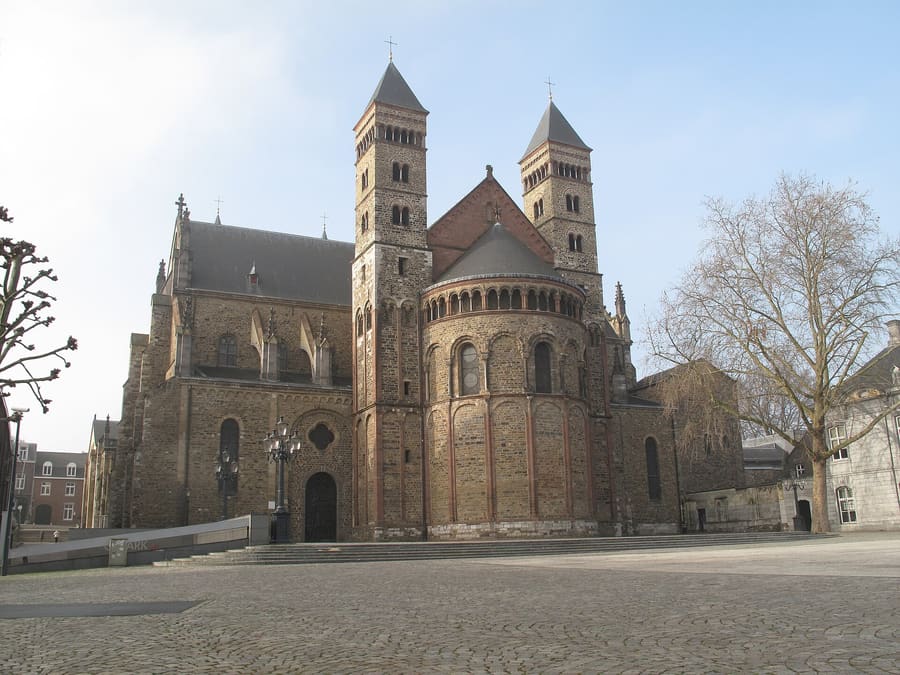
landmark
Romanesque basilica housing the tomb of the city's 4th-century patron saint. Pay the entry fee to access the medieval treasury.
Vraag Parley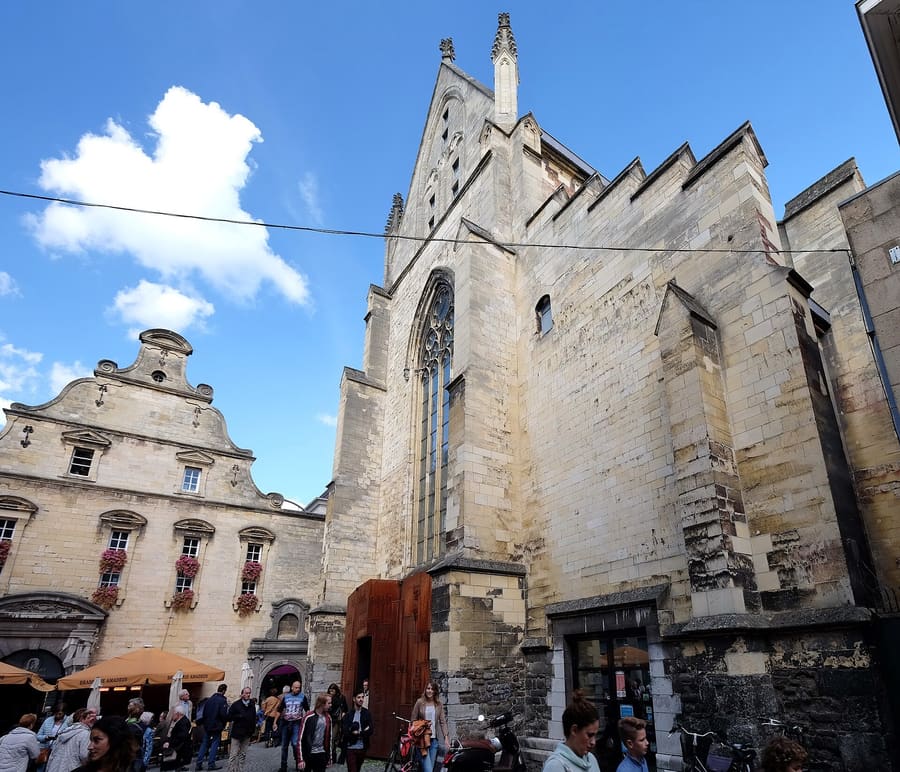
landmark
A 13th-century Gothic church converted into a multi-story bookstore. Head to the apse for espresso inside the former choir.
Vraag Parley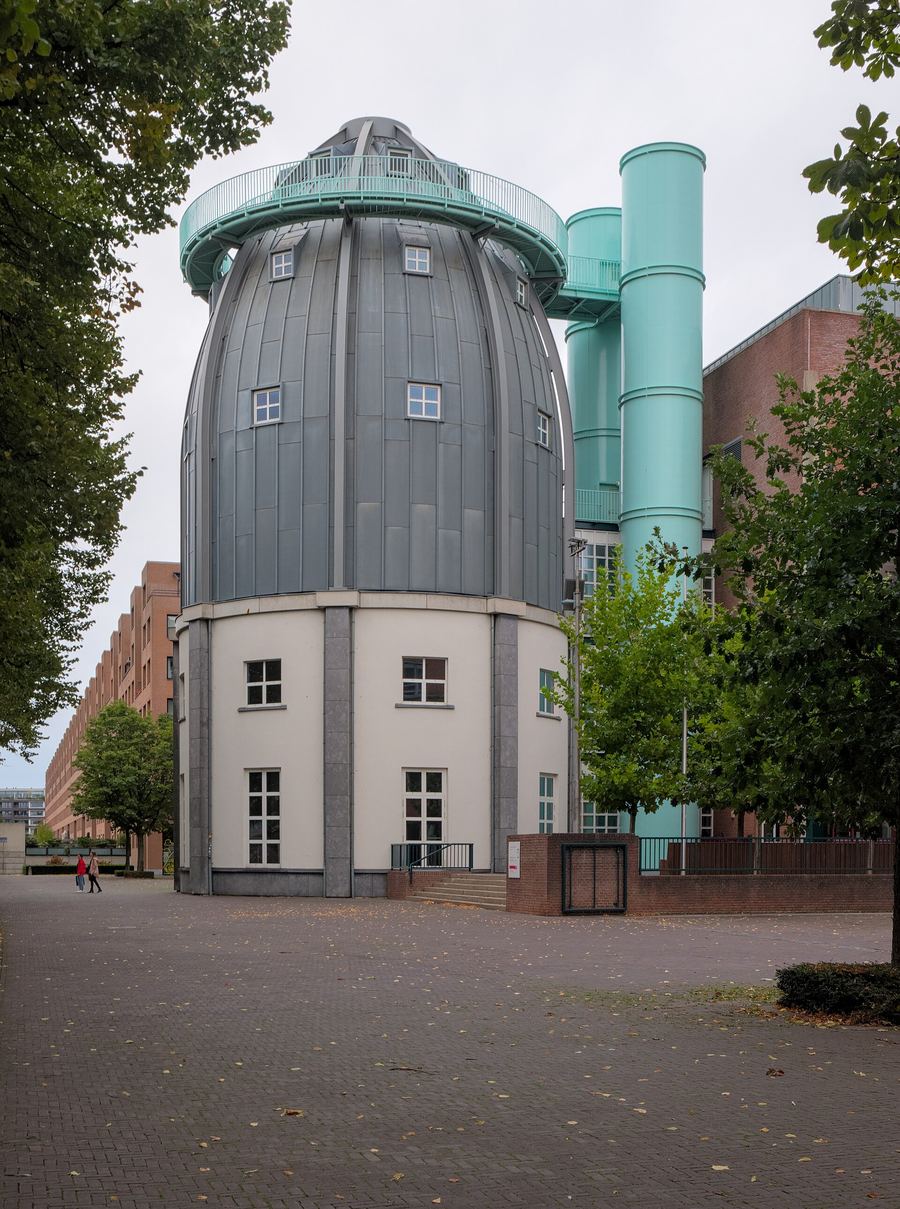
landmark
Aldo Rossi's rocket-shaped museum housing early Netherlandish paintings and contemporary art. Closed on Mondays.
Vraag Parleyattractions
areas
The central historic district defined by cobblestone plazas, shopping streets, and grand medieval churches.
DichtbijVrijthof and Markt squares
Vraag ParleyThe fashionable East Bank quarter packed with independent boutiques, specialty coffee bars, and bistros.
DichtbijMaastricht Station and Sint Servaasbrug
Vraag ParleyThe quiet Latin Quarter where the river Jeker flows past old city walls, craft shops, and student pubs.
DichtbijHelpoort and City Park
Vraag ParleyA modernized residential and cultural zone built on former industrial pottery factory grounds.
DichtbijBonnefanten Museum and Hoge Brug
Vraag Parleyfood
Maastricht dining reflects its location near the Belgian border. Heavy Dutch staples yield to slow-cooked stews, local fruit tarts, and regional white wines cultivated on the limestone hills of the Meuse valley.
Zoervleis (zuurvlees) served with traditional thick-cut fries and mayonnaise.
Hay Kranen · CC BY 4.0Try this traditional horsemeat or beef stew simmered in vinegar, gingerbread, and apple syrup at Café Sjiek on Sint Pieterstraat.
Request Pinot Noir or Auxerrois from Hoeve Nekum or Apostelhoeve, grown on the hills just south of the city.
history
Founded as a Roman crossing on the Meuse River, Maastricht developed into a fortified border fortress claimed by successive European empires before shaping modern European integration.
City Fortifications
The Duke of Brabant grants city rights, leading to the construction of stone defensive walls and Helpoort.
Siege by Louis XIV
French forces capture the fortress city, an assault in which Musketeer d'Artagnan loses his life.
Maastricht Treaty
European leaders sign the treaty in the Limburg provincial government building, establishing the European Union.
where to stay
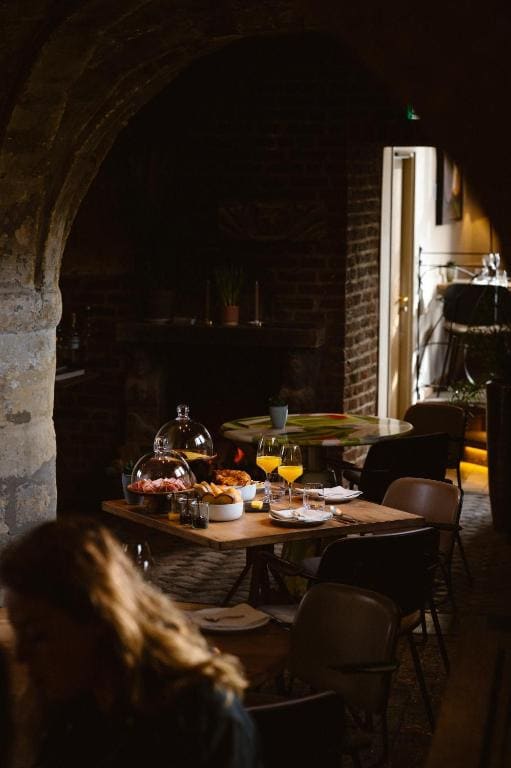
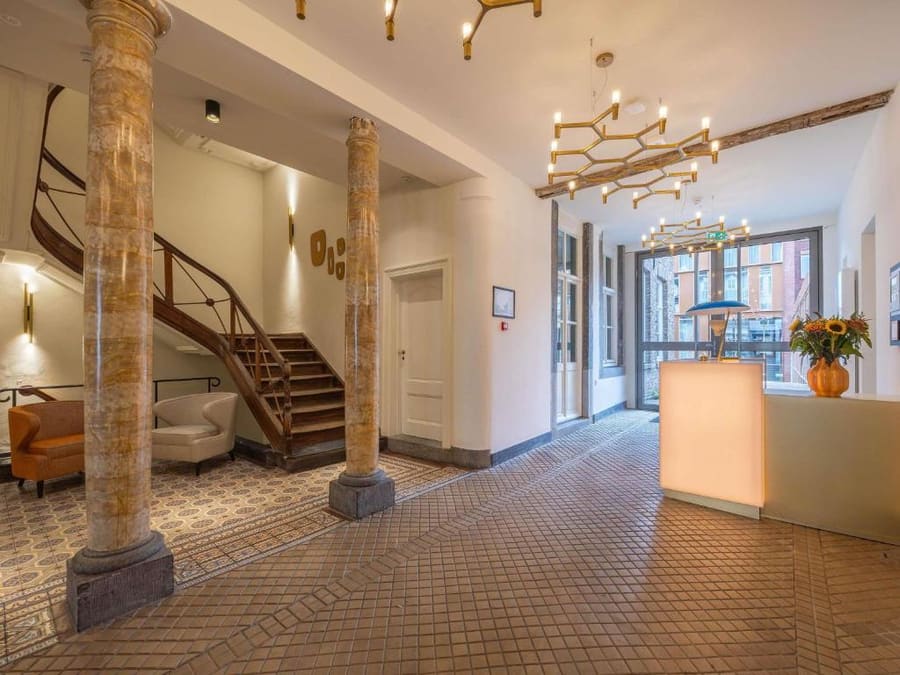
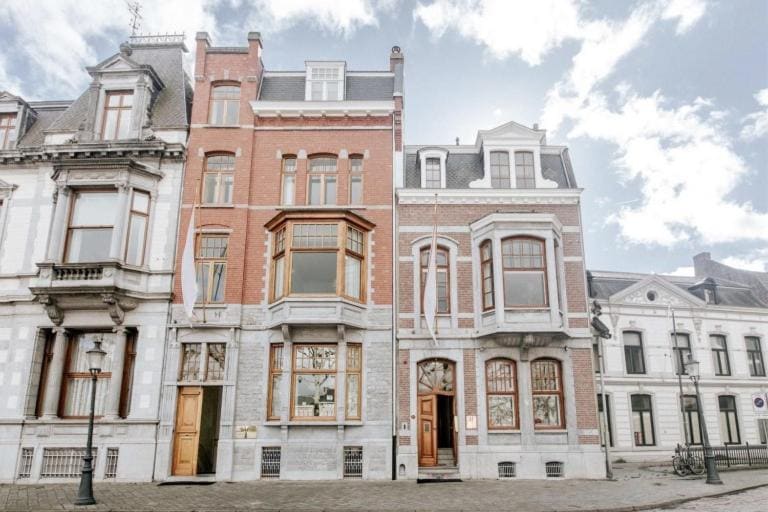
Choose your base by location relative to the river. Wyck offers immediate station access and quiet dining. Binnenstad puts historic squares at your doorstep but brings higher foot traffic.
Live rates, matched to the areas above.
transport
Maastricht is compact and largely pedestrianized. You can walk across the inner city within 20 minutes, while Arriva city buses handle outer suburban routes.
Vanaf Maastricht Station
Direct Arriva regional train from Maastricht Aachen Airport (MST) via Beek-Elsloo or connecting bus 30.
Arriva Bus line 30 connects Maastricht Aachen Airport directly to the central station.
Taxis wait outside the terminal arrival gate. Ride fares increase after midnight.
You can tap in and tap out on all Arriva buses and trains using a bank card or phone.
Pick up a standard yellow-and-blue OV-fiets bicycle inside the underground parking garage at Maastricht Station.
Use the modern pedestrian Hoge Brug footbridge to walk between Céramique and the southern city park.
The historic center operates under strict zero-emission and restricted vehicle access rules with expensive garage rates.
cost
Prices match regional Dutch standards. Dining out in Wyck and Binnenstad runs higher than suburban Limburg towns.
Fresh fruit vlaai at local bakeries like De Bisschopsmolen.
Regional stews or seasonal fish dishes in Jekerkwartier restaurants.
Standard tap glass of Brand or Leeuw regional pilsner on Vrijthof.
Unlimited Arriva bus travel within the Maastricht municipal zone.
seasonality
MAR – MAY
Mild spring temperatures and blooming park tulips. Excellent conditions for cycling the Jeker valley.
JUN – AUG
Warm days and lively terrace culture. Vrijthof hosts annual open-air André Rieu concerts during July.
SEP – NOV
Cooler autumn weather and wine harvest season in nearby hill vineyards. Autumn foliage along the river.
DEC – FEB
Magisch Maastricht Christmas market takes over Vrijthof in December, followed by spring Carnival in February.
practicalities
Shops open at 12:00 on Sundays (Koopzondag), unlike some Dutch towns where retail remains closed.
Debit cards and contactless mobile payments are universally expected; many establishments refuse cash.
Cave temperatures stay around 10°C year-round. Bring a warm jacket even during summer tours.
Locals switch easily between Dutch, Limburgish, French, English, and German.
Vast street parties (Vastelaovend) transform the city over three days before Lent; normal commerce shuts down.