landmark
Mercator Museum Ship
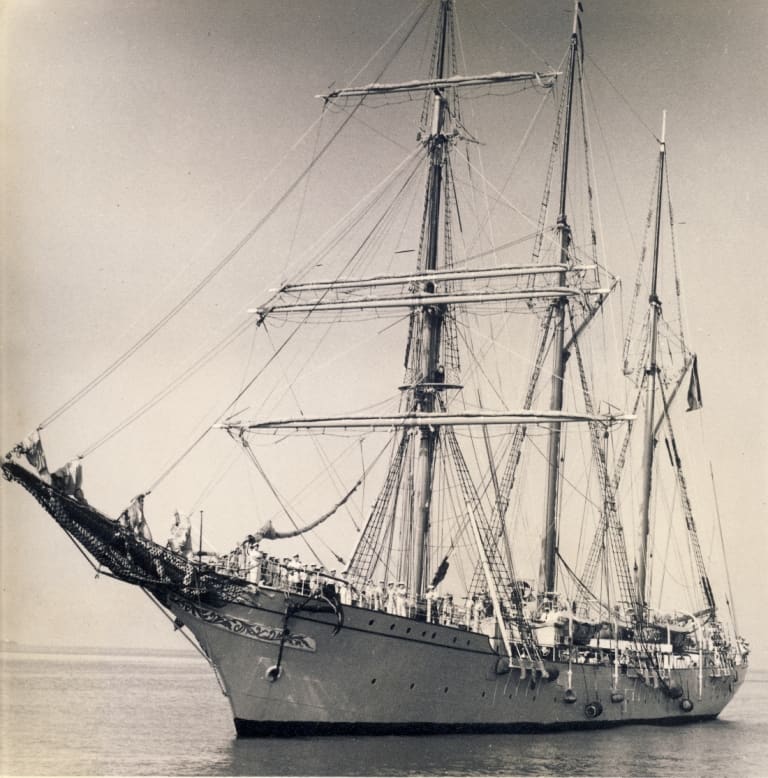
A 1932 three-masted training ship docked in the marina. Steep ladders make navigation tricky for mobility-impaired visitors.
Vraag ParleyBelgië
Belgium's working coastal city of Ensor, shipping, and sand.
introduction
Oostende is Belgium's only true city on the coast. It combines an active fishing harbour with a grand royal seaside past and a gritty urban core. You navigate the town on foot or via the coastal tram line that runs parallel to the shoreline. Expect salty winds, raw Belgian expressionism, and fresh seafood served from open harbour stalls.
Free harbour ferry
A free pedestrian ferry links Visserskaai to Oosteroever in seven minutes. It saves a two-kilometre walk around the docks.
Ensor's home museum
Oostende preserves the original studio of expressionist painter James Ensor on Vlaanderenstraat. The site includes his original curio shop.
Kusttram ticket rule
Buy your coastal tram day pass at station kiosks or via app before boarding. Onboard cash payments are not permitted.
Oostende
Marc Ryckaert · CC BY 3.0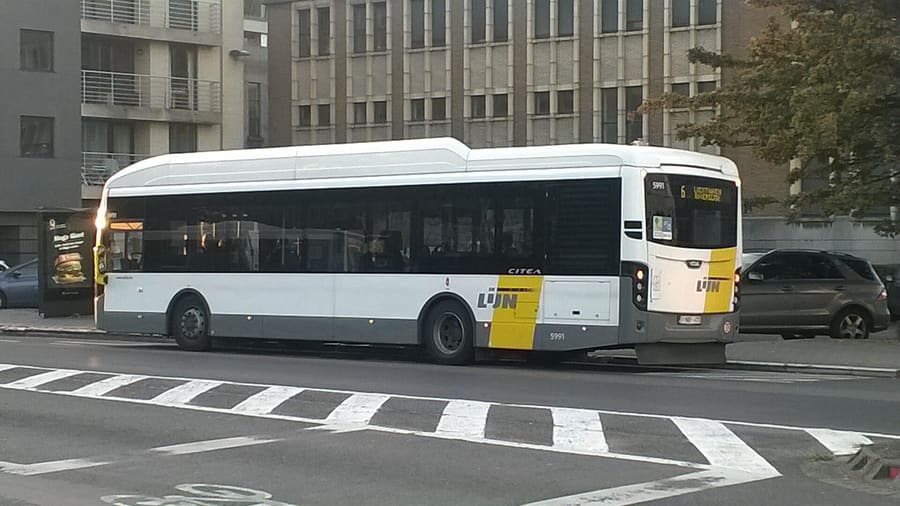
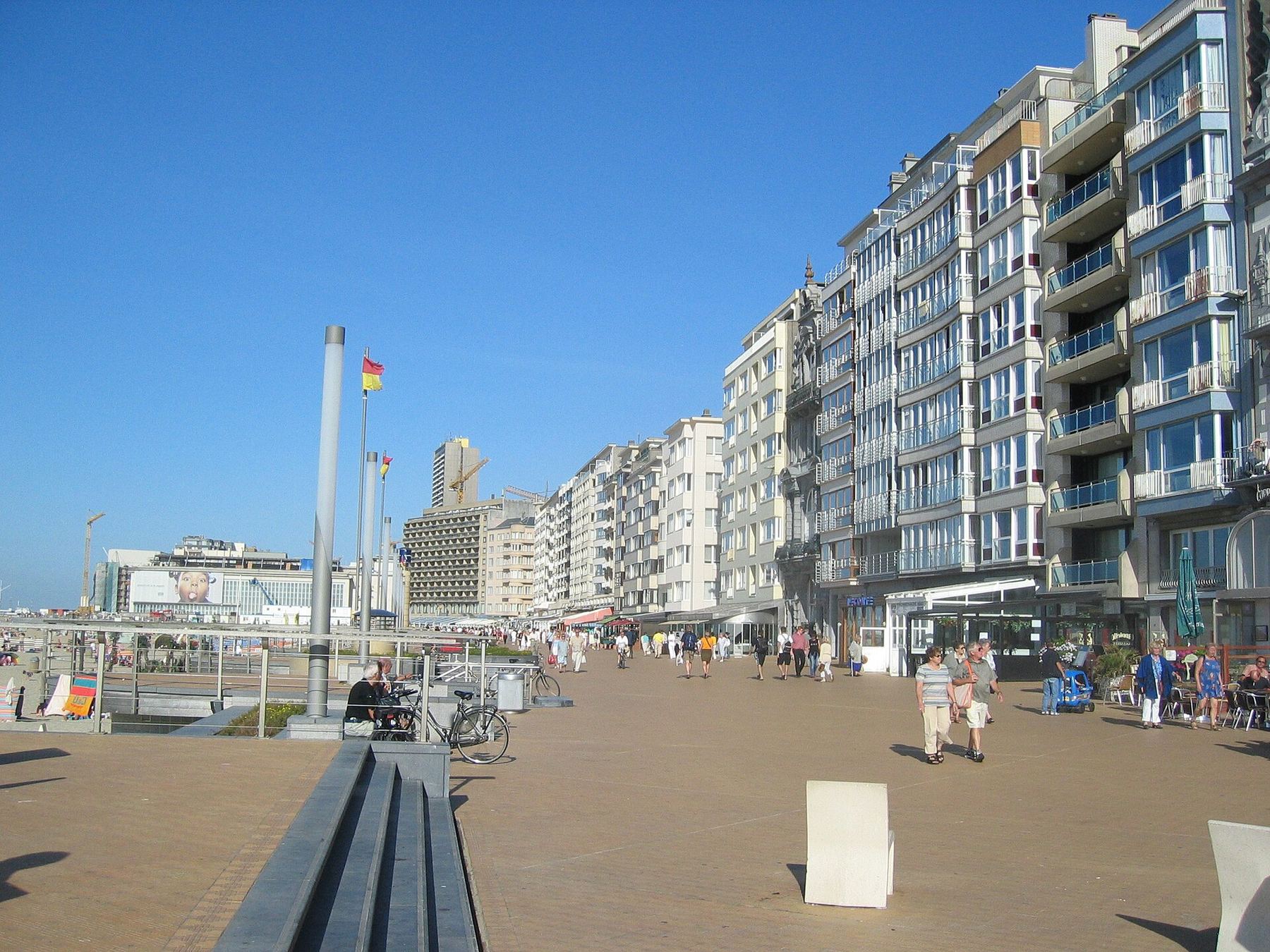
Centrum — Pedestrian shopping lanes, Ensor sites, and direct access to the main beach promenade.
Heipedia · CC BY-SA 4.0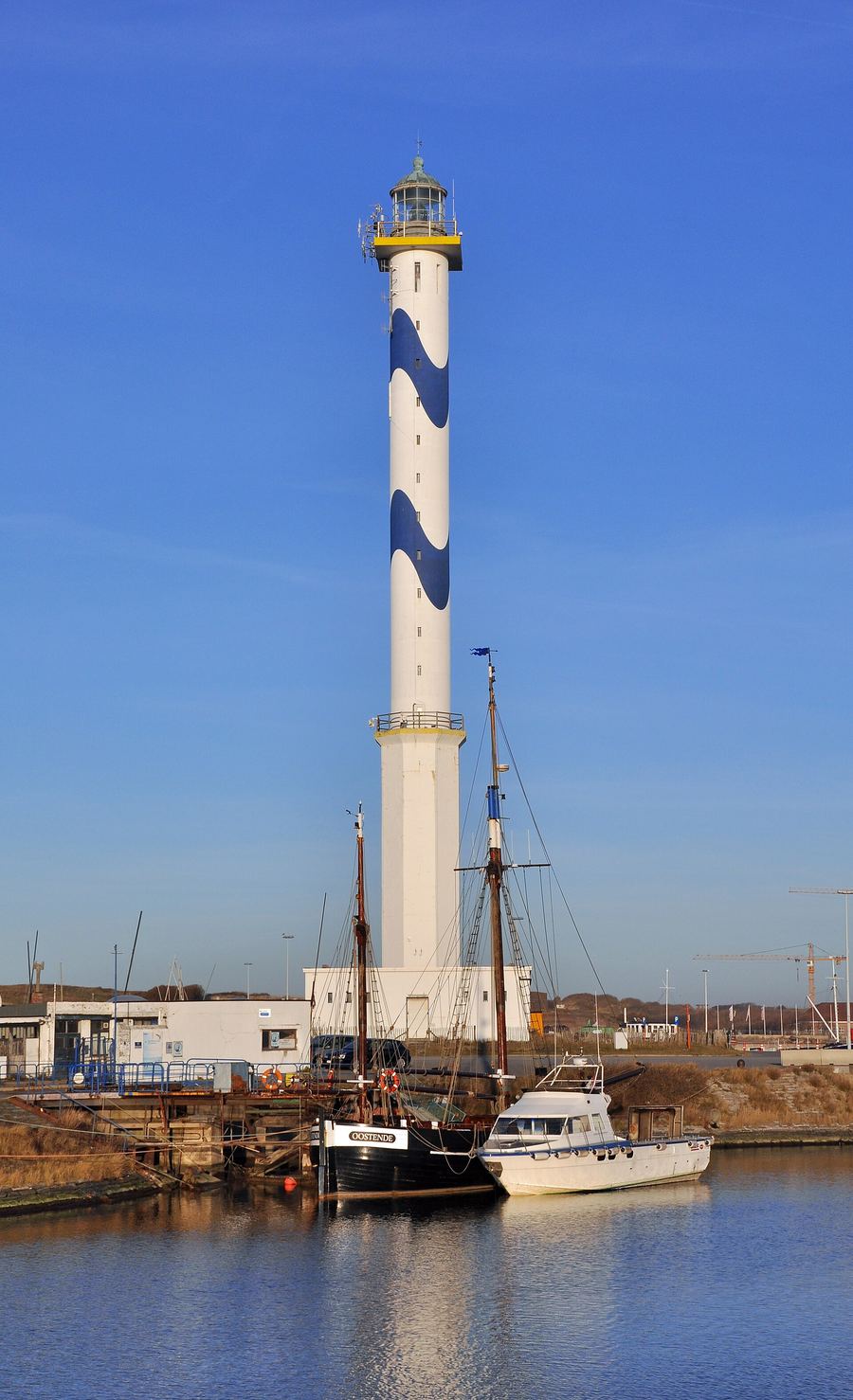
Oosteroever — Former harbour docks turned residential modern district with wide dune spaces.
Marc Ryckaert · CC BY 3.0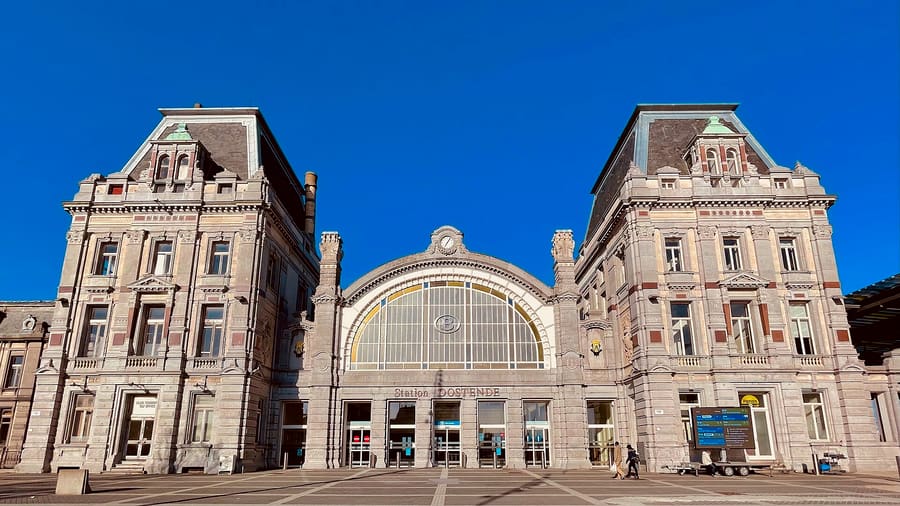
Hazegras — Rail terminal hub bordered by historic docks and fish markets.
Japplemedia · CC BY-SA 4.0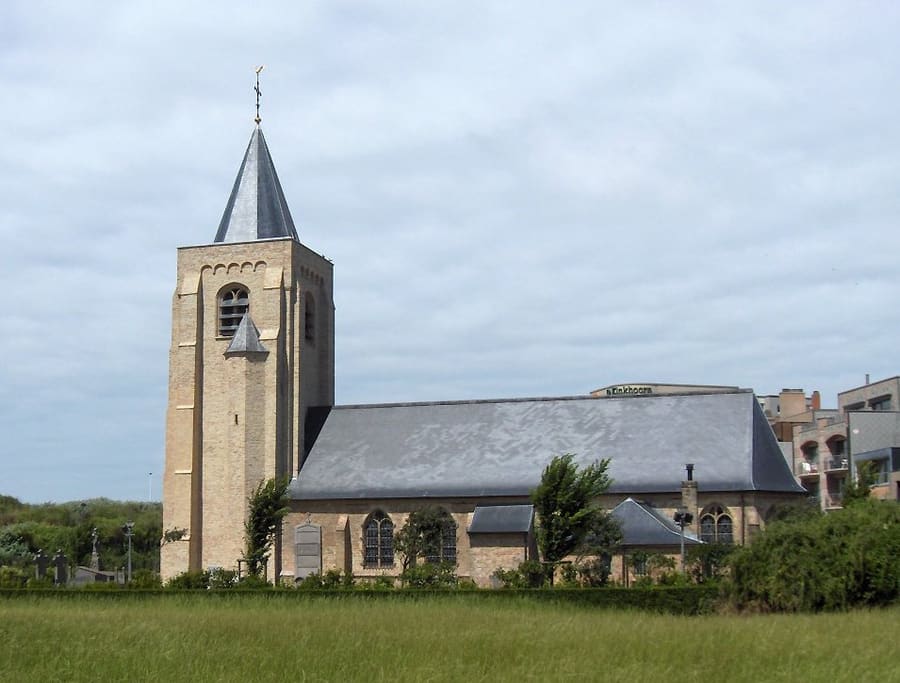
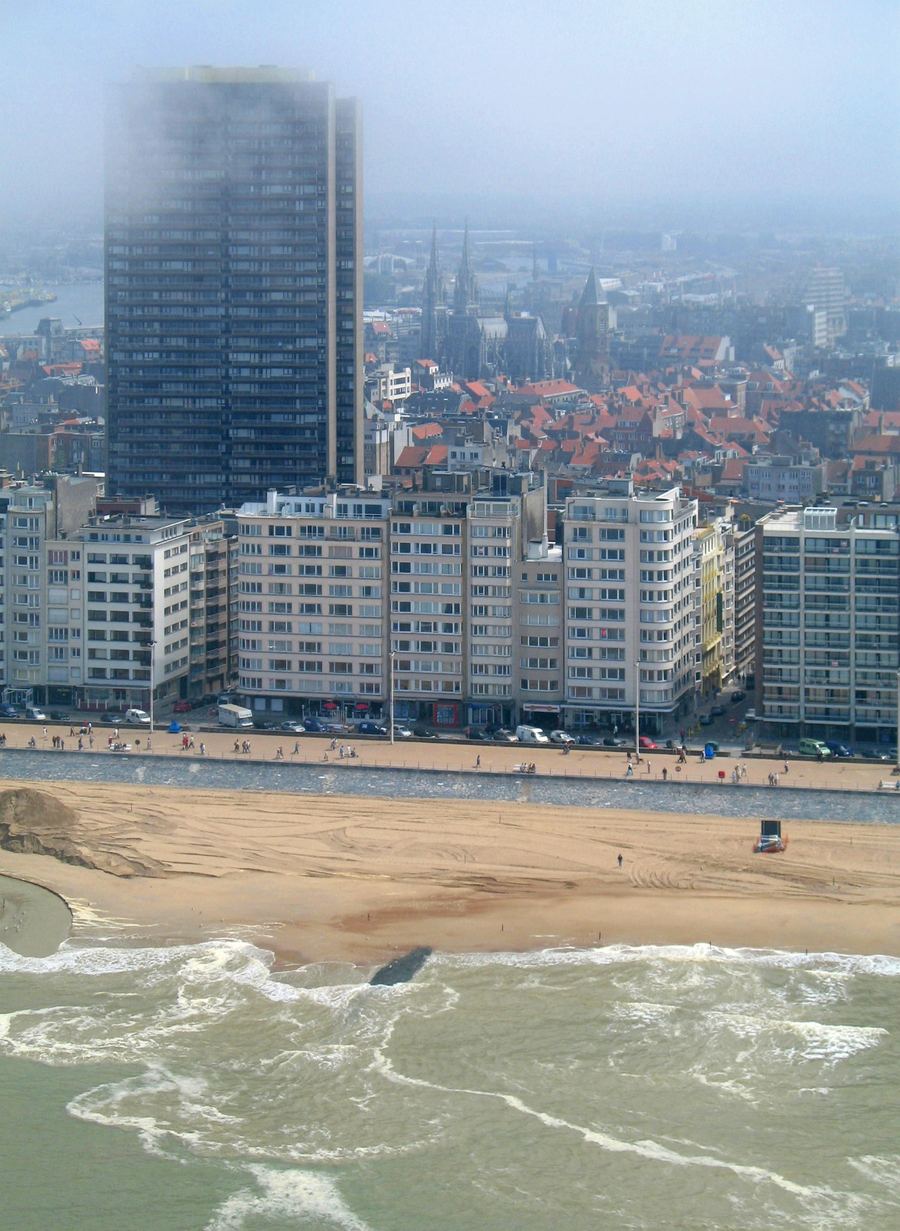
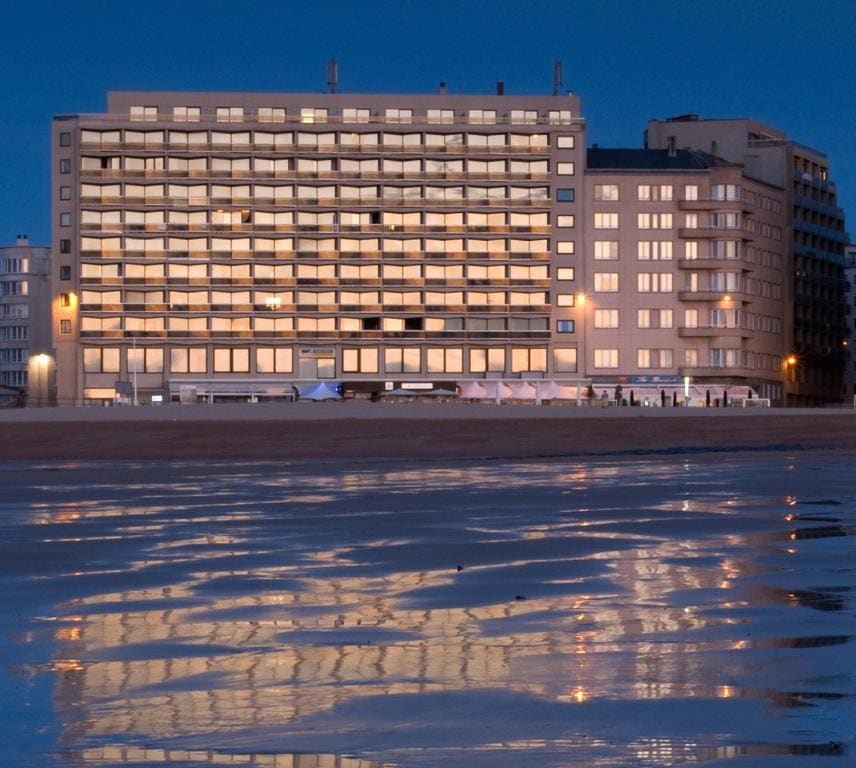
Mariakerke — Residential beach area with mid-century apartment fronts and wide sands.
No machine-readable author provided. JoJan assumed (based on copyright claims). · CC BY-SA 3.0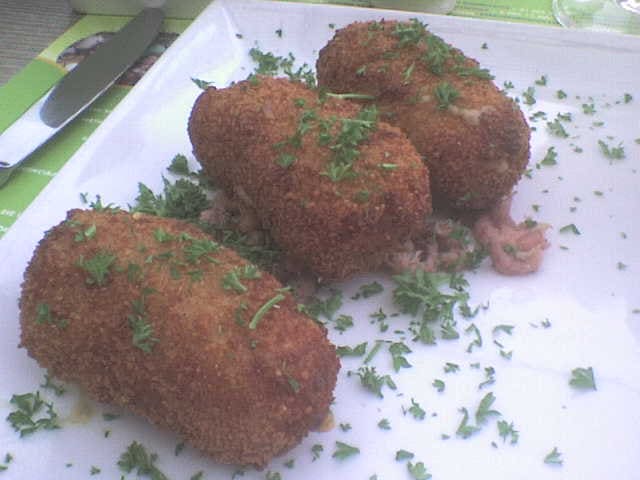
Freshly fried garnaalkroketten served with fried parsley on the Oostende harbourfront.
AchilleT · Public domainhighlights
landmark
A 1932 three-masted training ship docked in the marina. Steep ladders make navigation tricky for mobility-impaired visitors.
Vraag Parley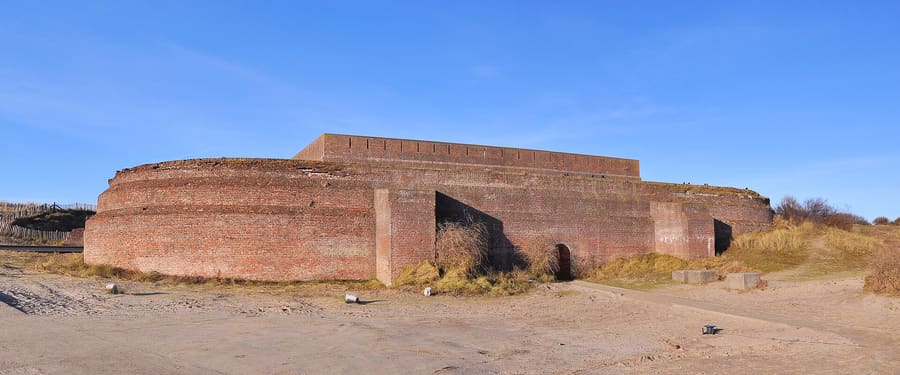
landmark
A polygonal brick fortress constructed in 1811 amidst eastern dunes. Reach it via the free harbour ferry.
Vraag Parley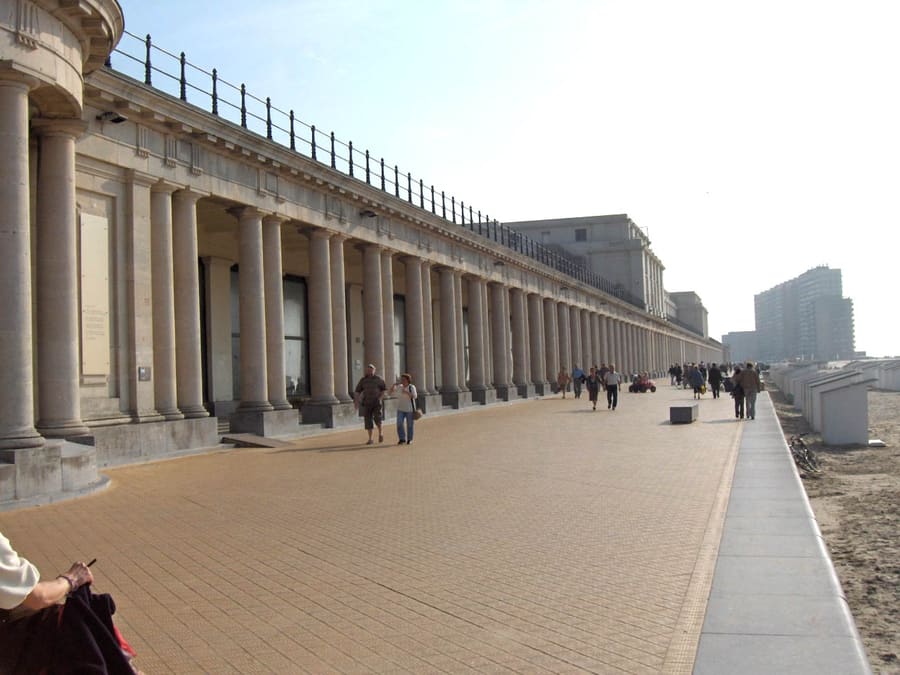
landmark
Neoclassical covered sea promenade built for King Leopold II. Walk here for sheltered sea views during coastal storms.
Vraag Parleyattractions
areas
Pedestrian shopping lanes, Ensor sites, and direct access to the main beach promenade.
DichtbijJames Ensor House and Kursaal Casino.
Vraag ParleyFormer harbour docks turned residential modern district with wide dune spaces.
DichtbijFort Napoleon and Harbour Pier.
Vraag ParleyRail terminal hub bordered by historic docks and fish markets.
DichtbijOostende Railway Station and Mercator.
Vraag ParleyResidential beach area with mid-century apartment fronts and wide sands.
DichtbijRoyal Galleries and Wellington Racetrack.
Vraag Parleyfood
Oostende's culinary identity centers on the North Sea. Local grey shrimp (garnaaltjes) are peeled daily by hand and featured in standard coastal dishes across town. The benchmark local dish is garnaalkroketten, crisp croquettes filled with rich shrimp béchamel served with fried parsley and lemon. On the Visserskaai quay, street stalls sell tubs of chilled whelks and unpeeled shrimp directly to pedestrians.
Freshly fried garnaalkroketten served with fried parsley on the Oostende harbourfront.
AchilleT · Public domainBuy fresh unpeeled grey shrimp from the wooden stalls on Visserskaai around midday when catches arrive.
Look for restaurants advertising artisan croquettes containing at least 30 percent grey shrimp by mass.
Traditional harbour brasseries along the Visserskaai require table reservations two days ahead for dinner.
history
Oostende began as a fishing village on the eastern end of the island of Testerep. Strategic fortifications built during the Eighty Years' War led to the Siege of Ostend between 1601 and 1604. In the 19th century, King Leopold II selected the city as his personal summer retreat, constructing royal galleries, parks, and monumental seaside architecture that defined its modern urban layout.
Siege of Ostend
Spanish forces capture the fortified port after a brutal three-year siege against Dutch and English defenders.
Railway arrival
The railway connects Brussels to Oostende, transforming the town into Belgium's principal passenger transit port to Britain.
Dismantled ramparts
City fortifications are demolished, clearing land for royal urban expansion under King Leopold II.
where to stay
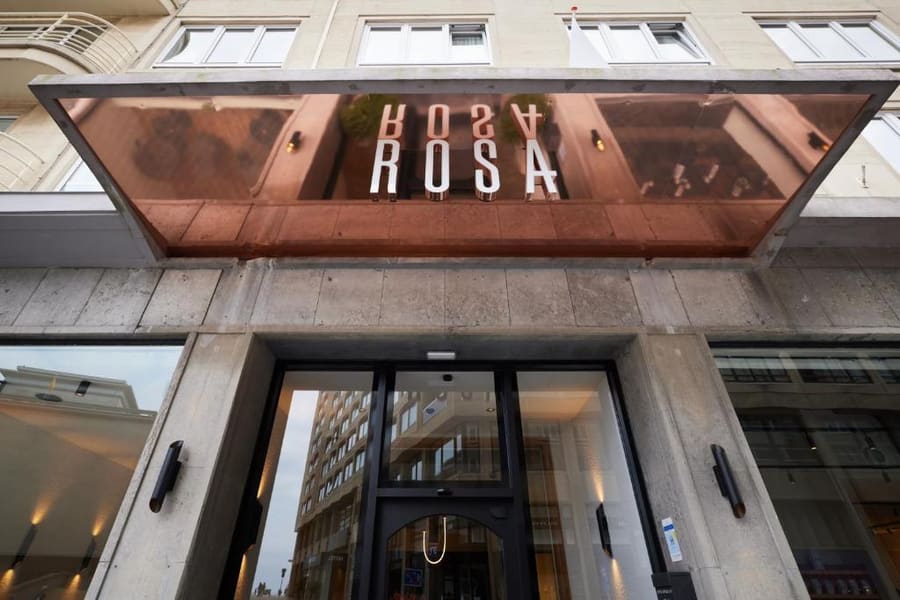
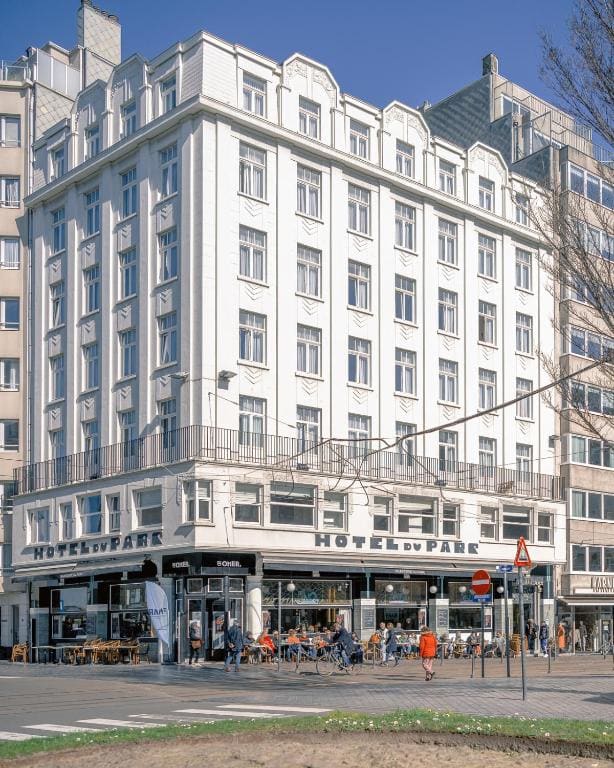
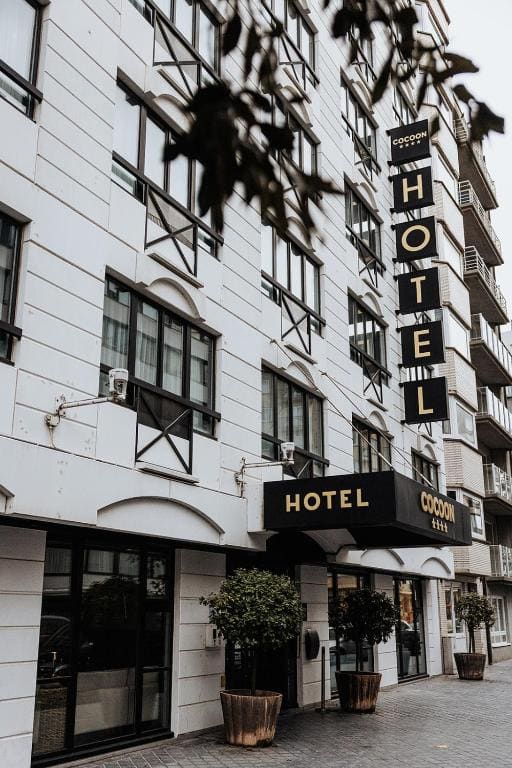
Choose your area based on access to transit or sea views. Staying in Centrum puts you steps from museums, shopping lanes, and the sandy beach. Oosteroever appeals to design-focused travellers seeking quiet modern flats away from crowds. Mariakerke offers wider beaches and residential quiet at a lower price per night.
Live rates, matched to the areas above.
transport
Oostende is very easy to navigate on foot. The primary public transport spine is the Kusttram, which travels the full length of the Belgian coastline and connects all seaside neighbourhoods. Regional trains terminate at Oostende Railway Station, placing you directly next to the harbour and marine terminal.
Vanaf Oostende Railway Station
Direct train from Bruges Railway Station runs twice per hour.
Kusttram connects the station to central coastal stops every 10–15 minutes.
Free city ferry runs between Visserskaai and Oosteroever harbour bank.
Available outside station entrance; meters start upon departure.
The coastal tram line runs from Knokke to De Panne. A 1-day pass costs €7.50 and allows unlimited rides.
The city operates a pedestrian and bicycle ferry across the port entrance. It operates daily until sunset.
De Lijn buses and trams accept contactless bank cards at yellow onboard validators.
cost
Prices in Oostende reflect its status as a regional Belgian hub and beach destination. Seafood prices fluctuate based on seasonal catches, with local shrimp commanding premium rates due to labor-intensive hand peeling.
Standard price for two croquettes served with salad at coastal brasseries.
Unlimited travel along the entire Belgian coast for 24 hours.
Standard entry price for Mu.ZEE or Ensor House adult tickets.
Price for a local Belgian blonde or regional coastal beer on tap.
seasonality
MAR – MAY
Cool sea breezes and low crowd density. Museum visits are comfortable, though beach water is cold.
JUN – AUG
Warmest weather and active beach life. Hotel rates peak and advance restaurant bookings are necessary.
SEP – NOV
Crisp autumn weather and quiet beaches. Seafood season for grey shrimp peaks during early autumn.
DEC – FEB
Cold coastal winds and quiet city streets. Ideal window for gallery visits and warm harbour brasseries.
practicalities
Most city stores close by 18:30. Sunday shopping is restricted to specific tourist zones along the promenade.
Red flags mean swimming is strictly prohibited by lifeguards due to strong North Sea currents.
Card payment is accepted at almost all shops and stalls, including small harbour seafood kiosks.
Sea wind drops local temperatures quickly. Always carry a windproof coat even on clear days.
Separated red bicycle paths along the beach promenade are reserved for fast cyclist traffic.