landmark
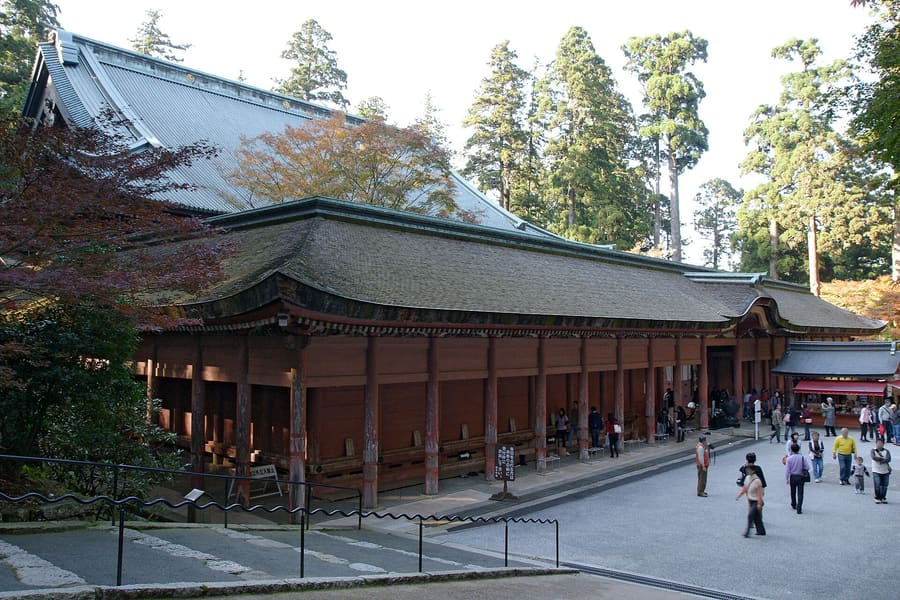
Enryaku-ji
Headquarters of the Tendai sect atop Mount Hiei. Ride the Sakamoto Cable up; main hall Konpon Chudo undergoes major renovation through 2026.
Vraag ParleyJapan
Kyoto's quiet lakefront neighbor anchored by ancient mountain temples.
introduction
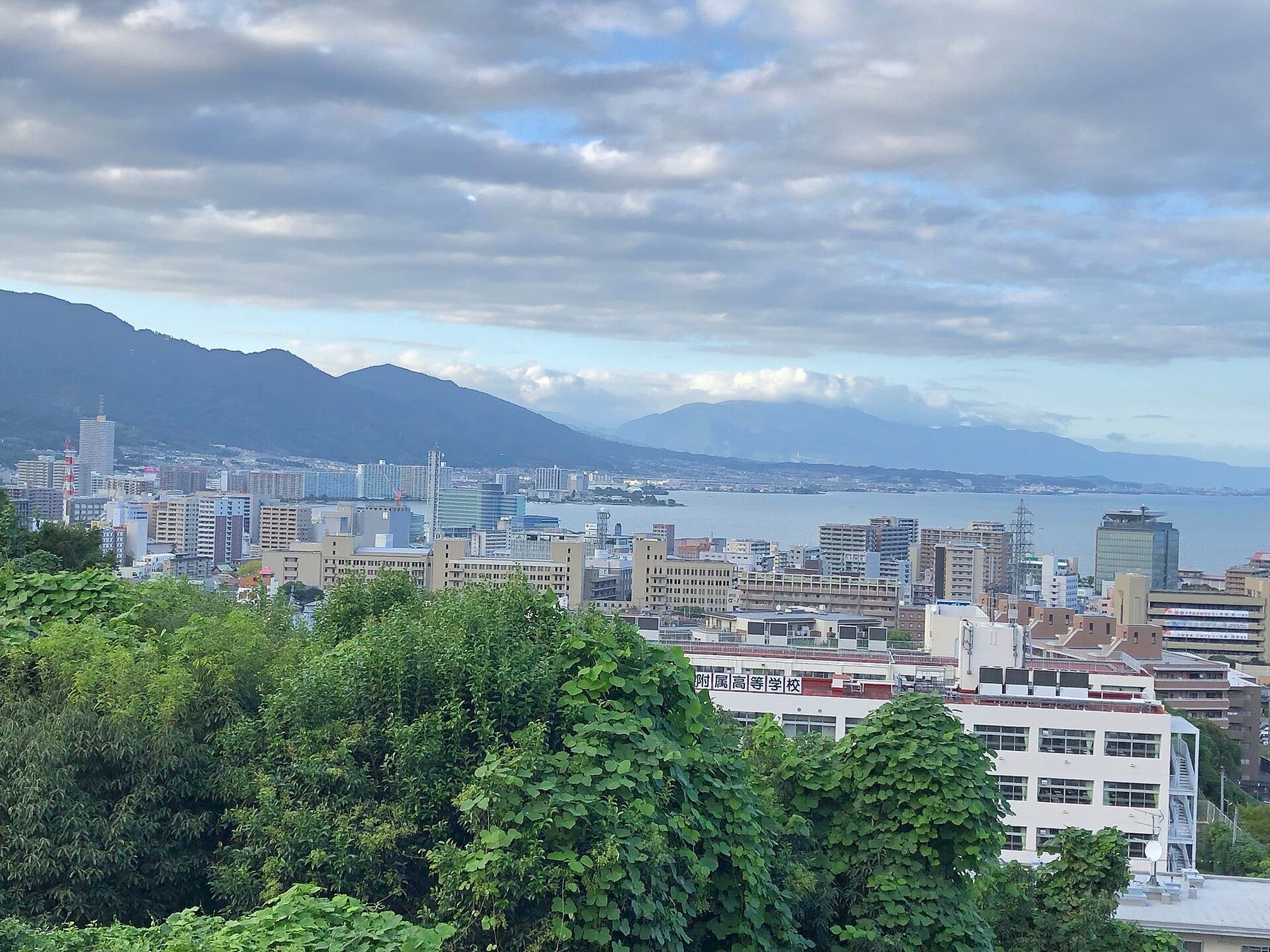
Otsu sits ten minutes east of Kyoto Station by train, but operates at a fraction of Kyoto's crowd density. The city stretches along the southern shore of Lake Biwa, framed by Mount Hiei to the west. Ancient temple complexes line the hills, while a local Keihan streetcar links the lakeside districts. You come here for quiet heritage, lake views, and direct rail access to Kansai without Kyoto hotel prices.
Arrival trick
JR Biwako Line trains reach JR Otsu Station from Kyoto Station in ten minutes for ¥200.
Heritage designation
Enryaku-ji on Mount Hiei is part of the Historic Monuments of Ancient Kyoto UNESCO World Heritage site.
Transit secret
The Keihan Ishiyama Sakamoto Line runs along the shore, linking Sakamoto, Hamaotsu, and Ishiyama.
Otsu
Moja · CC BY-SA 3.0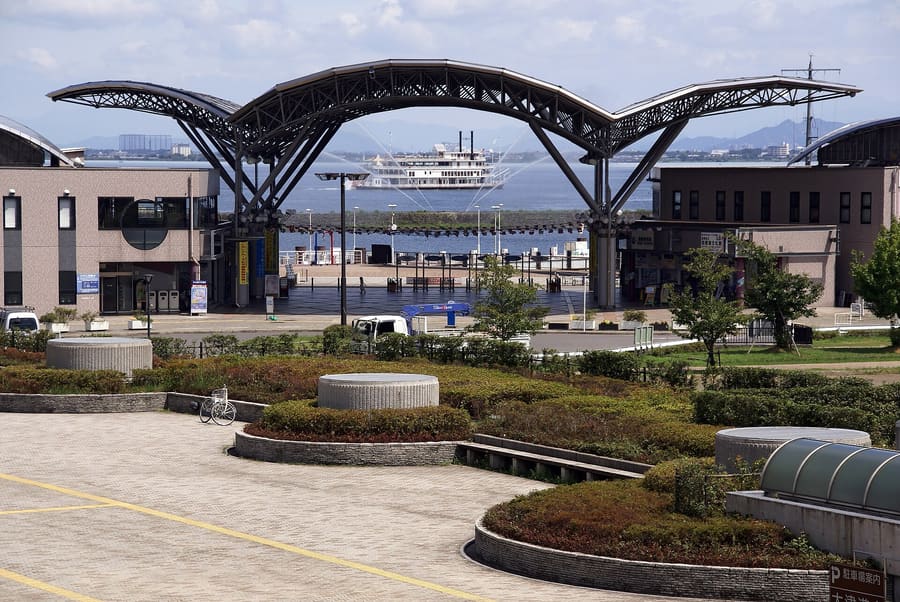
Hamaotsu — Central port node with open lake views, waterfront promenades, and direct streetcar lines.
663highland · CC BY 2.5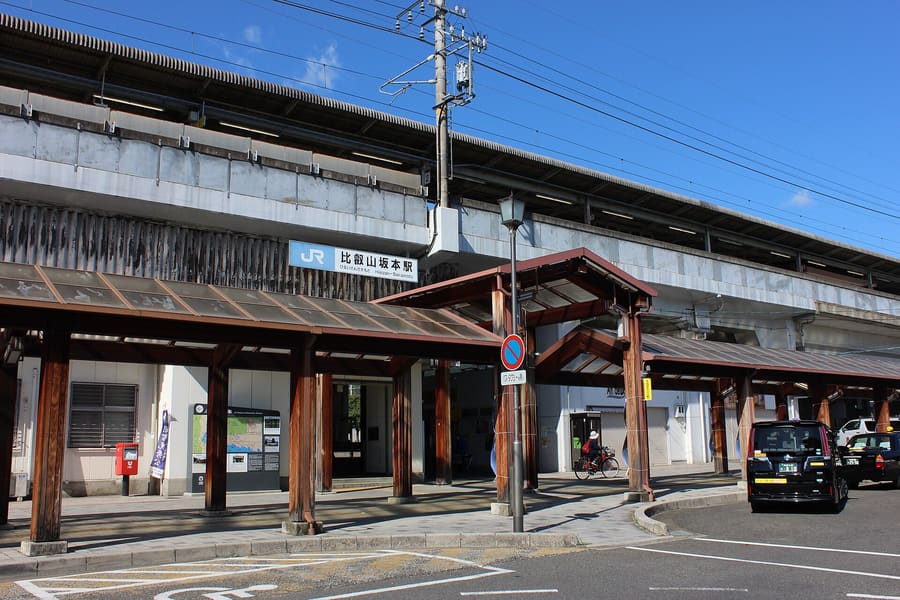
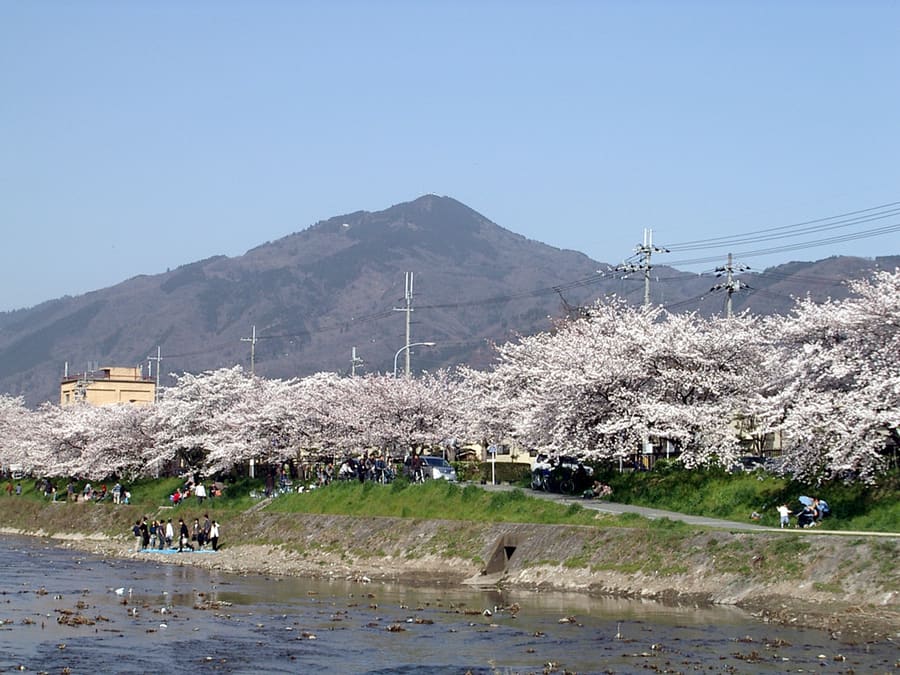
Sakamoto — Tranquil foothill town featuring dry-stone walls and historic warrior-monk residences.
SONIC BLOOMING · CC BY-SA 4.0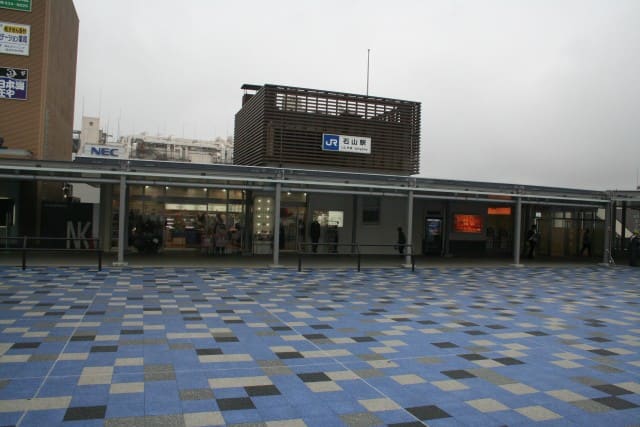
Ishiyama — Southern river-adjacent district centered around transit and historic temple grounds.
The original uploader was Ribbon at Japanese Wikipedia. · CC BY-SA 3.0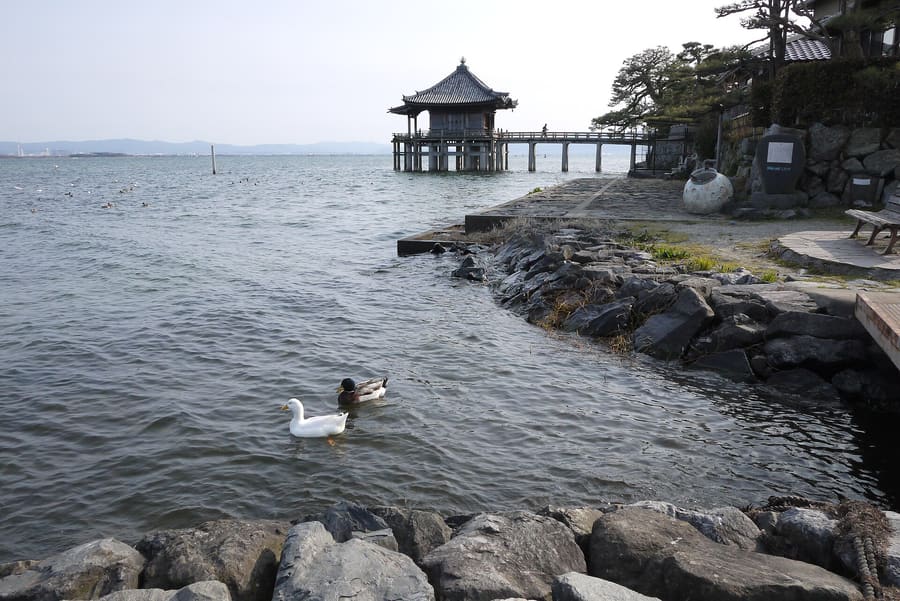
Katata — Northern waterfront neighborhood with traditional fishing heritage and open water vistas.
oimo · CC BY-SA 3.0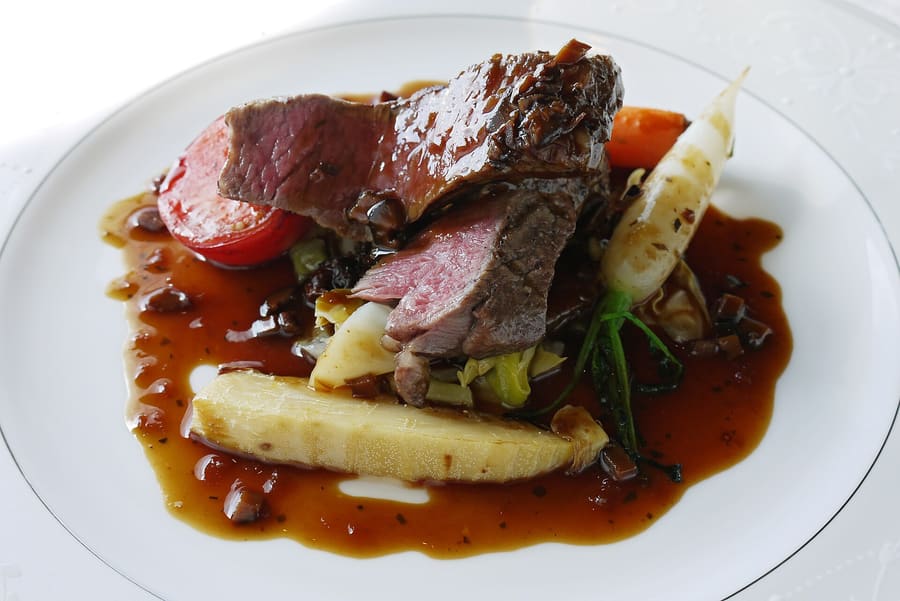
Omi beef cut for sukiyaki in Otsu.
663highland · CC BY 2.5highlights
landmark
Headquarters of the Tendai sect atop Mount Hiei. Ride the Sakamoto Cable up; main hall Konpon Chudo undergoes major renovation through 2026.
Vraag Parley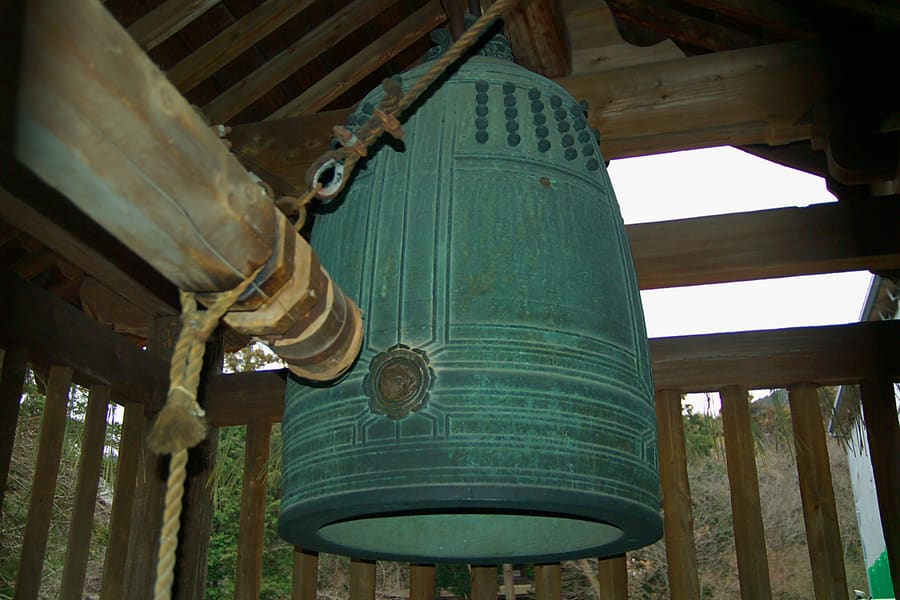
landmark
Sprawling ninth-century monastery complex overlooking the lake. Pay ¥600 to explore quiet wooden halls without Kyoto crowds.
Vraag Parley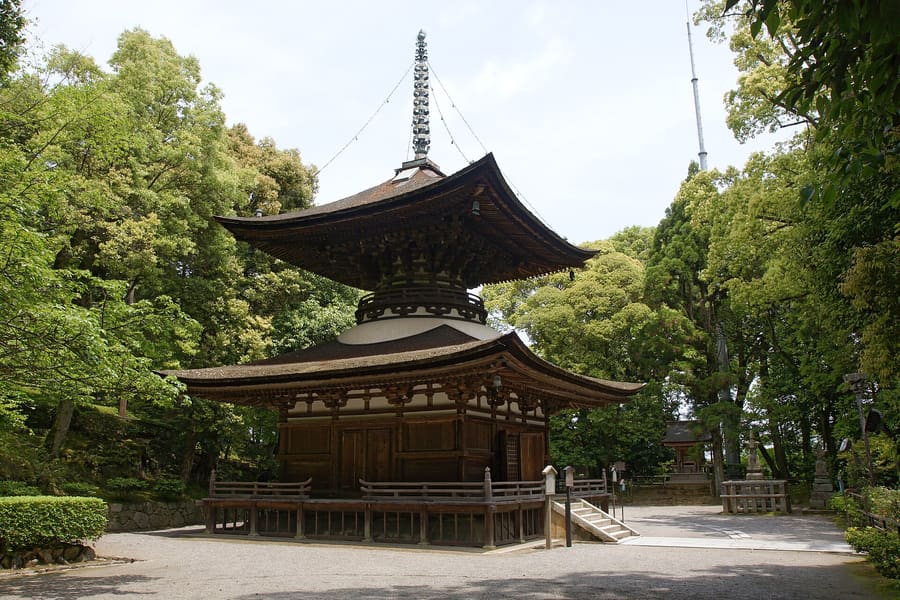
landmark
Lakeside temple where Murasaki Shikibu conceived The Tale of Genji. Ride the Keihan Line south to Ishiyama-dera Station.
Vraag Parley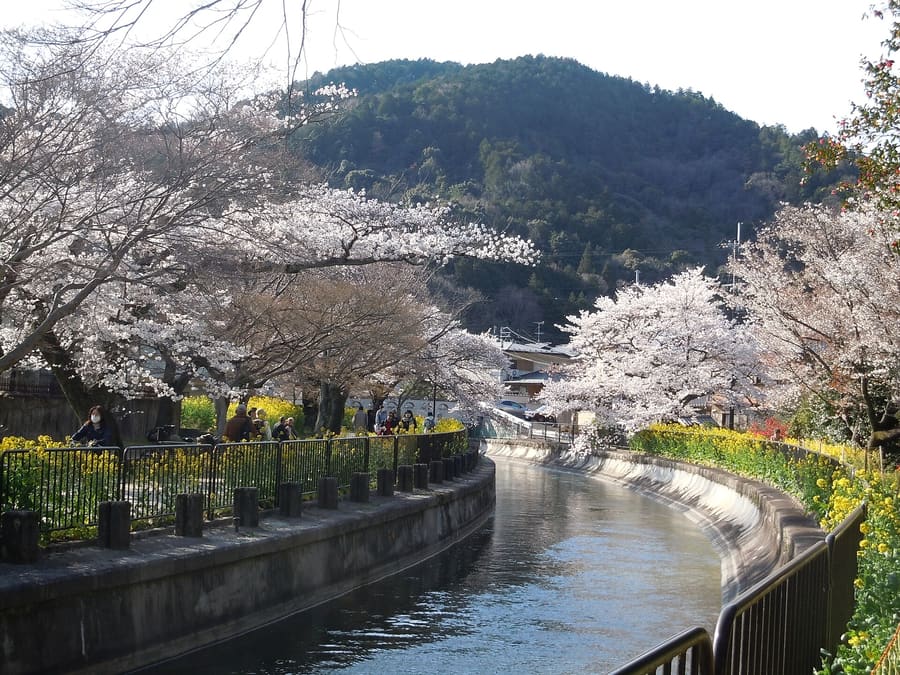
landmark
Meiji-era aqueduct designed to carry lake water and boat traffic to Kyoto. The walking trail begins near Mii-dera Station.
Vraag Parley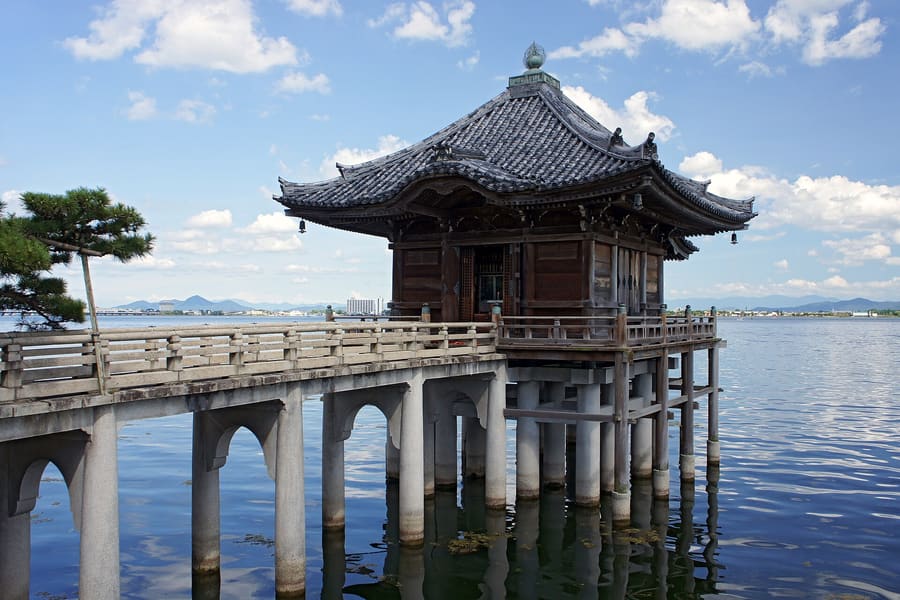
landmark
Wooden hall constructed on stilts extending into Lake Biwa at Katata. Take a short local bus from JR Katata Station.
Vraag Parleyattractions
areas
Central port node with open lake views, waterfront promenades, and direct streetcar lines.
DichtbijMii-dera and Lake Biwa Canal
Vraag ParleyTranquil foothill town featuring dry-stone walls and historic warrior-monk residences.
DichtbijMount Hiei and Sakamoto Cable
Vraag ParleySouthern river-adjacent district centered around transit and historic temple grounds.
DichtbijIshiyama-dera and Seta River
Vraag ParleyNorthern waterfront neighborhood with traditional fishing heritage and open water vistas.
DichtbijUkimido and Biwako Bridge
Vraag Parleyfood
Otsu culinary tradition centers on Shiga's agricultural depth rather than Kyoto's delicate court cooking. The region yields Omi beef, one of Japan's oldest commercial wagyu brands with high marbling. Lake Biwa provides freshwater delicacies, led by funazushi, an ancient form of fermented crucian carp preserved in salt and rice.
Omi beef cut for sukiyaki in Otsu.
663highland · CC BY 2.5Wagyu raised within Shiga Prefecture. Seek out lunch sets at specialized beef houses like Matsukiya near Seta to reduce costs.
Narezushi fermented for up to a year. The sour, pungent flavor pairs with local sake; order small starter portions.
Vegetarian shojin ryori served near Mii-dera and Sakamoto. Reserve midday seatings in advance.
history
Otsu served briefly as Japan's imperial capital in the seventh century before shifting to Asuka and later Heian-kyo. Its position on Lake Biwa made it the vital shipping node feeding grains and timber into Kyoto. During the Edo period, Otsu grew as the busiest post town along the Tokaido highway.
Imperial Capital
Emperor Tenji moves the court to Otsu-kyo, establishing the city as Japan's capital for five years.
Enryaku-ji Founded
Monk Saicho builds a small shrine on Mt. Hiei, growing into a powerful monastic military base.
Tokaido Gateway
Tokugawa Ieyasu designates Otsu as the 53rd and final post station before Kyoto on the Tokaido road.
Biwako Canal
Engineers finish the civil project diverting lake water through mountain tunnels into Kyoto.
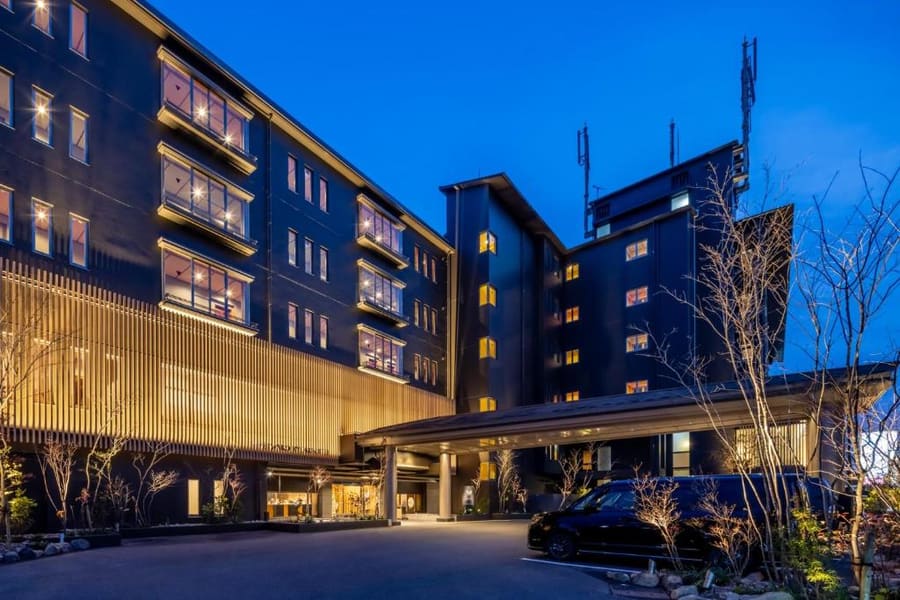
where to stay
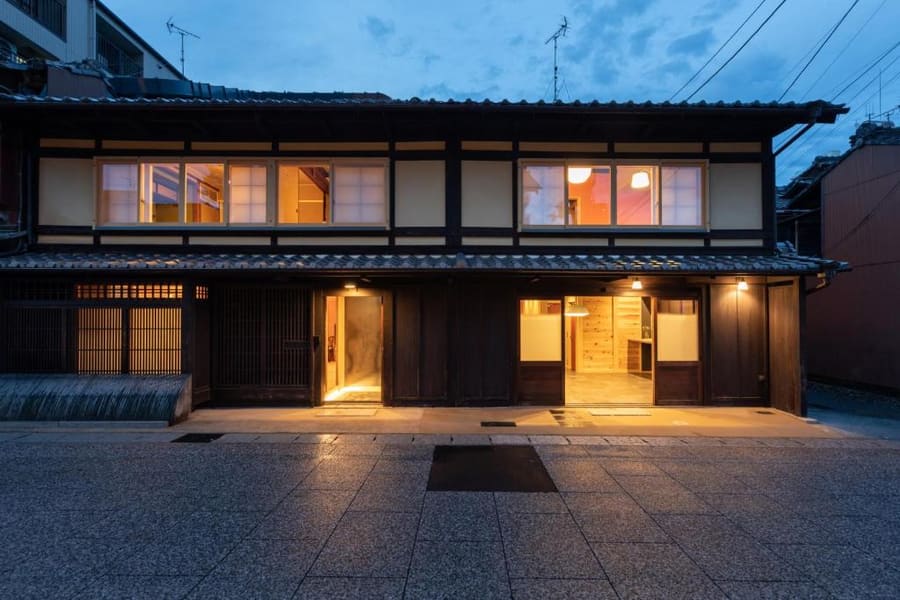
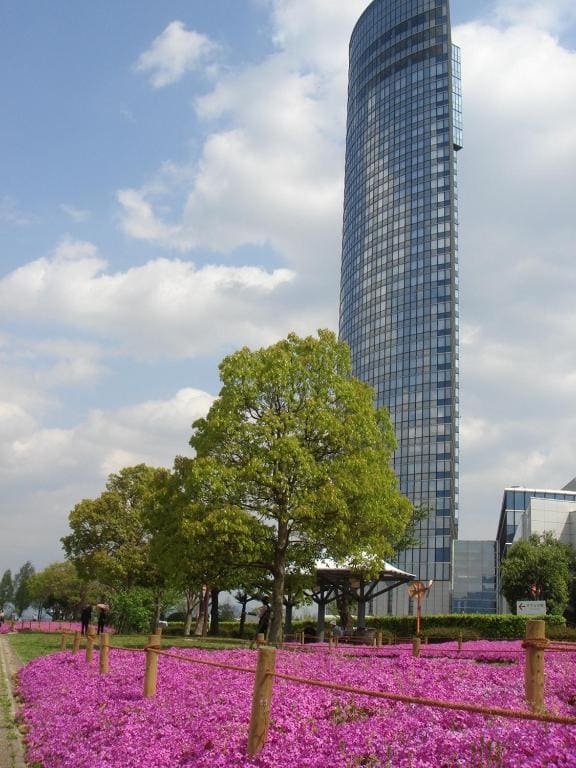
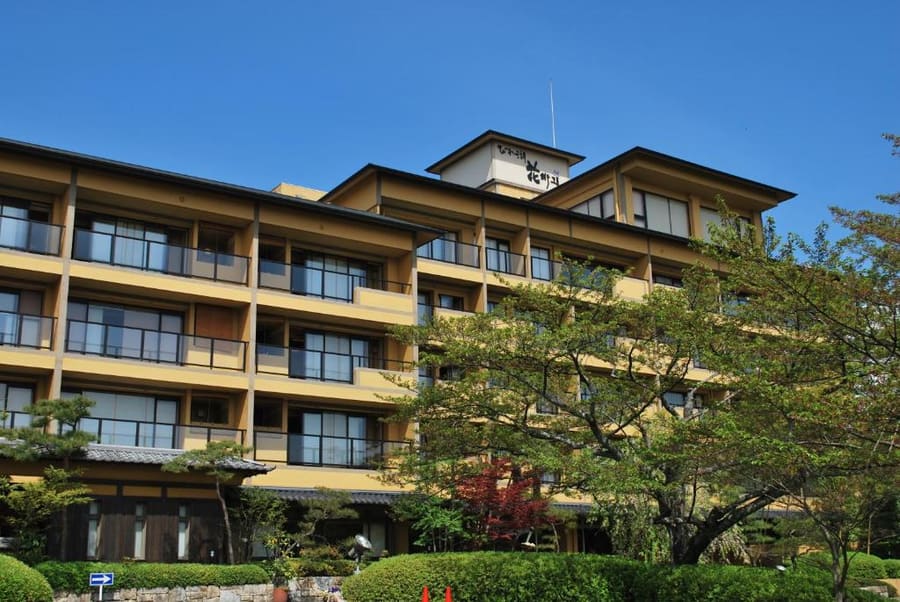
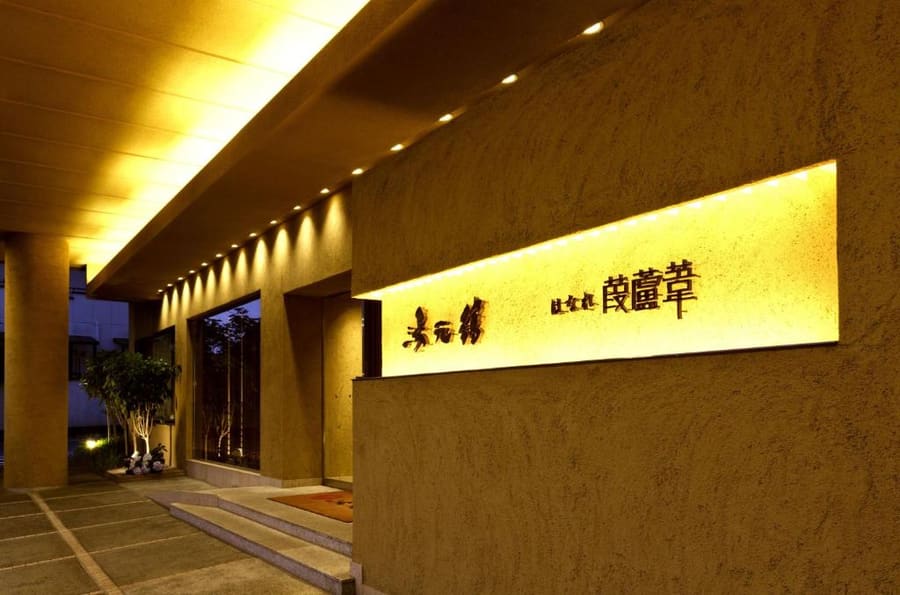
Choose your base by your transit priority. Hamaotsu puts you directly on the Keihan tram line and lake ferries. Sakamoto offers quiet temple atmosphere near Mount Hiei. Ishiyama provides economical business hotels right on the JR line.
Live rates, matched to the areas above.
transport
Otsu stretches over 40 kilometers along Lake Biwa's edge. Two distinct rail operators serve the area: JR West handles rapid north-south regional travel, while Keihan operates local streetcars connecting central sights.
Vanaf Kyoto Station (JR)
JR Biwako Line runs frequently from Kyoto Station to JR Otsu Station.
Late night alternative when trains stop running around midnight.
The Ishiyama Sakamoto Line runs every 10–15 minutes, stopping directly at major temple districts.
ICOCA, Suica, and Pasmo tap cards work across JR lines, Keihan trams, and municipal buses.
Japan Rail Passes cover JR Otsu, Seta, and Katata stations, but do not cover Keihan tram lines.
Japan's longest cable car operates twice hourly between Sakamoto and Mount Hiei summit.
cost
Otsu costs significantly less than central Kyoto for accommodation and daily dining. Heritage site entry fees remain consistent with regional standards.
Standard distance-based single ride ticket along the lake.
Adult admission fee covering the main temple grounds.
Midday sukiyaki or steak set meal.
Return fare to Enryaku-ji at Mt. Hiei summit.
seasonality
MAR – MAY
Spring blooms line Lake Biwa Canal and Mii-dera grounds; reserve weekend accommodation early.
JUN – AUG
Hot and humid along the water; Mount Hiei offers cooler mountain temperatures.
SEP – NOV
Clear autumn weather with maple foliage peak at Ishiyama-dera in mid-November.
DEC – FEB
Cold winds off Lake Biwa; lowest accommodation prices and minimal temple crowd.
practicalities
Most temple gates, including Mii-dera and Ishiyama-dera, close admissions at 16:30.
You must remove shoes inside temple halls; pack easily removable footwear.
Smaller temple ticket booths and traditional shops require physical cash.
Mount Hiei runs 4–6°C colder than lakeside Otsu; carry a light jacket even in summer.
Annual festival held in early October featuring thirteen ornate timber floats.
changing now
2025
Enryaku-ji Konpon Chudo RestorationMajor timber restoration on the main hall continues through 2026; visitors can view the work from a covered scaffold platform.