landmark
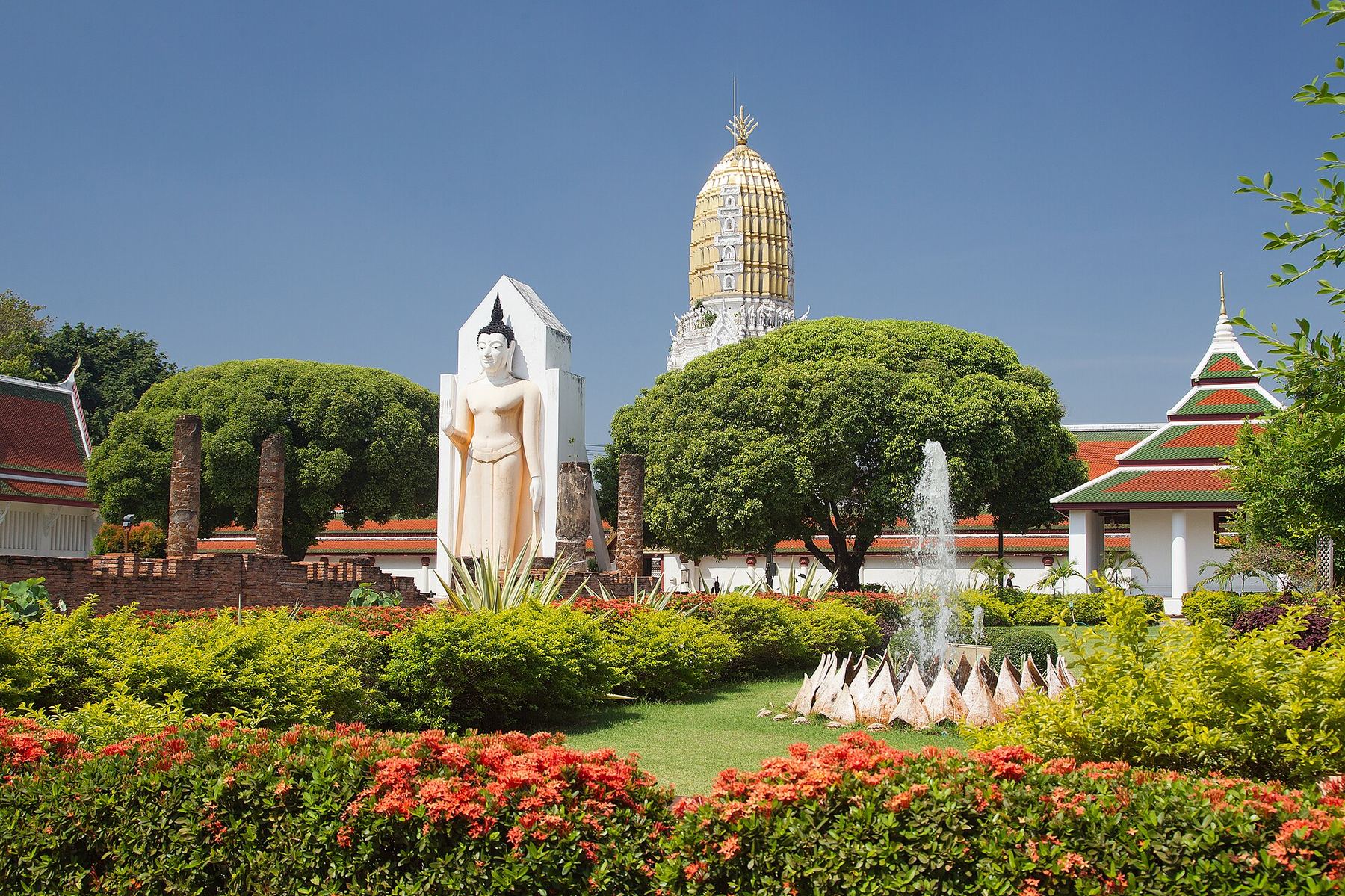
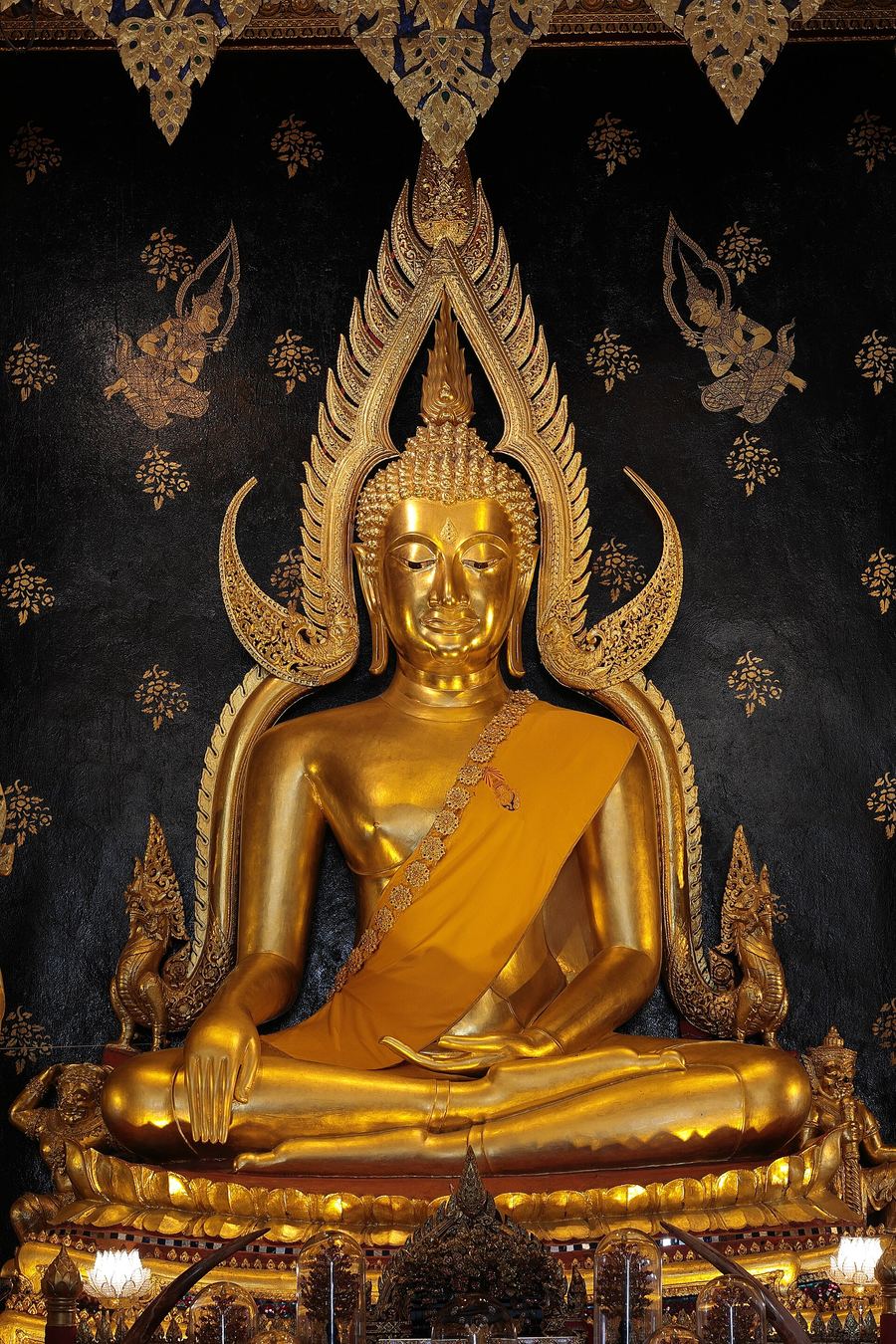
Wat Phra Si Rattana Mahathat
Houses the 14th-century Phra Buddha Chinnarat. Remove shoes and dress conservatively before entering the main wihan.
Vraag ParleyThailand
Lower northern hub defined by sacred temples and river trade.
introduction
Phitsanulok is a major lower-northern crossroad anchored by the Nan River. Most visitors treat it as a rail stopover between Bangkok and Chiang Mai, but its sacred temples and riverfront trade merit a dedicated stay. You navigate the flat grid easily on foot or by local open-air songthaews. Expect early morning temple calls, quiet middays, and active evening night markets along the water.
Arrival strategy
Fly into Phitsanulok Airport (PHS) or take the Northern Line train from Bangkok. Airport taxis charge a flat 150 THB rate into downtown.
Key cultural monument
Wat Phra Si Rattana Mahathat houses Phra Buddha Chinnarat, regarded across Thailand as one of the country's most revered Buddha images.
Daily timing
Monks collect morning alms along the Nan River around 06:00. Most riverside noodle shops close by 15:00.
Phitsanulok
Mixvasuvadh at Thai Wikipedia · Public domain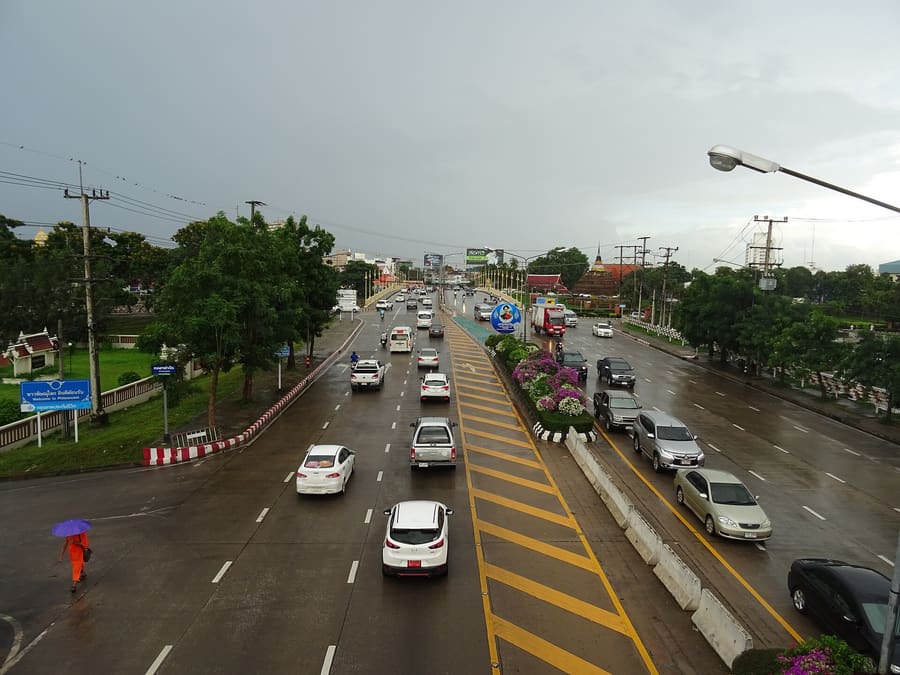
East Bank & Temple Quarter — Concentrated around major temples and riverside parkways. Walkable, traditional, and quiet after 20:00.
Christophe95 · CC BY-SA 4.0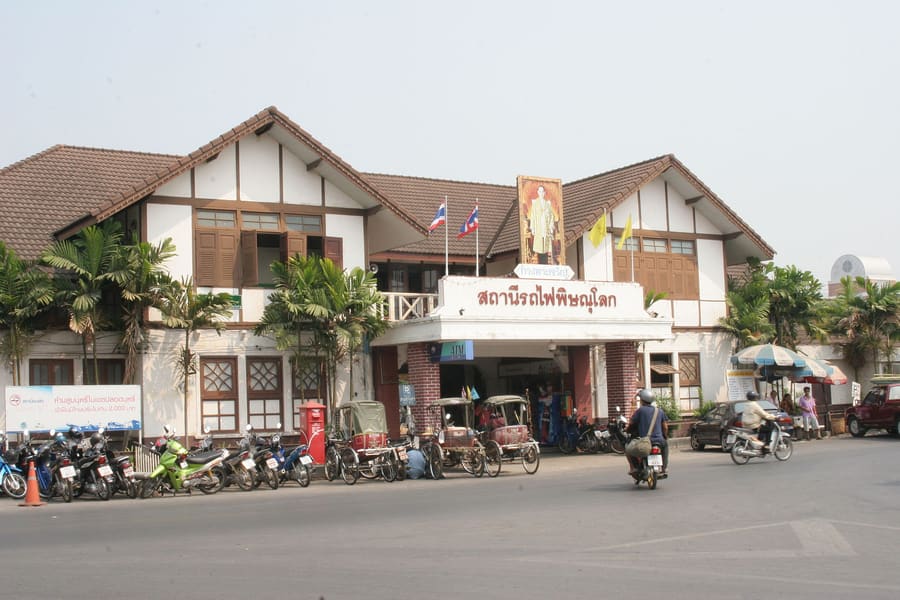
Railway Station District — Commercial hub filled with local night markets, old shophouses, and budget stays. Active from dawn.
シャムネコ · CC BY-SA 3.0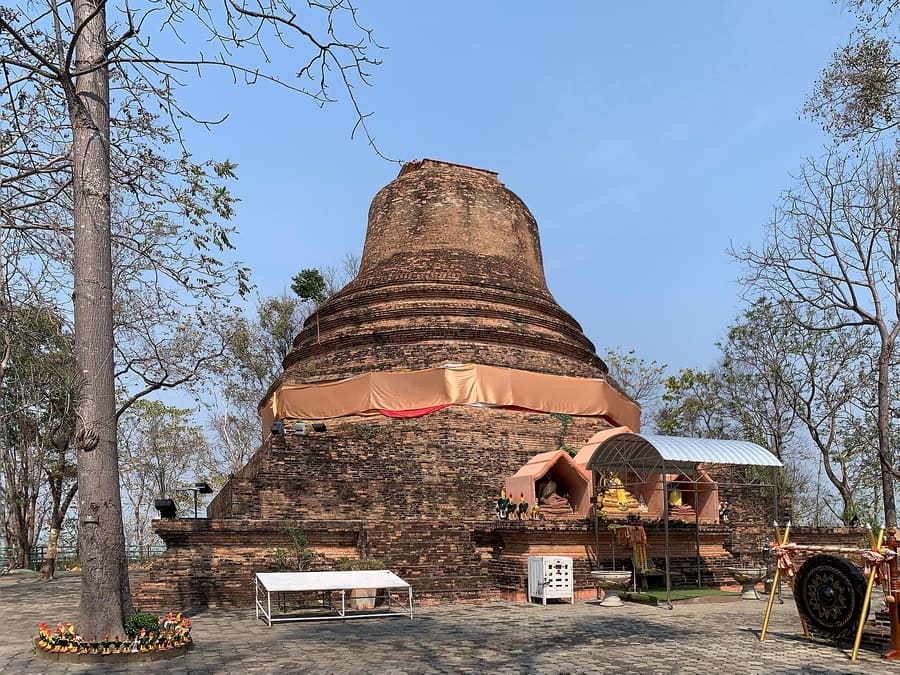
Wang Thong Highway Corridor — Suburban eastern exit leading toward national parks, lined with resort-style hotels and garden restaurants.
Chainwit. · CC BY-SA 4.0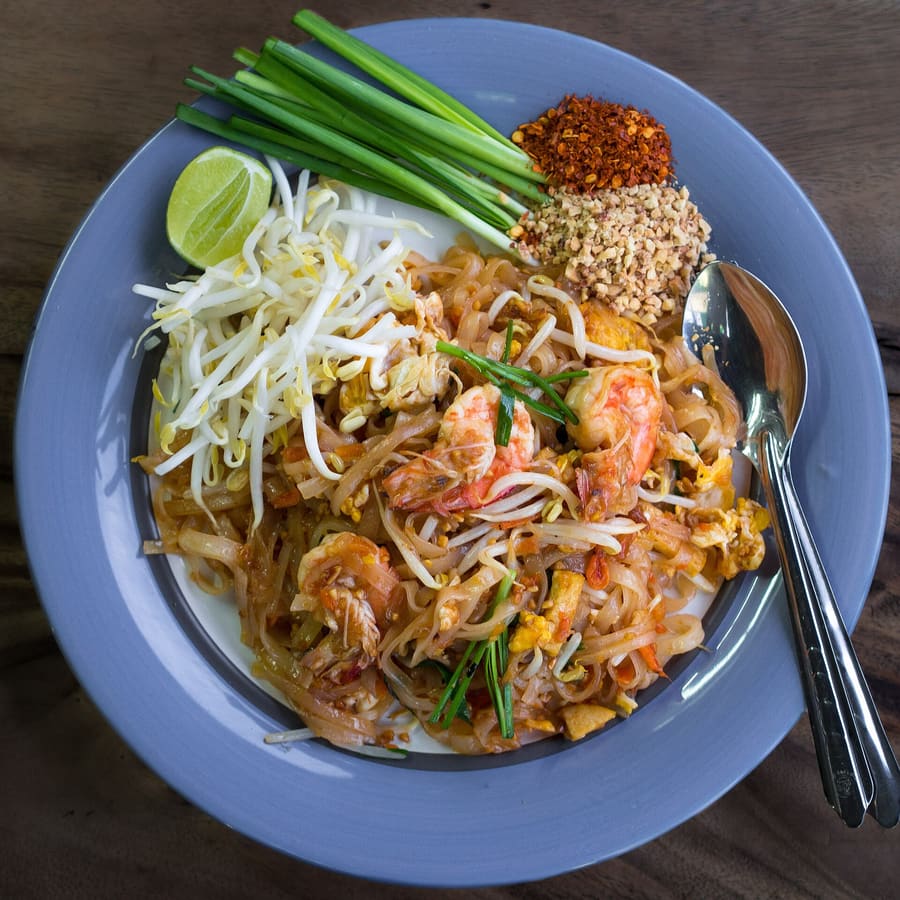
Traditional Sukhothai-style noodles served with crushed peanuts, lime, and long beans.
Takeaway · CC BY-SA 3.0highlights
landmark
Houses the 14th-century Phra Buddha Chinnarat. Remove shoes and dress conservatively before entering the main wihan.
Vraag Parley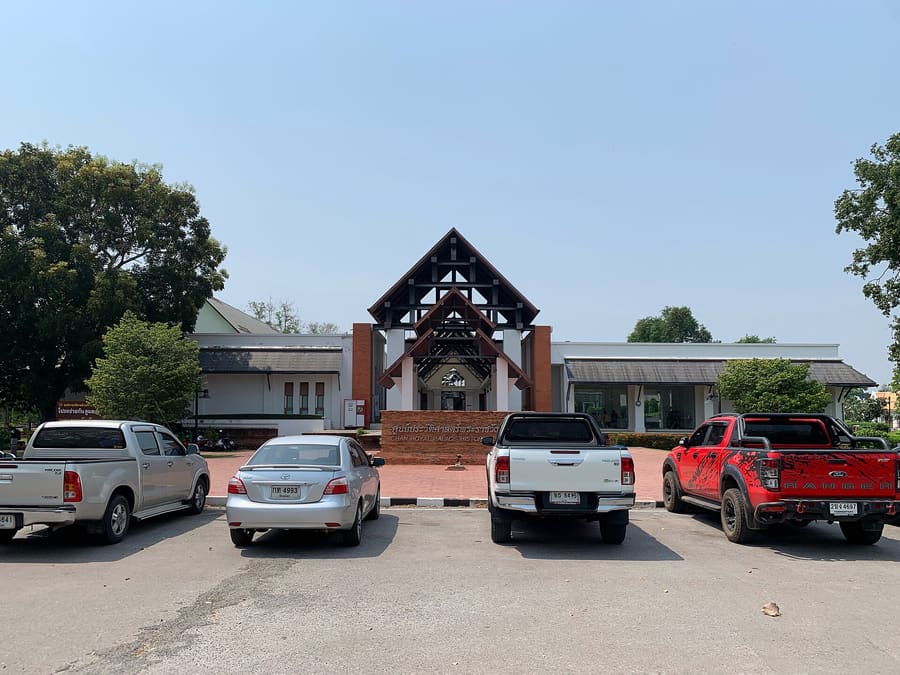
landmark
Birthplace of King Naresuan the Great with active excavations. Free entry to the adjacent historical display center.
Vraag Parley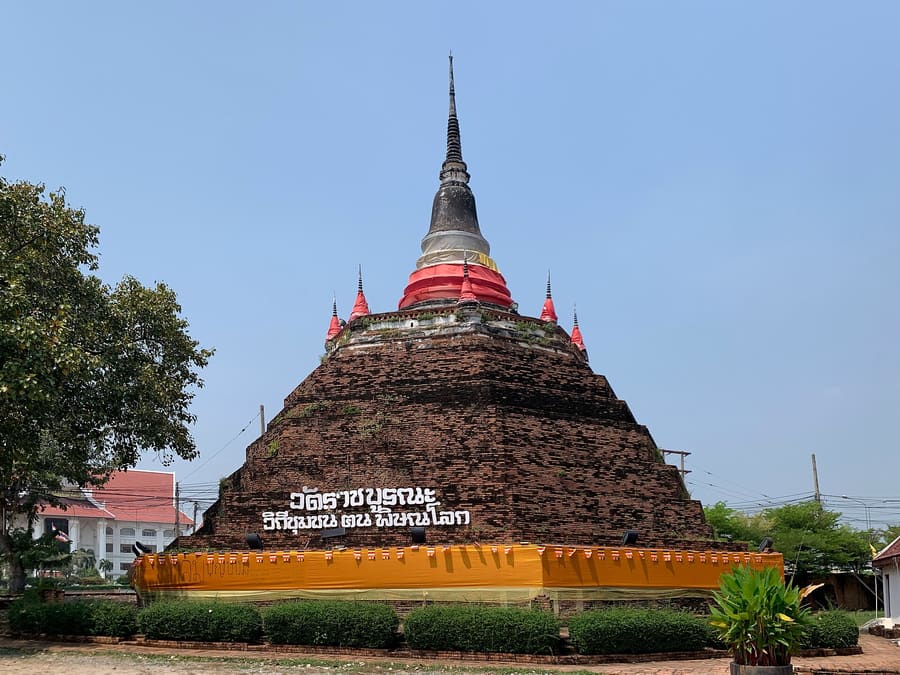
landmark
Features an old chedi and Sukhothai-era murals. Located directly south of Wat Yai across the main road.
Vraag Parley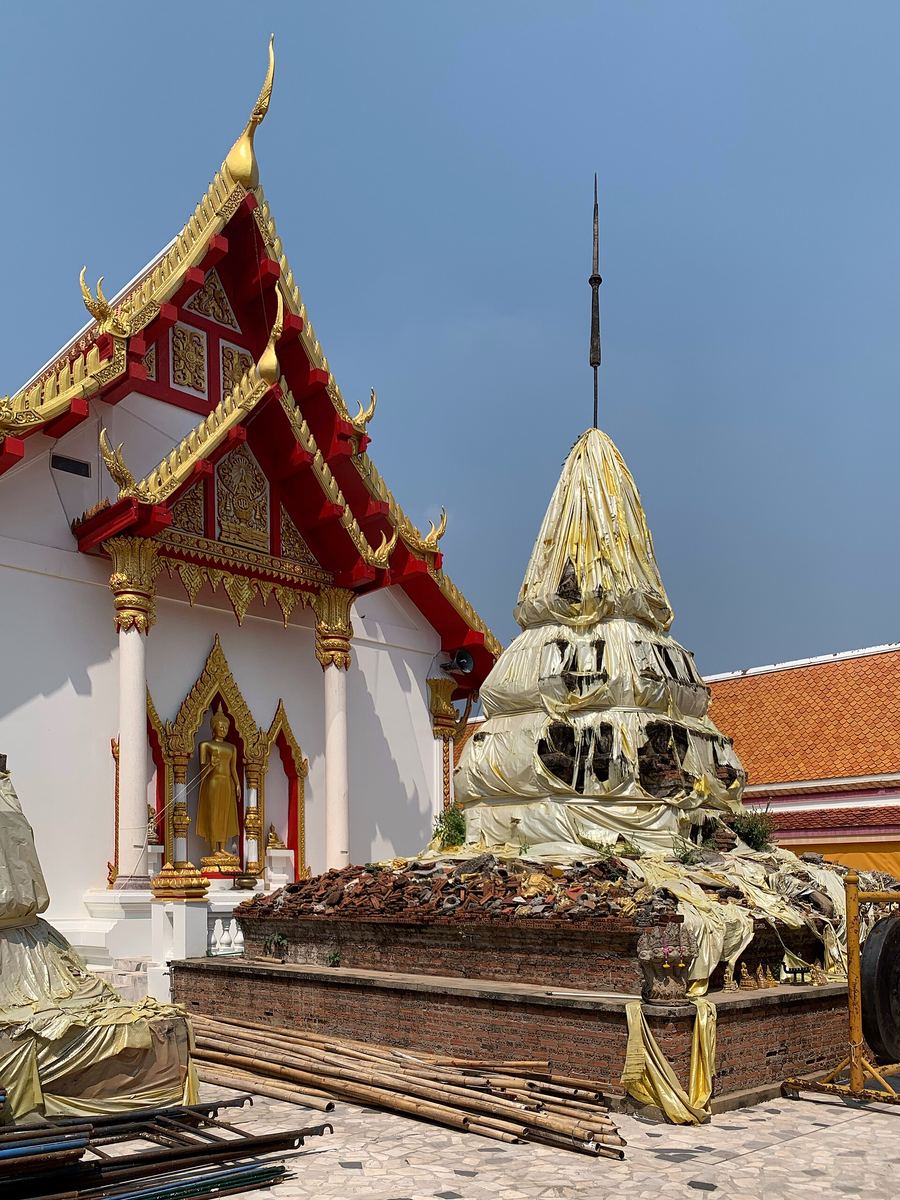
landmark
Adjacent to Wat Yai and famous for originating triangular Phra Nang Phaya amulets. Free to explore.
Vraag Parleyattractions
areas
Concentrated around major temples and riverside parkways. Walkable, traditional, and quiet after 20:00.
DichtbijWat Yai, Night Bazaar, Naresuan Bridge.
Vraag ParleyCommercial hub filled with local night markets, old shophouses, and budget stays. Active from dawn.
DichtbijPhitsanulok Railway Station, Morning Market.
Vraag ParleySuburban eastern exit leading toward national parks, lined with resort-style hotels and garden restaurants.
DichtbijRoute 12 to Phu Hin Rong Kla, Sakunothayan Waterfall.
Vraag ParleyResidential area with modern cafes and quiet alleyways along the western bank of the Nan River.
DichtbijNan River Park, Naresuan Shrine.
Vraag Parleyfood
Phitsanulok cooking centers on freshwater fish from the Nan River and Sukhothai-influenced noodle dishes. The famous floating raft restaurants along the Nan River in central Phitsanulok have been removed by local authorities as part of a river restoration and urban cleanup project; dining is now hosted in land-based establishments along the riverbank. Local cooks are famous for *Phak Boong Lurn Fah* (flying morning glory), stir-fried over high flames and thrown across the street into a waiter's plate.
Traditional Sukhothai-style noodles served with crushed peanuts, lime, and long beans.
Takeaway · CC BY-SA 3.0Try dry Sukhothai noodles topped with sliced pork, ground meat, green beans, and lime juice at Pa Dang Noodle near the river.
Order flying morning glory at Phak Boong Lurn Fah along the Nan River promenade after 18:00 to watch cooks launch vegetables over the road.
history
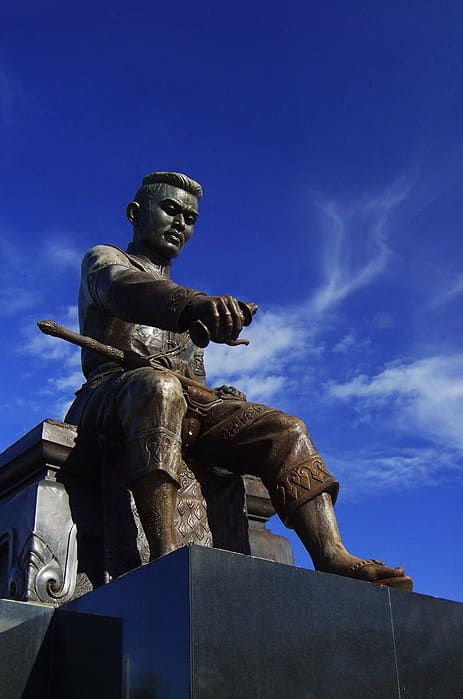
Founded during the Khmer era under the name Song Khwae, meaning 'Two Rivers', Phitsanulok developed as a vital stronghold between the northern high valleys and southern plains. It served as the capital of the Ayutthaya Kingdom for 25 years during the reign of King Borommatrailokanat in the 15th century. It is also the birthplace of King Naresuan, who liberated Siam from Burmese vassalage in 1584.
Casting of Buddha Chinnarat
King Maha Thammaracha I of Sukhothai orders the casting of Phra Buddha Chinnarat at Wat Yai.
Ayutthaya Royal Capital
King Borommatrailokanat moves the royal court from Ayutthaya to Phitsanulok during wars with Lanna.
Birth of King Naresuan
King Naresuan is born at Chan Royal Palace, later declaring independence from Burma.
Great Fire of Phitsanulok
A massive fire destroys the wooden downtown area, reshaping the modern city street grid.
where to stay
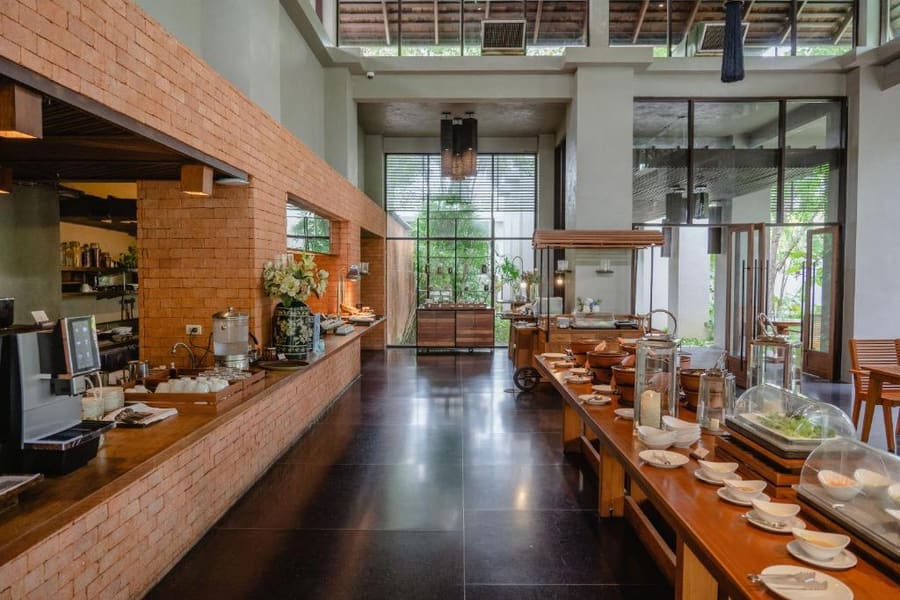
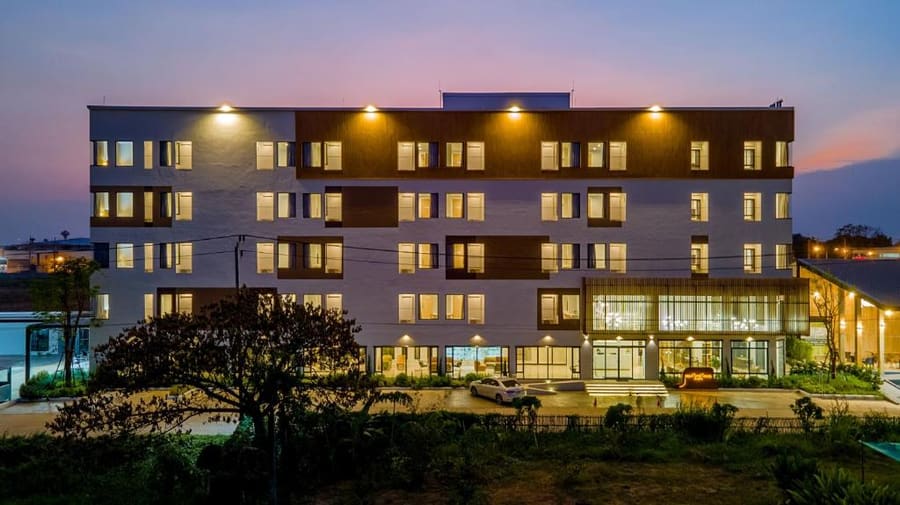
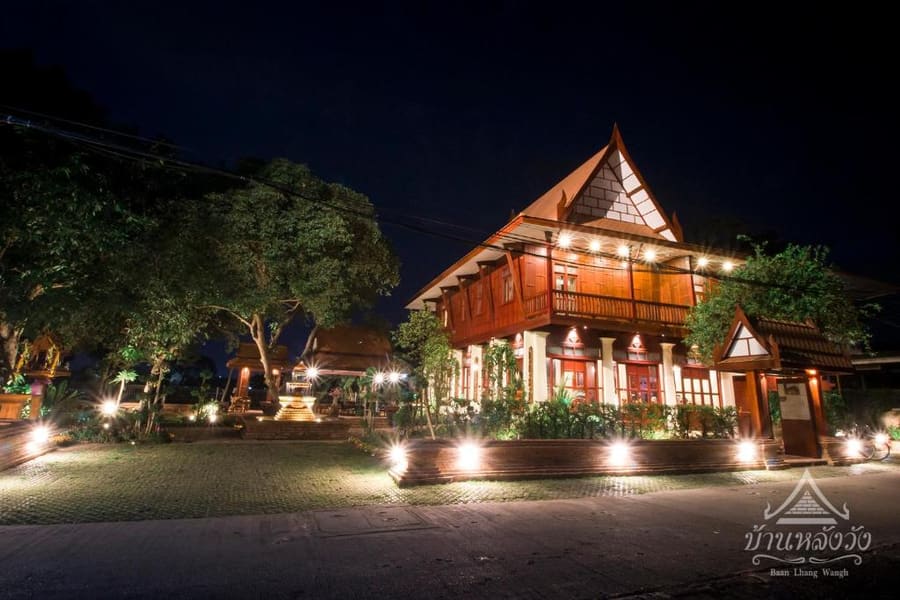
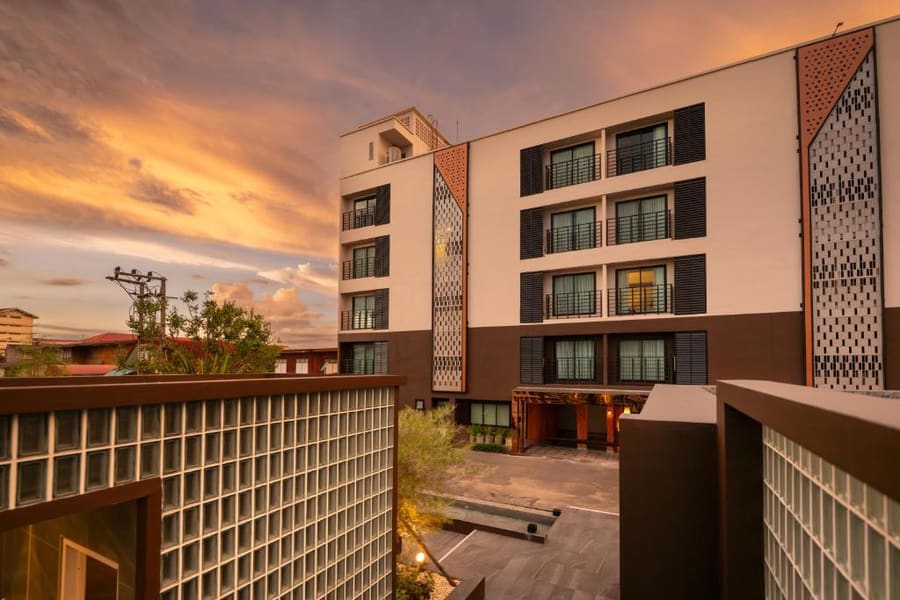
Choose your stay based on your transit plans and transit method. Riverside hotels on the East Bank put temple sightline access and evening night markets outside your door. Railway station area guesthouses suit travelers making early morning train connections to Chiang Mai or Bangkok.
Live rates, matched to the areas above.
transport
Phitsanulok sits on a flat river grid. Navigation is straightforward. Central sights on the east bank of the Nan River are easy to walk between, while songthaews and motorized rickshaws handle longer cross-town trips.
Vanaf Phitsanulok Airport (PHS)
Flat fare coupon system at airport terminal arrivals counter.
Grab operates reliably between airport and downtown.
Color-coded open-air buses run fixed routes across town for 10–20 THB. Flag them down along main roads.
Samlor motorized rickshaws do not use meters. Agree on 40–80 THB for short downtown trips before boarding.
Grab is widely available in Phitsanulok and avoids price haggling for non-Thai speakers.
Flat terrain makes the Nan riverbanks ideal for cycling. Many hotels rent bikes for 50 THB per day.
cost
Phitsanulok remains significantly cheaper than Chiang Mai or Bangkok. Expect local provincial prices across dining, transport, and lodging.
Local noodle shops charge basic street prices throughout the day.
Sergeant Major Thawee Museum entry fee supports local heritage preservation.
Standard flat fare per trip within central city zones.
Air-conditioned city rooms include breakfast at local rates.
seasonality
NOV – FEB
Cool, dry weather with daytime temperatures around 30°C. Best time for temple walking and outdoor exploring.
MAR – MAY
Intense heat regularly exceeds 38°C. Plan all sightseeing for early mornings or late afternoons.
JUN – OCT
Monsoon rains bring frequent afternoon downpours. High river levels make riverside dining scenic.
practicalities
Cover shoulders and knees when visiting Wat Yai. Slip-on shoes save time at temple entrances.
Monks walk along Naresuan Bridge and Buddha Bucha Road around 06:00 for morning donations.
Street vendors, songthaews, and small noodle shops accept cash only. ATMs are abundant along Buddha Bucha Road.
Most retail shops close by 20:00. Nightlife centers around night market food stalls along the river.
Annual riverboat races take place on the Nan River in October at the end of Buddhist Lent.