landmark
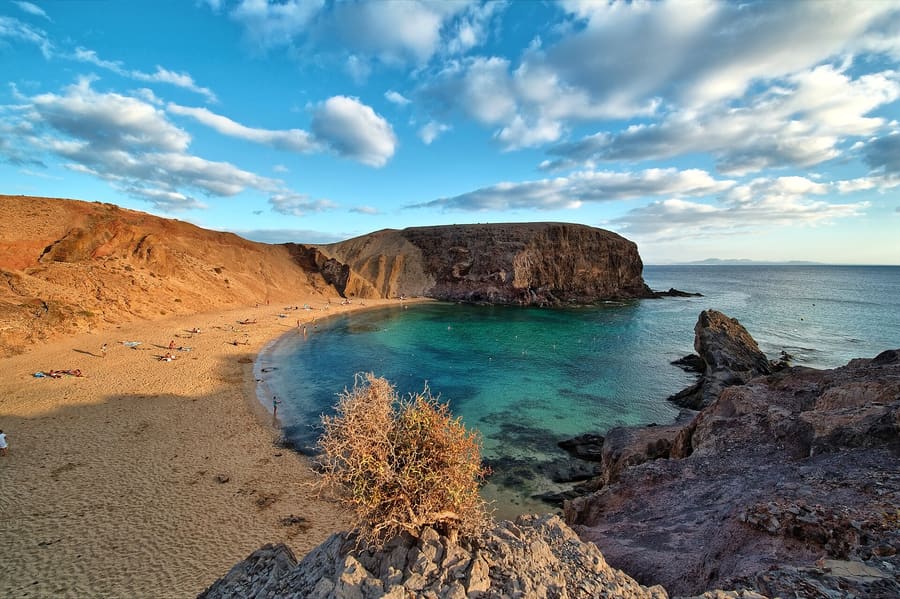
Playa de Papagayo
A series of protected shell-shaped coves inside a nature reserve. Drivers pay €3 at the dirt road gate.
Vraag ParleySpanje
A wind-sculpted resort town on Lanzarote's southern tip.
introduction
Playa Blanca anchors the southern end of Lanzarote. A nine-kilometre promenade links its volcanic bays, fishing harbour, and yacht marina. High winds blow hard across the low plain, but the south-facing coves stay calm. You come here to move slowly between clear water and outdoor tables.
Airport direct bus
Bus line 161 runs directly from Arrecife Airport to Playa Blanca harbour. It costs €3.30 and takes 50 minutes.
Biosphere reserve
UNESCO declared the entire island of Lanzarote a Biosphere Reserve in 1993. Strict planning laws limit building heights.
Fuerteventura crossing
Ferries depart the central port for Fuerteventura every hour. The crossing takes 25 to 35 minutes depending on the ship.
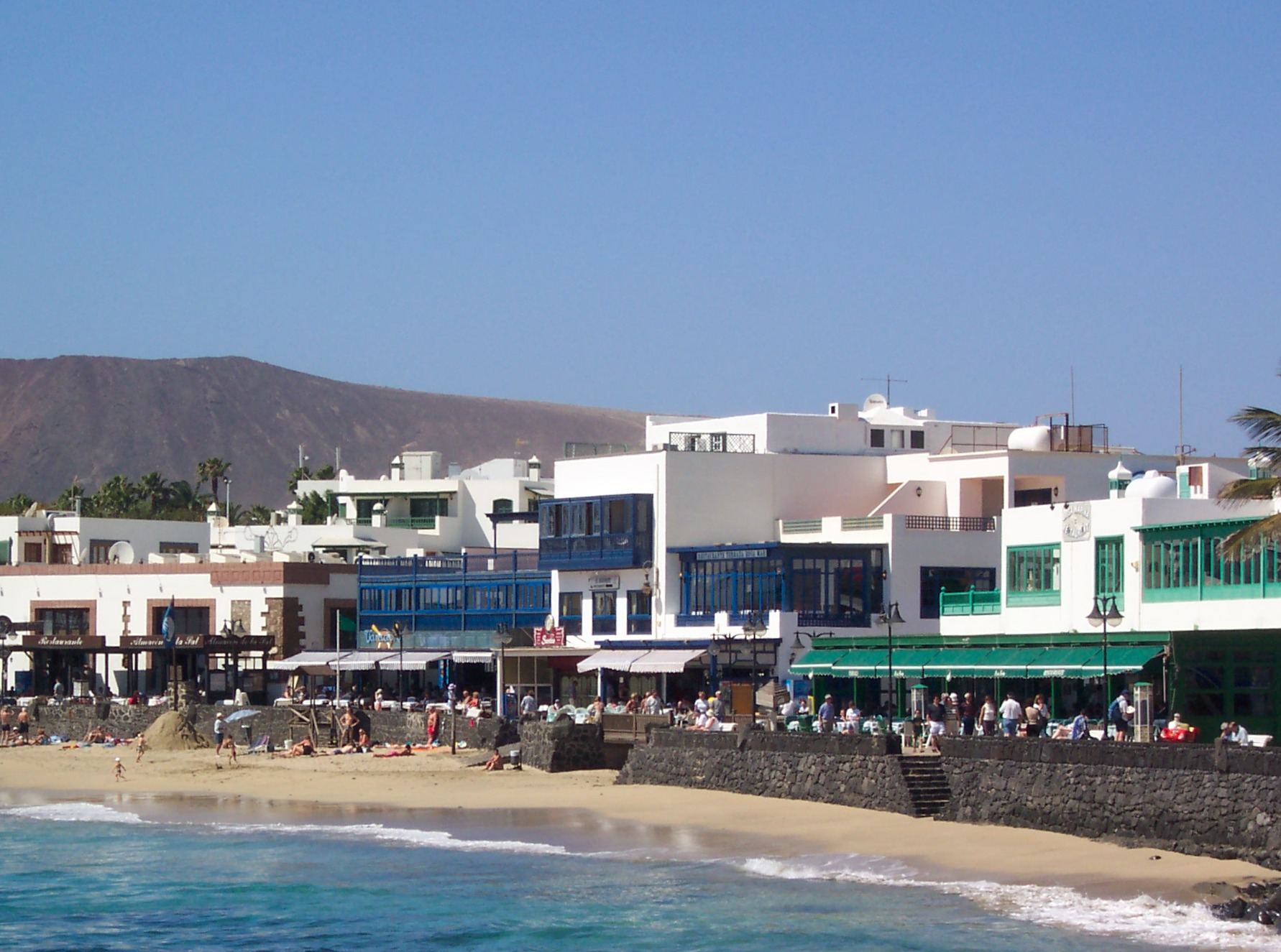
Playa Blanca
Pedro caba · CC BY-SA 3.0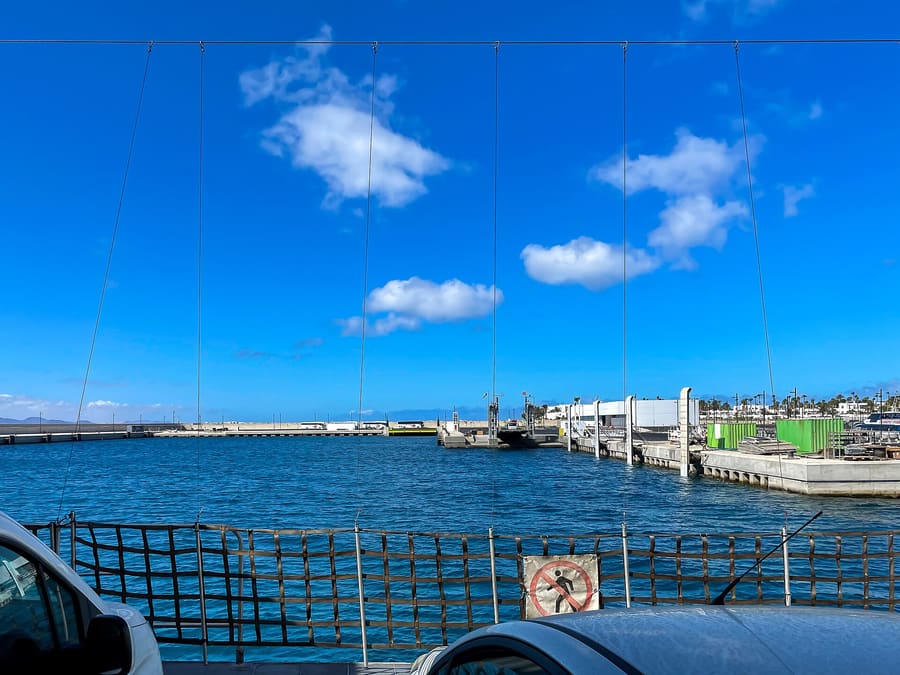
Centro & Harbour — Pedestrian shopping streets, ferry docks, and traditional seafood restaurants along the shoreline.
Photograph by Mike Peel (www.mikepeel.net). · CC BY-SA 4.0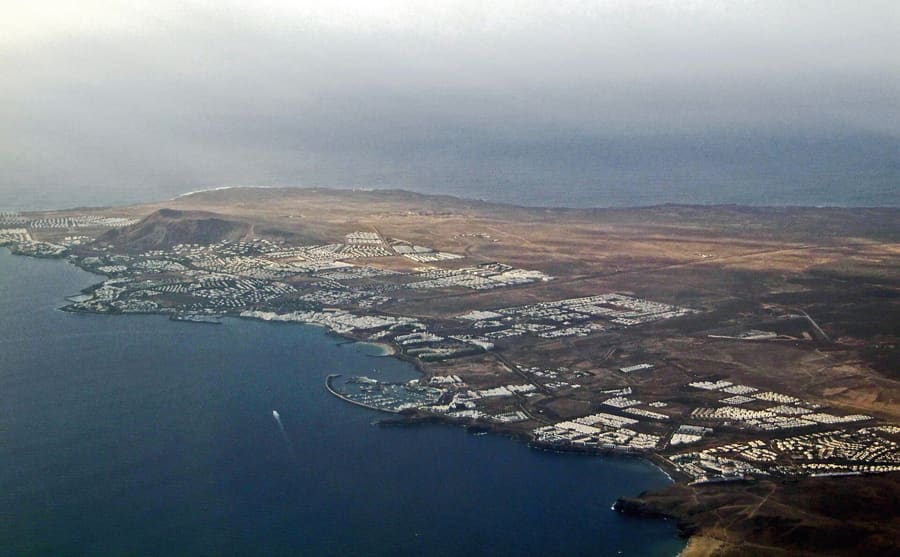
Marina Rubicón — Polished harbour area with lounge bars, craft stalls, and upmarket resort hotels.
Michiel1972 · CC BY-SA 3.0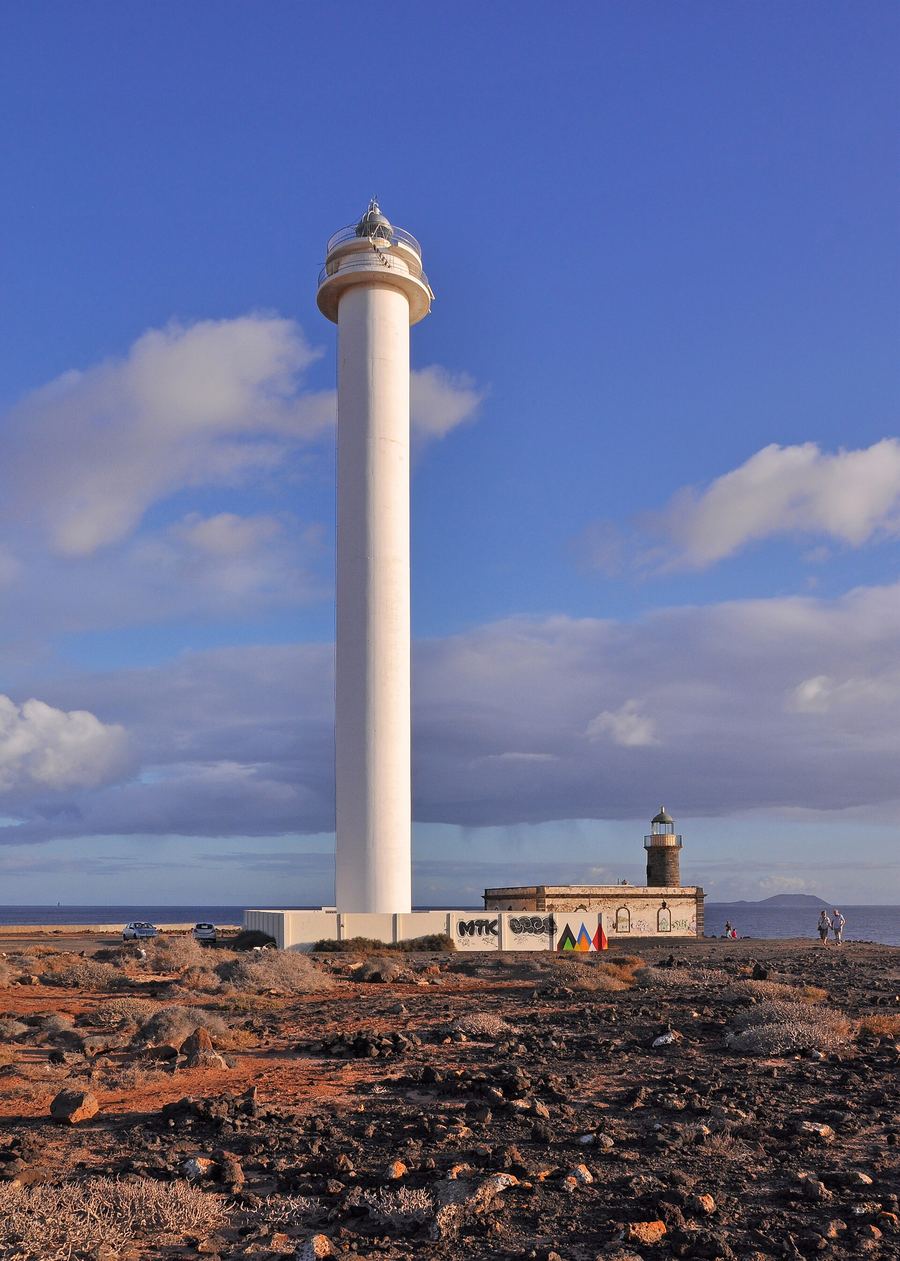
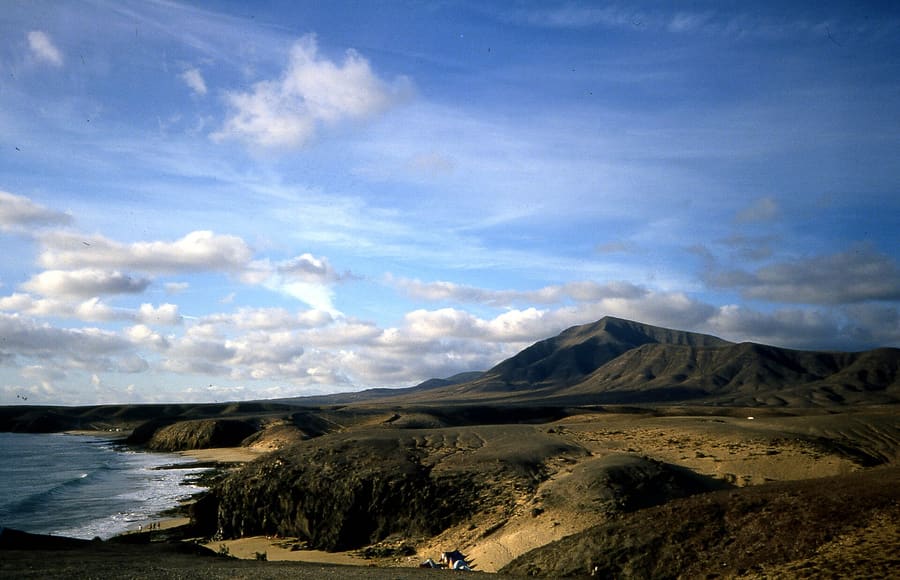
Faro Park — Sprawling residential neighborhood around the volcano base with small local plazas.
Marc Ryckaert (MJJR) · CC BY 3.0highlights
landmark
A series of protected shell-shaped coves inside a nature reserve. Drivers pay €3 at the dirt road gate.
Vraag Parleylandmark
A modern yacht harbour lined with restaurants and shops. Markets open on Wednesday and Saturday mornings.
Vraag Parley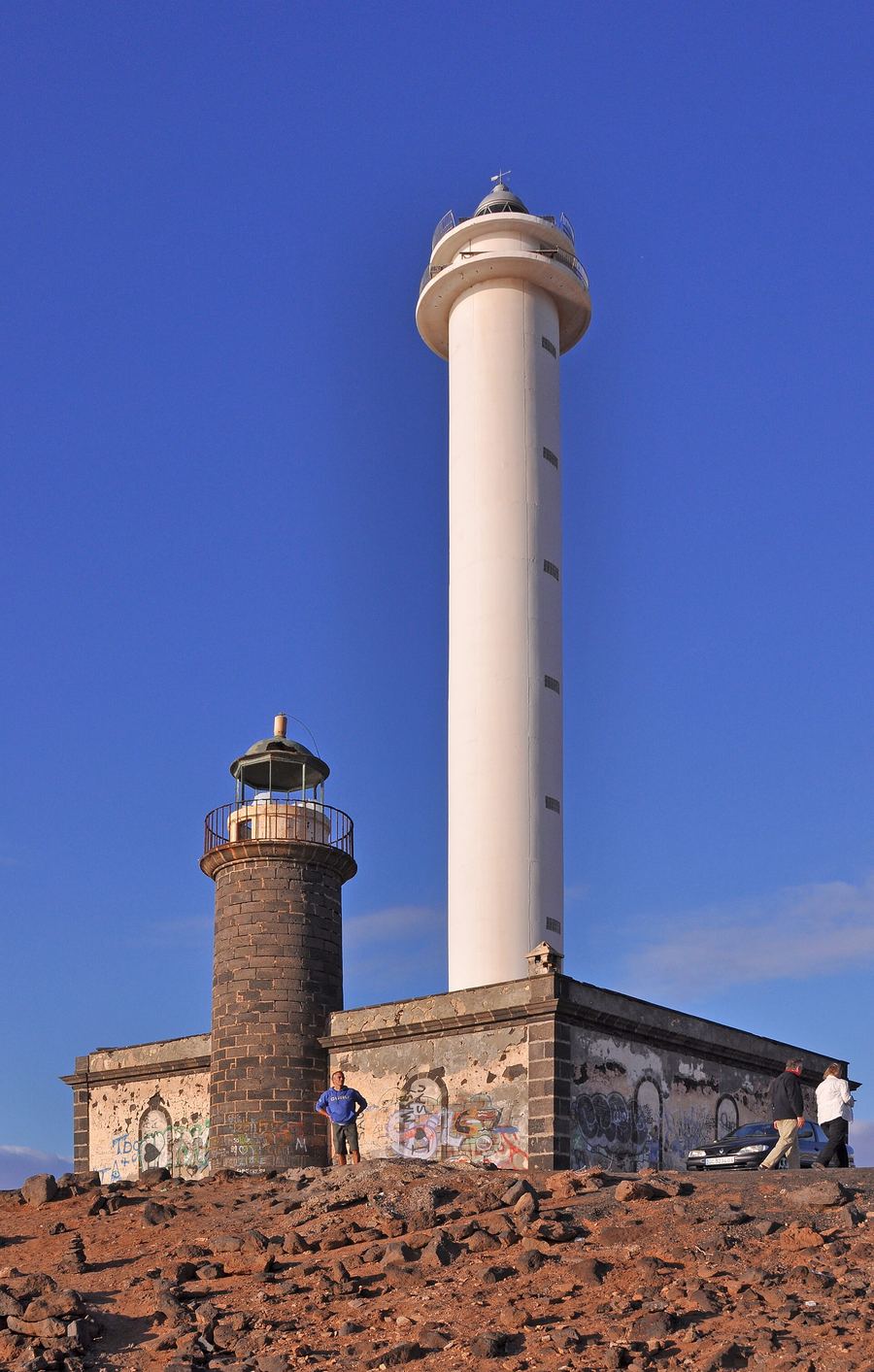
landmark
Two lighthouses mark the island's western tip. Walk the paved coastal promenade to reach them at sunset.
Vraag Parleyattractions
areas
Pedestrian shopping streets, ferry docks, and traditional seafood restaurants along the shoreline.
DichtbijPlaya Flamingo and Playa Dorada beaches.
Vraag ParleyPolished harbour area with lounge bars, craft stalls, and upmarket resort hotels.
DichtbijCastillo de las Coloradas and east promenade.
Vraag ParleySprawling residential neighborhood around the volcano base with small local plazas.
DichtbijMontaña Roja crater and Pechiguera light.
Vraag ParleyQuiet eastern suburb of low-rise residential complexes bordering raw volcanic hills.
DichtbijLos Ajaches reserve and Papagayo coves.
Vraag Parleyfood
Coastal menus in Playa Blanca centre on fresh ocean catch and local crops. Fishermen supply old harbour kitchens daily with lapas (limpets grilled with green herb sauce) and vieja (parrotfish boiled whole or pan-fried). You eat these dishes alongside papas arrugadas, small potatoes boiled in salted water until dry and crusted. Local cooks serve them with garlic-rich red mojo picon or cilantro mojo verde.Volcanic ash soil across the La Geria region produces distinctive Malvasía Volcánica wines. Dry white vintages carry mineral acidity that complements grilled octopus and sea bass. You find authentic fish taverns along Calle Limones and around the old port, where day boats land their stock.
Ask for parrotfish cooked 'a la espalda' (butterflied on the grill). Port restaurants list it by weight.
Harbour kitchens serve full warm meals from 13:30 to 16:00. Dinner service starts around 20:00.
history
Playa Blanca began as a small fishing outpost for the inland town of Yaiza. English and Barbary pirate raids along the southern channel forced the Spanish crown to build watchtowers in the 18th century. Volcanic eruptions between 1730 and 1736 reshaped the surrounding terrain completely, burying farmland under thick ash fields. Tourism development took off in the late 20th century under strict building guidelines influenced by local artist César Manrique.
Norman landing
Jean de Béthencourt lands at Rubicón, establishing the first European settlement on Lanzarote.
Tower defence
Castillo de las Coloradas is built on the headland to protect the south coast from pirate raids.
First lighthouse
The original Pechiguera lighthouse lights up to guide ships navigating the Bocaina Strait.
UNESCO protection
Lanzarote receives UNESCO Biosphere Reserve status, capping hotel heights across Playa Blanca.
where to stay
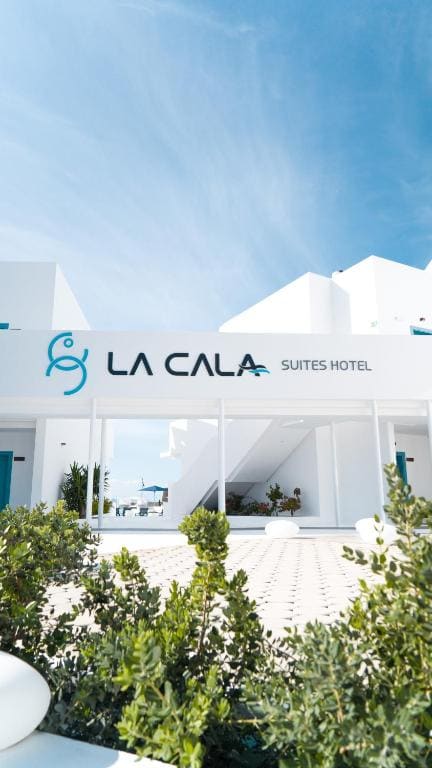
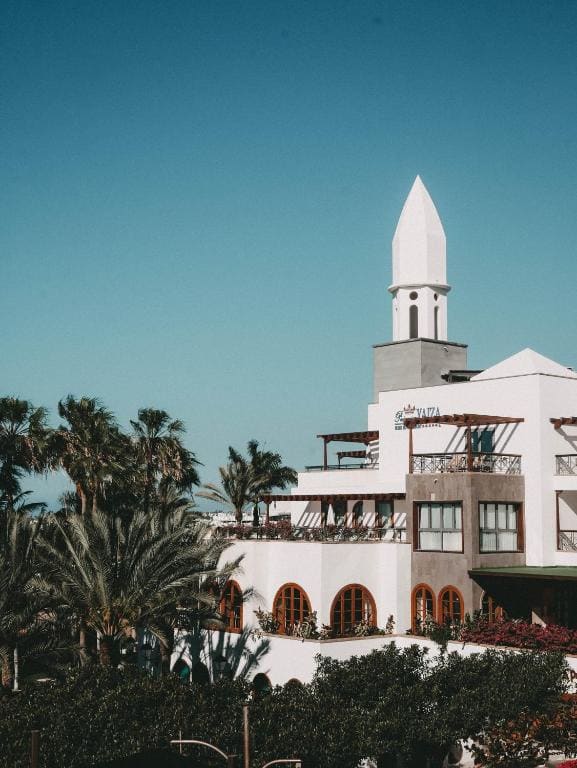
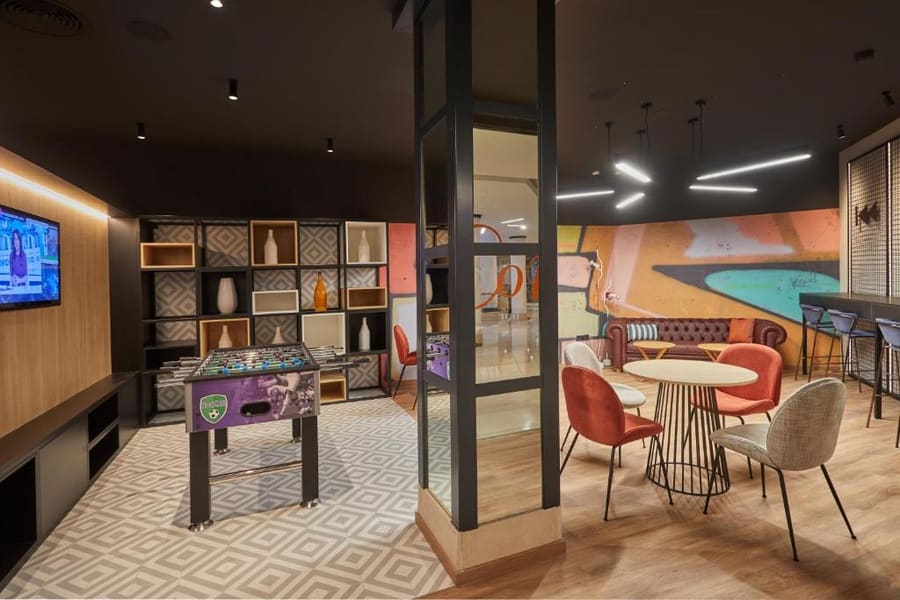
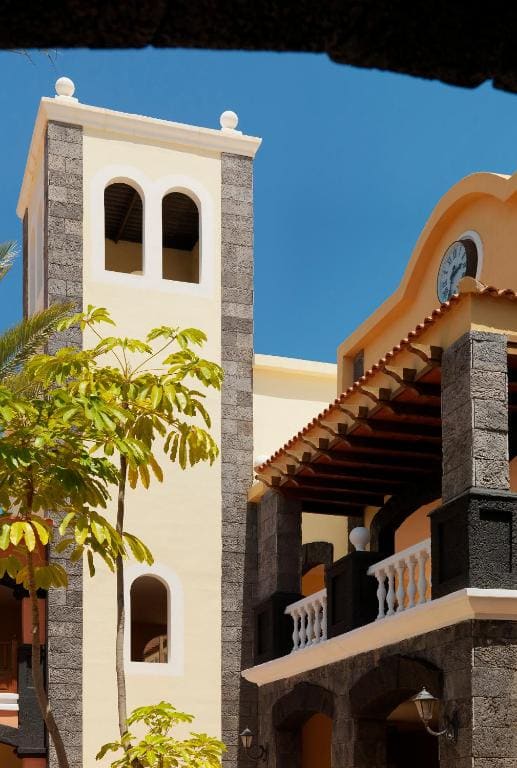
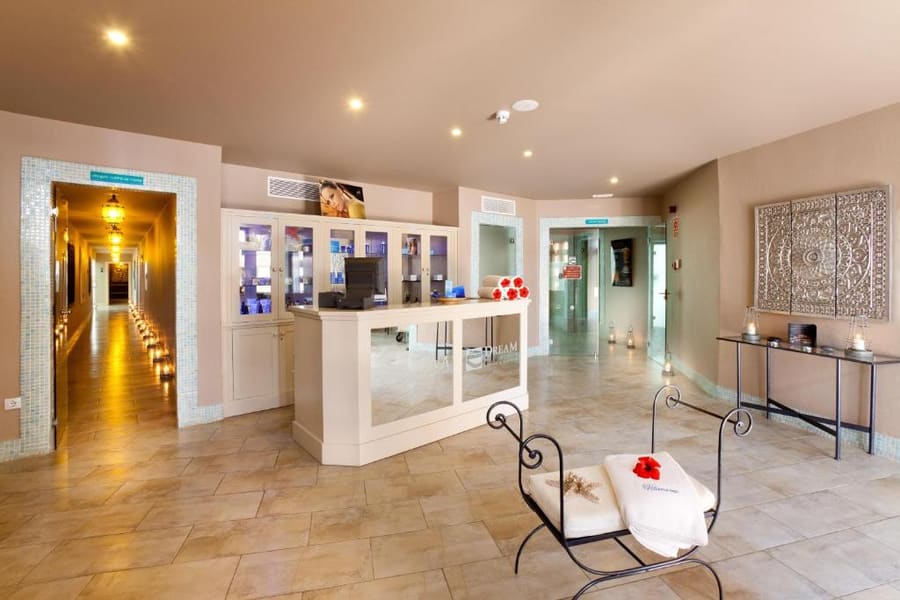
Choose your base by how you want to move. Stay in Centro if you want direct access to ferries, public buses, and old-town seafood spots without hiring a car. Choose Marina Rubicón for high-end resort amenities and evening harbour walks. Head to Las Coloradas for quiet nights near Papagayo's wild beaches, or pick Faro Park for private villa rentals with volcanic views.
Live rates, matched to the areas above.
transport
Playa Blanca sits 30 kilometres south of César Manrique Lanzarote Airport (ACE). A continuous ocean promenade connects the town's east and west ends for pedestrian walking. Local bus line 30 loops between Faro Park, the central bus station, and Las Coloradas every 30 minutes.
Vanaf César Manrique Lanzarote Airport (ACE)
Line 161 runs direct from Terminals 1 and 2 to Playa Blanca bus station.
Official rank sits outside arrivals. Night and Sunday meter rates run 15% higher.
This local circle route links Faro Park and Las Coloradas. Cash fare is €1.40 paid to the driver.
Buy a rechargeable contactless bus card at the station for 20% off all intercity bus fares.
The paved coastal path runs unbroken for nine kilometres. It is flat and lit at night.
Ranks sit at the ferry terminal, Marina Rubicón, and Calle Limones. Drivers use official meters.
cost
Prices reflect Playa Blanca's resort status, but casual local bars offer good value. Dining at Marina Rubicón carries a premium compared to small taverns behind the harbour. Car rentals booked directly at the airport stay low compared to mainland Spain.
Charge per car at the dirt road entrance gate. Cash or card accepted.
Served with red and green mojo sauces in most traditional taverns.
Pints of Spanish lager cost more along the front-line promenade.
Set rate per day on Playa Dorada and Playa Flamingo.
seasonality
DEC – FEB
Warm winter sun with sea temperatures around 19°C. Northern Europeans fill hotels early.
MAR – MAY
Mild weather and steady trade winds. Clear skies make this ideal for coastal walking.
JUN – AUG
Hot summer days with ocean water hitting 22°C. High tourist season brings busy beaches.
SEP – NOV
Warmest sea water of the year and lighter winds. Calmest conditions for ocean swimming.
practicalities
The breeze masks strong sun exposure. Apply high SPF sunscreen even when wind feels cool.
Northeast trade winds blow steadily. Central coves face south and offer natural wind protection.
Cards are accepted almost everywhere. Keep small cash notes for local buses and street markets.
Supermarkets and resort shops stay open all day. Independent stores close 13:30 to 16:30.
Desalinated tap water is safe for cooking but tastes salty. Buy bottled water for drinking.