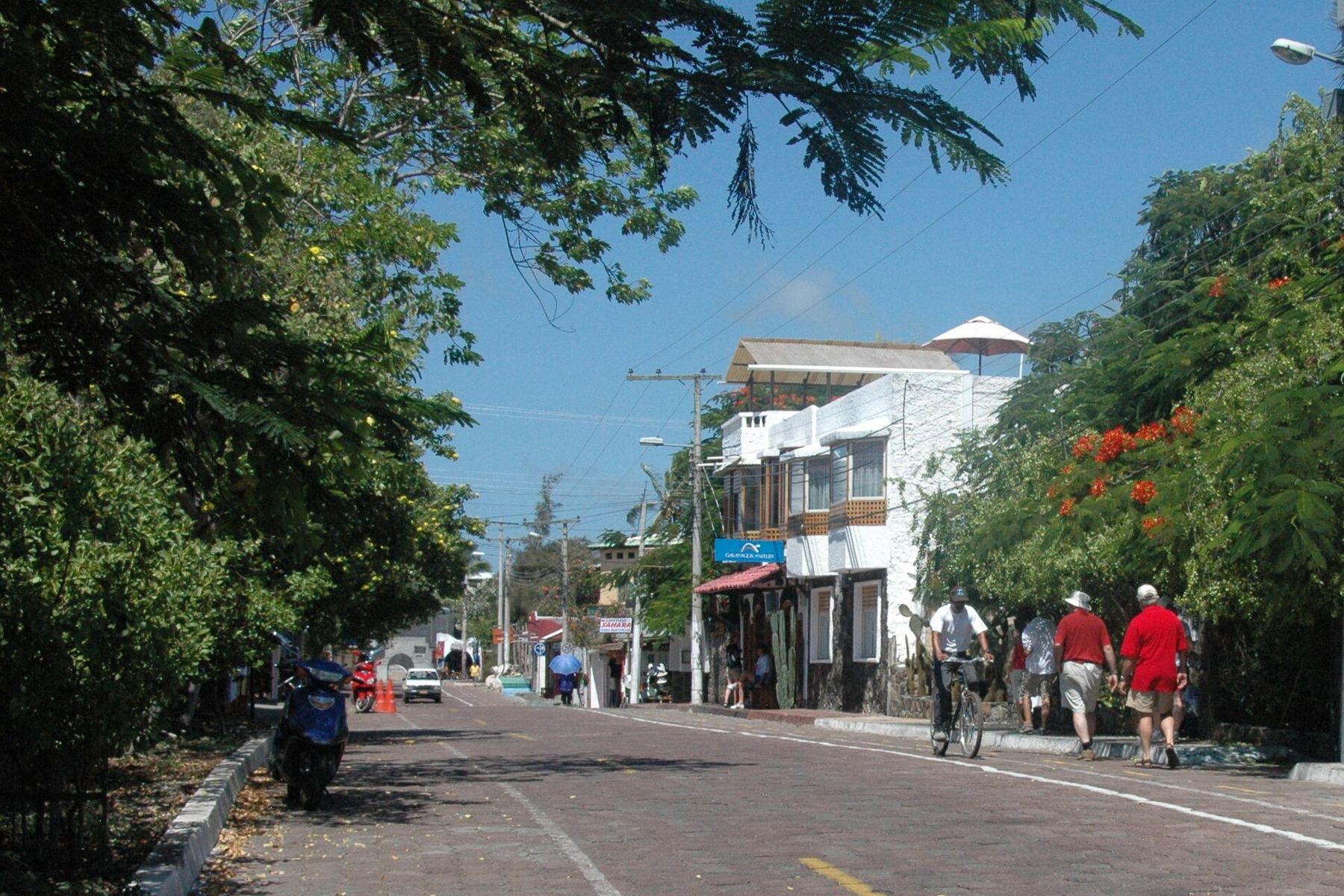
landmark
Charles Darwin Research Station
Breeding centre for giant tortoises. Walk the educational trail early to see hatchlings before mid-day heat takes over.
Vraag ParleyEcuador
The working port and logistics brain of the Galápagos.
introduction
Puerto Ayora is a coastal seaport on Academy Bay, a working town, and the primary base for independent exploration on Santa Cruz Island. Avenida Charles Darwin anchors town life, stretching from the boat docks past fish stalls to scientific research compounds. You move around on foot, by two-dollar white pickup taxis, or via quick water taxis across the bay. Expect sun-baked basalt streets, sea lions sleeping on public benches, and strict environmental controls.
Arrival trick
Pay the $20 TCT card at Quito or Guayaquil airport before security. Bring $200 cash for the national park entry fee at Baltra.
Recognition
UNESCO declared the Galápagos Islands a World Heritage site in 1978 for its unique evolutionary ecology.
Planning trick
Book day boats to uninhabited islands like Bartolomé weeks ahead. Daily park permits strictly limit passenger counts.
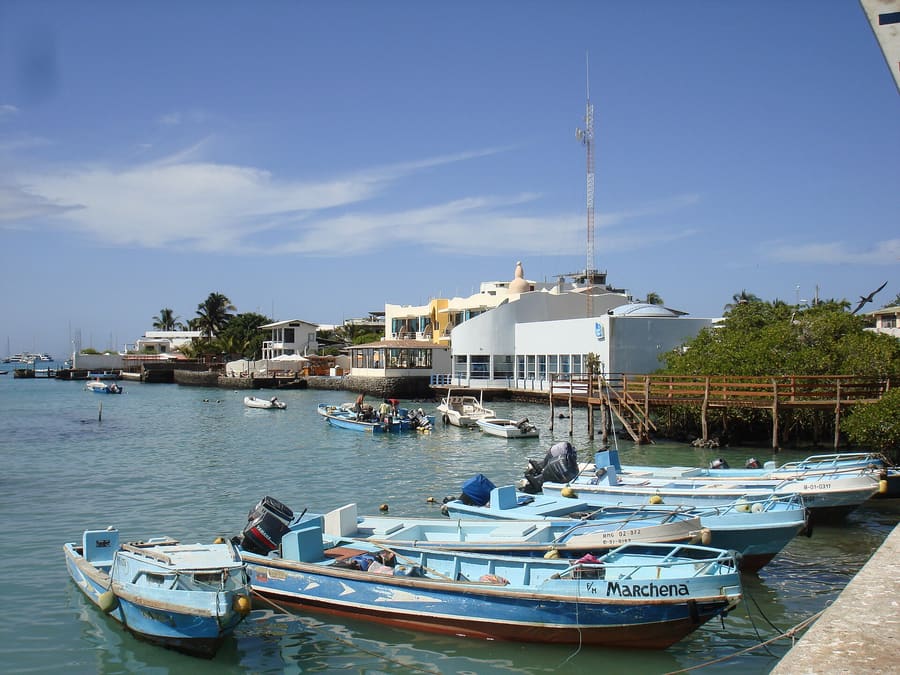
Puerto Ayora
Pete from USA · CC BY-SA 2.0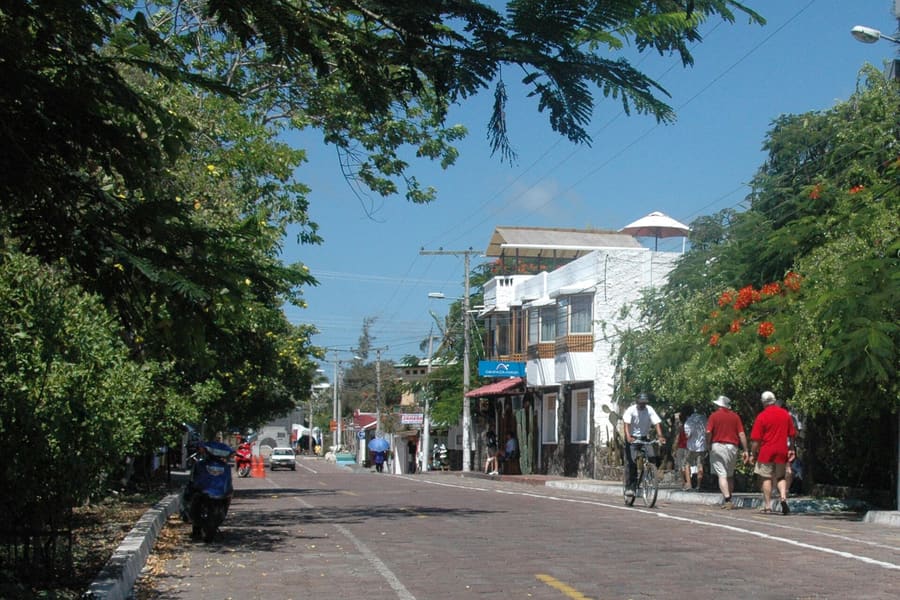
Malecón & Pelikan Bay — Active harbour strip with travel agencies, dive shops, and waterfront restaurants.
David Broad · CC BY 3.0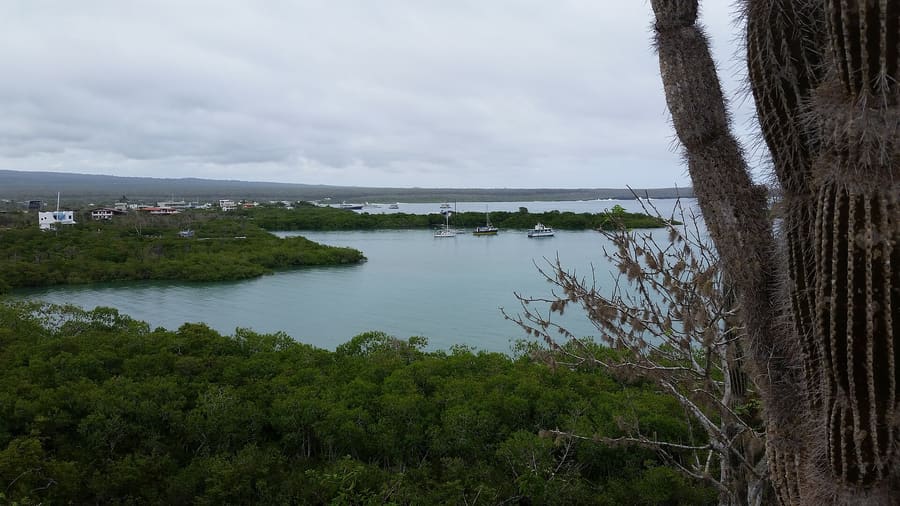
Punta Estrada — Car-free residential enclave across the bay reached only by water taxi.
Pi3.124 · CC BY-SA 4.0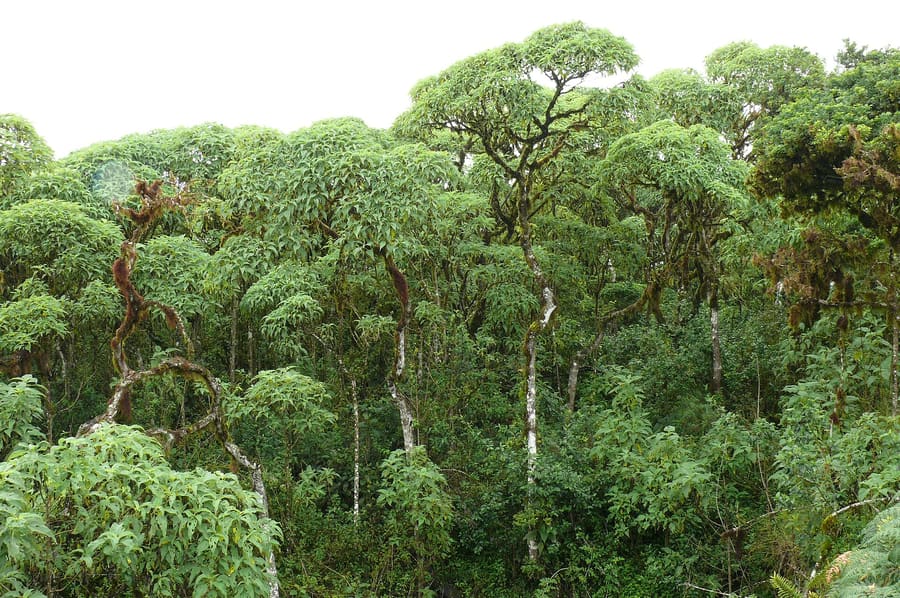
Santa Cruz Highlands — Cooler rural agricultural zone surrounding Bellavista and volcano slopes.
Haplochromis · CC BY-SA 3.0highlights
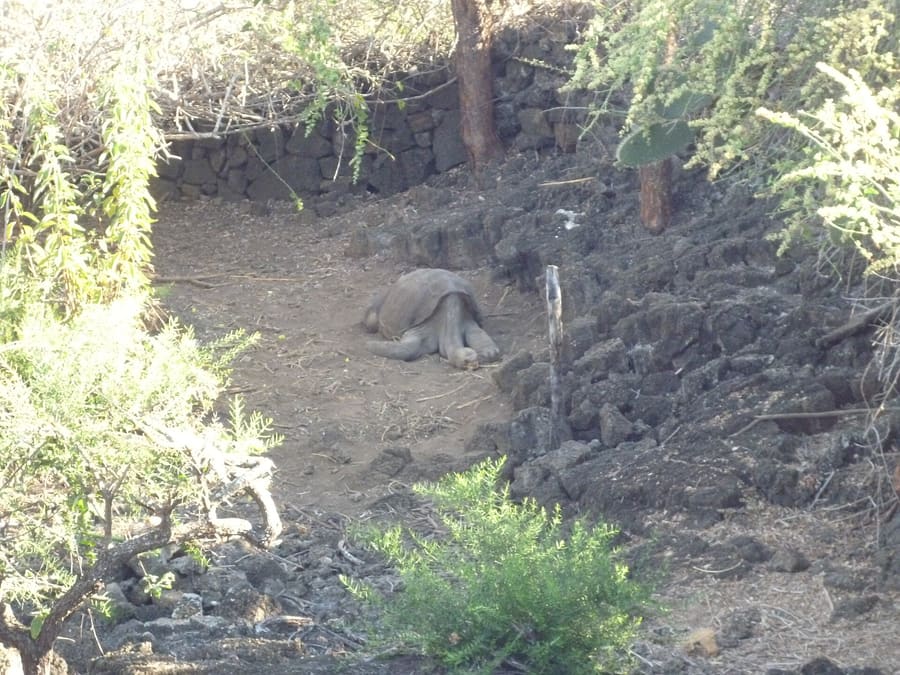
landmark
Breeding centre for giant tortoises. Walk the educational trail early to see hatchlings before mid-day heat takes over.
Vraag Parley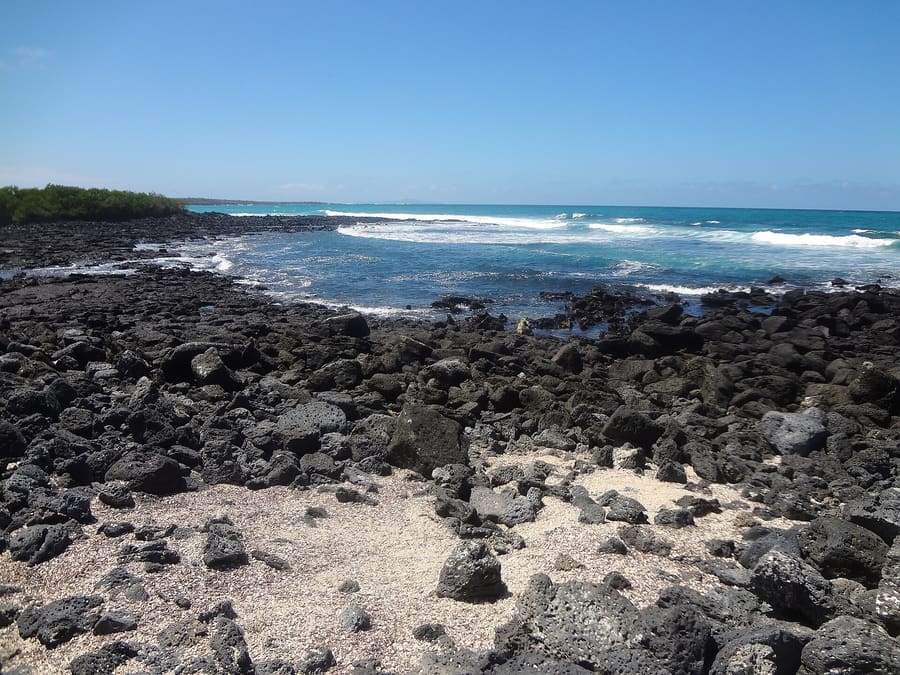
landmark
A paved path leads to white coral sand and marine iguanas. Ocean swimming is safe only at the far mangrove lagoon.
Vraag Parley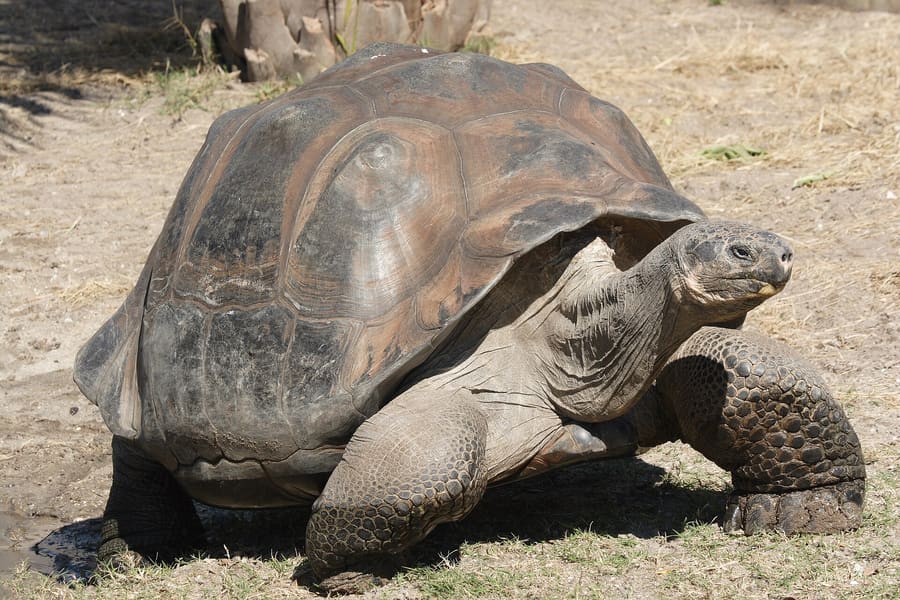
landmark
Wild giant tortoises roam freely through highland pastures and lava tunnels. Rent rubber boots at the entrance during muddy months.
Vraag Parleyattractions
areas
Active harbour strip with travel agencies, dive shops, and waterfront restaurants.
DichtbijPelican Bay Fish Market and passenger docks
Vraag ParleyLow-rise residential neighbourhood centered around Calle Baltra and local stores.
DichtbijLos Kioskos and local supermarket
Vraag ParleyCar-free residential enclave across the bay reached only by water taxi.
DichtbijPlaya de los Alemanes and Las Grietas path
Vraag ParleyCooler rural agricultural zone surrounding Bellavista and volcano slopes.
DichtbijEl Chato Reserve and lava tubes
Vraag Parleyfood
Puerto Ayora eats straight from the Pacific. Dining centers around Calle Charles Binford, known locally as Los Kioskos, where vehicle traffic closes at dusk and plastic tables fill the street. Fishermen bring daily catches of brujo (scorpionfish), albacore tuna, and seasonal spiny lobster directly to open charcoal grill stations.
Arrive around 18:30 when vendors fire up charcoal grills. Select fresh whole catch off the ice before tables fill up.
Spiny lobster is strictly regulated. The fishing season typically runs July through December; eating fresh lobster outside these dates violates conservation laws.
Kiosks and family eateries on Calle Baltra do not accept credit cards. Always keep $5 and $10 bills for dinner.
history
Puerto Ayora grew from a tiny fishing settlement into the most populous city and economic hub of the Galápagos Islands, while Puerto Baquerizo Moreno on San Cristóbal Island serves as the administrative capital. Norwegian settlers attempted canned fish operations in the 1920s, but fresh water scarcity capped early growth. The establishment of the Charles Darwin Research Station in 1959 anchored conservation science, transforming the town into a hub for international research and regulated tourism.
Norwegian settlement
European colonists arrive in Academy Bay, attempting fishing and canning ventures that establish permanent municipal roots.
Darwin Foundation established
The Charles Darwin Foundation creates its research station, turning Puerto Ayora into an international scientific research hub.
UNESCO Listing
Galápagos becomes one of the world's first UNESCO World Heritage sites, introducing strict island development controls.
Special Law enacted
Ecuador passes the Special Law for Galápagos, capping permanent residency and establishing strict immigration controls.
where to stay
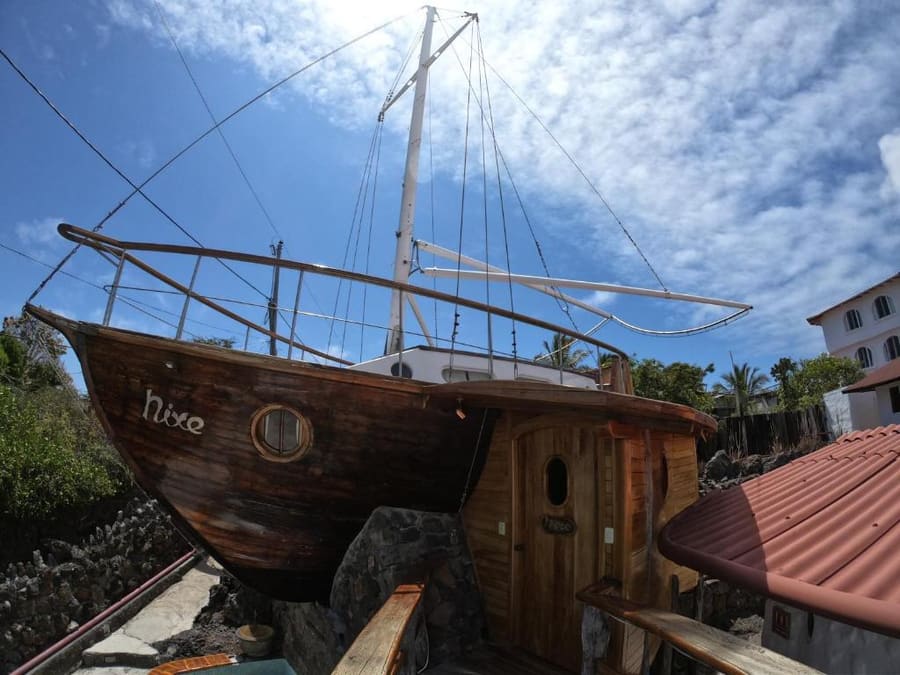
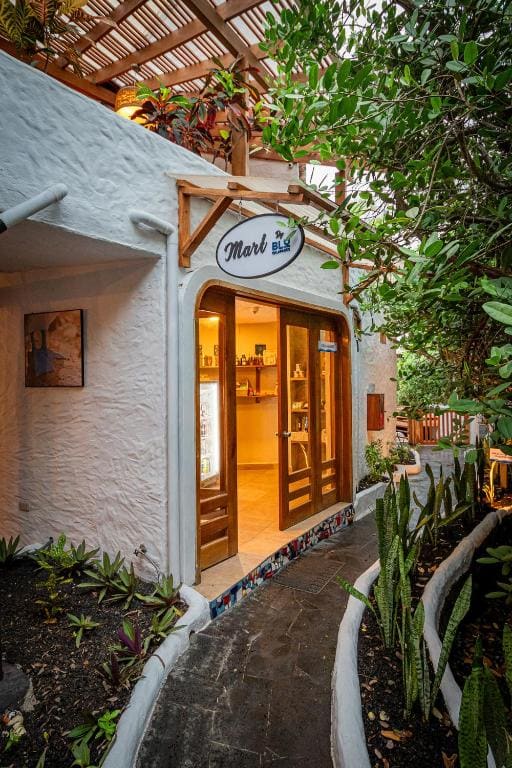
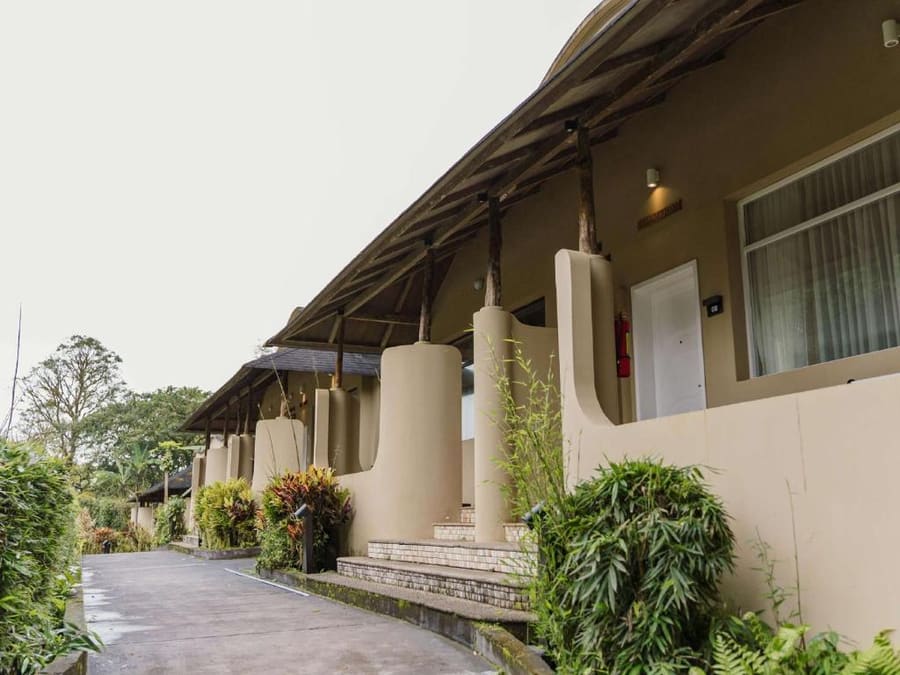
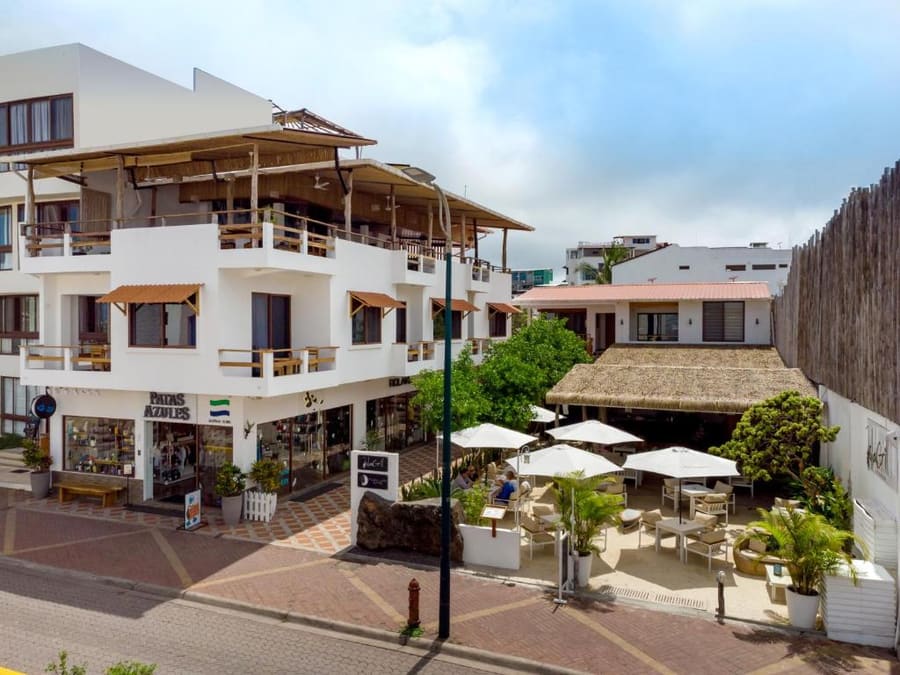
Choose your base by your daily schedule. Island hoppers and day-boat divers should stay near the main pier along Av. Charles Darwin. Travellers seeking quiet should cross the harbour to Punta Estrada, while budget-conscious visitors do better inland near Calle Baltra.
Live rates, matched to the areas above.
transport
Puerto Ayora is compact and walkable. For longer trips across town or into the highlands, white pickup truck taxis are readily available. Reaching the town from Baltra Airport requires three transit steps across land and water.
Standard taxis in town are white crew-cab trucks. Flat rate within town bounds is $2.00.
Small yellow water taxis ferry passengers between piers and boats for $1.00 per person ($1.50 after dark).
Public speedboats to Isabela or San Cristóbal depart twice daily at 07:00 and 15:00. Book tickets at least a day prior.
Buses, water taxis, and pickup trucks only take US dollar cash. Drivers cannot break $20 bills.
cost
Puerto Ayora uses the US Dollar. Shipping goods from mainland Ecuador makes island living 30% to 50% more expensive than Quito or Guayaquil. Cash is required for all public transport, street markets, and national park entry fees.
Paid in cash upon arrival at Baltra Airport.
Purchased at Quito or Guayaquil airport before boarding island flights.
Covers full-day guided boat trips to uninhabited islands including equipment and lunch.
Flat rate for any trip within the urban area of Puerto Ayora.
seasonality
JAN – MAY
Warm and rainy season. Calmer seas, clear ocean visibility, and warm ocean temperatures ideal for snorkeling.
JUN – AUG
Garúa season begins. Cooler weather, choppier seas, and high surge, but marine life activity increases.
SEP – NOV
Cold water currents dominate. Coolest water temperatures of the year require 3mm wetsuits, but sea lion pups are active.
DEC – DEC
Transition period. Temperatures rise and holiday crowds surge; advance bookings are mandatory.
practicalities
ATMs exist along Av. Charles Darwin but frequently run out of cash on weekends. Carry backup cash from the mainland.
Single-use plastic bottles and bags are banned in the Galápagos. Carry a reusable water bottle.
Rent mask, fins, and wetsuit in town shops rather than paying higher day-of prices on tour boats.
Equatorial sun is extremely severe even on overcast garúa days. Use reef-safe sunscreen.
Most shops and restaurants that accept cards add a 5% to 12% service fee to your total.