landmark
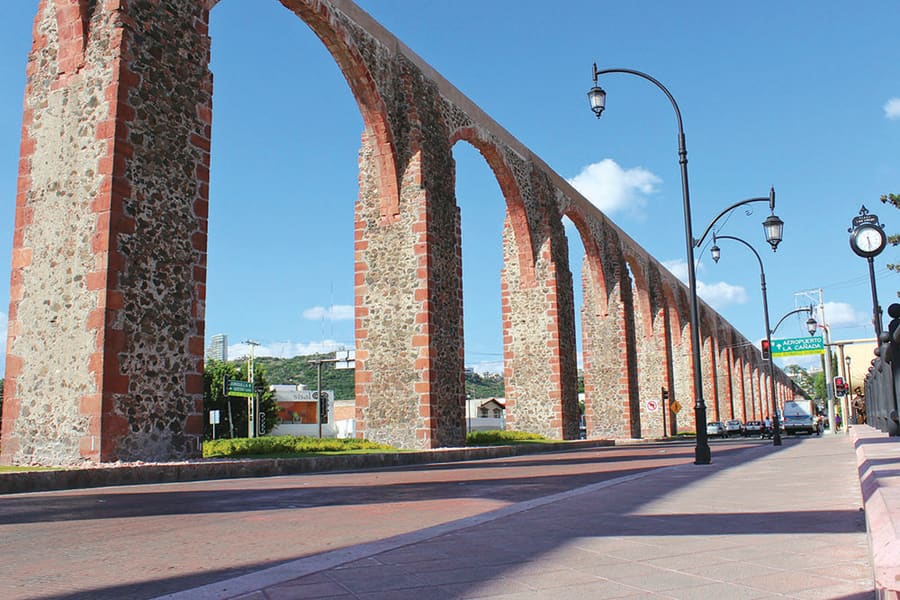
Acueducto de Querétaro
This 18th-century stone aqueduct features 74 arches. Visit at dusk when floodlights illuminate the structure along Calzada de los Arcos.
Vraag ParleyMexico
Aqueduct arches, colonial stone plazas, and Bajío wine.
introduction
Santiago de Querétaro sits in central Mexico’s high Bajío plateau, 200 kilometers northwest of Mexico City. The historic center operates as a pedestrian grid anchored by shaded plazas and 18th-century sandstone churches. You navigate the core on foot, using the aqueduct arches to orient yourself east. Expect warm daytime temperatures, quiet morning streets, and an active craft brewery scene in former industrial quarters.
Airport transit strategy
Authorized airport taxis charge fixed zone rates. Book at the official terminal counters before stepping outside to avoid street markups.
UNESCO Historic Zone
The Historic Monuments Zone earned UNESCO protection in 1996 for retaining its 16th-century dual grid layout.
Sunday pedestrian closures
Walking pedestrian corridors like Calle Madero on Sunday mornings avoids traffic noise and allows easy access to crafts markets.
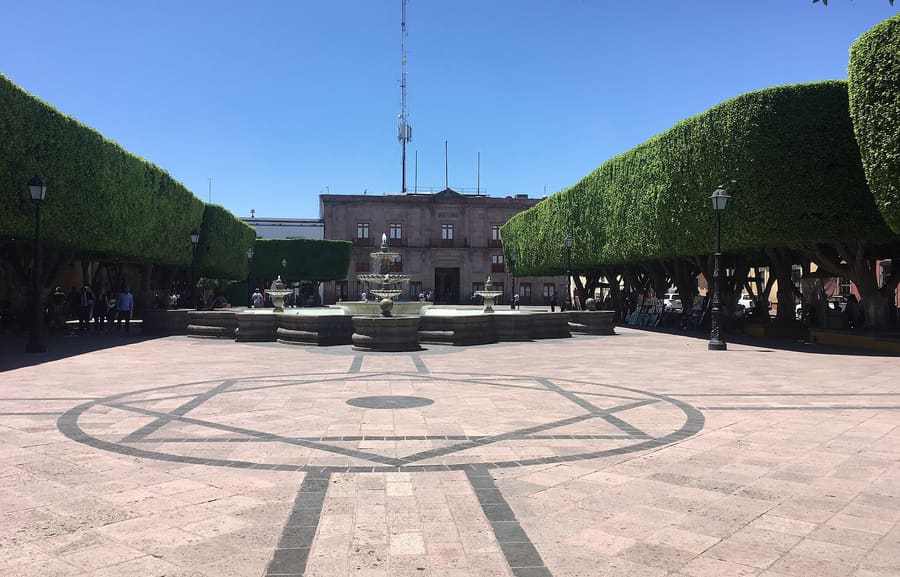
Santiago de Querétaro
EduardoAmadorA · CC BY-SA 4.0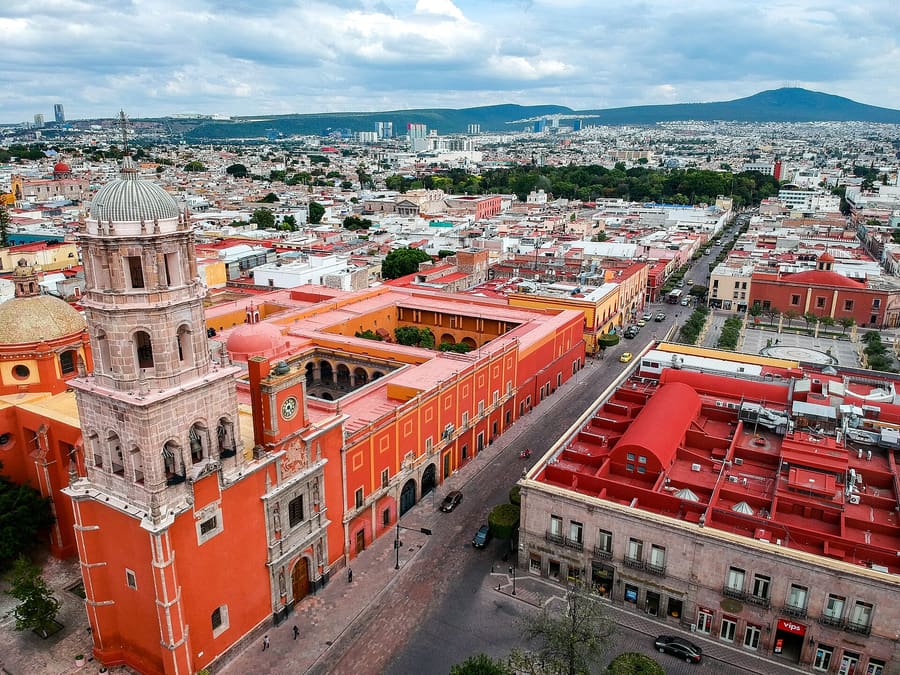
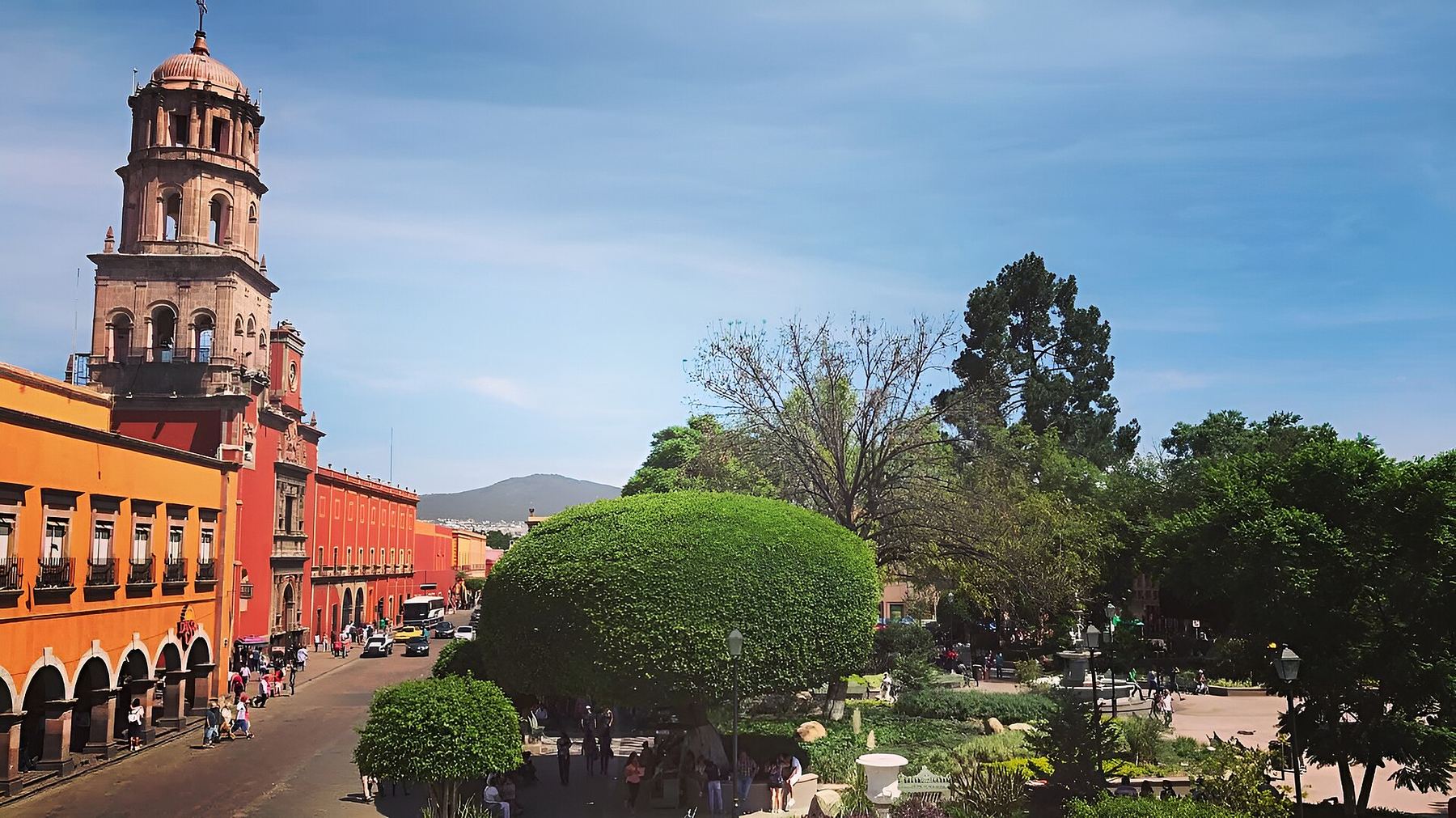
Centro Histórico — Pedestrian plazas, pink sandstone convents, and flat paved streets designed for walking.
Sisgeo · CC BY-SA 4.0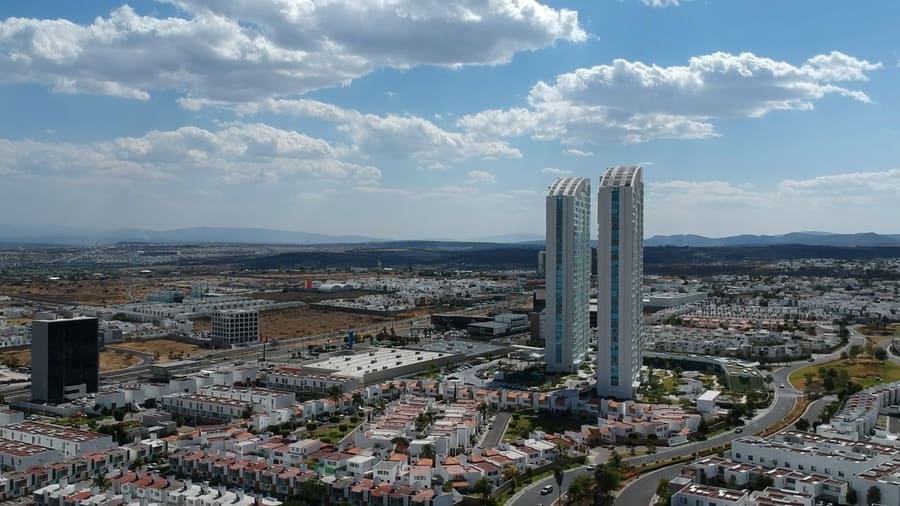
Juriquilla — A suburban northern district with modern commercial centers, upscale dining, and quiet residential blocks.
Yuri.Drone · CC BY 3.0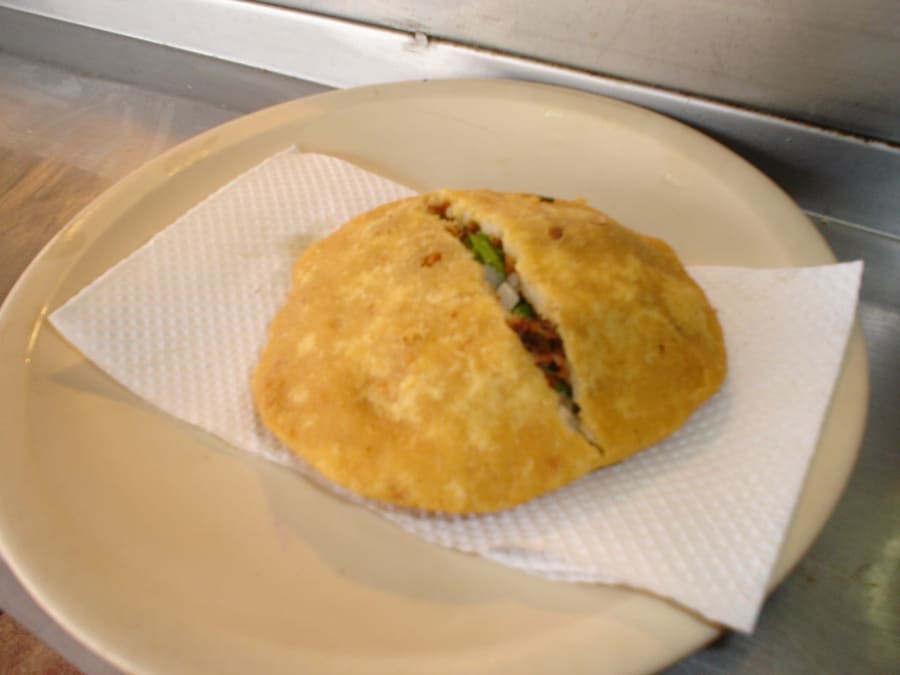
Thick corn gorditas fried with pork migajas at Mercado de la Cruz.
No machine-readable author provided. JEDIKNIGHT1970 assumed (based on copyright claims). · CC BY-SA 2.5highlights
landmark
This 18th-century stone aqueduct features 74 arches. Visit at dusk when floodlights illuminate the structure along Calzada de los Arcos.
Vraag Parley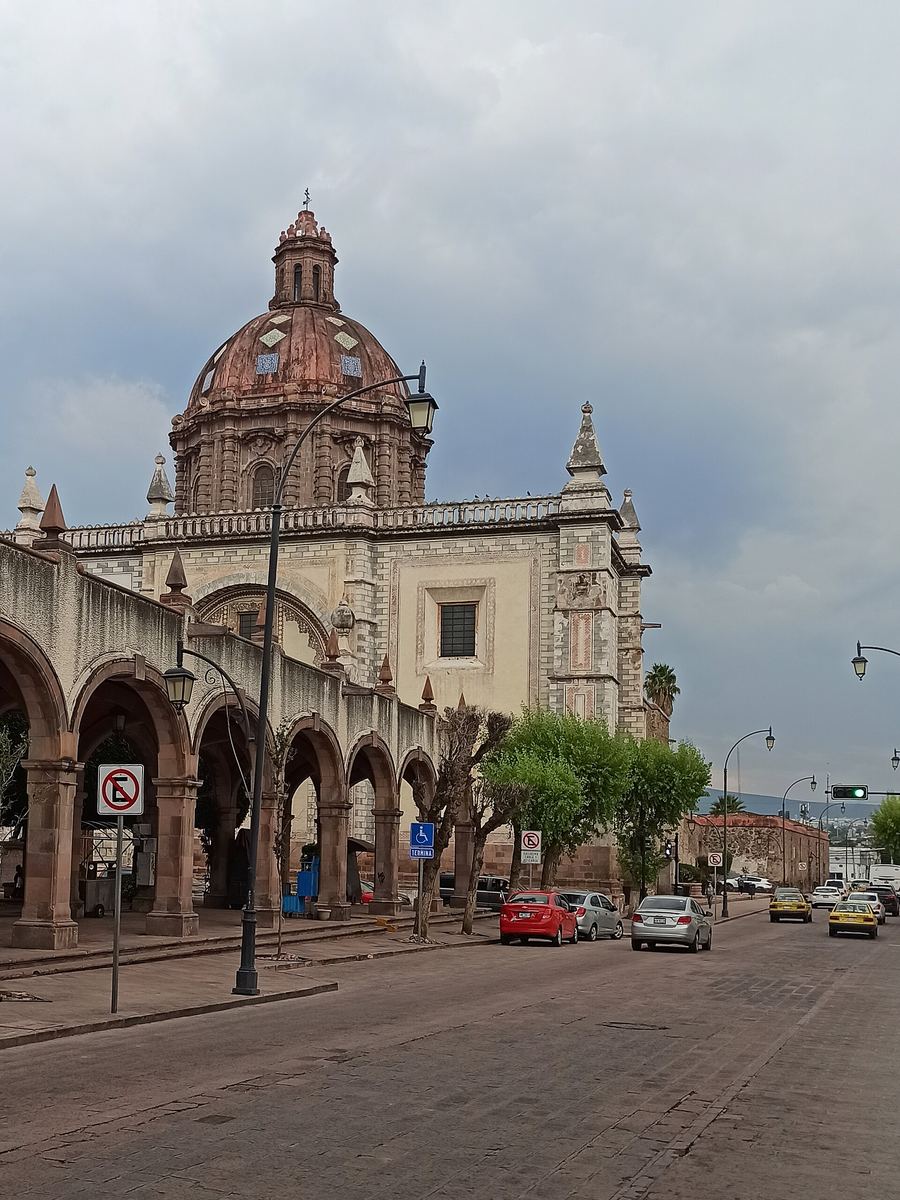
landmark
An 18th-century Baroque church with massive inverted flying buttresses. Enter around 10:00 to see gilded retablos without crowd noise.
Vraag Parley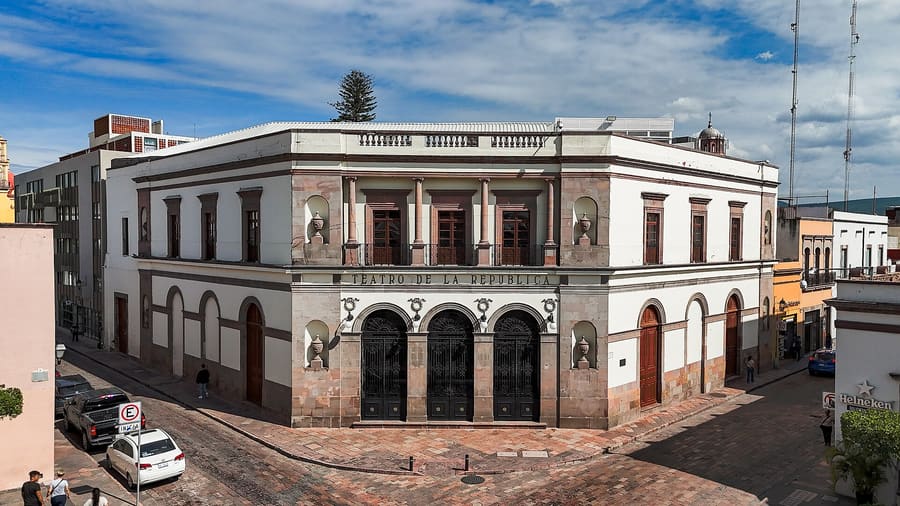
landmark
The venue where Mexico's 1917 constitution was signed. Visit on weekday afternoons when school tours subside.
Vraag Parley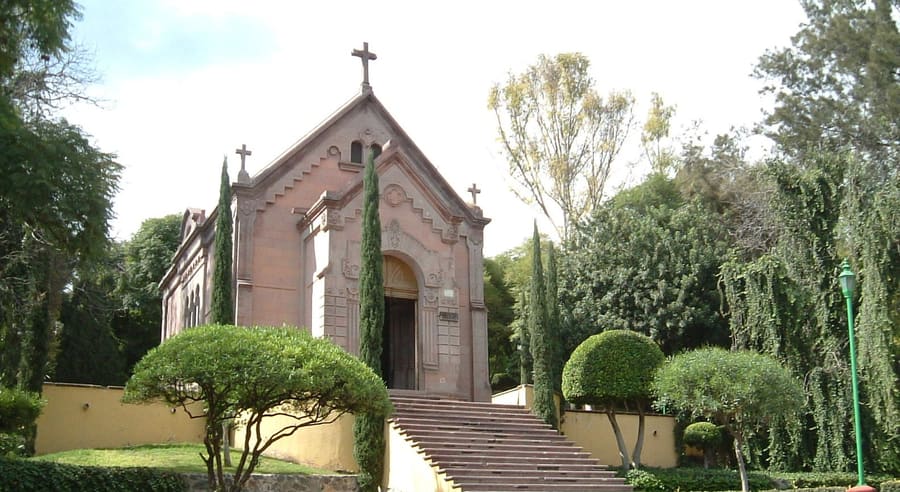
landmark
The hilltop park where Emperor Maximilian surrendered in 1867. Walk up the paved path before midday to avoid unshaded heat.
Vraag Parleyattractions
areas
Pedestrian plazas, pink sandstone convents, and flat paved streets designed for walking.
DichtbijPlaza Zenea, Teatro de la República
Vraag ParleyA suburban northern district with modern commercial centers, upscale dining, and quiet residential blocks.
DichtbijPlaza Antea, Plaza de Toros Juriquilla
Vraag ParleyHilltop streets surrounding the monastery, anchored by traditional markets and neighborhood bakeries.
DichtbijMercado de la Cruz, Templo de la Cruz
Vraag ParleyAn industrial textile quarter converted into a craft brewery complex and performance ground.
DichtbijCervecería Hércules, Río Querétaro
Vraag Parleyfood
Querétaro's cooking reflects its location in the Bajío agricultural heartland. Corn dough and slow-cooked pork dominate local market stalls. The surrounding valley also supports a growing high-altitude, semi-arid wine industry specializing in sparkling varieties.
Thick corn gorditas fried with pork migajas at Mercado de la Cruz.
No machine-readable author provided. JEDIKNIGHT1970 assumed (based on copyright claims). · CC BY-SA 2.5Eat these thick corn cakes stuffed with fried pork scraps at El Güero inside Mercado de la Cruz. Add green salsa and crumbled queso fresco.
Order these guajillo-dipped tortillas cooked with potatoes and carrots at evening stalls around Plaza de Armas instead of lunch hours.
Try fresh cactus leaves stuffed with melted cheese and chorizo, grilled directly inside an outer cactus paddle.
Sample sparkling wines from nearby Ezequiel Montes producers at wine bars along Calle 5 de Mayo in Centro.
history
Querétaro grew as a strategic crossroads between Mexico City and northern silver mines. Indigenous Otomí roots blended with Spanish municipal design during the 16th century. The city repeatedly served as the backdrop for key turning points in Mexican nationhood.
City foundation
Conín, an Otomí leader allied with the Spanish, establishes the settlement following the Battle of Sangremal.
Aqueduct completed
The 74-arch aqueduct opens, delivering fresh water across 1.2 kilometers to city fountains and convents.
Independence conspiracy
Josefa Ortiz de Domínguez hosts secret revolutionary meetings in the Corregidora's house, sparking independence.
Fall of Maximilian
Emperor Maximilian I surrenders at Cerro de las Campanas, ending the French Intervention in Mexico.
Constitutional signing
Delegates draft and sign the modern Constitution of Mexico inside the Teatro de la República.
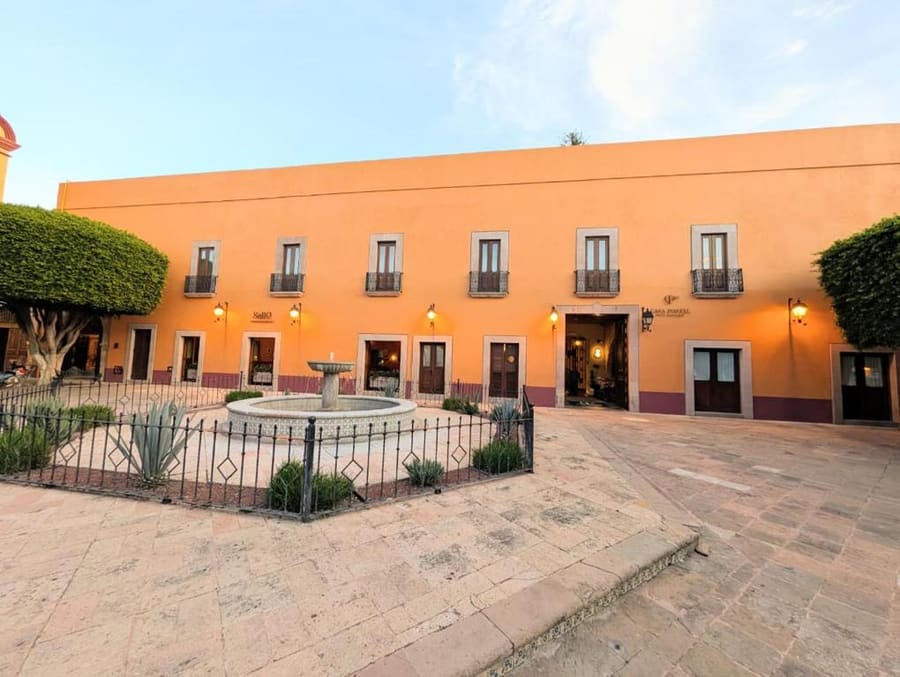
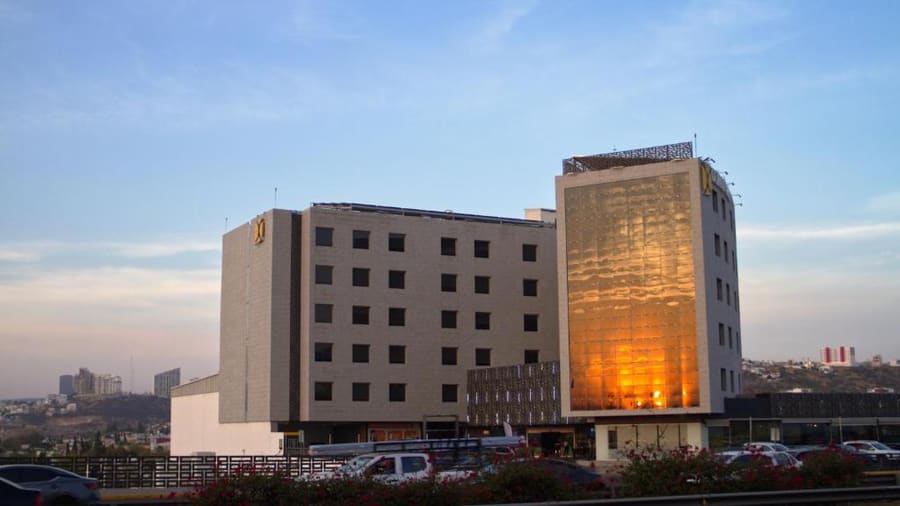
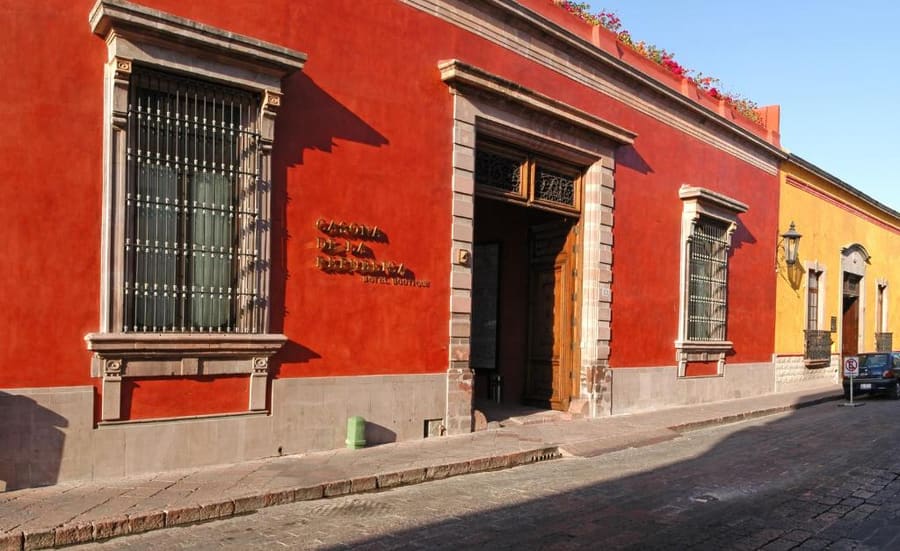
where to stay
Choose your location based on how you plan to move around the city. Centro Histórico puts you within walking distance of churches and museums. Suburban areas require taxis or personal transit for daily trips.
Live rates, matched to the areas above.
transport
Querétaro's historic core is best explored on foot due to narrow streets and pedestrian plazas. Crossing between outlying districts like Hércules or Juriquilla requires rideshare, local buses, or taxis.
Vanaf Querétaro Intercontinental Airport (QRO)
Purchase fixed-fare vouchers inside the airport arrivals terminal before boarding.
Buses connect QRO airport to the central bus terminal (TAQ) in roughly 45 minutes.
Uber pick-ups usually occur outside the main airport gate perimeter.
Local city buses use the Qrobús contactless card system. Purchase cards at bus stops along Avenida Constituyentes.
Pedestrian-only corridors like Andador Libertad ban cars completely, making cross-center walks fast and safe.
The Terminal de Autobuses de Querétaro (TAQ) runs frequent 3-hour coach lines to Mexico City’s Terminal Norte.
Avenida 5 de Febrero faces heavy industrial congestion between 07:30–09:30 and 18:00–20:00.
cost
Santiago de Querétaro offers moderate prices compared to Mexico City. Everyday expenses like market meals and bus fares remain budget-friendly, while boutique hotels charge premium rates during national holiday weekends.
Single stuffed gordita at market stalls inside Mercado de la Cruz.
Draft beer at Cervecería Hércules or taprooms along Calle Madero.
Single ride fare on urban transit routes across the central district.
Nightly mid-range stay in Centro Histórico during off-peak weekdays.
seasonality
NOV – FEB
Mild days and cool nights. Ideal walking conditions, but bring a warm jacket after sunset.
MAR – MAY
Warmest months of the year with temperatures hitting 30°C. Jacarandas bloom across plazas in March.
JUN – SEP
Afternoon rain showers occur frequently. Mornings remain dry and pleasant for sightseeing.
OCT
Comfortable temperatures and lower rainfall. High hotel demand around Day of the Dead events.
practicalities
The city sits at 1,820 meters above sea level. Drink plenty of water during your first afternoon of walking.
Plazas offer shade under laurels, but open streets receive direct sunlight. Carry sun protection year-round.
Market vendors inside Mercado de la Cruz and street stands require cash in small Mexican peso denominations.
Active services occur daily in historic chapels. Avoid taking photos during mass hours.
Visitors from Mexico City arrive on Friday evenings. Book popular dining spots in advance for Saturday nights.