landmark
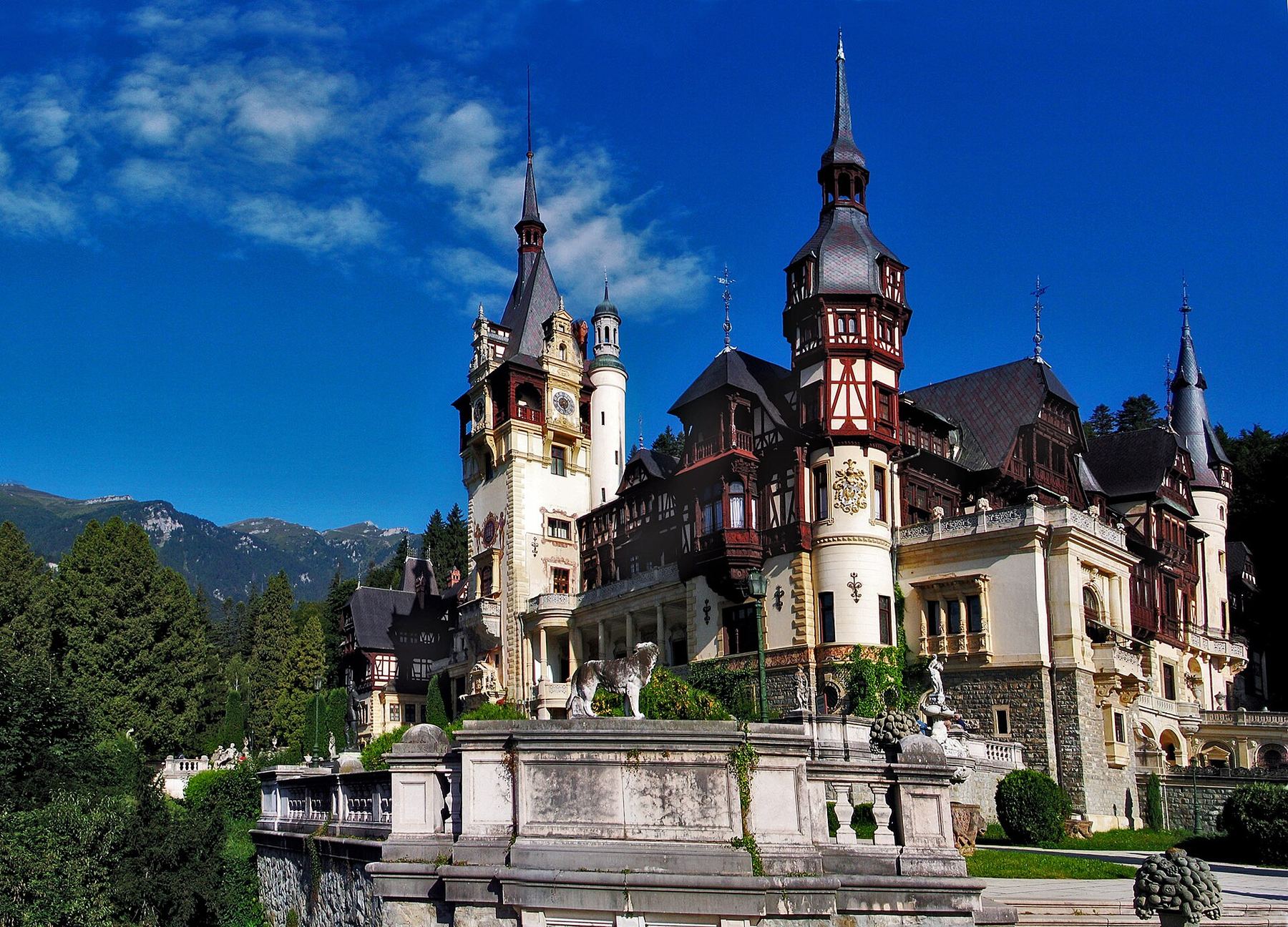
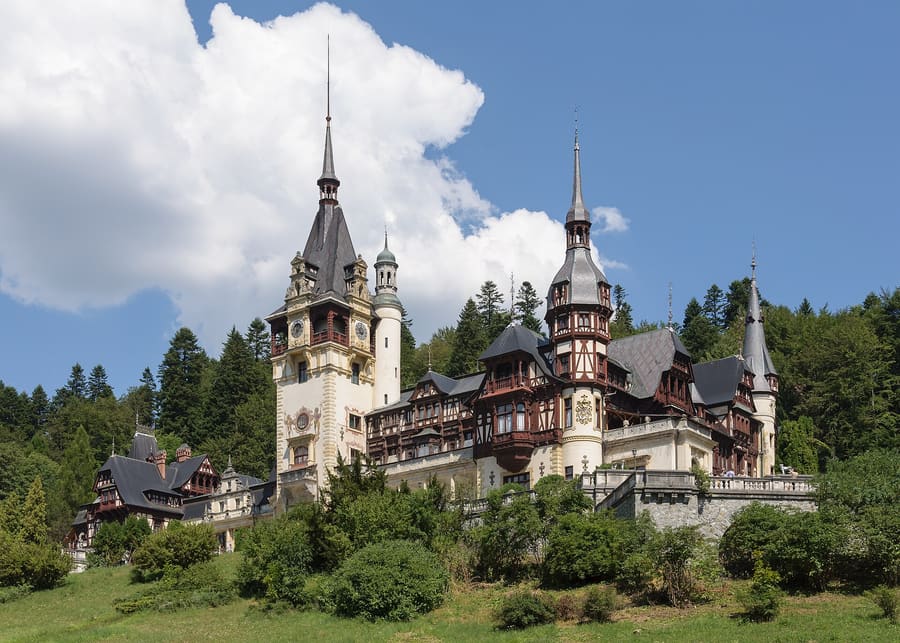
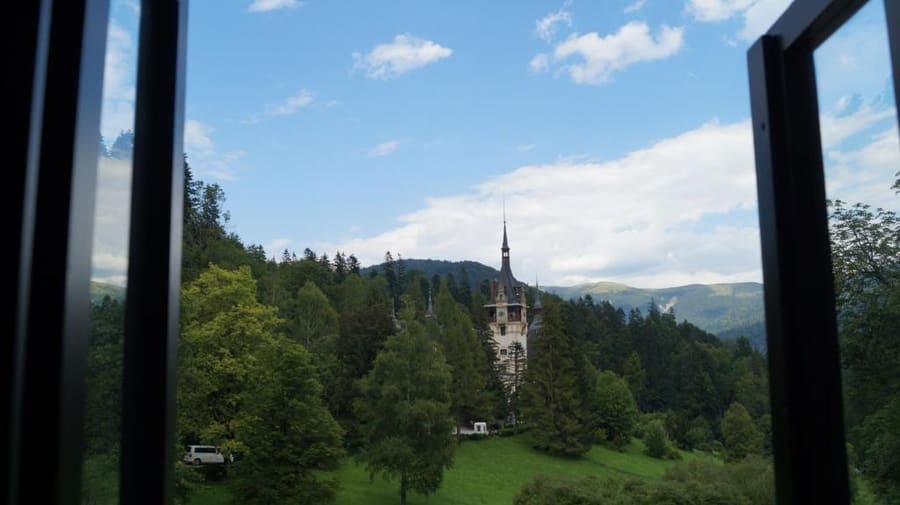
Peleș Castle
King Carol I's neo-Renaissance palace. Buy combined ground and upper floor tickets early to avoid group tour bottlenecks.
Vraag ParleyRoemenië
Royal summer retreat anchored in the Bucegi pine forests.
introduction
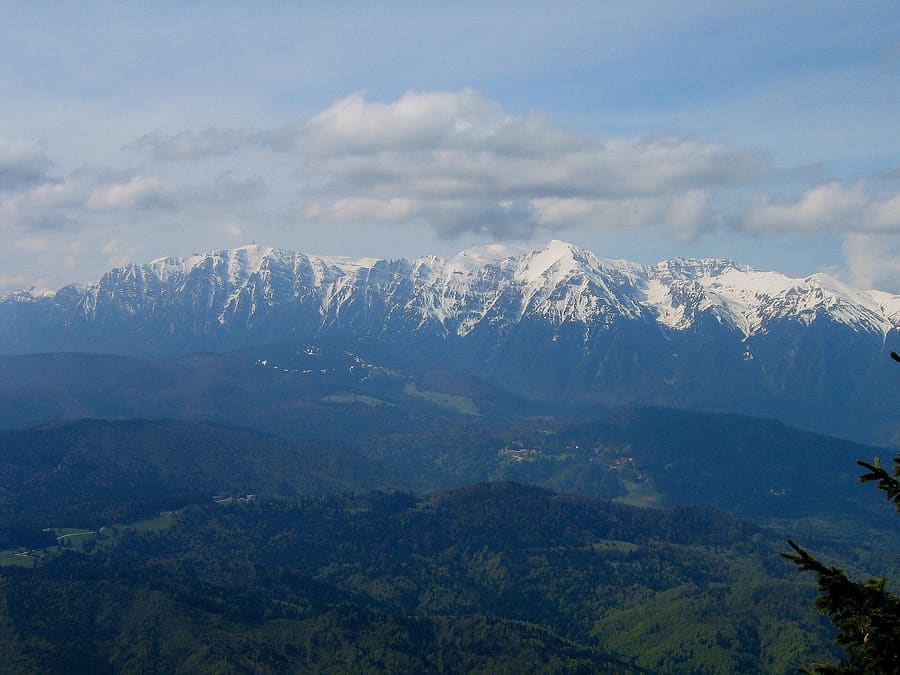
Sinaia climbs the eastern slopes of the Bucegi Mountains along the Prahova River valley. King Carol I turned this mountain pass into a royal retreat in the late nineteenth century, leaving behind grand palaces and timber-framed villas. Today the town functions as a dual-season base for winter sports and summer high-altitude trail hikes. You navigate its steep geography on foot, via local buses, or by taking the two-stage gondola up to 2,000 metres.
Arrival speed
Trains from Bucharest Nord reach Sinaia in 90 minutes. Booking CFR Călători tickets online skips ticket queue delays on busy weekend mornings.
Royal innovation
Peleș Castle became Europe's first royal residence powered entirely by locally generated electricity in 1884.
Summit access
Buy Sinaia Gondola tickets online on winter weekends. Queue times at Cota 1000 frequently exceed one hour after 10:00.
Sinaia
Gabriel from Bucharest, Romania · CC BY 2.0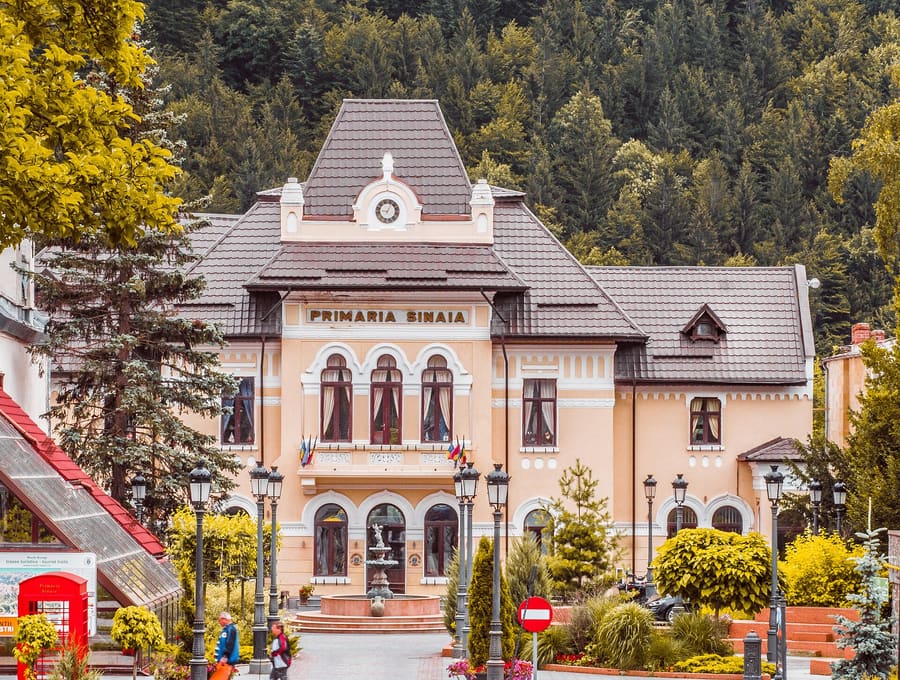
Centru — Walkable valley core anchored by Dimitrie Ghica Park, royal train station, and main dining options.
Eric Benacek en flickr · CC BY-SA 2.0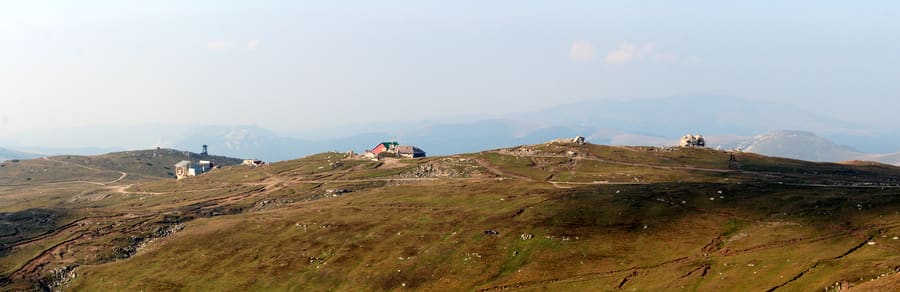
Cota 1400 — High-altitude mountain hub perched at 1,400 metres with direct trail access and alpine views.
Adrian Haisan · CC BY 2.0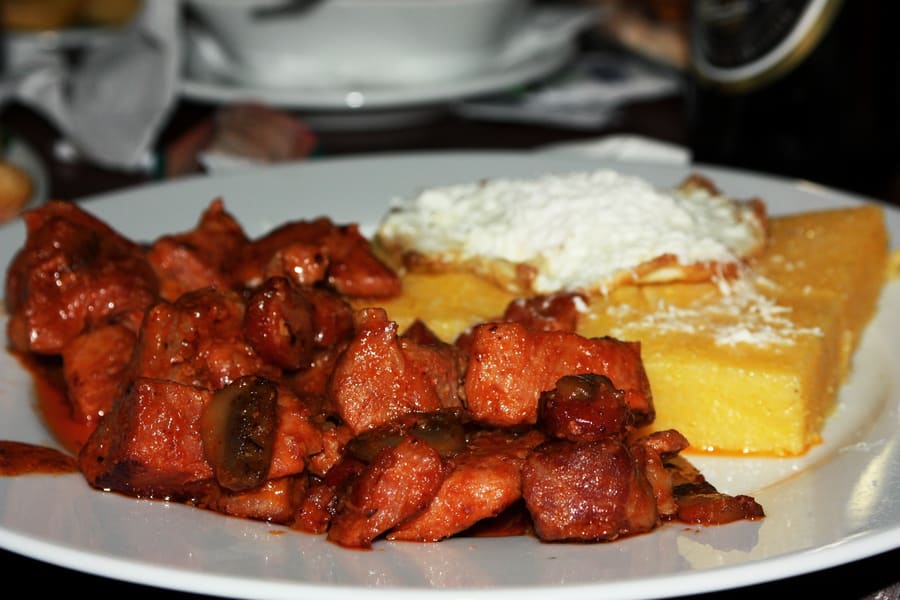
Tochitură munteană served with polenta, telemea cheese, and a fried egg.
Nicubunu · CC BY-SA 3.0highlights
landmark
King Carol I's neo-Renaissance palace. Buy combined ground and upper floor tickets early to avoid group tour bottlenecks.
Vraag Parley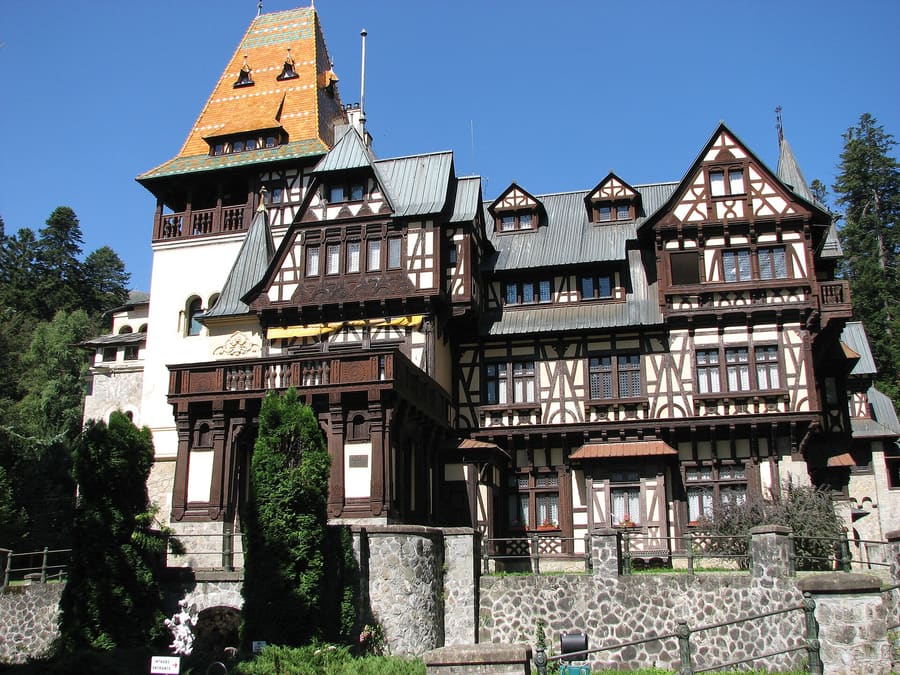
landmark
Art Nouveau royal chalet housing Queen Marie's golden bedroom. Quieter and faster to visit than its neighbour Peleș.
Vraag Parley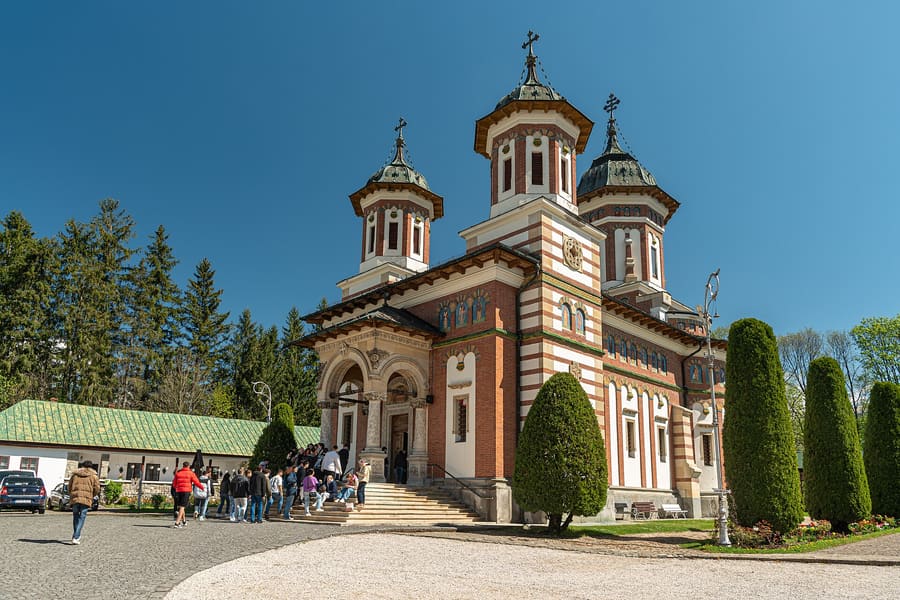
landmark
Active 17th-century Orthodox complex that gave the town its name. Entry to the courtyard is free; the museum costs 10 RON.
Vraag Parley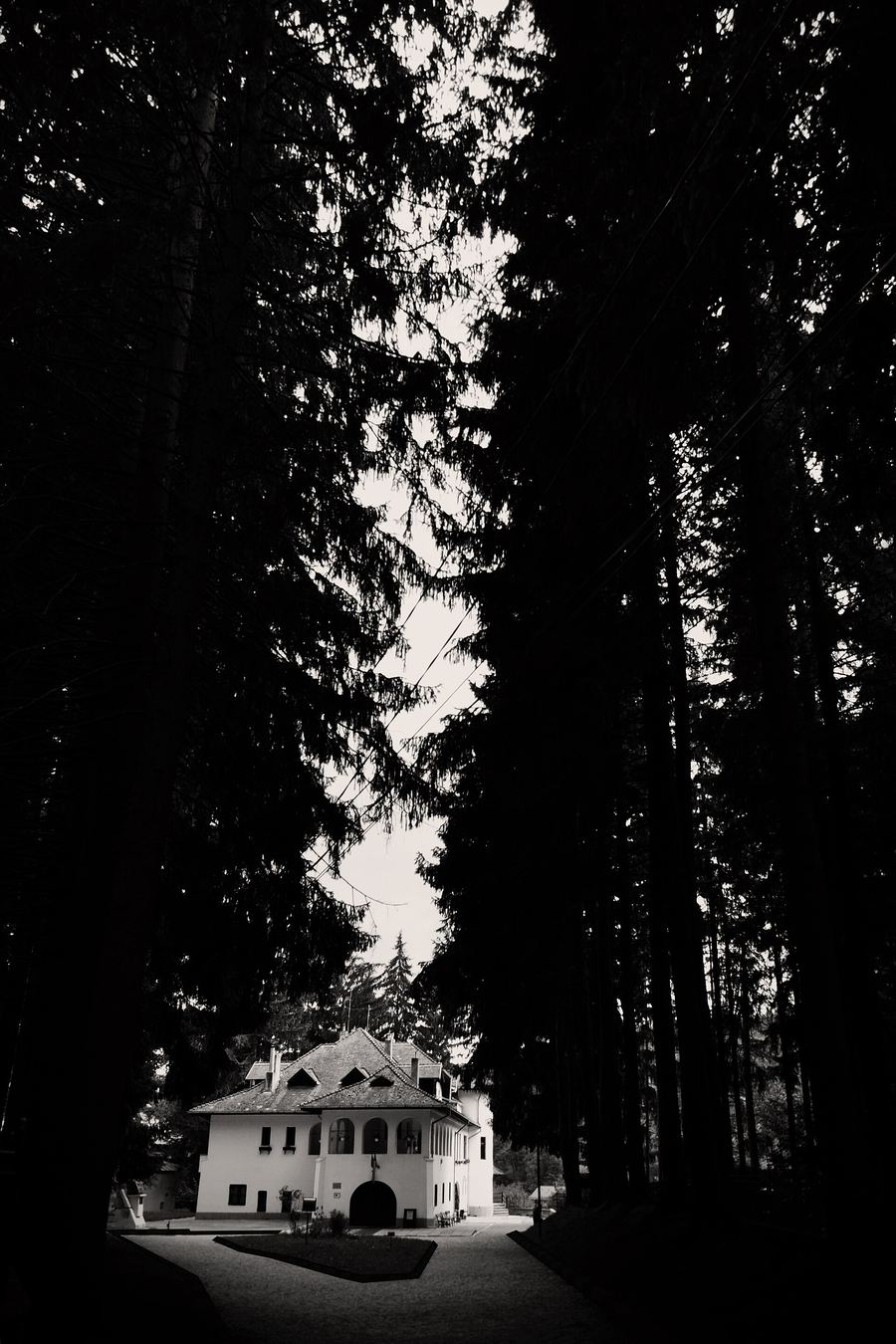
landmark
Composer George Enescu's villa in Cumpătu. Exhibits his piano and sheet music in a serene setting away from tourist crowds.
Vraag Parleyattractions
areas
Walkable valley core anchored by Dimitrie Ghica Park, royal train station, and main dining options.
DichtbijSinaia Train Station and Sinaia Casino
Vraag ParleyHigh-altitude mountain hub perched at 1,400 metres with direct trail access and alpine views.
DichtbijSinaia Gondola middle station and Bucegi hiking routes
Vraag ParleyWooded, peaceful residential enclave across the river, favoured by artists and quiet seekers.
DichtbijGeorge Enescu Memorial House and Prahova River
Vraag ParleySteep pine-scented hillside lining the path to Peleș, dominated by historic villas and inns.
DichtbijPeleș Castle and Sinaia Monastery
Vraag Parleyfood
Dining in Sinaia reflects its dual legacy as a royal resort and an alpine trail station. Traditional taverns serve slow-cooked game meat, polenta, and fermented dairy dishes designed to restore energy after mountain climbs.Standard tourist menus cluster along Bulevardul Carol I. You find higher culinary quality by walking slightly uphill towards Furnica, where historic villas host long-standing regional kitchens.
Tochitură munteană served with polenta, telemea cheese, and a fried egg.
Nicubunu · CC BY-SA 3.0Order this local pork stew cooked in wine sauce, served over hot mămăligă with salty telemea cheese.
Try roasted polenta balls stuffed with sheep milk cheese and baked over open coals.
Order chanterelles and porcini sautéed in garlic butter, harvested directly from the Bucegi woods.
history
Sinaia developed around a small Orthodox monastery founded in 1695 by Nobleman Mihail Cantacuzino, who named it after Mount Sinai. The settlement remained an isolated mountain outpost until the late nineteenth century.King Carol I selected Sinaia for his summer residence in 1872. The arrival of the royal court transformed the village into an aristocratic resort town lined with hotels, villas, and diplomatic residences.
Monastery Founded
Mihail Cantacuzino builds Sinaia Monastery, creating the initial settlement anchor in the Prahova valley.
Railway Link
The Bucharest-Brașov rail line opens, linking the mountain valley to the national capital.
Peleș Castle Inauguration
Carol I officially opens Peleș Castle, establishing Sinaia as the summer seat of the Romanian monarchy.
Royal Departure
The monarchy is abolished under communist rule, converting royal palaces into national museums and state retreats.
where to stay
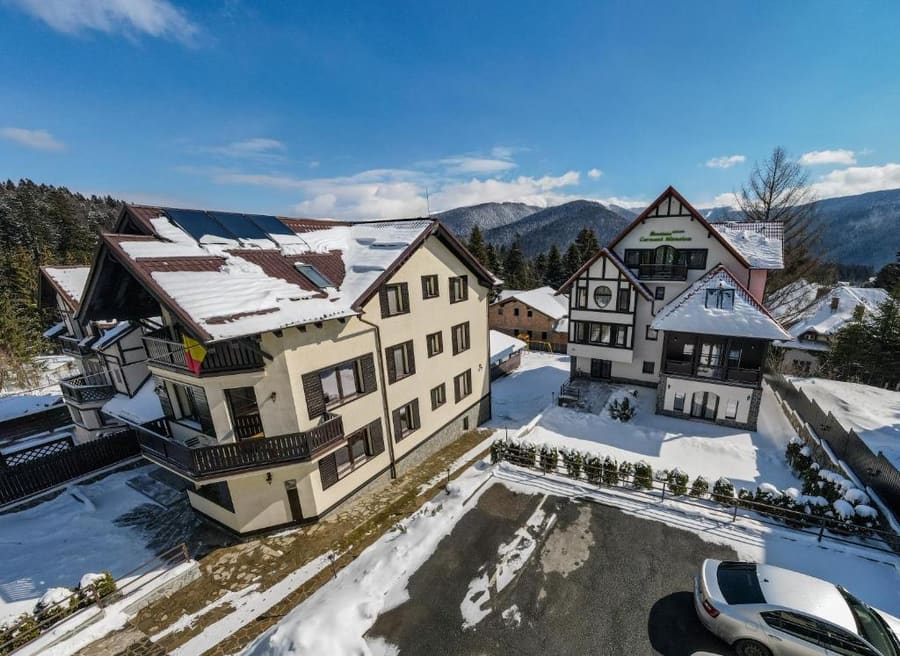
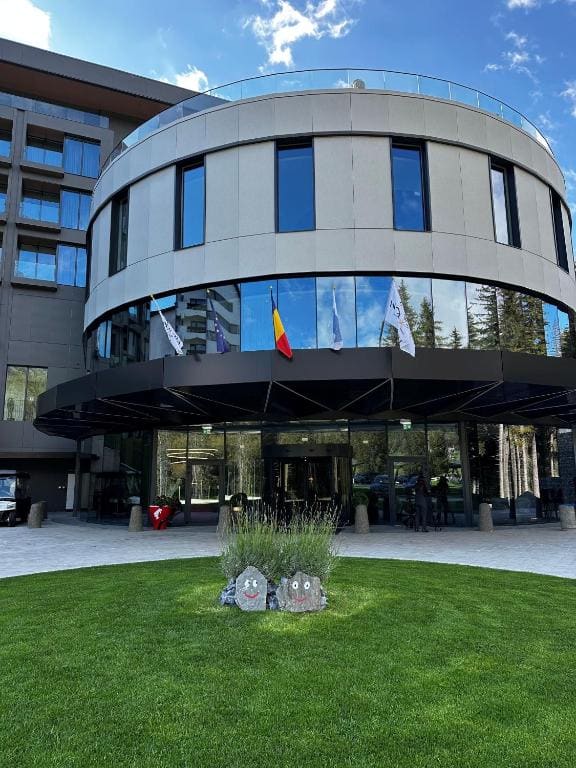
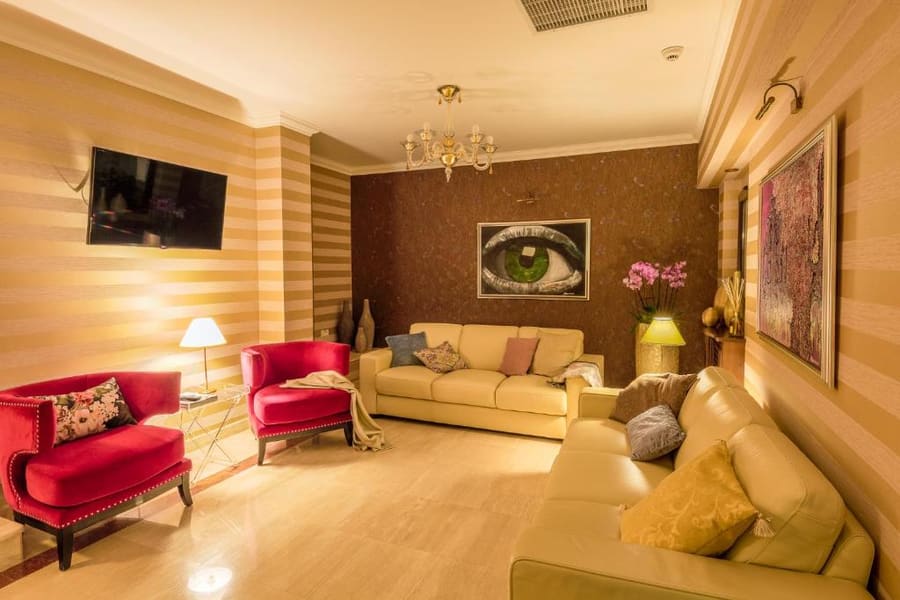
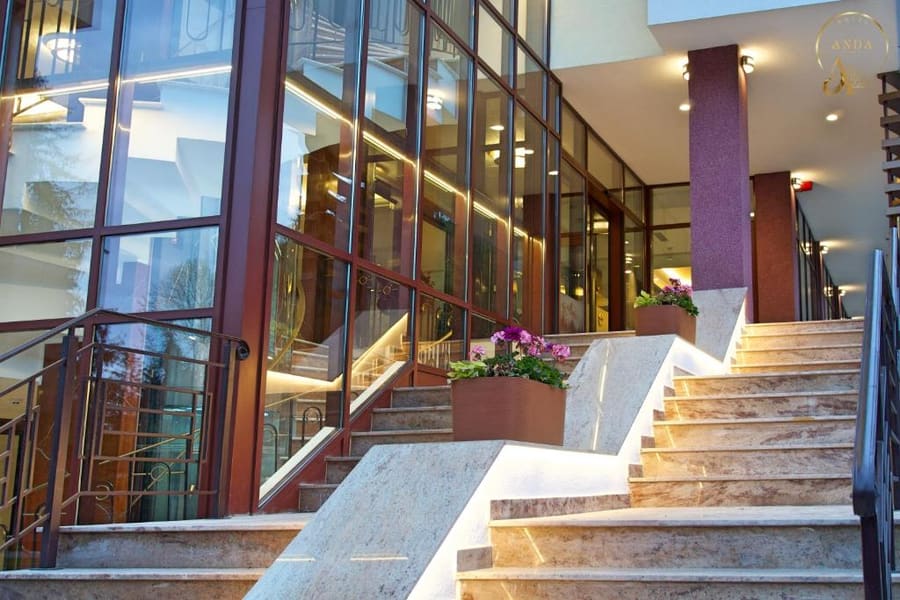
Choose your location based on transport needs and elevation. Staying in Centru keeps you steps from the train station and main restaurants, though street noise persists on weekends. Furnica offers historic villa architecture and walkable access to Peleș Castle at the cost of steep walking routes. Cota 1400 caters to ski-in, ski-out alpine visits, but it is connected to the town by a paved mountain road, so visitors do not rely entirely on gondola operating hours.
Live rates, matched to the areas above.
transport
Vanaf Bucharest Henri Coandă Airport (OTP)
Take the airport rail link to Bucharest Nord, then transfer directly to an IR train to Sinaia.
Direct door-to-door car transit via the DN1 highway; expect weekend traffic delays.
Regional coaches depart from Henri Coandă Airport terminals to Sinaia station.
Board Line T3 outside Sinaia station to reach the Gondola base station without a steep uphill walk.
Tap your payment card on validator machines onboard local municipal buses.
Cable cars run from 08:00 to 17:00, weather permitting. High winds stop operations to Cota 2000.
Use licensed taxis parked outside the main railway station; confirm meter activation before departing.
cost
Sinaia operates on the Romanian Leu (RON). Card payments are standard in hotels, major restaurants, and ticket counters. Keep small cash notes for mountain huts and tip gratuities.
Ground floor access costs 50 RON; full combined floor tours cost 150 RON.
Two-way passage from base to Cota 2000 costs 115 RON for adults.
Hearty traditional meat dishes or game stews in local inns.
Standard price across specialty cafes and hotel lounges in Centru.
seasonality
DEC – FEB
Peak ski season. Snow conditions on Cota 2000 slopes attract heavy weekend crowds from Bucharest.
MAR – MAY
Low season transition. Snow melts on trails, castle queues shorten, and room rates reach annual lows.
JUN – AUG
Prime hiking weather. Mountain trails open fully, though afternoon thunderstorms occur regularly.
SEP – NOV
Autumn foliage in pine forests. Cool walking temperatures with moderate weekend visitor traffic.
practicalities
Peleș and Pelișor Castles close on Mondays year-round for maintenance.
Brown bears inhabit surrounding forests. Stick to marked trails and avoid walking near woods after dark.
Temperatures at Cota 2000 sit 10 degrees colder than town level; pack an extra layer.
Avoid driving south to Bucharest on Sunday afternoons; train travel avoids three-hour highway traffic jams.
Wear sturdy shoes with thick rubber treads to handle polished mountain cobblestones and steep paths.