landmark
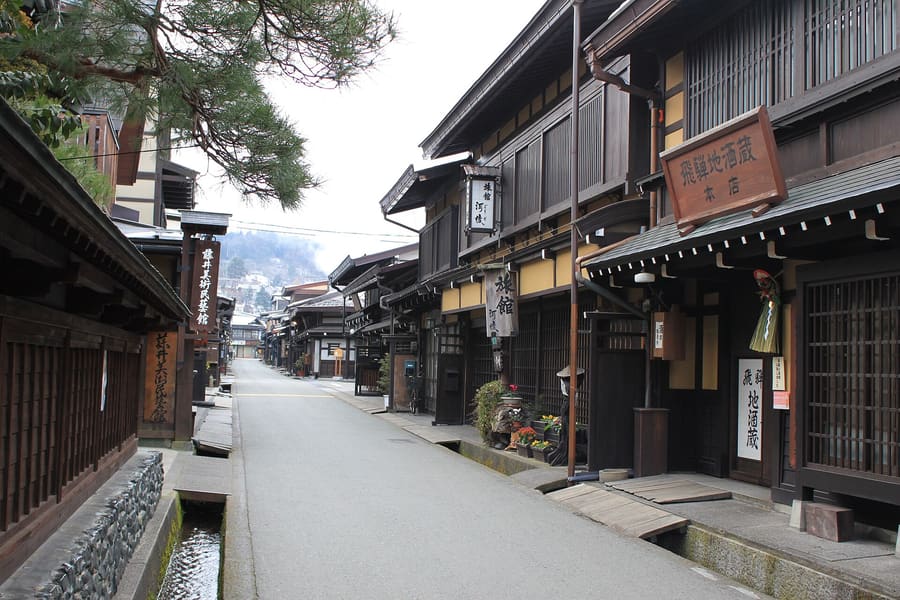
Sanmachi Suji
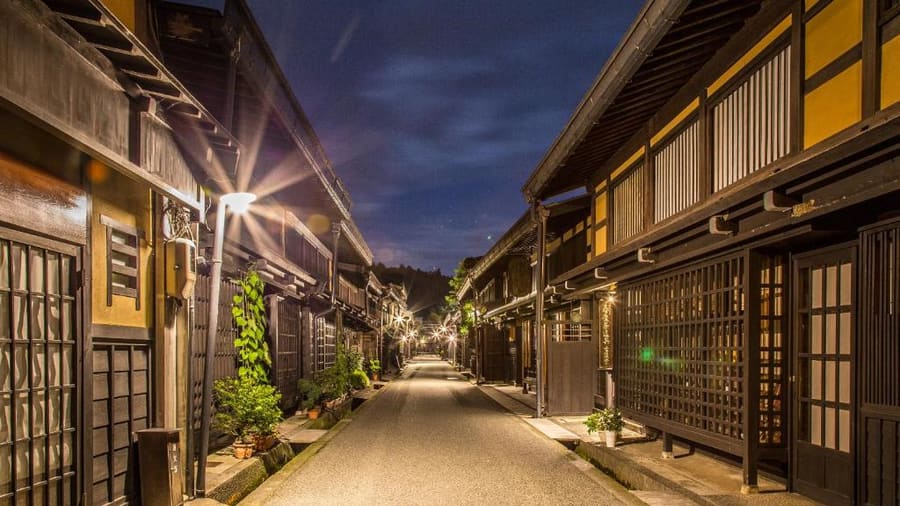
Three streets of preserved Edo-period merchant houses. Look for cedar balls over doors to find active sake breweries.
Vraag ParleyJapan
Edo-period timber houses, sake cellars, and mountain beef.
introduction
Takayama sits in the Hida basin of Gifu Prefecture, surrounded by the Northern Japan Alps. High-speed rail stops short at Nagoya or Toyama, leaving the final leg to the scenic JR Limited Express Hida train or mountain highway buses. The compact core centers on preserved Edo-period streetscapes, seven active sake breweries, and morning markets along the Miyagawa River. You cover most of the town on foot in a single day.
Arrival routing
The JR Limited Express Hida connects Nagoya to Takayama in 140 minutes. Reserve a seat on the right side when heading north for the best river views.
Edo administrative center
Takayama Jinya is the only remaining Tokugawa shogunate outpost in Japan. It served as the regional government headquarters from 1692 to 1969.
Morning market schedule
Miyagawa Morning Market stalls set up daily along the river. Sellers lay out local produce and woodcrafts from 07:00 in summer and 08:00 in winter.
Takayama
RESPITE · Public domain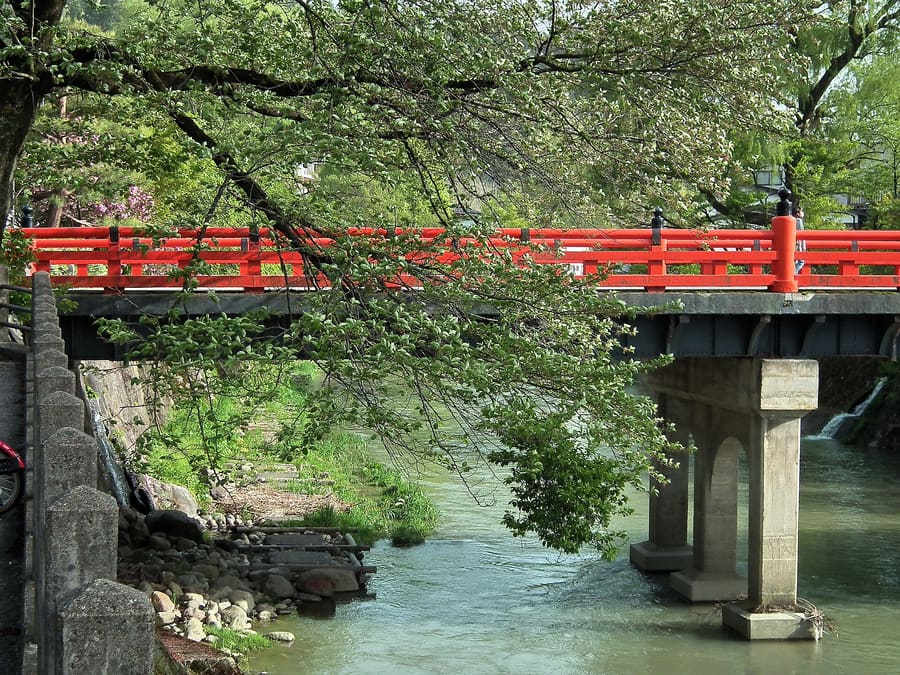
Sanmachi District — Dark timber storefronts, sake distilleries, and heavy foot traffic during peak morning hours.
lienyuan lee · CC BY 3.0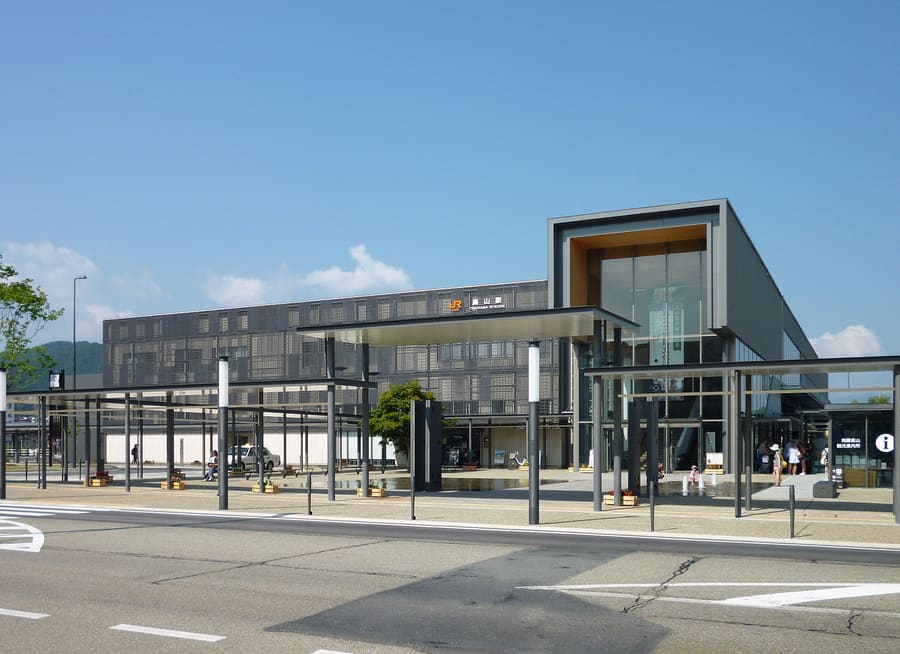
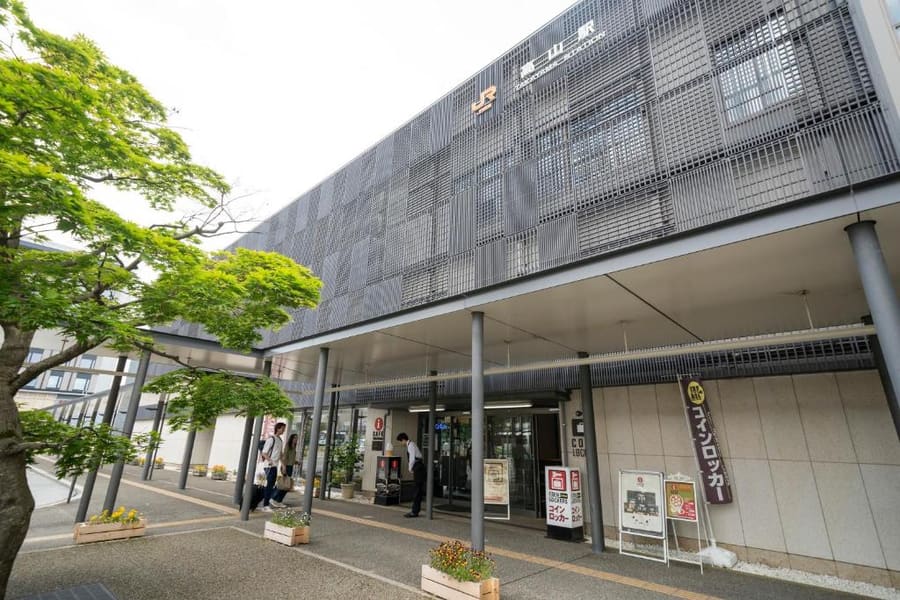
Station District — Modern transport hub lined with western-style hotels, luggage lockers, and bus terminals.
EXECUTOR · CC0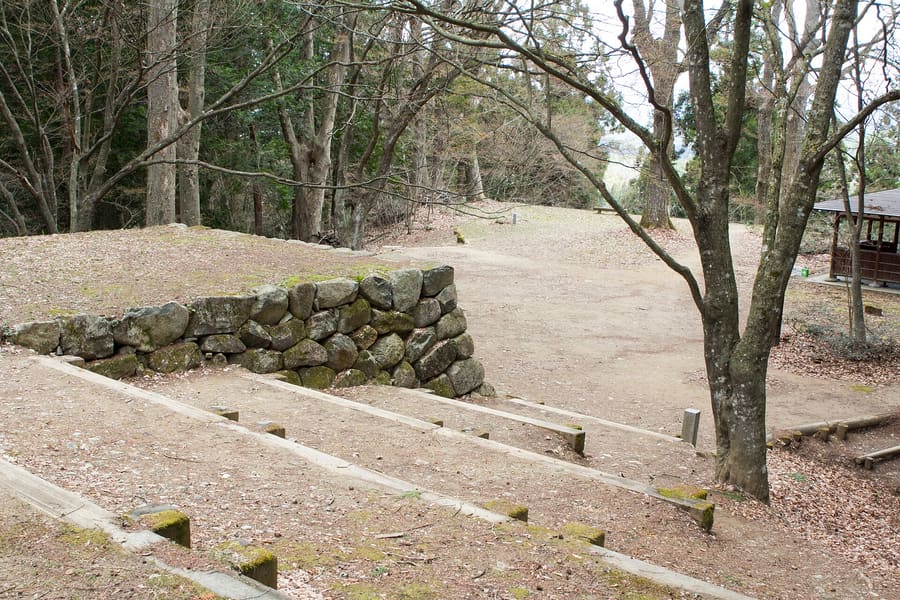
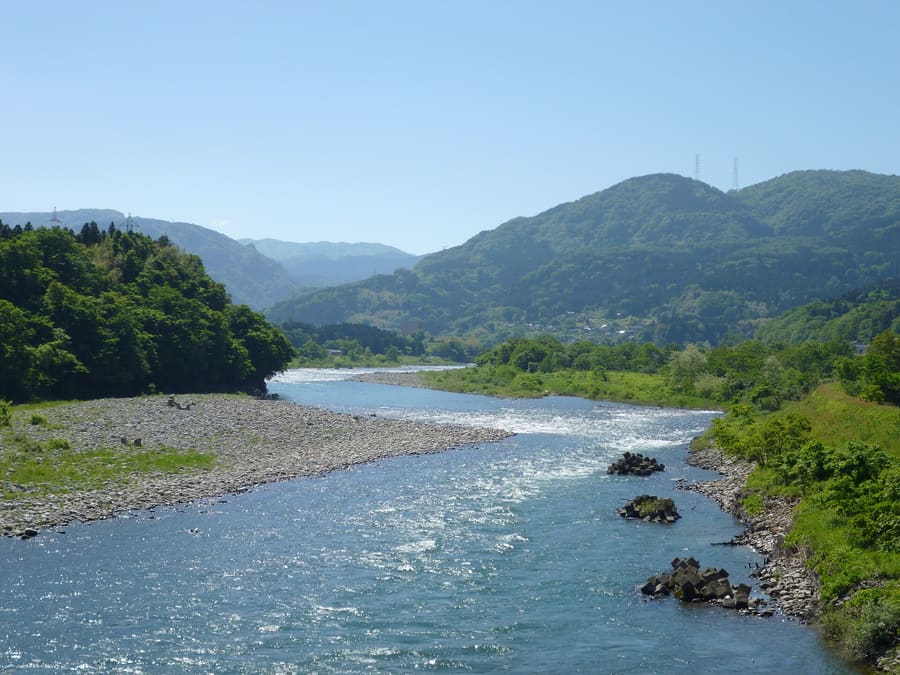
Higashiyama District — Quiet hillside residential neighbourhood framed by Zen temple grounds and cemetery trees.
Oren Rozen · CC BY-SA 4.0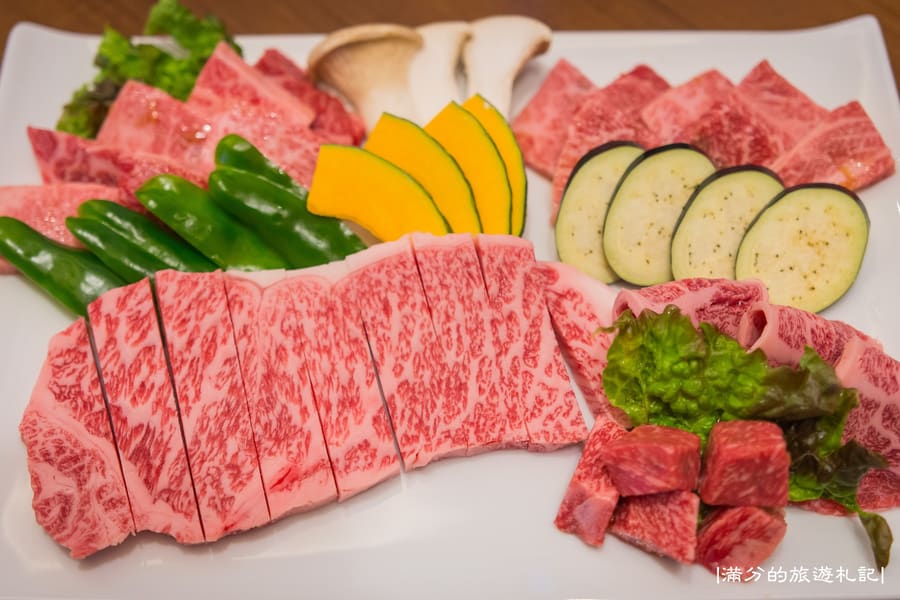
A grilled Hida beef skewer seasoned with coarse salt, sold at a walk-up stall in Sanmachi.
fullfen666 · CC BY-SA 2.0highlights
landmark
Three streets of preserved Edo-period merchant houses. Look for cedar balls over doors to find active sake breweries.
Vraag Parley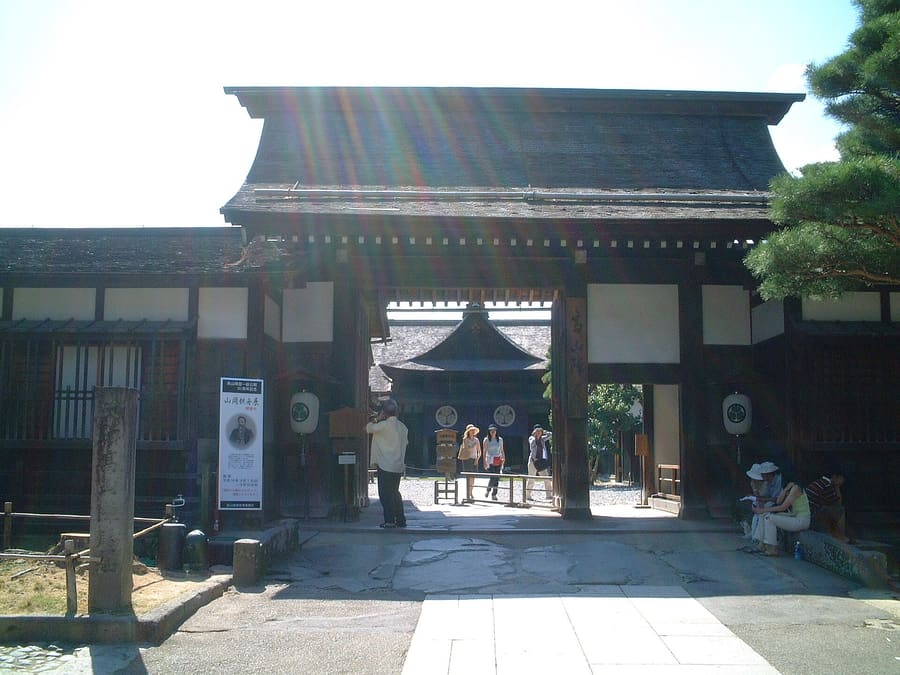
landmark
The Tokugawa shogunate's provincial government office. Tour the rice storehouse, interrogation rooms, and tatami offices.
Vraag Parley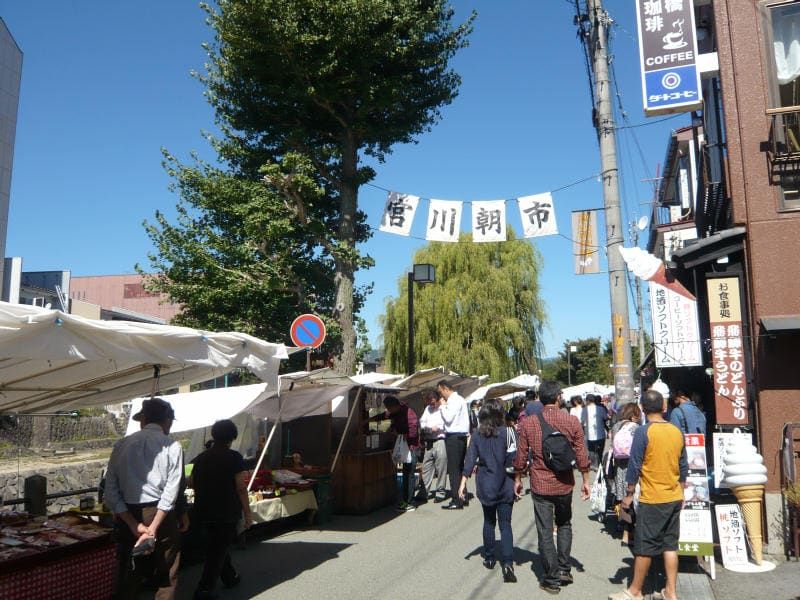
landmark
Riverside market running daily until noon. Local farmers sell pickled turnips, fresh apples, and wooden carved crafts.
Vraag Parleylandmark
A quiet 3.5 km trail connecting a dozen Zen and Pure Land temples along the eastern hillside, far from group tours.
Vraag Parleyattractions
areas
Dark timber storefronts, sake distilleries, and heavy foot traffic during peak morning hours.
DichtbijMiyagawa River and Nakabashi Bridge
Vraag ParleyModern transport hub lined with western-style hotels, luggage lockers, and bus terminals.
DichtbijTakayama Station and Nohi Bus Center
Vraag ParleyQuiet hillside residential neighbourhood framed by Zen temple grounds and cemetery trees.
DichtbijHigashiyama Walking Course and Shiroyama Park
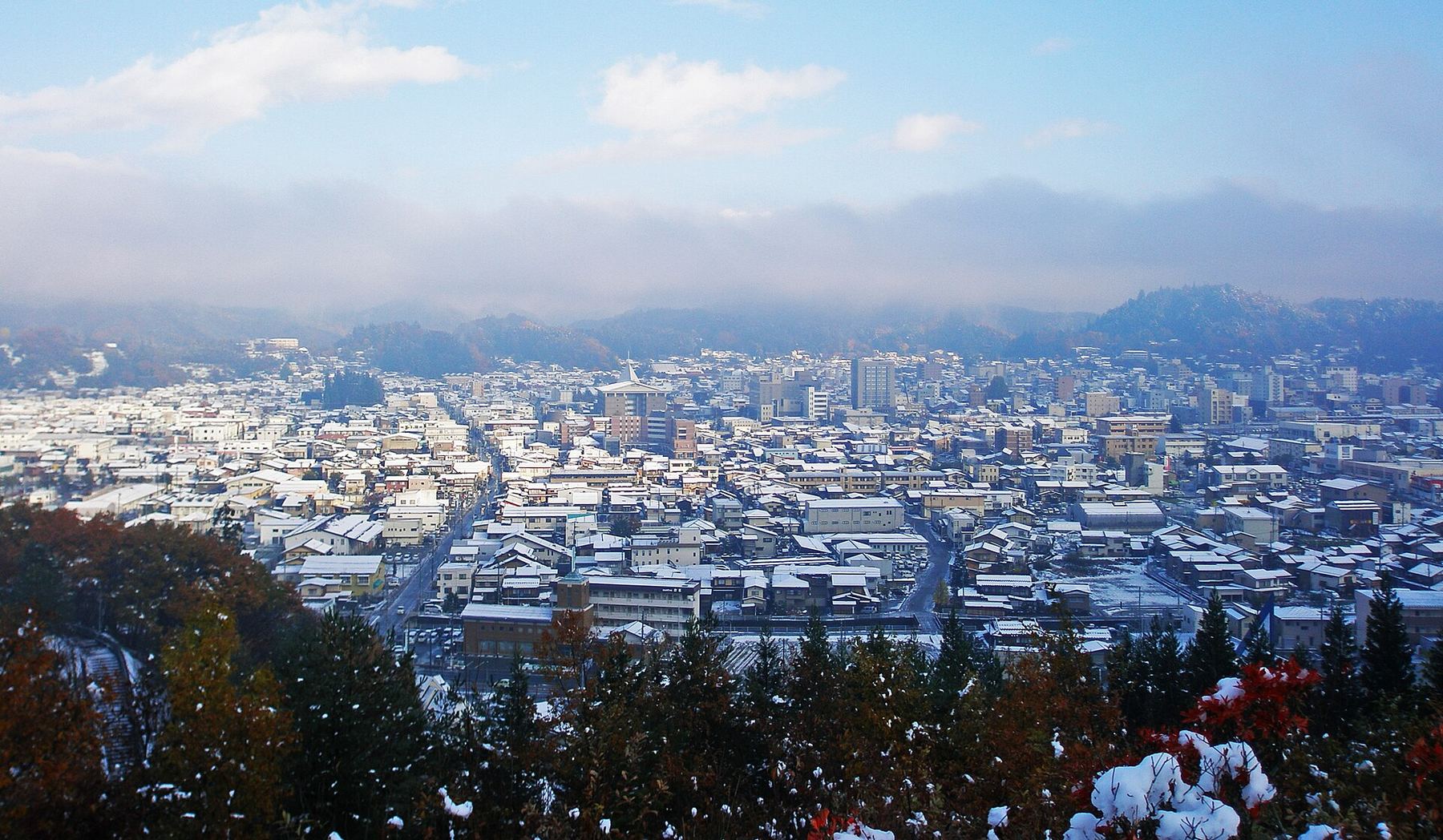
Vraag ParleyFunctional commercial arcade where local residents buy groceries, coffee, and everyday goods.
DichtbijSanmachi Suji and Miyagawa Morning Market
Vraag Parleyfood
Takayama food turns on two elements: high-grade Hida beef and fermenting traditions suited to long alpine winters. Local beef features heavy intramuscular marbling, served in butcher stalls as charcoal-grilled skewers or seared on a nigiri rice ball with soy glaze.Traditional breakfast centers on hoba miso. Chefs mix local sweet miso with green onions and wild mushrooms, then warm it over a small tabletop burner on a dried magnolia leaf. Eat it scraped directly onto hot white rice.Sake production relies on snowmelt from the Northern Alps. Seven active breweries operate within three blocks in Sanmachi. You buy a small tasting cup at the counter and sample pours directly from cold taps.
A grilled Hida beef skewer seasoned with coarse salt, sold at a walk-up stall in Sanmachi.
fullfen666 · CC BY-SA 2.0At Funasaka Brewery, exchange ¥500 for a small clay cup and tokens to operate automated sake dispensary machines.
Most small izakayas close by 21:00 and have under fifteen seats. Book your dinner table by 15:00 or face limited options.
Ryokan inns serve hoba miso at breakfast, but local soup shops around the station serve lunch sets starting at ¥1,200.
history
High mountains isolated Takayama for centuries, forcing the town to develop self-sufficient carpentry and trade networks. The Kanamori clan built Takayama Castle in the late sixteenth century, laying out the grid street pattern that remains visible today.In 1692, the Tokugawa shogunate took direct control of the Hida region to secure its valuable timber forests and mineral reserves. Takayama Jinya was established as the administrative seat, enforcing direct tax collection in rice and wood.Geographic isolation protected Takayama from air raids during World War II. As a result, its Edo-period wooden streetscapes survived intact into the modern era.
Castle Town Founded
Kanamori Nagachika begins constructing Takayama Castle and lays out the merchant grid pattern along the Miyagawa River.
Shogunate Direct Rule
The Tokugawa Shogunate claims direct jurisdiction over Hida timber supplies, establishing the Takayama Jinya administrative post.
Takayama Main Line Opens
Completion of the JR Takayama Main Line links the isolated mountain basin directly to Nagoya and Toyama by rail.
Municipal Expansion
Takayama merges with nine surrounding villages, becoming Japan's largest municipality by geographical land area.
where to stay
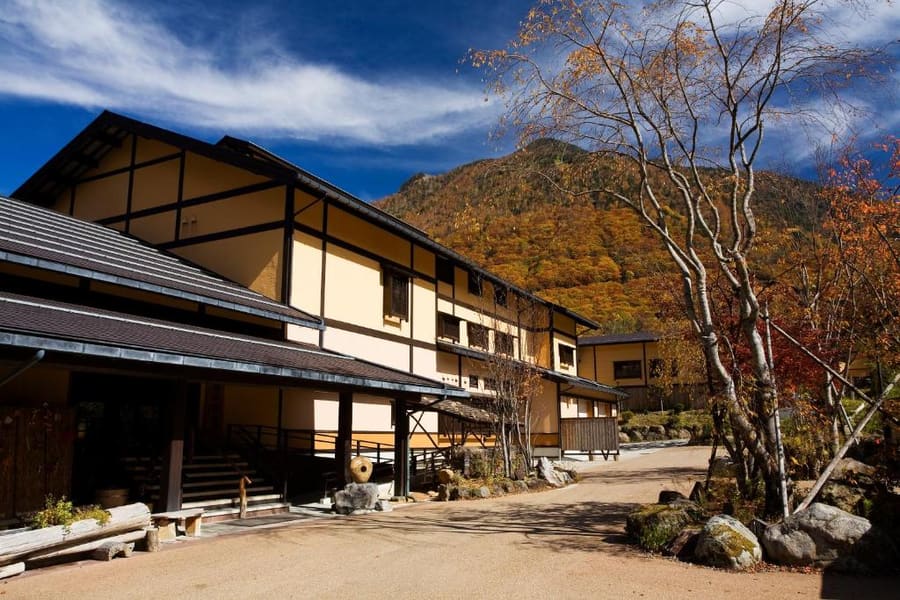
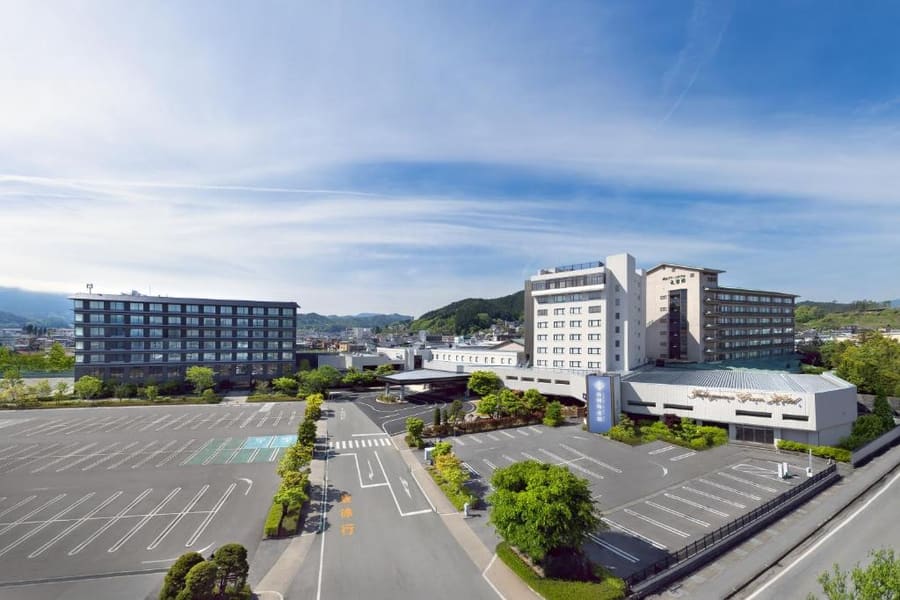
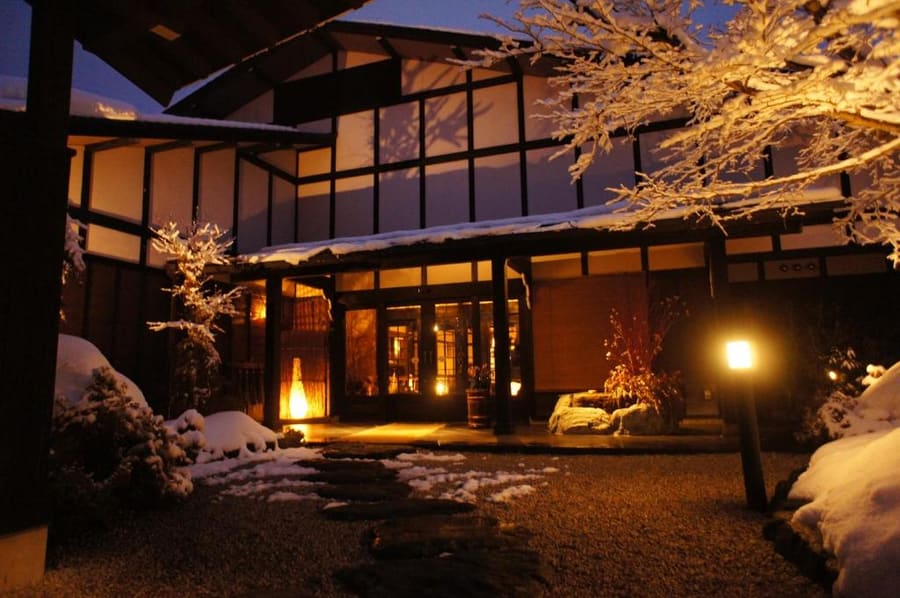
Choose your base by your preferred evening pace and transport plans. Staying near Takayama Station gives immediate access to early morning regional buses and late-night izakayas. Choosing a traditional ryokan near Sanmachi offers hot spring baths and multi-course Kaiseki dinners, but requires adhering to strict dinner service times.
Live rates, matched to the areas above.
transport
Takayama is compact. You do not need public transit within the central town. Walking from Takayama Station to the eastern temple district takes twenty minutes. For outlying sites like Hida Folk Village, local loop buses stop directly outside the station.
Vanaf Takayama Station (JR Takayama Main Line) / Nohi Bus Center
JR Limited Express Hida runs directly from Nagoya Station to Takayama.
Nohi Highway Bus runs regularly from Meitetsu Bus Center in Nagoya.
Direct express buses operate from Shinjuku Expressway Bus Terminal in Tokyo.
The Machinami Bus circles central sights every 40 minutes for a flat ¥100 fare per ride.
Suica and Pasmo IC cards work at major convenience stores, but JR Takayama Line local trains require physical paper tickets.
Coin lockers inside Takayama Station fill by 10:00. Use the temporary luggage storage service at the Nohi Bus Terminal across the plaza.
Rental shops near the station charge roughly ¥300 per hour or ¥1,500 per day for flat town riding.
cost
Takayama balances affordable street snacks with premium dining prices. You can sample street food for under ¥1,000, while sit-down dinners featuring A5 Hida beef increase your daily food budget significantly.
Street stalls charge by meat grade. A basic grilled skewer costs ¥500; top-grade A5 cuts run ¥900.
Sanmachi sake shops include a small commemorative ceramic cup with your initial tasting purchase.
Entry to the historic shogunate office costs ¥440 for adults; high school students and under enter free.
Admission to the open-air museum costs ¥700 for adults.
seasonality
MAR – MAY
Spring brings cherry blossoms along the river. High crowds arrive for the Spring Festival on April 14–15; book accommodation six months ahead.
JUN – AUG
Summer temperatures are cooler than Tokyo or Kyoto, though afternoon rain is common. Low crowds allow quiet sightseeing.
SEP – NOV
Autumn foliage peaks in late October across surrounding mountains. The Autumn Festival on October 9–10 draws major national crowds.
DEC – FEB
Heavy snowfall covers wooden roofs and mountain passes. Morning temperatures drop below freezing, but winter illuminations attract visitors.
practicalities
Storefronts in Sanmachi close between 16:30 and 17:00. Plan outdoor shopping and sake tasting for the morning or early afternoon.
Takayama Jinya and traditional ryokans require removing shoes at the entry. Wear shoes that slip on and off easily.
Morning market stalls and smaller street food vendors do not accept credit cards or digital payments.
Public trash cans are nonexistent on historic streets. Return skewer sticks and cups to the vendor where you bought them.
Asian black bears inhabit the forests along Higashiyama trail. Carry a small bell or speak loudly when walking early in the morning.