landmark
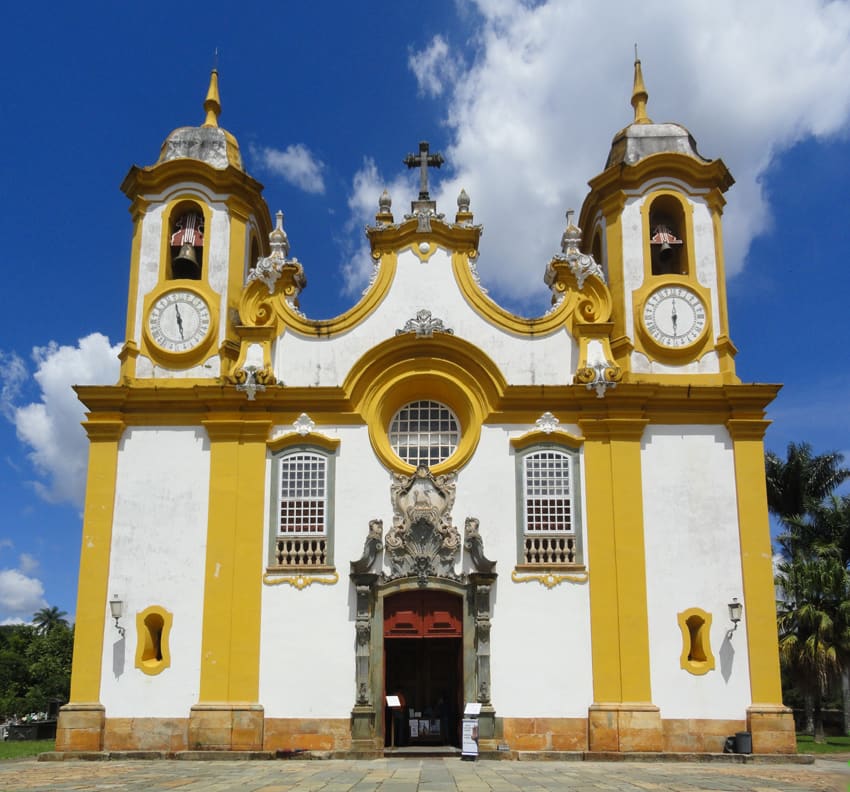
Igreja Matriz de Santo Antônio
Baroque church with gold leaf interiors designed by Aleijadinho. Pay the entrance fee in cash at the portal.
Vraag ParleyBrazilië
18th-century gold rush architecture and slow Mineiro dining.
introduction
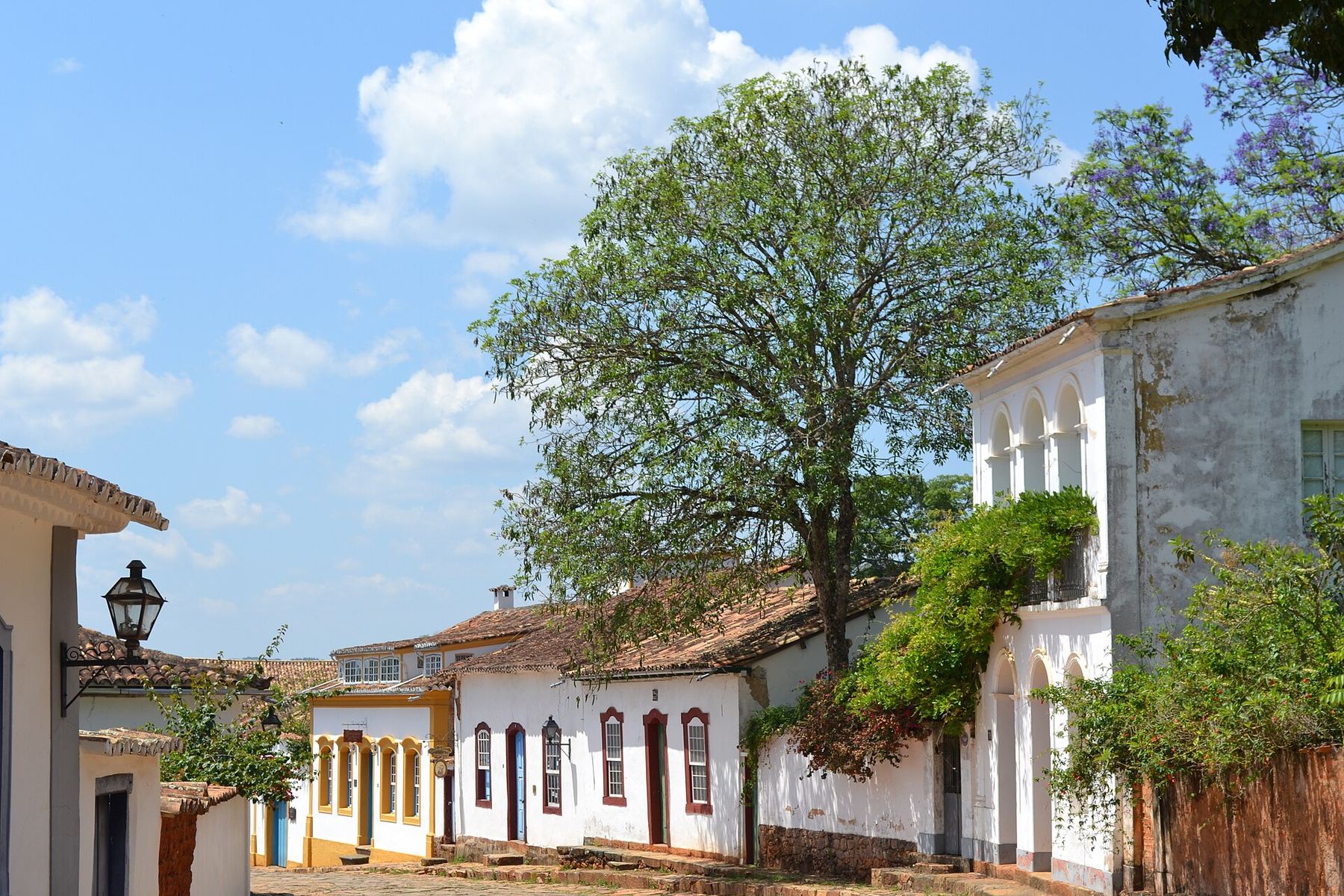
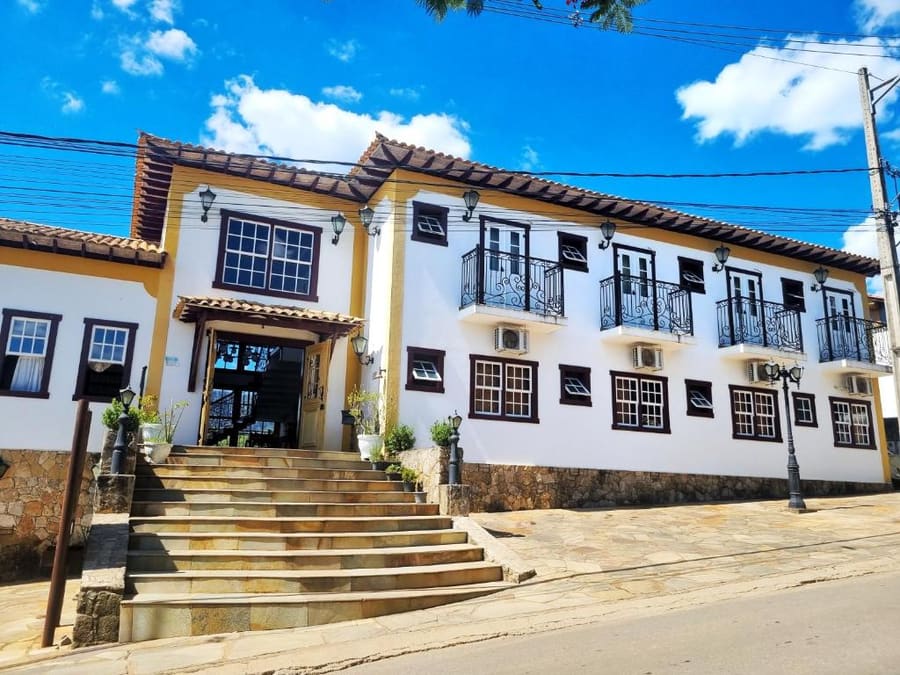
Tiradentes sits at the foot of the Serra de São José, preserved by economic isolation after its 18th-century gold reserves ran dry. The town centers on uneven cobblestone streets lined with whitewashed colonial mansions and Baroque churches. You navigate the core entirely on foot, trading speed for footing on the rough stone pavement. Plan around quiet midweek days, as weekend influxes from major cities fill restaurants and narrow lanes.
Arrival trick
Take a long-distance bus to São João del-Rei, then transfer to a 30-minute local bus. Direct coaches into Tiradentes historic center are limited.
Historic recognition
The entire architectural ensemble of Tiradentes was declared a national monument by IPHAN in 1938.
Planning trick
Visit between Tuesday and Thursday to avoid weekend crowd surges. Most restaurants close entirely on Mondays.
highlights
landmark
Baroque church with gold leaf interiors designed by Aleijadinho. Pay the entrance fee in cash at the portal.
Vraag Parley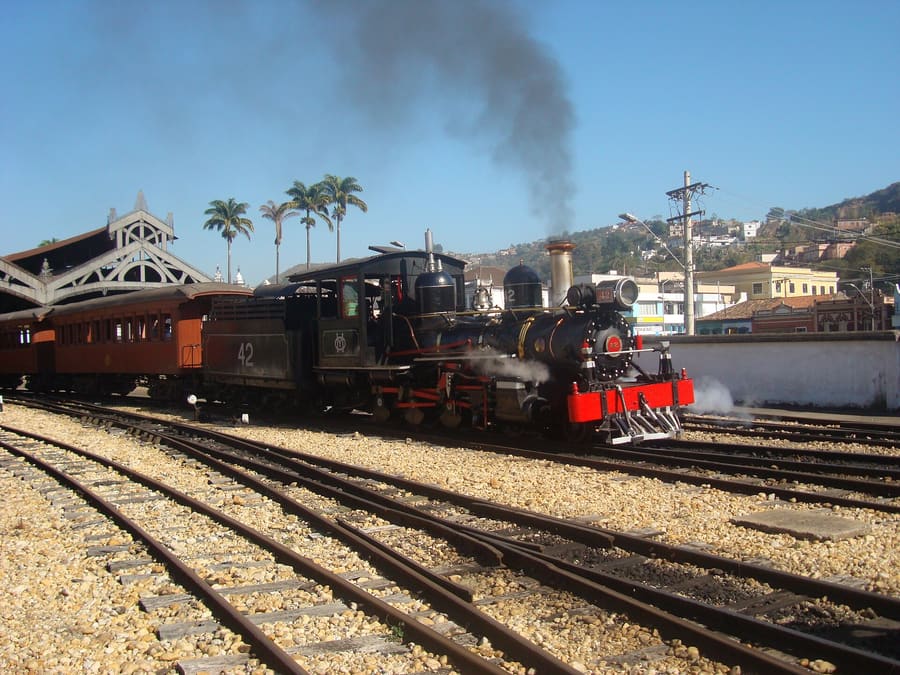
landmark
A 12-kilometer steam railway connecting Tiradentes to São João del-Rei. Reserve tickets online for weekend departures.
Vraag Parley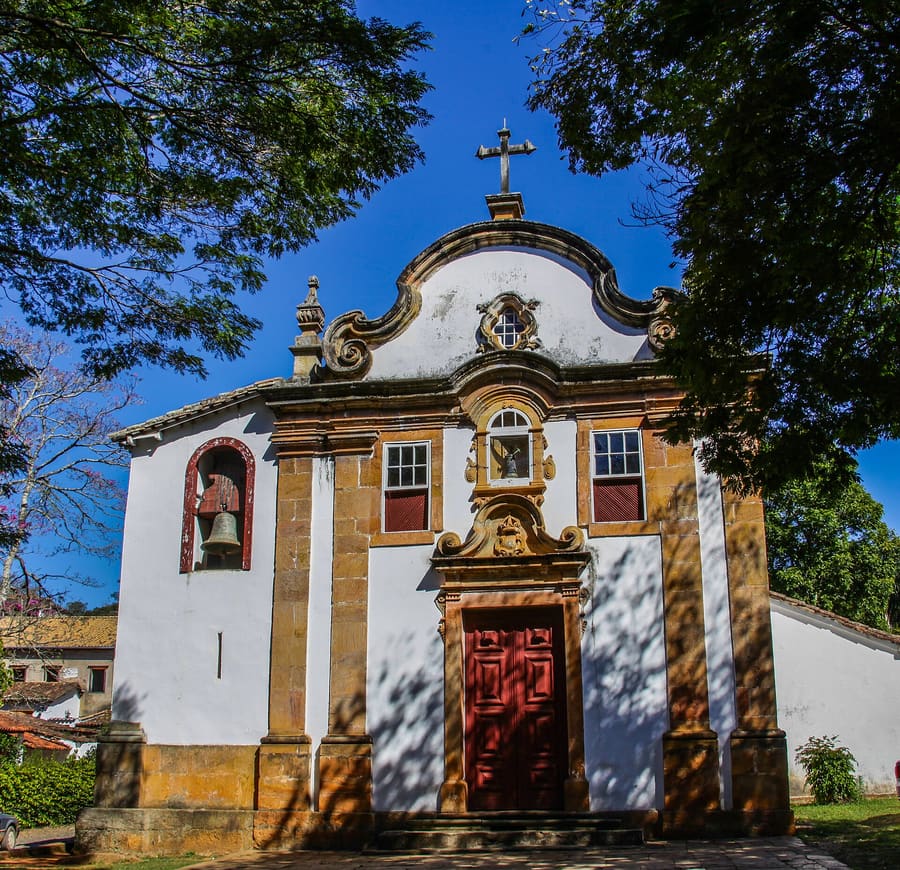
landmark
Built by enslaved workers in the 18th century with gold gathered in secret. Operating hours vary by week.
Vraag Parley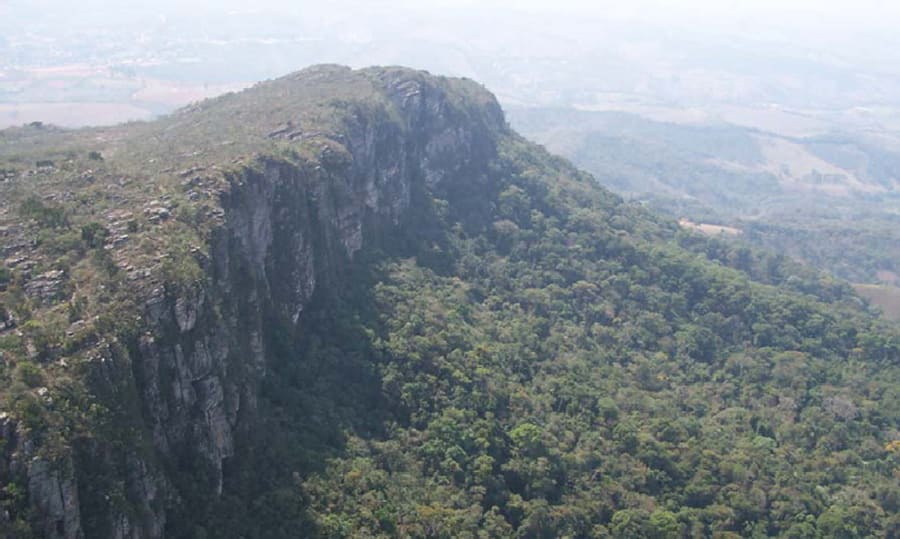
landmark
Quartzite ridge towering over town with steep hiking trails. Hire a local guide for the Mangue path.
Vraag Parleyattractions
areas
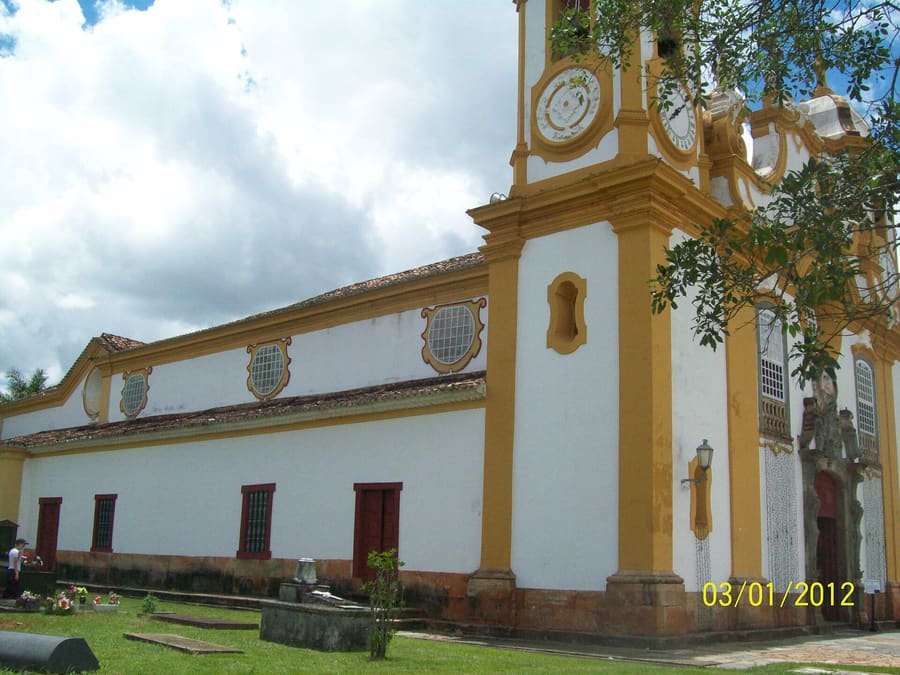
Uneven cobbles, whitewashed 18th-century mansions, and high concentration of historic churches.
DichtbijIgreja Matriz and main museums.
Vraag Parley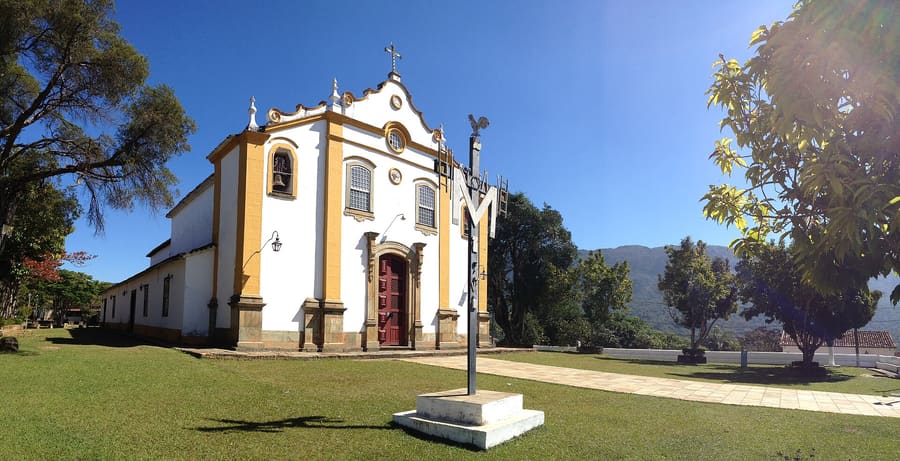
Slower-paced quarter around the Trindade sanctuary with traditional taverns and family pousadas.
DichtbijSantuário da Santíssima Trindade.
Vraag ParleyOpen central square bordered by cafes, craft shops, and horse-drawn carriage drivers.
DichtbijTourist information, taxi stands, bus stops.
Vraag ParleyQuiet residential neighborhood tucked behind the center with guest houses and artisan workshops.
DichtbijSerra de São José trailheads.
Vraag Parleyfood
Traditional Mineiro cuisine in Tiradentes revolves around pork, cornmeal, cassava, and native wild greens like ora-pro-nobis. Cooking here relies on heavy cast-iron pots and wood-burning stoves that simmer stews for hours. Do not expect light meals; portions are hearty and calibrated for regional appetite.
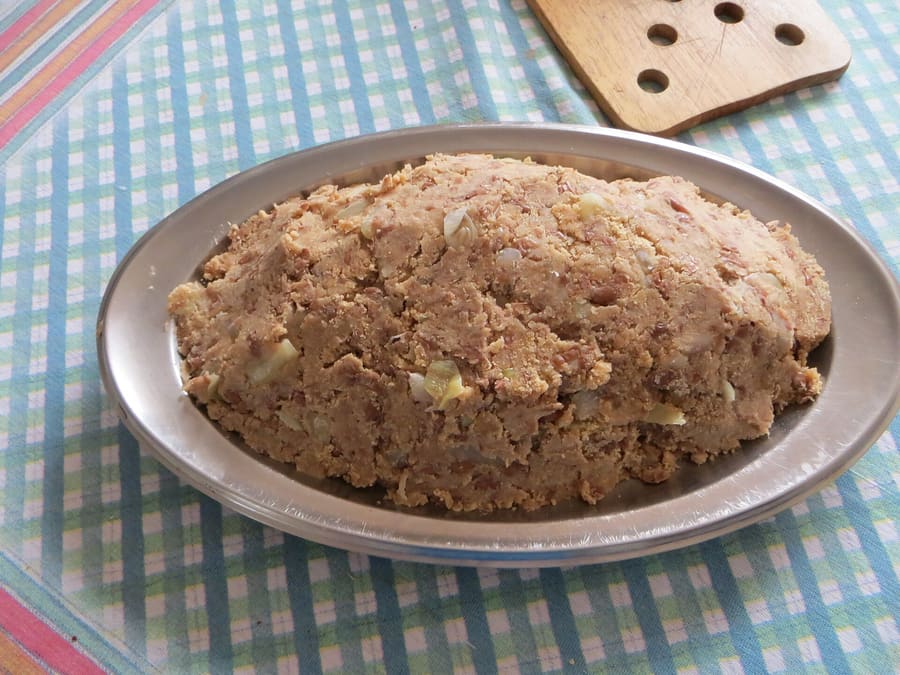
Tutu de feijão served with pork cracklings and sausage.
DAR7 · CC BY-SA 4.0This stew combines chicken with a protein-rich leafy cactus native to Minas Gerais. Pair it with tutu de feijão at traditional spots like Viradas do Largo.
Popular central dining rooms fill up completely by 13:00 on Saturdays. Arrive at 12:00 or book weeks ahead for dinner.
Locals balance rich dulce de leche with tangy Canastra cured cheese. Pick up hand-poured jars at Chico Doceiro.
history
Tiradentes began in 1702 as Arraial da Ponta do Morro during the Minas Gerais gold rush. Renamed in 1889 to honor Joaquim José da Silva Xavier (known as Tiradentes), a martyr of the Inconfidência Mineira independence movement, the town kept its colonial structure because regional wealth shifted away once the alluvial gold deposits dried up.
Gold Discovery
Paulista prospectors find gold along the Santo Antônio river, establishing the settlement.
Town Status
Elevated to town status under the name Vila de São José do Rio das Mortes.
Inconfidência Mineira
Local leaders plot against Portuguese taxation; Tiradentes is executed three years later.
Renaming
The town is renamed Tiradentes to commemorate the leader of the independence movement.
Heritage Protection
IPHAN classifies the town center as national heritage, halting modern developments.
where to stay
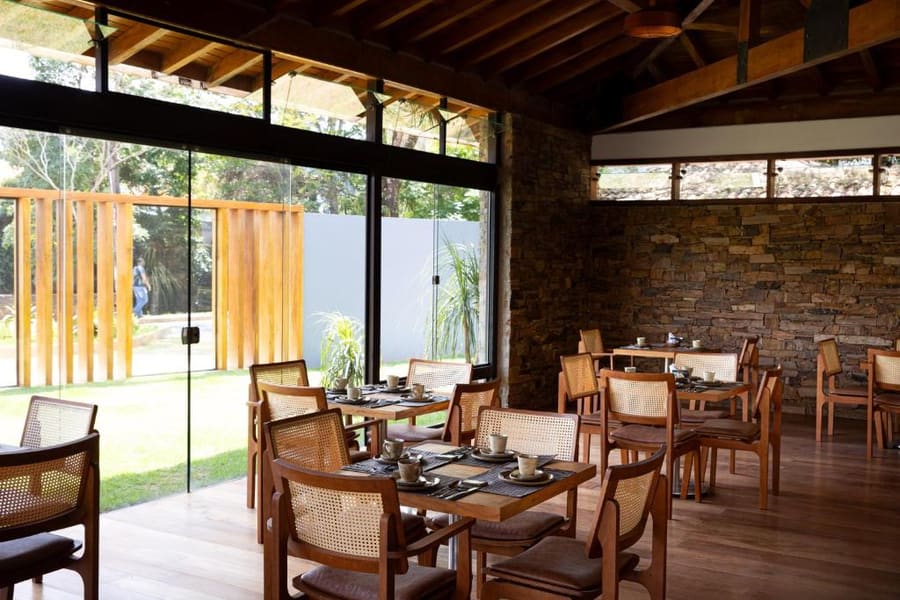
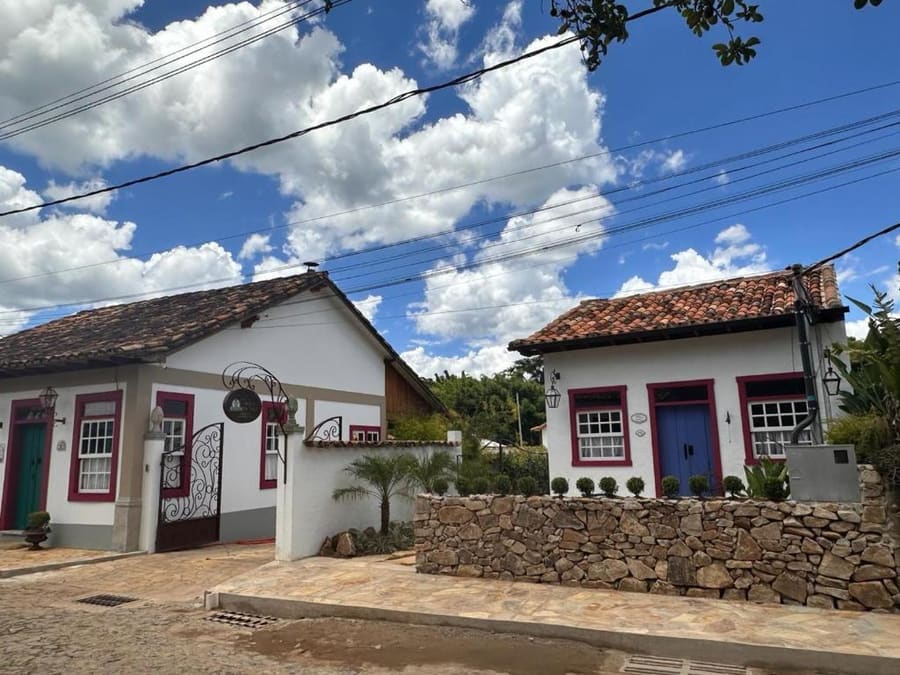
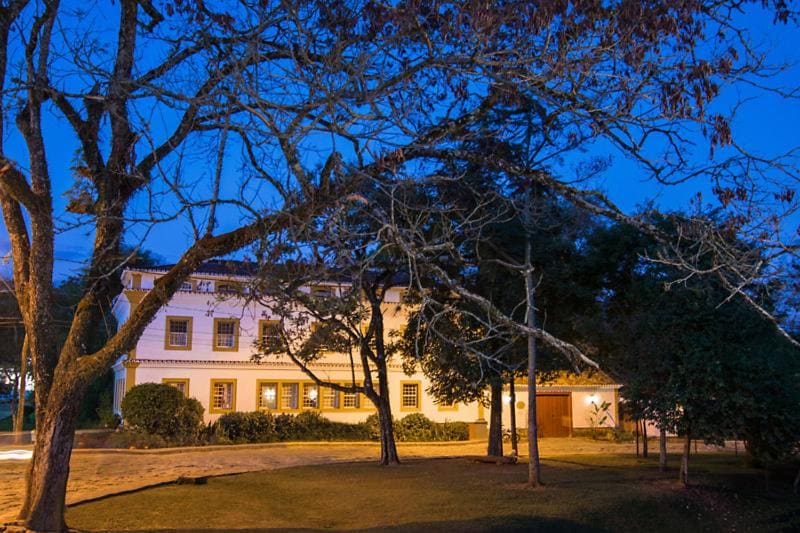
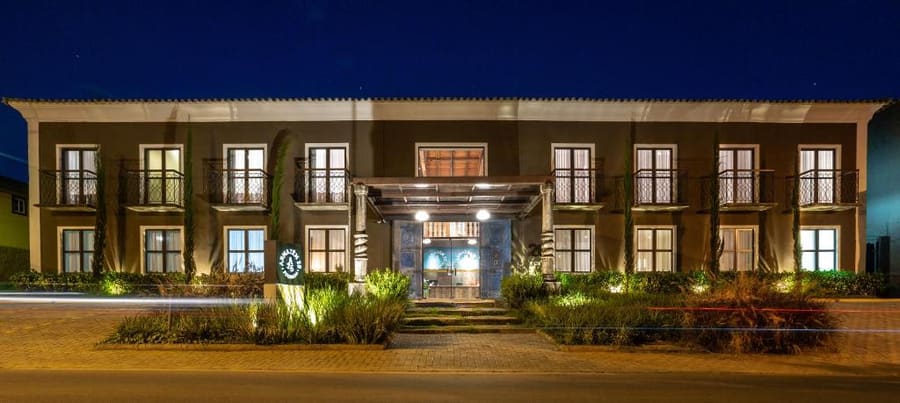
Select your base according to your footwear and transit plans. The historic core puts you steps from dining but forces you to drag luggage over irregular stone streets. Outer districts offer spacious garden pousadas with easier parking and quieter nights.
Live rates, matched to the areas above.
transport
Tiradentes has no commercial airport. Most travelers arrive via Belo Horizonte (CNF) or long-distance bus from Rio de Janeiro, transferring at São João del-Rei. Once in town, walking is the primary way to move around, though local taxis serve outer neighborhoods.
Rounded stones ('pé de moleque') twist ankles easily. Leave heels and thin-soled dress shoes at home.
Municipal transit between Tiradentes and São João del-Rei requires cash paid directly to the driver.
The Maria Fumaça train operates limited weekend departures and fills up quickly during school holidays.
Streets are narrow, paved with steep stones, and offer almost no public parking near key sites.
cost
Tiradentes carries higher prices than neighboring Mineiro towns due to weekend tourism from Rio de Janeiro and Belo Horizonte. Midweek room rates are noticeably cheaper than Friday or Saturday rates.
Generous single portions or buffets by weight that easily feed two moderate eaters.
Churches collect small cash fees at the door for site restoration work.
Standard adult round-trip fare between Tiradentes and São João del-Rei.
Standard double room including cooked breakfast in a central guest house.
seasonality
DEC – FEB
Warm and rainy season. Downpours wash over cobbles; bring waterproof footwear with traction.
MAR – MAY
Mild temperatures and clearer skies. Excellent window for hiking Serra de São José.
JUN – AUG
Crisp dry winter nights. Peak season for gastronomy festivals and cozy pousada stays.
SEP – NOV
Transition months with moderate heat. Spring blossoms arrive before summer rains start.
practicalities
Churches, museums, and many major restaurants close on Monday for staff rest.
Sunlight reflects intensely off whitewashed walls and open stone squares at noon.
Evening temperatures drop significantly in winter due to the elevation near 900 meters.
Independent rural workshops near town often lack stable cellular service for card readers.
Take a 20-minute local bus ride north to Bichinho village for handmade furniture and tinware.