landmark
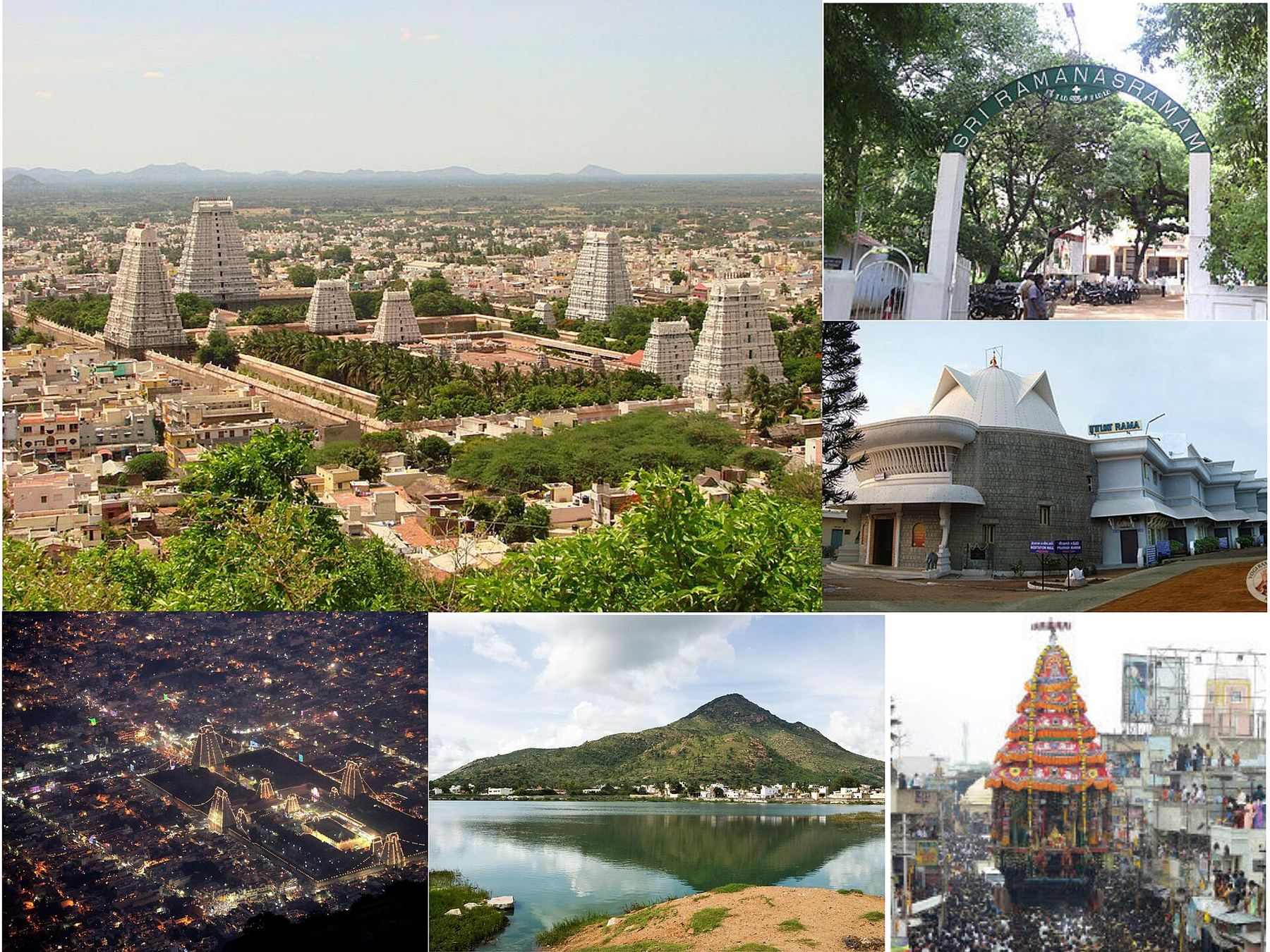
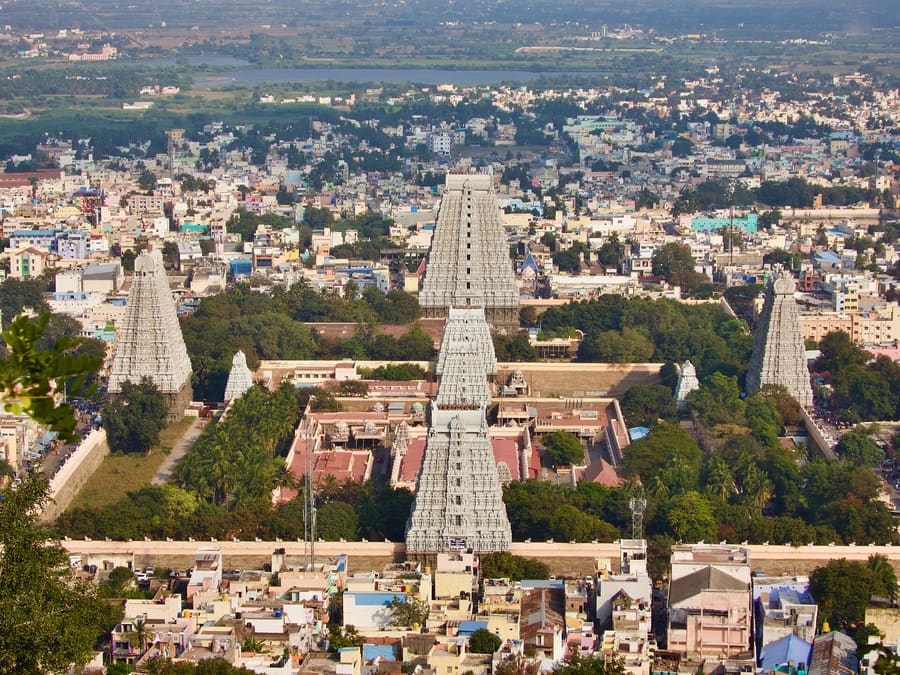
Annamalaiyar Temple
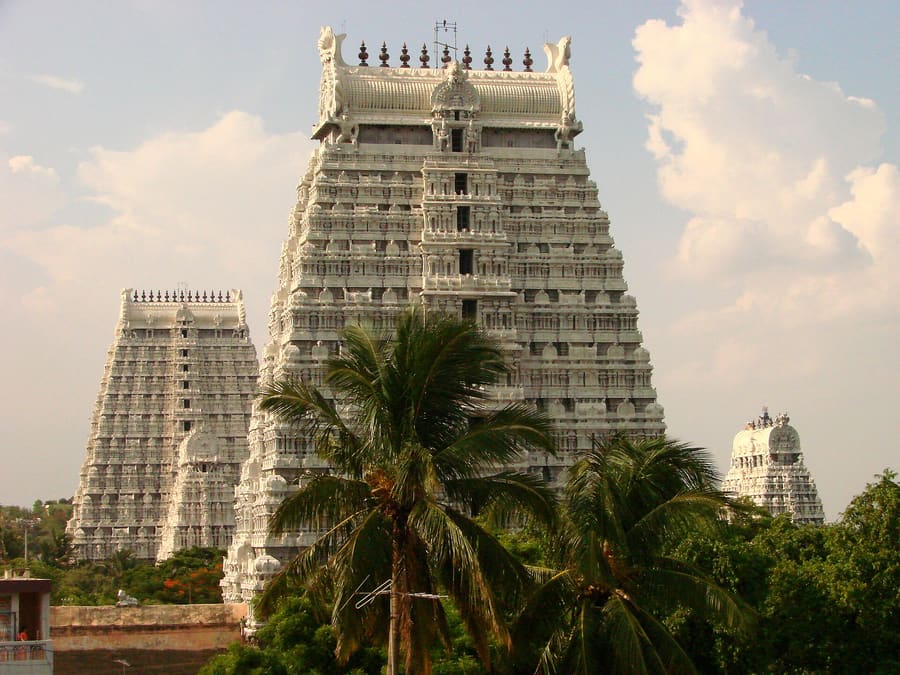
A 25-acre temple complex featuring four huge gateway towers. Remove shoes outside and visit early morning to skip the longest queues.
Vraag ParleyIndia
A sacred red hill, massive temple towers, and silent ashrams.
introduction
Tiruvannamalai sits at the foot of Arunachala, a granite hill revered as a manifestation of Shiva. Life here revolves around two poles: the massive Annamalaiyar Temple complex, which dates back to the 9th century during the Chola era with 16th-century expansions under Vijayanagara rulers, and the quiet ashrams along Chengam Road. You move between crowded temple corridors, shaded hillside caves, and the 14-kilometer barefoot walk around the mountain base. Expect heat, intense local devotion, and a distinct lack of westernized resort comfort.
Bus arriving from Chennai
Buses from Chennai drop you at the main stand. Take an auto-rickshaw directly to Chengam Road for ashram stays.
Karthikai Deepam beacon
During the Tamil month of Karthikai, a massive cauldron of ghee lights up the summit of Arunachala Hill.
Full moon walking crowds
On Chitra Poornima and monthly full moons, hundreds of thousands walk the Girivalam path. Book rooms weeks ahead.
highlights
landmark
A 25-acre temple complex featuring four huge gateway towers. Remove shoes outside and visit early morning to skip the longest queues.
Vraag Parley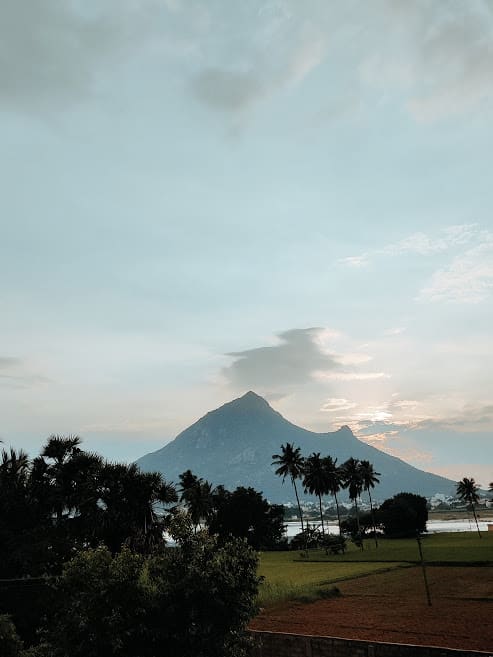
landmark
The holy red mountain at the center of town. Climbing past Skandashram requires good footwear and full sun protection.
Vraag Parley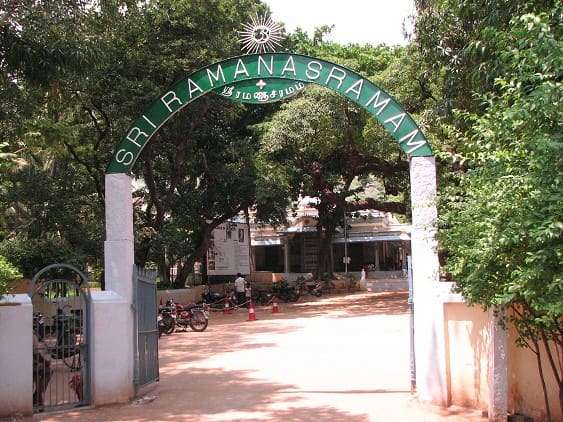
landmark
A quiet retreat dedicated to Ramana Maharshi. Maintain strict silence in the meditation hall and dress conservatively.
Vraag Parley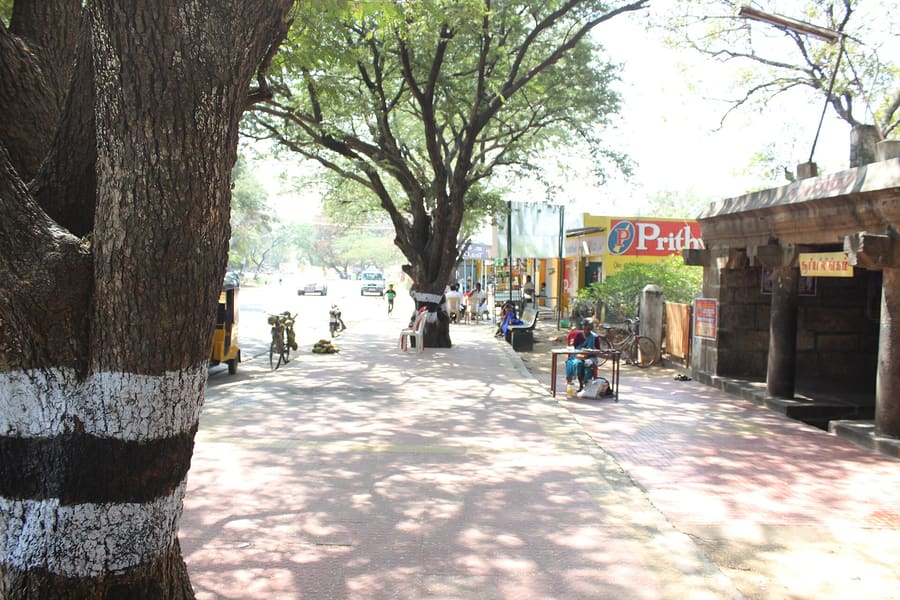
landmark
A 14-kilometer paved loop around Arunachala. Most pilgrims walk barefoot at night or early morning to avoid asphalt heat.
Vraag Parleyattractions
areas
Narrow lanes surrounding Gopuram towers with continuous chanting and flower stalls.
DichtbijAnnamalaiyar Temple and Car Street
Vraag Parley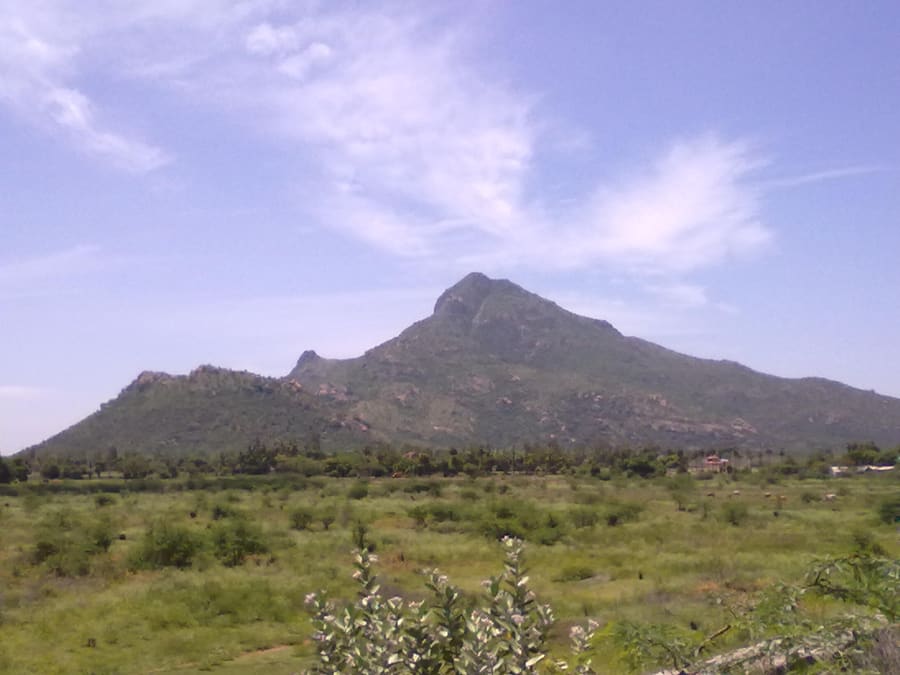
Green ashram enclave filled with quiet cafes and international spiritual seekers.
DichtbijSri Ramana Ashram and path to Virupaksha Cave
Vraag Parley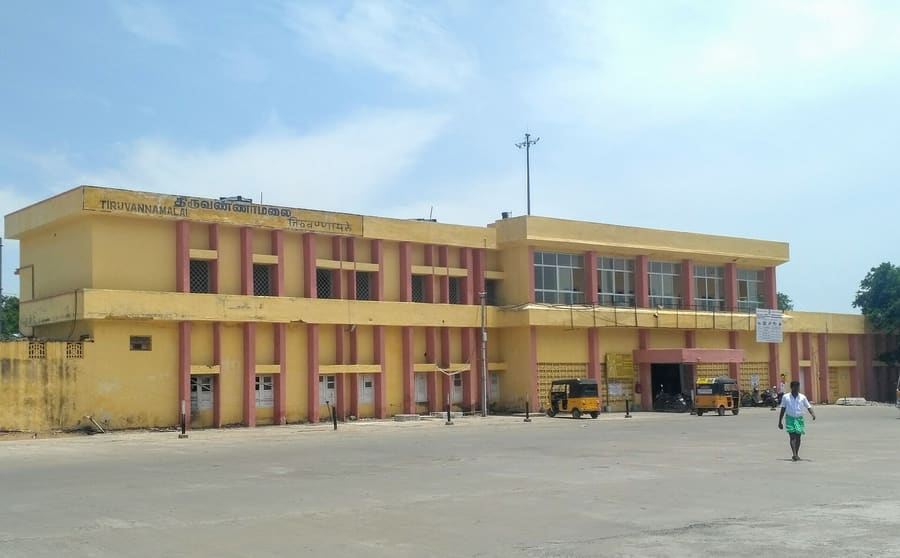
Practical transport hub with budget hotels and commercial shops.
DichtbijTiruvannamalai Railway Station and Central Bus Stand
Vraag ParleyOpen road circuit lined with small shrines, trees, and simple tea shops.
DichtbijKubera Lingam and Arunachala base
Vraag Parleyfood
Tiruvannamalai feeds visitors through two distinct food ecosystems: pure vegetarian Tamil tiffin centers and ashram-adjacent healthy cafes. Around the main temple, breakfast centers serve steamed idli, crisp ghee roast dosas, and hot filter coffee served in brass davarah sets. Midday meals in town feature banana leaf thalis with unlimited rice, sambar, rasam, and kootu.Along Chengam Road, international demand has created spots offering wood-fired pizzas, herbal teas, and organic bowls alongside traditional South Indian items. Alcohol is restricted or unavailable across most dining establishments in town.
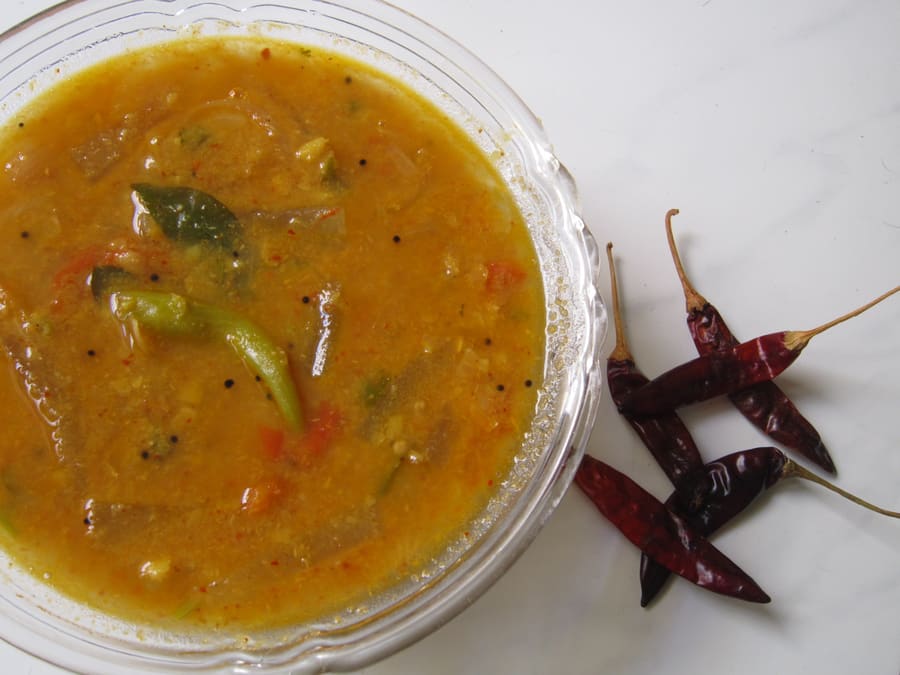
A traditional South Indian thali served on a fresh banana leaf.
Kalaiselvi Murugesan · CC BY-SA 4.0Popular tiffin joints like Sri Aksharabhavan fill up quickly by 07:30. Go early for piping hot dosas.
Small tiffin eateries around Car Street rarely accept credit cards or foreign payment apps. Carry local currency notes.
Sri Ramana Ashram serves simple, free vegetarian meals at scheduled times. Diners sit cross-legged on floor mats in silence.
history
Tiruvannamalai grew around Arunachala Hill, an ancient granite outcropping considered sacred in Hindu tradition for well over a millennium. The Chola dynasty built the inner core of Annamalaiyar Temple in the 9th century, leaving Tamil stone inscriptions detailing royal gifts and land grants.In the 16th century, rulers of the Vijayanagara Empire built the towering gopurams that dominate the skyline today. The town gained modern global attention in the early 20th century when sage Ramana Maharshi settled on Arunachala, attracting quiet seekers from across India and abroad.
Chola Construction
Chola monarchs establish the stone structure of Annamalaiyar Temple and record royal donations on temple walls.
Vijayanagara Gopurams
Vijayanagara rulers expand the outer walls and erect massive gateway towers, including the 11-story Raja Gopuram.
Ramana Maharshi Arrives
Young Venkataraman arrives in Tiruvannamalai, beginning decades of silent meditation in hillside caves.
Ramana Ashram Founded
Sri Ramana Ashram is established at the foot of Arunachala Hill, becoming a center for global self-inquiry.
where to stay
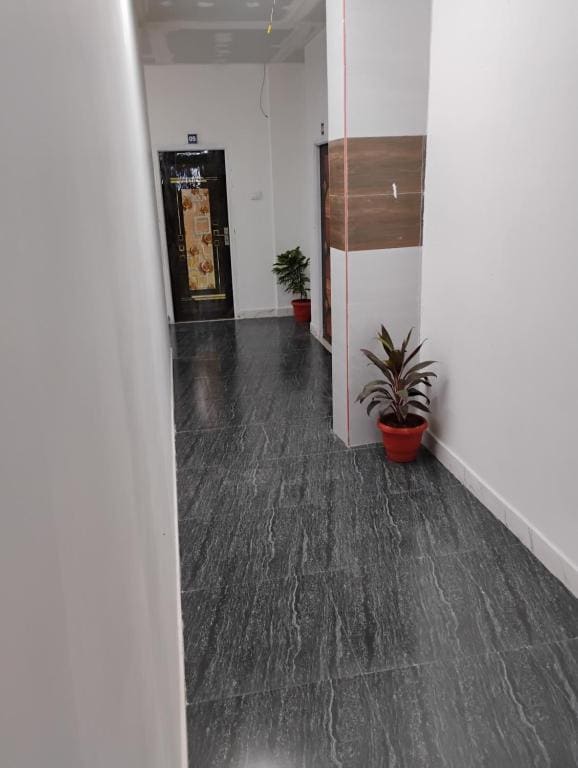
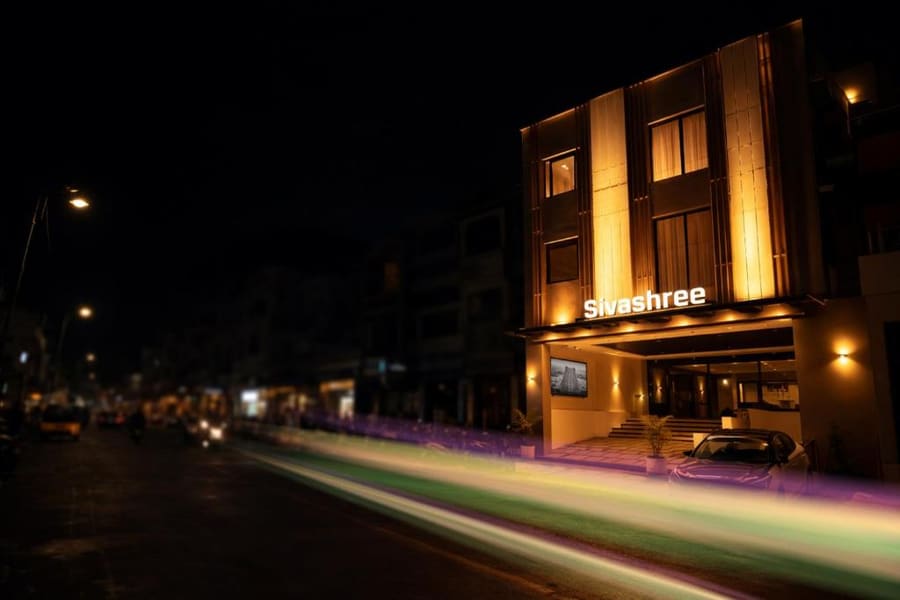
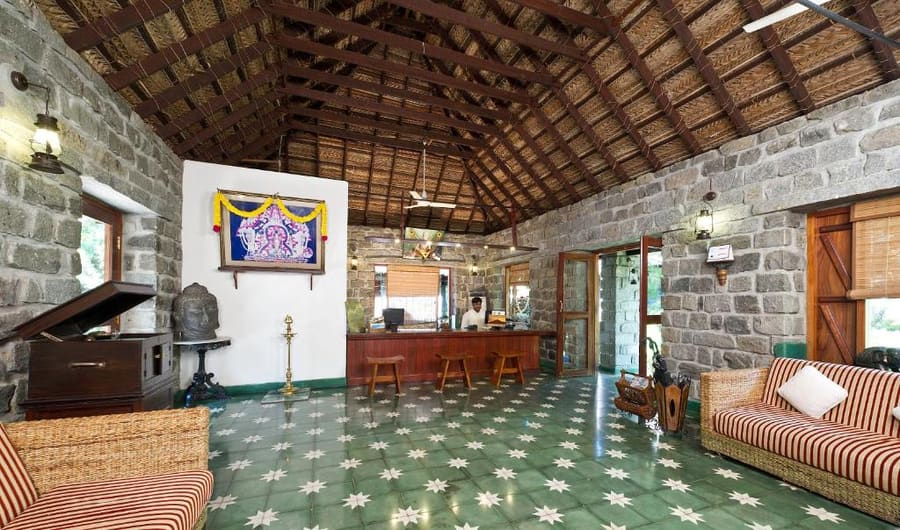
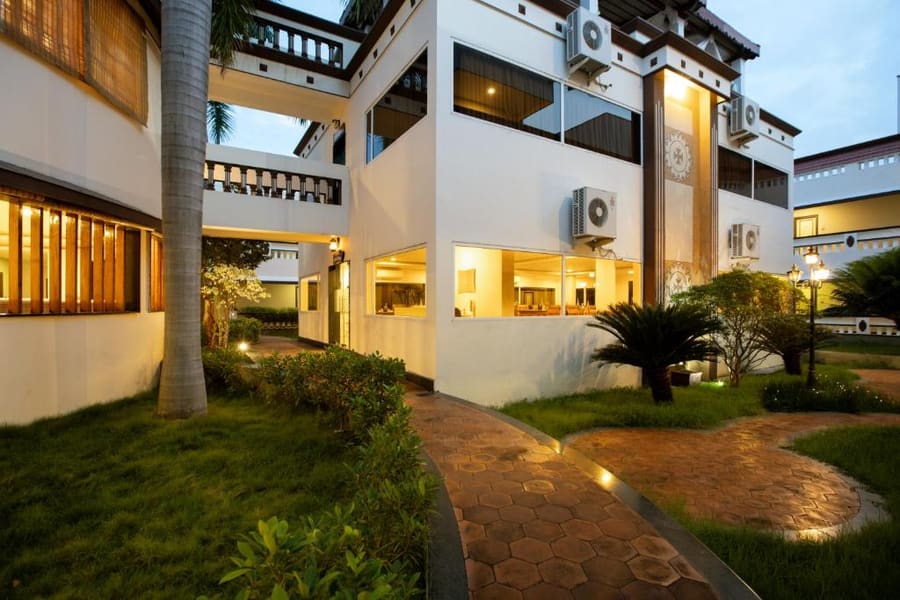
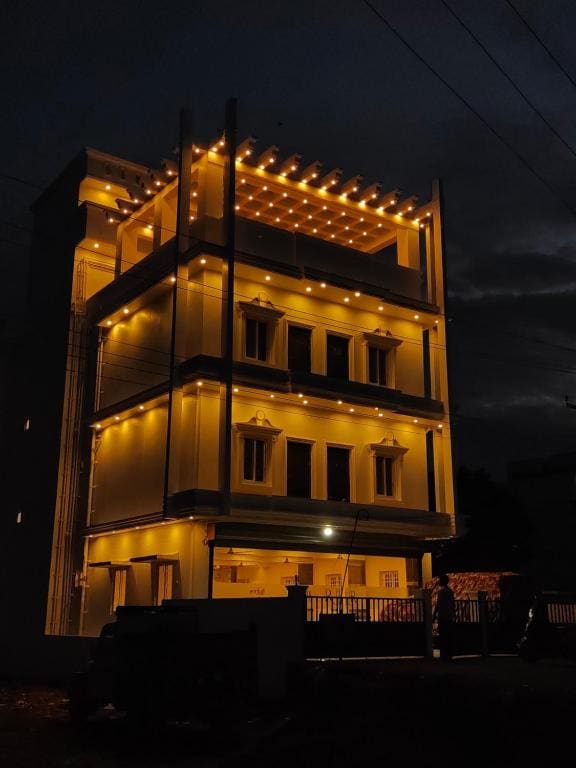
Choose your base by your primary motivation for visiting Tiruvannamalai. If you came to meditate, walk the hill path, or stay near cafes, book along Chengam Road. If your focus is intensive temple worship and morning rituals, select a hotel within walking distance of the East Gopuram. Budget travelers making quick transit connections often stay near the central bus stand.
Live rates, matched to the areas above.
transport
Tiruvannamalai is compact but spread along linear corridors. Walking works well inside the temple district and around Chengam Road, but auto-rickshaws are essential for cross-town trips. Always agree on auto fares before boarding, as meters are rarely used.
Vanaf Chennai International Airport (MAA)
Pre-booked private taxi from MAA airport directly to your hotel.
State express buses run frequently from Chennai CMBT (Koyambedu) stand.
Short rides between Ramana Ashram and the main temple cost around ₹100 to ₹150. Bargain gently before getting in.
The 14km circuit path has street lighting. Walking takes 3 to 4 hours at a steady pace.
Town buses connect the central bus stand to outer villages along Chengam Road for under ₹15.
Auto drivers do not accept foreign credit cards. Keep small ₹20 and ₹50 bills handy.
cost
Tiruvannamalai remains an affordable destination by South Indian standards. Dining on local meals is inexpensive, though Western-style cafes on Chengam Road charge higher rates. Sacred sites and ashrams generally do not charge admission fees.
Served at local tiffin centers near the temple gates.
Standard rate between Chengam Road and the East Gopuram.
Per night for basic air-conditioned accommodation near the temple.
Per person for salad, fresh juice, or pasta in ashram-adjacent spots.
seasonality
NOV – FEB
Pleasant temperatures around 25–30°C. Peak season for pilgrims and foreign visitors; reserve rooms early.
MAR – MAY
Extremely hot with temperatures exceeding 40°C. Barefoot walking on asphalt is painful during daylight.
JUN – SEP
High humidity and occasional southwest monsoon showers. Moderate crowds and lower hotel rates.
OCT – NOV
Northeast monsoon brings heavy rain spells. Temple tanks fill up and evening temperatures cool down.
practicalities
Shoulders and knees must be covered at Annamalaiyar Temple. Avoid shorts, sleeveless tops, and tight leather gear.
Shoes are strictly banned inside temple grounds and ashrams. Use official shoe counters outside gates for a small fee.
ATMs line Chengam Road and the temple streets, but machines frequently run out of cash during full moon festivals.
Annamalaiyar Temple closes its main sanctum between 12:30 PM and 3:30 PM daily. Plan visits for morning or evening.
Bonnet macaques along the hill path to Virupaksha Cave grab visible food items and plastic bags. Keep food concealed.