landmark
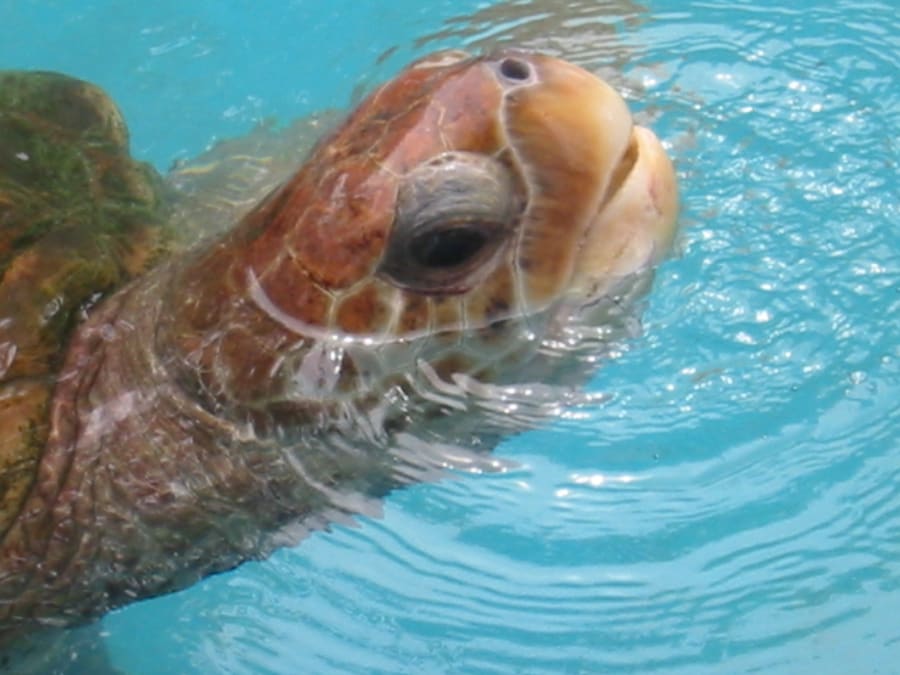
Projeto Tamar
Rehabilitation center for sea turtles caught in fishing nets. Visit during afternoon feeding sessions to avoid school groups.
Vraag ParleyBrazilië
Rainforest-backed surf coast with over a hundred beaches.
introduction
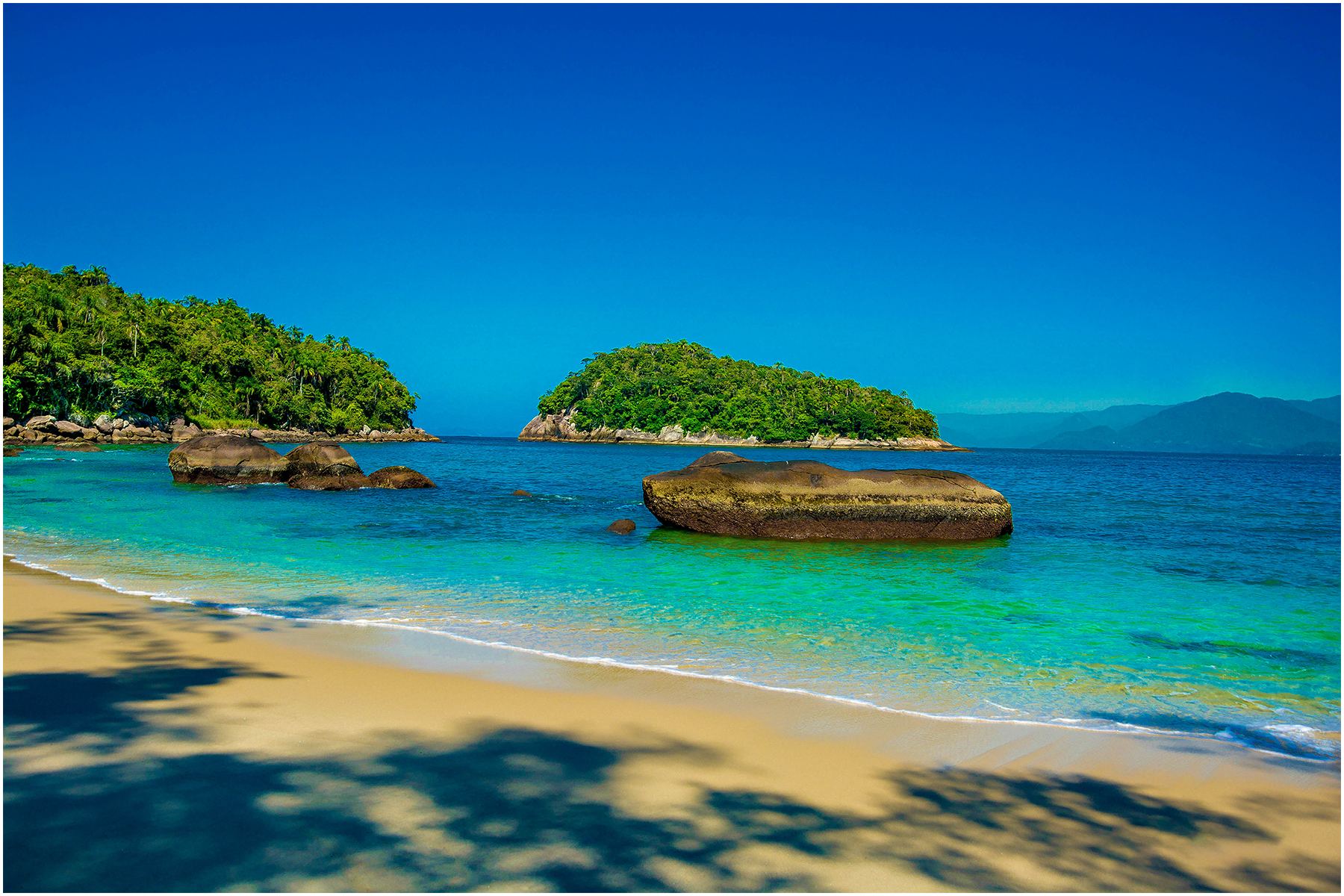
Ubatuba spans 100 kilometres of Atlantic coastline backed directly by the forested Serra do Mar mountains. You move through the municipality via a single two-lane highway, BR-101, which connects more than 100 distinct beaches. Expect heavy rain even in summer, steep coastal terrain, and stark contrasts between quiet northern coves and crowded central strips.
Conservation status
Over 80 percent of Ubatuba sits inside the Serra do Mar State Park, protecting coastal Atlantic Forest habitat from real estate expansion.
Ubatuba
manufaturadeideias · CC BY-SA 2.0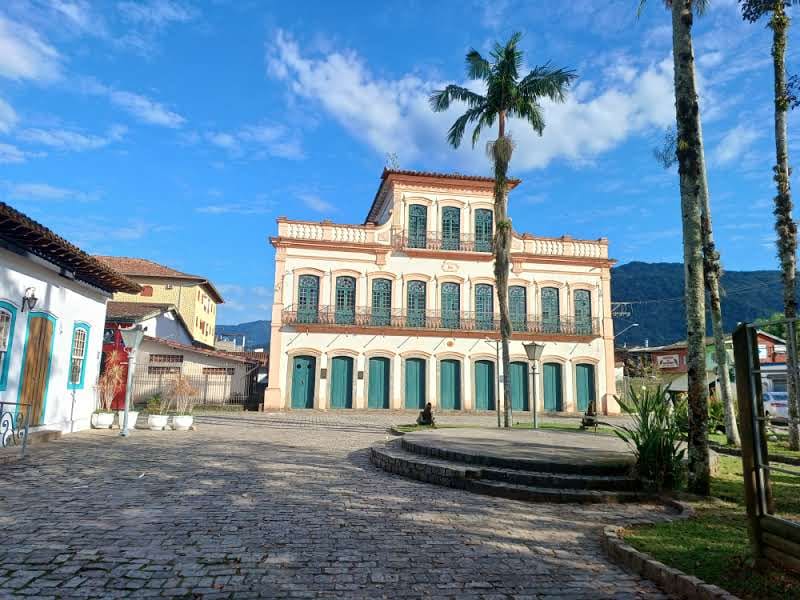
Centro — Administrative core with practical services, craft markets, and long-distance bus connections.
Joalpe · CC BY-SA 4.0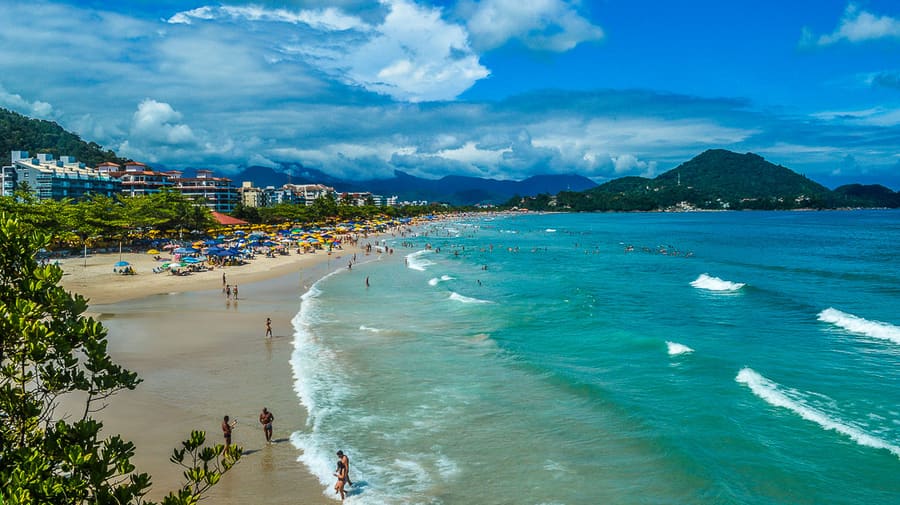
Praia Grande — High-density residential strip packed with rental apartments, kiosks, and energetic crowds.
DeyvesMartins · CC BY-SA 4.0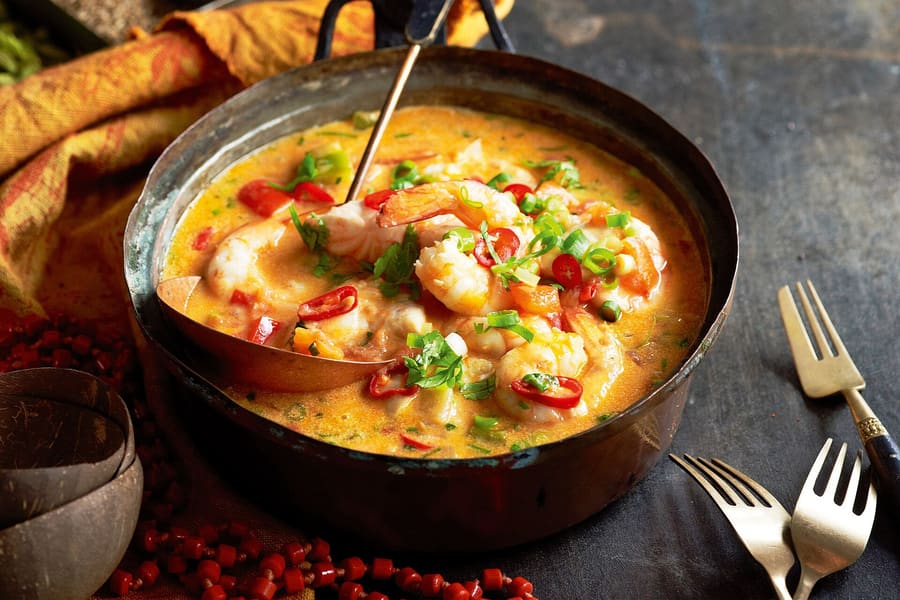
Azul Marinho, a regional Caiçara dish of fish stewed with green banana in clayware.
BR · CC BY-SA 4.0highlights
landmark
Rehabilitation center for sea turtles caught in fishing nets. Visit during afternoon feeding sessions to avoid school groups.
Vraag Parley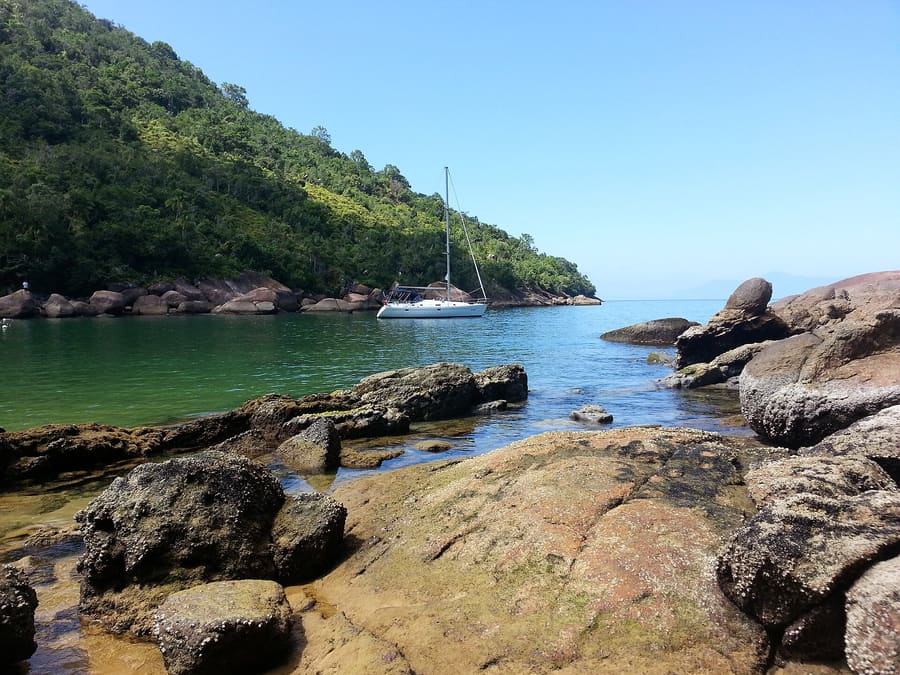
landmark
Protected island housing 1930s prison ruins and clear snorkel coves. Catch schooner departures from Saco da Ribeira pier.
Vraag Parley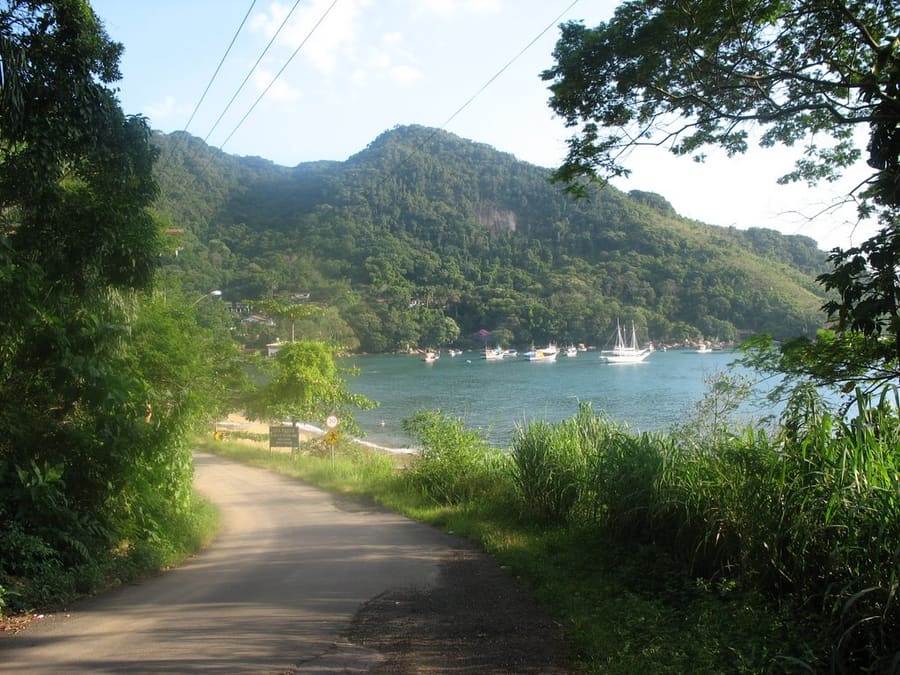
landmark
Preserved fishing hamlet on the northern border near Rio state. Board small motorboats here for trip to Couves Island.
Vraag Parleyattractions
areas
Administrative core with practical services, craft markets, and long-distance bus connections.
DichtbijPraia do Cruzeiro and the central bus terminal.
Vraag ParleyHigh-density residential strip packed with rental apartments, kiosks, and energetic crowds.
DichtbijTenório beach and Toninhas bay.
Vraag ParleyWaterfront dining street backed by guesthouses and urban bayside walkways.
DichtbijProjeto Tamar and Saco da Ribeira boat launches.
Vraag Parleyfood
Ubatuba’s cuisine relies on traditional Caiçara coastal cooking methods. The signature local dish is Azul Marinho, where fresh daily catch is simmered in a cast-iron pot with green bananas and coriander; green banana tannins react with iron from the pot to turn the broth a distinct dark blue gray. Most seafood restaurants line Rua Guarani in Itaguá.
Azul Marinho, a regional Caiçara dish of fish stewed with green banana in clayware.
BR · CC BY-SA 4.0Beach kiosks charge high markups for fried squid. Confirm portion weights before ordering at open-air stands.
Itaguá restuarants open for dinner at 19:00. Arrive by 19:30 on weekends to avoid 45-minute queues.
history
Before European contact, Tupinambá villages dominated the coastal strip. The 1563 Treaty of Ubatuba brokered peace between Portuguese colonists and indigenous leaders through Jesuit priest Anchieta. Isolation ended in the mid-20th century when the Rio-Santos highway cut through the mountain range, converting an isolated fishing outpost into a coastal getaway.
Ilha Anchieta Prison
State penal colony constructed on Anchieta Island, operating until a political riot in 1952.
Rio-Santos Highway
Construction of BR-101 opens direct automobile transit from São Paulo and Rio de Janeiro.
Serra do Mar Park
Establishment of state park protects 80 percent of Ubatuba land area from urban development.
where to stay
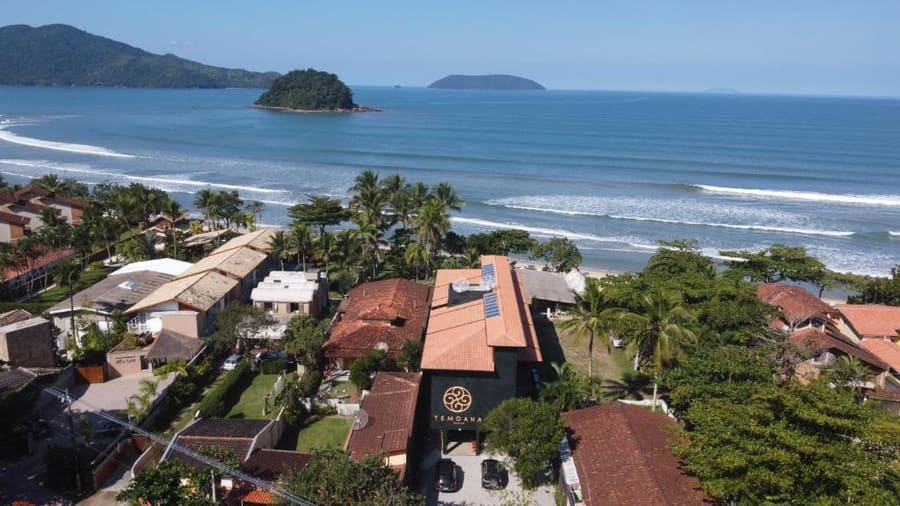
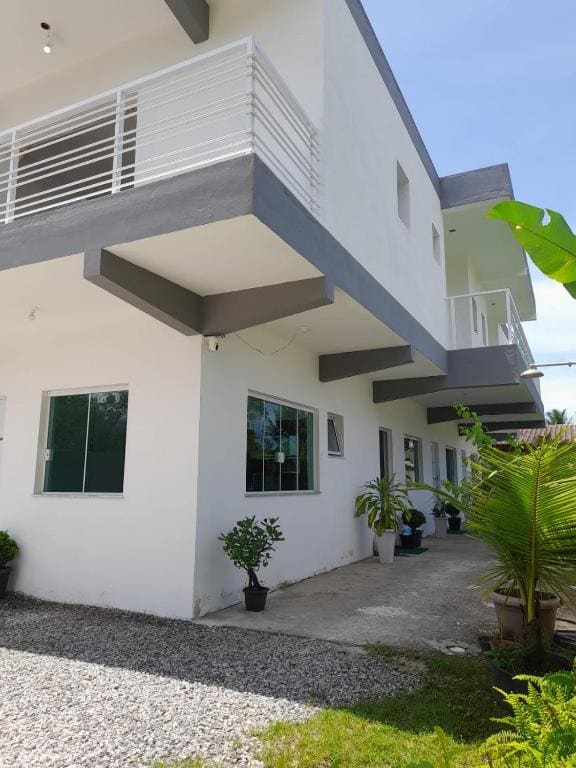
Choose your location based on your transportation plan. Without a car, stay in Itaguá to reach urban conveniences and daily tour boats on foot. With a car, choose northern beaches like Itamambuca or Felix to skip suburban traffic and step straight onto surf beaches.
Live rates, matched to the areas above.
transport
Ubatuba spans 100 kilometres of coastline with a single main artery, BR-101. Driving provides the most flexibility for distant northern and southern coves, but summer traffic jams can turn a 15-kilometre trip into a two-hour drive. Local bus network Sou Ubatuba connects major beaches to the central station.
Vanaf Rodoviária de Ubatuba (Central Bus Terminal)
Verde Bus runs along highway BR-101. Pay cash or local transit card upon boarding.
Fixed taxi stands operate at Centro bus terminal and Itaguá waterfront.
Uber drivers operate in central zones, but service becomes scarce north of Itamambuca.
Street parking at popular beaches requires a Zona Azul digital slip purchased via app or street vendors.
Highway BR-101 stalls southbound every afternoon between 16:00 and 19:00 as beachgoers return.
Buses to outer beaches like Picinguaba or Maranduba run on hourly frequencies; check schedules at the main terminal.
Small motorboats at Saco da Ribeira ferry hikers directly to isolated beaches like Praia do Cedro.
cost
Ubatuba prices swing sharply between low and high season. Summer holidays and long weekends double hotel rates and increase food prices at beach kiosks. Local currency is the Brazilian Real (R$).
Kiosks waive chair fees if you spend a minimum amount (typically R$ 100) on food and drink.
Standard adult fare departing from Saco da Ribeira pier, excluding state park entrance fees.
Single ticket grants parking access across designated beach zones for the entire day.
Standard plate of fish or beef served with rice, beans, and farofa in central cafeterias.
seasonality
DEC – FEB
Warmest sea temperatures and high humidity. Expect heavy tropical rain showers and dense traffic jams.
MAR – MAY
Decreasing rainfall and manageable crowds. Sea remains warm enough for comfortable swimming.
JUN – AUG
Driest months of the year with clear skies, but sea water temperatures drop and nights are cool.
SEP – NOV
Spring brings rising temperatures and unpredictable rainfall. Waves pick up for surfing.
practicalities
Biting borrachudo midges swarm near forested beaches and rivers. Standard insect repellent is ineffective; use oil-based repellents containing citronella or DEET.
Open-ocean beaches like Itamambuca and Félix feature strong rip currents. Swim only in zones monitored by lifeguards.
Ubatuba charges an Environmental Preservation Fee (TPA) per vehicle day, billed automatically via electronic license plate readers.
Buy groceries in Centro or Itaguá before heading to northern or southern beach rentals, where local minimarkets carry double the price tags.
Mobile signal drops completely on stretches of highway BR-101 between Itamambuca and Picinguaba.