landmark
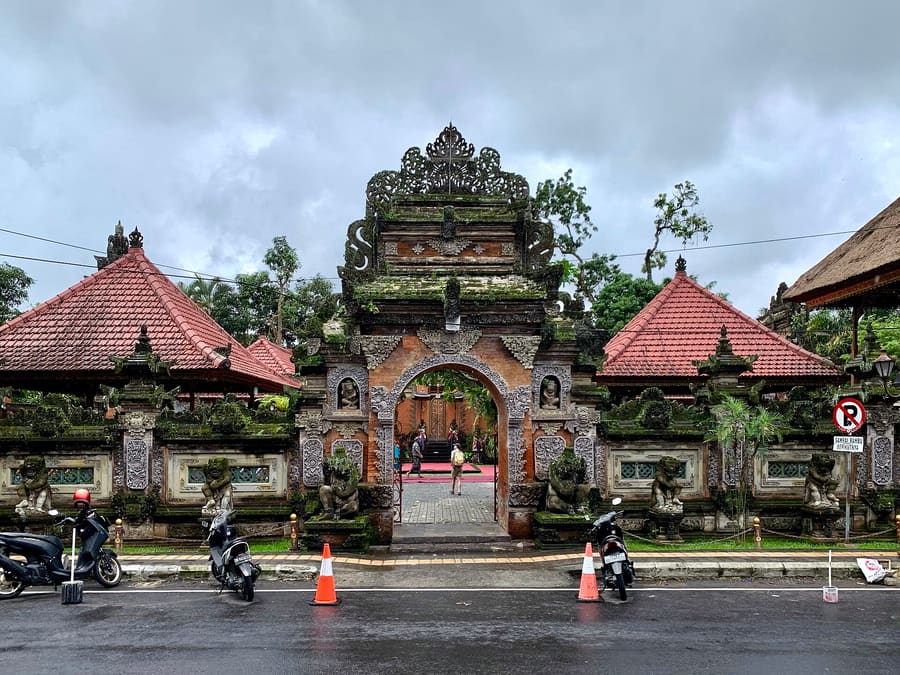
Ubud Palace
The traditional seat of the local royal family in the central crossroad. Free entrance to front courts, with nightly legong dance shows.
Vraag ParleyIndonesië
Terraced rice fields, art villages, and gridlocked mopeds.
introduction
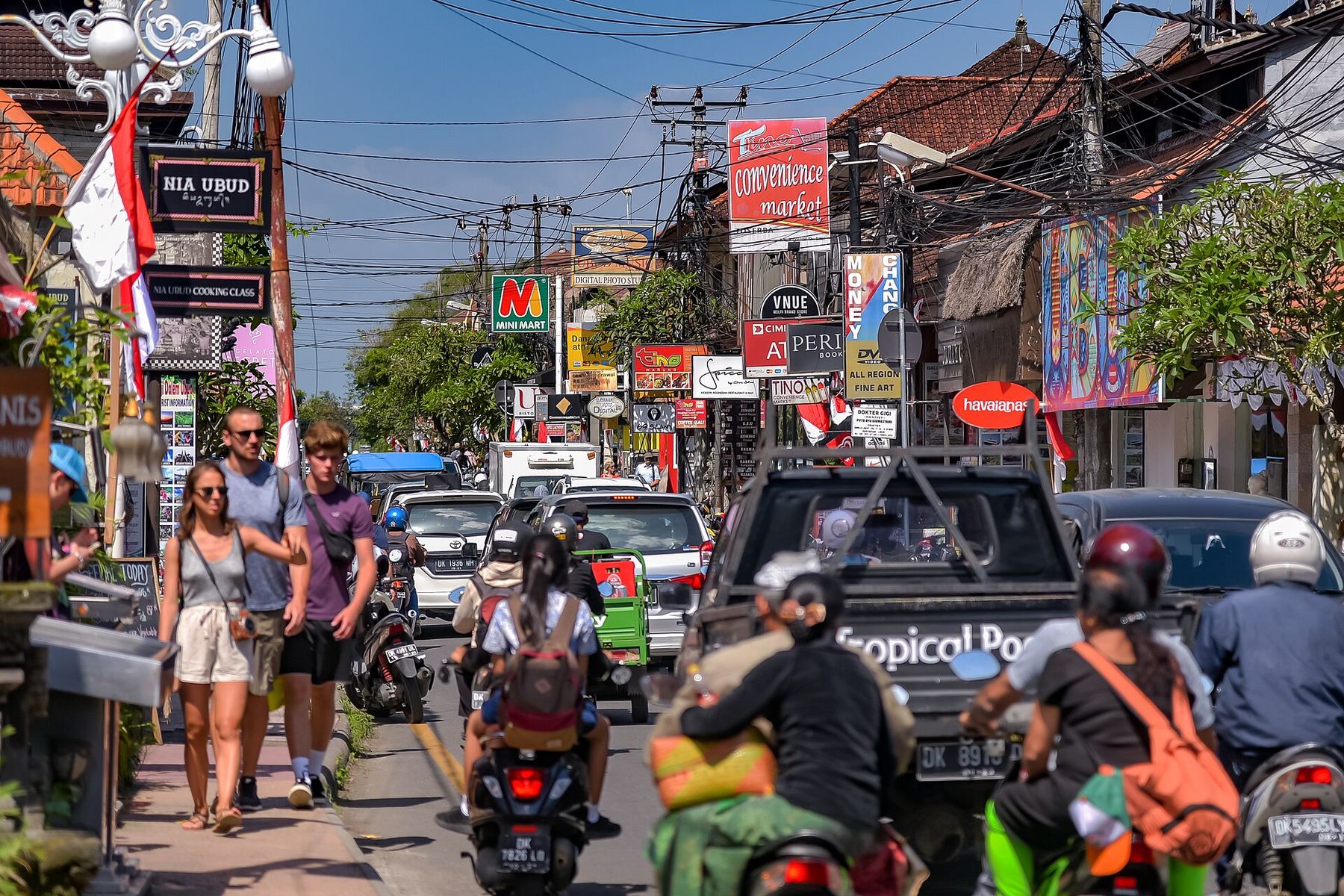
Ubud sits in the central hills of Bali, away from the coastal surf towns. You navigate its narrow ridge roads by scooter or on foot along steep ravine paths. Motorbikes crowd Jalan Raya Ubud during peak hours while footpaths cut quietly through surrounding paddies.
Airport transfer tactics
Book a fixed-rate driver through your hotel before landing at Ngurah Rai Airport. Airport taxis charge double for the two-hour drive inland.
Preserved irrigation heritage
The Subak irrigation network powering local paddies holds UNESCO heritage status. These communal water channels shape the valley landscape.
Navigating local transport bans
Ride-hailing apps like Grab cannot pick up in central Ubud zones. Walk to designated drop points or use local transport union drivers.
highlights
landmark
The traditional seat of the local royal family in the central crossroad. Free entrance to front courts, with nightly legong dance shows.
Vraag Parley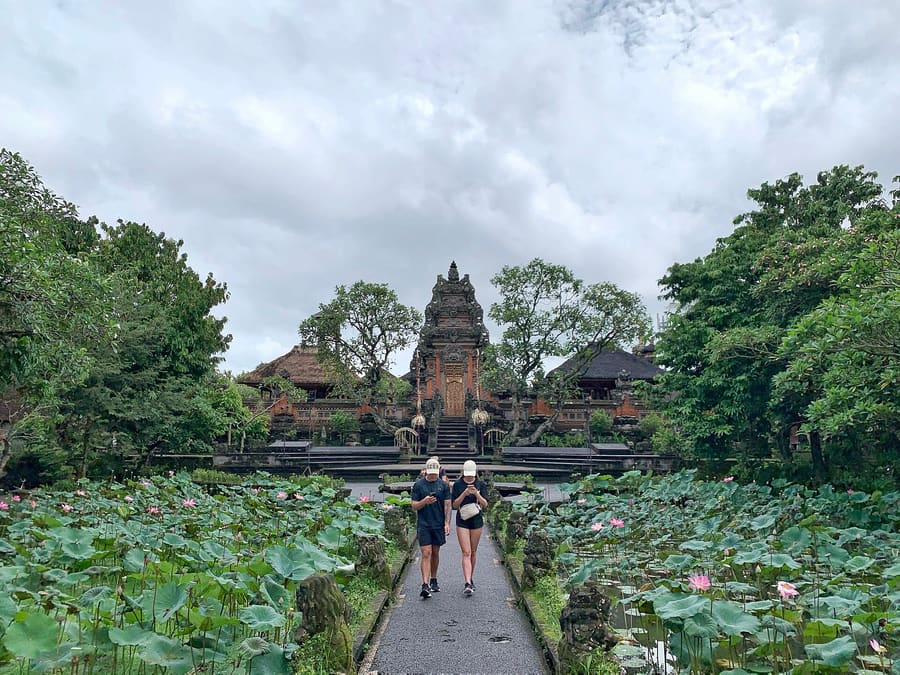
landmark
Water temple famous for its expansive lotus ponds and carved stone entry gates. Walk the boardwalk early before cafe tables crowd the view.
Vraag Parley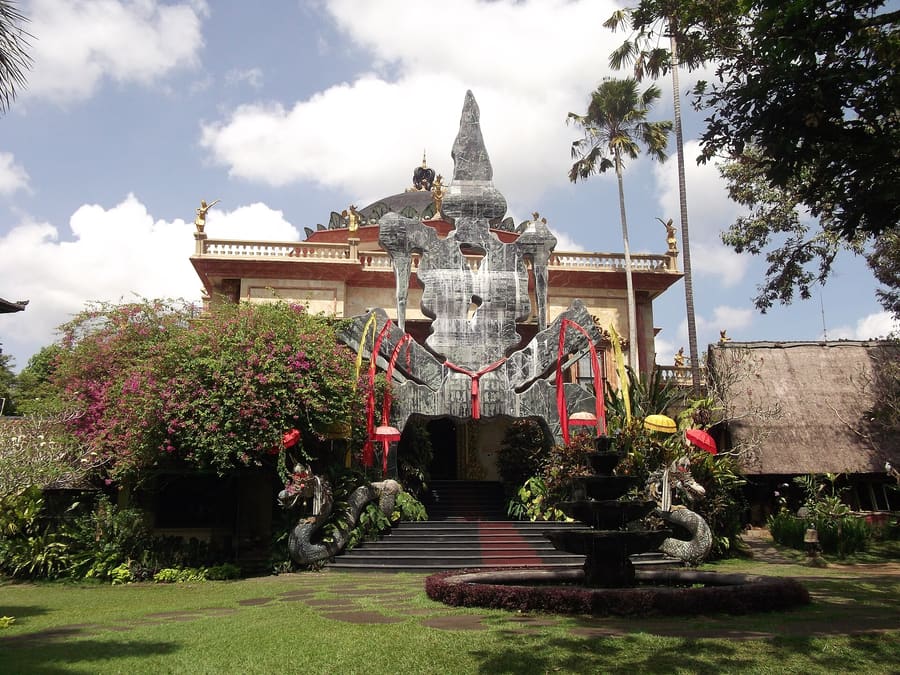
landmark
Former hilltop home and eccentric studio of painter Antonio Blanco. Tickets include a welcome drink served in the elevated courtyard garden.
Vraag Parley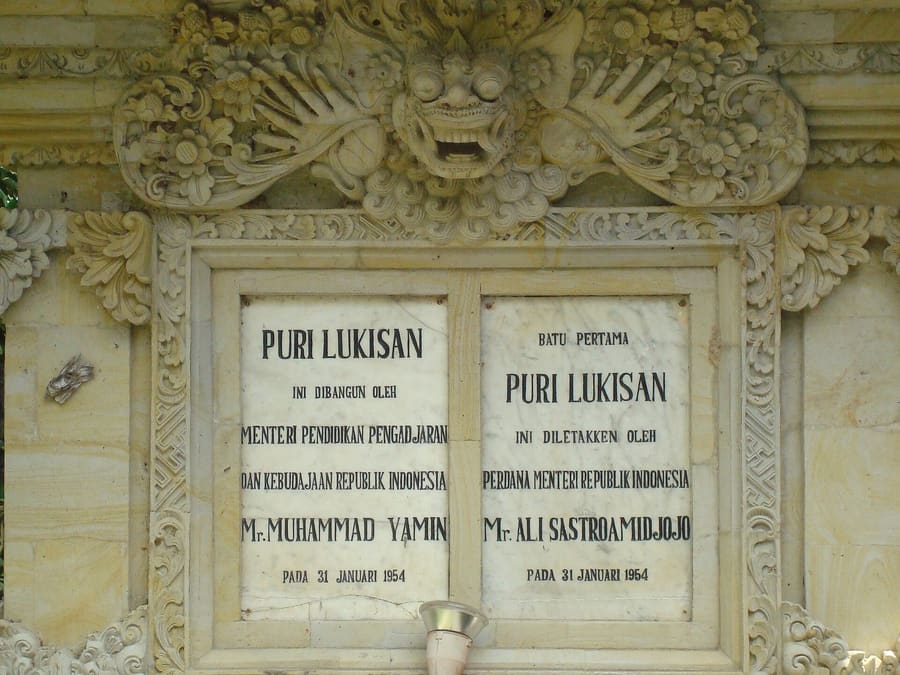
landmark
Bali's oldest art museum showcasing modern Balinese painting and woodcarvings. The quiet garden offers respite from main road traffic.
Vraag Parleyattractions
areas
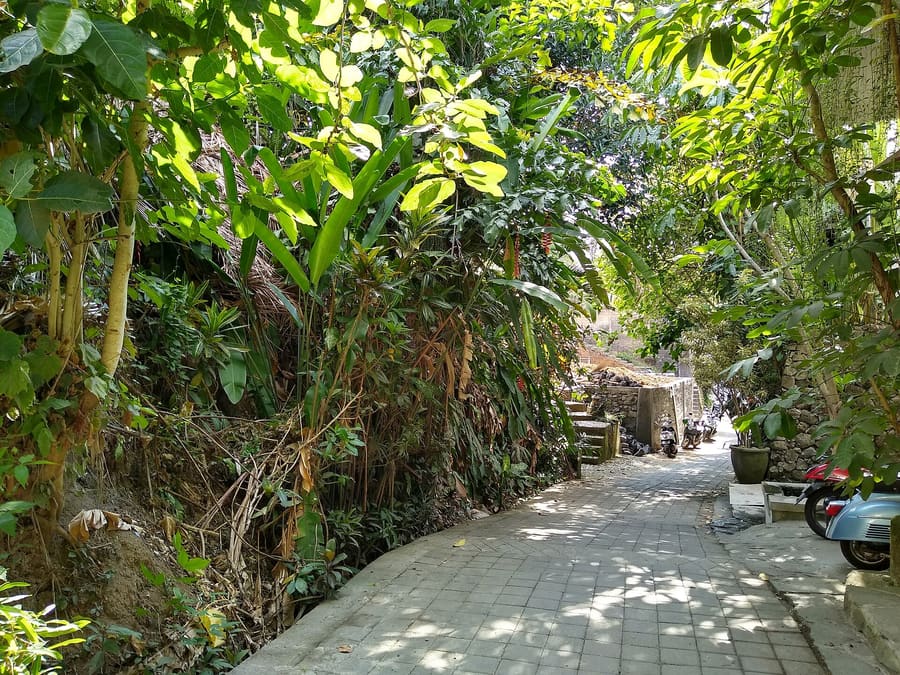
Car-free village paths winding through artists' homes and quiet villas.
DichtbijCampuhan Ridge and West Ubud cafes.
Vraag Parley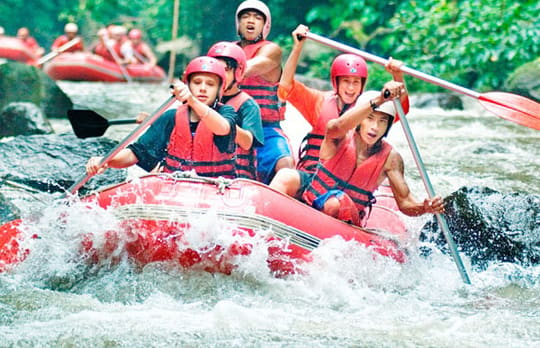
Luxury valley retreats set along the steep Ayung River gorge.
DichtbijAyung River rafting launch points.
Vraag Parleyfood
Ubud built its culinary reputation on slow-roasted pig and spice-crusted duck served in simple family warungs. Morning markets supply fresh galangal, turmeric, and lemongrass for local spice pastes known as base genep. Western dietary styles thrive alongside regional Balinese cooking across the town centre.
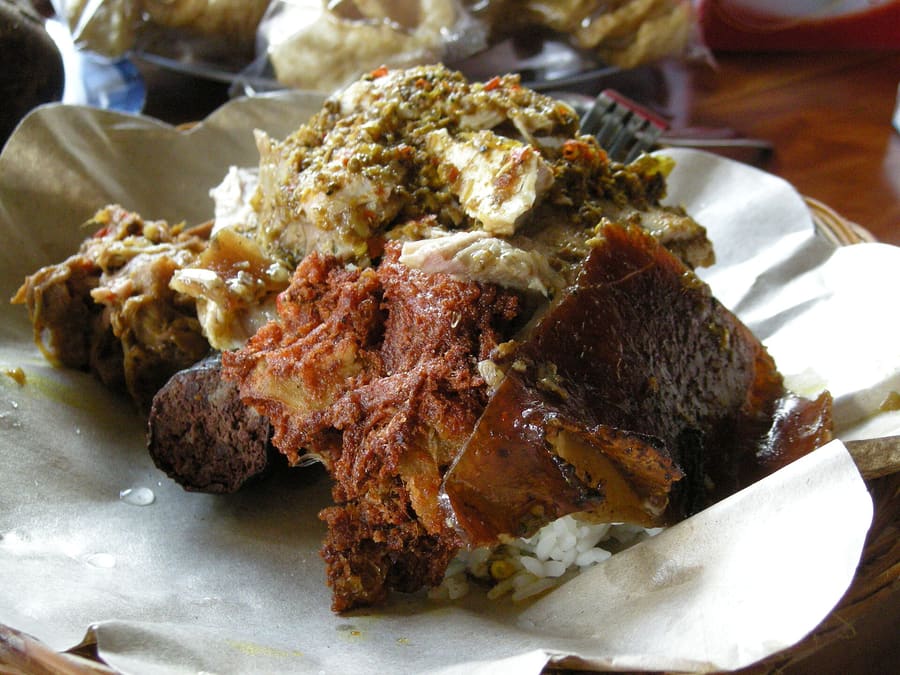
Crispy spit-roasted pork served with blood sausage and cassava leaves at local warungs.
Rollan Budi from Vancouver, BC, Canada · CC BY-SA 2.0Slow-cooked spiced duck wrapped in banana leaves at Bebek Bengil requires ordering hours in advance.
Gianyar Night Market sits 20 minutes east and serves authentic pork porridge and fried bananas every evening.
history
Ubud originated as a center for medicinal plants, giving the town its name from the Balinese word ubad. The Sukawati royal family established their court here in the late nineteenth century, inviting artists to settle under royal patronage. Foreign painters Walter Spies and Rudolf Bonnet arrived in the 1930s, helping form the Pita Maha cooperative that shaped modern Balinese visual art.
Medicinal roots
High priest Rsi Markandeya identifies the confluence of the Campuhan rivers as a sacred site for healing plants.
Royal court seat
The local royal house expands its influence, turning Ubud into a cultural capital for traditional court arts.
Pita Maha foundation
Balinese artists and Western painters establish Pita Maha to preserve local painting techniques while expanding global sales.
Literary gathering
The first Ubud Writers & Readers Festival establishes the town as an international literary hub.
where to stay
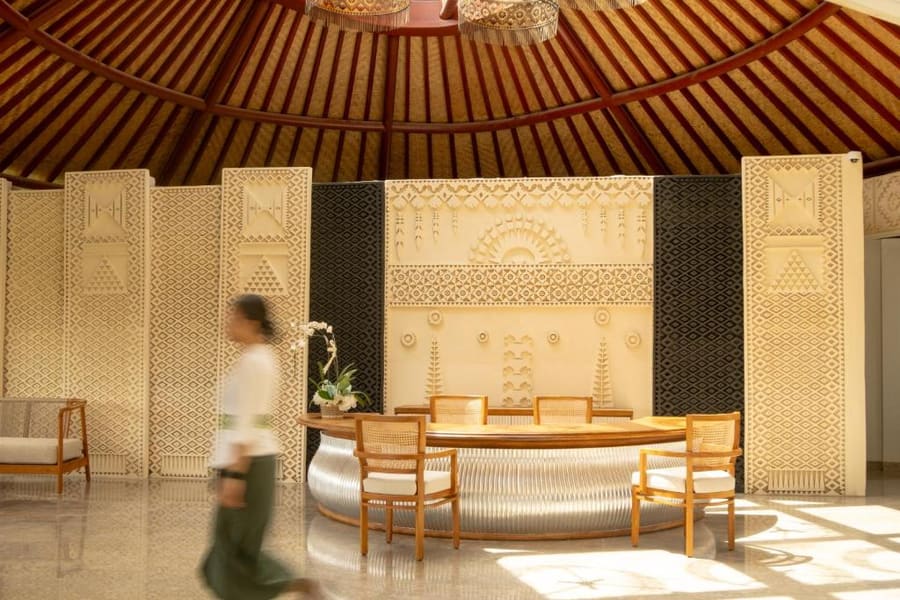
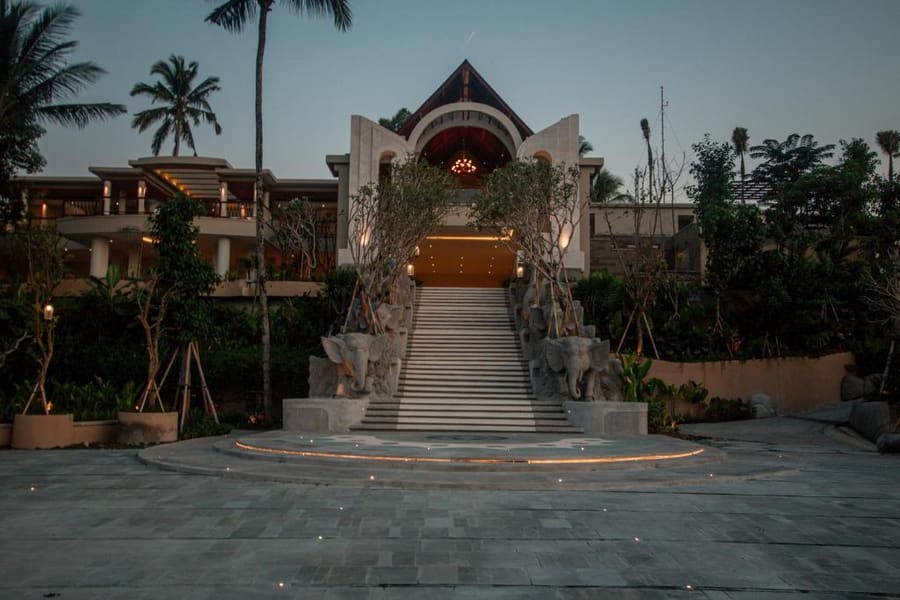
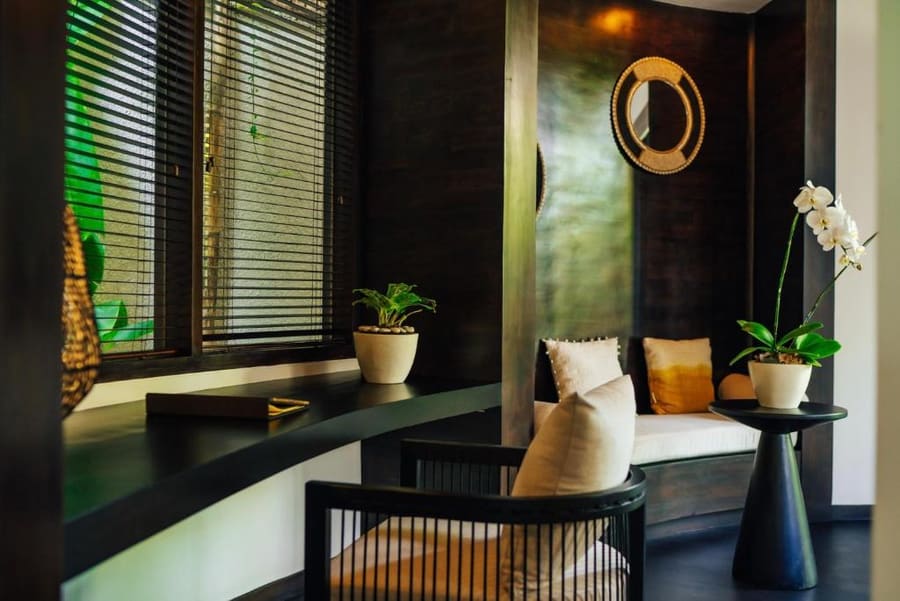
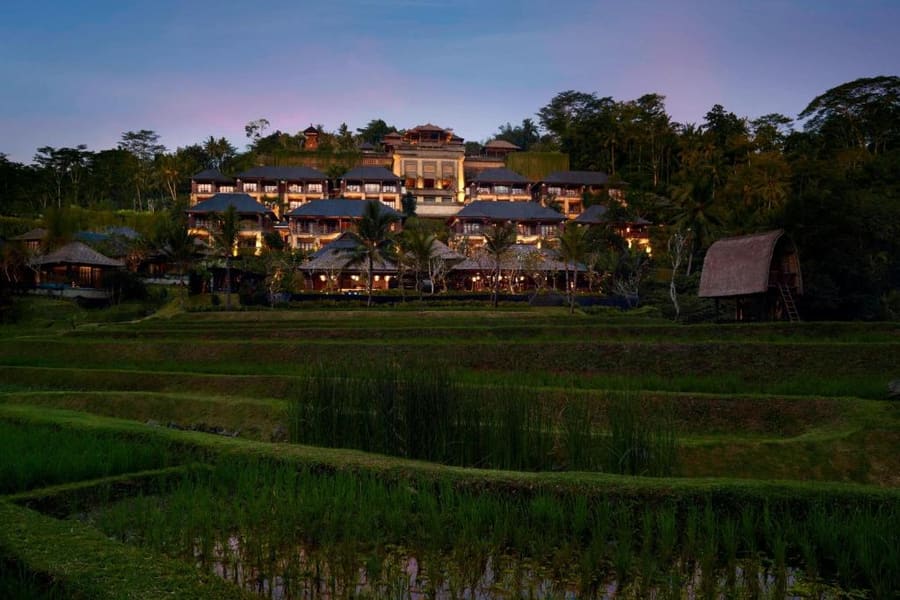
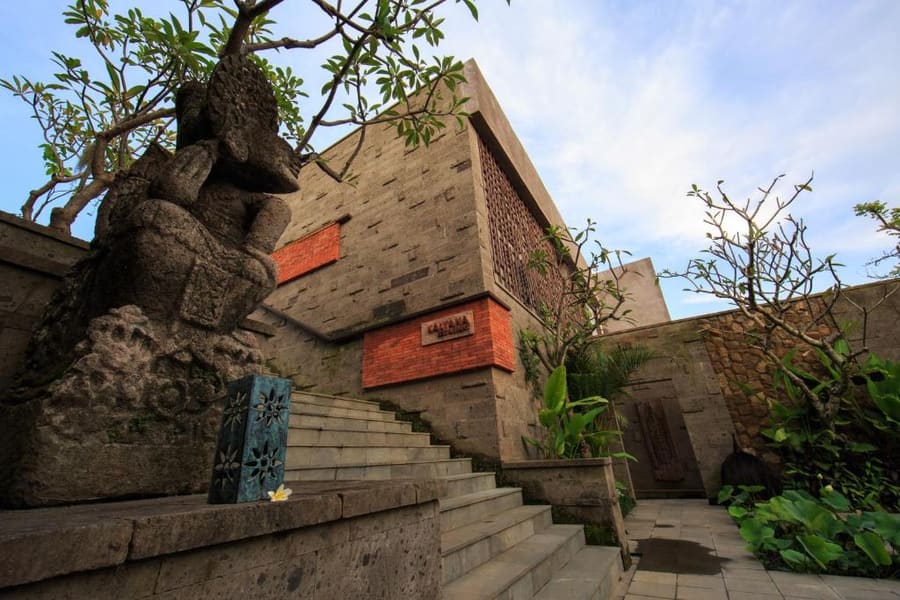
Choose your accommodation by your tolerance for moped noise and stairs. Central Padangtegal places you within walking distance of restaurants, while Penestanan requires climbing narrow paths inaccessible to cars. Valley resorts in Sayan offer complete privacy at the cost of requiring transport for every meal.
Live rates, matched to the areas above.
transport
Ubud lacks municipal public transit systems. Visitors walk short distances, hire automatic scooters, or use local drivers. Heavy traffic locks central intersections during late afternoon, making motorbikes faster than four-wheeled vehicles for short journeys.
Vanaf Ngurah Rai International Airport (DPS)
Driver meets you at arrivals with name sign; fixed rate avoids haggling.
Board at designated Grab Lounge or Gojek pickup zone at arrivals.
Pay fixed rate at official airport counter before exiting terminal.
Automatic scooters rent for IDR 70,000 to 100,000 per day; inspect brakes and wear a helmet always.
Gojek and Grab operate freely for drop-offs, but pick-ups in central Ubud are restricted by local driver associations.
Narrow alleyways called gang connect main roads, cutting past moped traffic jam bottlenecks on foot.
Hire a daily driver for IDR 600,000 to reach distant waterfalls and temples outside the central valley.
cost
Ubud offers wide price variation depending on whether you eat at traditional roadside warungs or plant-based Western cafes. Cash remains necessary for local markets, parking attendants, and family-run eateries.
A plate of nasi campur or babi guling at a local family warung.
A main dish and fresh juice at central tourist establishments.
Daily rental for a standard 125cc automatic moped.
Entrance fee per adult at sites like Tirta Empul or Goa Gajah.
seasonality
NOV – MAR
Heavy tropical downpours soften dirt trails. Lower hotel rates offset afternoon downpours.
APR – JUN
Clear blue skies and comfortable humidity levels. Ideal conditions for hiking and outdoor exploring.
JUL – AUG
Peak dry season brings minimal rain and dense traffic. Hotel prices hit their highest levels.
SEP – OCT
Warm days with tapering crowds before rain starts. Rice paddies show lush green before harvest.
practicalities
Avoid barefoot walking in muddy rice fields to prevent skin contact with parasite-bearing standing water.
Cover knees and shoulders when entering temple premises; sarongs are usually rented at ticket gates.
Use only official money changers with glass booths and counting counters; avoid street tables offering high rates.
Use ATMs located inside bank branches along Jalan Raya Ubud to reduce card skimming risks.
Give free-roaming Bali dogs space on narrow lanes, especially after dark.