landmark
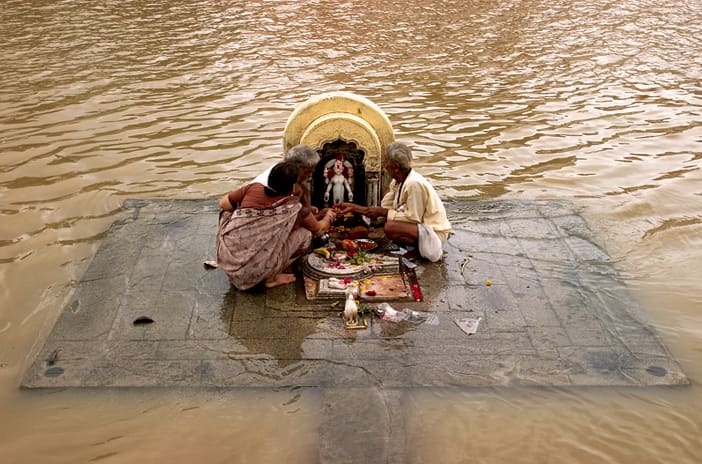
Ram Ghat
Oldest bathing ghat on the Shipra River. Visit at sunset for the ritual evening lamp ceremony.
Vraag ParleyIndia
Sacred timekeeping, ritual ghats, and ancient shrines.
introduction
Ujjain revolves around sacred time, ancient astronomy, and riverfront temple rituals. The city centers on the Mahakaleshwar shrine and spreads east toward modern commercial districts. You move between historic bathing ghats and wide temple corridors using e-rickshaws. Expect heavy pilgrim crowds, strict shrine dress codes, and intense early morning chanting.
Arrival transfer
Fly into Indore (IDR) and catch a direct AC bus or taxi to Ujjain in under 90 minutes.
Kumbh Mela status
Ujjain is one of four sacred Indian cities hosting the massive Simhastha Kumbh Mela every twelve years.
Bhasma Aarti booking
Register online weeks ahead for the 4 AM Bhasma Aarti at Mahakaleshwar to bypass chaotic physical booking queues.
Ujjain
Claude Renault from Cambremer, France · CC BY 2.0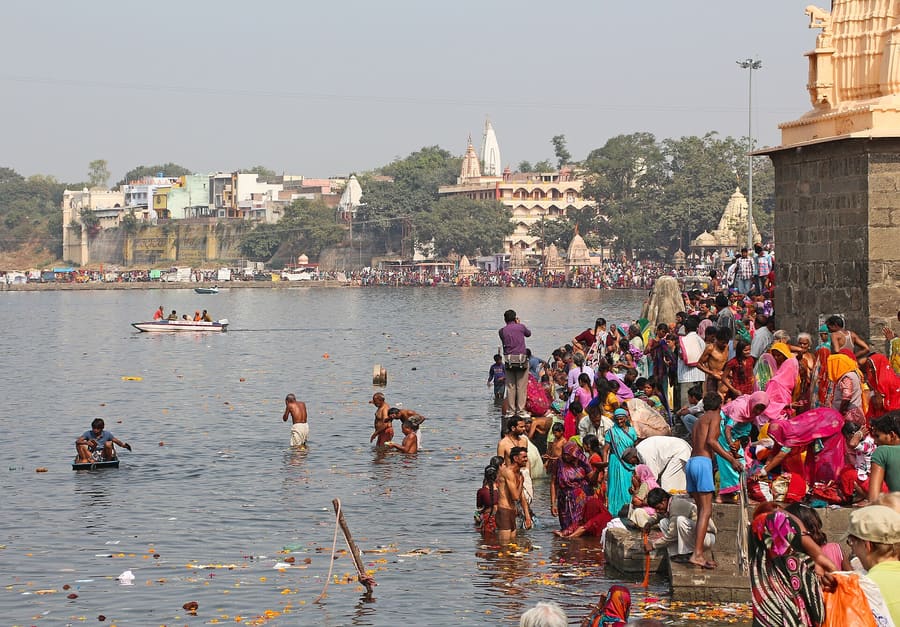
Ram Ghat & Old Town — Dense historic alleyways lined with traditional dharamshalas, sweet shops, and riverfront steps.
Bernard Gagnon · CC BY-SA 3.0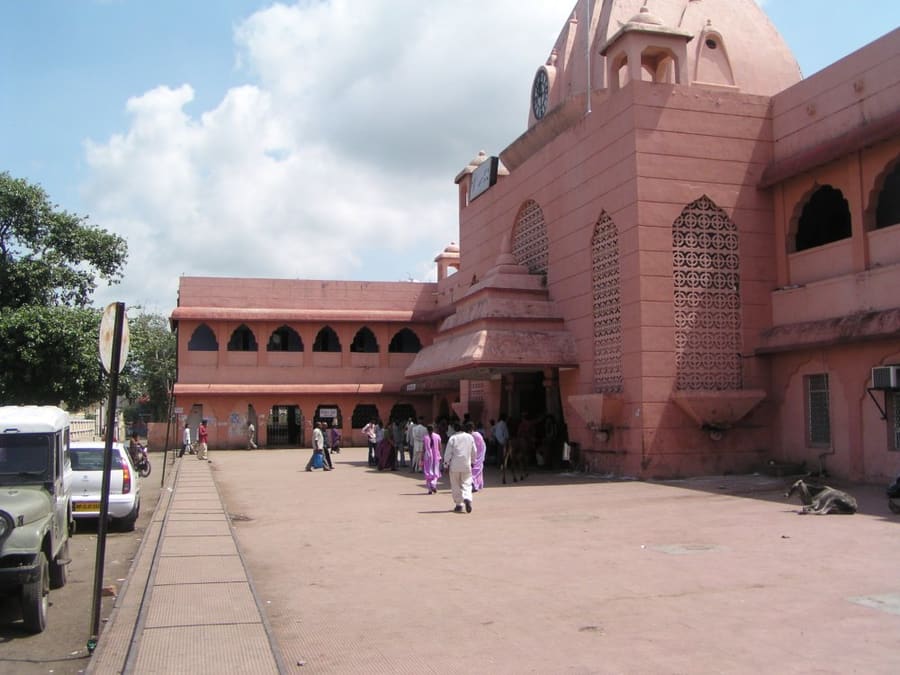
Freeganj — Modern commercial strip with multi-story hotels, banks, railway access, and casual eateries.
The original uploader was Eggi at German Wikipedia. · CC BY-SA 3.0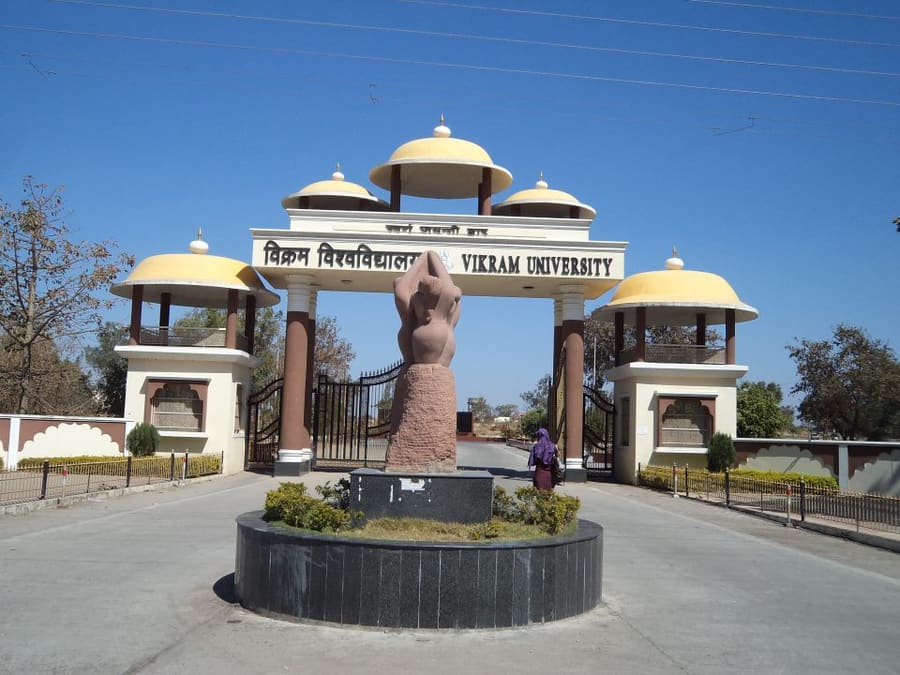
Nanakheda — Sprawling southern district near the intercity bus terminal with modern hotels and wider roads.
Skapil334 · CC BY-SA 4.0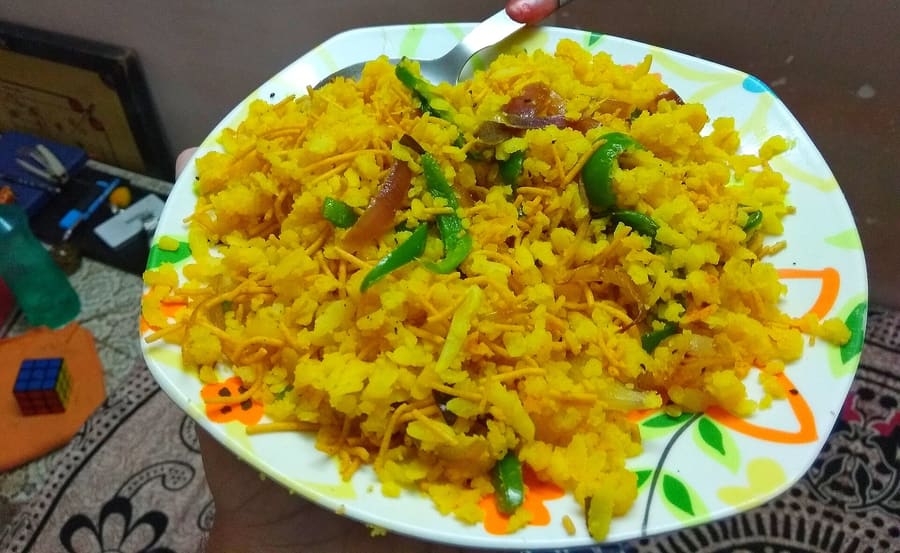
Poha topped with fresh pomegranate seeds and Ratlami sev.
Kxnyshk · CC BY-SA 4.0highlights
landmark
Oldest bathing ghat on the Shipra River. Visit at sunset for the ritual evening lamp ceremony.
Vraag Parley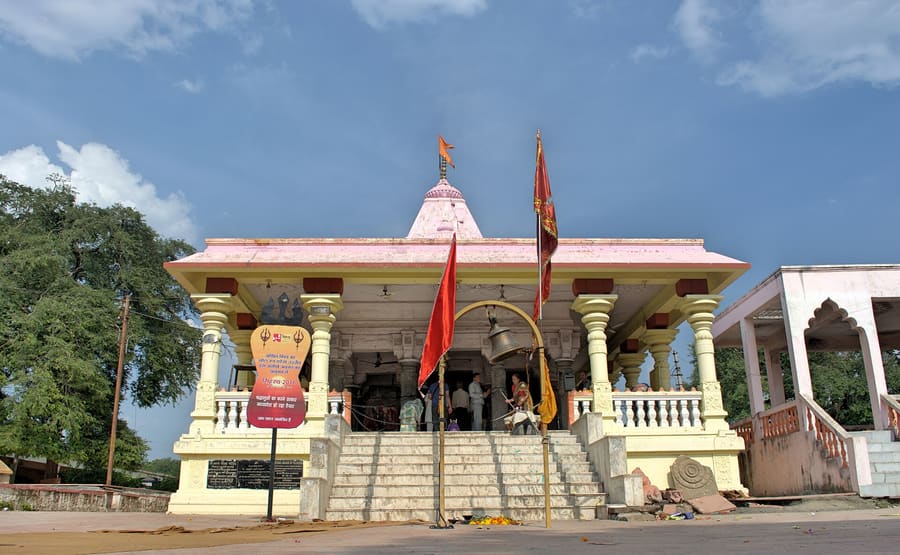
landmark
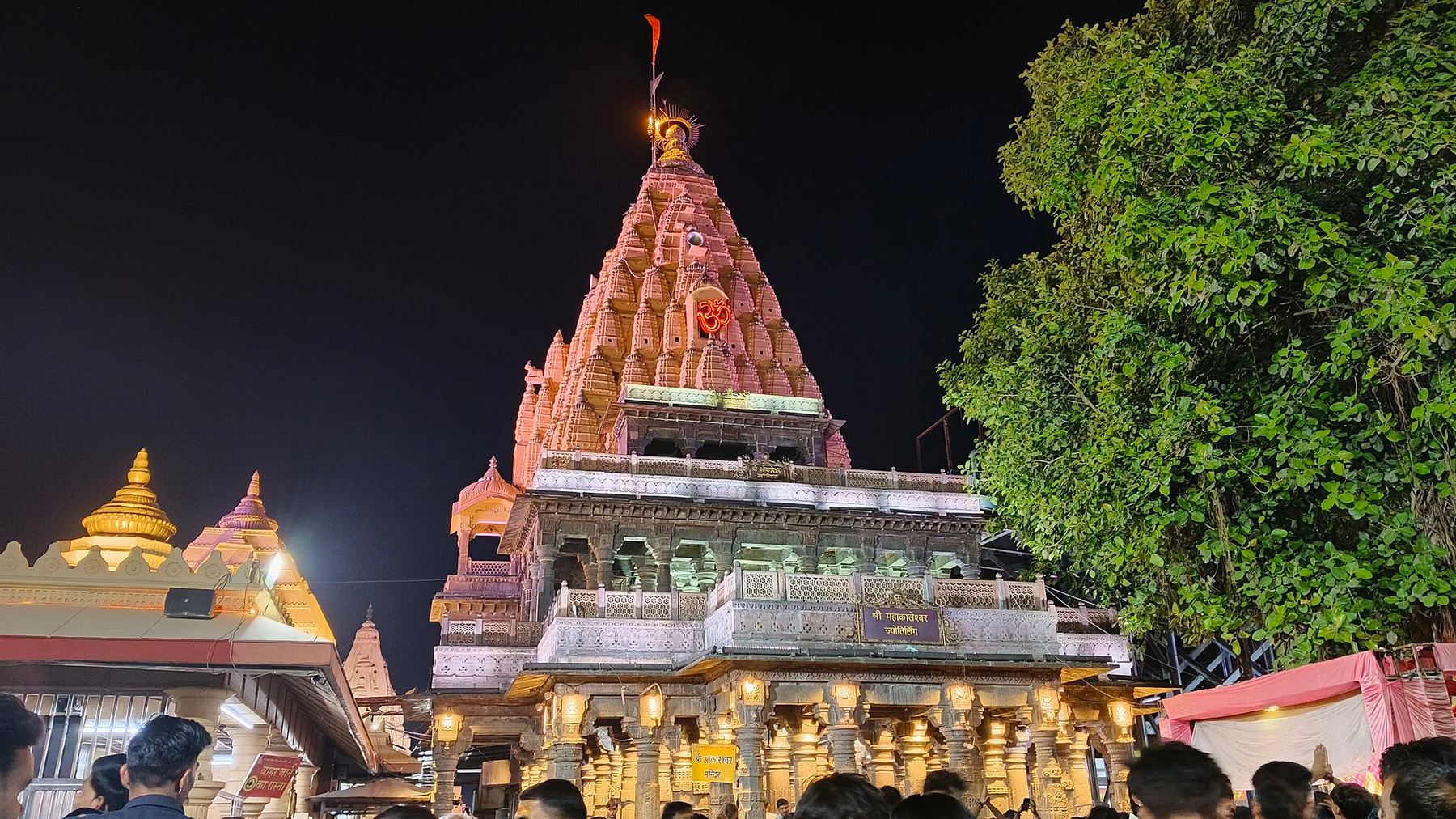
Ancient shrine where devotees offer liquor directly to the deity. Buy official offerings at outside stalls.
Vraag Parley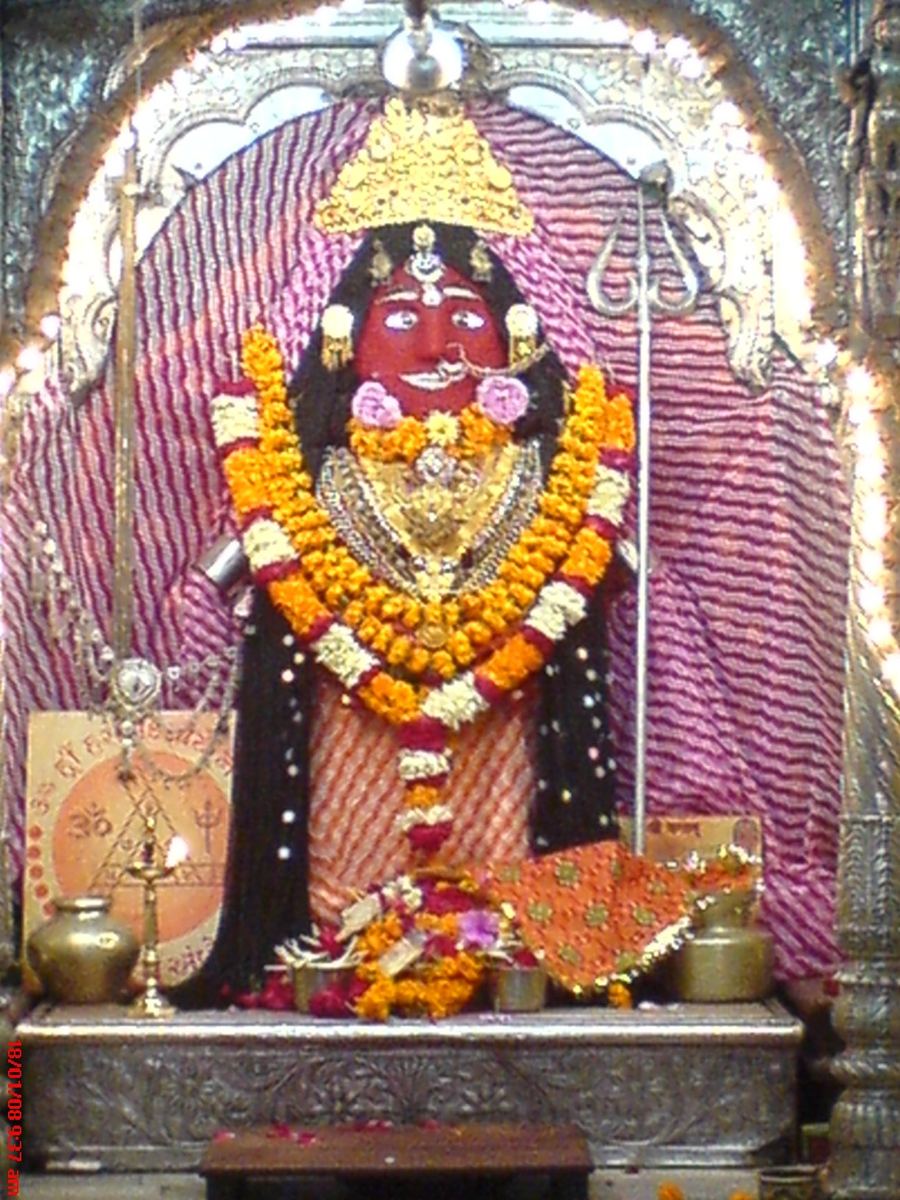
landmark
Shakti Peeth featuring two massive Maratha-style lamp towers. Watch attendants light them during festival evenings.
Vraag Parleyattractions
areas
Dense historic alleyways lined with traditional dharamshalas, sweet shops, and riverfront steps.
DichtbijShipra River, Gopal Mandir, traditional sweet stalls
Vraag ParleyModern commercial strip with multi-story hotels, banks, railway access, and casual eateries.
DichtbijUjjain Junction, Tower Chowk, multi-cuisine restaurants
Vraag ParleySprawling southern district near the intercity bus terminal with modern hotels and wider roads.
DichtbijNanakheda Bus Stand, Indore highway, commercial plazas
Vraag ParleyPedestrian temple precinct dominated by massive stone carvings, pilgrim queues, and flower shops.
DichtbijMahakaleshwar Temple, Harsiddhi Temple, Badasora
Vraag Parleyfood
Ujjain's food culture caters to temple pilgrims with strictly vegetarian dishes. Breakfast starts early around Tower Chowk with steamed Poha served alongside spicy Sev and sweet Jalebi. Midday meals center on Dal Bafla, a regional specialty of boiled and baked wheat rolls drenched in ghee.
Poha topped with fresh pomegranate seeds and Ratlami sev.
Kxnyshk · CC BY-SA 4.0Order Poha topped with pomegranate seeds and spicy ratlami sev from street stalls near Tower Chowk before 10 AM.
Eat freshly grated sweet corn simmered in milk, mustard seeds, and green chillies at evening stalls around Gopal Mandir.
Sit down for a full Malwa meal of ghee-soaked wheat balls, spicy lentils, and sweet churma at traditional bhojanalayas.
history
Ujjain, historically known as Avantika, served as a primary meridian for Hindu geographers and astronomers. It grew as a prominent capital under the Avanti kingdom and later during King Vikramaditya's legendary reign. Its location on ancient trade routes cemented its religious and scientific standing over two millennia.
Capital of Avanti
Ujjain emerges as Avanti's capital and a vital trade hub connecting northern India to Arabian Sea ports.
Gupta Era Flourishing
Serves as the cultural capital for Chandragupta II, hosting legendary scholars like poet Kalidasa.
Astronomical Hub
Maharaja Jai Singh II constructs the Vedh Shala observatory to standardize regional astronomical calendars.
Mahakal Lok Corridor
India opens a massive 900-meter temple corridor expansion, drastically altering pilgrim access to Mahakaleshwar.
where to stay
Choose your neighborhood based on your schedule. Stay in Mahakal Corridor or Ram Ghat if your primary goal is attending 4 AM temple rituals. Choose Freeganj or Nanakheda if you prefer modern hotel comforts, train access, and quieter night sleep.
Live rates, matched to the areas above.
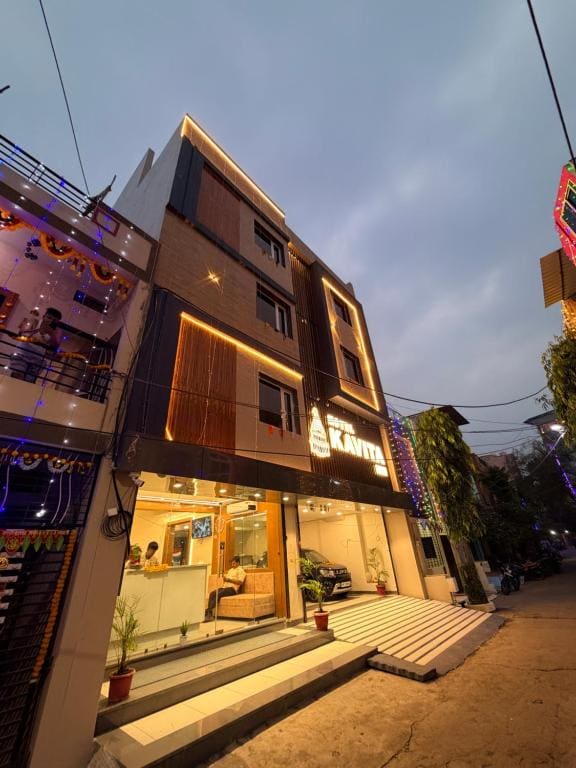
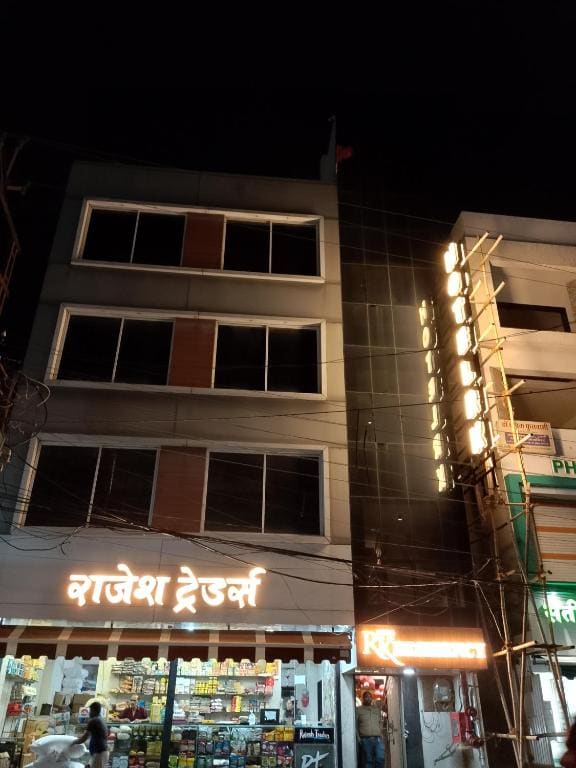
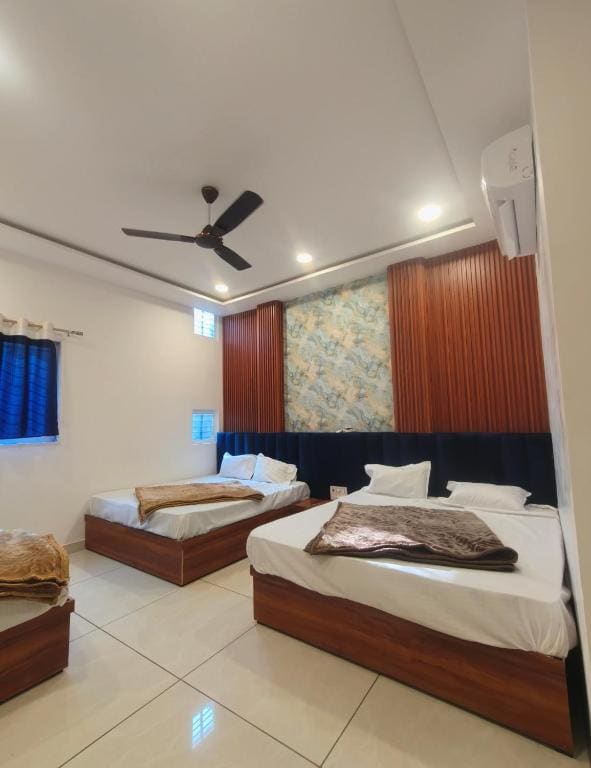
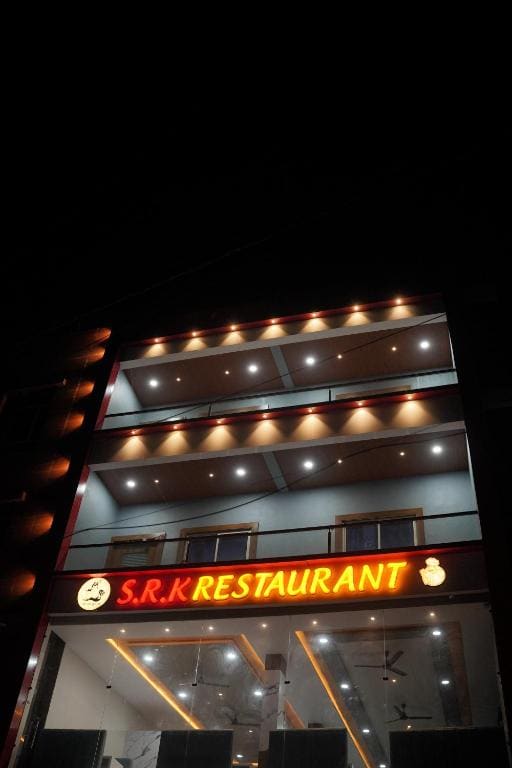
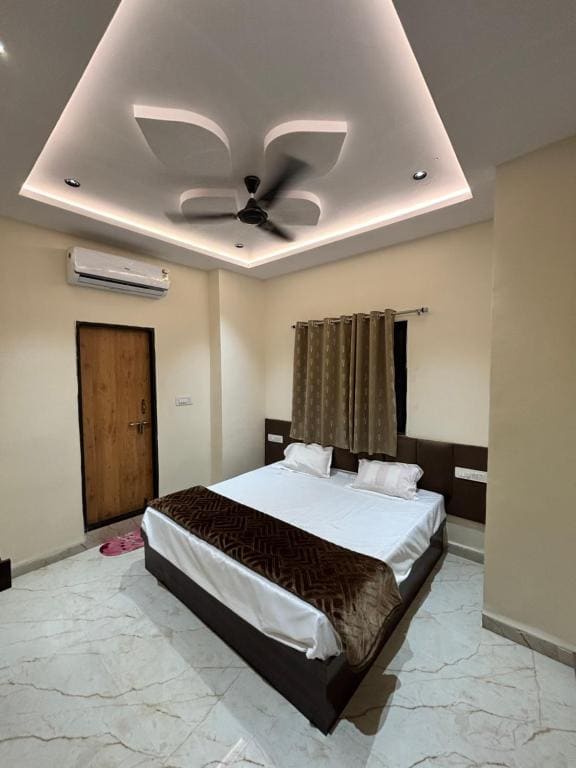
transport
Ujjain lacks a metro system. Auto-rickshaws and battery-operated e-rickshaws handle almost all intracity transport. Auto drivers generally do not use meters, so you must settle prices before starting your journey.
Vanaf Indore Airport (IDR) / Ujjain Junction (UJN)
Prepaid cabs from Indore Airport offer direct door-to-door transit.
AICTSL electric buses run frequently from Indore to Nanakheda bus stand.
Drivers do not use meters. Agree on a fare before boarding, typically ₹50–100 for short city trips.
Shared e-rickshaws charge ₹10–20 per seat and navigate the dense alleyways near Ram Ghat efficiently.
Roads surrounding Mahakaleshwar close to private cars during festival periods; rely on walking or rickshaws.
cost
Ujjain is very affordable compared to major Indian metros. Main expenses involve private transport transfers from Indore and fast-track temple entry tickets.
Standard price for a full morning plate at street stalls around Tower Chowk.
Cost of a full vegetarian thali at a traditional downtown bhojanalaya.
Typical fare connecting Freeganj rail station to the Mahakal temple complex.
Official ticket for expedited queue access at Mahakaleshwar temple counters.
seasonality
OCT – MAR
Cool dry days (15°C–28°C) make walking temple plazas comfortable. Book accommodations two months early.
APR – JUN
Extreme heat exceeds 42°C. Temple stones burn bare feet by noon, so restrict outings to early morning.
JUL – SEP
Monsoon rains swell the Shipra River. Morning rains refresh the city, but ghat steps become slippery.
practicalities
Unstitched cotton dhoti for men and traditional sarees for women are required for sanctum access during Bhasma Aarti.
Leather belts, bags, and mobile phones are banned inside major shrines. Use official counter lockers.
You must remove footwear outside temples. Bring thick socks in summer to protect feet from scorching stone floors.
Temple queues peak between 5 AM and 9 AM. Visit secondary sites like Chintaman Ganesh in the late afternoon.
ATMs near Ram Ghat run out of cash during major festival days. Keep physical currency for street food and rickshaws.