landmark
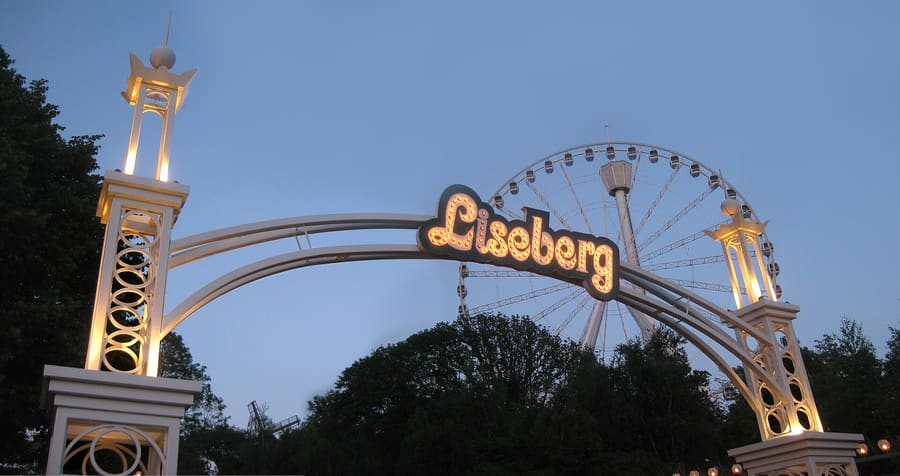
Liseberg Park
Scandinavia's largest amusement park. Buy timed entrance tickets online to avoid queue delays.
Vraag ParleyZweden
Granite archipelagos, working trams, and deep forest lakes.
introduction
Västra Götalands län anchors western Sweden through its regional capital, Gothenburg, and a vast network of granite islands and inland waterways. You move between urban tram grids and car-free archipelagos using a single regional transit card. Expect fast weather shifts, strict seasonal opening windows outside the main cities, and world-class cold-water shellfish.
Island ferries
Public ferries to the southern Gothenburg archipelago run year-round and accept regular Västtrafik transit tickets.
Regional transit app
Buy tickets via the Västtrafik To Go app before boarding. Drivers do not sell tickets on buses or trams.
Västra Götalands län
Bahnfrend · CC BY-SA 4.0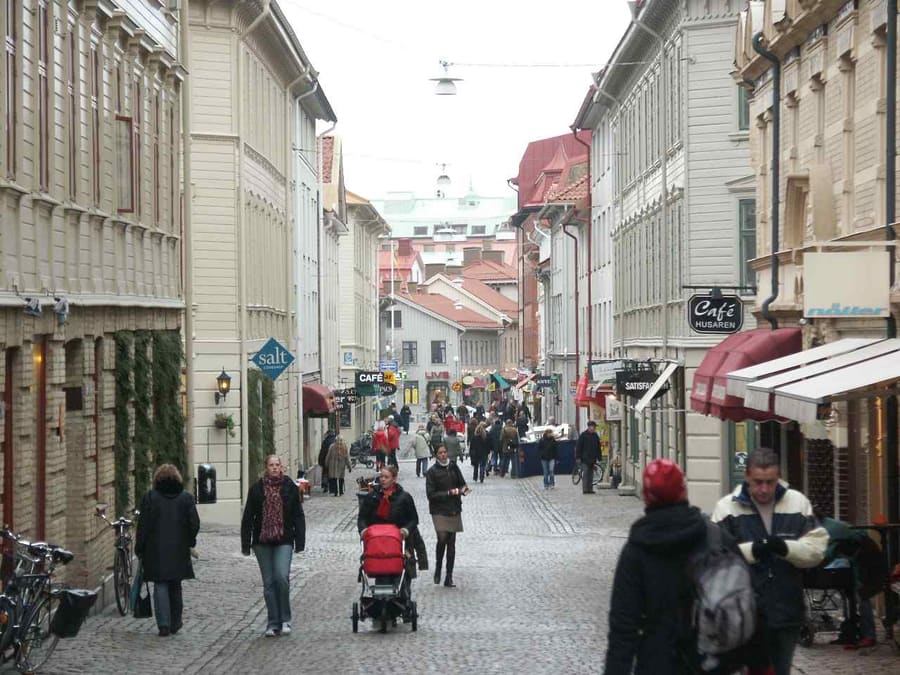
Haga — Pedestrianized mid-19th-century timber neighborhood with independent bakeries and cafes.
Photographer: Erik of Gothenburg, EVL. · CC BY-SA 3.0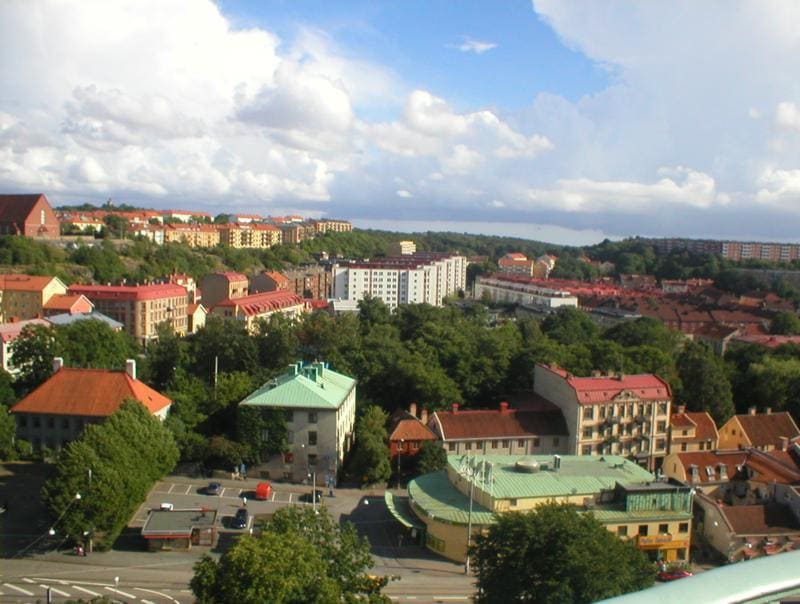
Majorna — Former working-class district filled with landshövdingehus wooden housing, pubs, and record stores.
User Per Johansson on sv.wikipedia · CC BY-SA 3.0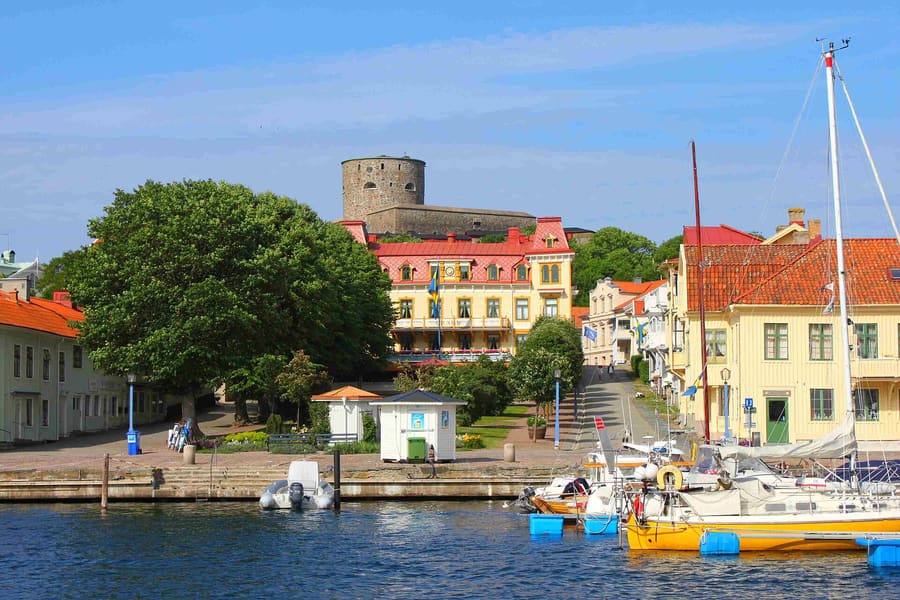
Marstrand — Car-free coastal island defined by sailing culture, historic wooden villas, and sea air.
Benreis · CC BY-SA 3.0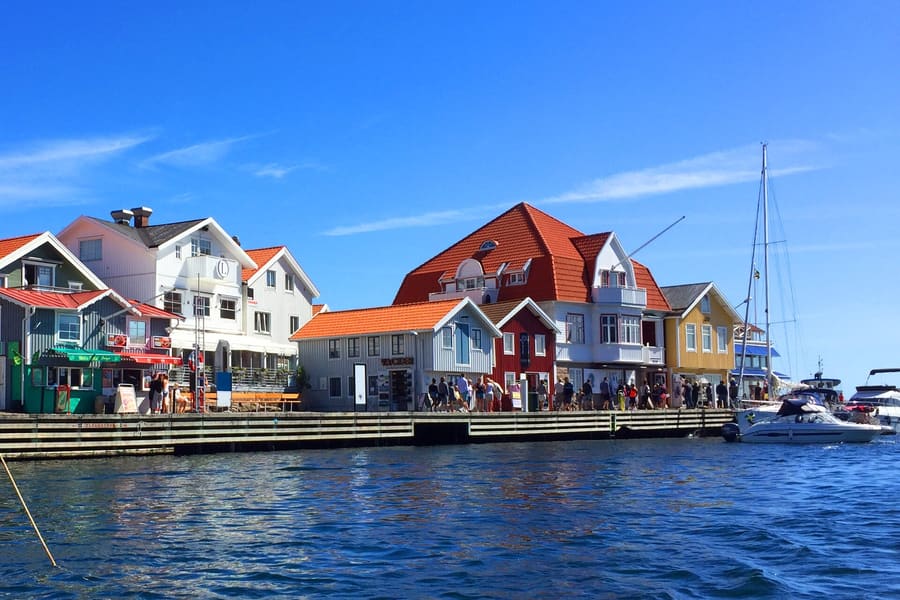
Smögen — Rugged northern coast village built on pink granite rocks with active fishing docks.
Kuriosatempel · CC BY-SA 4.0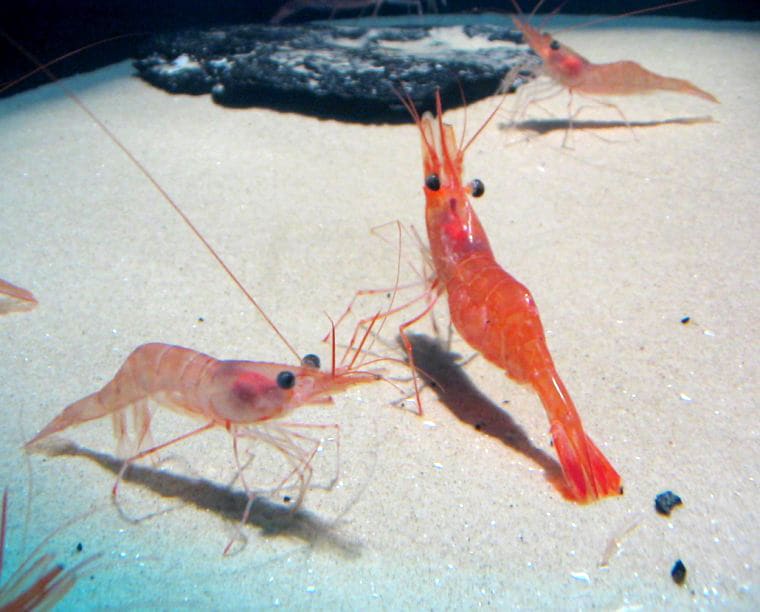
A classic Swedish räksmörgås (shrimp sandwich) served with hand-peeled cold-water shrimp, egg, and lemon.
© 2004 by Tomasz Sienicki [user: tsca, mail: tomasz.sienicki at gmail.com] · CC BY 2.5highlights
landmark
Scandinavia's largest amusement park. Buy timed entrance tickets online to avoid queue delays.
Vraag Parley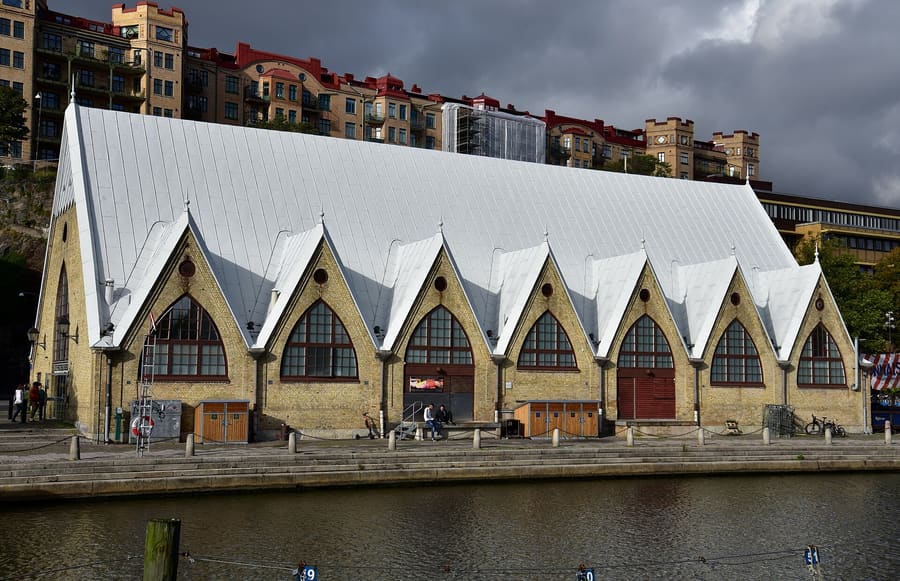
landmark
A 1874 fish market built like a Gothic church. Restored counters serve fresh local shellfish.
Vraag Parley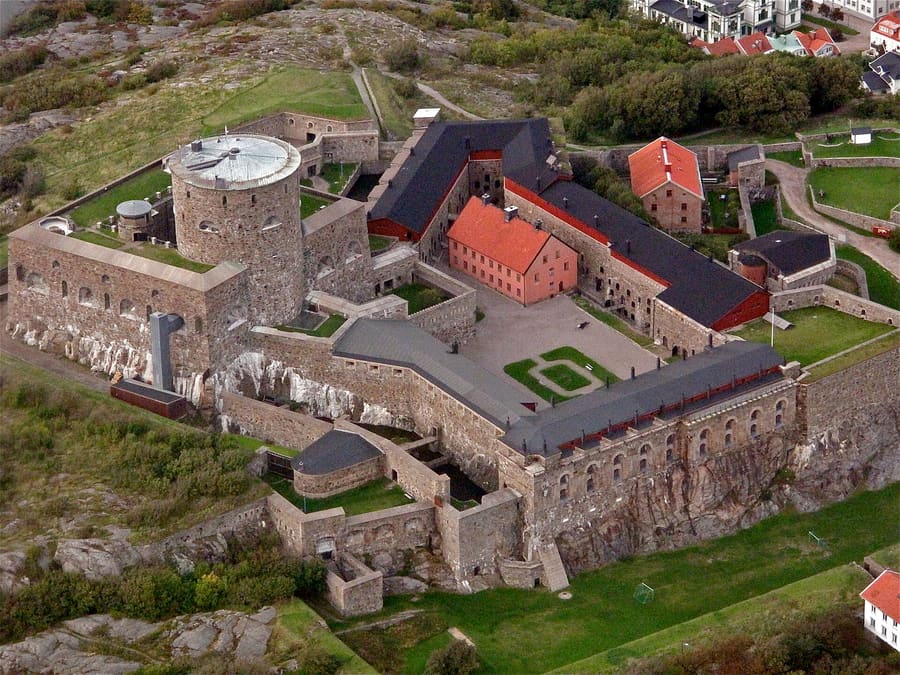
landmark
Seventeenth-century stone stronghold dominating Marstrand. Walk the perimeter walls for coast views.
Vraag Parley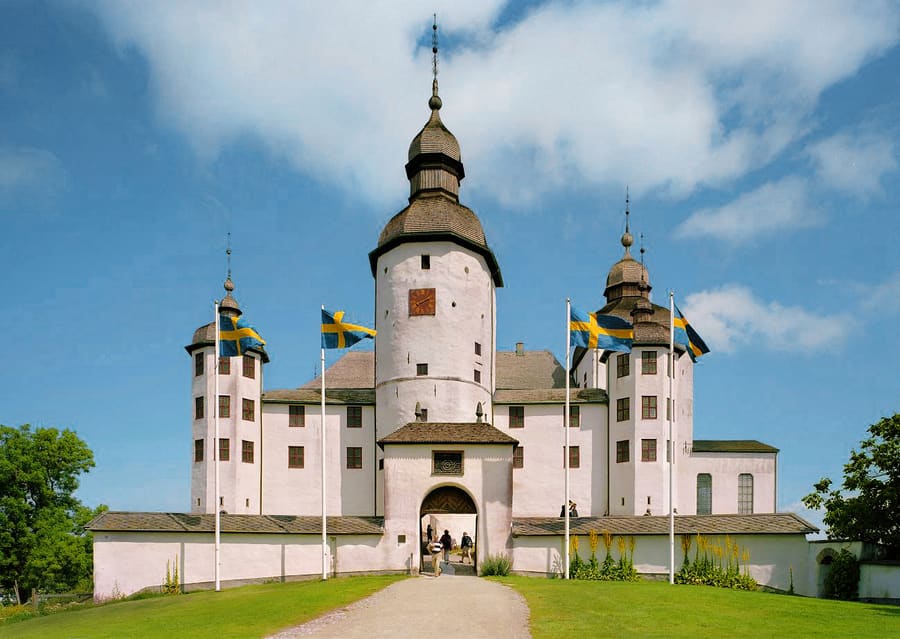
landmark
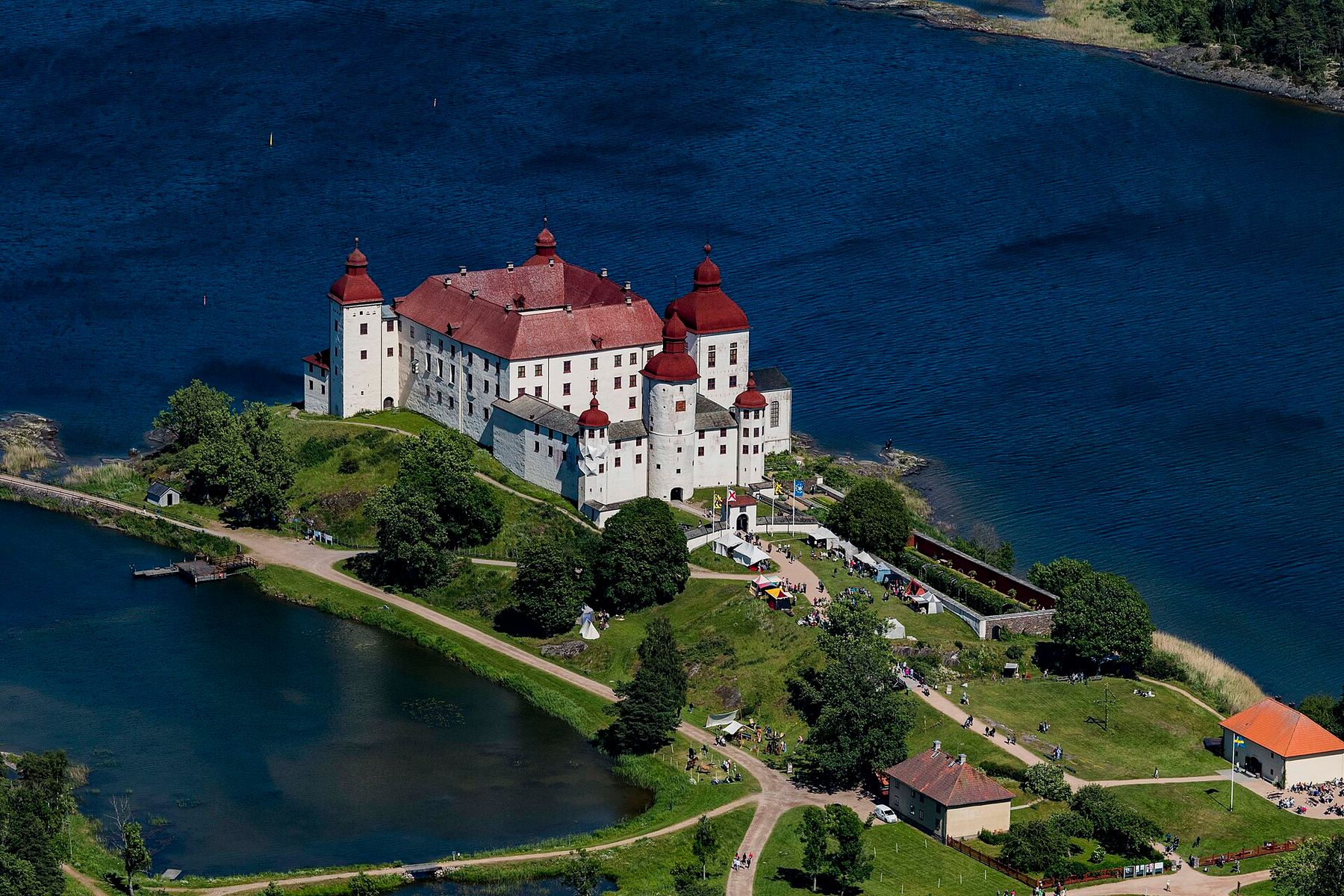
Baroque castle sitting on a Lake Vänern peninsula. Summer opera performances fill the courtyard.
Vraag Parley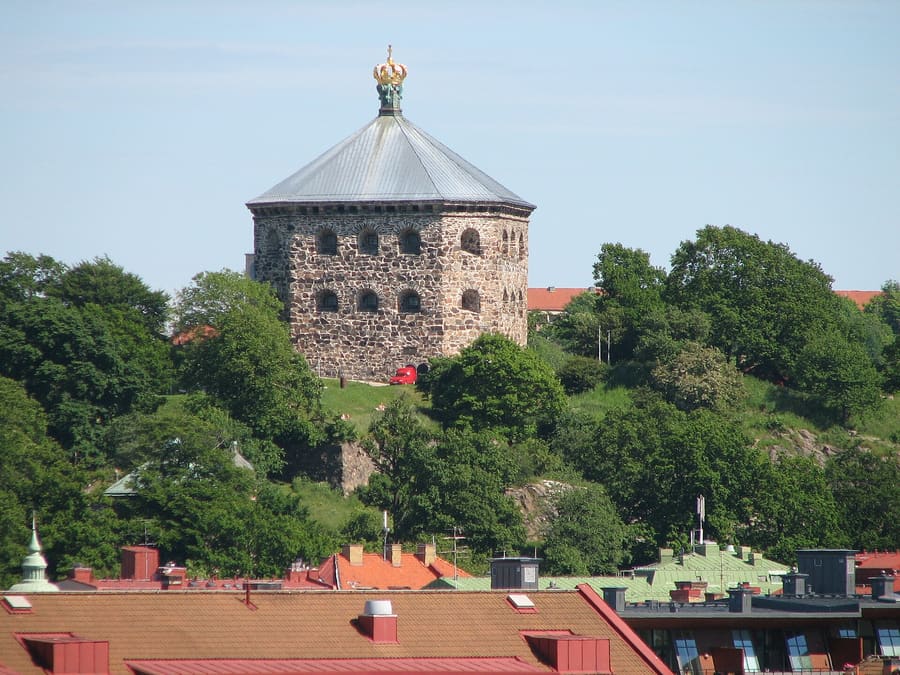
landmark
Hilltop fortification overlooking Haga. Climb the stone steps for sunset city views.
Vraag Parley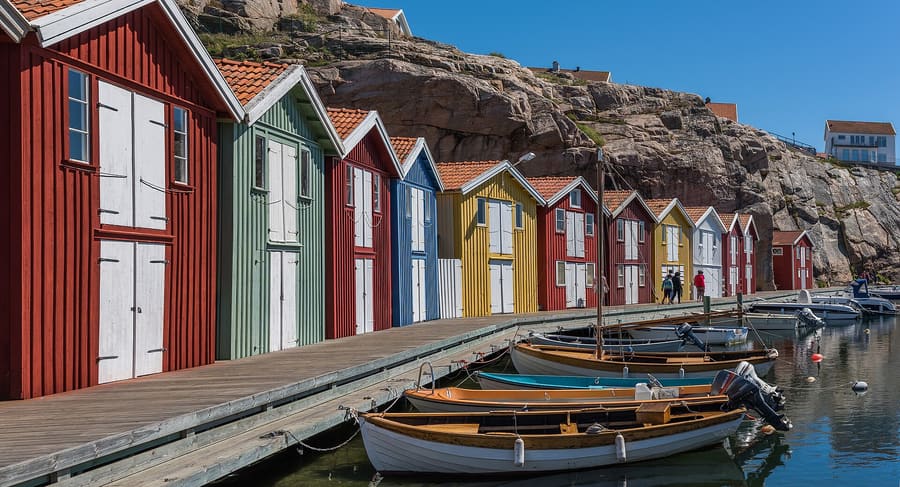
landmark
A 600-meter wooden pier lined with boat sheds. Busy in July, calm by late August.
Vraag Parleyattractions
areas
Pedestrianized mid-19th-century timber neighborhood with independent bakeries and cafes.
DichtbijSkansen Kronan and Linnégatan
Vraag ParleyFormer working-class district filled with landshövdingehus wooden housing, pubs, and record stores.
DichtbijRöda Sten Art Hall and Slottskogen
Vraag ParleyCar-free coastal island defined by sailing culture, historic wooden villas, and sea air.
DichtbijCarlsten Fortress and coastal trails
Vraag ParleyRugged northern coast village built on pink granite rocks with active fishing docks.
DichtbijKungshamn and Ramsvik Staket
Vraag Parleyfood
Dining in Västra Götaland centers on the cold waters of the North Sea. Local catches change with the seasons, from spring prawns to autumn langoustines. You eat seafood plain or on thick open-faced sandwiches with mayonnaise and dill.Fika is an established daily routine across the region. Bakeries serve oversized cinnamon rolls known locally as hagabullar alongside dark filter coffee. Sit-down meals usually include water and coffee in the fixed lunch menu price.
A classic Swedish räksmörgås (shrimp sandwich) served with hand-peeled cold-water shrimp, egg, and lemon.
© 2004 by Tomasz Sienicki [user: tsca, mail: tomasz.sienicki at gmail.com] · CC BY 2.5Order hand-peeled shrimp (handskalade räkor) rather than machine-peeled for proper texture.
Eat your main warm meal between 11:30 and 14:00 to get discounted weekday lunch set pricing.
West Coast langoustines (havskräftor) reach peak quality from late September through autumn.
history
Västra Götaland was shaped by Sweden's single outlet to the North Sea along the Göta River. Dutch engineers laid out Gothenburg's fortification and canal system in 1621 under King Gustav II Adolf. Industrial shipbuilding and trade dominated the region's economy for centuries before transitioning to automotive design, technology, and maritime logistics.
Gothenburg Founded
Dutch planners construct a fortified city with canals to secure Sweden's western trade access.
Göta Canal Opens
The canal connects Lake Vänern to the Baltic Sea, opening inland water transport routes.
Volvo Founded
First Volvo car leaves the Hisingen factory, establishing the region as an automotive hub.
Regional Merger
Three historic counties merge to form modern Västra Götalands län.
where to stay
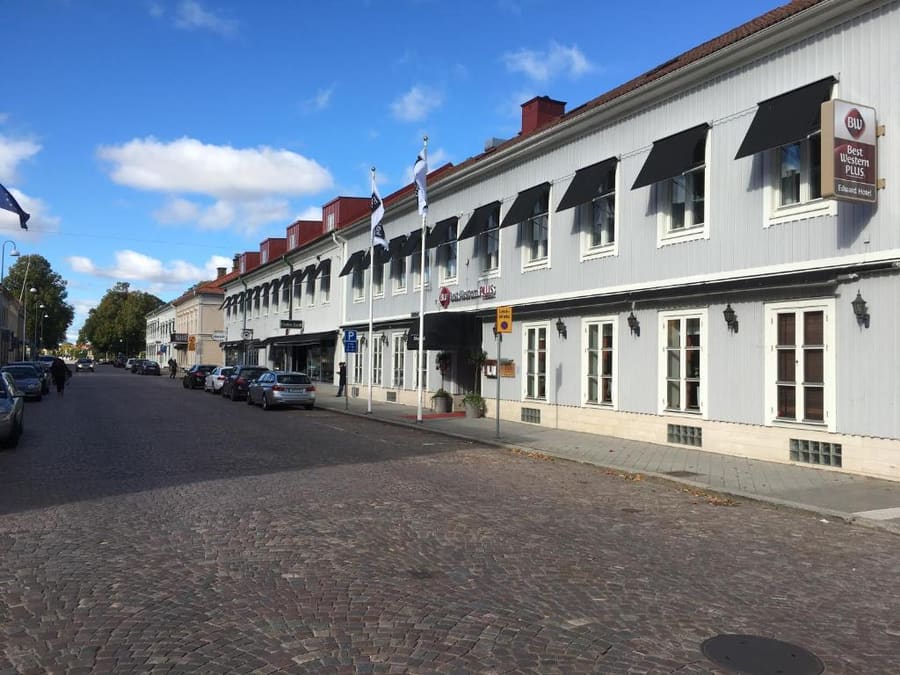
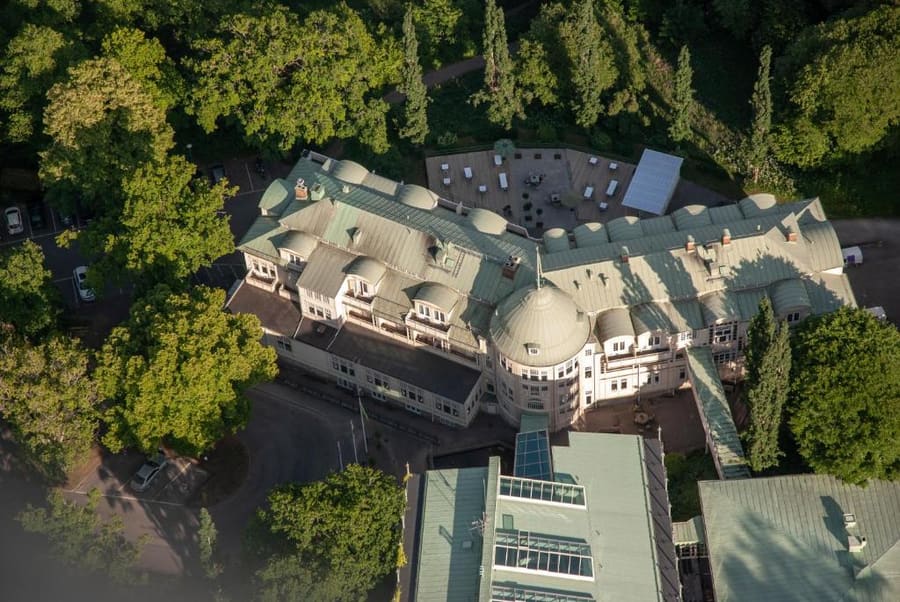
Base yourself near Gothenburg Central Station or Avenyn if you rely on regional trains and trams. Choose coast villages like Marstrand or Smögen for seaside access, but note that autumn and winter accommodations outside Gothenburg run on limited hours.
Live rates, matched to the areas above.
transport
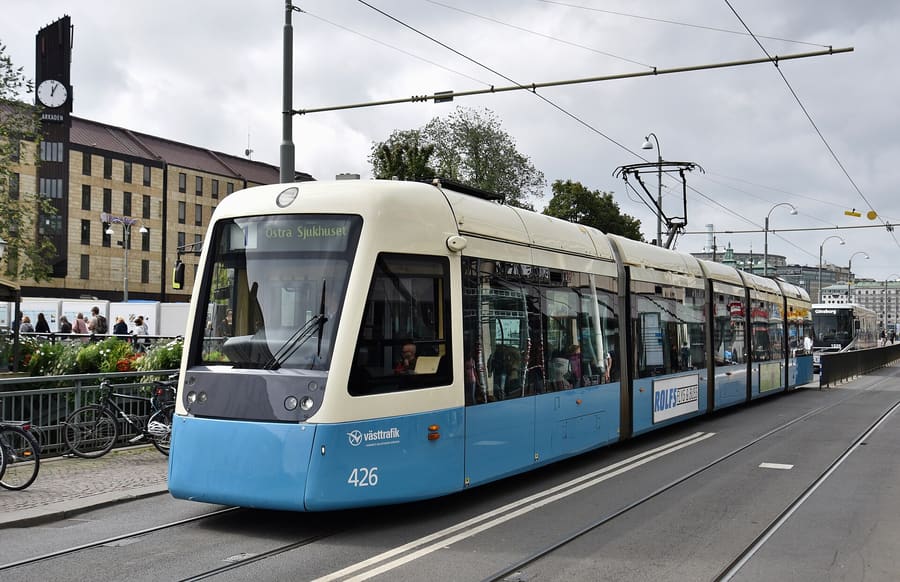
Västtrafik manages regional trains, city trams, buses, and public passenger ferries across the county. A single ticket zone covers all of Gothenburg plus immediate suburban municipalities.
Board trams through any door. Hold your contactless card or phone app to the ticket reader.
Zone A covers Gothenburg, Mölndal, and Partille including the southern archipelago ferries.
Use Västtågen commuter trains to reach coastal towns like Strömstad and Uddevalla directly.
Tram services drop sharply after 01:00 on weekdays; check timetables carefully late at night.
cost
Sweden is nearly cashless. Cards and mobile payment apps are accepted universally, even for small purchases at street stalls and public restrooms.
Valid for 90 minutes across trams, buses, and ferries within Zone A.
Standard price for a filter coffee and fresh pastry at local bakeries.
Price varies based on weight and whether consumed in a casual bakery or sit-down restaurant.
Unlimited transit inside Gothenburg, Mölndal, and the archipelago for one full day.
seasonality
MAR – MAY
Cool days and rising daylight hours. Crane migration at Lake Hornborga peaks in April.
JUN – AUG
Warmest weather and 18-hour daylight. Archipelago ferries run full schedules but coastal towns get crowded.
SEP – NOV
Lobster and langoustine harvest begins. Weather turns damp and windy; summer seasonal businesses close.
DEC – FEB
Short daylight hours and cold ocean winds. Liseberg opens winter markets and Gothenburg cafes heat indoor patios.
practicalities
Takeaway alcohol above 3.5% ABV is sold exclusively at state-run Systembolaget stores, which close early on Saturdays.
Buses, markets, and many cafes decline cash entirely. Ensure you carry a working bank card.
Coastal wind and rain can hit quickly even in mid-summer. Keep a windproof jacket accessible.
Smaller retail shops outside Gothenburg close by 16:00 on Sundays.