landmark
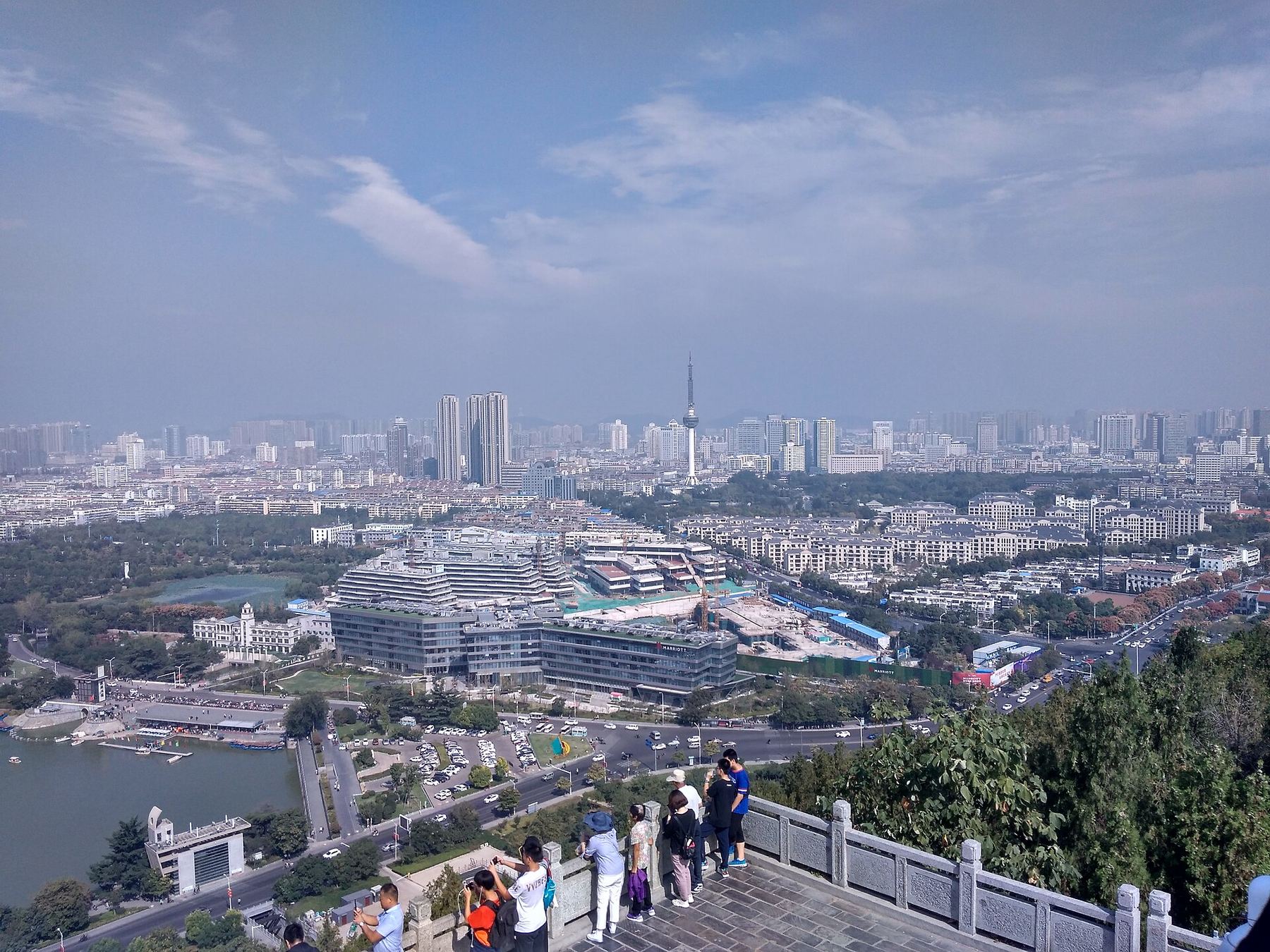
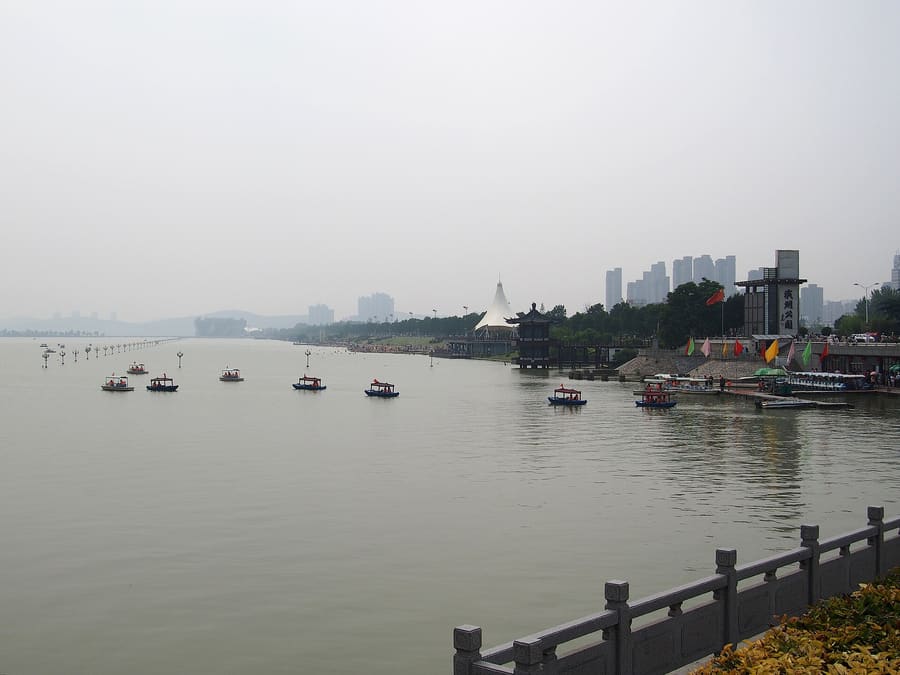
Yunlong Lake
A nine-square-kilometer lake ringed by pedestrian paths. Rent a bicycle near Su Gong Causeway for quiet circuits.
Vraag ParleyChina
Han dynasty tombs, coal country history, and cumin-heavy skewer culture.
introduction
Xuzhou sits on the dividing line between northern and southern China in Jiangsu province. High-speed trains meet here, but travellers stay for the Han dynasty mausoleums carved into limestone hills. You will move between underground burial chambers, urban lake parks, and midnight barbecue stalls serving cumin-dusted mutton. Expect a direct, unpretentious city shaped by heavy rail infrastructure and imperial archaeology.
Arrival trick
Xuzhou East Railway Station handles high-speed trains. Metro Line 1 connects the station platform directly to central Pengcheng Square in 22 minutes.
Planning trick
Xuzhou Metro accepts scan-to-ride via Alipay. Select 'Xuzhou Metro' in the app transport tab to skip ticket vending queues entirely.
Xuzhou
H2v5o68z · CC0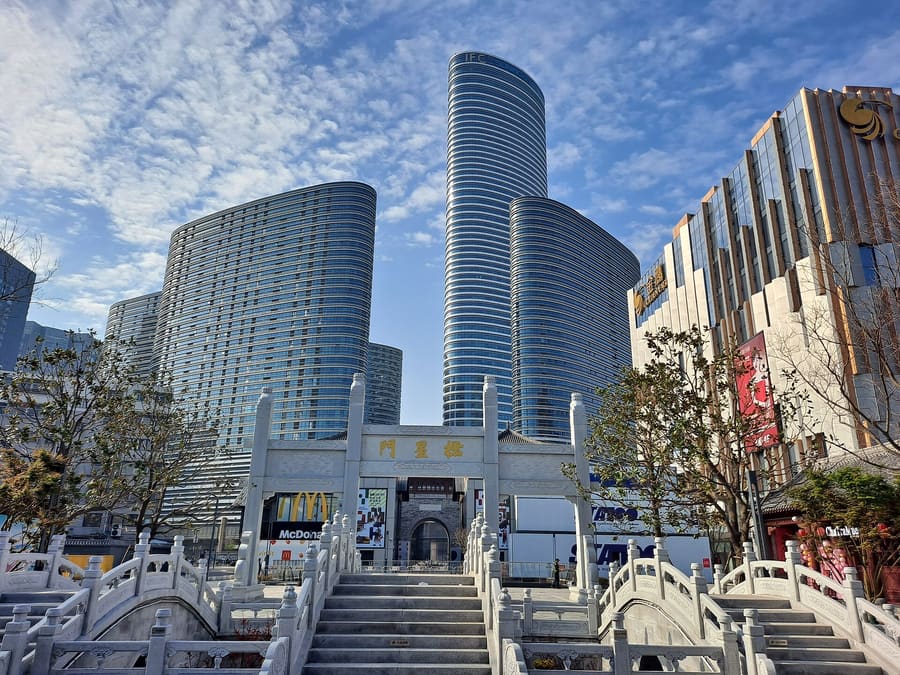
Gulou — Commercial core centered on Pengcheng Square. Dense malls above deep metro intersections.
H2v5o68z · CC0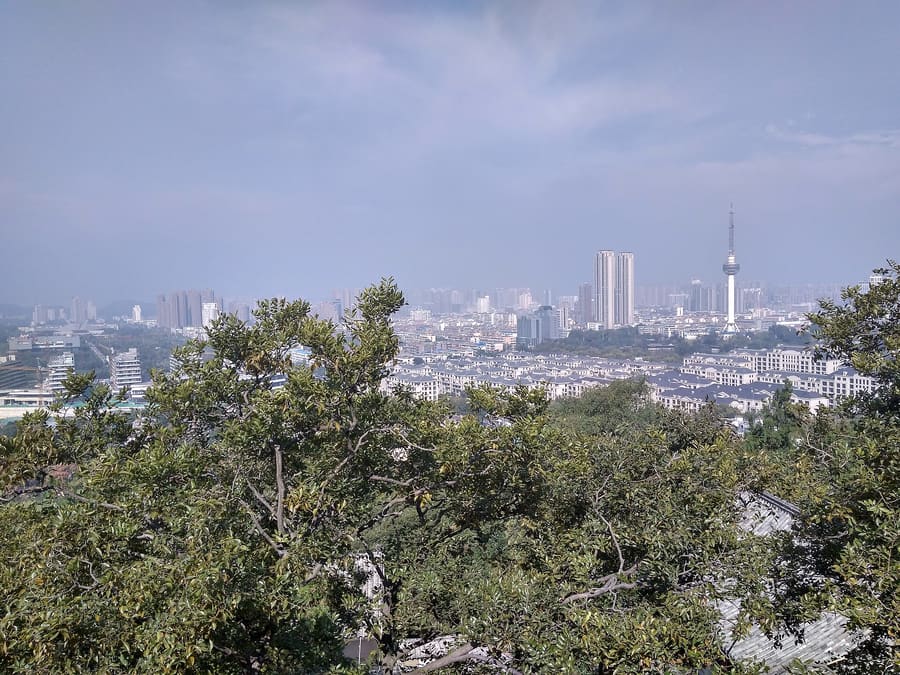
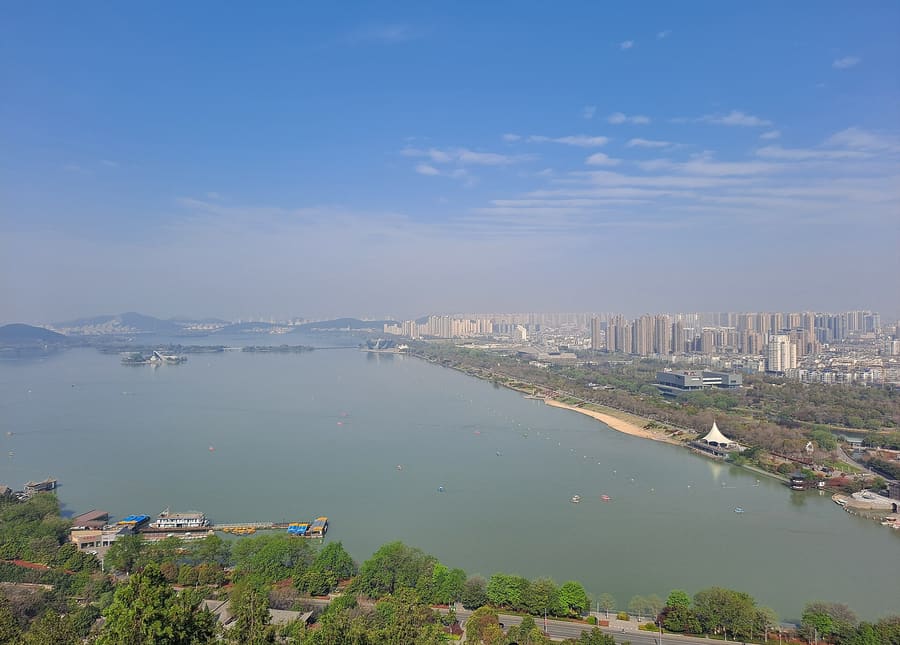
Yunlong District — Green and open lakeside district housing major Han archaeological sites.
Sprt98 · CC BY-SA 3.0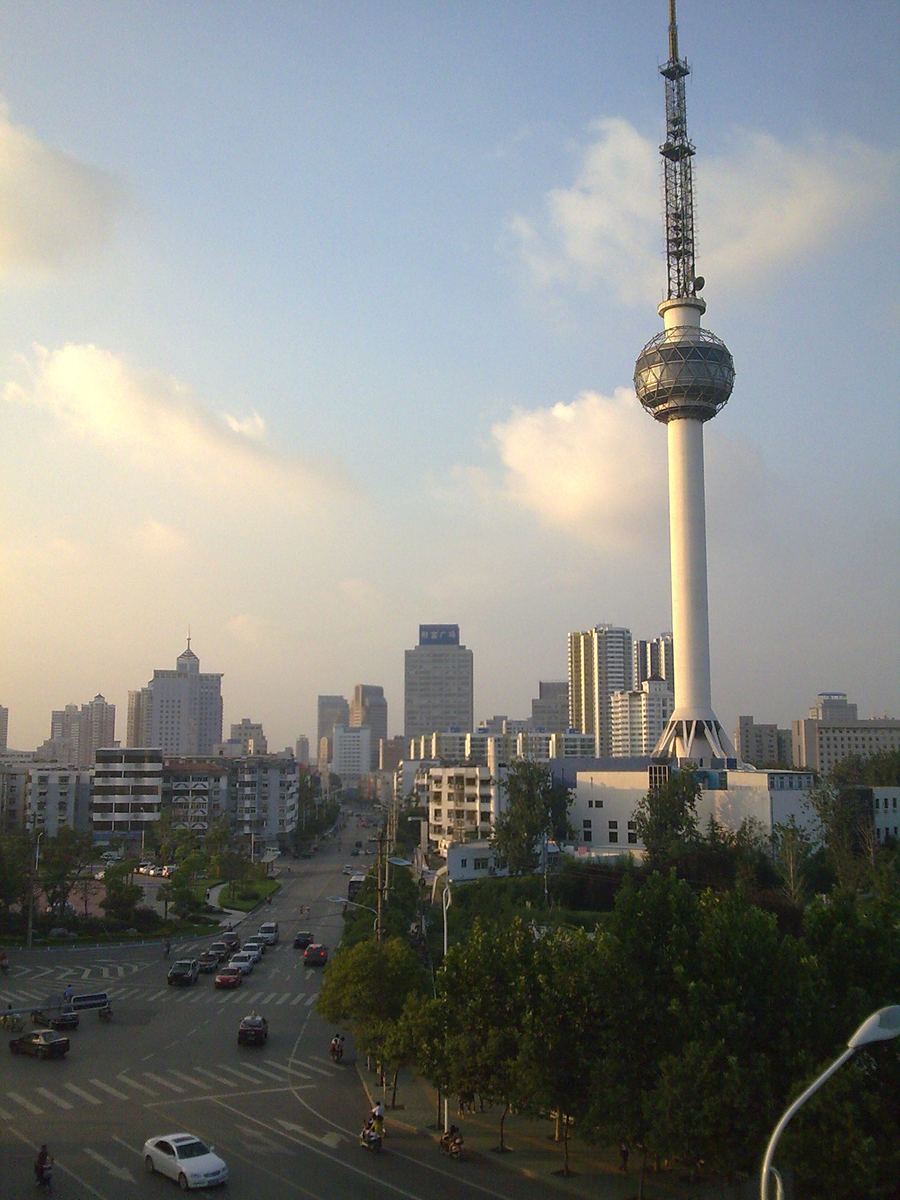
Quanshan — University neighbourhood filled with cheap student eateries and quiet parks.
Mamingkai · CC BY-SA 3.0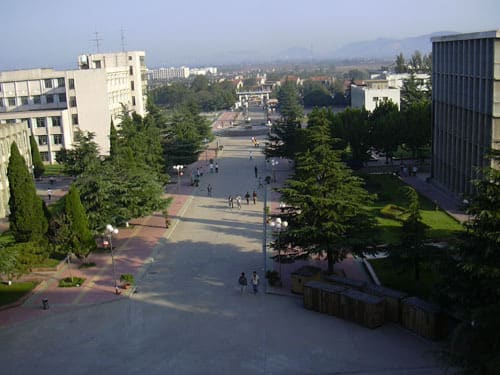
Jiawang — Former coal mining hub transformed into wetland restoration zones.
kxtm1987 · CC BY-SA 3.0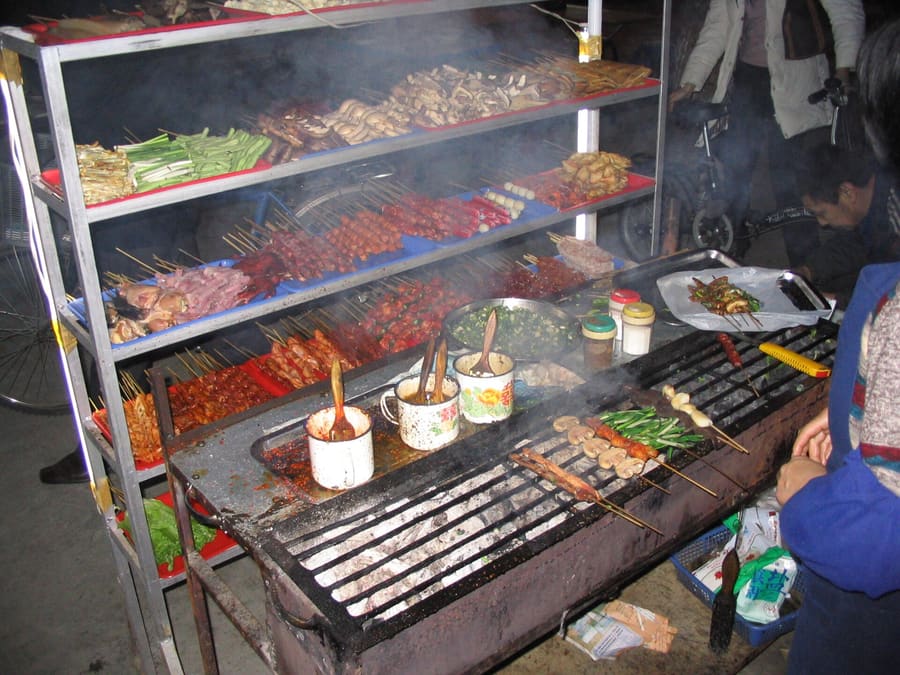
Mutton skewers cook over personal charcoal stoves at a local Xuzhou restaurant.
Felix Andrews (Floybix) · CC BY-SA 3.0highlights
landmark
A nine-square-kilometer lake ringed by pedestrian paths. Rent a bicycle near Su Gong Causeway for quiet circuits.
Vraag Parley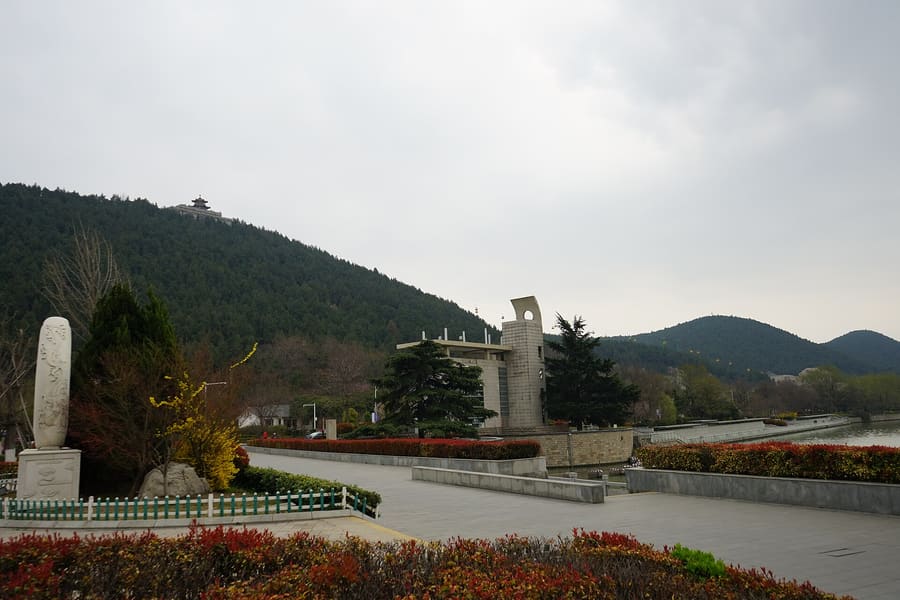
landmark
Limestone ridge facing Yunlong Lake. The cable car saves time, but the stone steps past Song dynasty pavilions offer better views.
Vraag Parley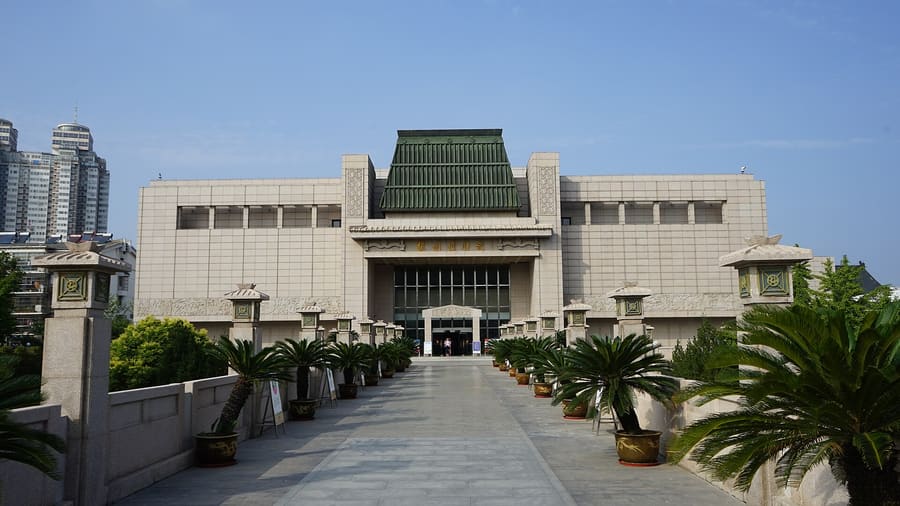
landmark
Houses gold-threaded jade burial suits recovered from local Han tombs. Reservation via WeChat mini-program is required.
Vraag Parley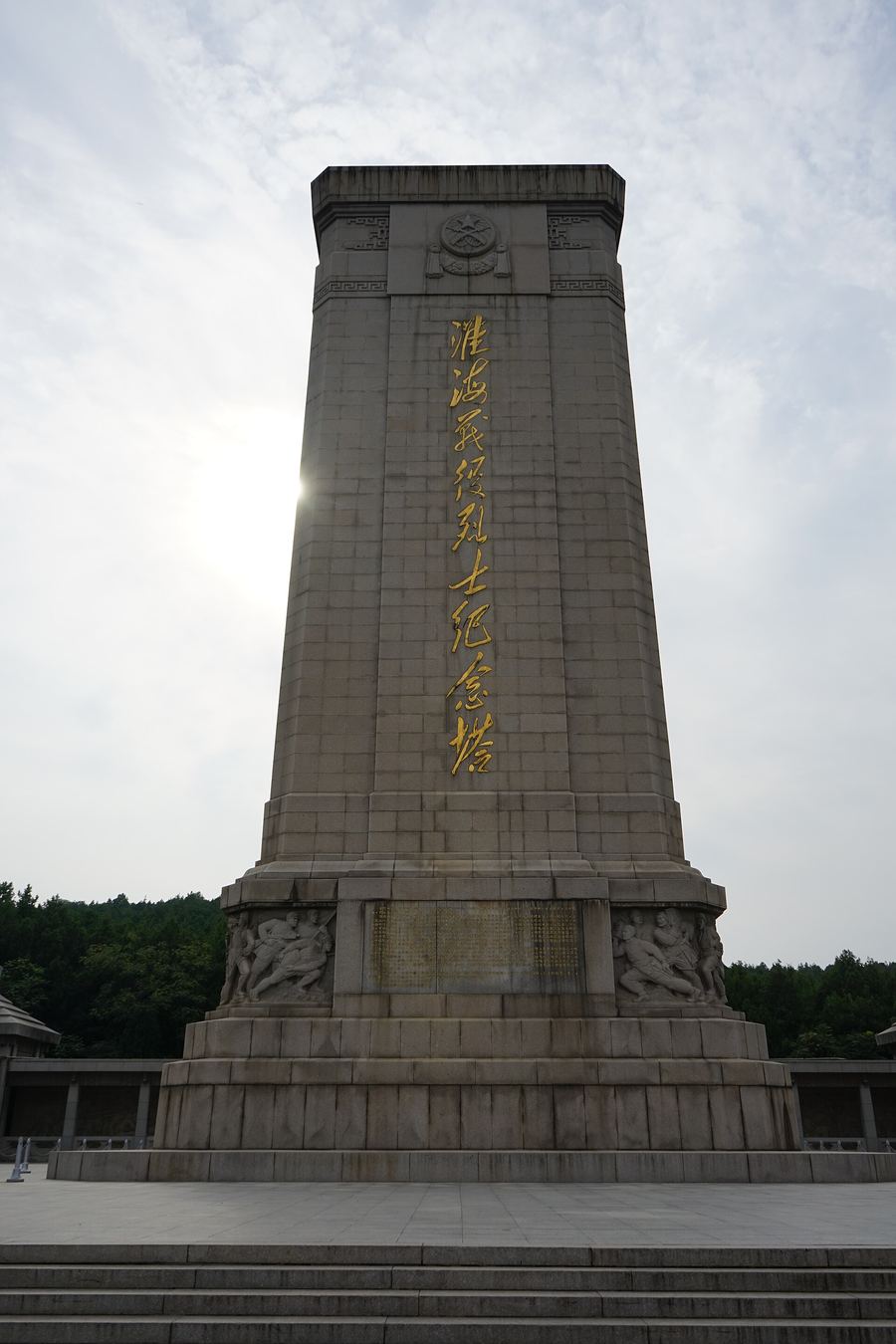
landmark
Massive park complex honoring a pivotal 1948 civil war battle. Metro Line 3 stops at the south gate.
Vraag Parleyattractions
areas
Commercial core centered on Pengcheng Square. Dense malls above deep metro intersections.
DichtbijXuzhou Museum and Suning Plaza.
Vraag ParleyGreen and open lakeside district housing major Han archaeological sites.
DichtbijYunlong Lake and Lion Hill.
Vraag ParleyUniversity neighbourhood filled with cheap student eateries and quiet parks.
DichtbijChina University of Mining and Technology.
Vraag ParleyFormer coal mining hub transformed into wetland restoration zones.
DichtbijPan'an Lake Wetland Park.
Vraag Parleyfood
Xuzhou food relies heavily on mutton, garlic, chili, and cumin. The local signature is Xuzhou barbecue, where diners finish raw-skewered mutton over personal tabletop coal troughs. Morning meals center on Sha Tang, a thick savory soup brewed from chicken, mutton bone, and eel, thickened with grain and cracked egg.
Mutton skewers cook over personal charcoal stoves at a local Xuzhou restaurant.
Felix Andrews (Floybix) · CC BY-SA 3.0Barbecue joints open around 17:00 and peak after 21:00. Arrive before 18:30 to secure a table without queuing.
Kitchens sear the mutton skewers first. You finish cooking them to your preferred level at your table's stove.
Skewers are ordered by weight or in large multiples of ten. Cold garlic cucumber salad balances the rich meat.
history
Xuzhou occupied a strategic position along the Grand Canal and major north-south transit corridors. It served as the ancestral home of Liu Bang, founder of the Han Dynasty. In the twentieth century, heavy coal deposits turned the city into an industrial stronghold, while the 1948 Huaihai Campaign secured control of northern China for communist forces.
Han Dynasty birthplace
Liu Bang establishes the Han Dynasty, designating his home region as an imperial power base.
Yellow River shift
The Yellow River changes course away from Xuzhou, altering local water trade routes forever.
Huaihai Campaign
PLA forces defeat Nationalist armies in a massive battle around Xuzhou, determining the civil war.
Metro opening
Line 1 opens, transforming the industrial city into a modern transit network connected to bullet trains.
where to stay
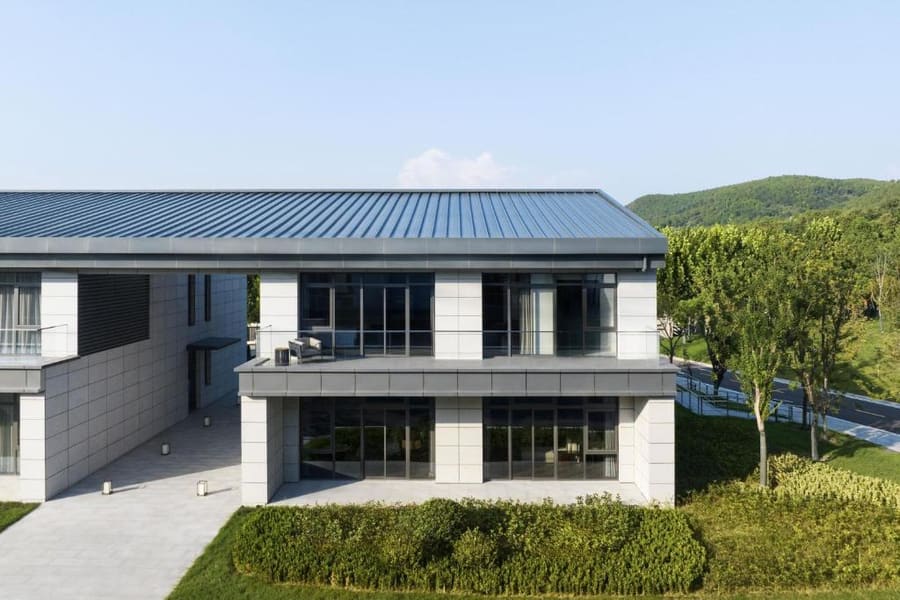
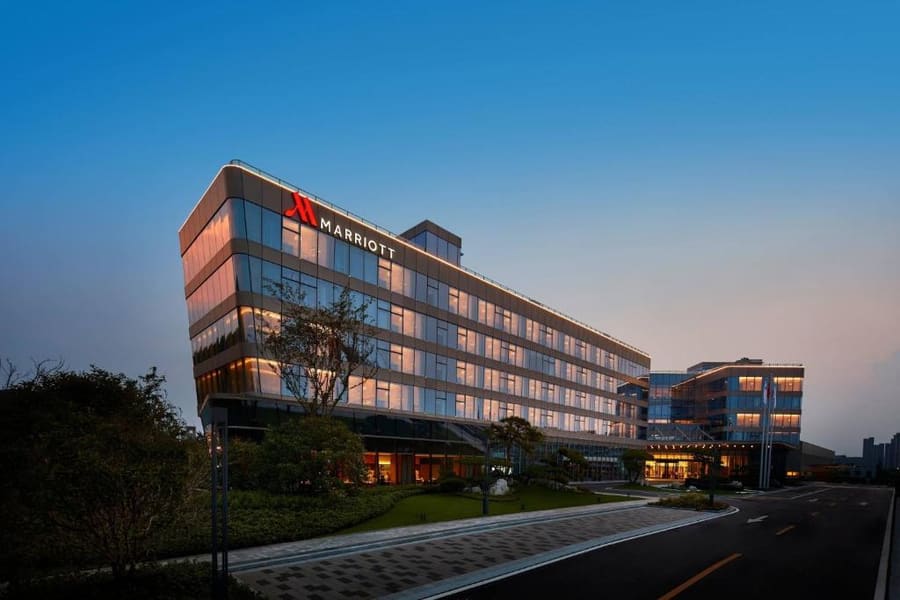
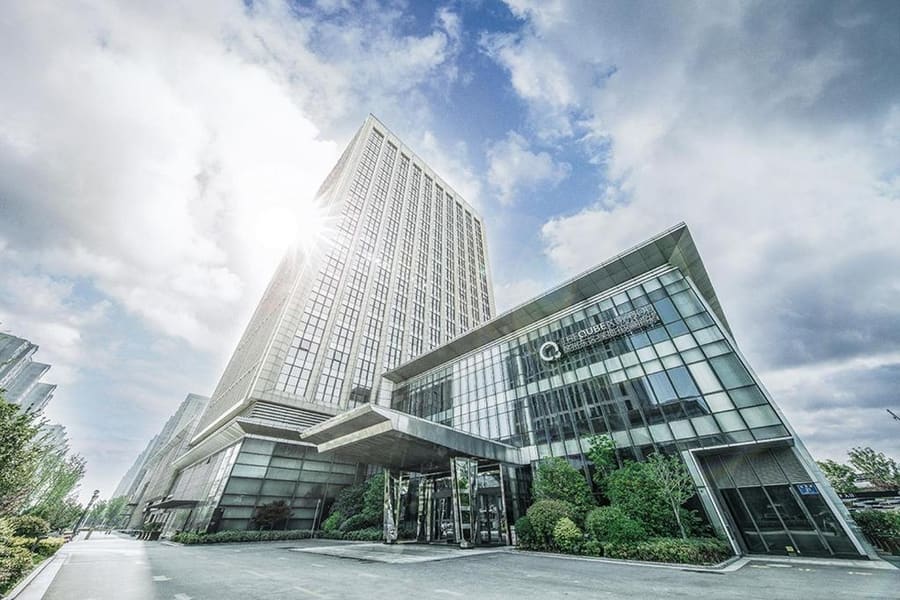
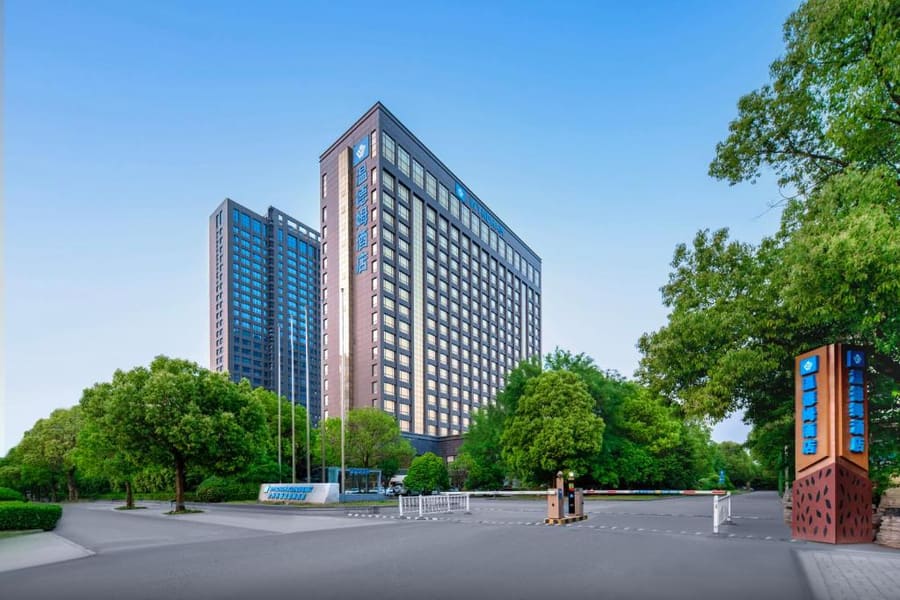
Choose your base by your transit priority. Staying in Gulou puts you at the main metro interchange near dining. Staying near Yunlong Lake offers quiet green space, while Xuzhou East Station is best for late train arrivals.
Live rates, matched to the areas above.
transport
Xuzhou operates a three-line metro system that connects rail hubs directly to central districts. Taxis and ride-hailing cars are abundant and inexpensive compared to Shanghai or Beijing.
Vanaf Xuzhou East Railway Station (XUZ)
Take Metro Line 1 straight to Pengcheng Square in the city center.
Use the official ground-level taxi queue; ignore unregistered drivers in the lobby.
Buses connect Guanyin Airport (XUZ) to Xuzhou Railway Station.
Scan the QR code inside Alipay's transport tab at the turnstiles. No physical transit card needed.
Didi works reliably throughout the city. Most drivers struggle with English, so input exact Chinese destinations.
The last metro trains depart terminal stations at 22:30. Plan taxis for late barbecue outings.
Yellow and blue electric bikes line major streets. Unlock them via Alipay or Meituan apps.
cost
Xuzhou offers low daily costs compared to eastern coastal capitals. Meals and attraction entry fees remain modest, making archaeological exploration affordable.
Standard breakfast bowl served with deep-fried dough sticks at local morning stalls.
Includes generous mutton skewers, cold side dishes, and local beers.
Combined ticket covers the tomb interior, terracotta warrior museum, and underwater exhibition hall.
Fares scale by distance across all three active metro lines.
seasonality
MAR – MAY
Mild spring weather with clear skies. Ideal window for walking Yunlong Lake and visiting mountain tombs.
JUN – AUG
Hot and humid with occasional heavy rain. Outdoor tombs get muggy, but late night barbecue culture peaks.
SEP – NOV
Crisp autumn weather and golden leaves. Excellent timing for day trips to Pizhou ginkgo groves.
DEC – FEB
Cold, dry winter temperatures dropping below freezing. Tomb museums remain heated and uncrowded.
practicalities
Xuzhou Museum and major state-run cultural sites close on Mondays, except on national holidays.
Cash is rarely used. Link an international credit card to Alipay or WeChat Pay before arriving.
Carry your passport at all times. Ticket offices at tombs and stations check physical passports.
Underground chambers carved into rock stay cool year-round. Bring a light layer even in summer.
English signage is present in metro stations and major museums, but rare in local restaurants.