landmark
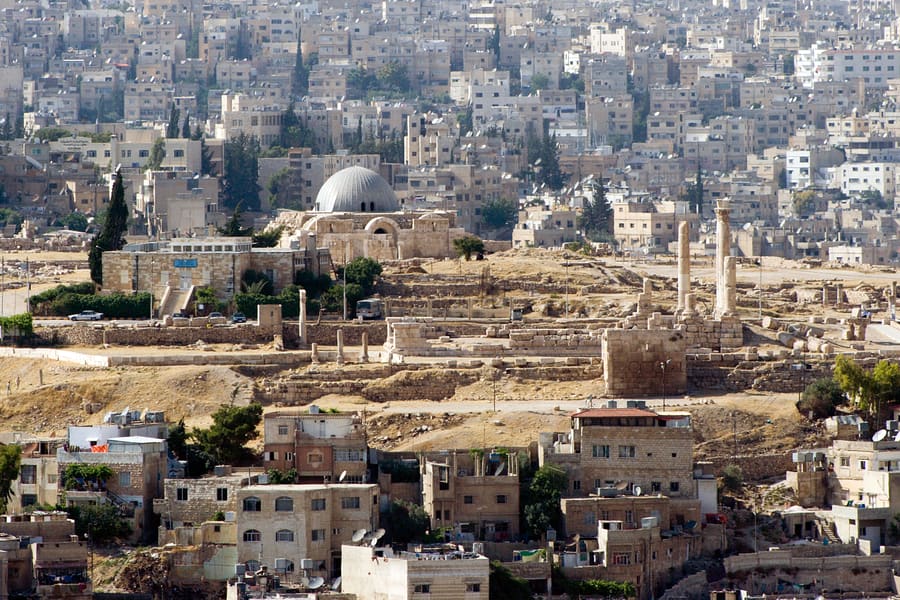
Amman Citadel
Ancient ruins sitting on Jabal al-Qal'a overlooking the city center. Visit at sunset for clear light over the amphitheater.
Perguntar ao ParleyJordânia
Seven limestone hills built around Roman stone and street food.
introduction
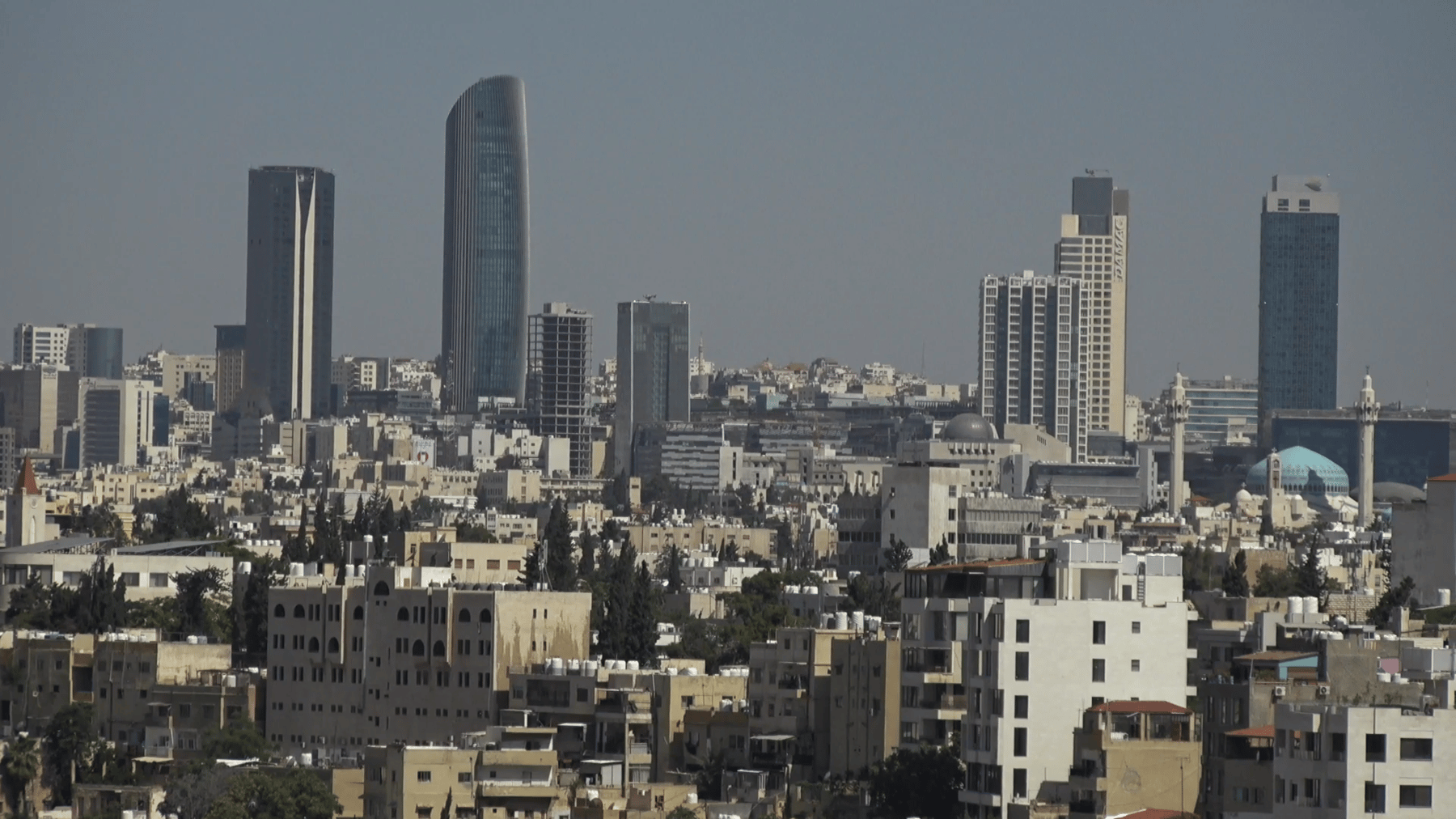
Amman spreads across steep limestone hills, organized around numbered traffic circles rather than clear street grids. You move through the city vertically, climbing staircases between upper residential ridges and the dense valley floor. Traffic can lock down the main arteries, making walking within individual hills far faster than driving across town. Expect clear desert light, stone facades, and sharp shifts between traditional souks and modern cafe districts.
Airport transit trick
The Sariyah airport express bus runs every 30 minutes from AMM to North Bus Station for 3.30 JOD. Taxis take 45 minutes and cost 22 JOD flat rate.
Jordan Pass savings trick
Buy the Jordan Pass online before arrival. It covers the 40 JOD visa fee and entry to over 40 sites, including the Citadel and Roman Theatre in Amman.
Amman
miiika · CC BY-SA 4.0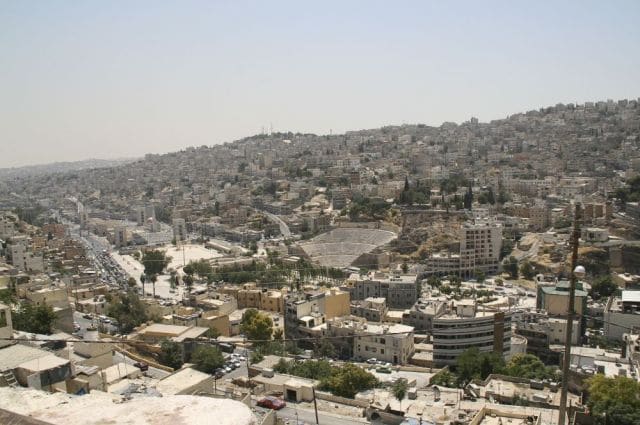
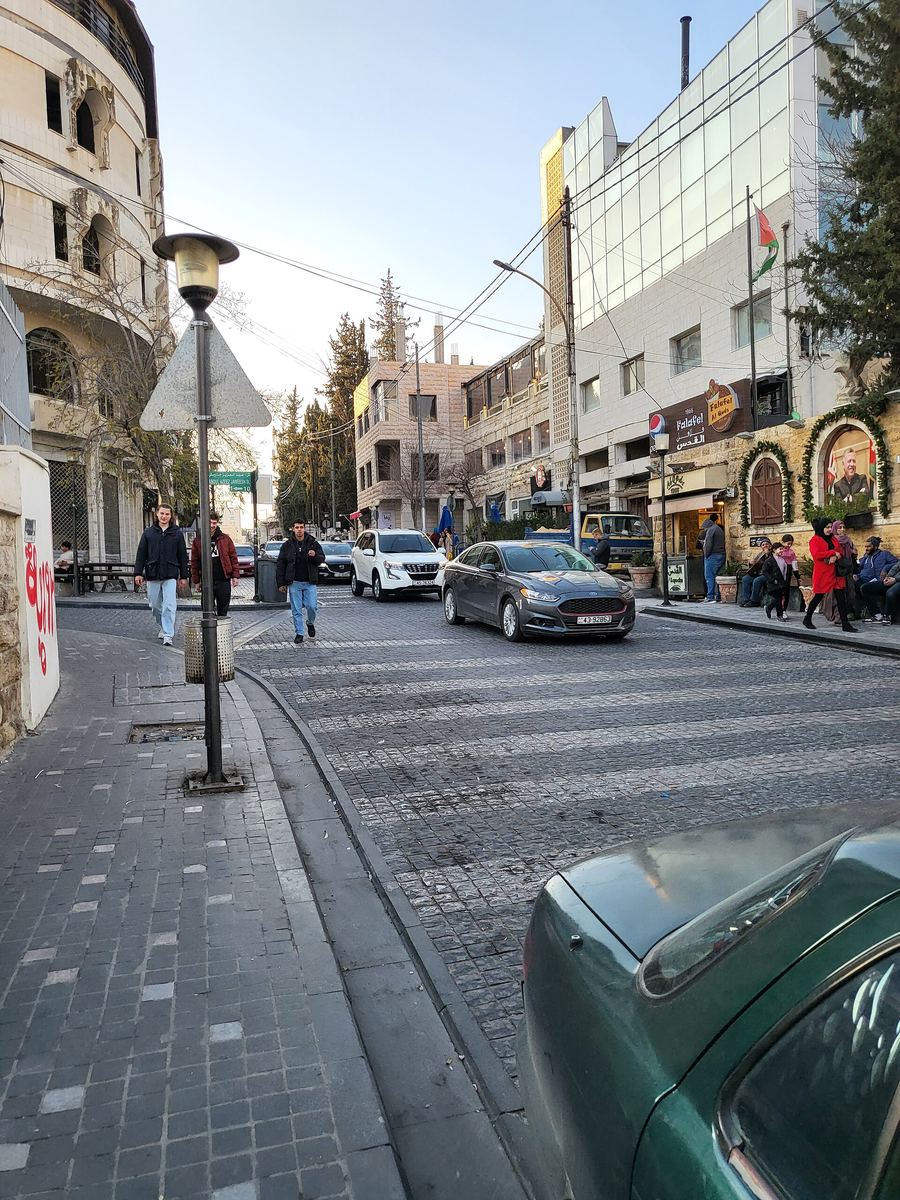
Al-Balad — Valley downtown packed with spice markets, falafel counters, and street tailors.
Ian and Wendy Sewell · CC BY-SA 3.0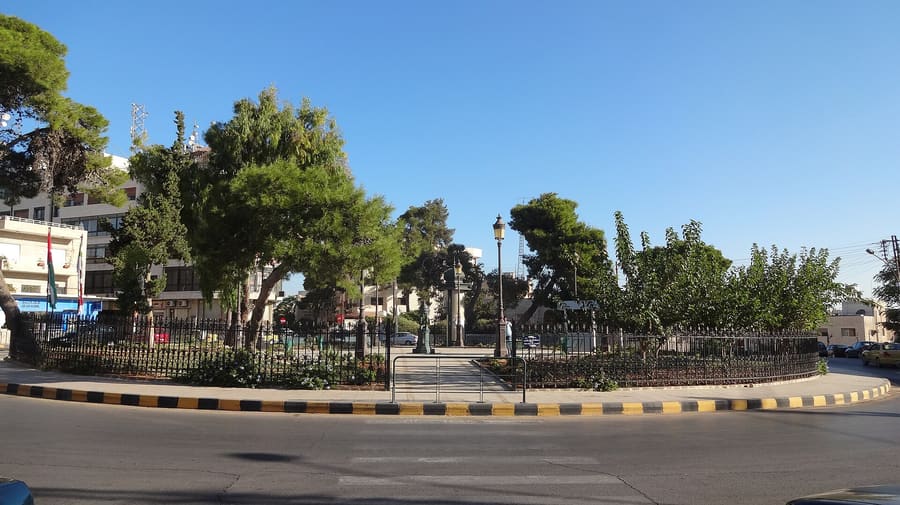
Jabal Lweibdeh — Hilltop neighbourhood of art galleries, independent cafes, and tree-lined stone streets.
Tarawneh · CC BY-SA 3.0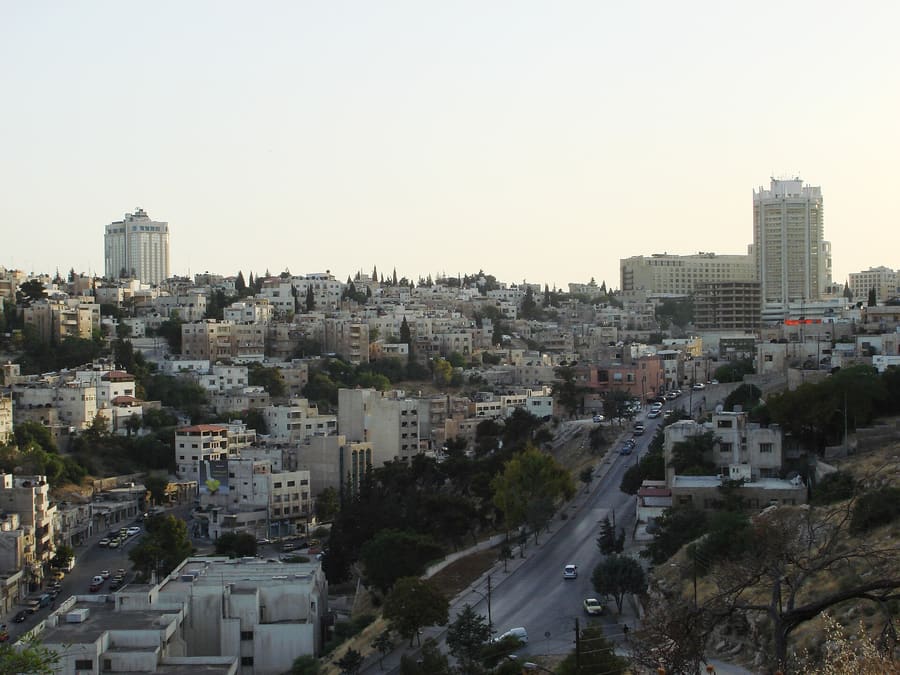
Jabal Amman — Historic hill district centered on Rainbow Street with restored early-20th-century villas.
Freedom's Falcon · Public domain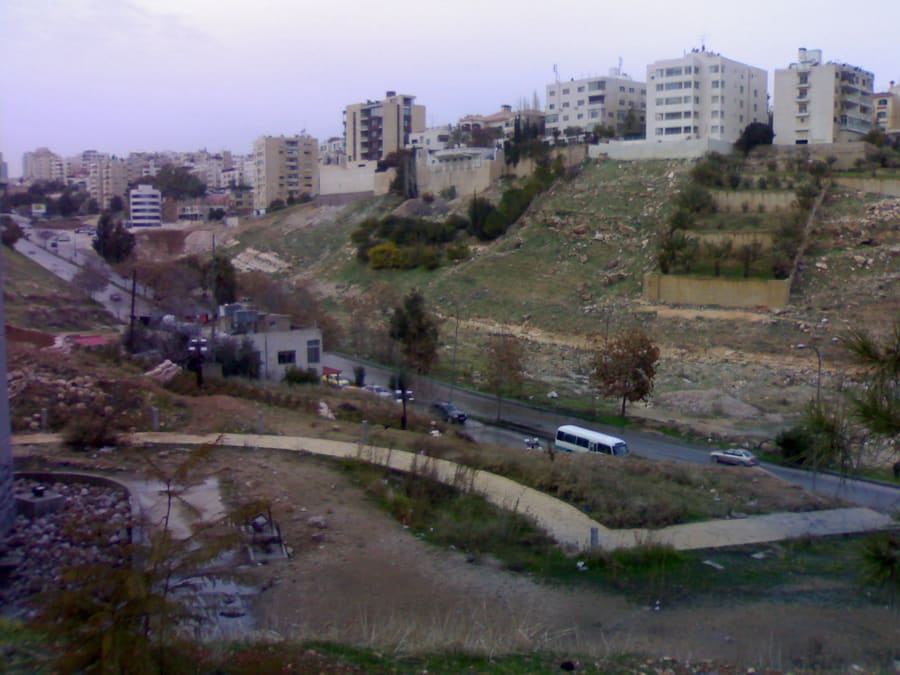
Abdoun — Upscale residential quarter home to foreign embassies, high-end dining, and modern malls.
روخو · CC BY-SA 3.0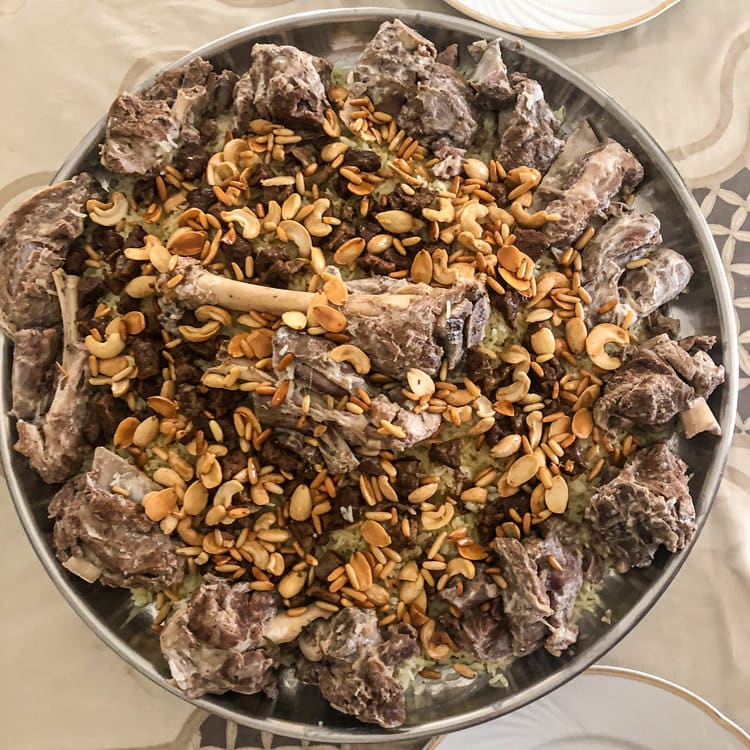
A platter of traditional Jordanian mansaf served with lamb and almonds over rice.
Jktab · CC BY-SA 4.0highlights
landmark
Ancient ruins sitting on Jabal al-Qal'a overlooking the city center. Visit at sunset for clear light over the amphitheater.
Perguntar ao Parley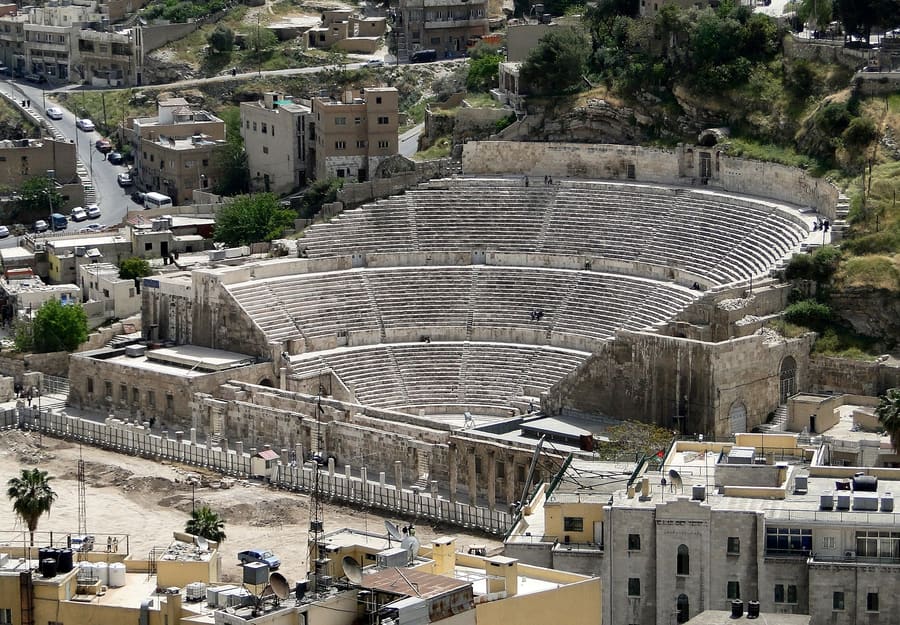
landmark
A 2nd-century theater cut into the hillside that seats 6,000 people. Ticket covers entry to the small folklore museum inside.
Perguntar ao Parley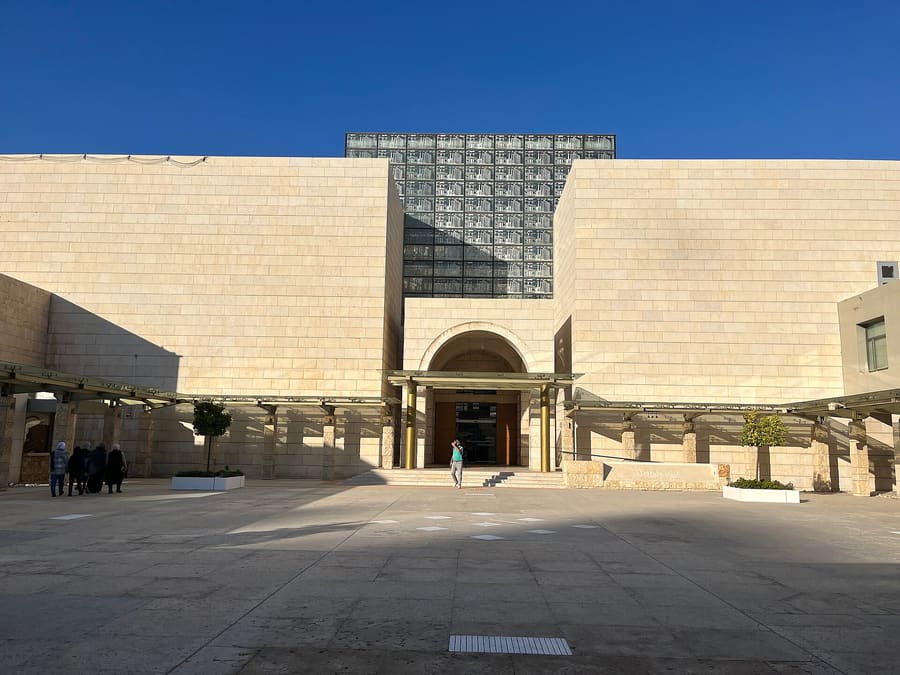
landmark
Modern exhibition space holding the copper Dead Sea Scroll and 9,000-year-old Ain Ghazal statues. Closed on Tuesdays.
Perguntar ao Parley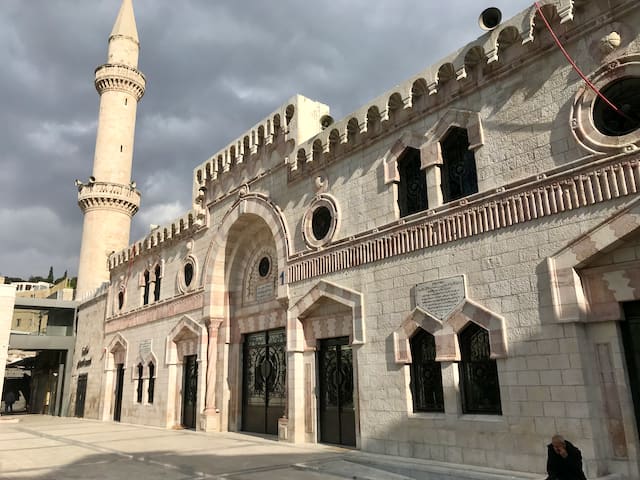
landmark
Pink and white limestone mosque built in 1924 on an ancient site. Non-Muslims view the stone facade from the surrounding market.
Perguntar ao Parley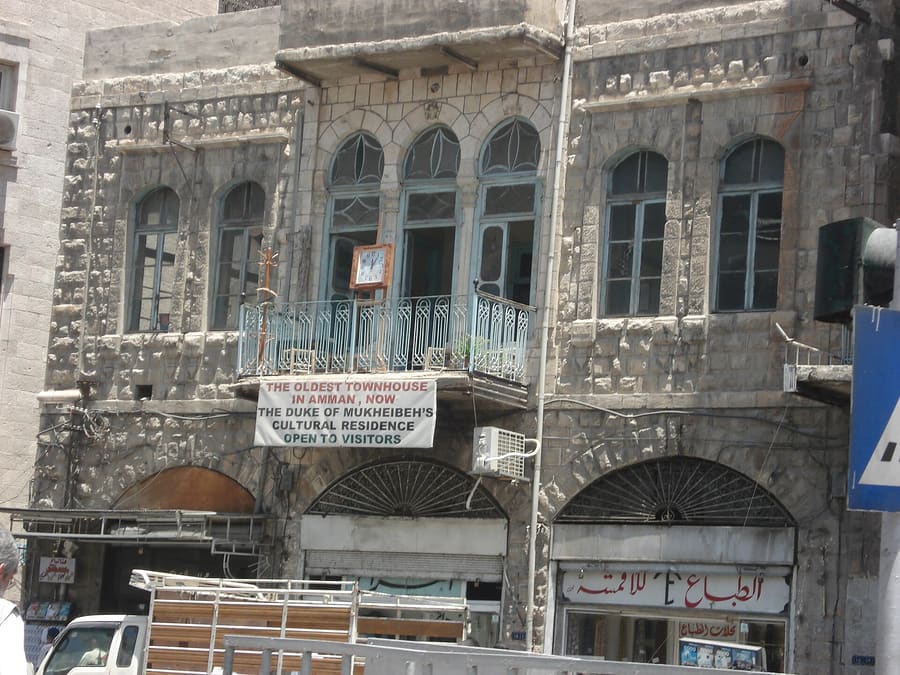
landmark
One of Amman's oldest townhouses, preserved as an open heritage room. Pay a 1 JOD donation to browse vintage furniture and photos.
Perguntar ao Parley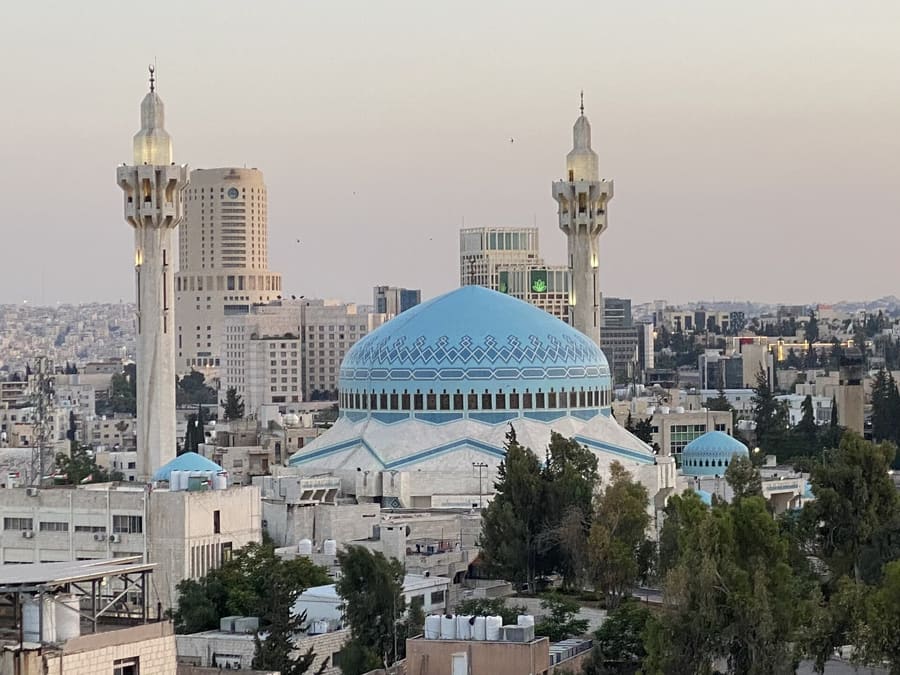
landmark
Blue-domed landmark completed in 1989 that welcomes non-Muslim visitors outside prayer times. Modest dress is provided at entry.
Perguntar ao Parleyattractions
areas
Valley downtown packed with spice markets, falafel counters, and street tailors.
PertoRoman Theatre and Hashem Restaurant
Perguntar ao ParleyHilltop neighbourhood of art galleries, independent cafes, and tree-lined stone streets.
PertoDarat al Funun and Paris Square
Perguntar ao ParleyHistoric hill district centered on Rainbow Street with restored early-20th-century villas.
PertoFirst Circle and Souk Jara
Perguntar ao ParleyUpscale residential quarter home to foreign embassies, high-end dining, and modern malls.
PertoAbdoun Bridge and luxury hotel towers
Perguntar ao Parleyfood
Food in Amman divides cleanly between the heritage counters of Al-Balad and the modern dining rooms of West Amman. In the valley, Hashem serves falafel and hummus on plastic tables from an alleyway kitchen that never closes. On the surrounding hills, home-style restaurants prepare mansaf — tender lamb cooked in fermented dried yogurt broth called jameed, served over turmeric rice and flatbread. Order tea infused with sage or mint to end every meal.
A platter of traditional Jordanian mansaf served with lamb and almonds over rice.
Jktab · CC BY-SA 4.0Traditional places serve mansaf family-style on a large tray. Roll rice and lamb into a firm ball using only your right fingers before eating.
Hashem in Al-Balad has no printed menu and no reservation list. Sit down between 07:00 and 09:00 for breakfast without waiting for a table.
Street vendors in Al-Balad cannot break 20 JOD notes for a 1 JOD bowl of knafeh at Habibah. Keep 1 JOD and 5 JOD bills in your pocket.
Habibah's downtown branch sells warm cheese pastry directly onto paper plates in the alleyway. Eat it standing up with the crowd.
history
Amman began as Rabbath Ammon, the Iron Age capital of the Ammonites. Rebuilt as Philadelphia under Hellenistic rule, it became a major city of the Roman Decapolis league. Earthquakes destroyed much of the classical city, leaving it a sparsely populated village for centuries. Ottoman settlement of Circassian refugees in 1878 and the construction of the Hijaz Railway in 1902 revived the town. When Emir Abdullah I selected Amman as the capital of Transjordan in 1921, the city expanded rapidly across its surrounding hills.
Ammonite Capital
Rabbath Ammon serves as the capital of the Biblical Ammonites on the central Citadel hill.
Philadelphia
Ptolemy II Philadelphus rebuilds the city, renaming it Philadelphia and adding Hellenistic grid architecture.
Capital of Transjordan
Emir Abdullah I establishes Amman as the national capital, starting decades of fast urban growth.
Refugee Expansion
Large influxes of Palestinian refugees dramatically expand the city's population and hill neighborhoods.
where to stay
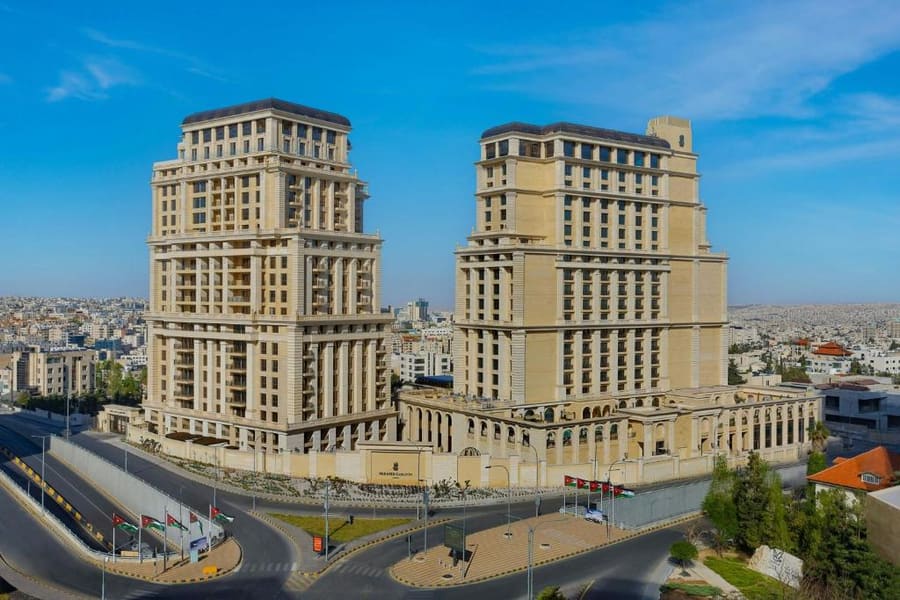
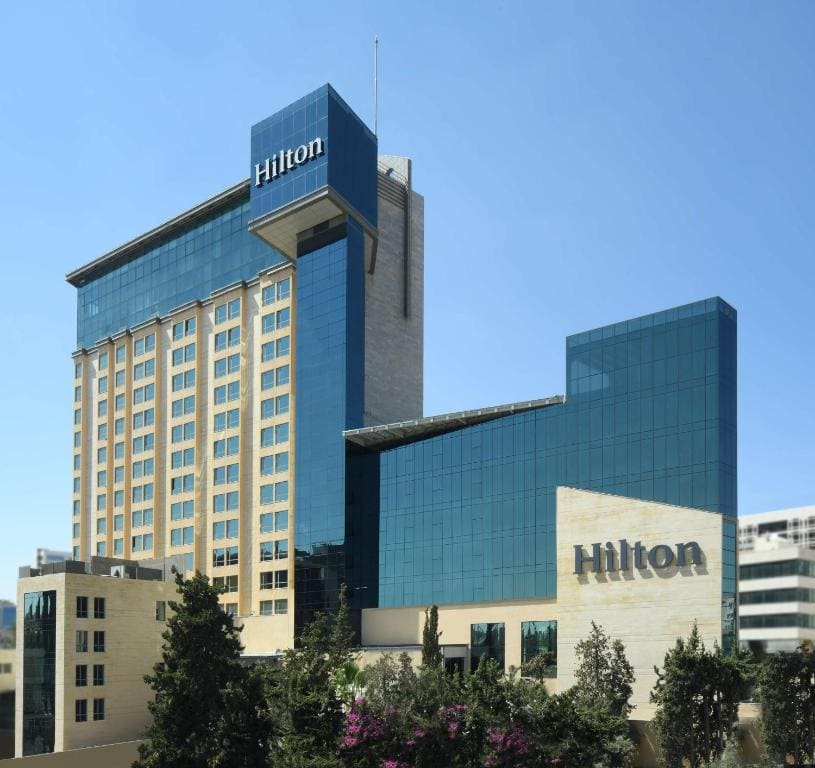
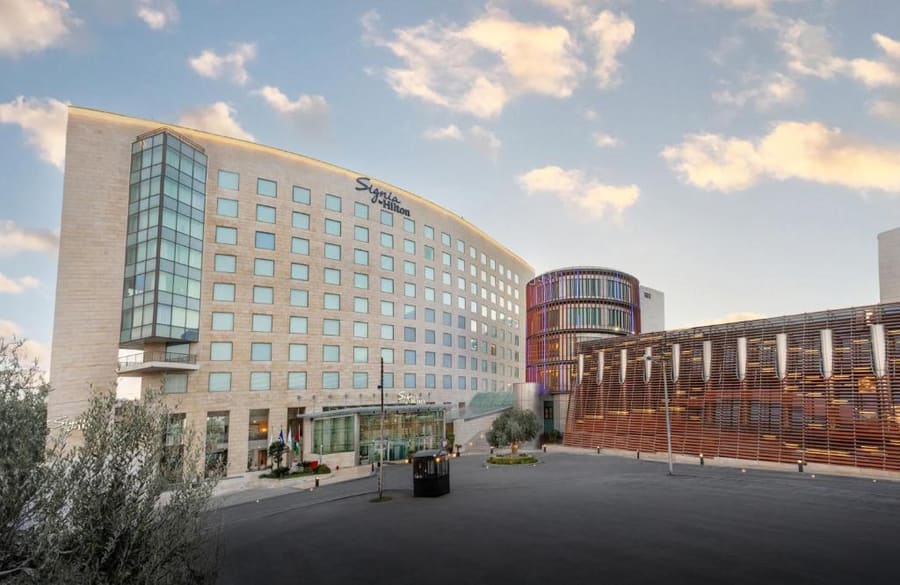
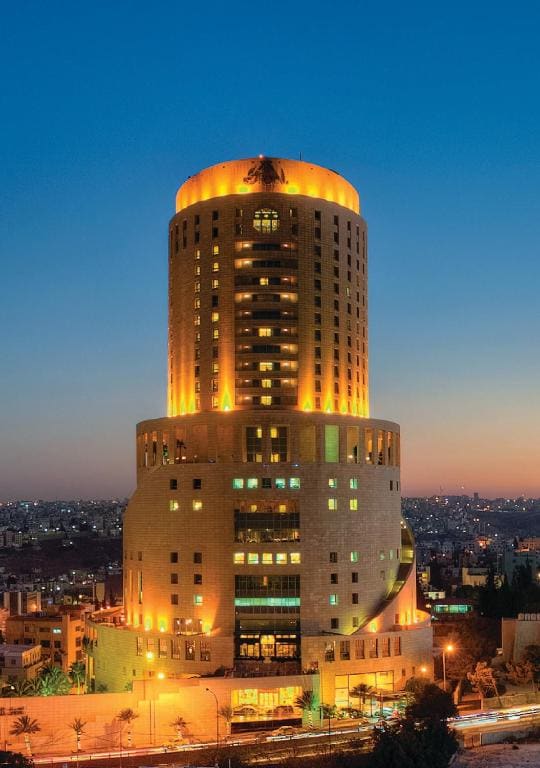
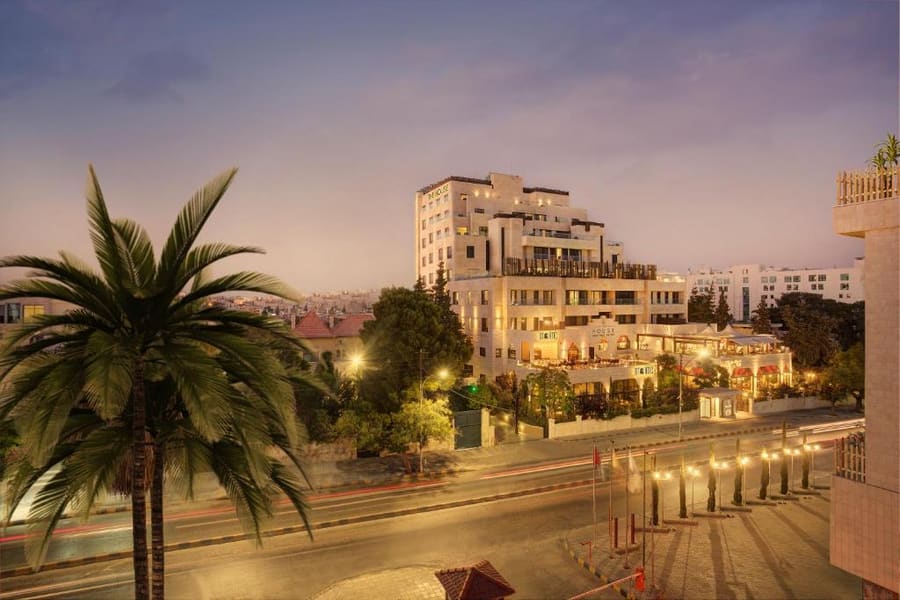
Choose by elevation and noise tolerance. Staying in Al-Balad keeps you next to historical sites and street food, but morning call-to-prayer speakers and traffic run early and late. Jabal Lweibdeh offers quiet residential streets with small boutique hotels and guesthouses within walking distance of cafes. Jabal Amman sits near Rainbow Street with upscale heritage stays. Abdoun and the 5th Circle cluster high-end international hotel chains with full amenities.
Live rates, matched to the areas above.
transport
Amman has no metro network. The city relies on ride-hailing apps, yellow taxis, and the Amman Bus network. Driving yourself inside Amman is unrewarding due to hill climbs, aggressive traffic, and limited parking. Walking is pleasant along hilltop crests but strenuous when crossing between jabals, as routes require long stair flights or steep road detours.
De Queen Alia International Airport (AMM)
Sariyah bus departs every 30 mins outside arrivals to North Bus Station. Buy ticket at booth.
Fixed rates posted on airport taxi kiosk board. Pay at official counter before boarding.
Uber and Careem pickup at designated departures level curb outside terminal.
Yellow taxis inside Amman rarely use meters for foreign riders. Ride-hailing apps avoid fare disputes and negotiate hill addresses automatically.
The city's white-and-red Amman Bus vehicles require a prepaid card or app code tapped at the front door. Drivers do not accept cash.
If taking a yellow taxi, confirm the driver turns on the meter (al-faddad) before closing the door. Short trips cost under 2 JOD on meter.
Traffic locks major circles between 07:30–09:30 and 16:30–18:30. Walk along hilltop streets rather than taking cars between adjacent jabals.
cost
Amman is more expensive than neighboring regional cities, largely due to the Jordanian Dinar's fixed peg to the US Dollar (1 JOD = 1.41 USD). Street food and public transit remain affordable, while alcohol, western dining, and hotel taxes carry high surcharges.
Includes fresh falafel, hummus, ful medames, flatbread, and mint tea for two people.
Generous serving of warm cheese pastry topped with pistachios and sugar syrup.
Flat rate fare on municipal bus lines when using the prepaid transit card.
Entry to the archaeological ruins and archaeological museum; waived with Jordan Pass.
Single main dish with soft drink in Jabal Lweibdeh or Jabal Amman cafes.
seasonality
MAR – MAY
Mild temperatures between 18°C and 26°C with spring wildflowers on the hills. Ideal window for walking between jabals.
JUN – AUG
Dry desert heat often exceeding 35°C during mid-day. Sightseeing requires early mornings; evenings remain comfortable.
SEP – NOV
Pleasant autumn weather with daily highs around 24°C. Clear skies and manageable heat for daytime urban walks.
DEC – FEB
Cold winds, frequent rain, and occasional snow on high hills. Daytime temperatures average 10°C; pack heavy coats.
practicalities
Shops, cafes, and markets remain closed until Friday afternoon prayers finish around 13:00. Plan quiet walks or site visits then.
While modern shops accept international credit cards, Al-Balad stalls and street vendors accept cash only.
The Citadel ground offers almost no shade. Carry water and wear a hat during mid-day visits.
Cover shoulders and knees when exploring Al-Balad and residential areas out of respect for local norms.
Municipal tap water is unsafe for drinking. Buy filtered bottled water or use hotel refill stations.