landmark
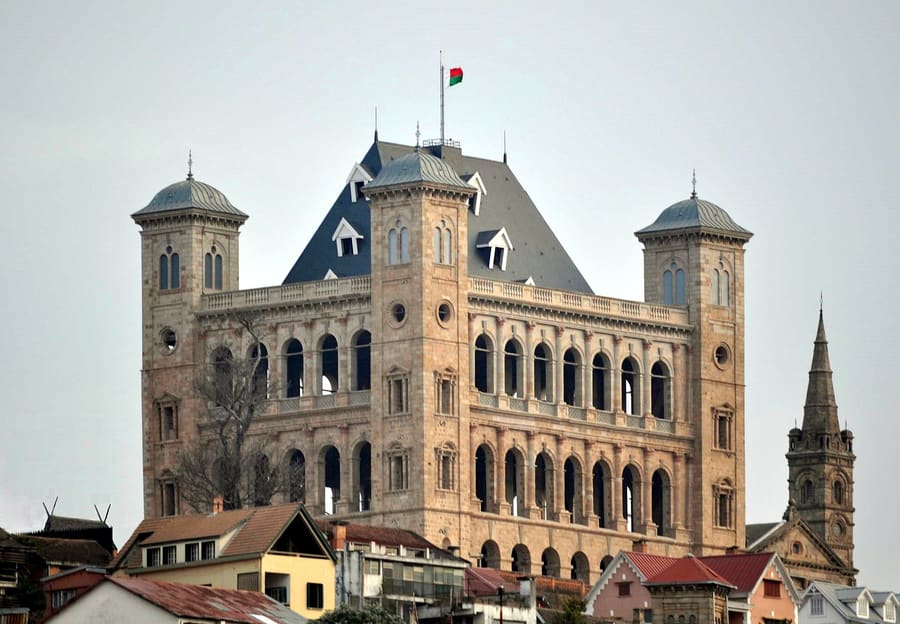
Rova of Antananarivo
The royal palace complex sits at the city's highest point. Climb early to avoid mid-day sun and heavy traffic on the approach.
Perguntar ao ParleyMadagascar
Highland staircases, royal ruins, and slow city traffic.
introduction
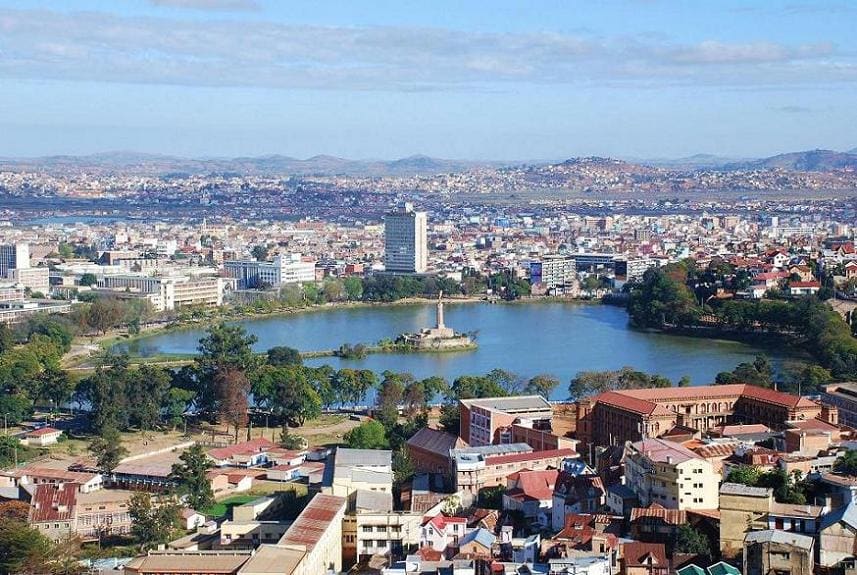
Antananarivo spreads across twelve steep granite hills in Madagascar's central highlands. You navigate the city by climbing stone stairways in the upper town or battling dense traffic on the lower avenues. The high altitude keeps the air cooler than on the coast, giving daily life a deliberate pace. Expect French bakery scents mixing with woodsmoke and diesel exhaust.
Arrival by road
Ivato Airport sits 17 kilometers north of town. Traffic can turn the ride into a two-hour drag, so negotiate taxi fares before boarding.
Royal heritage site
The Rova complex crowning Analamanga hill served as the royal seat for Merina monarchs. Rebuilt structures overlook the entire city basin.
Cash economy
ATMs run dry on weekends, and vendors rarely hold change for 20,000 Ariary notes. Carry small bills when walking through markets.
Antananarivo
mwanasimba from La Réunion · CC BY-SA 2.0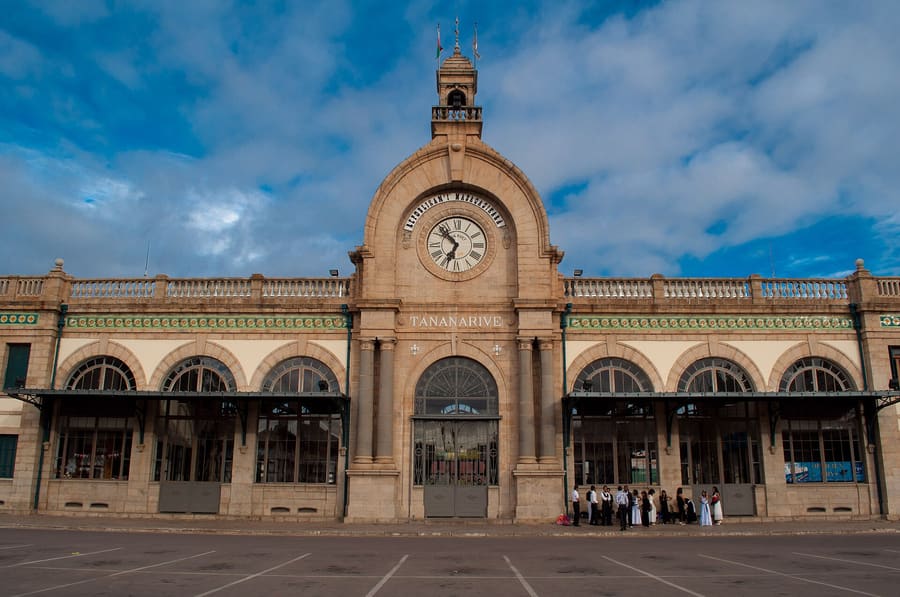
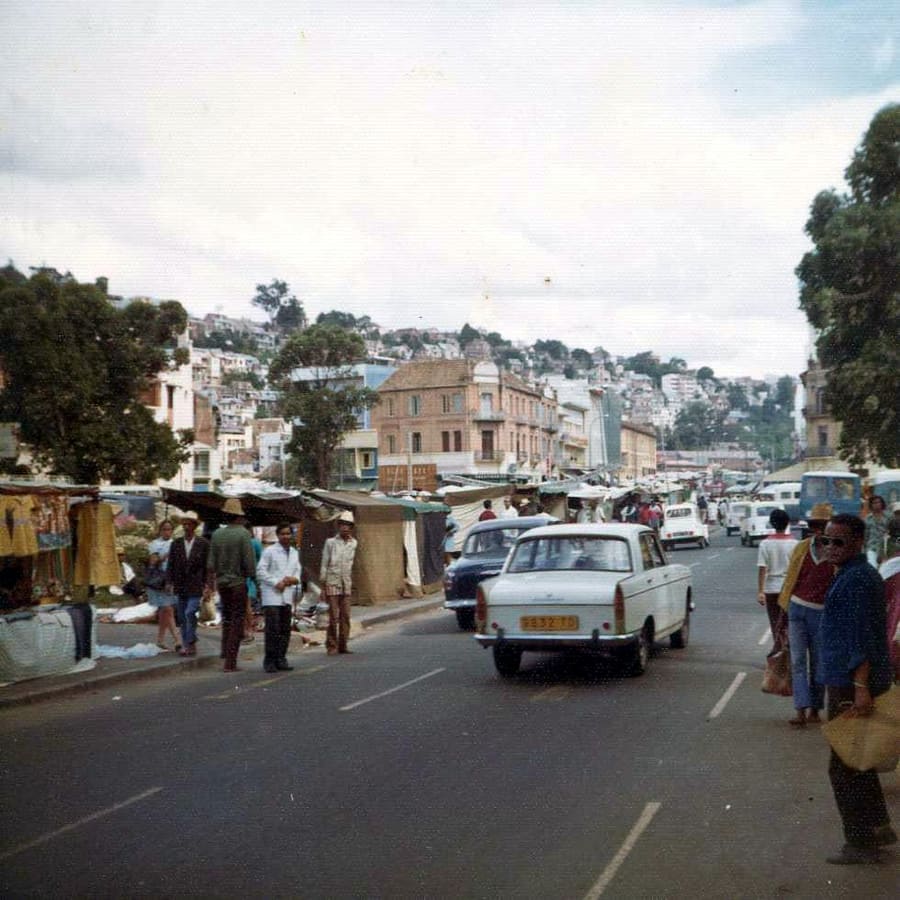
Basse Ville — A dense grid of arcades, street vendors, and endless vehicle congestion.
Hery Zo Rakotondramanana from Antananarivo, Madagascar · CC BY-SA 2.0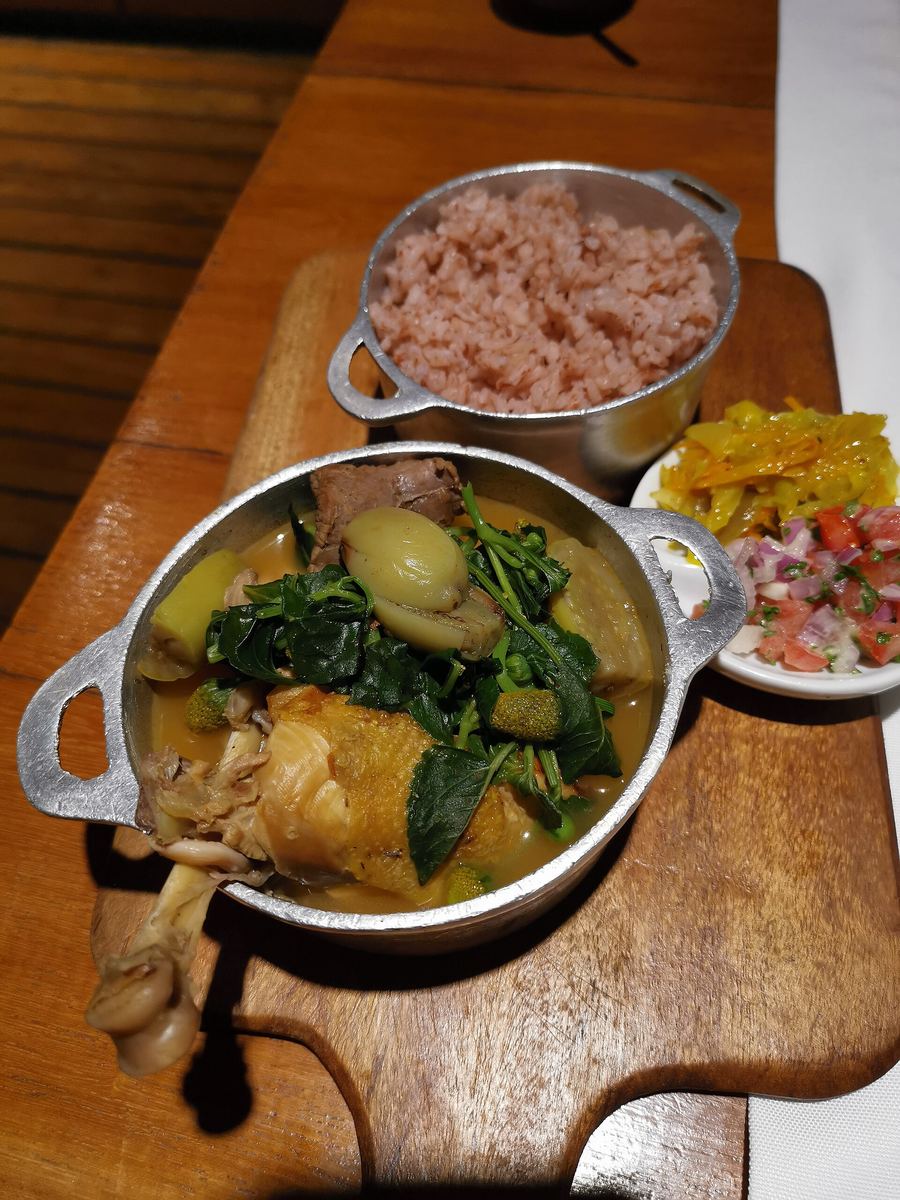
Romazava, the national meat stew flavored with anamalaho leaves.
Z thomas · CC BY-SA 4.0highlights
landmark
The royal palace complex sits at the city's highest point. Climb early to avoid mid-day sun and heavy traffic on the approach.
Perguntar ao Parley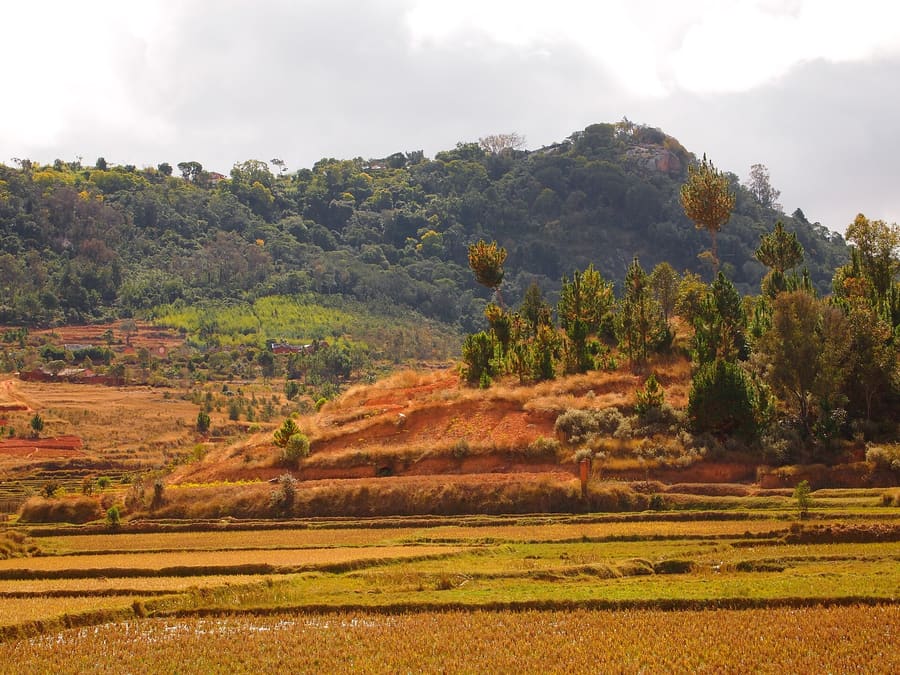
landmark
A walled royal hilltop village 24 km north. Take a private taxi to reach the fortified stone gates and historic Merina palaces.
Perguntar ao Parley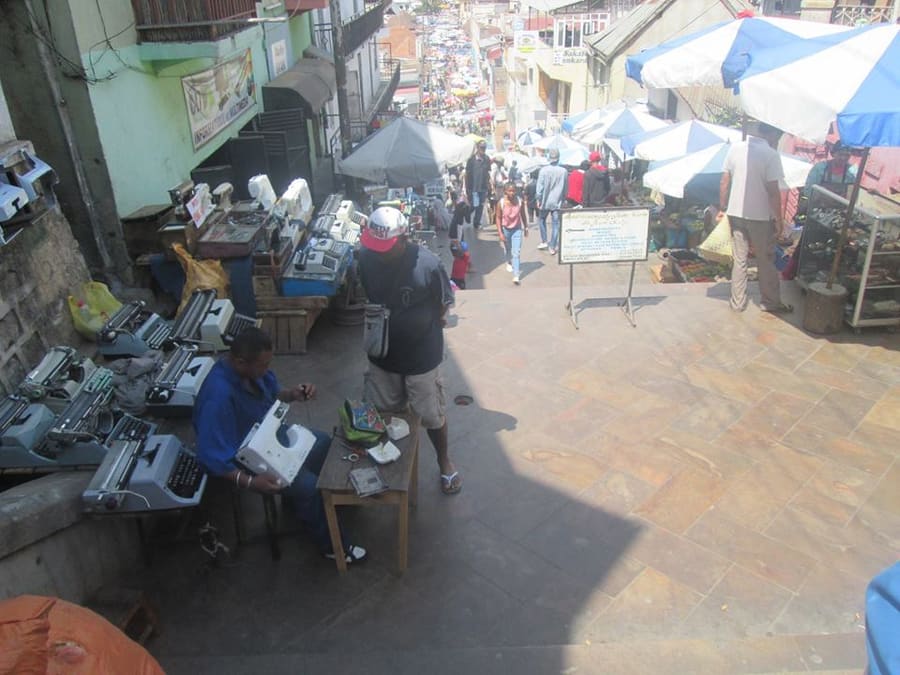
landmark
Arcaded market halls selling fresh produce, textiles, and spices. Keep your wallet in a front pocket while browsing dense stalls.
Perguntar ao Parley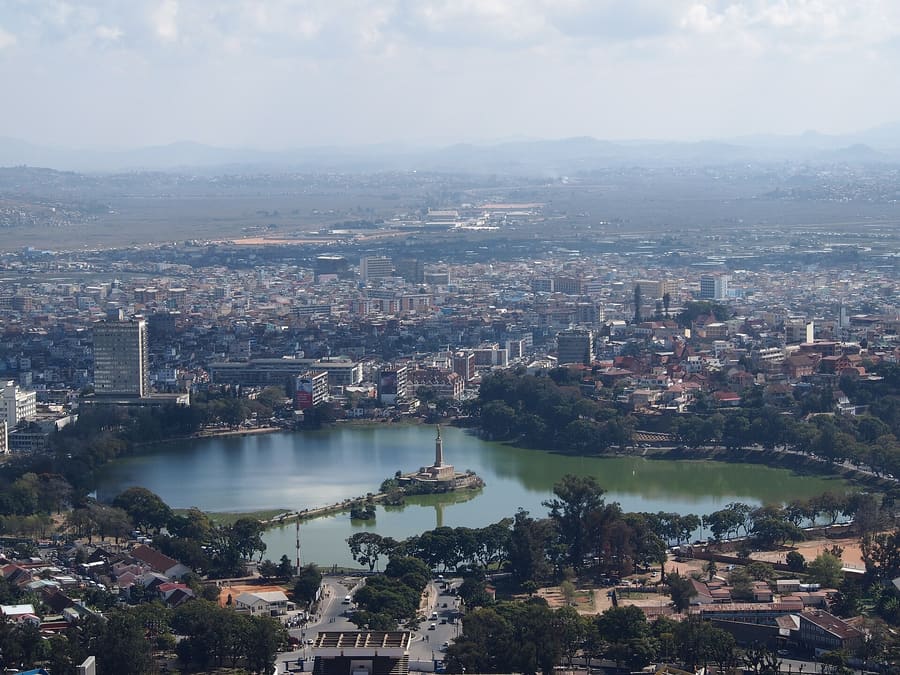
landmark
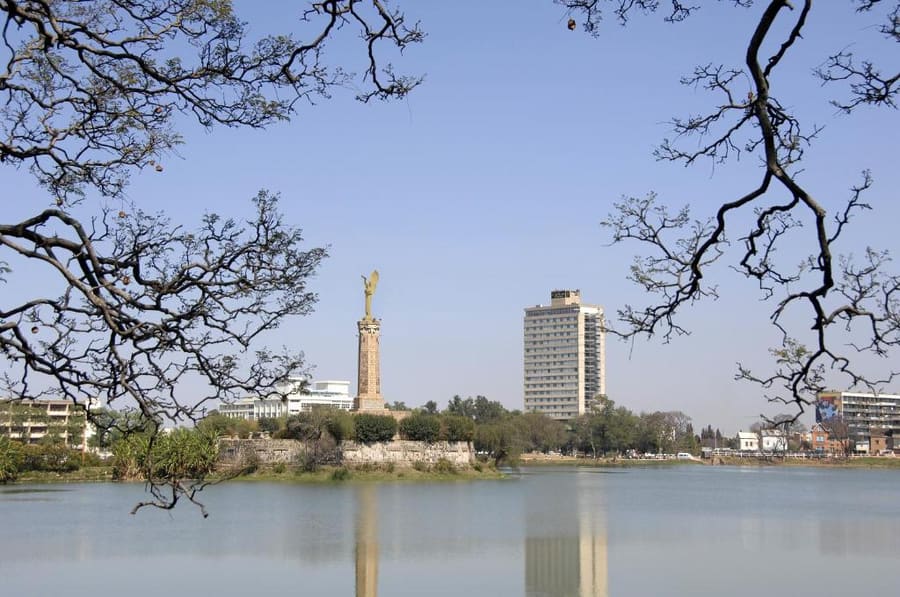
A heart-shaped lake surrounded by purple jacaranda trees in October. Walk the perimeter by day, but avoid it after nightfall.
Perguntar ao Parley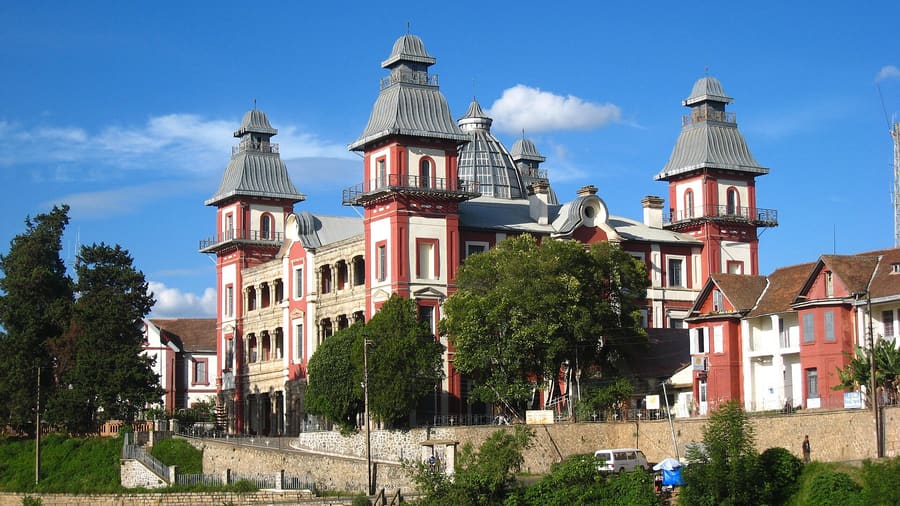
landmark
The restored pink palace of Prime Minister Rainilaiarivony. Inside, view royal artifacts saved from the 1995 Rova fire.
Perguntar ao Parley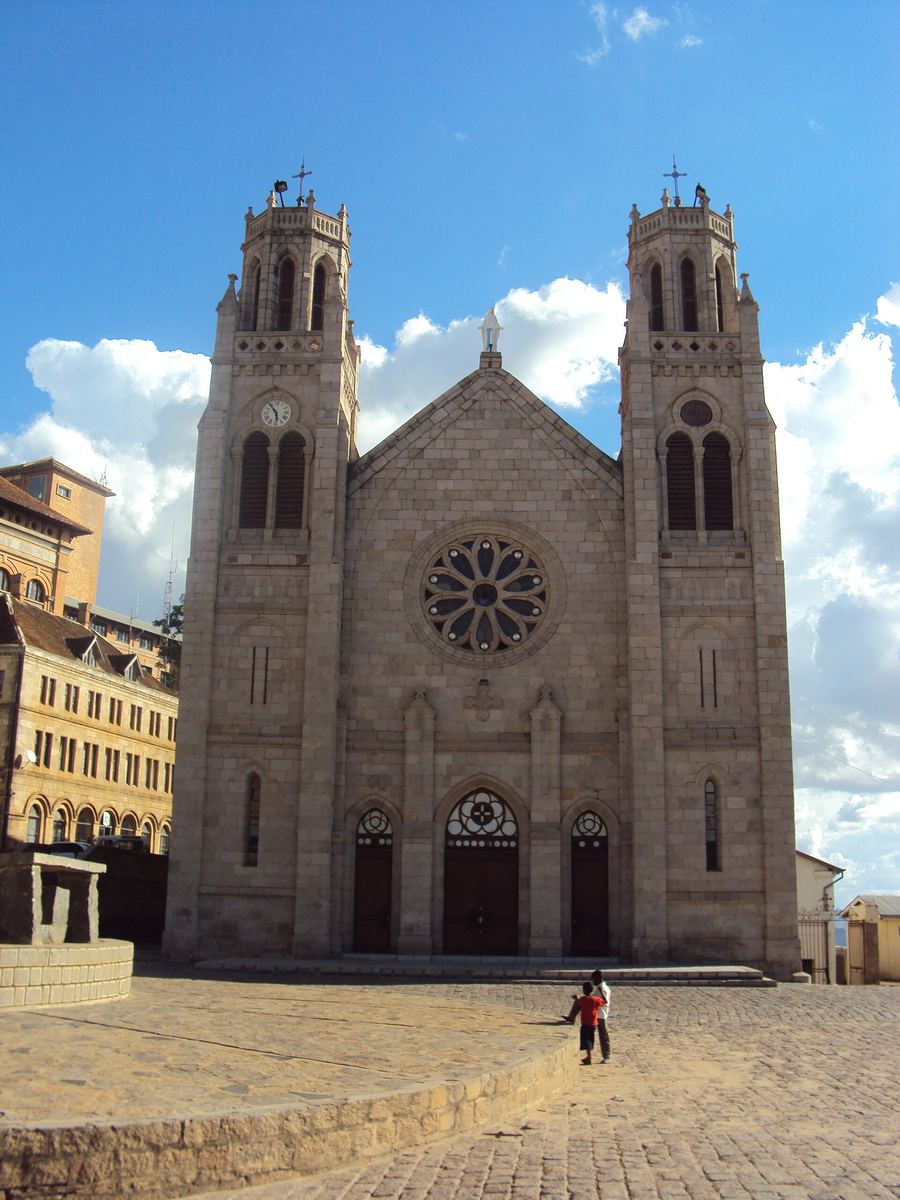
landmark
A 19th-century cathedral built from local stone on a prominent square. Visit during Sunday morning service for local choral singing.
Perguntar ao Parleyattractions
areas
A dense grid of arcades, street vendors, and endless vehicle congestion.
PertoAvenue de l'Indépendance, Soarano Station
Perguntar ao ParleyQuiet, steep cobblestone lanes lined with traditional brick houses and royal monuments.
PertoRova, Andafiavaratra Palace, Cathedral d'Andohalo
Perguntar ao ParleyThe central dining hub filled with colonial villas, bakeries, and travel agencies.
PertoAnalakely Market, Lake Anosy
Perguntar ao ParleyModern office towers and secured hotel compounds far from the historic hills.
PertoIvato road access, commercial centers
Perguntar ao Parleyfood
Highland cooking centers on rice, which locals eat at almost every meal. Zebu beef supplies the main protein, served as tender steaks in Isoraka bistros or braised in roadside stalls. French influence remains strong across city bakeries, where fresh baguettes arrive twice daily.
Romazava, the national meat stew flavored with anamalaho leaves.
Z thomas · CC BY-SA 4.0Order this broth made with beef, pork, and local leafy greens. The anamalaho leaves produce a distinct numbing sensation on your tongue.
Drink the toasted rice water served hot at local hotely lunch spots. Cooks prepare it by boiling water directly in the burnt-rice cooking pot.
Buy slices of this ground peanut, banana, and rice-flour cake from street carts. Vendors wrap the log in banana leaves and sell it warm by weight.
history
Antananarivo began as a hill fort founded by Merina rulers in the early seventeenth century. King Andrianampoinimerina consolidated highland power here before King Radama I opened the kingdom to British and French influence. Colonial occupation in 1895 reshaped the lower marshlands into broad avenues, leaving the upper crests for administrative and royal power.
Garrison founded
King Andrianjaka captures the hill of Analamanga and establishes a permanent garrison, naming it the City of a Thousand.
Merina capital
King Andrianampoinimerina unites the highland kingdoms and designates Antananarivo as his chief royal seat.
French takeover
French troops capture the royal palace. Madagascar becomes a French colony, prompting major lower-city construction.
Independence
Madagascar regains independence. Antananarivo remains the capital and primary political arena of the republic.
where to stay
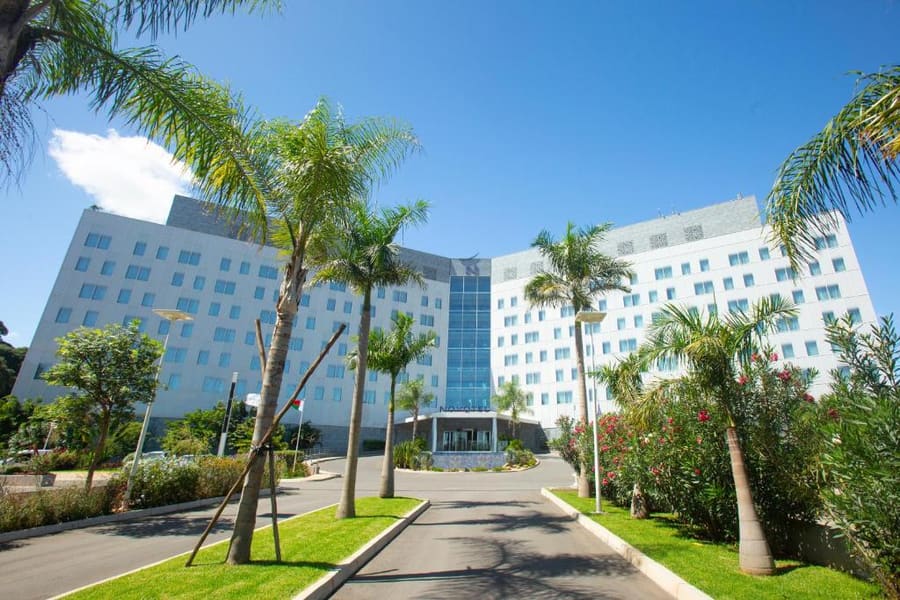
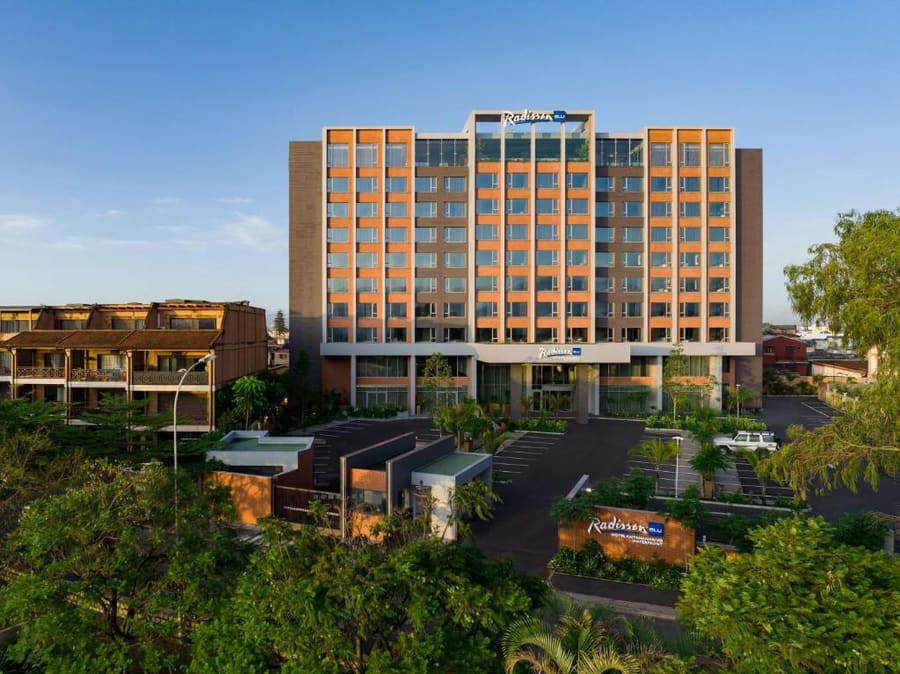
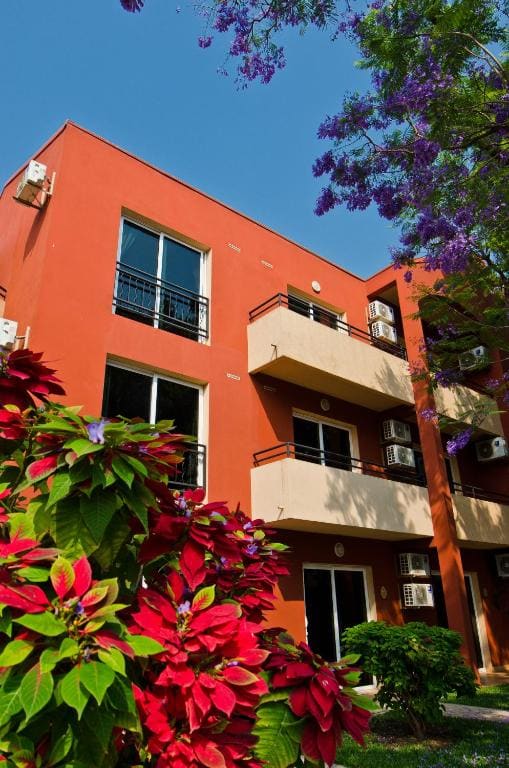
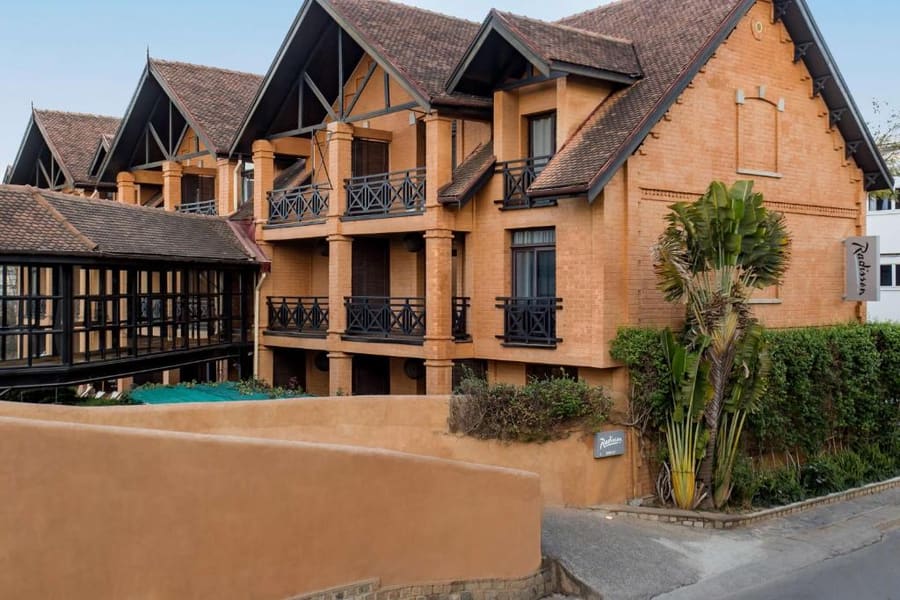
Choose your base based on how you tolerate traffic and stairs. Stay in Haute Ville if you want historic views and cooler air, though taxis struggle on narrow inclines. Pick Isoraka for walkable dining, or Ankorondrano if you need international business standards and airport access.
Live rates, matched to the areas above.
transport
Road congestion slows traffic across the city basin to a crawl during workday rush hours. Walking is the fastest way to travel between upper and lower districts using public staircases. For longer journeys across town, rely on cream-colored unmetered taxis.
De Ivato International Airport (TNR)
Agree on the exact fare before putting luggage in the trunk.
Requires pre-booking through your hotel front desk.
Taxi-be minibuses lack space for large travel bags.
City taxis are painted cream or yellow and carry roof signs. They do not run meters, so settle the price before closing the door.
Numbered minibus lines serve fixed routes across town. You pay the conductor directly upon taking a seat.
Traffic jams lock down Analakely and Ankorondrano between 07:30–09:00 and 16:30–18:30. Plan extra transit time.
Marked public stairways cut straight through hill ridges, bypassing gridlocked switchback roads.
cost
Antananarivo remains an affordable destination for international visitors, though imported goods command high prices. Cash rules daily trade, and paying with large bank notes at street stalls causes friction due to a lack of change.
Price for a full main course at an established Isoraka bistro.
Standard cross-town fare outside peak morning hours.
A thick warm slice cut directly off a peanut-banana log.
Served with French pastries in central midtown cafes.
seasonality
MAR – MAY
Rains decrease and temperatures remain mild. Great window for exploring the highland trails on foot.
JUN – AUG
Dry highland winter. Days are bright and cool, but temperatures drop significantly after sunset.
SEP – NOV
Warm days before the wet season. Jacaranda trees bloom purple along the shores of Lake Anosy.
DEC – FEB
Heavy downpours and potential cyclones. Cobblestone staircases turn slick and muddy.
practicalities
Withdraw cash at bank branches along Avenue de l'Indépendance before weekend closures.
Analakely and nearby market streets require vigilant pocket awareness at peak trading hours.
At 1,200 meters above sea level, evening temperatures require a jacket even during dry months.
Most central shops and bakeries close by midday on Sunday. Plan meal options ahead.
French is spoken in hotels and restaurants, while Malagasy remains the primary street language.