landmark
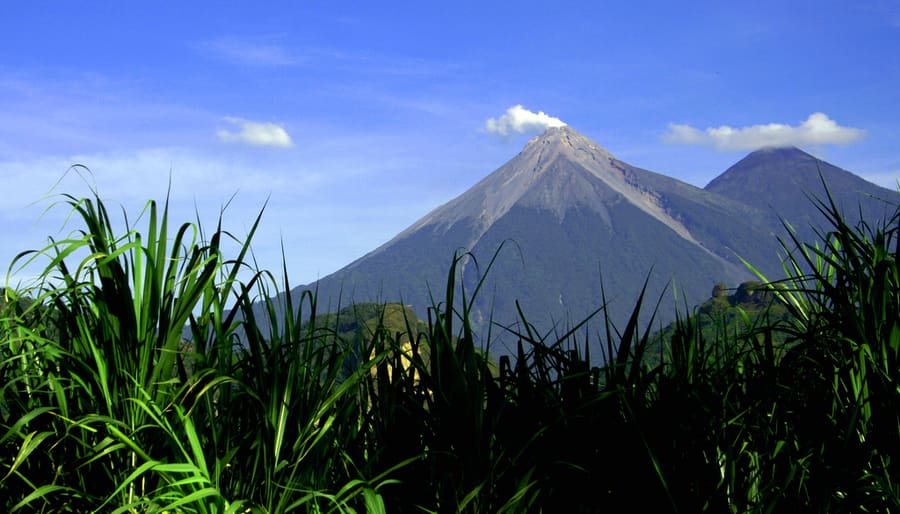
Volcán de Acatenango
Overnight hikes put you face-to-face with erupting Volcán de Fuego. Pack sub-zero layers; wind speeds at camp drop temperatures fast.
Perguntar ao ParleyGuatemala
Grid streets beneath active volcanoes and colonial ruins.
introduction
Antigua sits in a high-altitude valley framed by three volcanoes. Its strict grid of cobbled streets forces a slow walking pace and demands thick-soled shoes. You navigate by church towers and ruined convents destroyed in the 1773 earthquake. Expect quiet courtyards tucked behind plain stucco facades.
Airport transit
Shared shuttles from Guatemala City Airport (GUA) cost around GTQ 150. Book inside the arrival hall to avoid street hawkers.
World Heritage status
UNESCO designated the city in 1979 to protect its preserved 16th-century Spanish colonial grid and earthquake ruins.
Sunday walking rule
Vehicles are banned in the central core on Sundays. Expect heavy foot traffic and higher restaurant waits near Parque Central.
highlights
landmark
Overnight hikes put you face-to-face with erupting Volcán de Fuego. Pack sub-zero layers; wind speeds at camp drop temperatures fast.
Perguntar ao Parley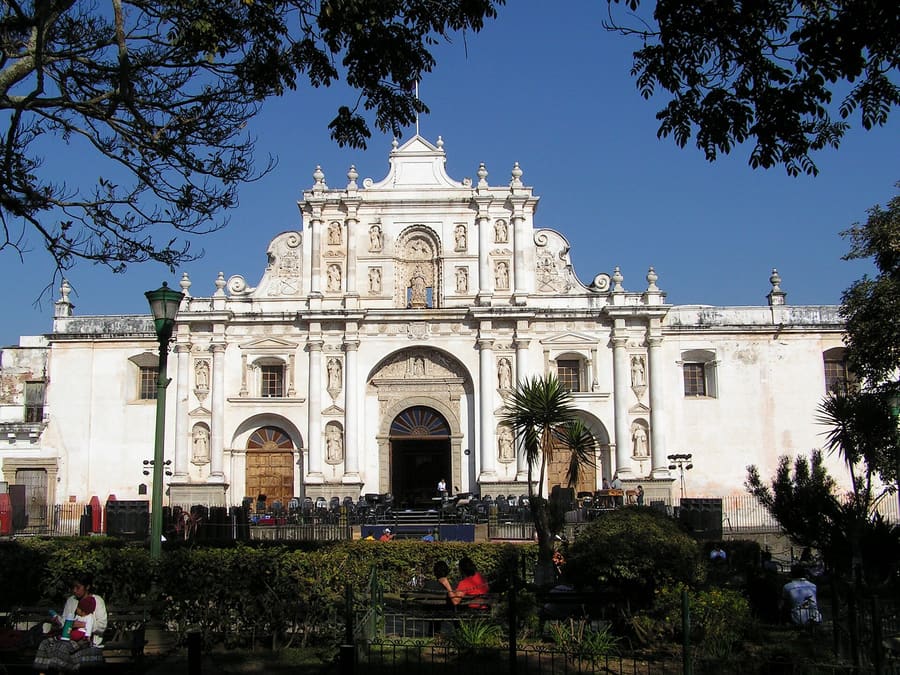
landmark
The restored front masks ruined rear vaults exposed to the sky. Pay entry at the side gate to enter the fallen brick arches.
Perguntar ao Parley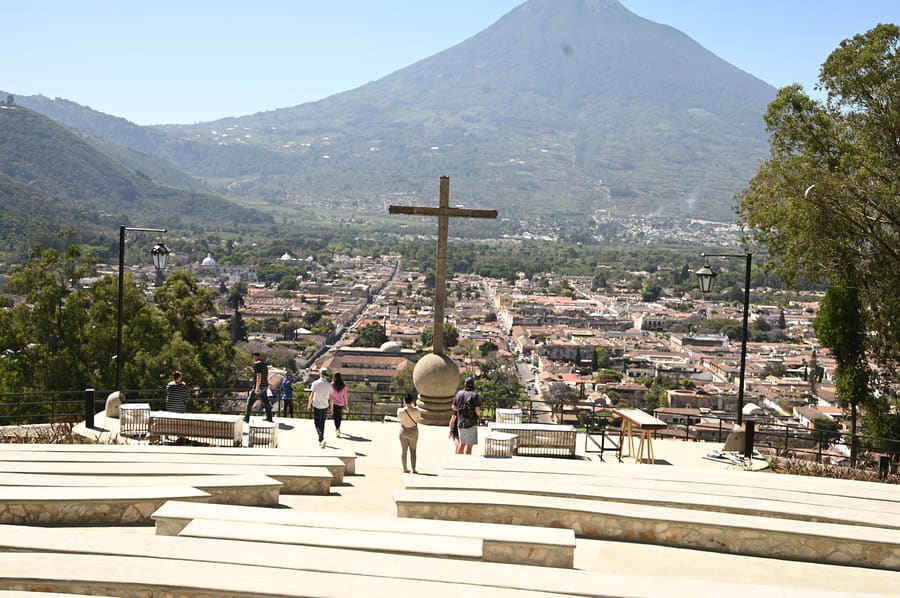
landmark
Lookout point overlooking the entire city grid and Agua volcano. Take the public shuttle or walk the paved trail during daylight hours.
Perguntar ao Parleyattractions
areas
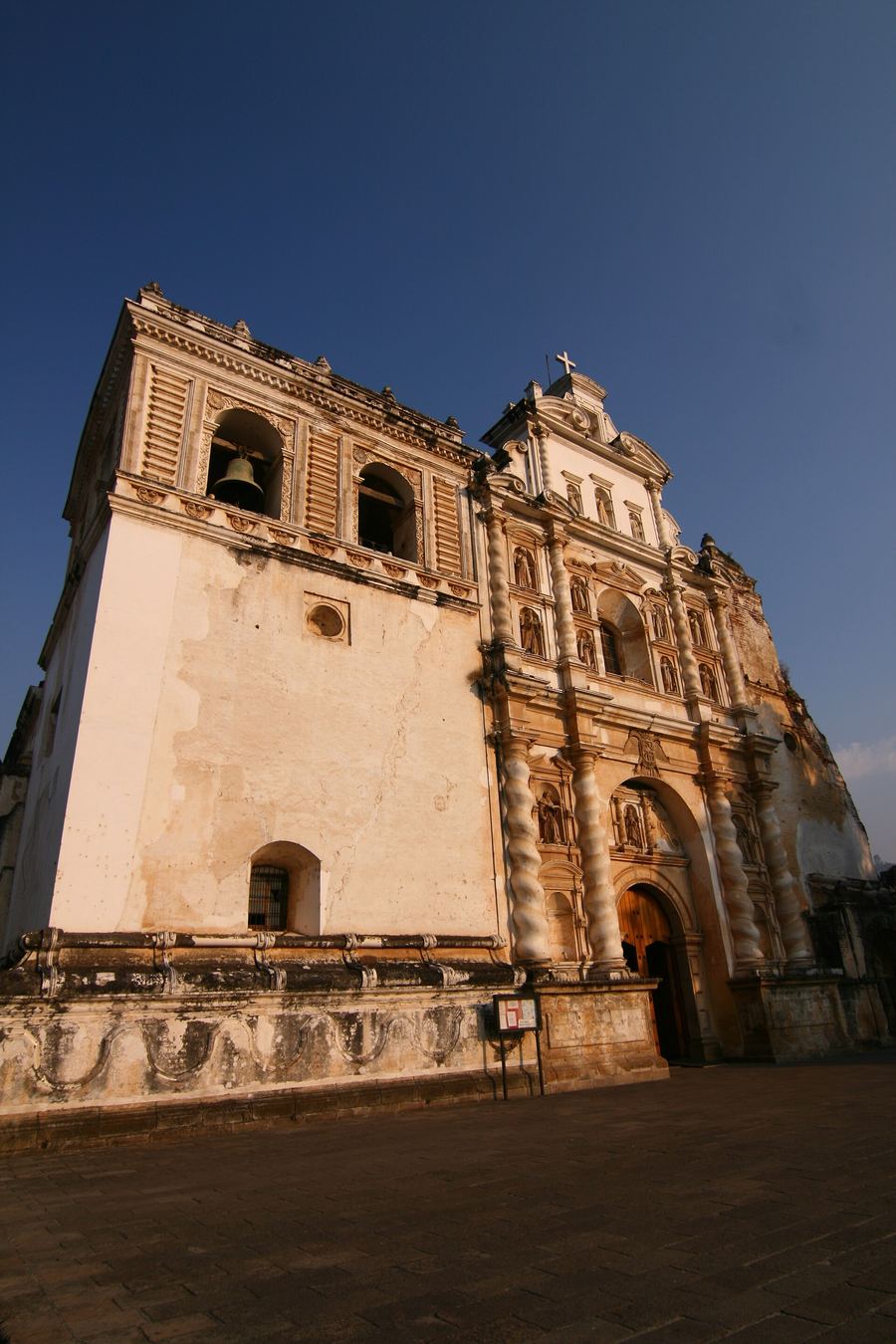
Relaxed neighbourhood centered around historical convents and tree-lined plazas.
PertoBelén Convent and San Francisco
Perguntar ao ParleyBusy plaza hub surrounded by cafes, agencies, and historical facades.
PertoParque Central and Cathedral
Perguntar ao ParleyQuiet cobblestone lanes lined with bakeries, boutique stays, and ruins.
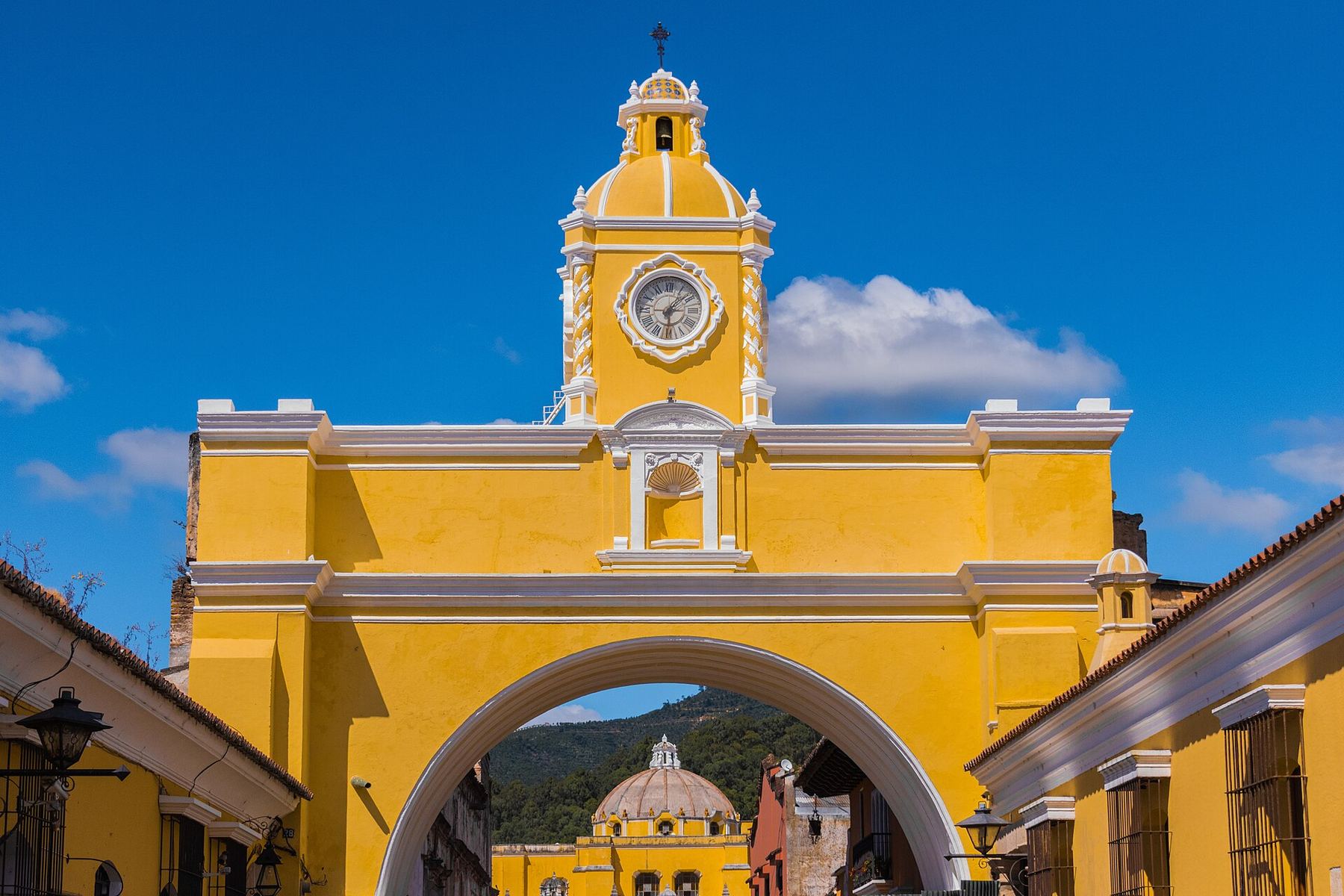
PertoLa Merced Church and Santa Catalina Arch
Perguntar ao ParleyResidential corners with sweeping volcano views and open communal washing basins.
PertoTanque La Unión and San Francisco Church
Perguntar ao Parleyfood
Antigüeño cooking centers on recados—thick, spiced sauces thickened with ground pumpkin seeds or toasted tortillas. Pepián is the flagship dish, combining chicken or beef with roasted tomatoes, cinnamon, and chilies. You find the truest versions in simple comedores inside Mercado Central rather than high-end tourist spots. Street corners sell pupusas and tostadas, but local lunch service peaks precisely between 12:00 and 14:00.
Order the daily roast chicken or pepián combo. It includes fresh handmade tortillas, rice, and fresh fruit juice for under GTQ 40.
Comedores inside Mercado Central serve fresh recados from 11:30 to 14:30. Arrive early before popular stews run out.
Look for women cooking on flat clay comales near Tanque La Unión in the late afternoon. They serve hot dobladas and tostadas.
history
Founded in 1543 as Santiago de los Caballeros, Antigua served as the Spanish colonial capital of Central America for over two centuries. Earthquake activity shaped its architecture, forcing builders to use thick walls and low bell towers. The Santa Marta earthquakes of 1773 destroyed major structures, prompting Spain to move the capital to present-day Guatemala City. Antigua preserved its grid structure as a regional rural hub until conservation efforts began in the 20th century.
Capital established
Antigua becomes the third capital of the Kingdom of Guatemala following a mudslide at Ciudad Vieja.
The Santa Marta quake
Earthquakes devastate the city, ordering official evacuation and transfer of the capital to Guatemala City.
National monument
Guatemala designates Antigua a national monument to protect its intact colonial layout and ruins.
UNESCO designation
The city gains World Heritage status, spurring strict municipal building controls on colors and signs.
where to stay
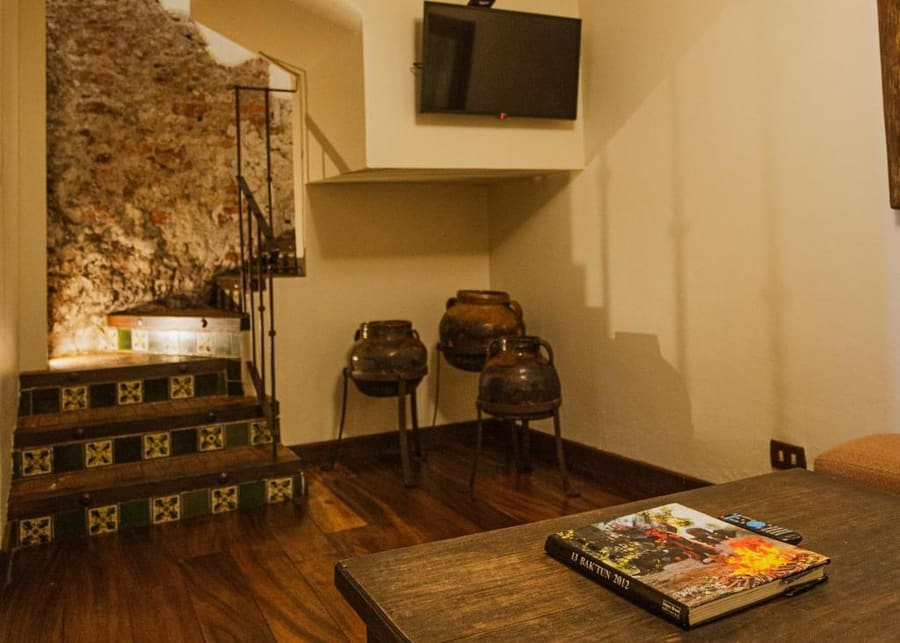
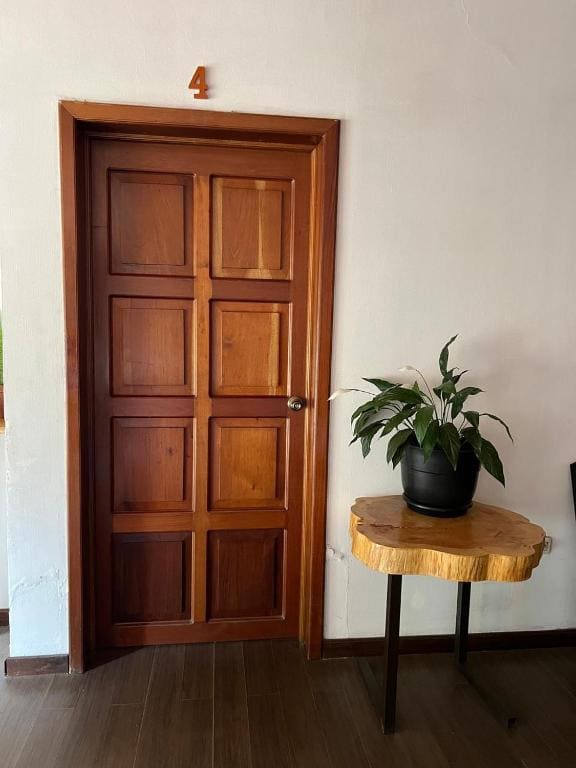
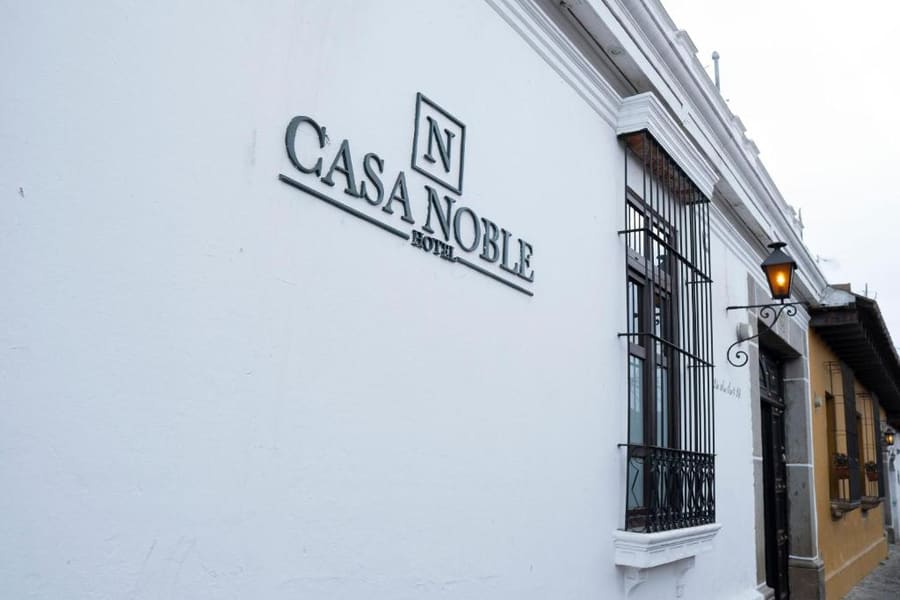
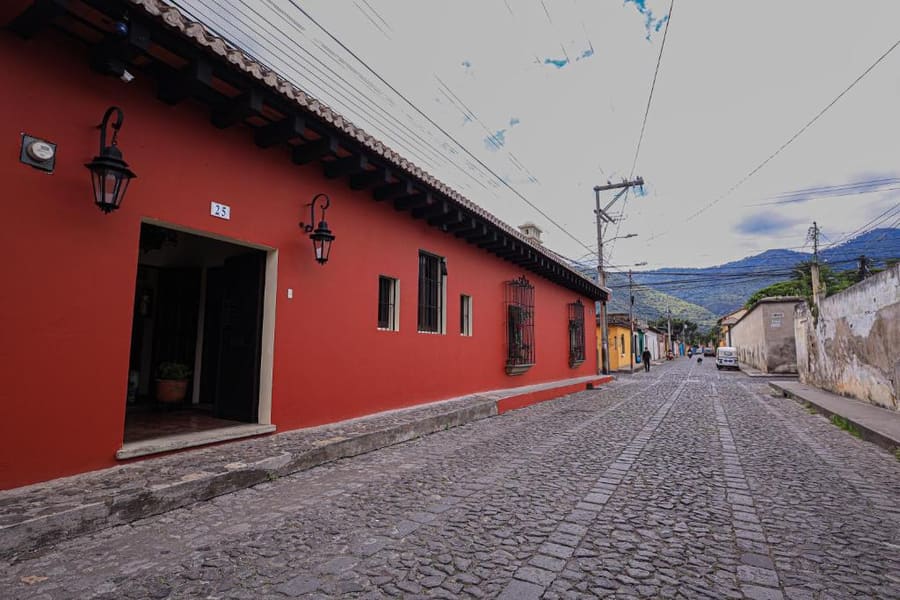
Choose your accommodation by street noise tolerance and walking distance. Central hotels near Parque Central put you steps from dining but stay loud at night. Northern and southern sections offer historic convent conversions with quiet internal courtyards.
Live rates, matched to the areas above.
transport
Antigua is compact and best explored entirely on foot. Motorized traffic is restricted in parts of the center, and cobblestones make bicycles impractical for most. Tuk-tuks handle short trips within city limits, while shared shuttles connect directly to the airport and other regional destinations.
De La Aurora International Airport (GUA)
Leaves GUA airport continuously. Buy tickets at desk inside customs exit.
Rates rise sharply during peak Guatemala City traffic (16:00-19:00).
Pre-arranged door-to-door option. Ideal for flights arriving after dark.
Negotiate the fare before stepping in. A standard ride anywhere inside Antigua's core costs GTQ 15–20 per person.
Travel times to the airport double during weekday afternoon rush hours. Allow at least two hours for airport transit.
Tuk-tuk drivers accept cash in Quetzales only. Carry small GTQ 10 and GTQ 20 notes.
Uneven cobblestones destroy thin shoes and catch heels. Wear sturdy sneakers or thick soles.
cost
Antigua operates on a dual-pricing reality: local markets and comedores offer low prices, while tourist-focused venues match North American pricing. Cash remains vital for small transactions, market stalls, and transport.
A full lunch plate with meat, rice, beans, and fresh tortillas at local market stalls.
Main dish and drink at a sit-down restaurant in the city center.
Flat rate per person for trips within the central city grid.
Overnight guided hike including park entry fees, tent gear, and meals.
Single-origin coffee at specialty cafes around Parque Central.
seasonality
NOV – JAN
Clear sky and cool nights. Peak season brings high hotel prices and dense holiday crowds.
FEB – APR
Dry weather with warm days. Holy Week (Semana Santa) sees extreme lodging surges requiring months-ahead booking.
MAY – JUL
Start of rainy season with afternoon downpours. Morning hikes remain clear and green landscape emerges.
AUG – OCT
Heaviest rain months. Wet afternoons cause trail mud, but hotel rates hit annual lows.
practicalities
Use ATMs located inside bank branches around Parque Central rather than standalone street machines.
Antigua sits at 1,500 meters altitude. Sunburn happens fast even under partial cloud cover.
Most retail shops open by 09:00 and close at 19:00. Small family stores may close briefly at mid-day.
Basic Spanish goes a long way. Market vendors and transport operators rarely speak English.
Tap water is not potable. Filtered water ('agua pura') is standard in restaurants and hotels.