landmark
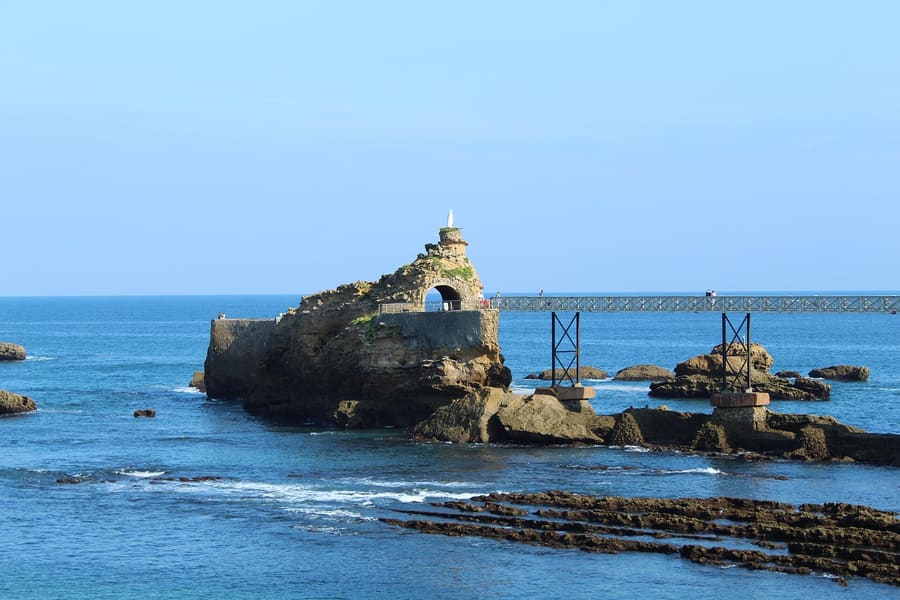
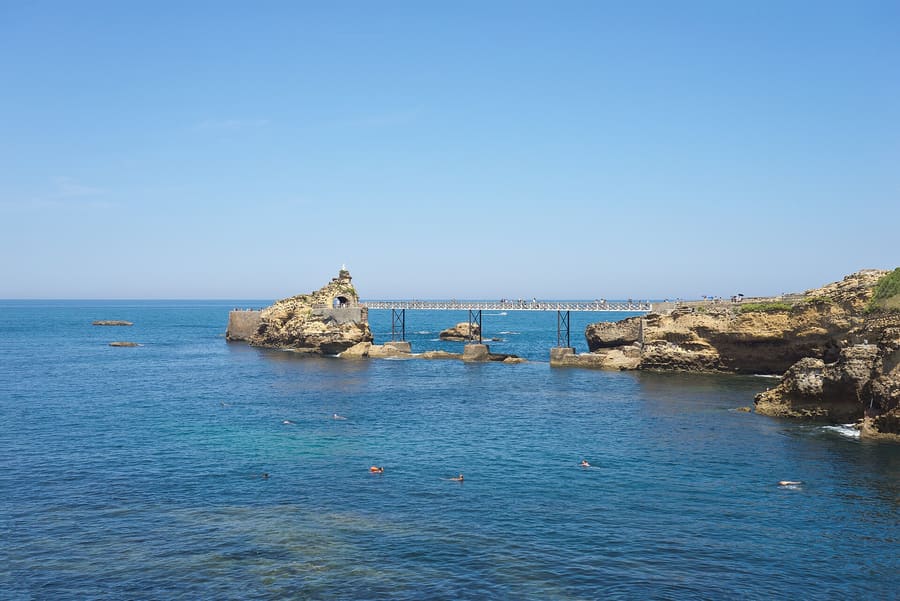
Rocher de la Vierge
Walk the iron bridge designed by Gustave Eiffel's workshop to reach an isolated rock outcrop with sweeping coastal views.
Perguntar ao Parley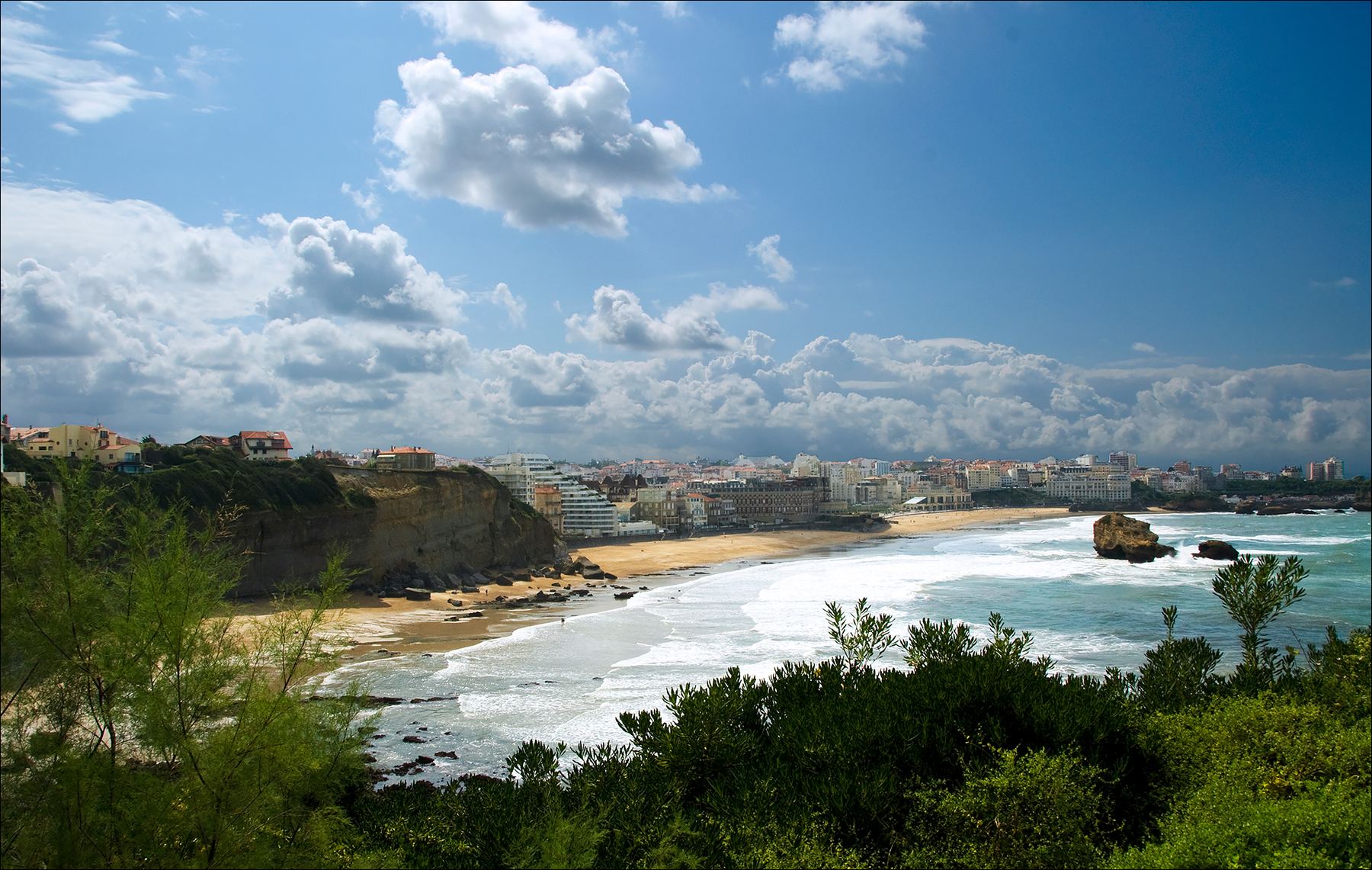
França
Imperial grandeur meets Atlantic surf culture.
introduction
Biarritz sits on the Bay of Biscay, where dramatic ocean cliffs meet 19th-century aristocratic architecture. You navigate the town mostly on foot, though steep hills connecting the seafront to upper neighborhoods test your legs. Expect heavy surf energy during the day and refined Basque dining at night. High tide completely consumes certain beaches, making tidal awareness essential for daily planning.
Airport transit trick
Take Txik Txak bus line 36 from BIQ airport straight to Les Halles for €1.20 instead of paying €20 for a five-minute cab.
Birthplace of European surf
Surfing arrived in Europe on Côte des Basques in 1957 during the filming of The Sun Also Rises.
Tide timing reality
Check tide tables daily before planning beach trips. La Côte des Basques beach disappears entirely under waves at high tide.
Biarritz
Jörg Braukmann · CC BY-SA 4.0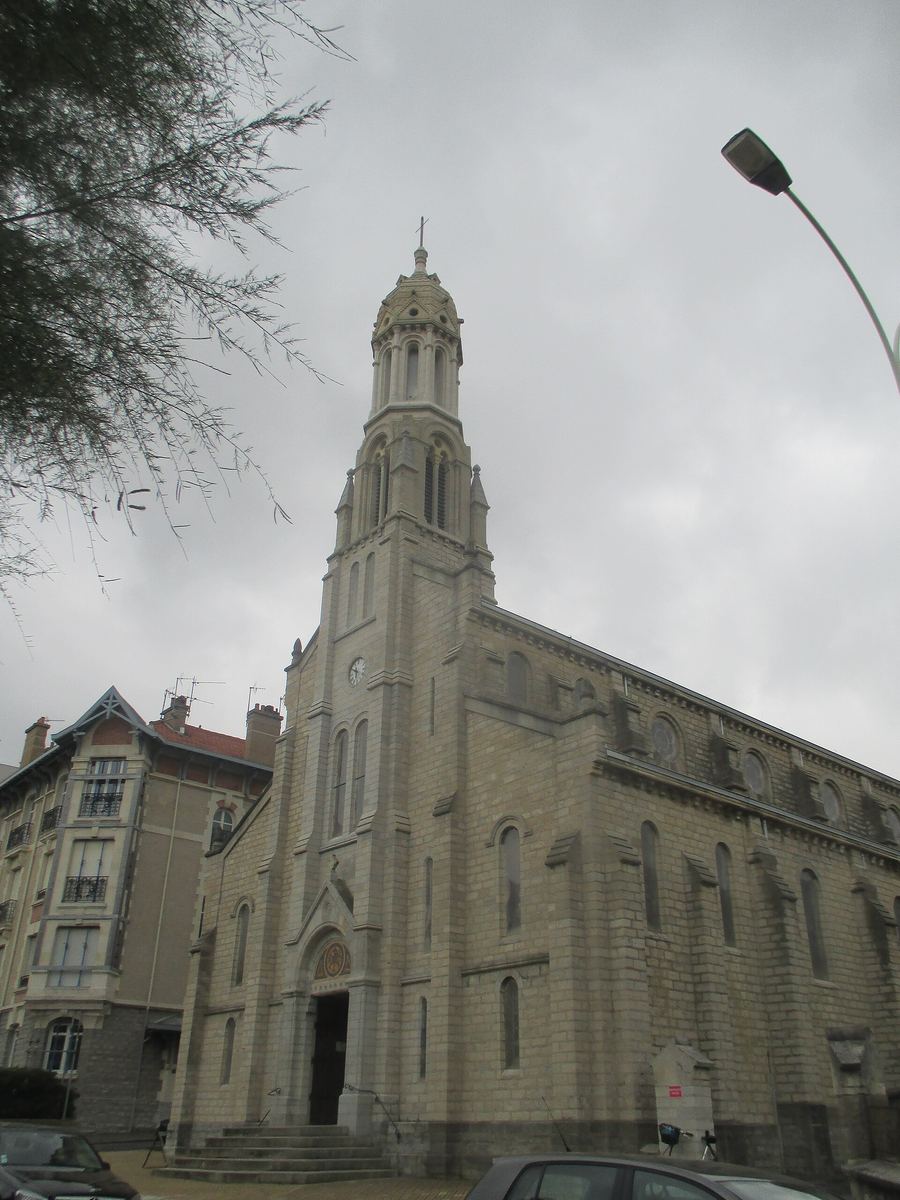
Saint-Charles — Quiet, elegant residential quarter with upscale bakeries, florists, and 19th-century villas.
Thomon · CC BY-SA 4.0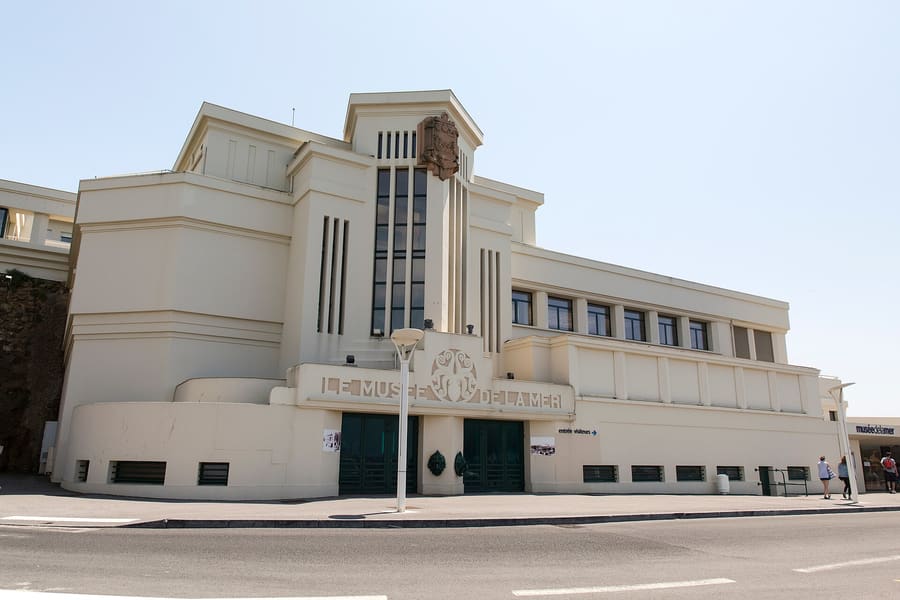
Port Vieux — Compact, sheltered cove neighborhood tucked between sea cliffs with an old-world bathing beach.
A1AA1A · CC BY-SA 4.0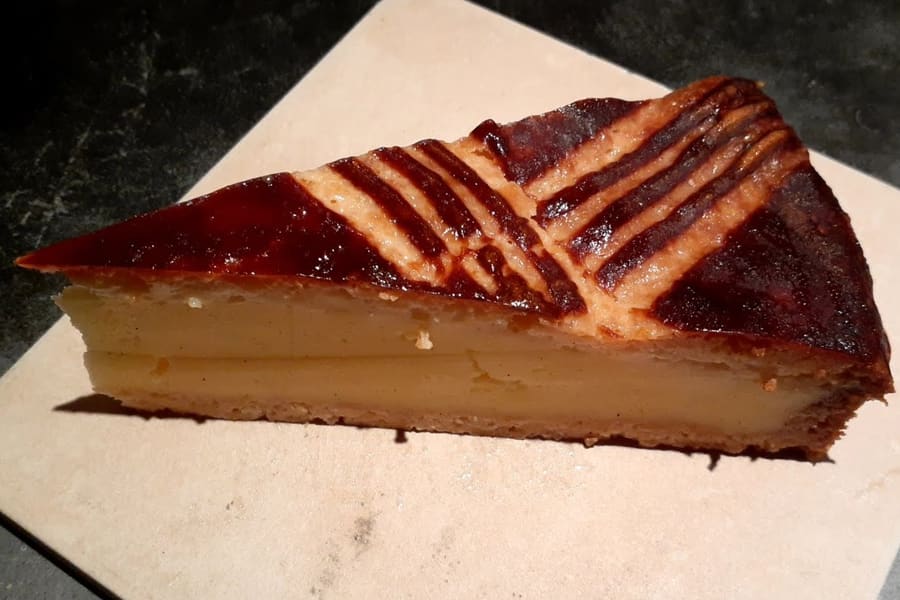
Gâteau Basque served with black cherry jam or pastry cream.
Asturio Cantabrio · CC BY-SA 4.0highlights
landmark
Walk the iron bridge designed by Gustave Eiffel's workshop to reach an isolated rock outcrop with sweeping coastal views.
Perguntar ao Parley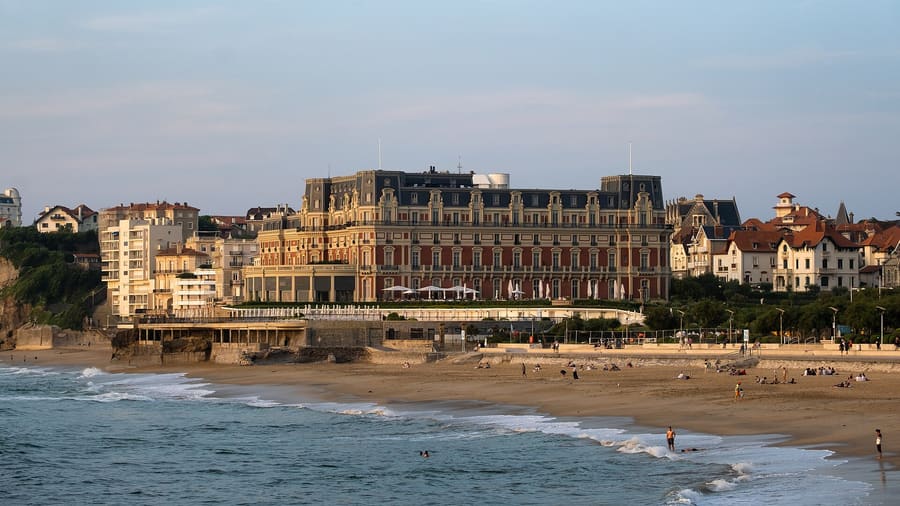
landmark
The main central beach fronting the art deco casino. Ideal for swimming at low tide, but gets heavily crowded in August.
Perguntar ao Parley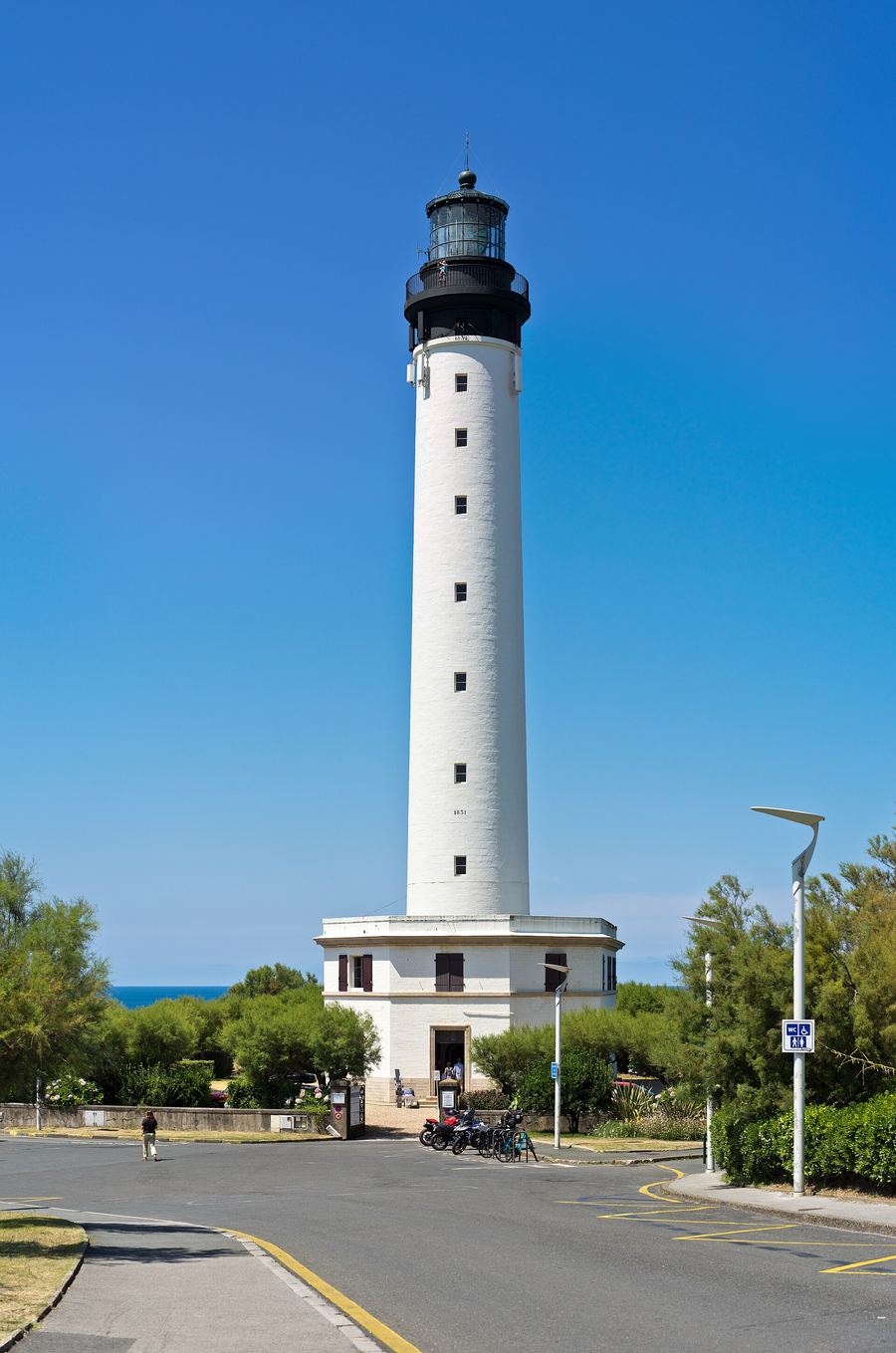
landmark
Climb 248 steps up this 1834 lighthouse on Pointe Saint-Martin for panoramic views across the French and Spanish Basque coast.
Perguntar ao Parley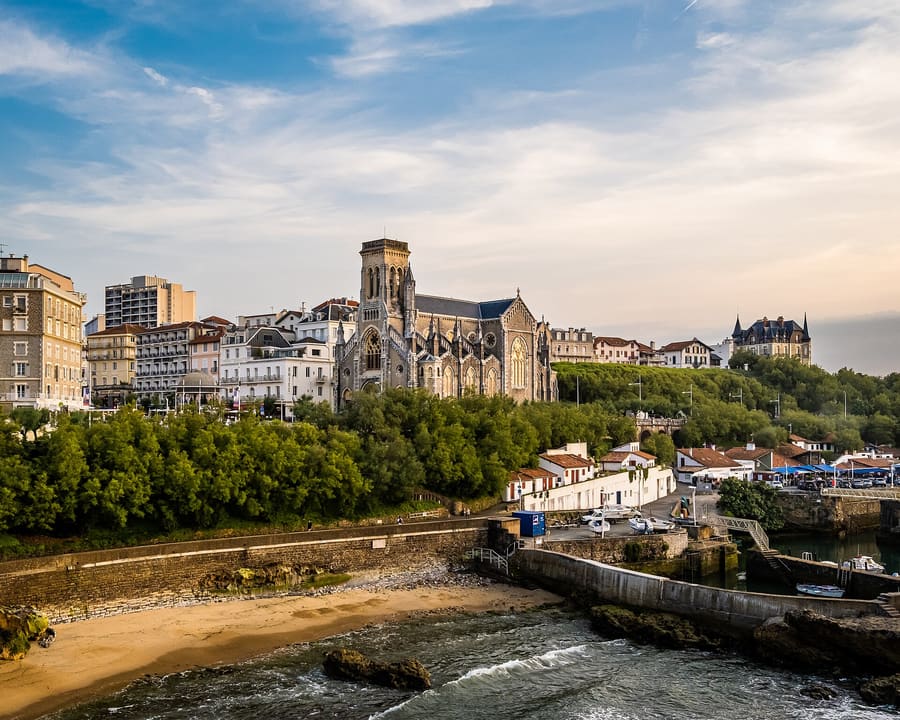
landmark
A sheltered inlet lined with traditional crampottes (fisherman shacks) serving fresh grilled sardines and chilled white wine.
Perguntar ao Parley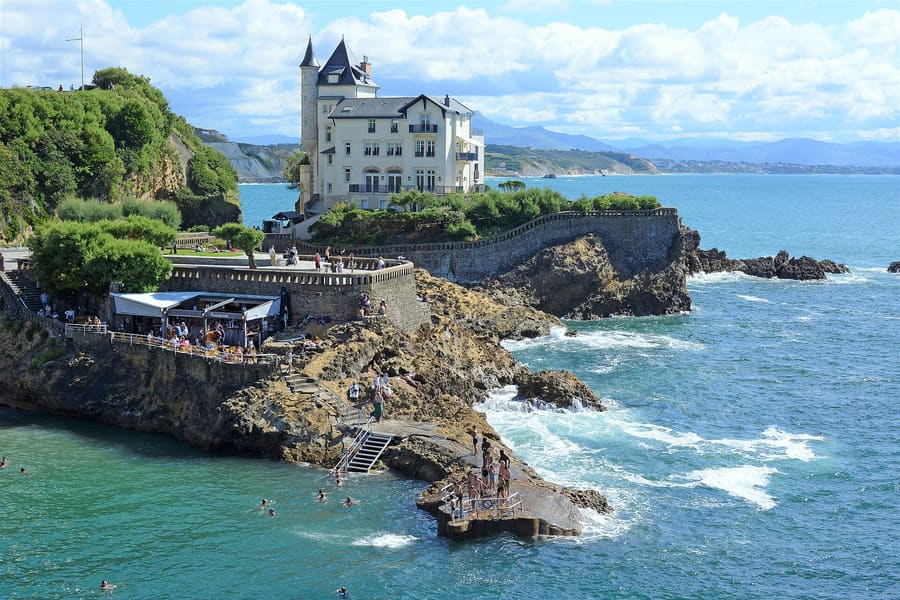
landmark
The birthplace of European surfing backed by steep cliffs. Sand vanishes completely at high tide, forcing surfers onto the promenade.
Perguntar ao Parleyattractions
areas
Quiet, elegant residential quarter with upscale bakeries, florists, and 19th-century villas.
PertoPhare de Biarritz, Miramar Beach
Perguntar ao ParleyCompact, sheltered cove neighborhood tucked between sea cliffs with an old-world bathing beach.
PertoRocher de la Vierge, Côte des Basques
Perguntar ao ParleyLively commercial heart with covered markets, high-end boutiques, and crowded tapas bars.
PertoGrande Plage, Les Halles, Port des Pêcheurs
Perguntar ao ParleyRelaxed, bohemian cliffside neighborhood overlooking the main surf break.
PertoCôte des Basques, Rue Pannecau
Perguntar ao Parleyfood
Biarritz dining revolves around Basque ingredients and Atlantic catch. Local meals feature Bayonne ham cured with Espelette pepper, sheep's milk Ossau-Iraty cheese, and fresh chipirones cooked on a flat top grill. Les Halles market serves as the daily culinary focal point, where morning grocery shopping transforms into standing tapas lunches around noon.
Gâteau Basque served with black cherry jam or pastry cream.
Asturio Cantabrio · CC BY-SA 4.0Arrive at Les Halles by 11:30 AM to secure a standing spot at the counter bars before the midday rush.
Look for small squid flash-fried on the plancha with garlic and parsley on daily chalkboard menus.
Order pintxos at the bar, keep track of your glass count, and pay before leaving.
history
Biarritz evolved from a medieval Basque whaling village into an imperial summer capital. Empress Eugénie built Villa Eugénie here in 1854, attracting European royalty and establishing high-society seaside tourism. In 1956–1957, visiting American filmmakers introduced surfing, sparking a second identity that now dominates local culture alongside royal heritage.
Whaling port
Biarritz operates as a Basque fishing village focused on Atlantic whaling and sea trade.
Imperial arrival
Empress Eugénie and Napoleon III build Villa Eugénie, turning the village into a royal resort.
Surfing arrives
California screenwriter Peter Viertel brings surfboards to Côte des Basques, launching European surf culture.
G7 Summit host
The city hosts world leaders at Hôtel du Palais, highlighting its international diplomatic role.
where to stay
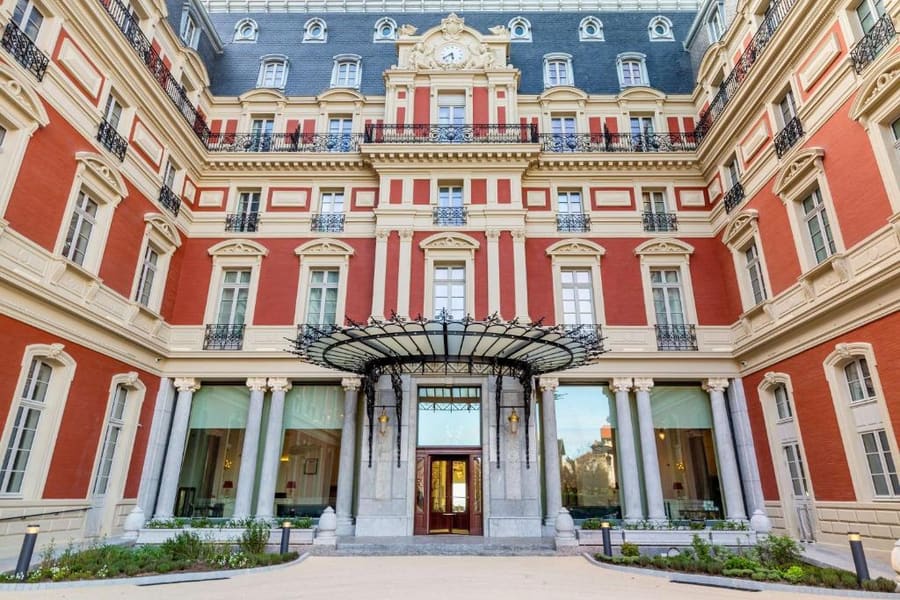
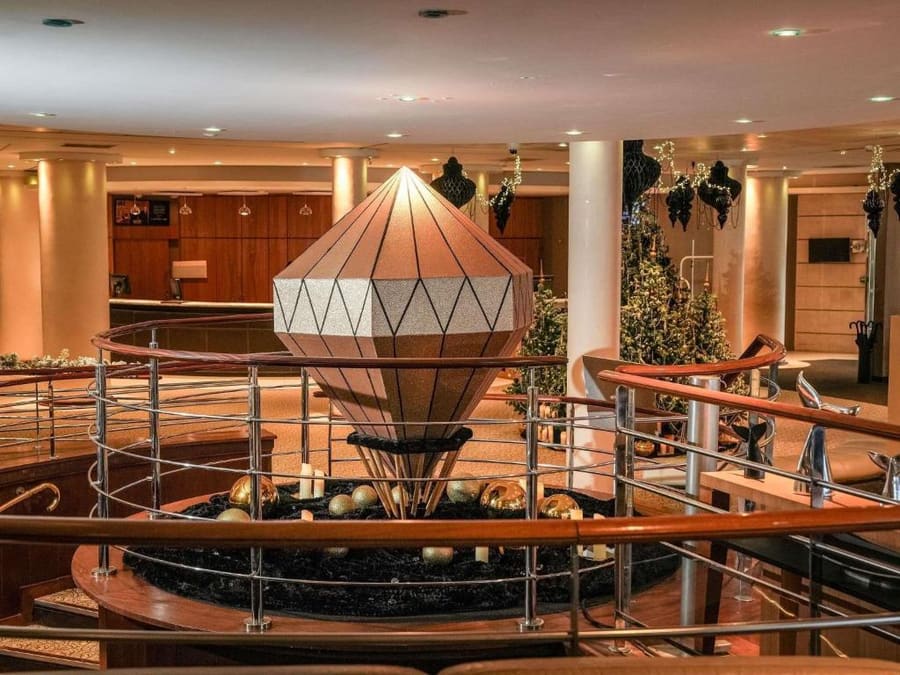
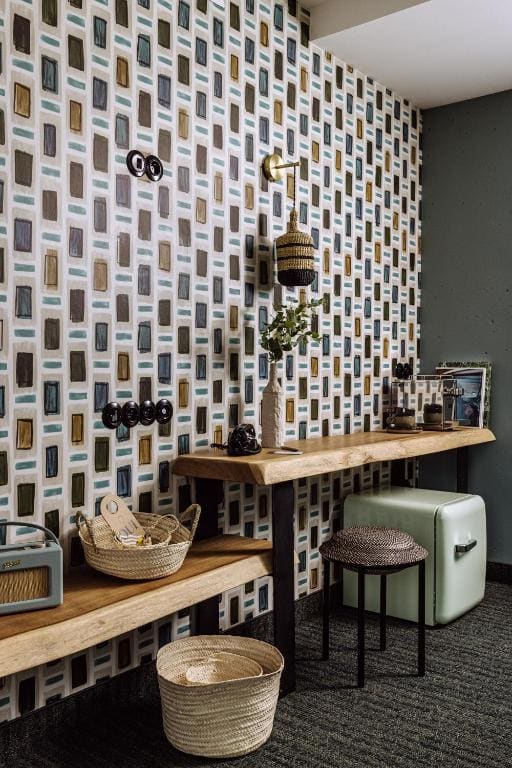
Choose your base based on verticality and sea access. Staying near Les Halles puts restaurants at your doorstep, while Saint-Charles offers peaceful residential streets. If daily surfing matters most, book in Beaurivage directly above the break.
Live rates, matched to the areas above.
transport
Central Biarritz is compact but hilly. You can walk almost everywhere in the center, but local buses carry you up steep inclines when fatigue sets in.
De Biarritz Pays Basque Airport (BIQ)
Txik Txak Line 36 runs directly from BIQ airport to Les Halles in the city centre.
Flat or metered rates apply from BIQ airport or Gare de Biarritz rail station.
Single bus tickets cost €1.20 and are valid for 60 minutes across the entire Txik Txak network.
Walking from Côte des Basques back up to Beaurivage involves long flights of stairs.
Coastal roads stall during peak July and August afternoons; walking is faster than driving.
Tap your credit card or phone directly on the bus validator when boarding.
cost
Biarritz operates at upper-tier French resort prices, especially during peak summer months. Dining costs reflect high-grade Basque produce and coastal tourism demand.
Standard price for a small coffee at a central zinc bar.
Per-piece cost for tapas at market stalls.
Standard daily rate at board shops along Côte des Basques.
Three-course weekday lunch special in local bistros.
seasonality
MAR – MAY
Mild temperatures and lighter crowds. Water remains cold, but spring surfing conditions are consistent.
JUN – AUG
Warm weather and peak sea temperature. High room rates, crowded beaches, and intense traffic.
SEP – OCT
Warm ocean water, manageable crowds, and optimal surf swells. Best window for visiting.
NOV – FEB
Quiet winter season with damp weather and ocean storms. Many seasonal venues close.
practicalities
Côte des Basques beach disappears entirely at high tide. Check local tide charts daily.
Independent shops and bakeries close Sunday afternoon and many stay closed on Mondays.
Street signs use both French and Basque (Euskara). Local names often differ significantly.
Some market vendors enforce a €10 minimum for card payments, though most accept tap.